Serious Games reports and market data
Documents
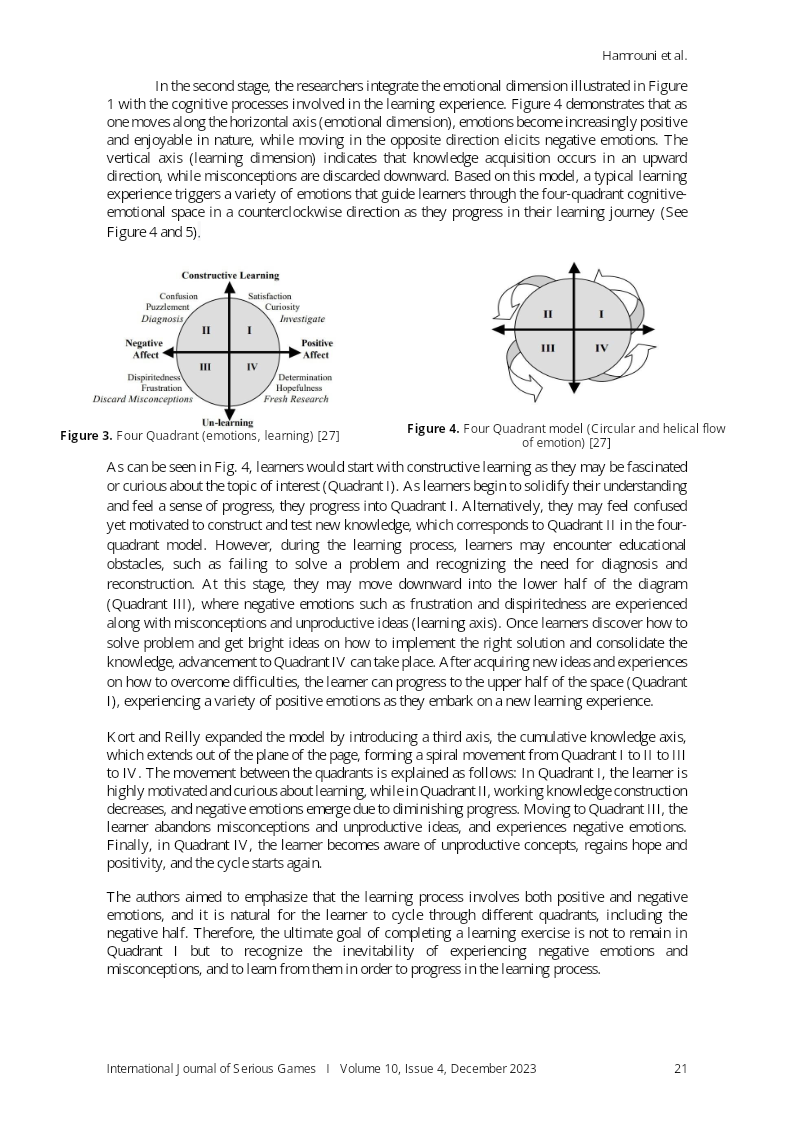
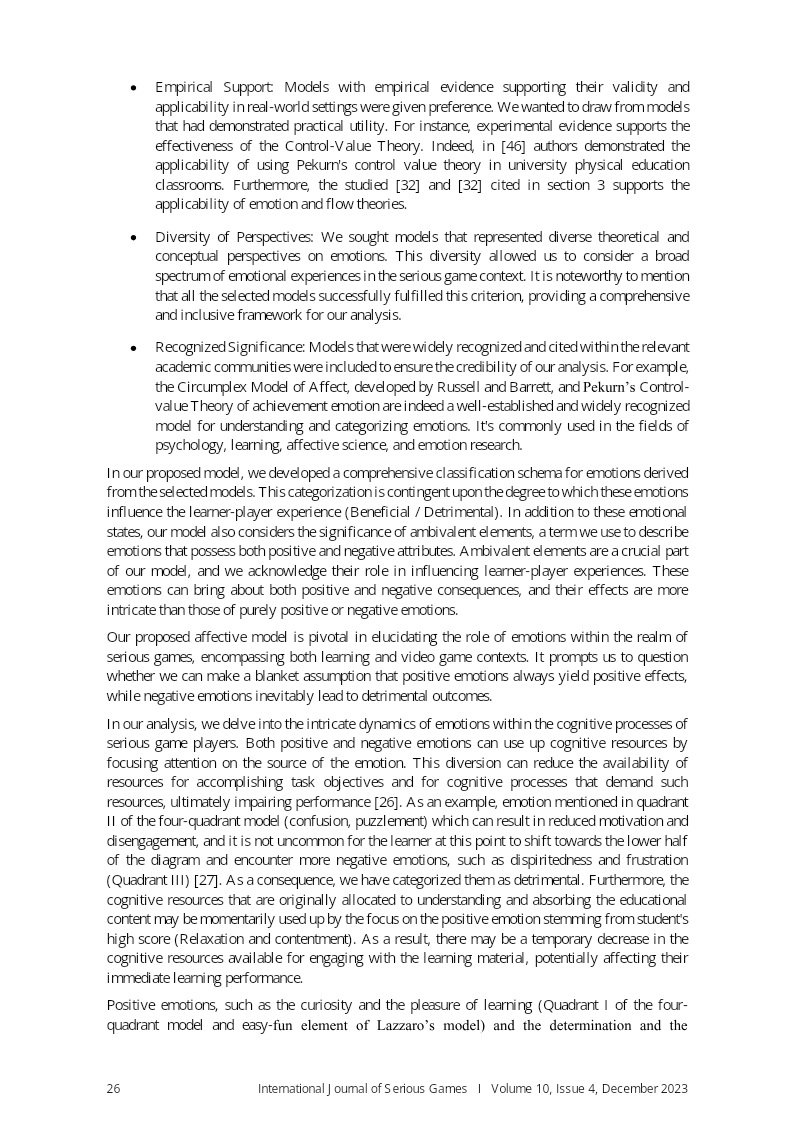
A Taxonomy of Learner-Player's Emotions in Serious Games
Serious games occupy a unique intersection where educational objectives must align with interactive engagement, yet the specific modeling of learner-player emotions remains an underdeveloped field.
- Emotional regulation is a fundamental component of the learning process in serious games, directly impacting cognitive resources, motivation, and educational performance.
- Game design must balance challenge and competence to avoid boredom or anxiety, as the player's emotional state is cyclical rather than linear.
- While positive activating emotions generally improve learning, negative or ambivalent states like productive confusion can foster resilience and extrinsic motivation.
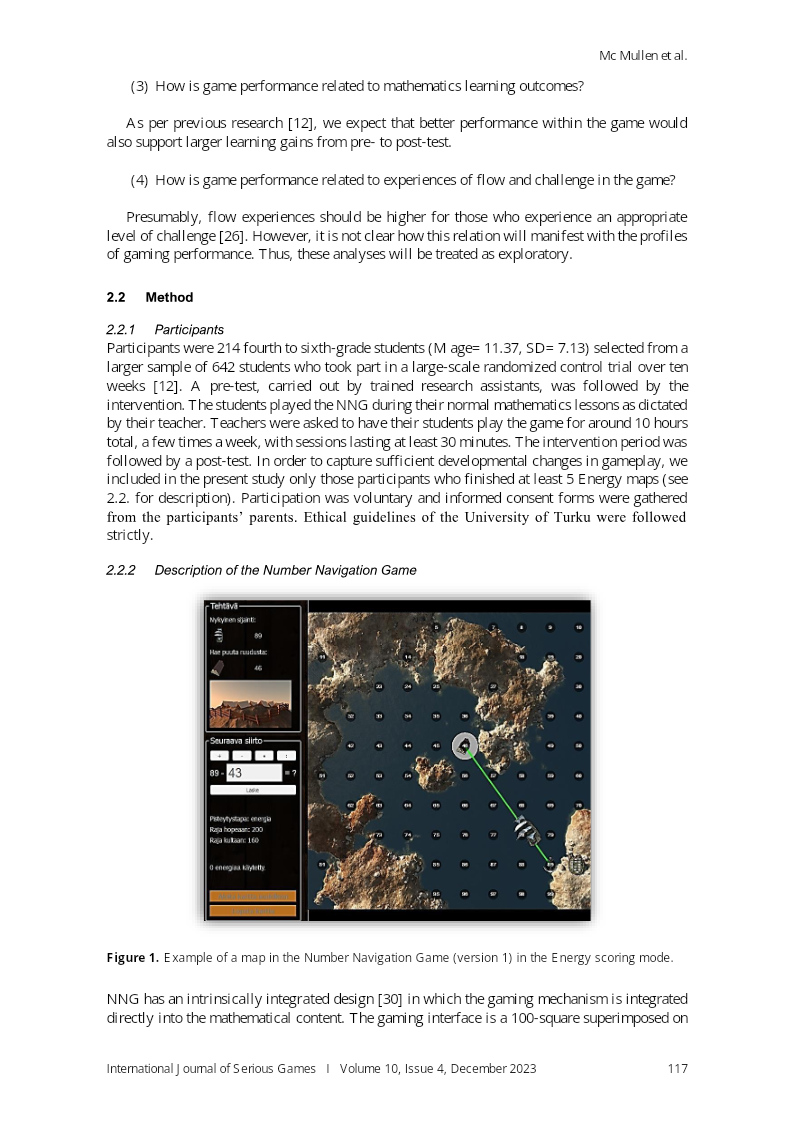
Mathematical Game Performance as an Indicator of Deliberate Practice
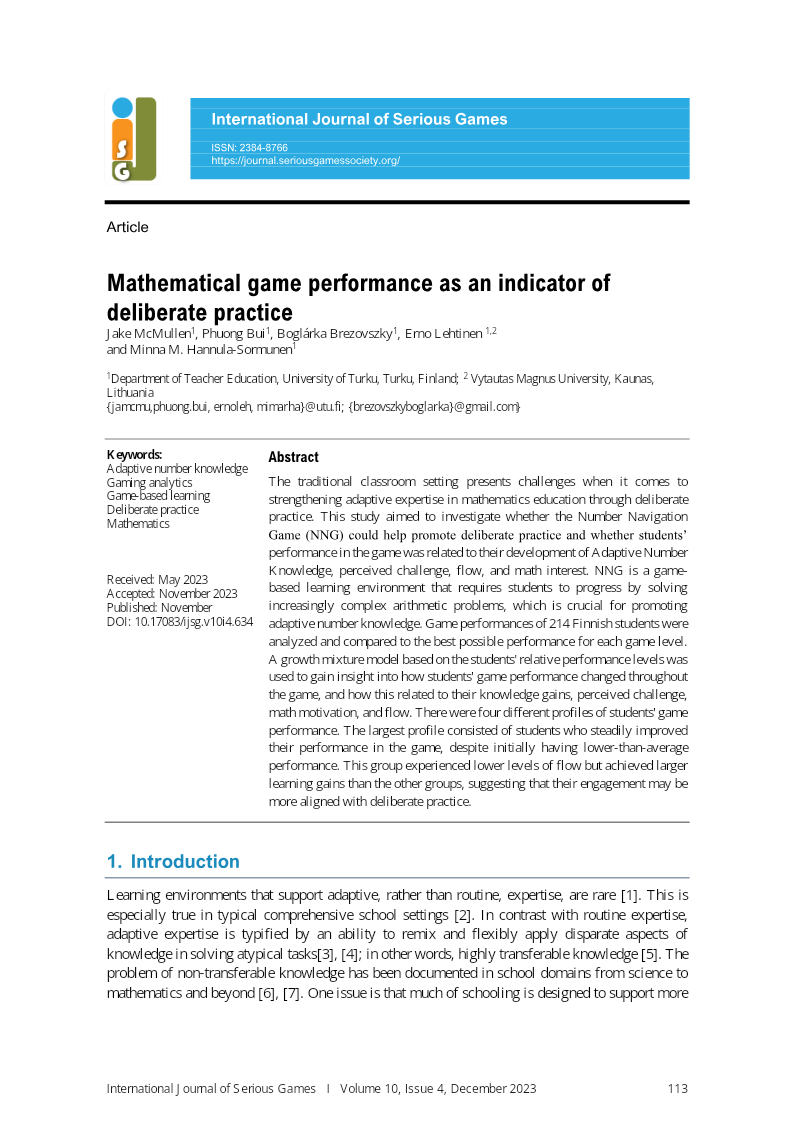
The Number Navigation Game serves as a critical tool for fostering adaptive number knowledge among students, functioning as a digital environment that facilitates deliberate practice.
- Sustained effort and incremental progress, rather than initial aptitude, are the primary drivers of mathematical skill acquisition in digital learning environments.
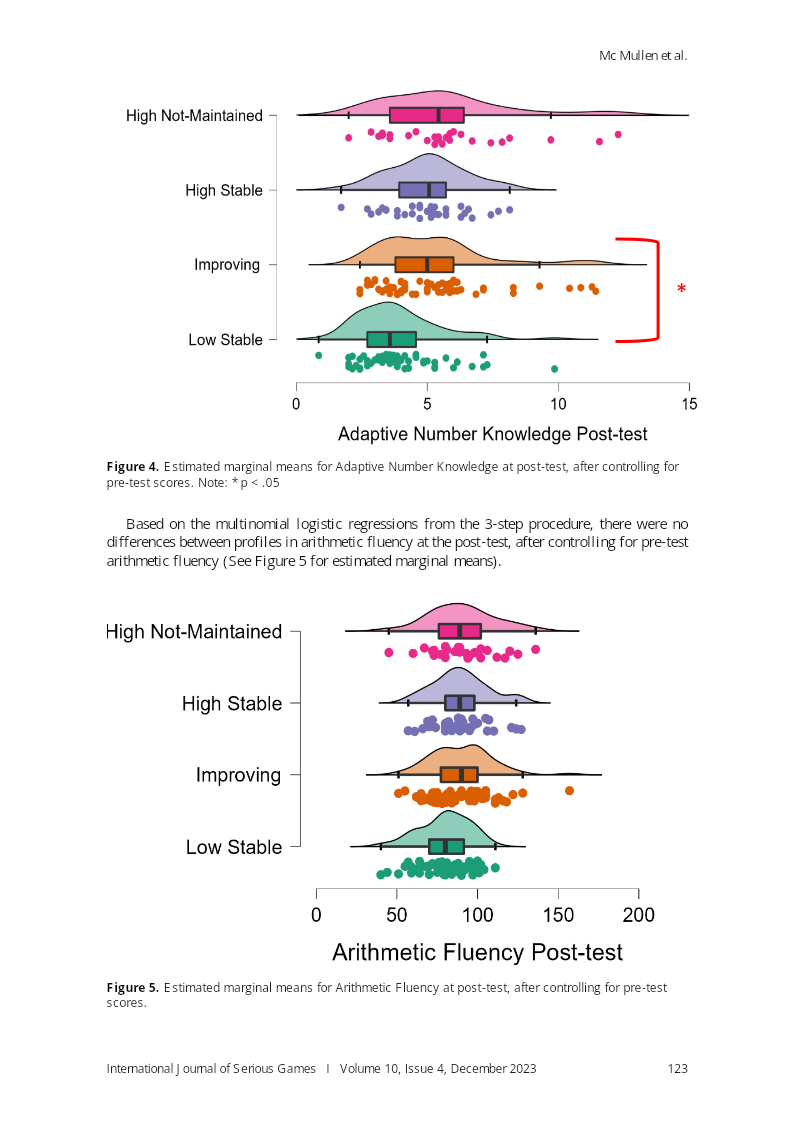
- The most significant learning gains occur in the 'improving' profile, a group characterized by steady, incremental progress and higher time-on-task despite lower starting proficiency.
- Game-based learning in the Number Navigation Game correlates with gains in adaptive mathematical expertise but shows no significant impact on arithmetic fluency, indicating a specialized pedagogical scope.
Demystifying the Relations of Motivation and Emotions in Game-Based Learning: Insights from Co-Occurrence Network Analysis
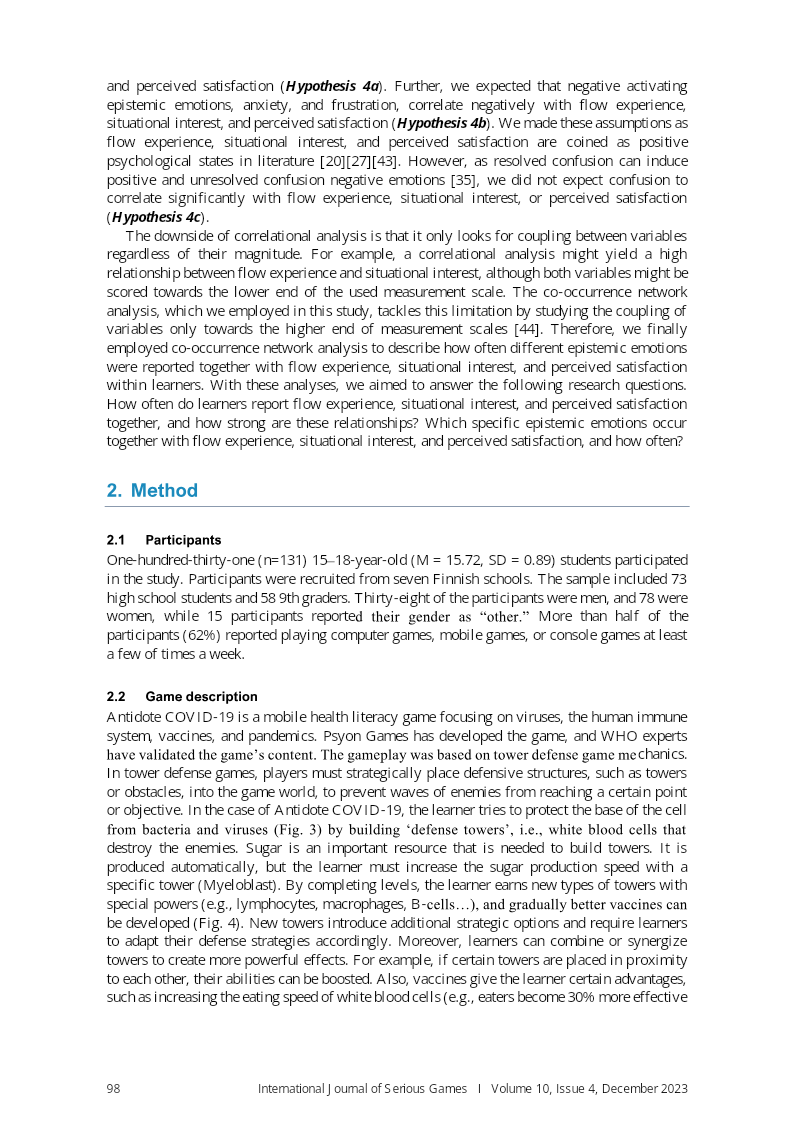
Game-based learning environments leverage the intersection of motivational constructs and epistemic emotions to drive educational outcomes.
- Game mechanics can successfully induce high-intensity flow even when learners have low initial interest in the subject matter.
- Educational content must be intrinsically integrated into core gameplay loops rather than presented as peripheral tasks to maintain learner focus.
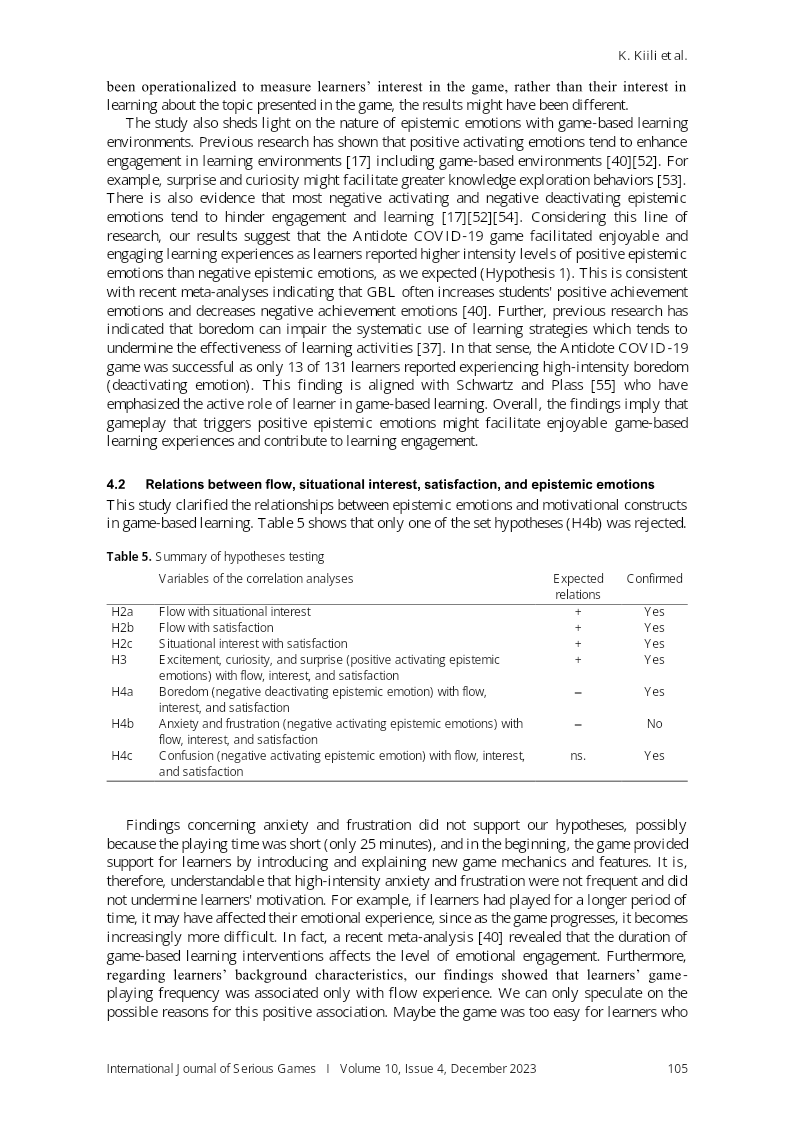
- Positive activating emotions—specifically curiosity, enjoyment, and surprise—are the strongest drivers of flow, situational interest, and learner satisfaction.
Toward a Framework for Analyzing Adaptive Digital Games' Research Effectiveness
Adaptive digital games represent a significant pedagogical tool, yet the field lacks a standardized methodology for evaluating their efficacy.
- The effectiveness of adaptive digital games is not universal but depends on the specific interaction between the adaptivity engine's design and the individual learner's characteristics.
- Adaptive scaffolding often fails to produce superior cognitive gains compared to non-adaptive versions, suggesting that its primary value lies elsewhere.
- Adaptive mechanisms frequently improve learning efficiency and boost non-cognitive outcomes, such as situational interest, rather than just raw performance.

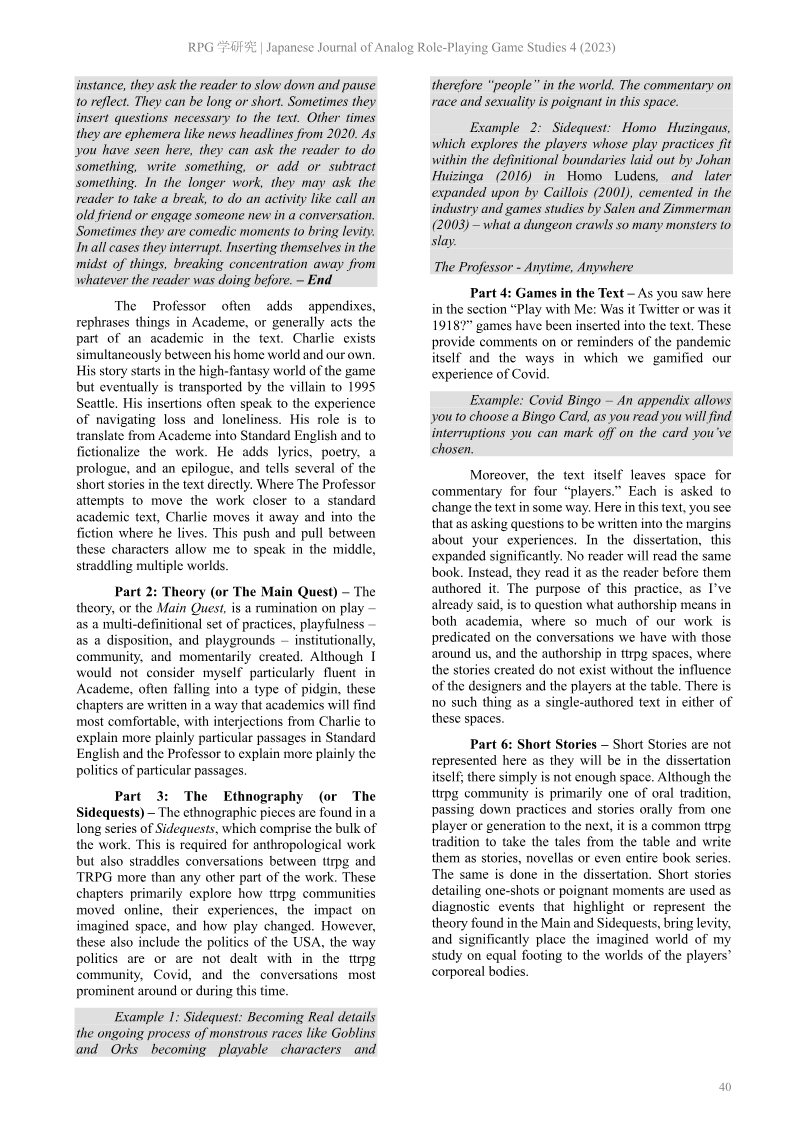
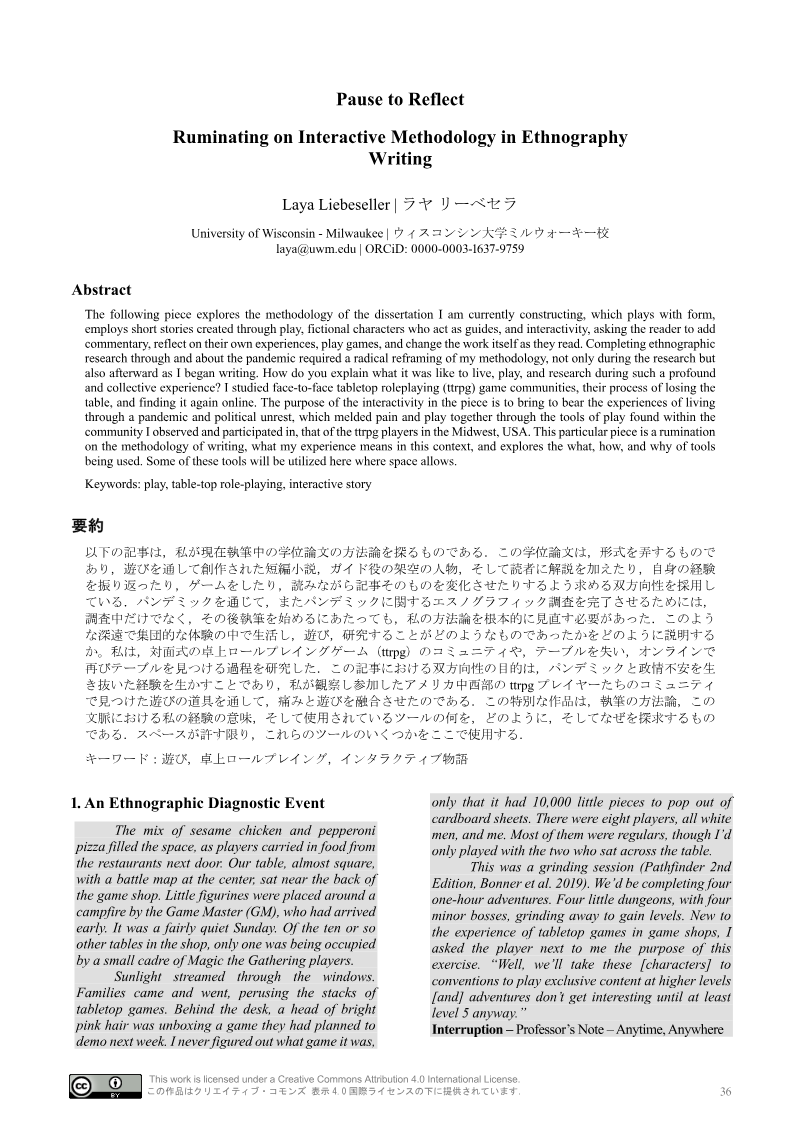
Pause to Reflect: Ruminating on Interactive Methodology in Ethnography Writing
Tabletop role-playing game communities in the American Midwest underwent a significant transformation during the COVID-19 pandemic, shifting from physical gatherings to digital environments amidst broader social and political instability.
- The COVID-19 pandemic forced a significant migration of American Midwest tabletop role-playing game (TTRPG) communities from physical gatherings to digital environments.
- Traditional academic writing methods are insufficient for documenting the collective trauma and lived experiences of gaming communities during periods of social and political instability.
- The study utilizes an interactive, multi-modal methodology that incorporates TTRPG mechanics—such as storytelling, character creation, and play—into the research process itself.
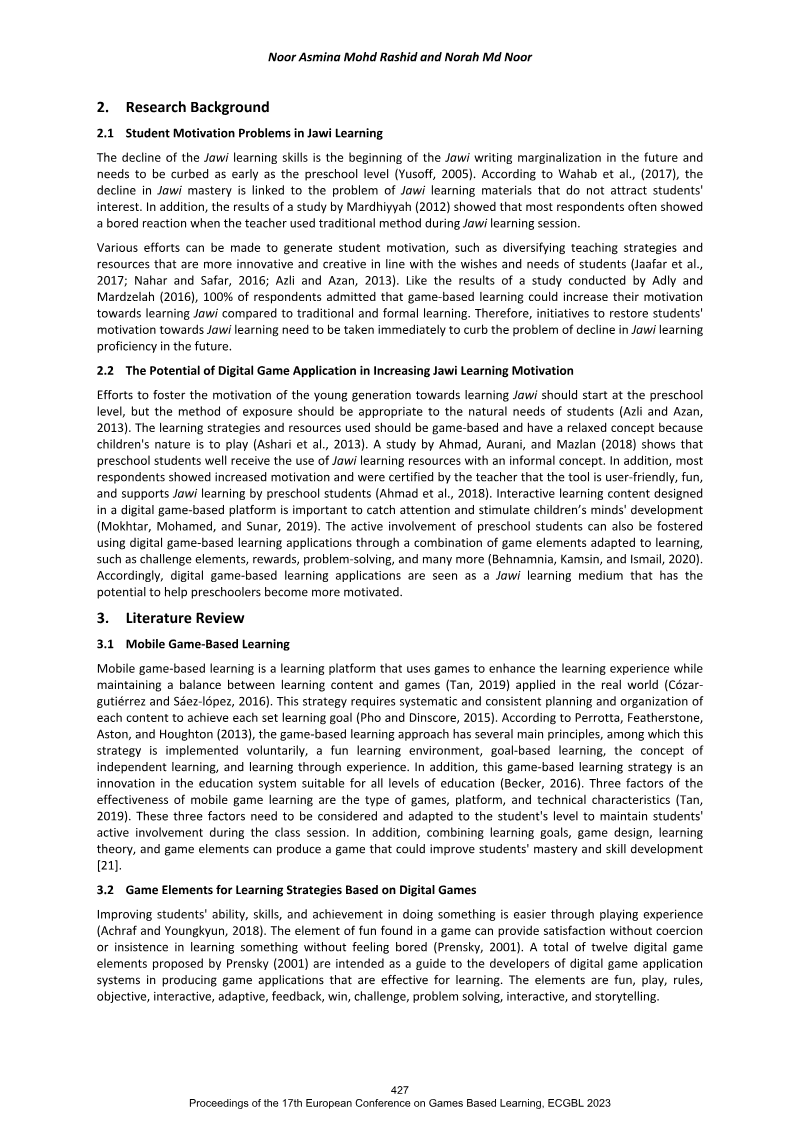
Enhancing Pre-Schoolers' Learning Motivation in Jawi Subject Through Game-Based Learning Application
This study examines whether the "Dunia Jawi" mobile game application can increase preschoolers' motivation to learn Jawi, the Malay script written in Arabic letters, which has been losing ground in Malaysian primary education partly because of unengaging instructional materials.
- A quantitative pretest-posttest study of 32 six-year-old preschoolers using the 'Dunia Jawi' mobile app found motivation to learn Jawi rose significantly, from a pretest mean of 31.47 to a posttest mean of 43.50 (p = .000).
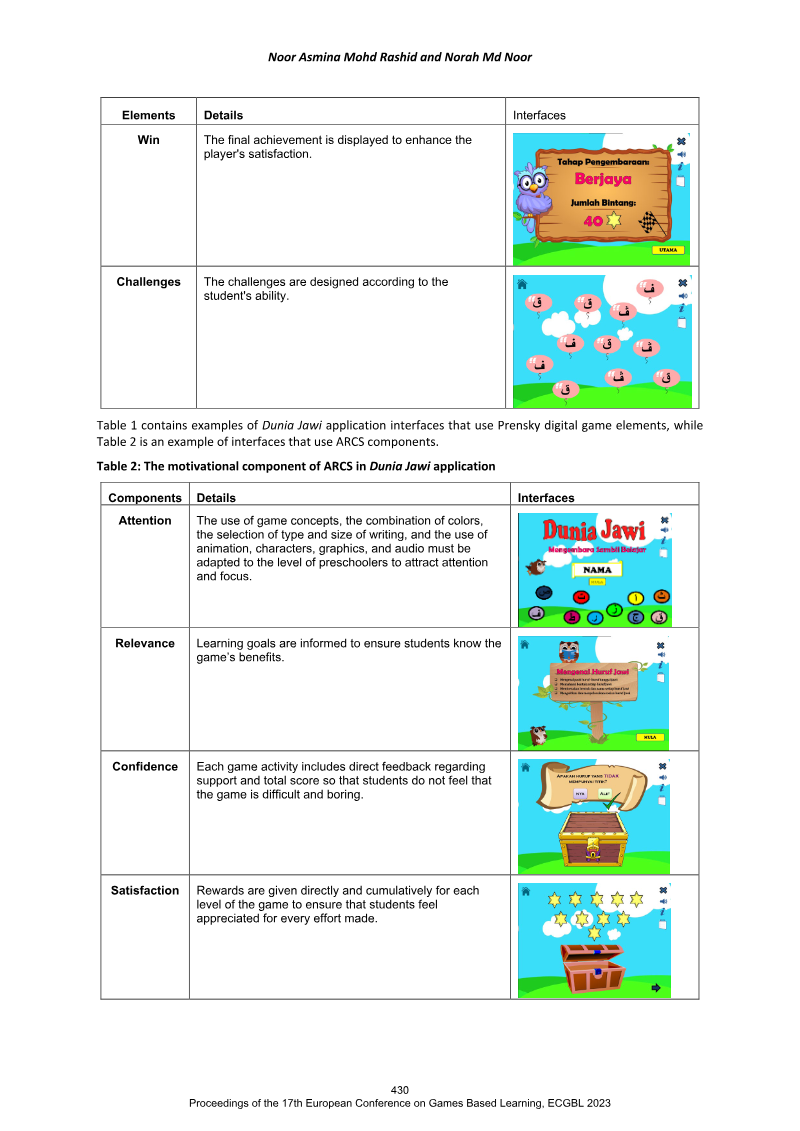
- Gains were statistically significant for the attention, confidence, and satisfaction constructs of the ARCS motivation model, but not for relevance (p = .079), which the authors attribute to children not seeing the content as connected to their everyday lives.
- The app was built on Prensky's digital game elements (rules, challenges, feedback, and rewards) and calibrated for touchscreen use by children aged five to six.
Utilizing Outdoor Quiz Games in Secondary School: Teachers' Perceptions of Usefulness
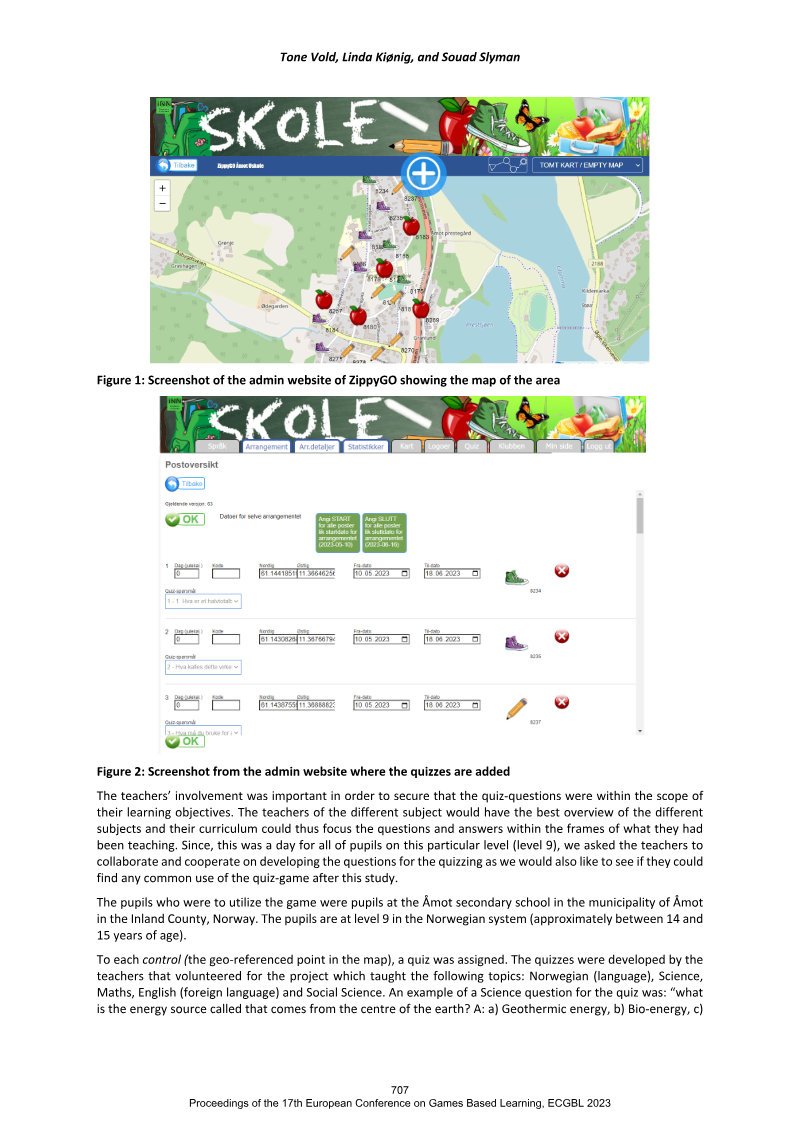
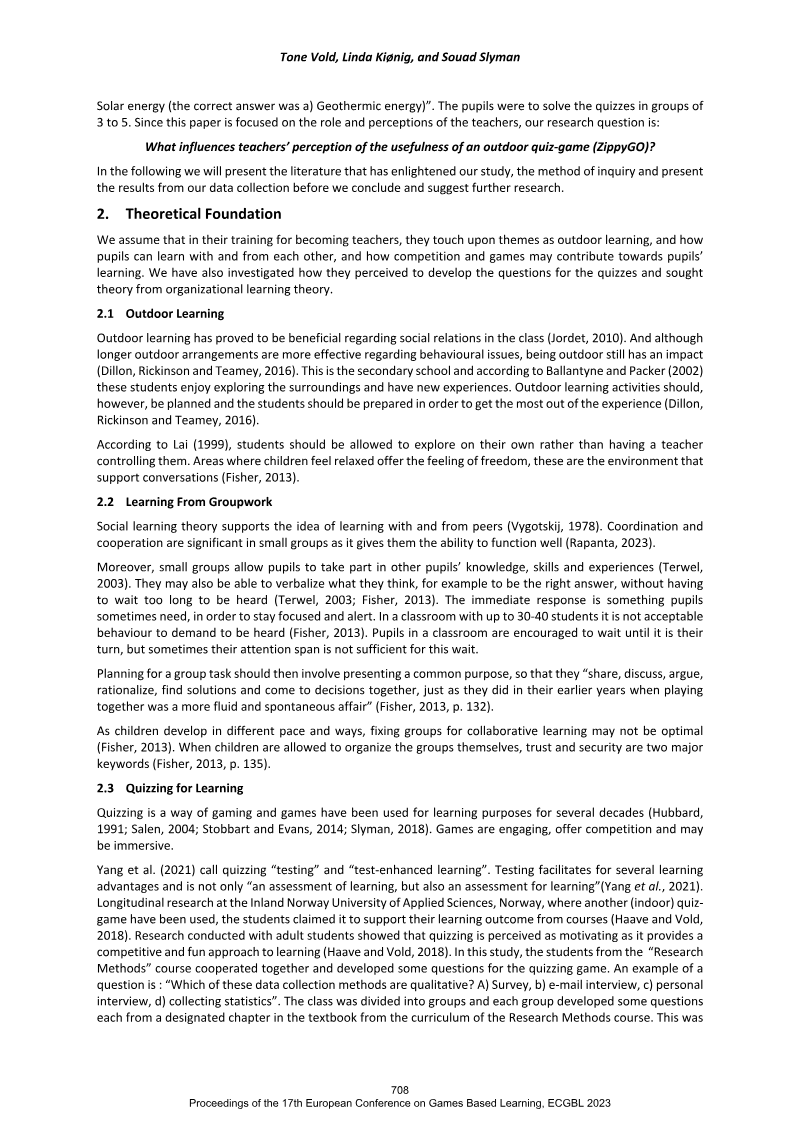
This study examines how secondary school teachers in Norway perceive the usefulness of ZippyGO, an outdoor quiz game that combines geo-referenced map controls with quiz questions.
- Teachers' perceptions of ZippyGO, an outdoor geo-referenced quiz game, were mixed in this single-case study of four teachers at a Norwegian lower secondary school (level 9, ages 14–15).
- No respondent questioned the learning potential of the game itself; concerns centred on factors beyond teachers' control.
- Positive perceptions focused on the novelty of outdoor group work and the high engagement pupils showed, who were described as excited, laughing, and competitive.
On Supporting Game-Based Learning via Recommendations
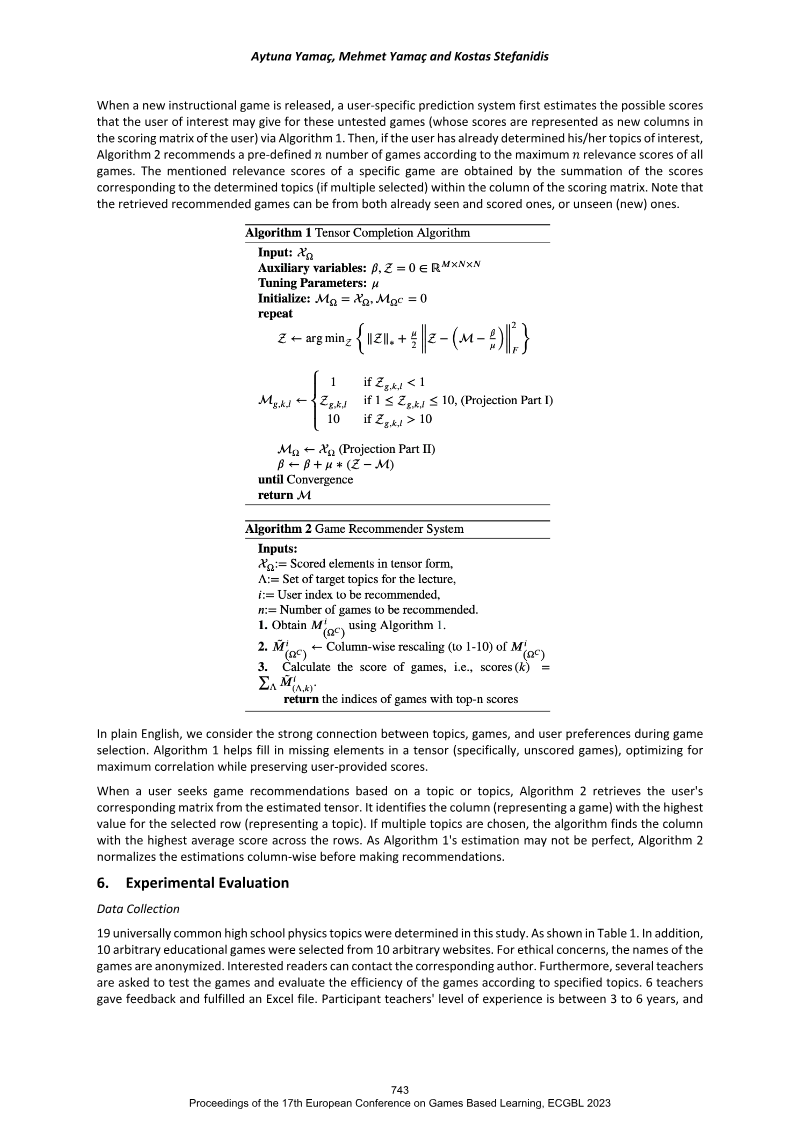
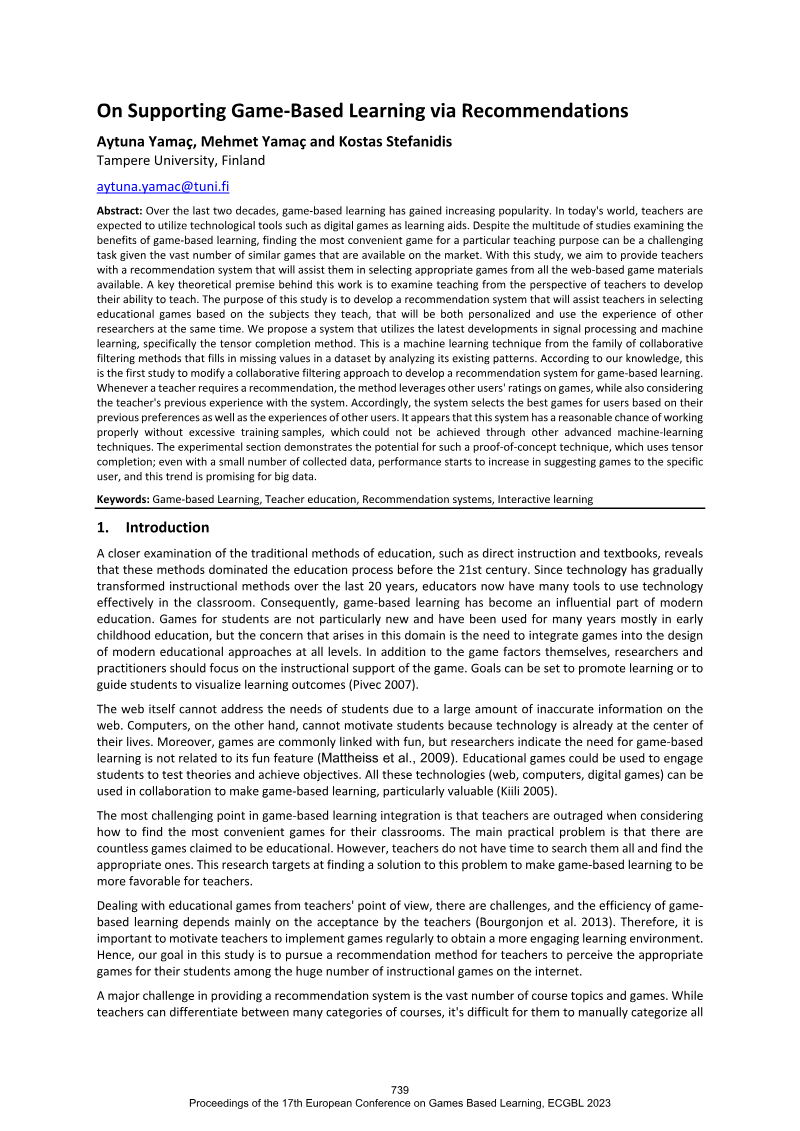
This paper proposes a personalized recommendation system to help teachers select educational games suited to particular course topics, addressing the difficulty of sifting through the large and growing number of games marketed as educational.
- The paper proposes a recommendation system that helps teachers select educational games for specific course topics, motivated by the growing volume of games marketed as educational and the impracticality of manually categorizing them by topic.
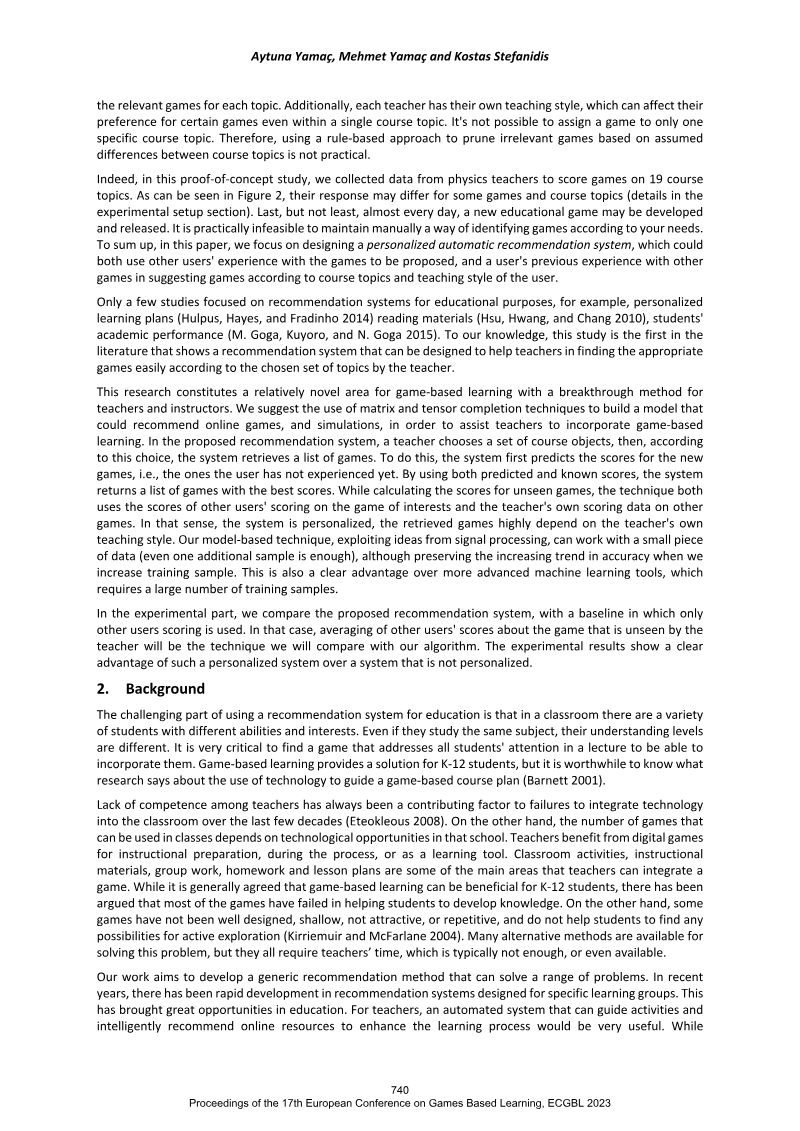
- The method models teacher-game ratings as a tensor, where each layer is one teacher's score matrix across topics and games, and applies tensor completion based on the tensor nuclear norm to predict scores for games a teacher has not tried, then ranks games by summed predicted relevance across selected topics.
- The authors position this as the first collaborative filtering approach modified specifically for game-based learning recommendation.
Evaluating the Efficacy of a Serious Game in Enhancing Word Reading Speed
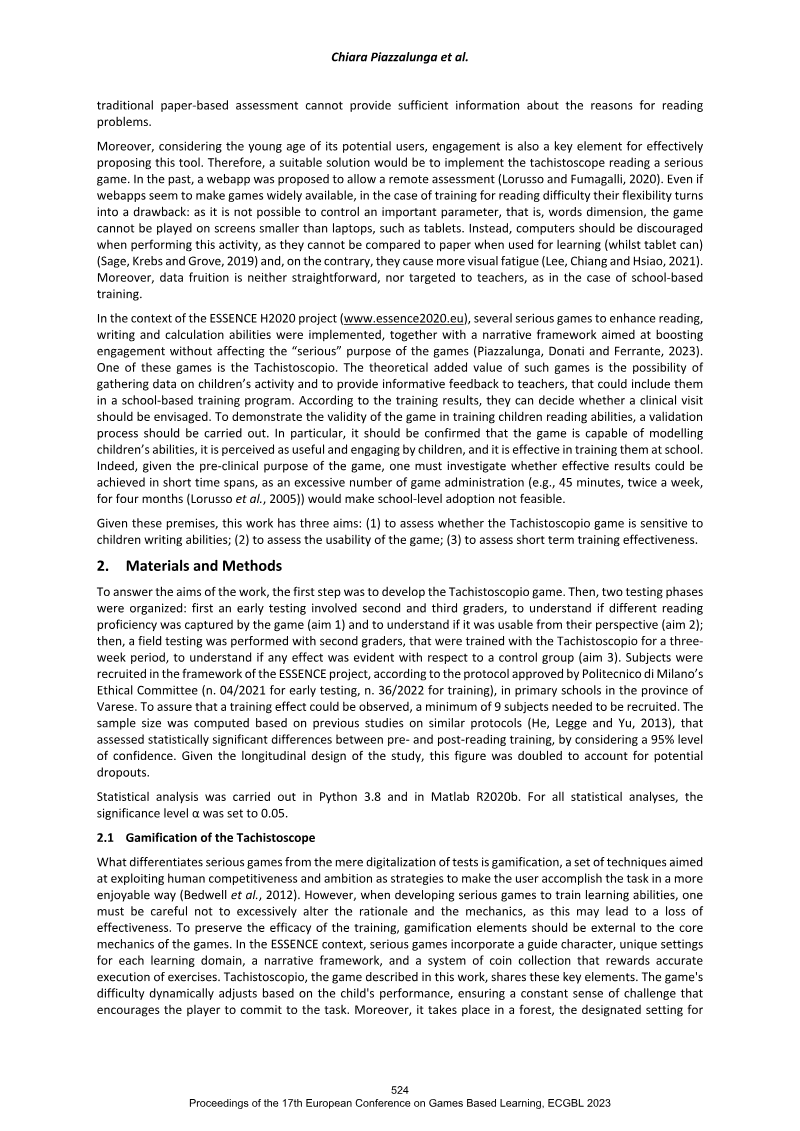
This study evaluates Tachistoscopio, a tablet-based serious game that gamifies tachistoscopic reading, a technique in which words are shown briefly and must be reproduced by the reader, with the goal of improving word reading speed in children.
- Tachistoscopio, a tablet-based serious game built on tachistoscopic word presentation, was tested on the question of whether it can improve word reading speed in children, addressing three aims: discriminating proficiency levels, usability/appeal, and short-term training gains.
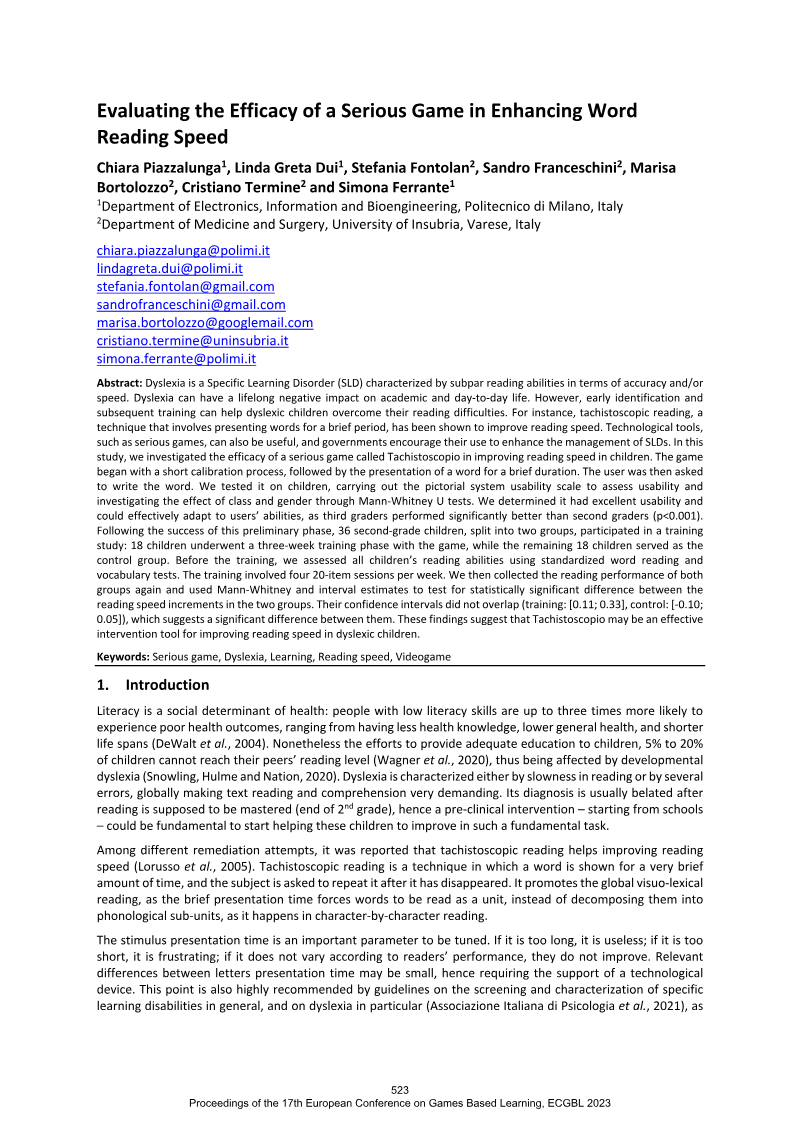
- In an early study of 28 second and third graders, the game distinguished grade levels, with third graders reading at 2.24 syllables/second versus 1.30 for second graders (p<0.001), and showing significantly higher accuracy.
- Usability was rated excellent with a Pictorial System Usability Scale score of 86.2, children found the game highly enjoyable and not boring, and no significant gender differences were observed.
Educational Story-Based Game for Capturing the Learner's Personality
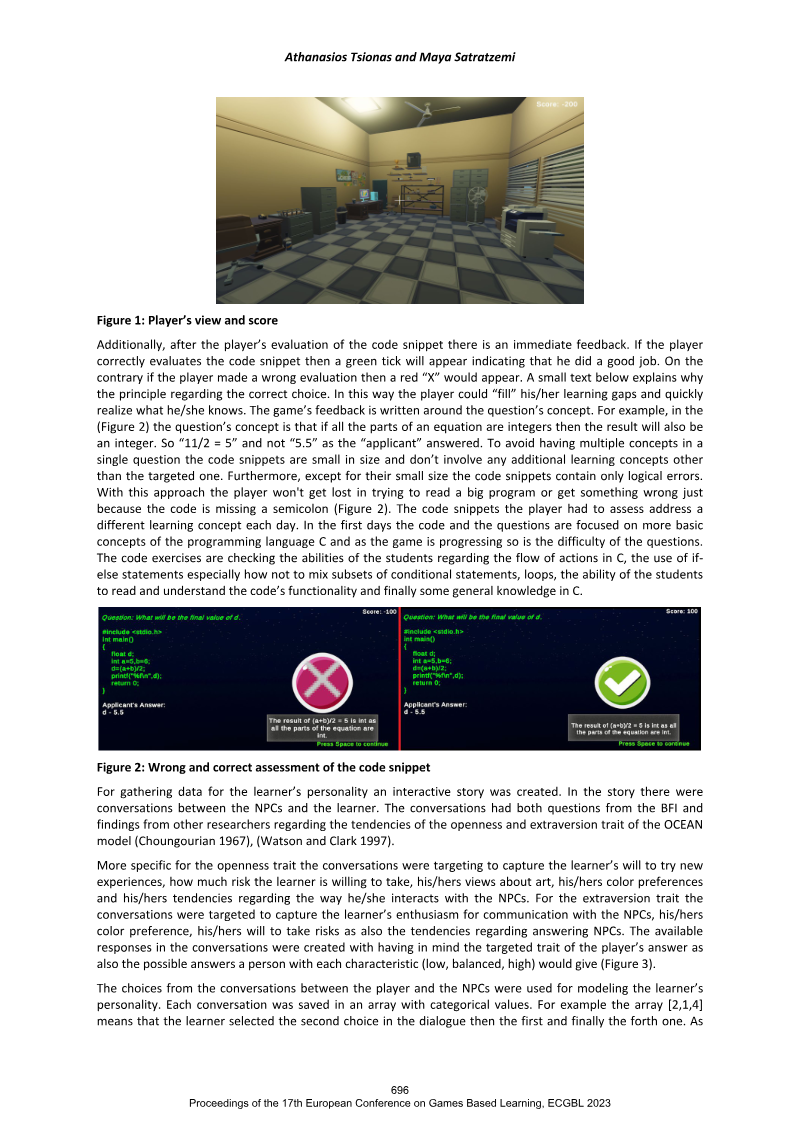
This paper presents an educational serious game designed to teach the C programming language while simultaneously capturing players' in-game behavior to model their personality traits.
- Behavioral data gathered during gameplay can infer personality traits with moderate-to-good agreement against a self-report questionnaire, offering an alternative to self-report methods vulnerable to socially desirable responding and limited self-awareness.
- In a study of 107 first-year Computer Science students at the University of Macedonia, decision trees predicted Extraversion with 72.7% accuracy (F1 0.736, Cohen's kappa 0.54, moderate agreement) against the Big Five Inventory.
- Naive Bayes predicted Openness with 81.8% accuracy (F1 0.811, Cohen's kappa 0.636, substantial agreement), though low-Openness cases were excluded because too few participants fell in that group.
Researching Game-Based Learning: A Brief Synthesis Project
This research synthesis examines digital game-based learning (DGBL) literature, screening roughly 1,500 database results down to about 1,300 papers published from 2010 onward.
- The synthesis screened roughly 1,500 database results down to about 1,300 papers published from 2010 onward on digital game-based learning (DGBL).
- Motivation is the most substantive finding: of 537 papers referencing motivation in titles, keywords, or abstracts, only 120 were reviewed in full, revealing that the construct is often used interchangeably with engagement, persistence, and flow.
- Many studies center motivation without defining it, and self-report and observational measures vary considerably across studies, leaving what the authors call a "black box" conception of motivation in the field.
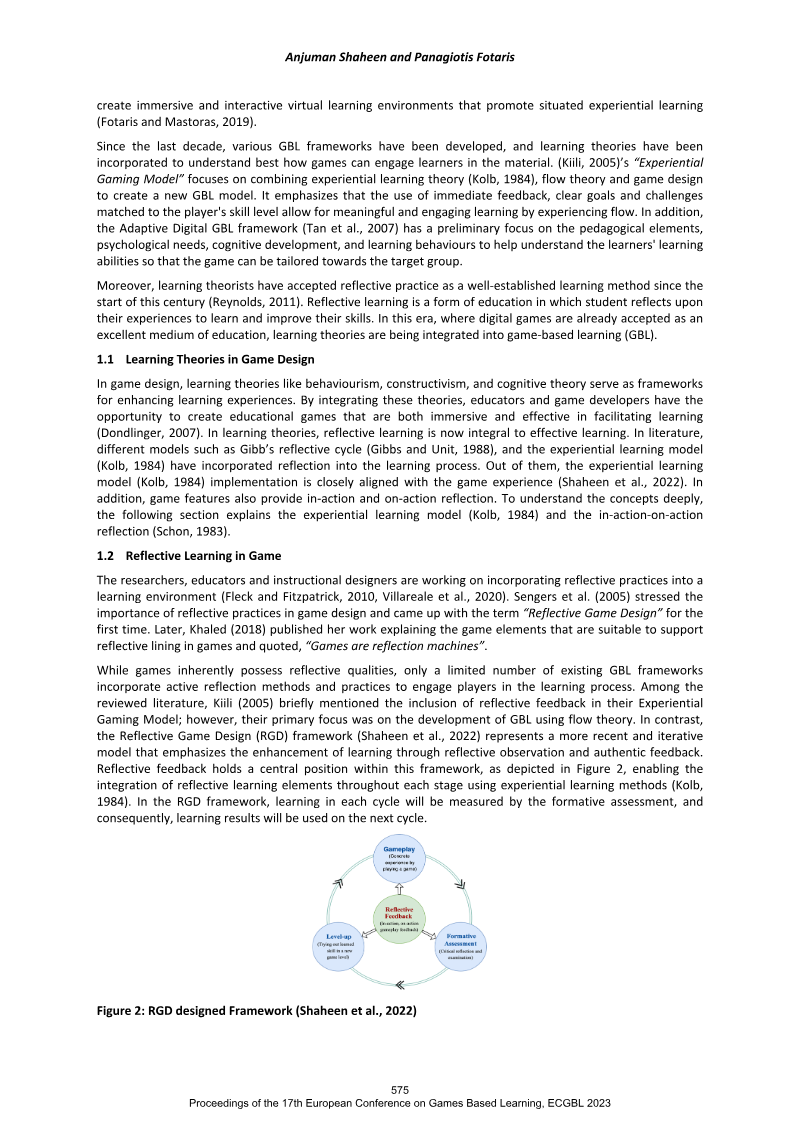
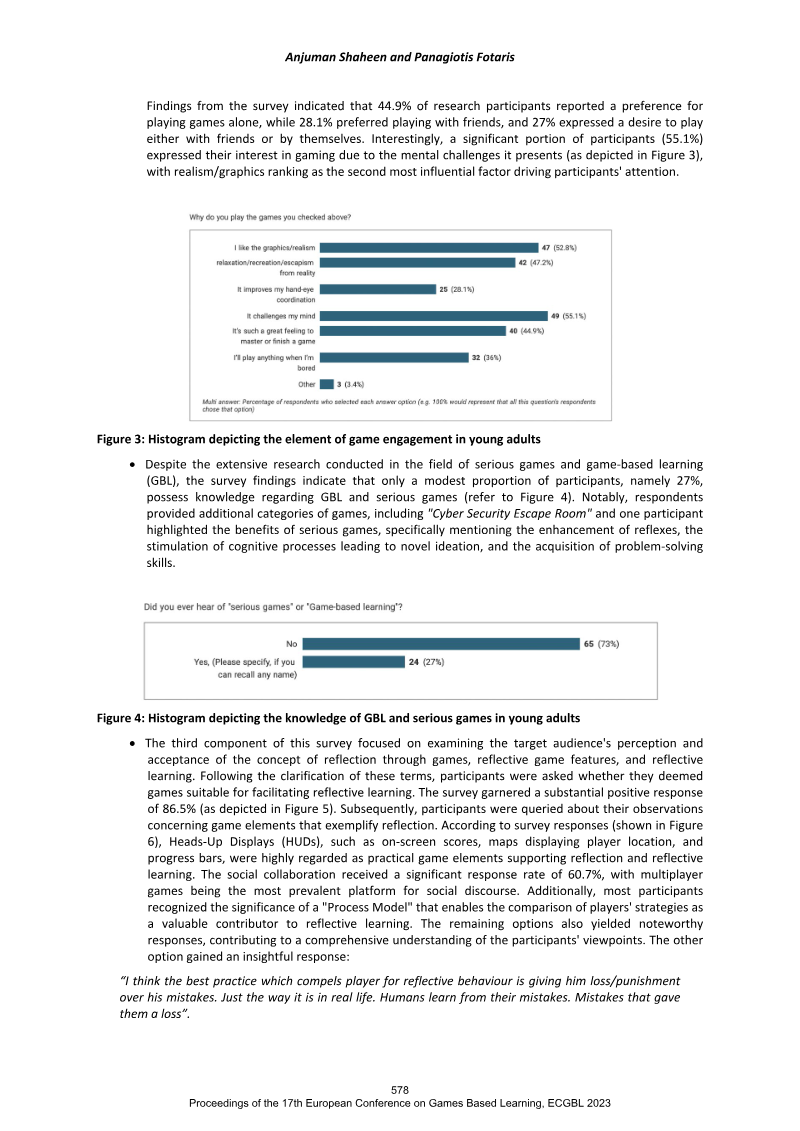
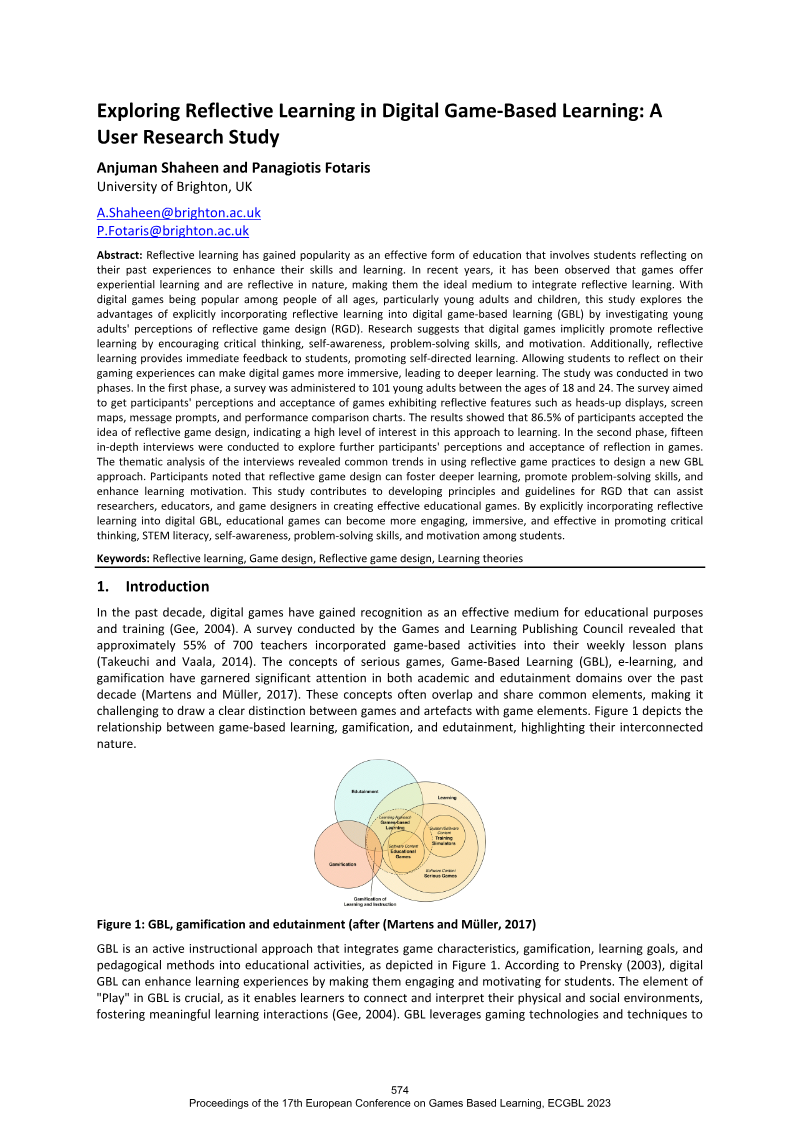
Exploring Reflective Learning in Digital Game-Based Learning: A User Research Study
Shaheen and Fotaris's user research examines reflective game design (RGD) within digital game-based learning, asking whether young adults accept reflective elements in games and what those elements should look like.
- 86.5% of the 101 survey respondents (aged 18 to 24) considered digital games an appropriate medium for reflective learning, showing strong acceptance of the concept.
- Heads-up displays (61.8%), social discourse (60.7%), and strategy-related feedback (47.2%) were rated the most useful game features for supporting reflection.
- Interviews with 15 participants suggested reflective game design can deepen learning, support problem-solving, and sustain motivation, with games associated with competitiveness, mental challenge, narrative, patience, and planning.