Serious Games reports and market data
Documents
Nordic Larp as a Method in Mental Health Care and Substance Abuse Work: Case SÄRÖT
The SÄRÖT project establishes Nordic larp as a viable, innovative methodology for supporting individuals navigating mental health challenges and substance abuse recovery.
- Nordic larp functions as an effective experiential therapy tool for mental health and substance abuse recovery by allowing participants to process trauma through immersive, character-based role-play.
- The methodology relies on a combination of realistic scenarios and structured post-game reflection to increase participant self-awareness and engagement with professional healthcare services.
- Rigorous safety protocols, including expert facilitation and comprehensive debriefing workshops, are essential to mitigate the emotional intensity and potential triggers inherent in the larp experience.
Learning from Ludemes: An Inventory of Common Player Actions within TTRPGs
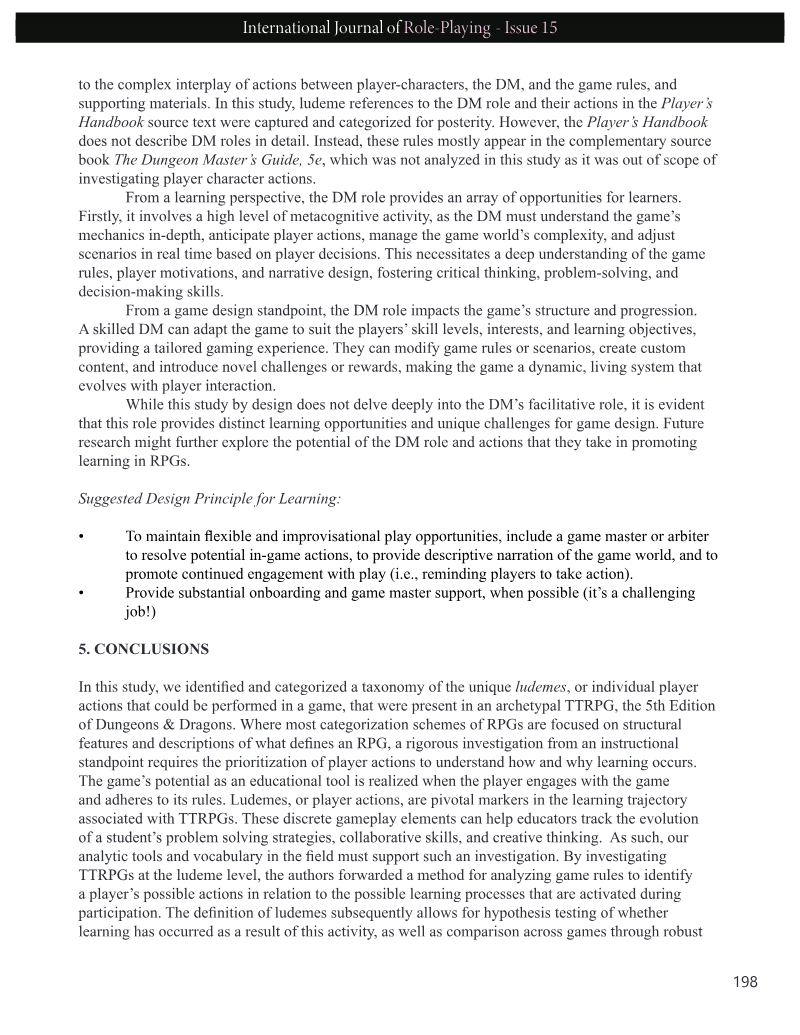
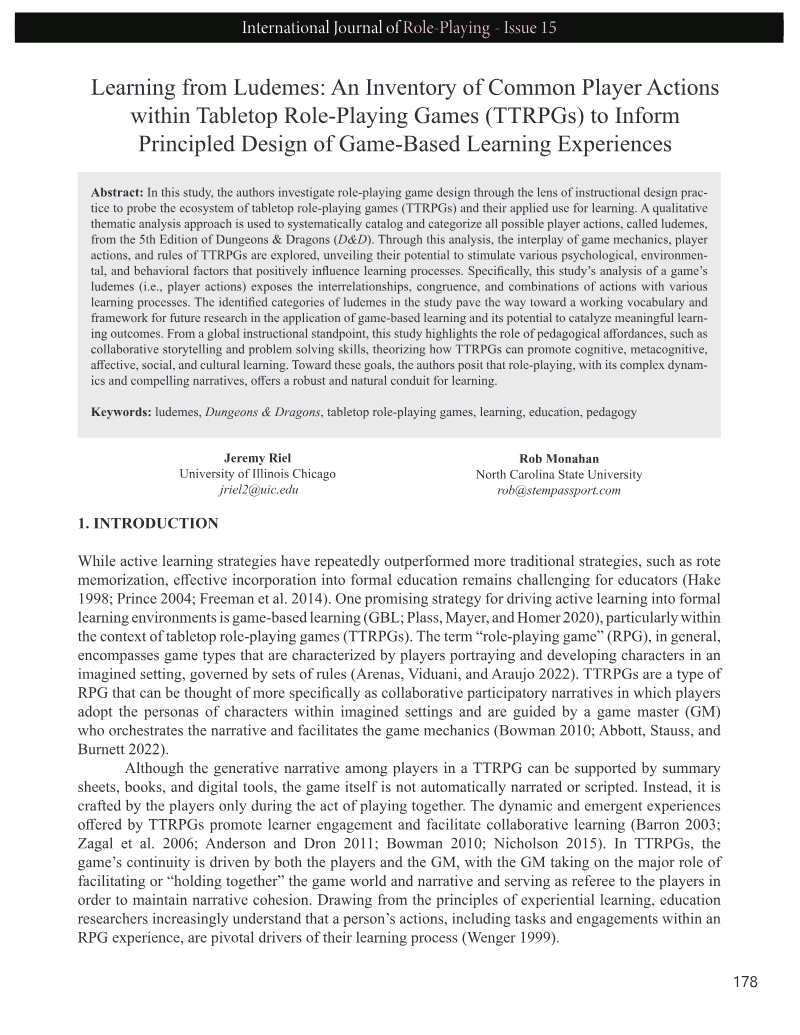
Tabletop role-playing games function as immersive, low-risk simulations that facilitate significant cognitive, social, and metacognitive growth through collaborative storytelling and structured rule systems.
- The research establishes a standardized taxonomy of 'ludemes'—discrete units of player action—to move TTRPG analysis from anecdotal observation to systematic measurement of educational outcomes.
- Dungeons & Dragons 5th Edition gameplay actions are categorized into four primary domains: mechanical resolution, character realization, information processing, and social coordination.
- Gameplay mechanics in TTRPGs function as scaffolding for learning by aligning player actions with established frameworks like Self-Determination Theory and Information Processing Theory.
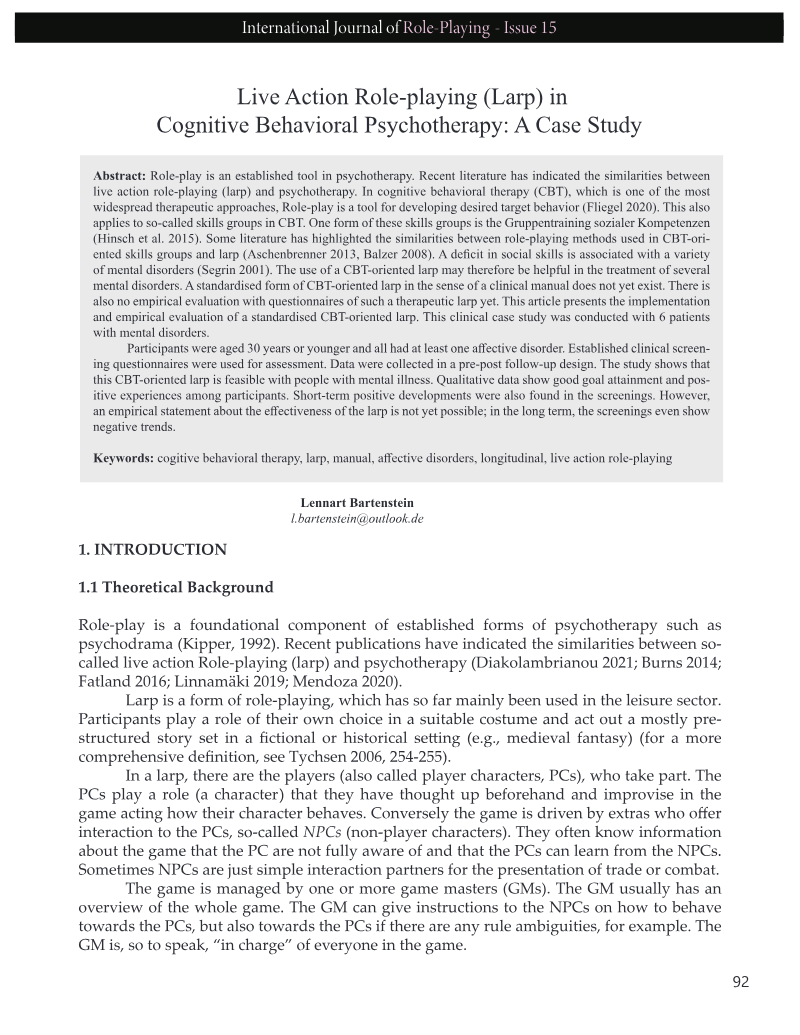
Live Action Role-playing (Larp) in Cognitive Behavioral Psychotherapy: A Case Study
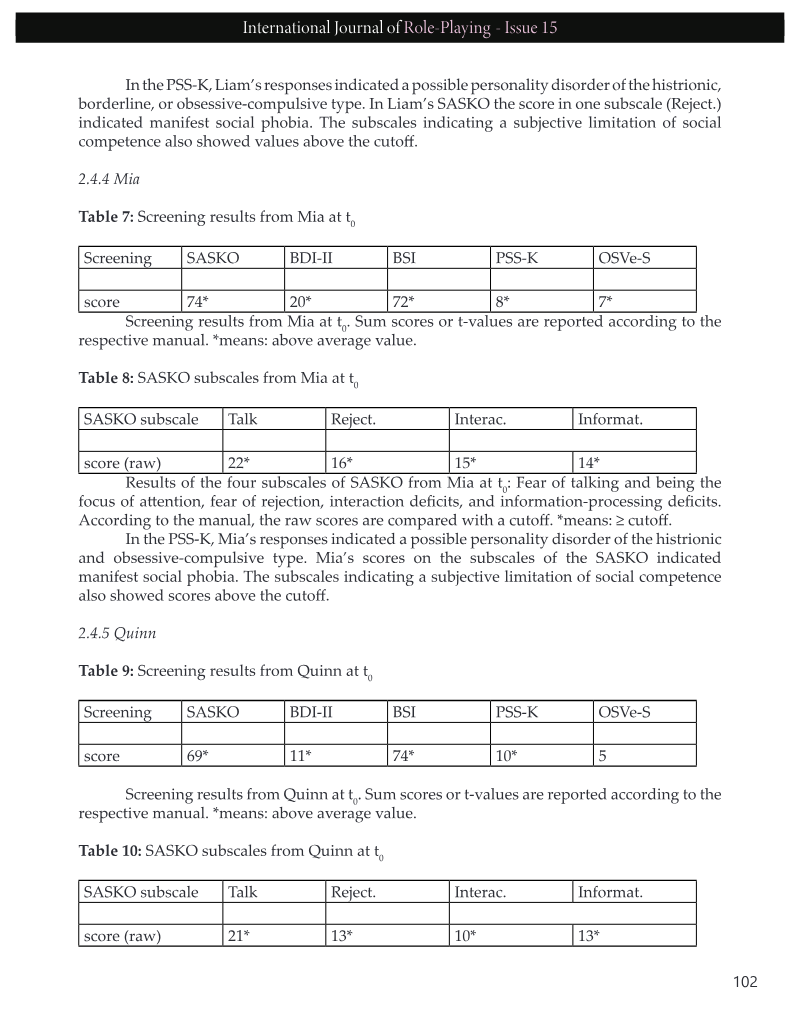
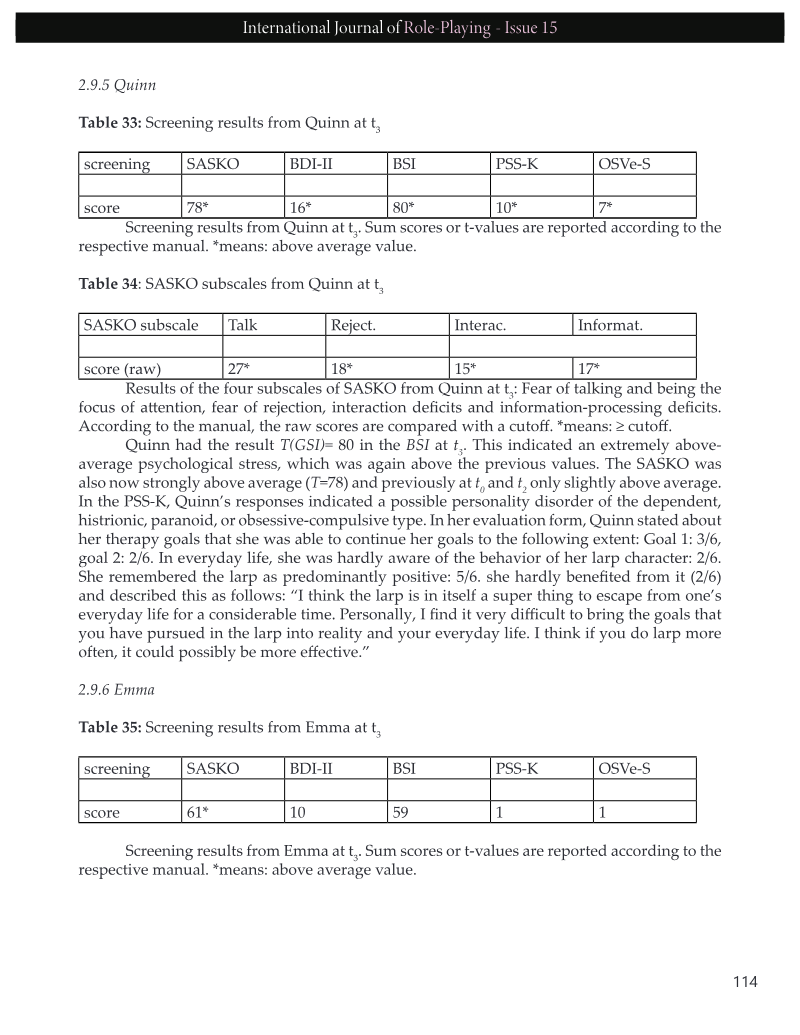
Integrating Live Action Role-playing (Larp) into Cognitive Behavioral Therapy (CBT) serves as a novel, feasible intervention for young adults struggling with affective disorders, social anxiety, and personality-related challenges.
- Live Action Role-playing (Larp) serves as a feasible, high-engagement supplementary tool for addressing social anxiety and affective disorders in young adults under 30.
- While participants reported high subjective well-being and success in meeting behavioral goals during sessions, clinical outcomes remained inconsistent across the six-person study group.
- The intervention lacks evidence for long-term symptom reduction, as some participants experienced symptom regression within three months of completing the program.
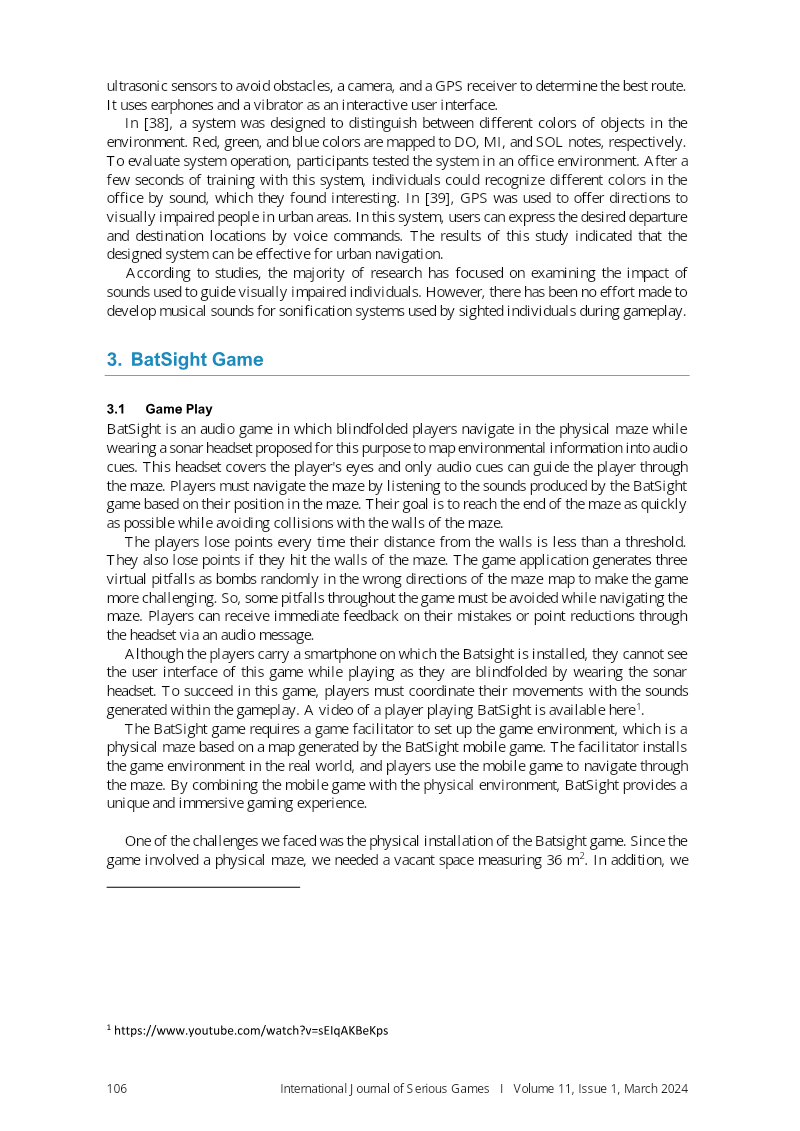
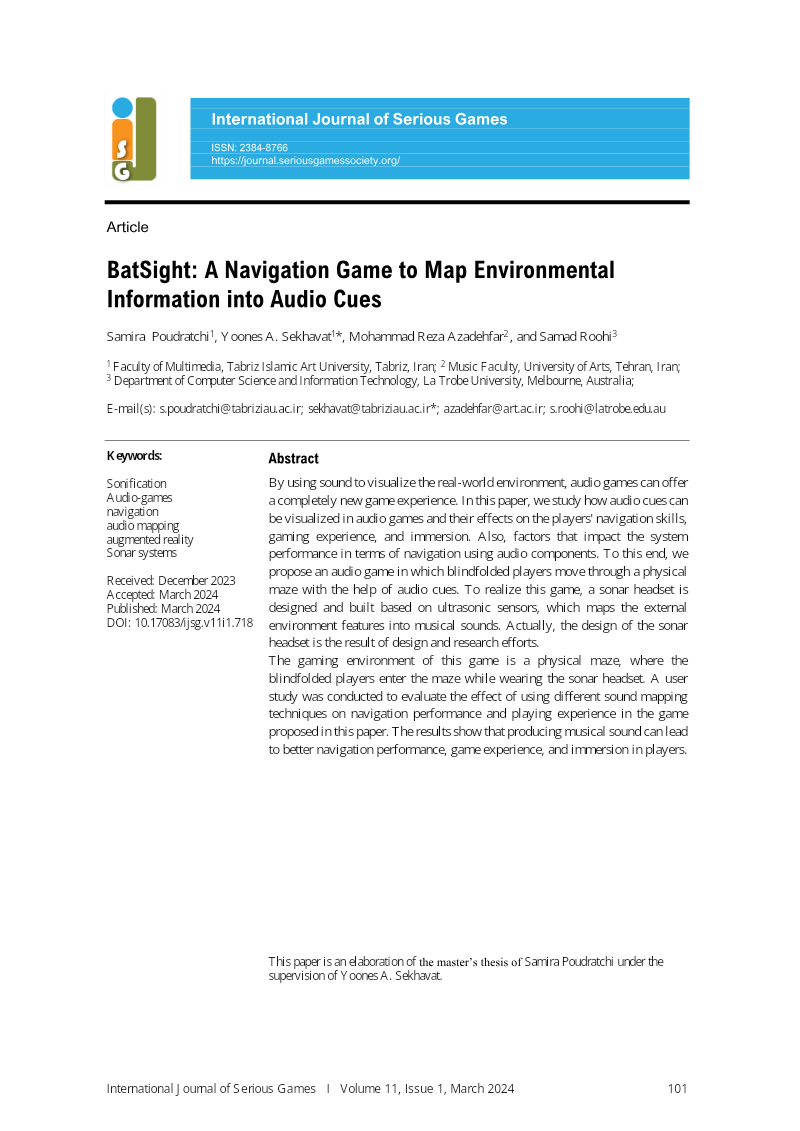
BatSight: A Navigation Game to Map Environmental Information into Audio Cues
BatSight functions as an innovative audio-augmented reality platform designed to facilitate navigation through physical environments by converting spatial data into intuitive musical cues.
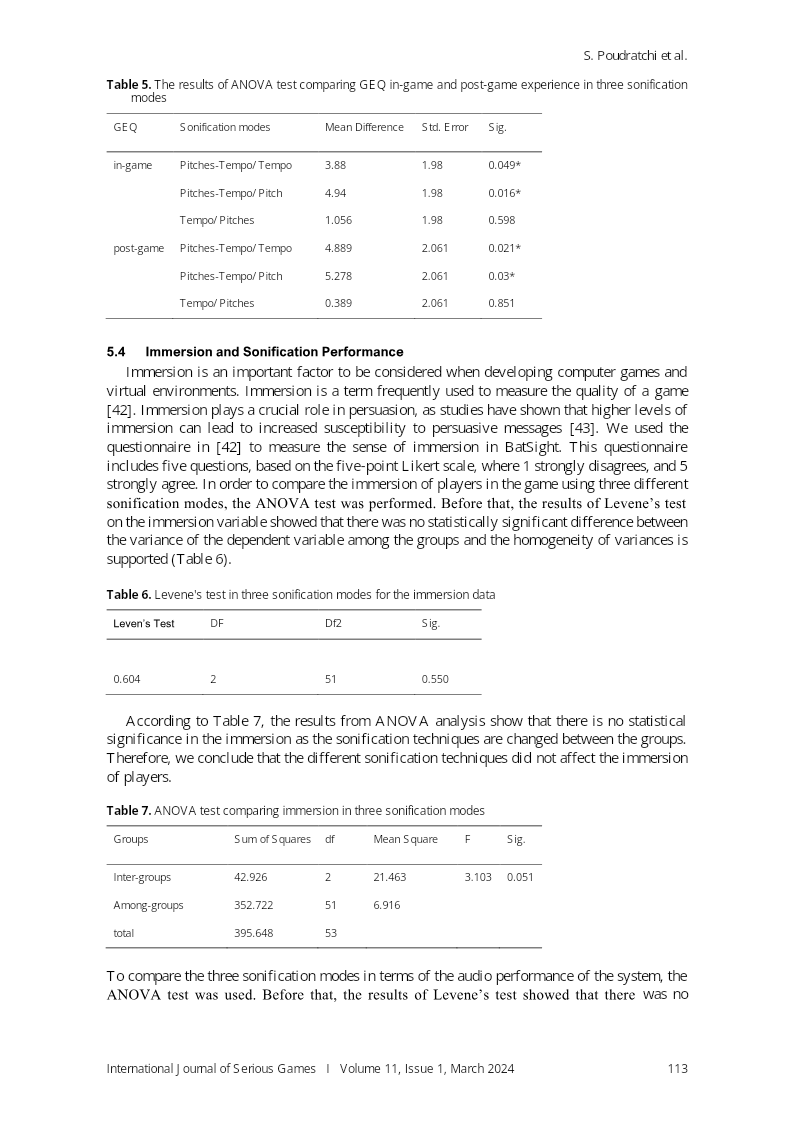
- Combining pitch and tempo in sonification provides the most effective framework for enhancing user immersion and engagement in spatial navigation tasks.
- Multi-modal audio feedback is superior for spatial awareness, even when raw performance metrics like navigation speed and error rates remain comparable to simpler, single-variable methods.
- The BatSight platform successfully enables blindfolded navigation through complex environments by utilizing a custom ultrasonic sonar headset to map physical obstacles into musical cues.
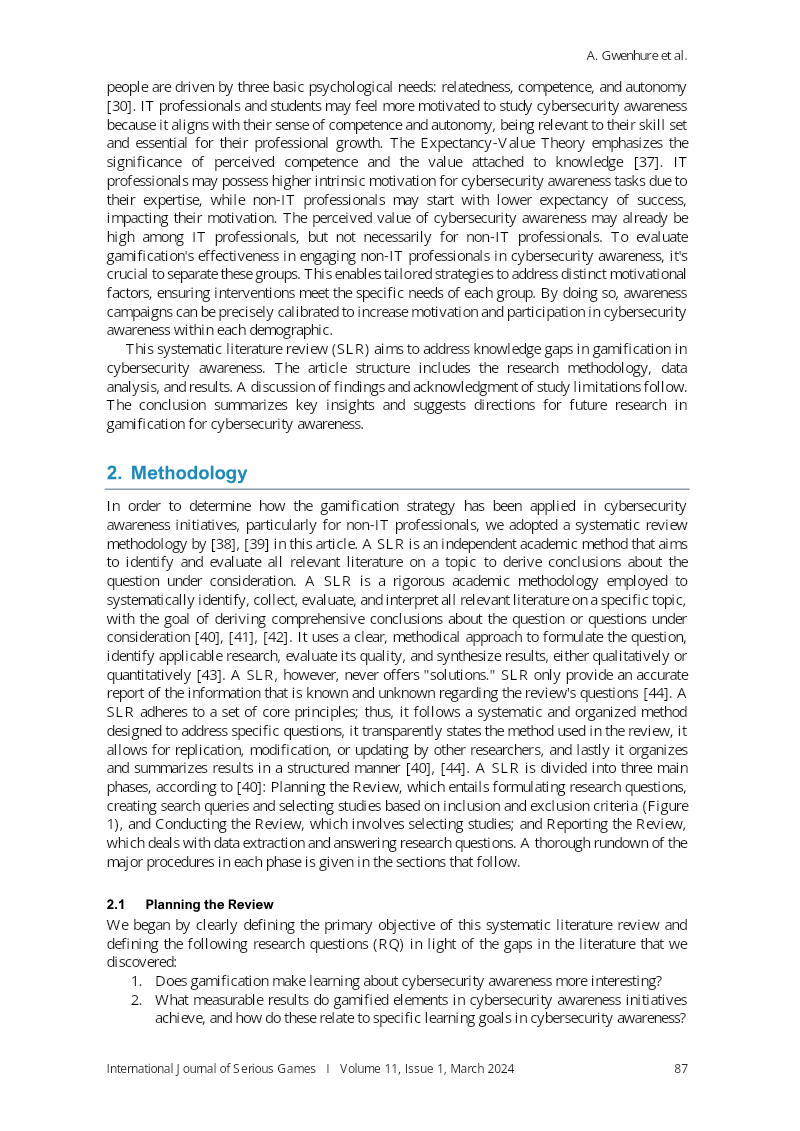
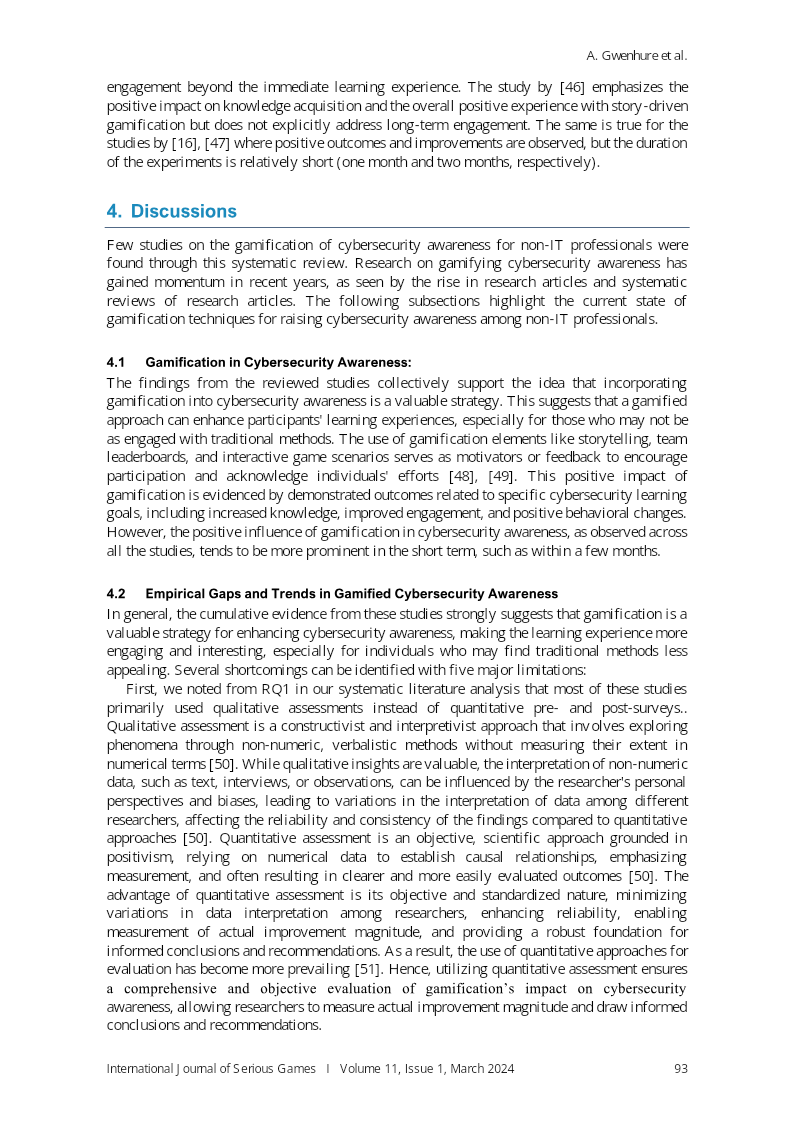
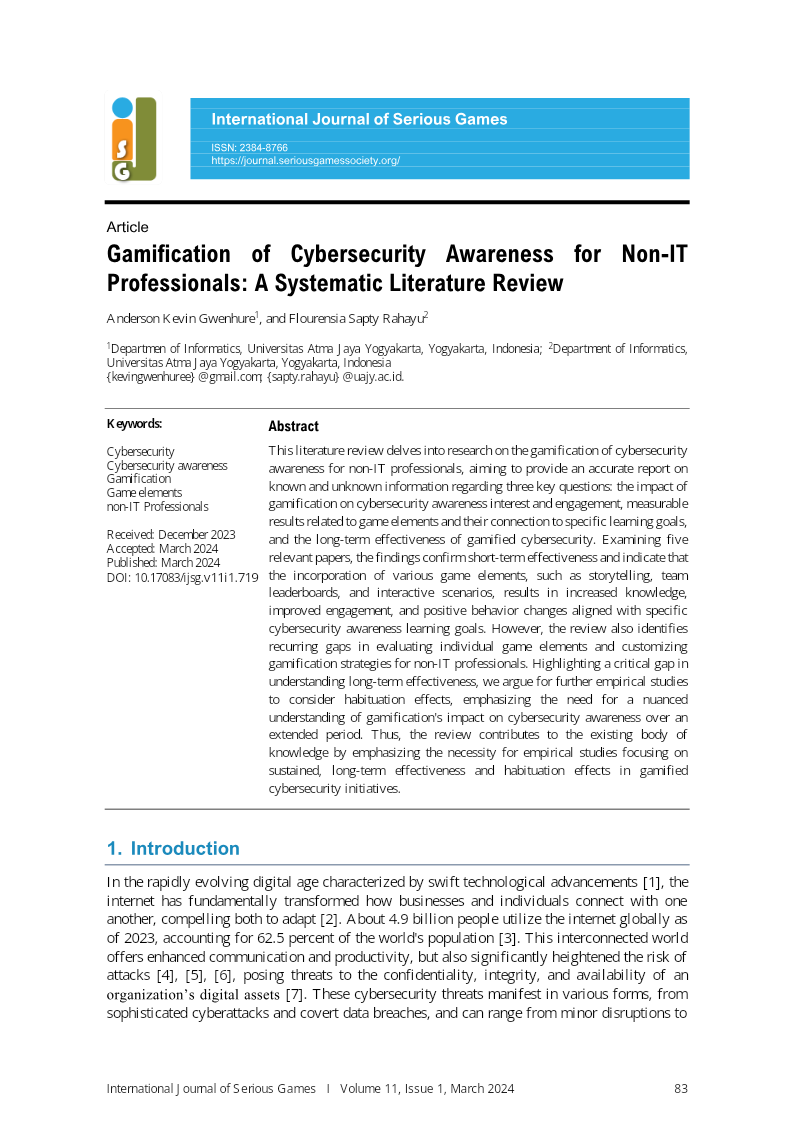
Gamification of Cybersecurity Awareness for Non-IT Professionals: A Systematic Literature Review
Gamification serves as a potent pedagogical tool for enhancing cybersecurity awareness among non-IT professionals, consistently outperforming traditional training methods in fostering engagement and knowledge retention.
- Gamification consistently outperforms traditional, static compliance training in increasing engagement and knowledge retention among non-IT professionals.
- Interactive elements like storytelling, leaderboards, and simulated scenarios are effective tools for translating complex security protocols into practical, observable employee behaviors.
- Current research is limited by a reliance on short-term evaluations, which fails to account for potential user habituation or the long-term sustainability of gamified interventions.
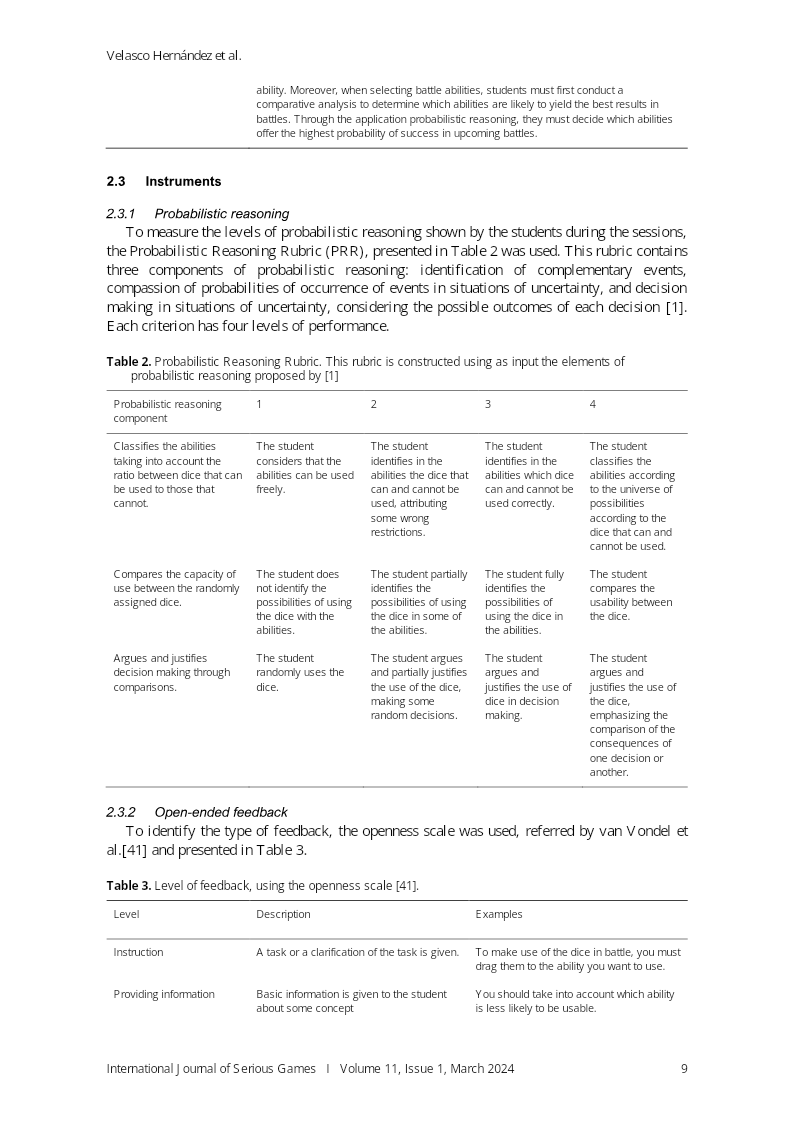
Videogames and Open Feedback Systems to Enhance Probabilistic Reasoning and Engagement
Digital game-based learning serves as a potent vehicle for developing higher-order mathematical skills, specifically probabilistic reasoning, when integrated with structured pedagogical support.
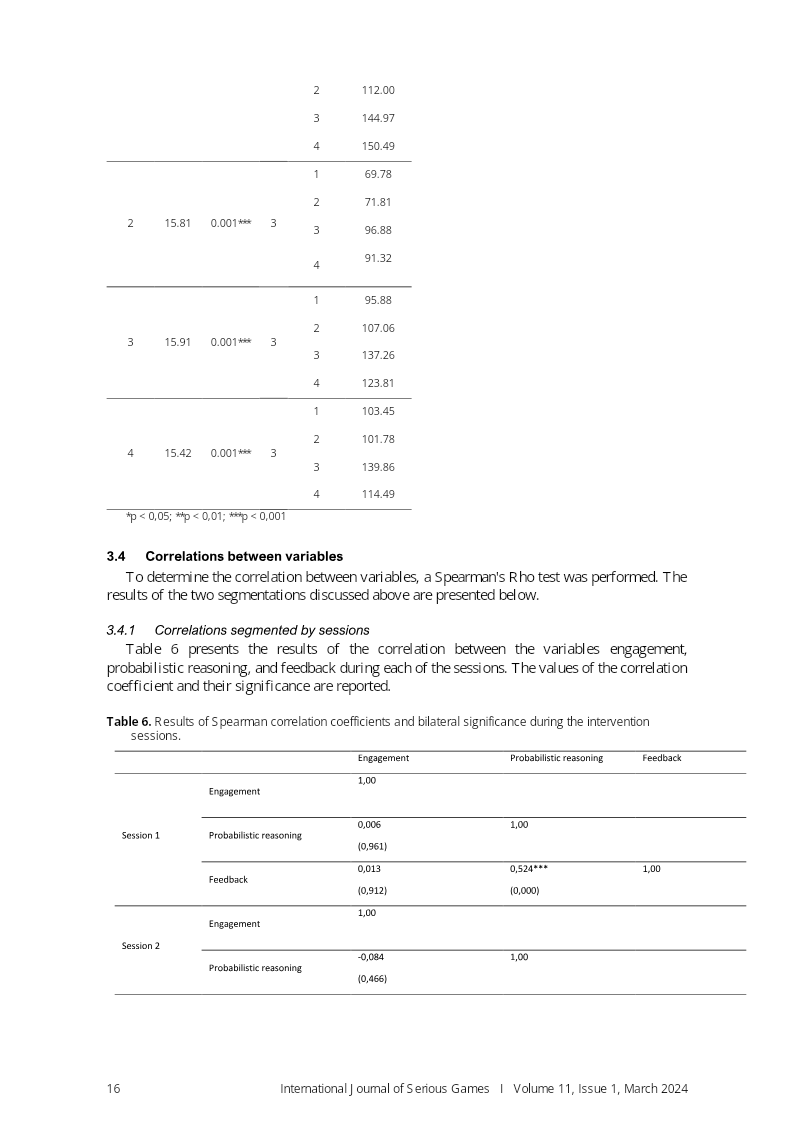
- The efficacy of digital game-based learning for complex mathematical tasks is primarily driven by the quality of human-led, open-ended feedback rather than the game environment alone.
- Empirical analysis using the Probabilistic Reasoning Rubric confirms a consistent, positive correlation between the quality of teacher feedback and the development of student reasoning skills.
- Feedback quality does not dictate student engagement levels, as research indicates a disconnect between cognitive advancement and the emotional or motivational state of the learner.
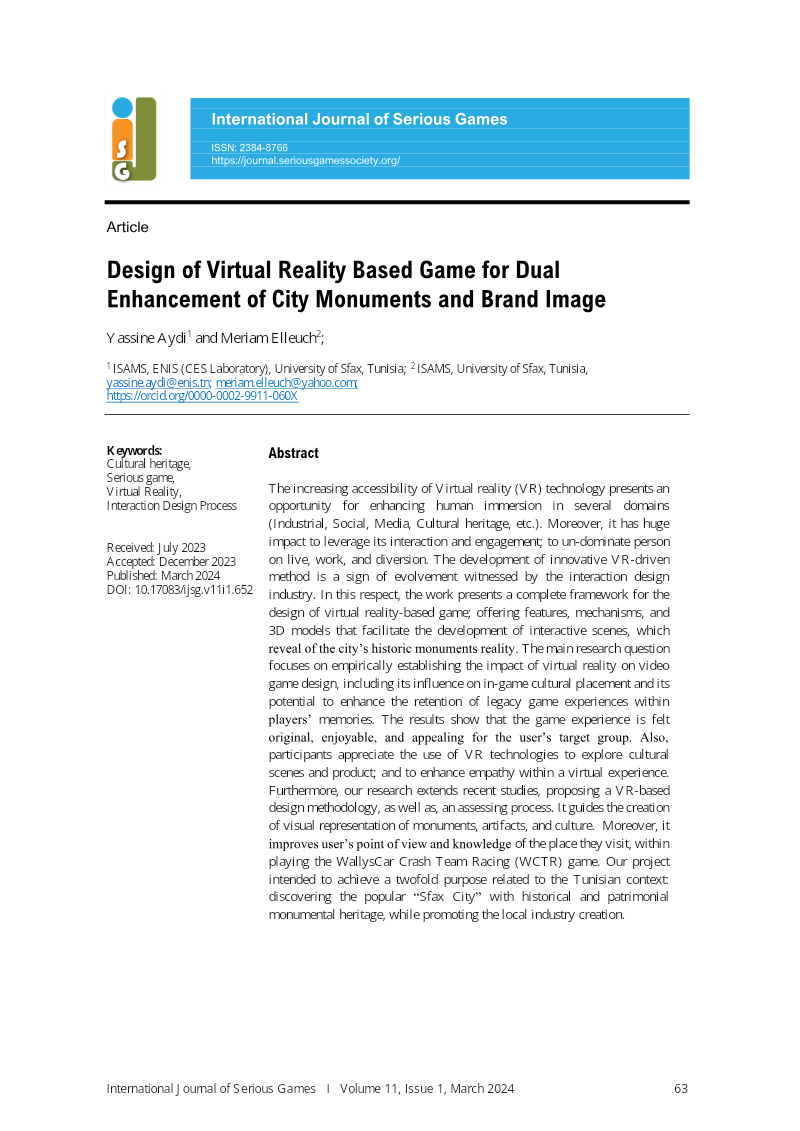
Design of Virtual Reality Based Game for Dual Enhancement of City Monuments and Brand Image
Virtual reality serves as a potent medium for the dual objectives of promoting historical cultural heritage and strengthening corporate brand identity.
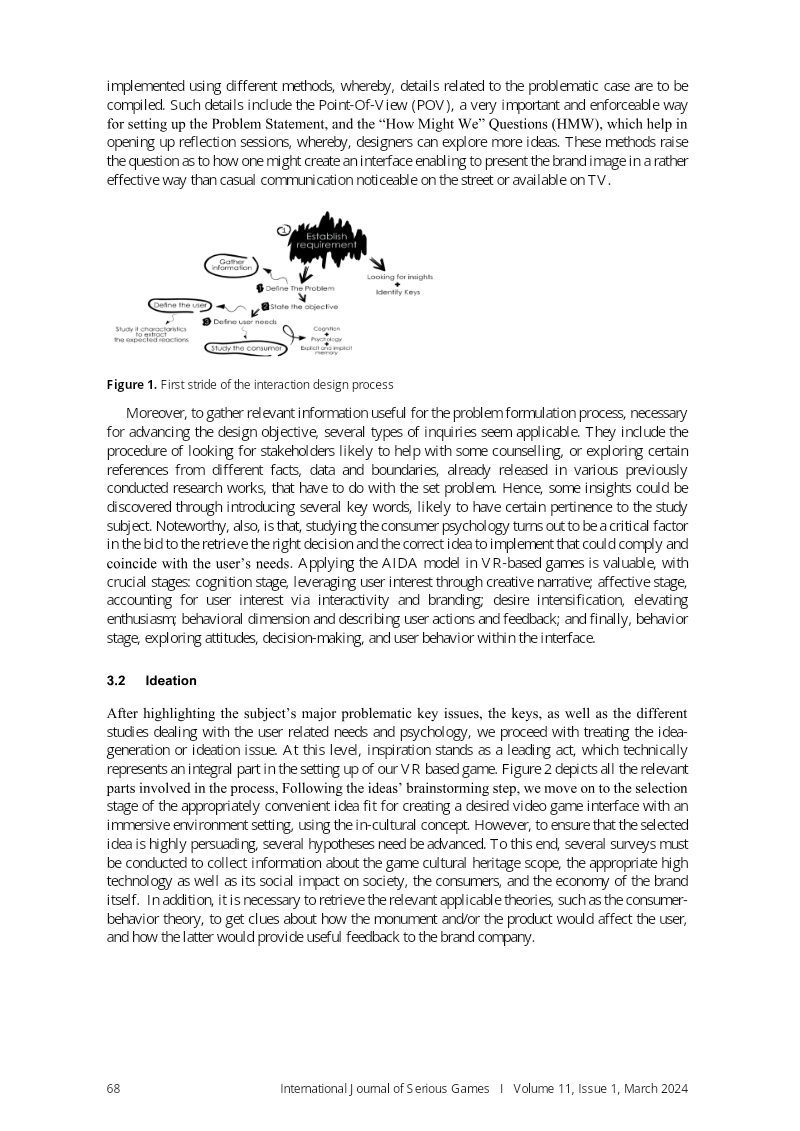
- Virtual reality environments can effectively merge historical monument preservation with corporate brand identity by leveraging consumer psychology and high-fidelity 3D modeling.
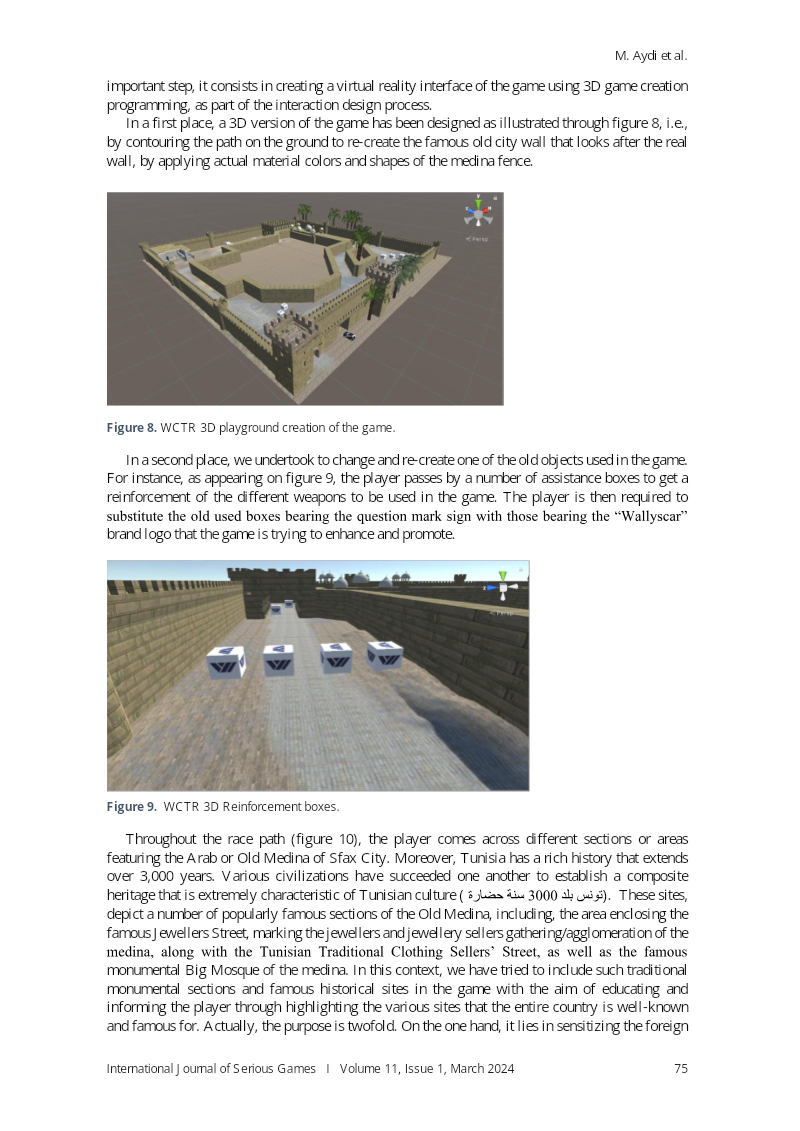
- A case study involving the Wallyscar brand in the Old Medina of Sfax, Tunisia, demonstrated that integrating commercial branding into historical contexts fosters positive user associations.
- Heuristic evaluations of the Sfax project confirmed high levels of general user satisfaction regarding the usability and accessibility of the virtual environment.
Teaching with Games: Formative Gaming in Religion, Philosophy and Ethics
Playing to Grow examines whether video games can serve as meaningful instruments of character education, social and emotional learning (SEL), and moral instruction.
- A 2023 roundtable of game scholars and educators argues that player-choice games may offer richer pathways to character development than extrinsically rewarded systems such as PBIS and MTSS, positioning games as conversation openers rather than standalone solutions.
- The most concrete empirical evidence is a UNESCO MGIEP study of the interactive fiction game Bury me, my Love with students in Dubai and New Delhi, which found a positive correlation between empathy and compassion, with compassion gains attributed to players translating empathy into action.
- Beyond the UNESCO MGIEP study, supporting evidence is largely qualitative and anecdotal, drawing on titles such as Lost Words: Beyond the Page, Quandary, This War of Mine, Sky: Children of the Light, and the Lost & Found series, a limitation participants openly acknowledge.
Museum Games and Personal Epistemology: A Study on Students’ Critical Thinking
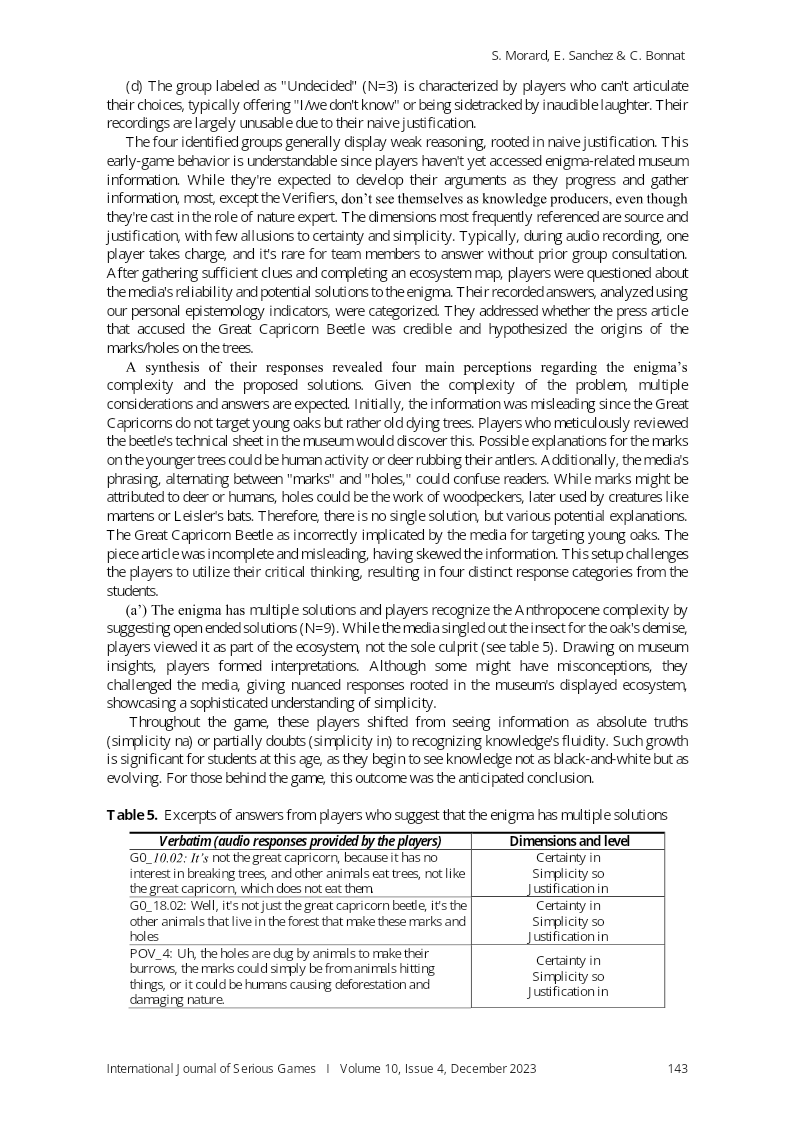
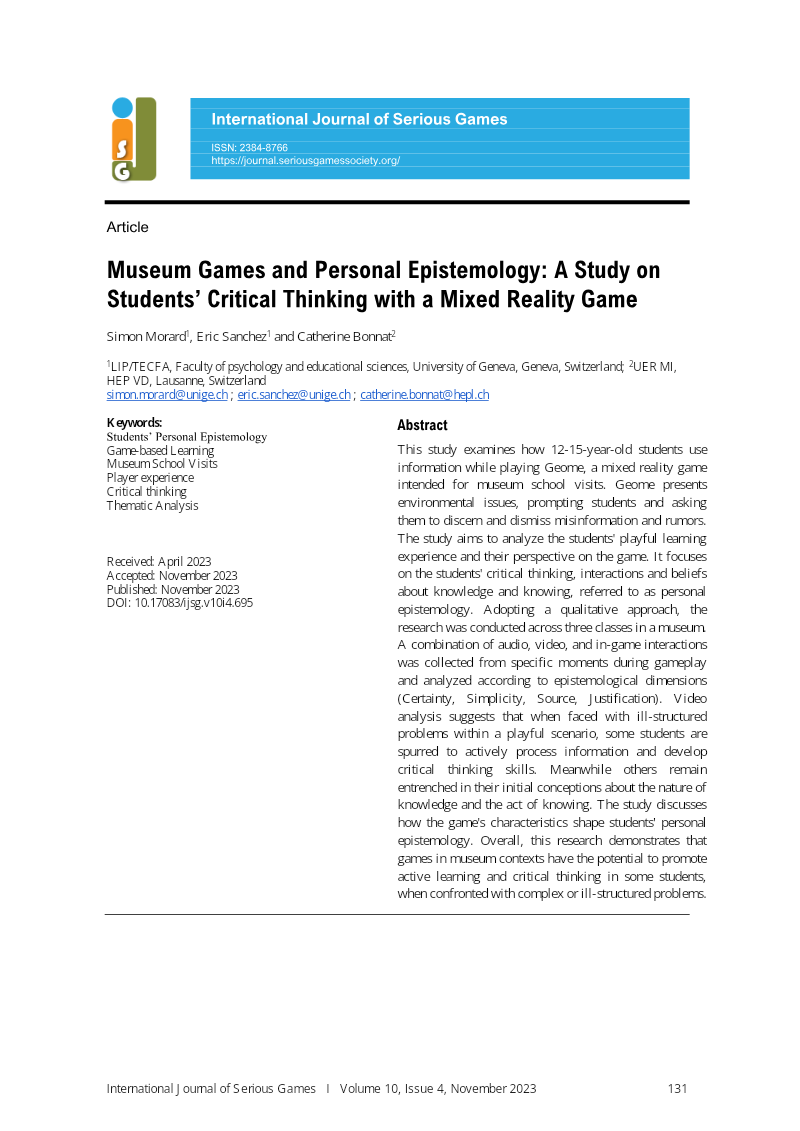
Mixed-reality museum games serve as effective tools for fostering critical thinking and epistemological growth among students aged 12 to 15.
- Mixed-reality museum games effectively foster critical thinking and epistemological growth in students aged 12 to 15 by presenting ill-structured, non-deterministic problems.
- The primary pedagogical goal of these digital experiences is to transition students from naive, opinion-based reasoning to sophisticated, evidence-based scientific understanding.
- Educational efficacy is heavily dependent on a student's personal epistemology, specifically their individual views regarding the certainty, simplicity, and justification of knowledge.
CogniChallenge: Multiplayer Serious Games' Platform for Cognitive and Psychosocial Rehabilitation
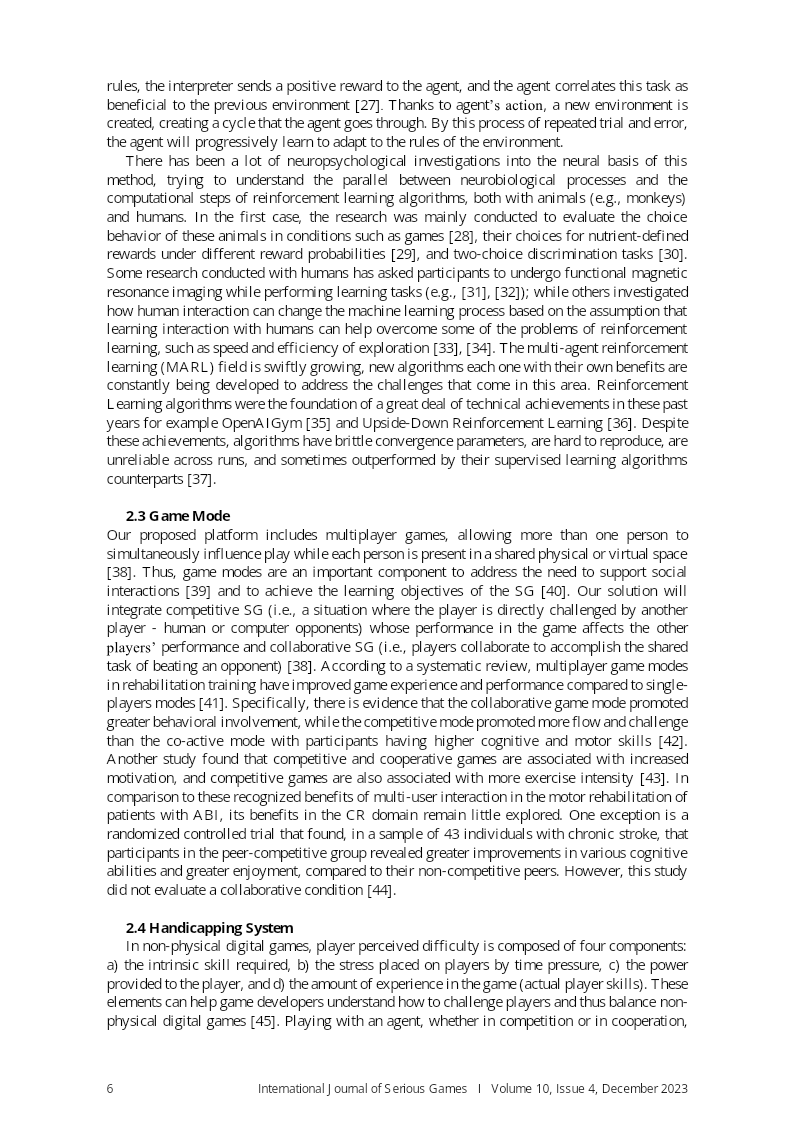
CogniChallenge addresses the critical limitations of traditional, static cognitive rehabilitation software by introducing a multiplayer platform designed for patients with acquired brain injury.
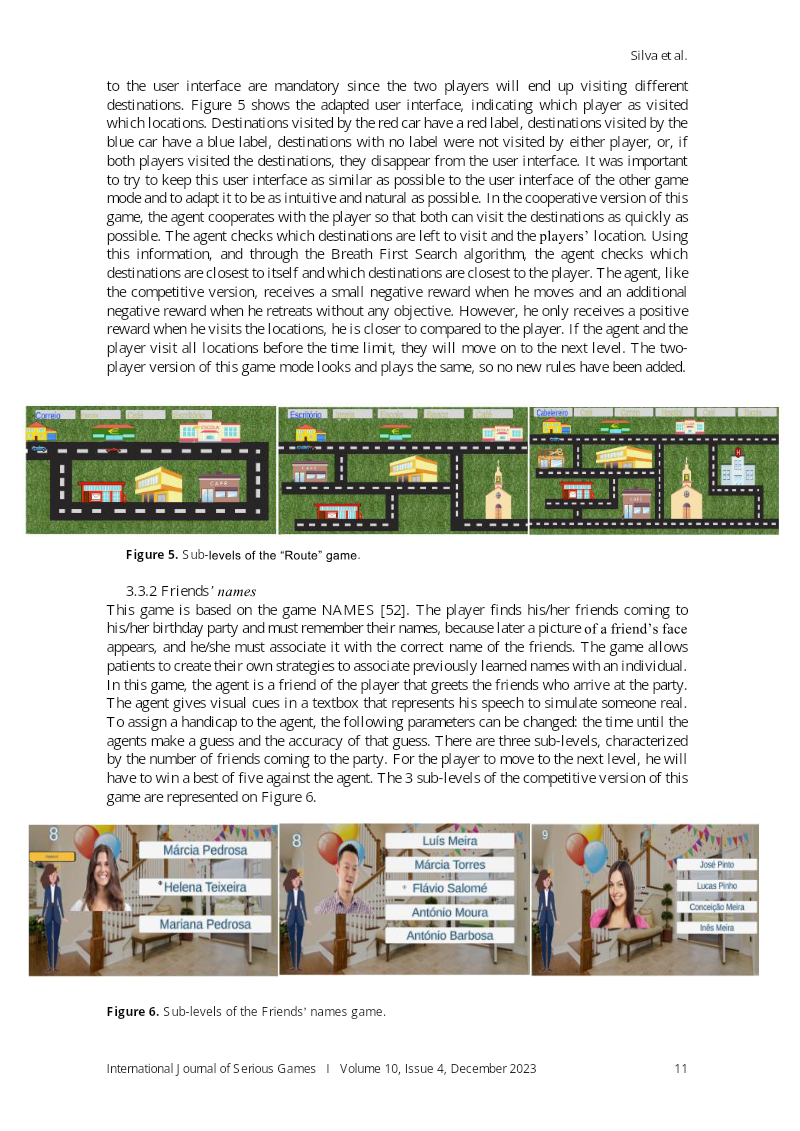
- CogniChallenge replaces static, single-player rehabilitation software with a multiplayer platform designed to improve neuroplasticity and psychosocial outcomes for patients with acquired brain injury.
- The platform utilizes the Unity engine and a multi-agent system to facilitate both competitive and cooperative gameplay environments.
- Task difficulty is managed by the Proximal Policy Optimization (PPO) reinforcement learning algorithm, which creates an adaptive handicap system to maintain patient engagement.
How to Create Serious Games: Proposal for a Participatory Methodology
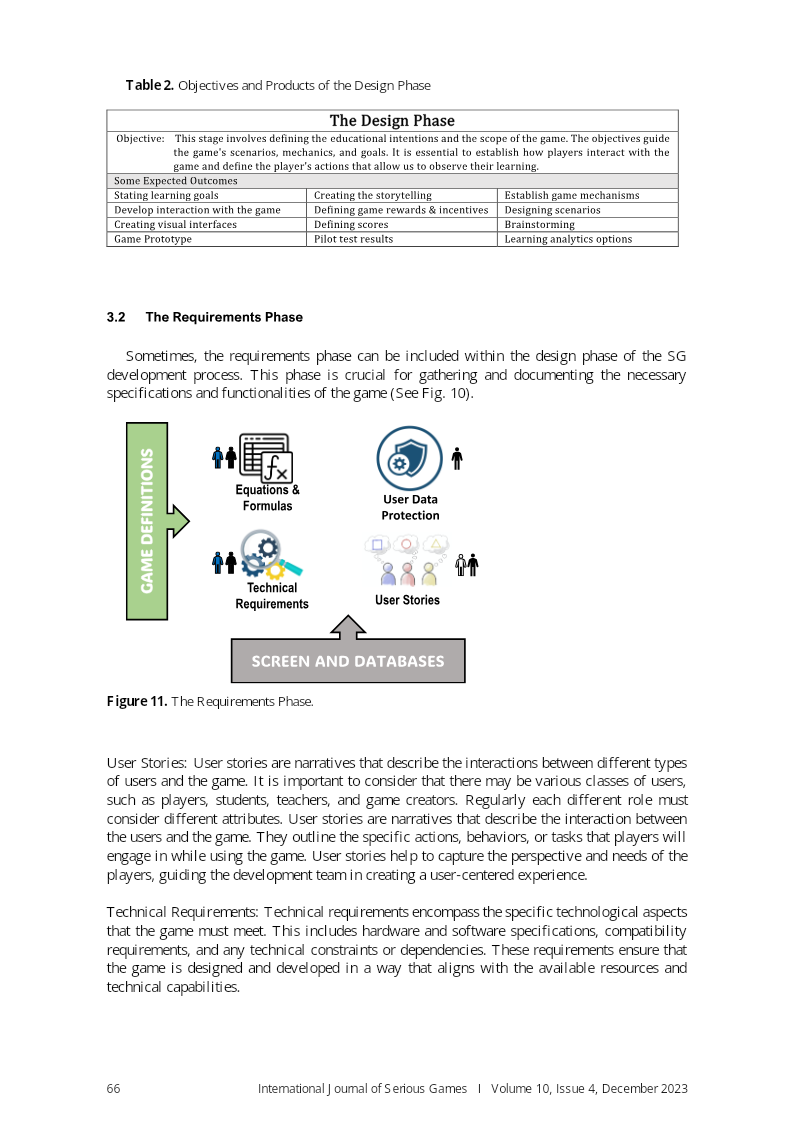
The development of serious games requires a shift toward a participatory methodology that prioritizes continuous collaboration between multidisciplinary teams and end-users.
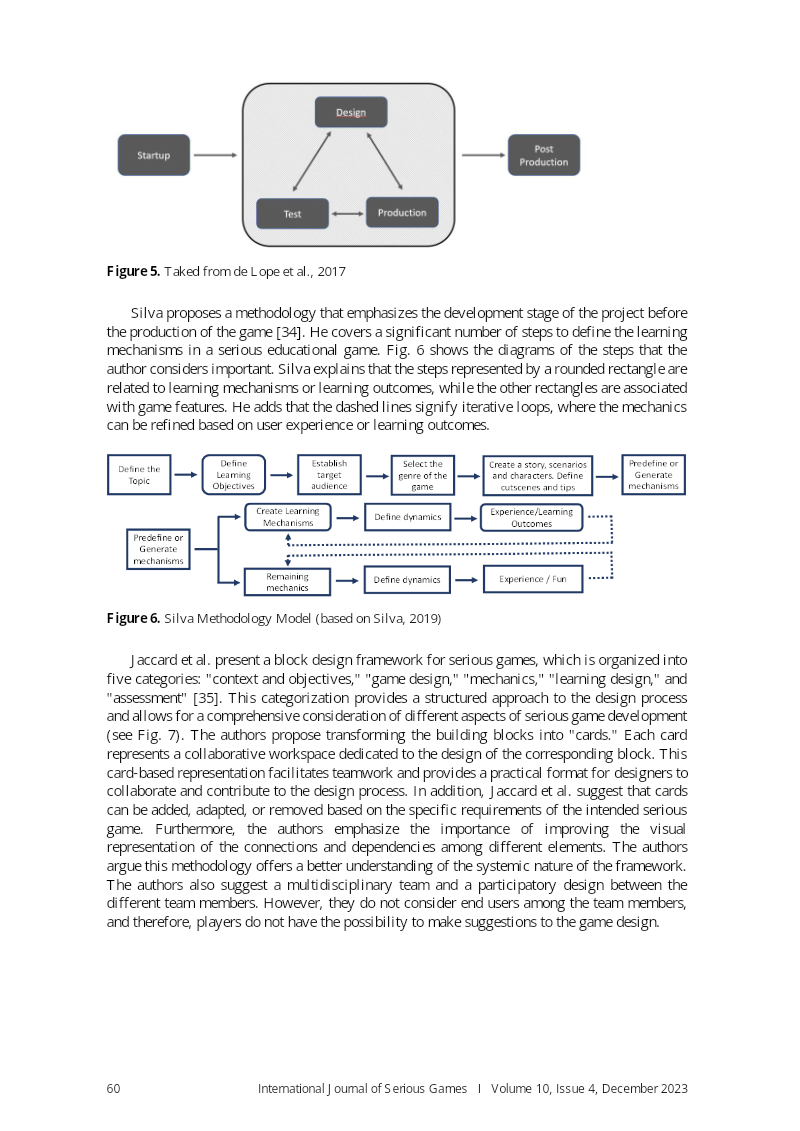
- Serious game development should shift to a participatory methodology that integrates pedagogical experts, developers, designers, and end-users throughout the entire project lifecycle.
- Moving beyond traditional models that limit user involvement to final testing, this co-design approach ensures technical mechanics align with learning outcomes from the conceptualization phase.
- The proposed framework utilizes five iterative stages to foster consensus-building and establish a common language among multidisciplinary stakeholders.
Implementing Deep Reinforcement Learning (DRL)-based Driving Styles for Non-Player Vehicles
The integration of Deep Reinforcement Learning into serious game development offers a transformative approach to creating realistic non-player vehicle behavior.
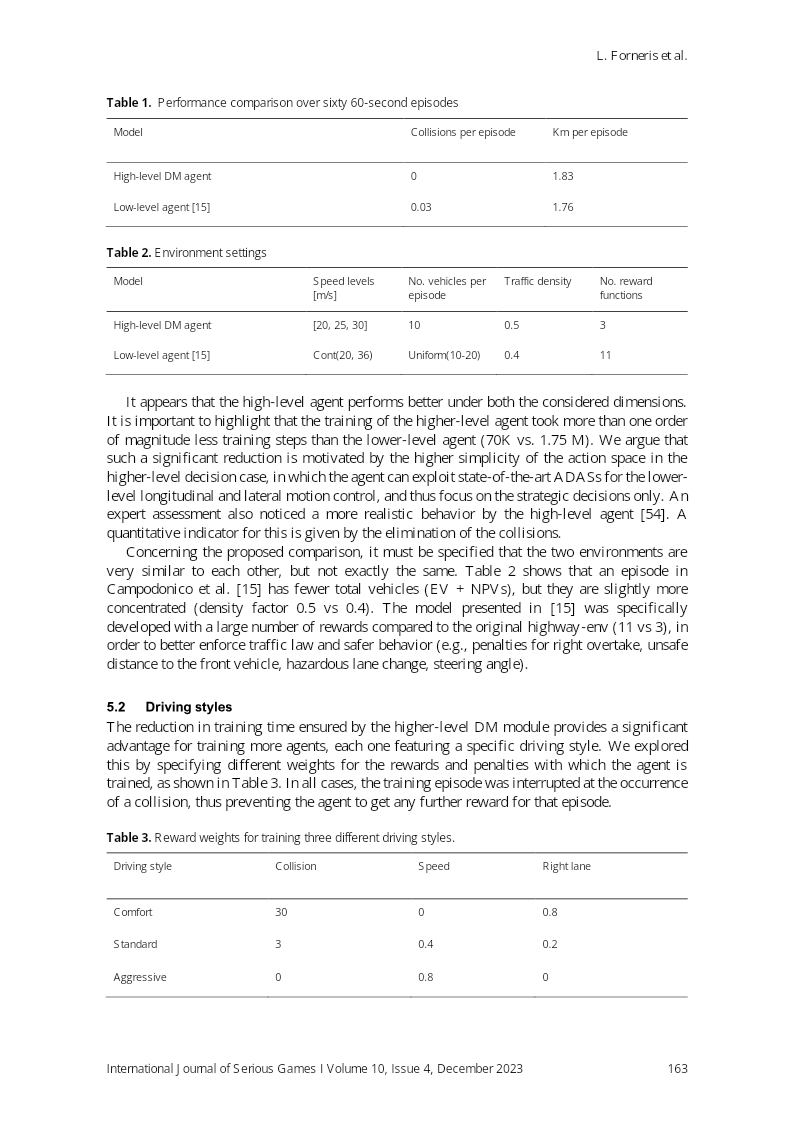
- Using a hierarchical architecture that delegates low-level control to Advanced Driver Assistance Systems (ADAS) while using Deep Reinforcement Learning (DRL) for high-level strategy improves both safety and speed metrics in non-player vehicle behavior.
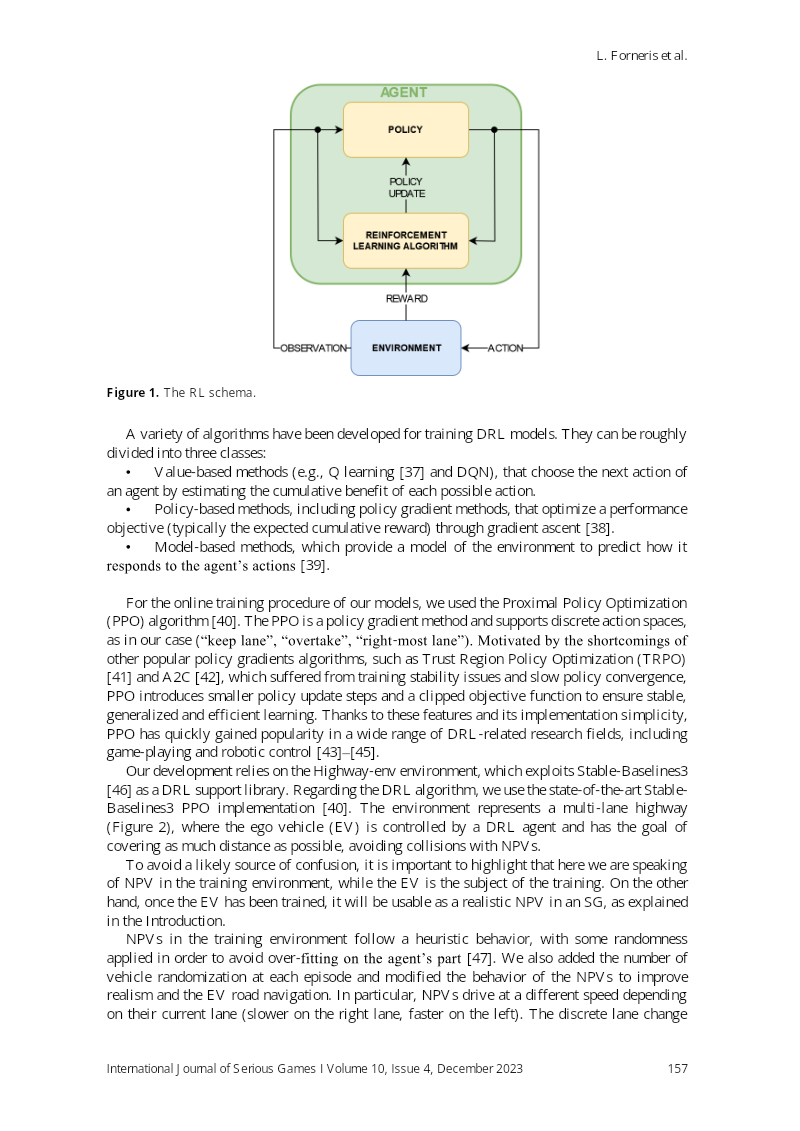
- The Proximal Policy Optimization (PPO) algorithm reduces training time by over an order of magnitude compared to traditional heuristic-based coding methods.
- Developers can generate distinct driving styles—Comfort, Standard, and Aggressive—by dynamically adjusting the weights within the agent's reward function.