1 free read left. Create a free account for unlimited reading + AI research.
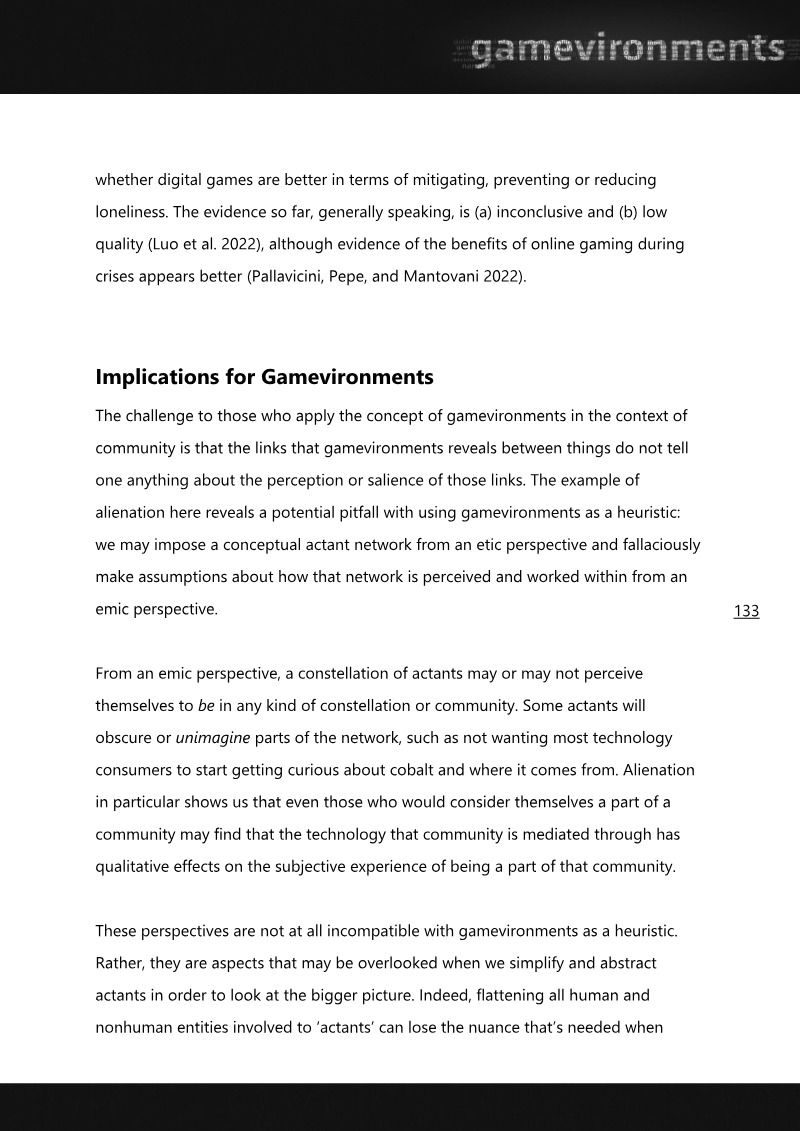
Create free accountReportgamevironments
The study examined the interactive fiction game Bury me, my Love with students in Dubai and New Delhi. Compassion gains were attributed to players translating empathy into action.
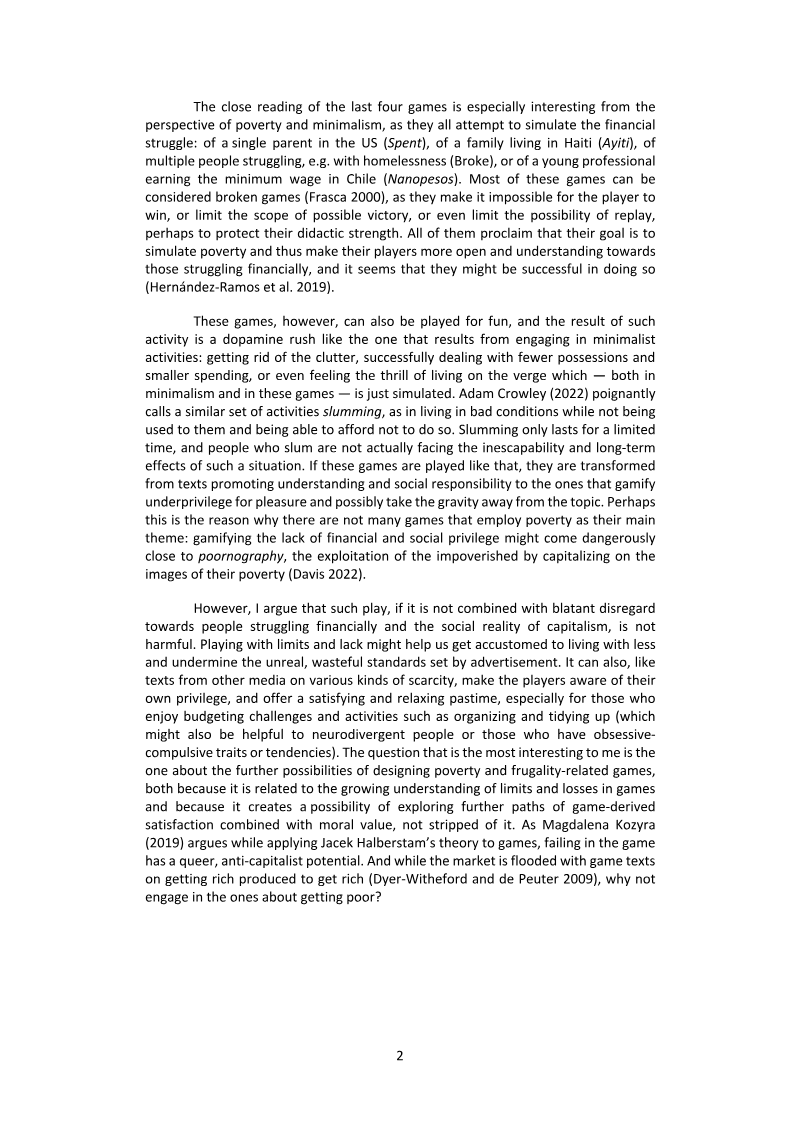
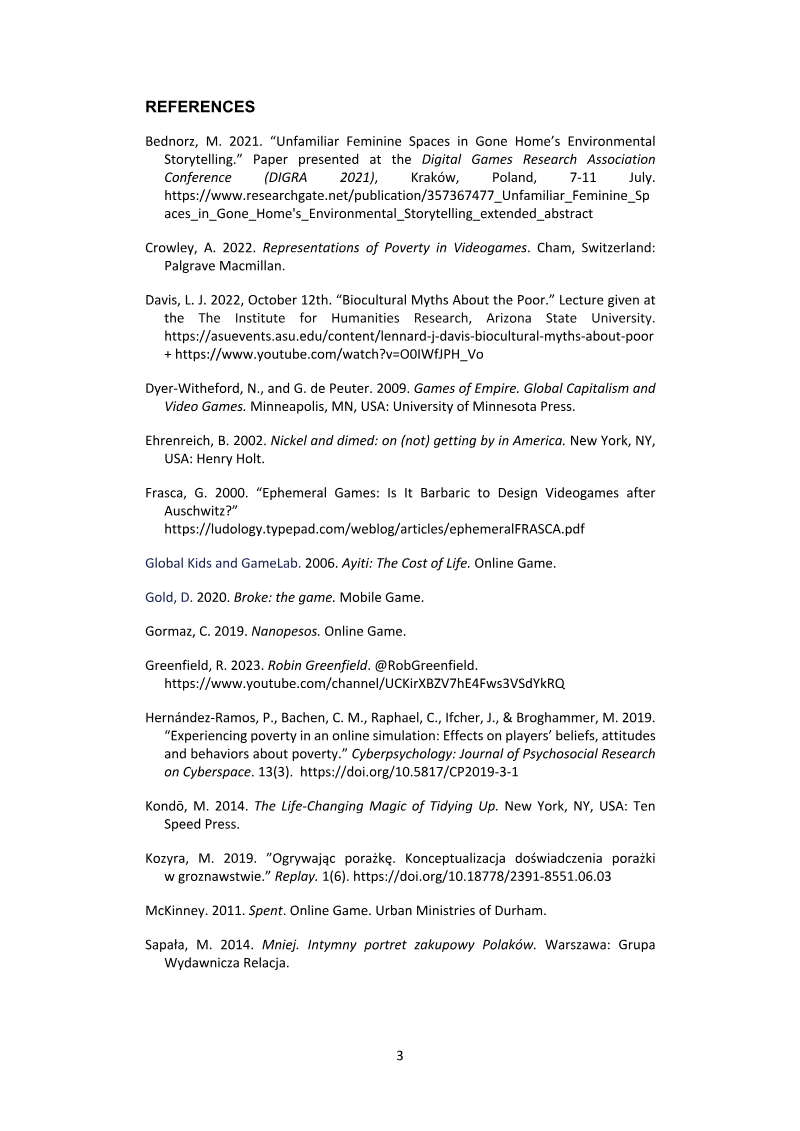
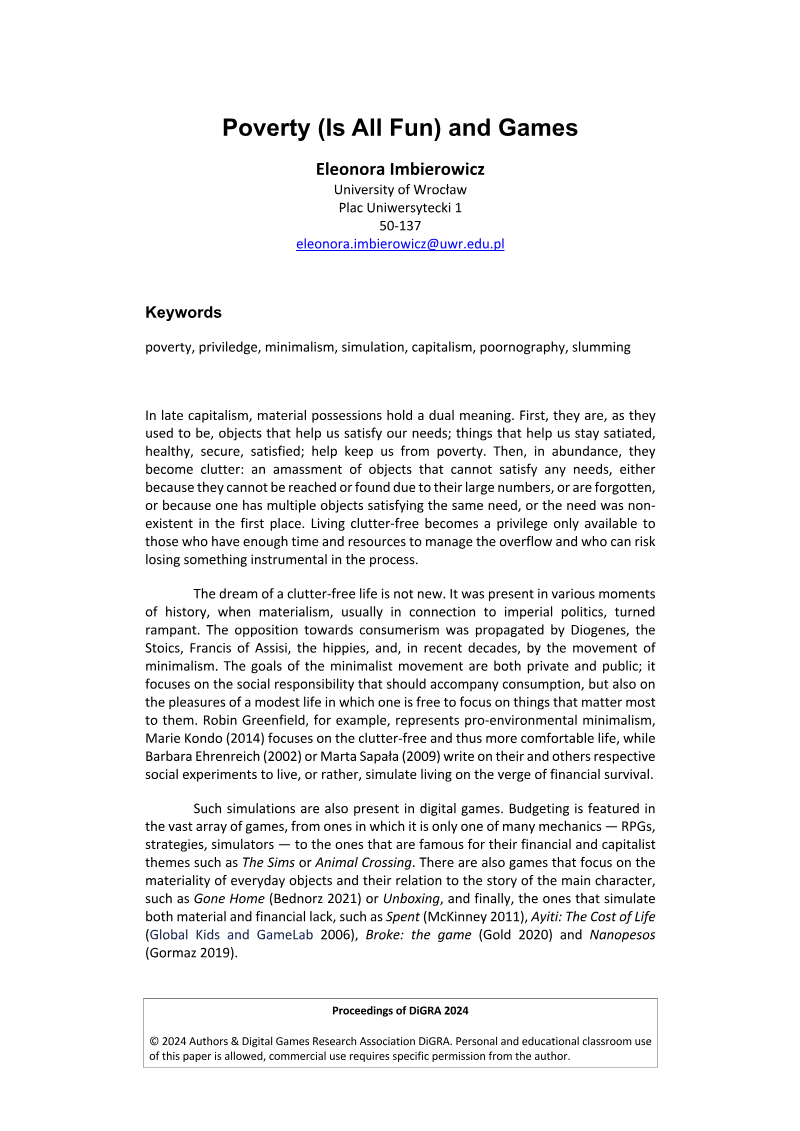
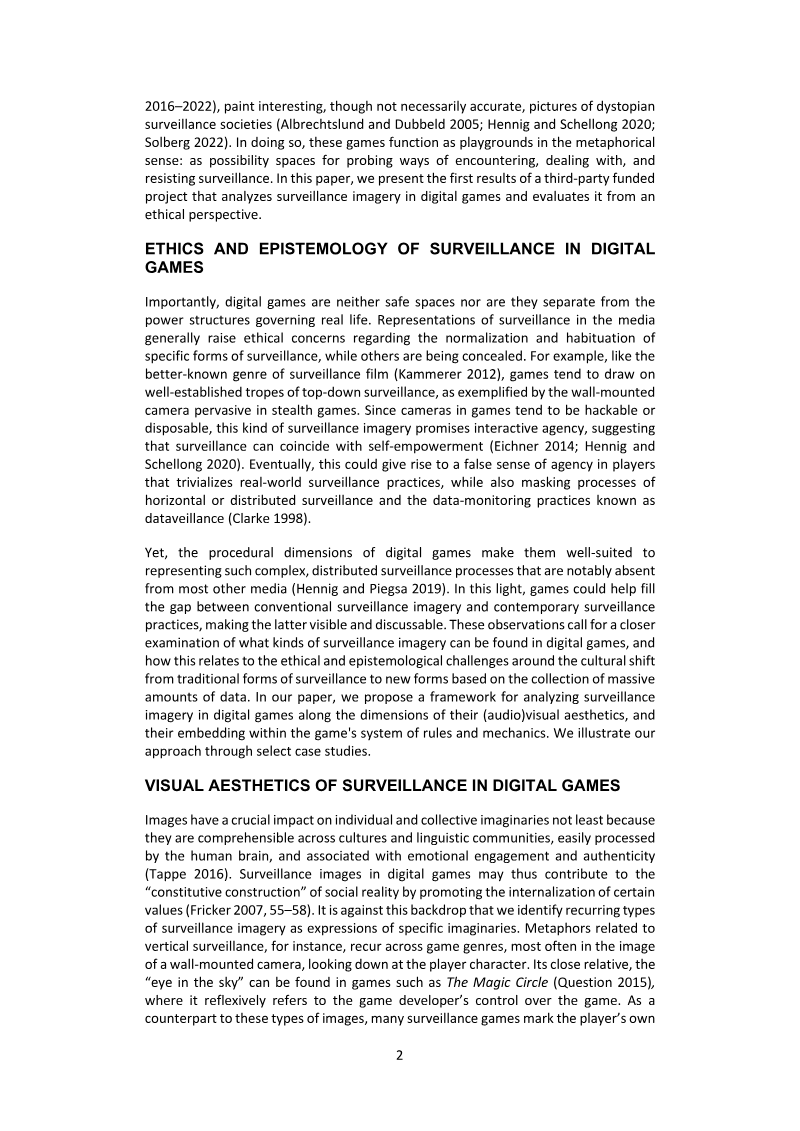
Most concrete evidence. The most concrete empirical evidence is a UNESCO MGIEP study of Bury me, my Love.
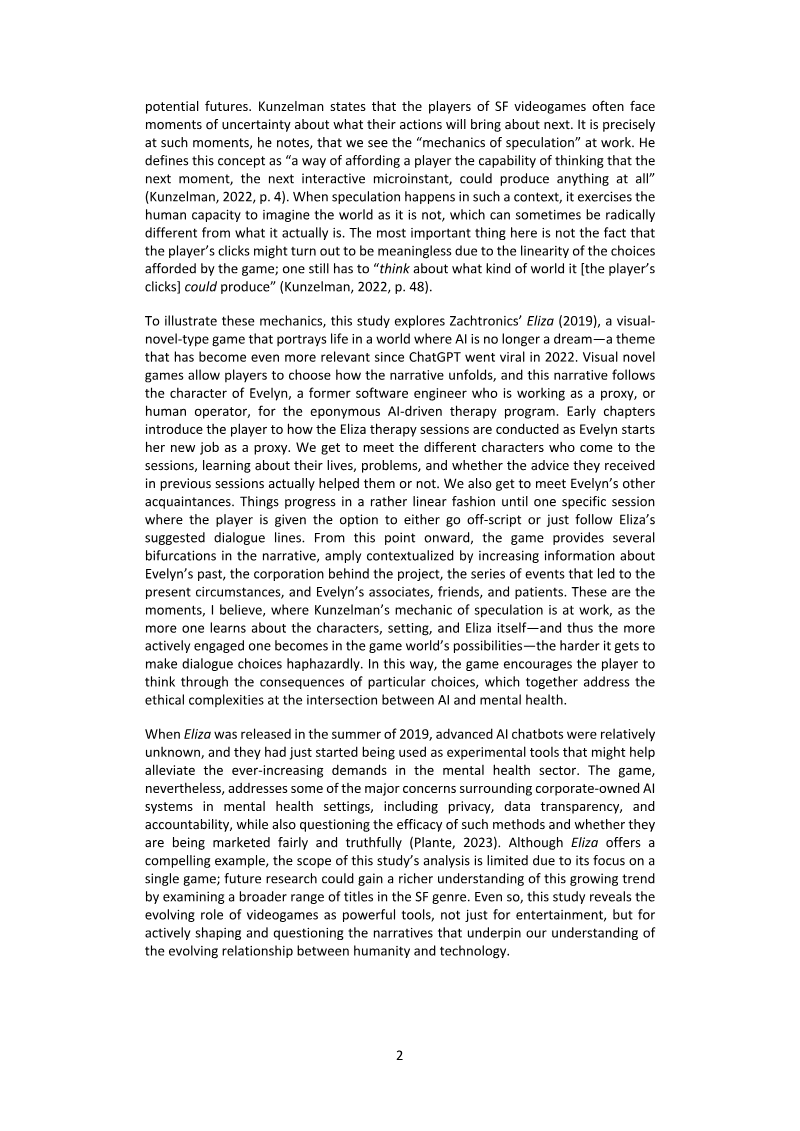
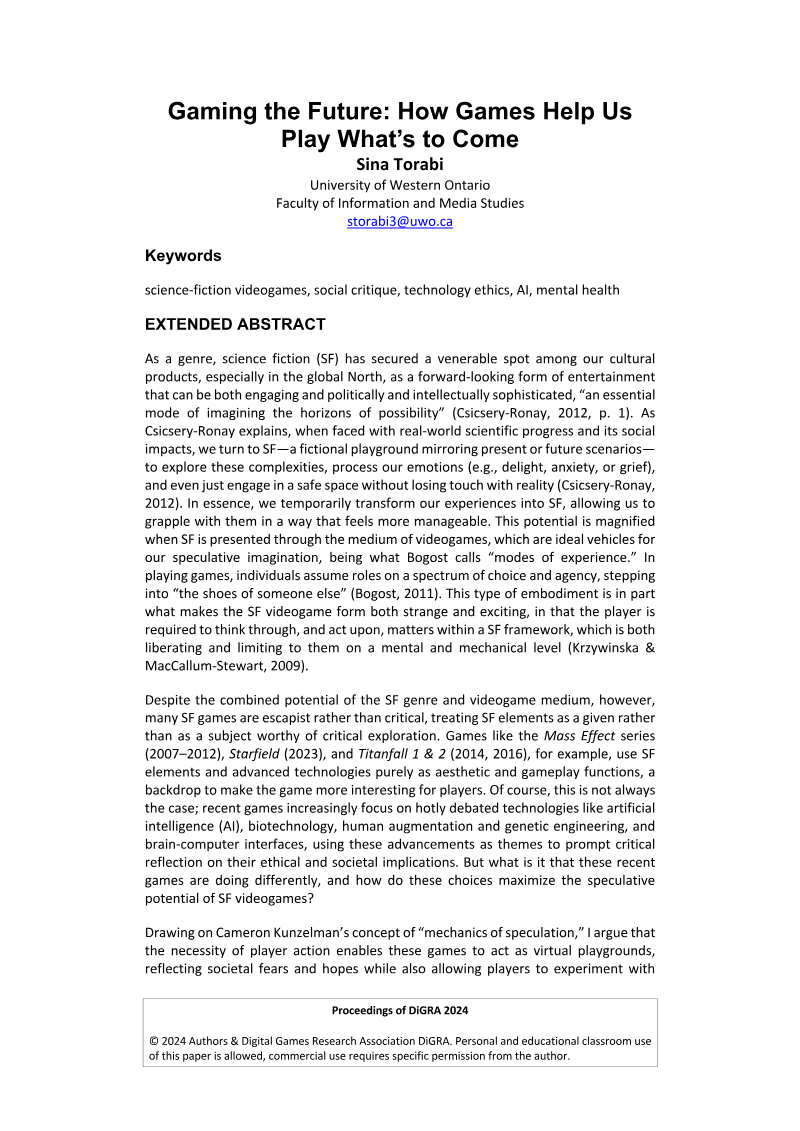
Playing to Grow examines whether video games can serve as meaningful instruments of character education, social and emotional learning (SEL), and moral instruction. Drawn from a 2023 roundtable among game scholars and educators, the discussion argues that games, particularly those built around player choice and agency, may offer richer pathways to character development than extrinsically rewarded systems such as PBIS and MTSS. The participants position games as conversation openers rather than self-contained solutions, asserting that their distinctive strength lies in emergent, rule-based experiences that let players rehearse decisions and perspective-taking.
The most concrete empirical anchor is a UNESCO MGIEP study of the interactive fiction game Bury me, my Love with students in Dubai and New Delhi, which found a positive correlation between empathy and compassion, with compassion gains attributed to players translating empathy into action. Beyond this single study, the supporting evidence is largely qualitative and anecdotal, drawing on examples such as Lost Words: Beyond the Page, Quandary, This War of Mine, Sky: Children of the Light, and the Lost & Found series, alongside a reported classroom case of a student carrying a game's sense of responsibility into daily life. Participants acknowledge this limitation openly.
A consistent theme is that educator-led reflection and curricular framing are essential to convert emotional engagement into lasting learning, and that students need game design literacy to recognize the implicit ideologies embedded in even familiar titles. The discussion also identifies a notable gap in SEL games for older learners, including high school, college, and graduate students, and calls for collaboration between designers and mental health professionals, particularly as immersive environments such as VR and the emerging metaverse grow in influence.
gamevironments · 2026
International Journal of Role-Playing · 2026