Key insights
5 slides
Dual purpose
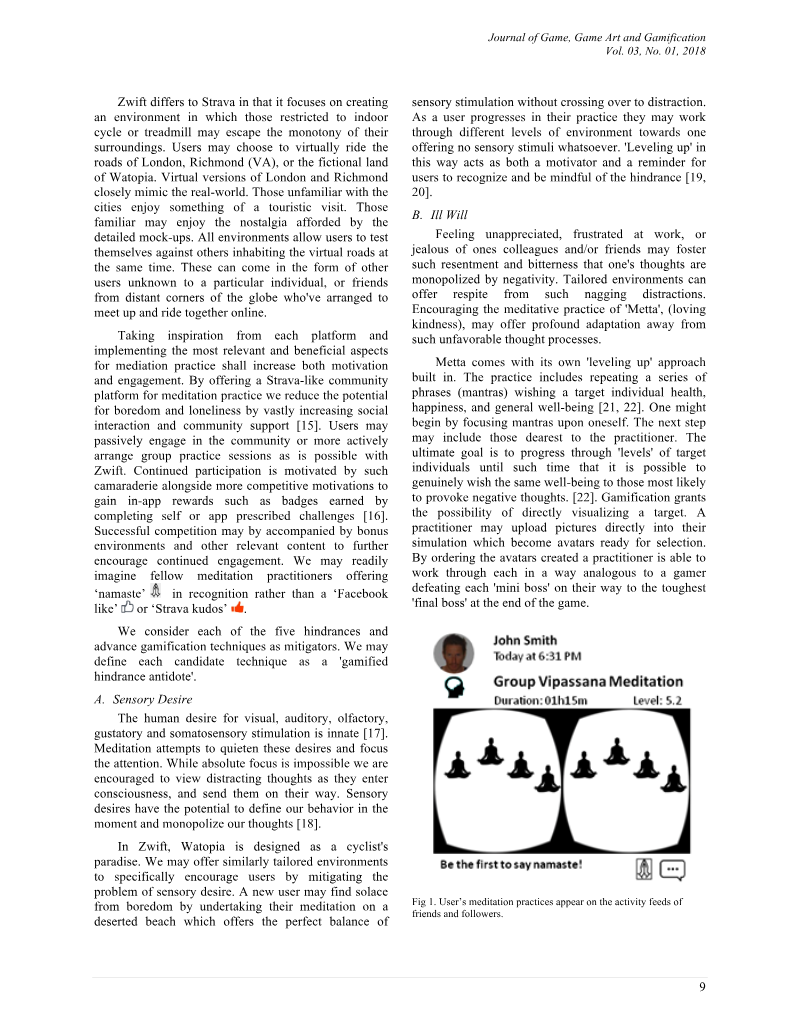
Virtual reality environments can merge historical monument preservation with corporate brand identity.
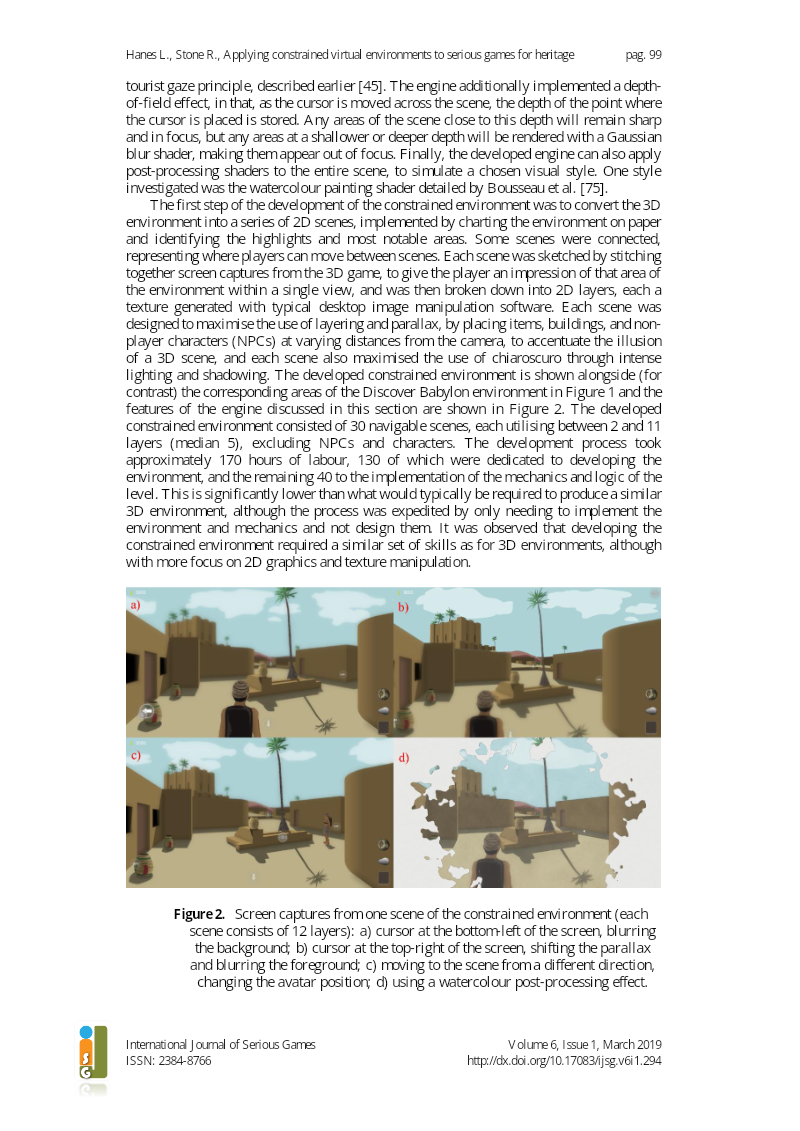
This approach leverages consumer psychology and high-fidelity 3D modeling. It transforms static monuments into interactive educational experiences.
1 / 5
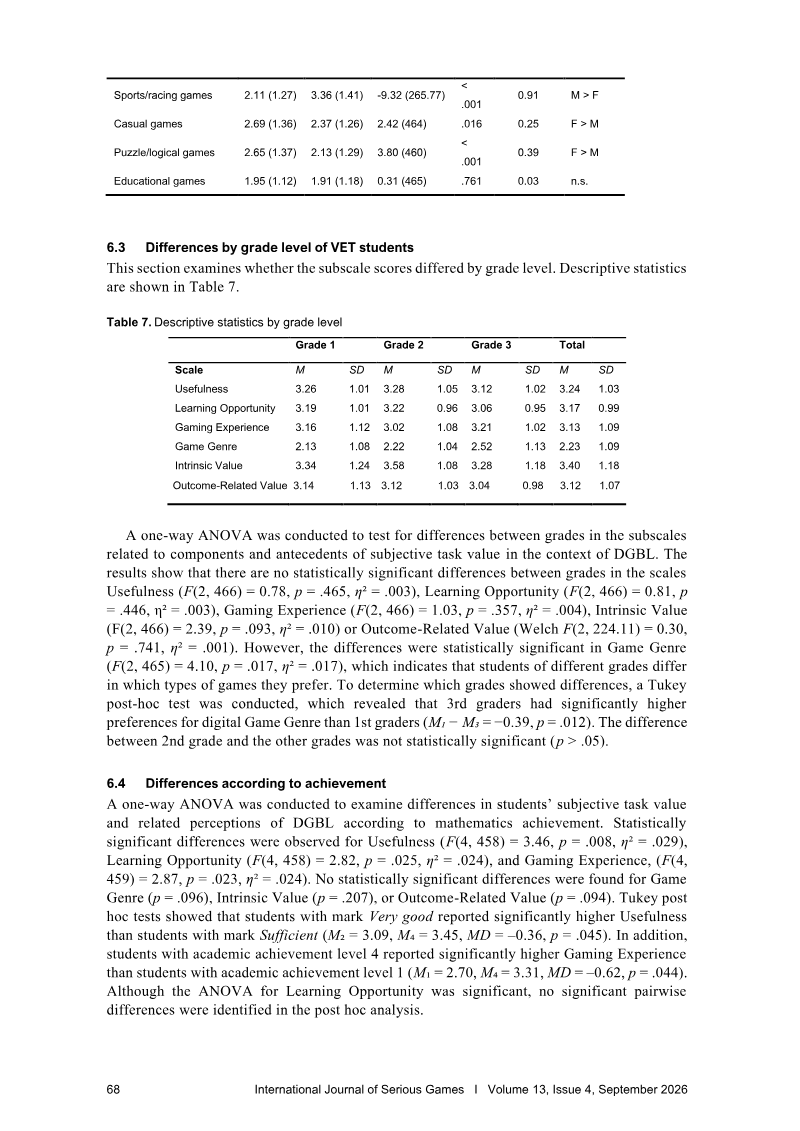
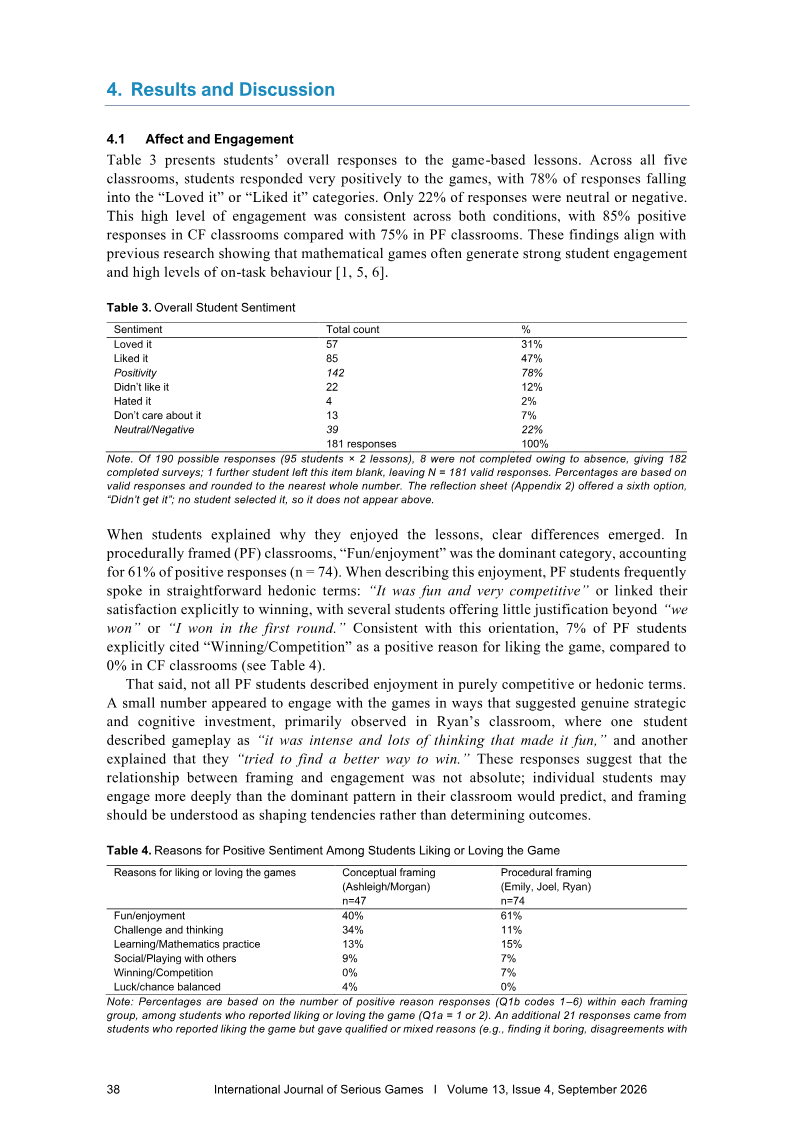
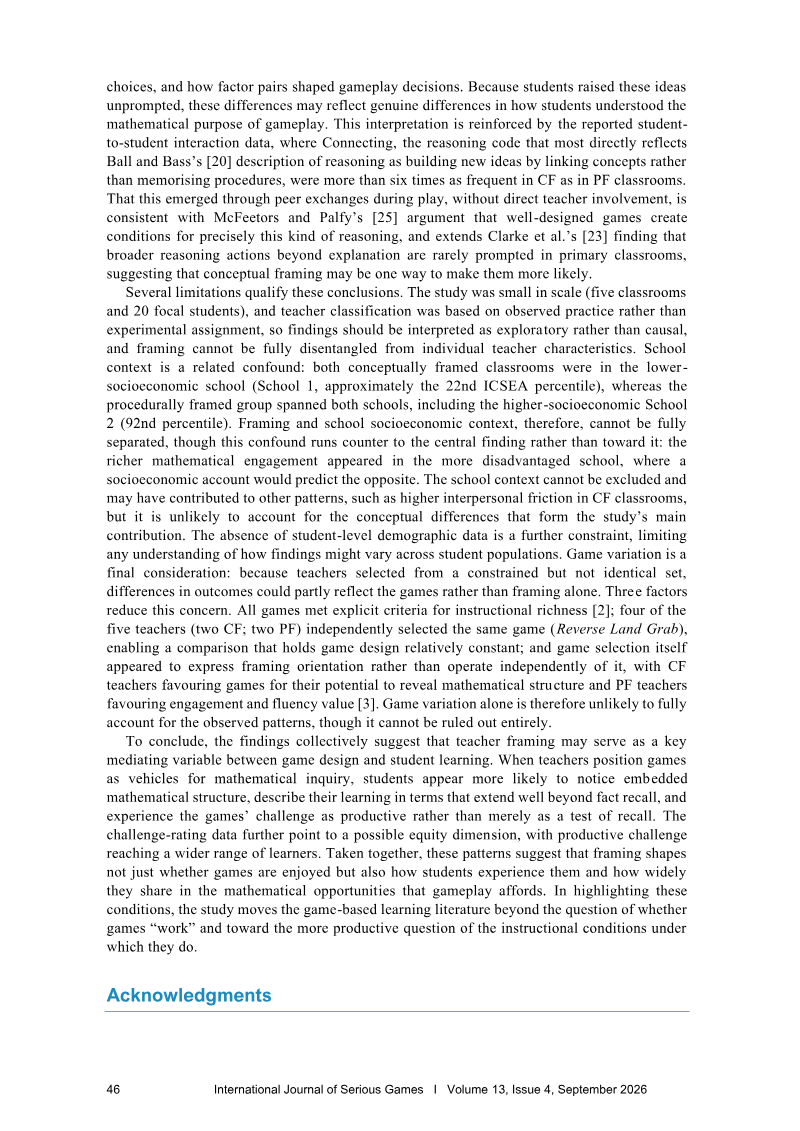
- 01Virtual reality environments can effectively merge historical monument preservation with corporate brand identity by leveraging consumer psychology and high-fidelity 3D modeling.See it on page 1
- 02A case study involving the Wallyscar brand in the Old Medina of Sfax, Tunisia, demonstrated that integrating commercial branding into historical contexts fosters positive user associations.See it on page 13
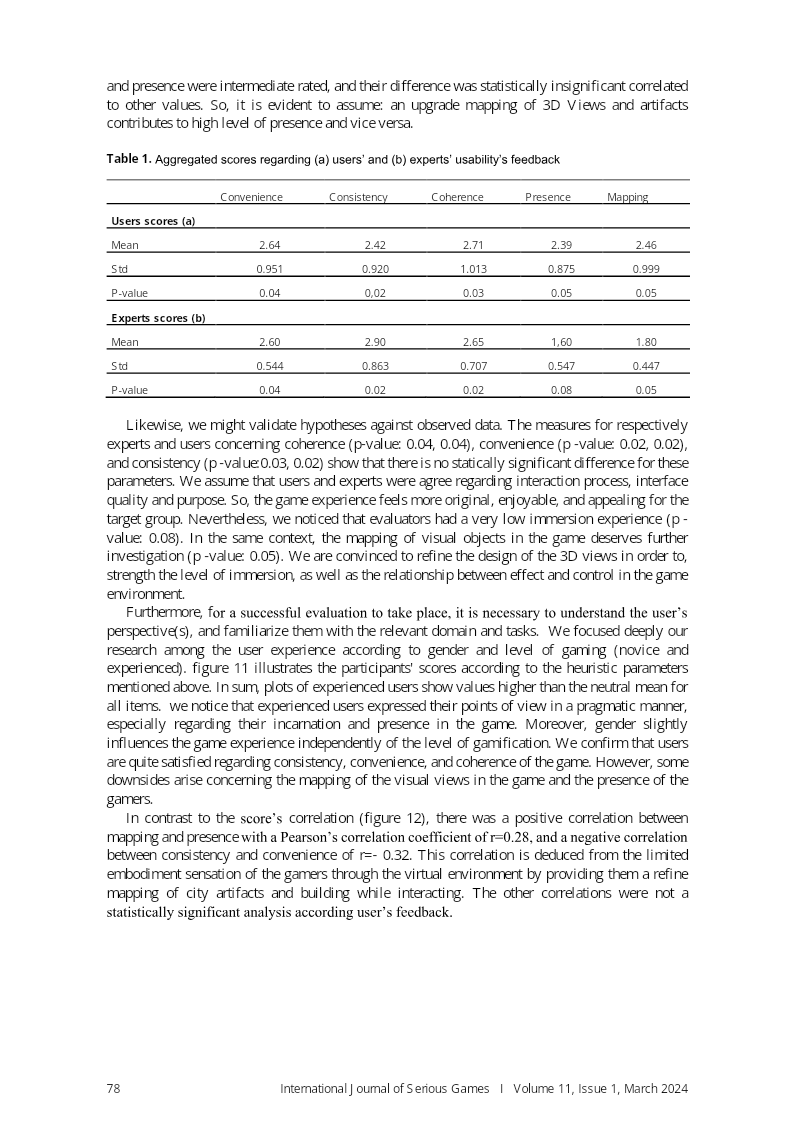
- 03Heuristic evaluations of the Sfax project confirmed high levels of general user satisfaction regarding the usability and accessibility of the virtual environment.See it on page 15
- 04Current technical limitations in visual mapping and the sense of immersive presence require further refinement to achieve a more profound level of user embodiment.See it on page 16
- 05Future development must prioritize the optimization of 3D rendering and the integration of AI-driven avatars to improve the educational impact and persuasiveness of the experience.See it on page 18
Ask AI about this report
Summary
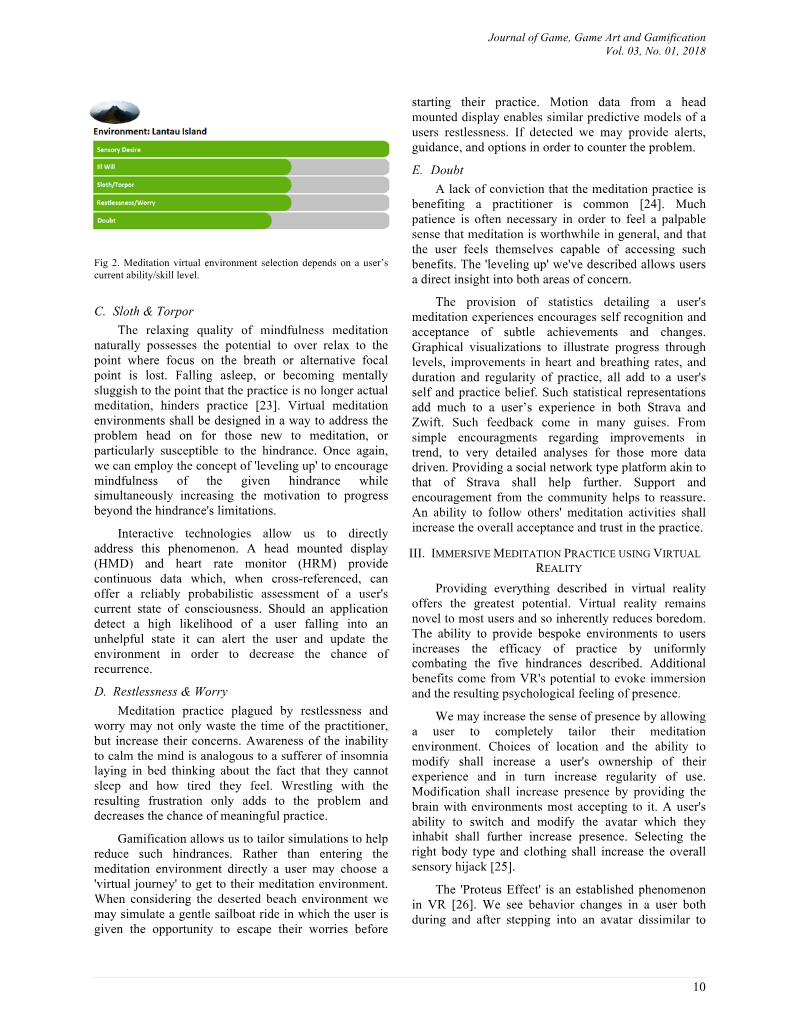
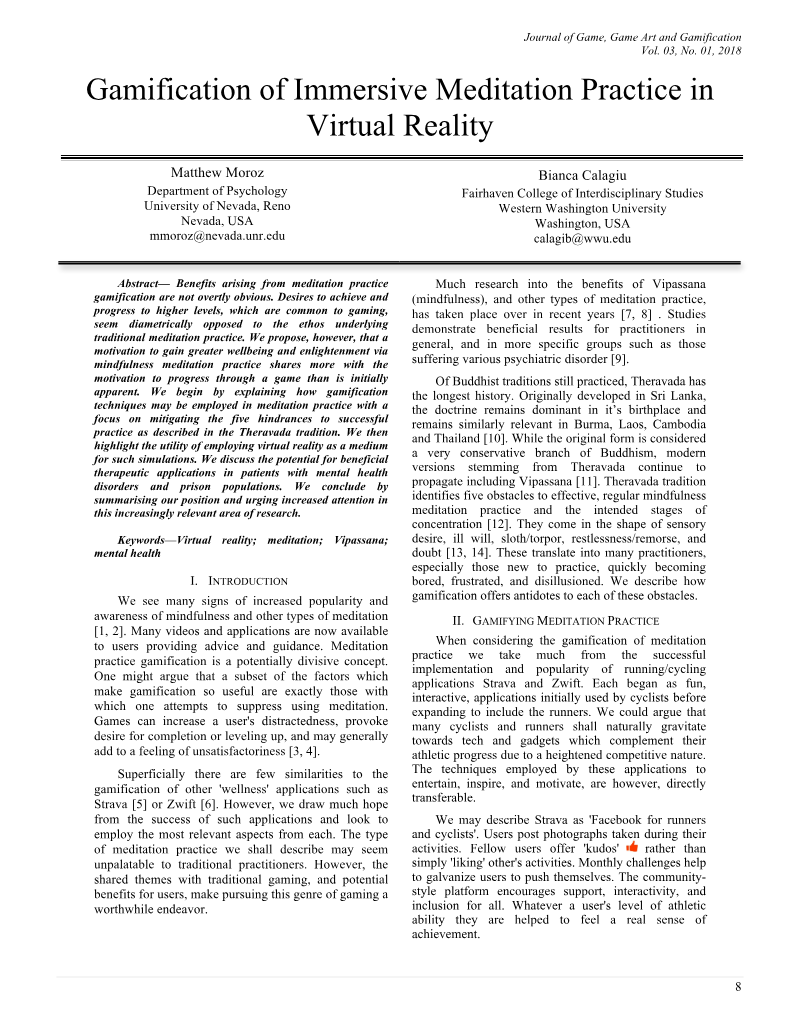
Virtual reality serves as a potent medium for the dual objectives of promoting historical cultural heritage and strengthening corporate brand identity. By synthesizing consumer psychology, childhood nostalgia, and high-fidelity 3D modeling, immersive gaming environments can effectively bridge the gap between virtual entertainment and real-world engagement. This approach transforms static monuments into interactive educational experiences, fostering increased empathy and information retention among users while simultaneously cultivating positive brand associations.
The practical application of this methodology is evidenced by a case study centered on the integration of the Wallyscar brand within the historical context of the Old Medina of Sfax, Tunisia. Through a rigorous heuristic evaluation process, the project assessed critical interface parameters including convenience, consistency, and coherence. While the findings confirm a high level of general user satisfaction regarding the usability and accessibility of the virtual environment, expert analysis highlights a critical need for further technical refinement.
Specifically, the research identifies significant opportunities to enhance the quality of visual mapping and the sense of immersive presence. To achieve a more profound level of embodiment and educational impact, future development must prioritize the optimization of 3D rendering and the integration of artificial intelligence-driven avatars. These advancements are essential to move beyond basic interaction and create a truly seamless, persuasive experience that successfully aligns commercial branding with the preservation and appreciation of historical landmarks.