Key insights
6 slides
Better training
Gamification improves cybersecurity awareness more than traditional methods.
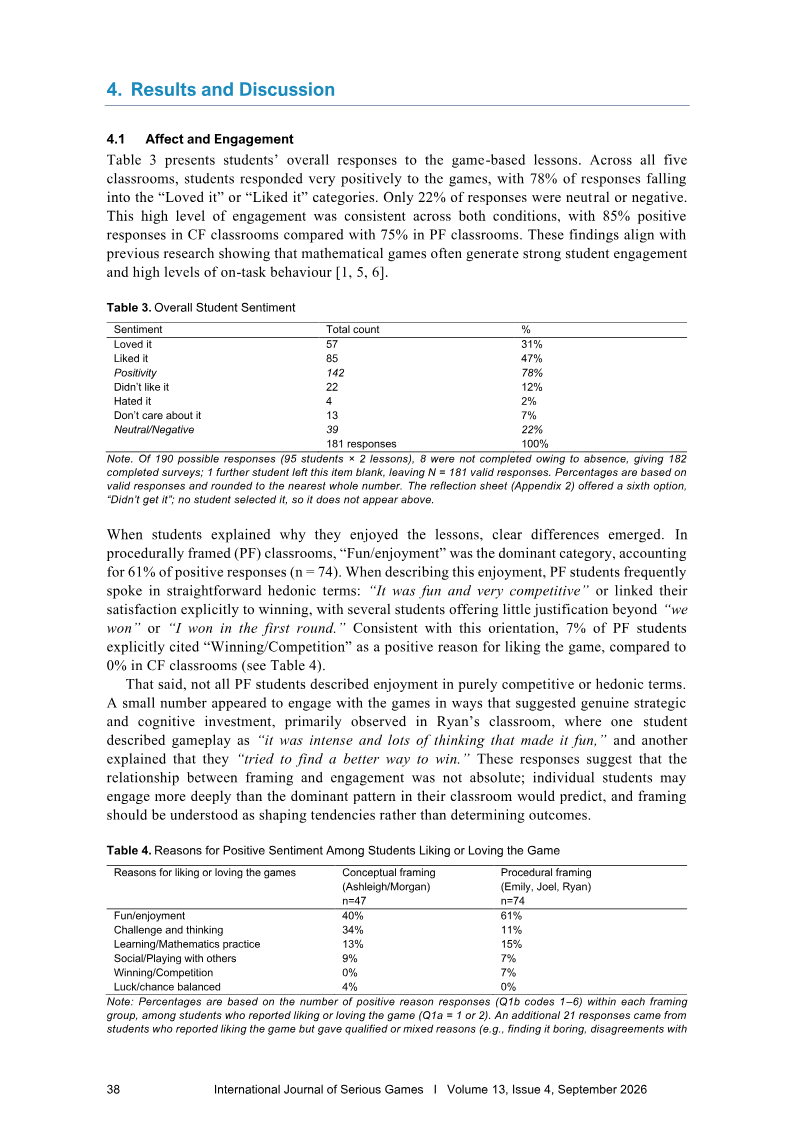
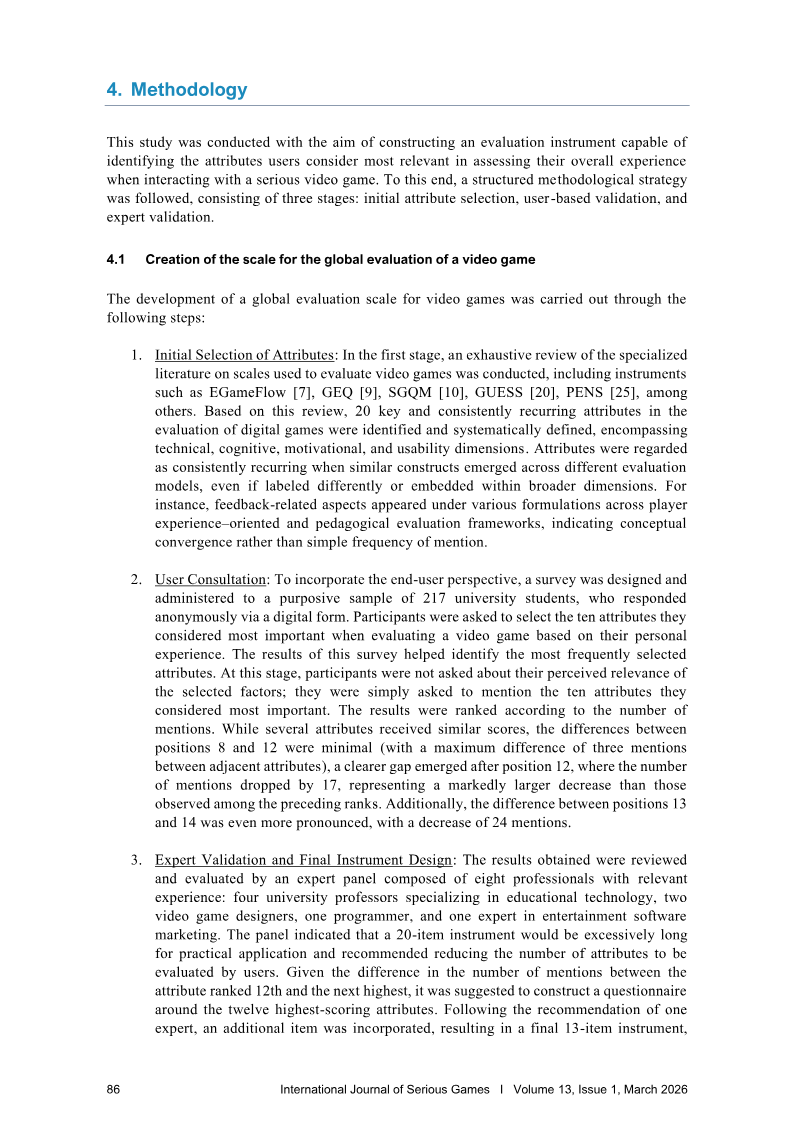
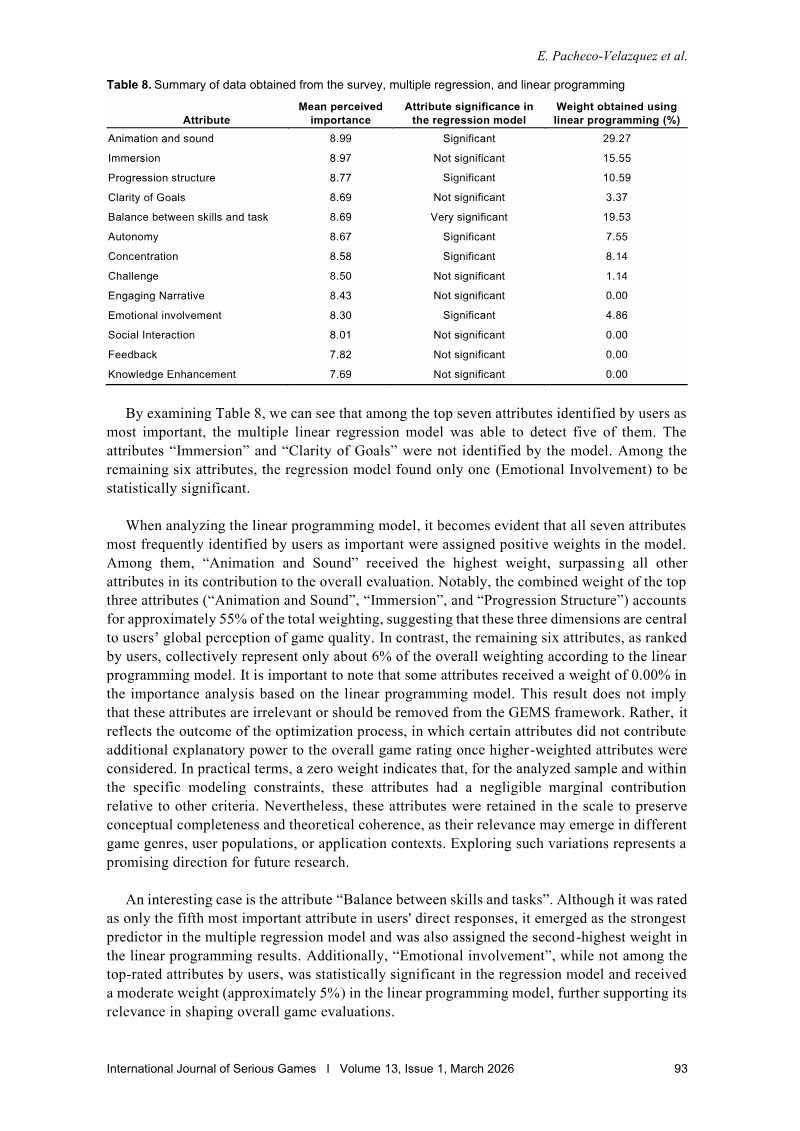
Gamified training consistently increases engagement and knowledge retention among non-IT professionals. It outperforms static compliance training.
It's like learning to drive with a simulator versus just reading a manual.

1 / 6
- 01Gamification consistently outperforms traditional, static compliance training in increasing engagement and knowledge retention among non-IT professionals.See it on page 11
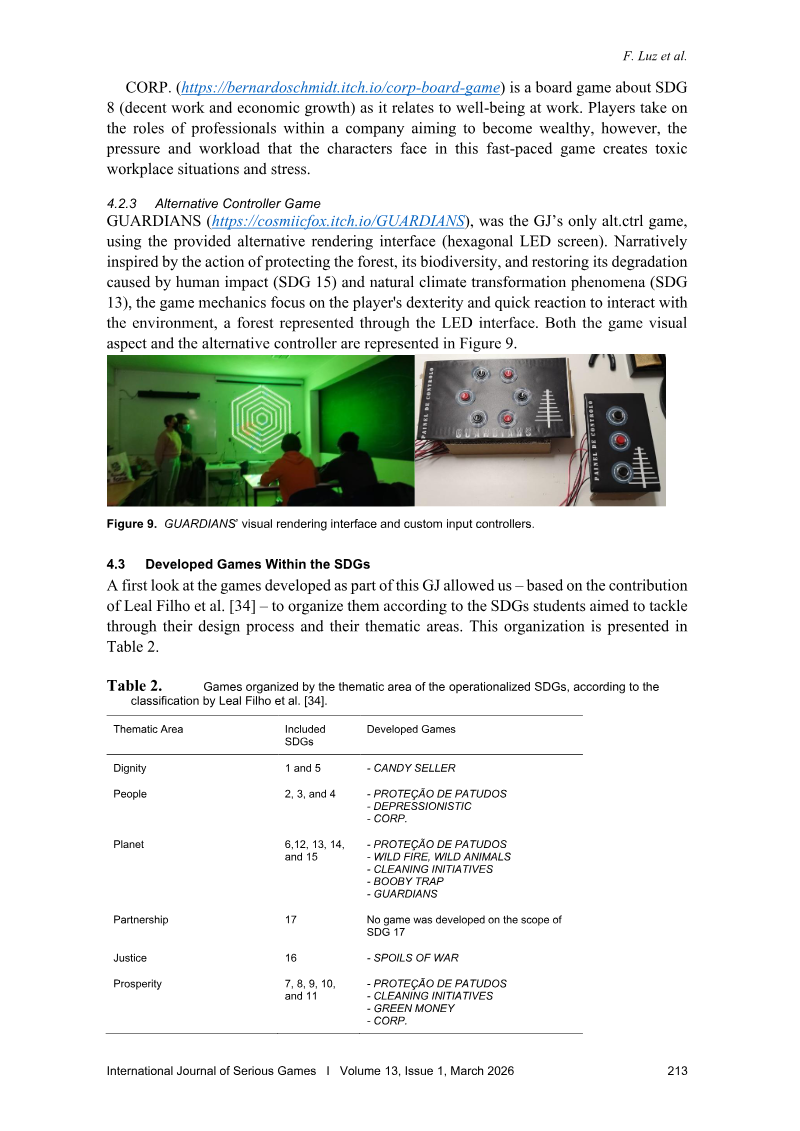
- 02Interactive elements like storytelling, leaderboards, and simulated scenarios are effective tools for translating complex security protocols into practical, observable employee behaviors.See it on page 10
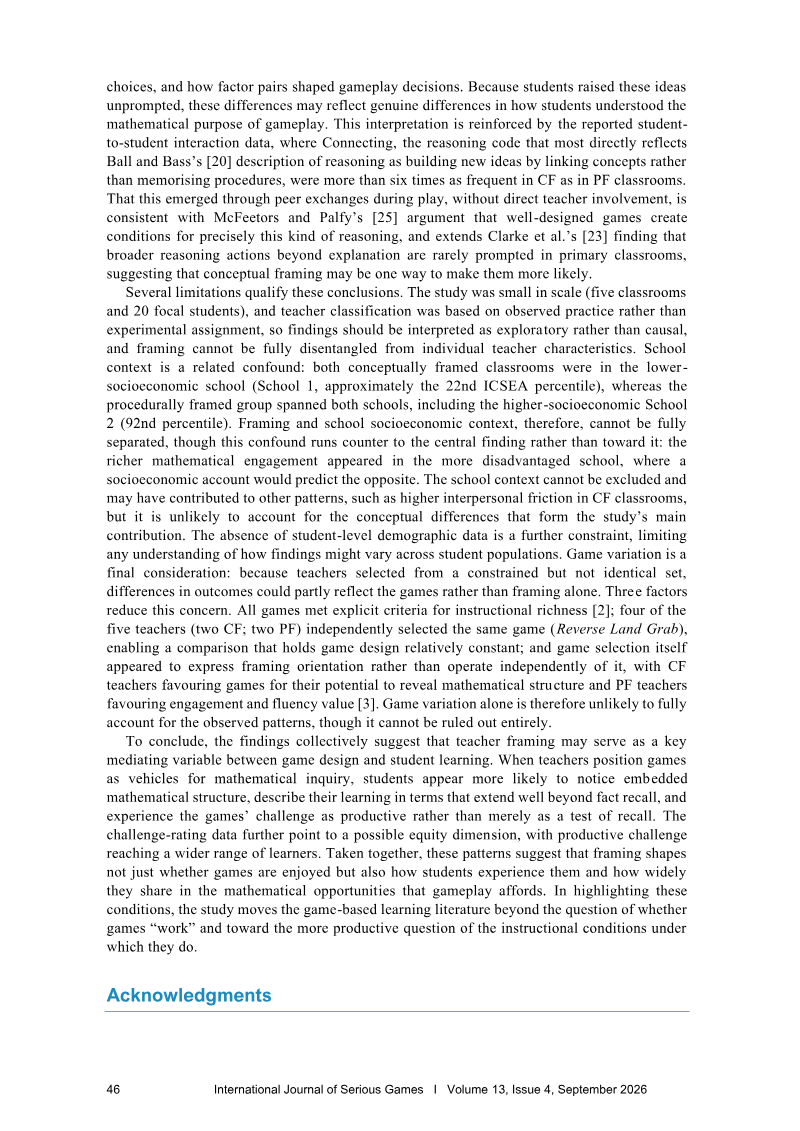
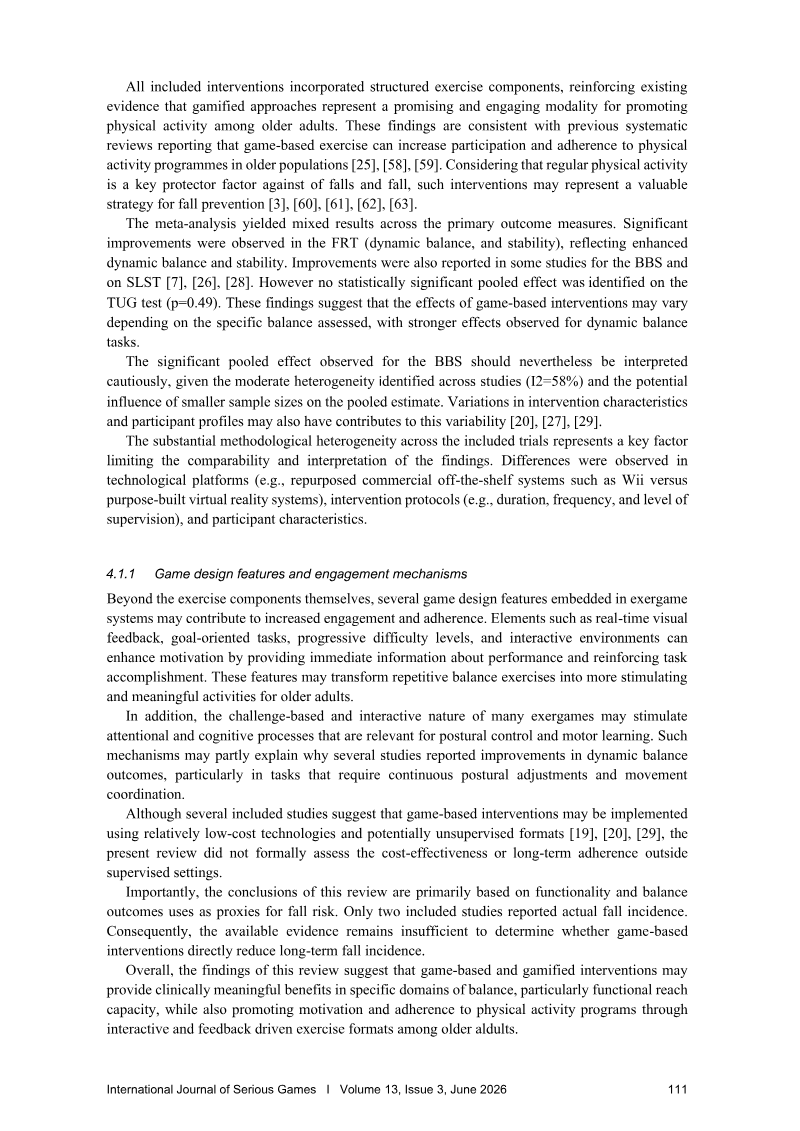
- 03Current research is limited by a reliance on short-term evaluations, which fails to account for potential user habituation or the long-term sustainability of gamified interventions.See it on page 4
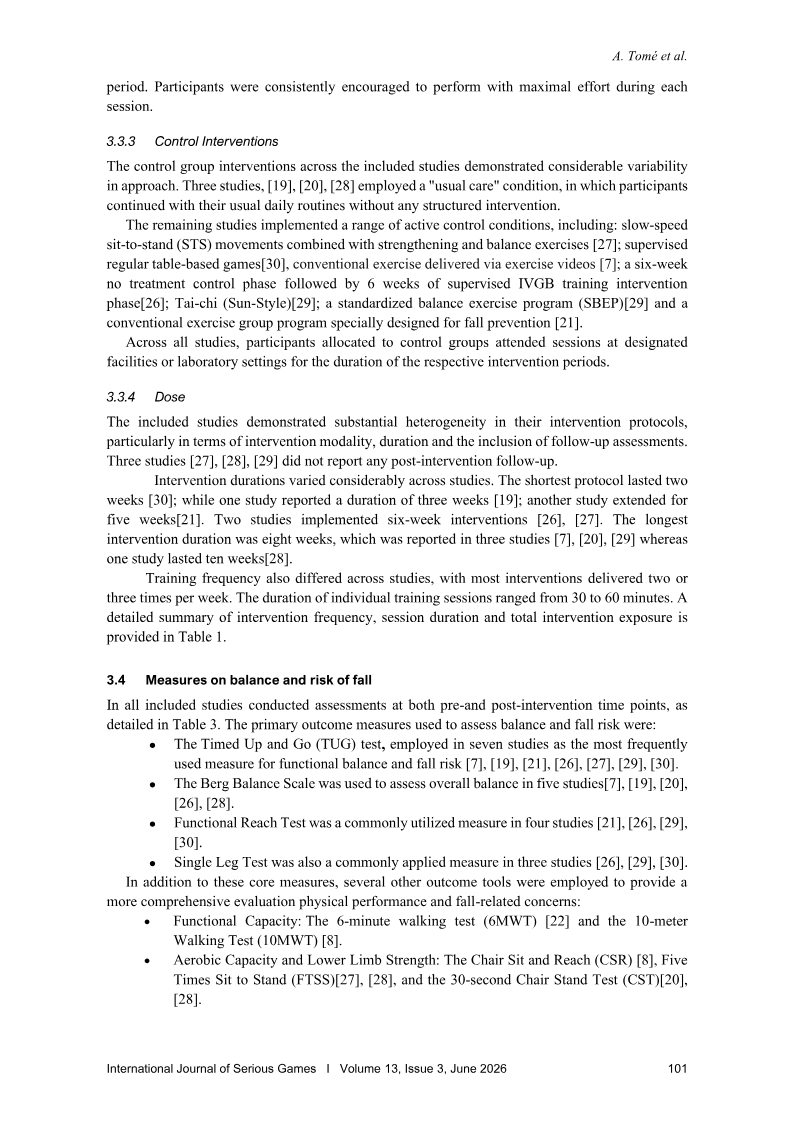
- 04The field lacks a standardized, evidence-based model, making it difficult to isolate the specific impact of individual game mechanics or scale solutions across diverse organizations.See it on page 12
- 05Future cybersecurity training strategies must shift toward longitudinal empirical studies to validate long-term efficacy and mitigate the risks of engagement fatigue.See it on page 10
- 06Organizations should move away from one-size-fits-all training in favor of personalized frameworks that address the specific needs of non-technical staff.See it on page 12
Ask AI about this report
Summary
Gamification serves as a potent pedagogical tool for enhancing cybersecurity awareness among non-IT professionals, consistently outperforming traditional training methods in fostering engagement and knowledge retention. By integrating interactive elements such as storytelling, leaderboards, and simulated scenarios, organizations can effectively bridge the gap between complex security protocols and the practical understanding of general staff. These strategies facilitate measurable improvements in security-conscious behaviors, providing a more dynamic alternative to static, compliance-based instruction.
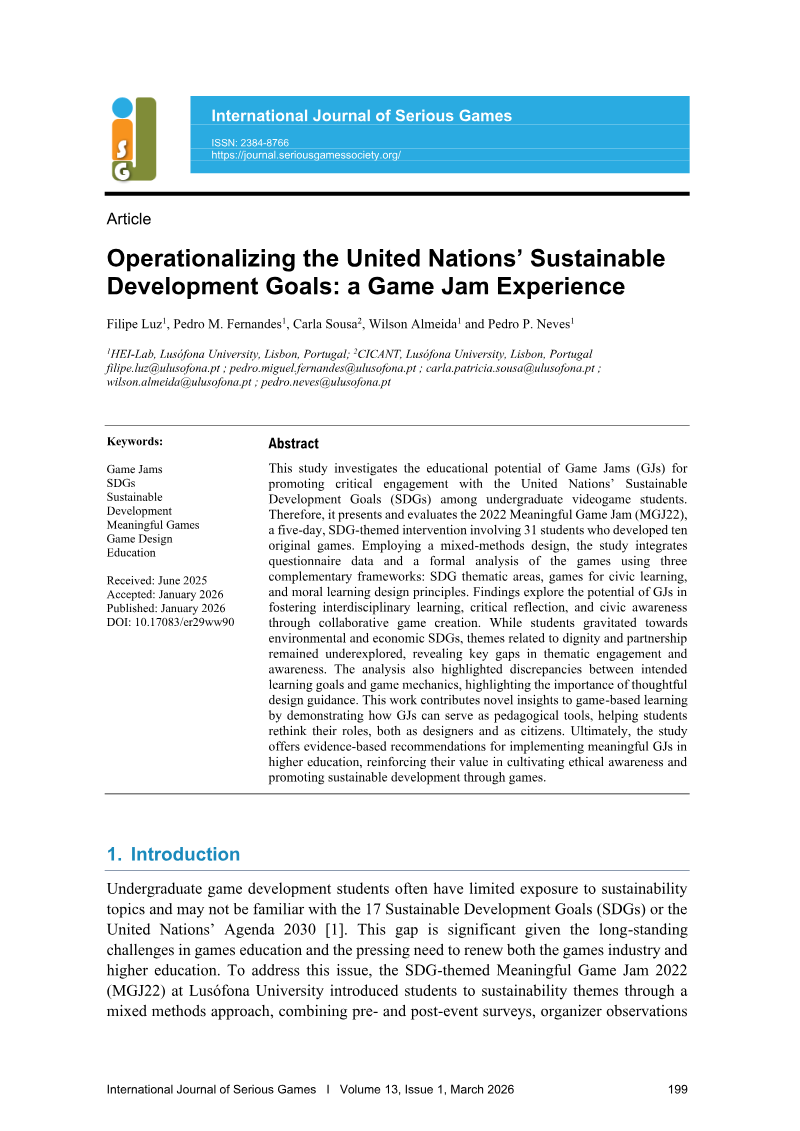
Despite these positive outcomes, the current body of research reveals a significant reliance on short-term evaluations, which obscures the potential for user habituation and the long-term sustainability of these interventions. The existing literature lacks sufficient quantitative data to isolate the specific impact of individual game mechanics, leading to a disconnect between theoretical frameworks and real-world implementation. Consequently, the field currently lacks a standardized, evidence-based model that can be reliably scaled across diverse organizational environments.
Future efforts must shift toward longitudinal empirical studies to validate the lasting efficacy of gamified training. Moving away from generalized, one-size-fits-all approaches is essential for developing personalized frameworks that address the unique requirements of non-technical users. By prioritizing rigorous evaluation and adaptive learning environments, practitioners can better mitigate the risks of engagement fatigue and ensure that cybersecurity training remains a durable component of organizational defense. This transition from conceptual design to evidence-based application is critical for establishing sustainable security cultures in an increasingly complex digital landscape.