Retention reports and market data
Documents

Mobile Game Product Manager Victor Wang of NBCUniversal | Jurassic World Alive
Product management in the mobile gaming industry functions as the primary business ownership role, tasked with driving growth, monetization, and long-term user retention.
- Mobile game product management centers on business ownership, focusing on post-launch growth, monetization, and long-term user retention rather than the tactical development execution handled by producers.
- The role leverages real-time telemetry and daily user feedback loops to make immediate, data-driven adjustments to live-operated titles.
- Product managers use logic tree methodologies to isolate revenue fluctuations by analyzing specific variables such as install trends, conversion rates, and in-game economy imbalances.
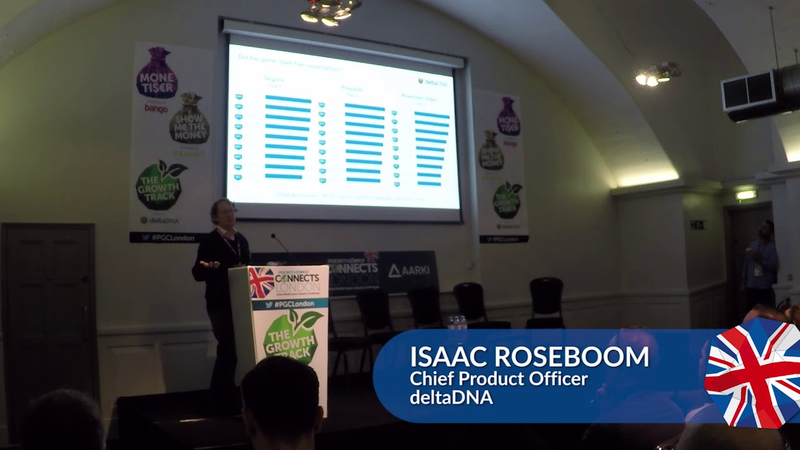
80% data, 20% luck – How to make profitable games in 2019
The mobile gaming industry has transitioned from a high-risk, launch-focused model to a sustainable, data-driven business environment.
- Profitability is shifting toward the mid-tier segment, as games ranked between 100 and 1,000 are experiencing significant revenue growth despite the dominance of top-ten titles.
- Predicting long-term profitability now relies on modeling retention and revenue data within the first week of a player's lifecycle to accurately estimate lifetime value (LTV).
- Player retention has improved, with average lifespans increasing from eight to twelve days, alongside higher conversion rates for in-app purchases.
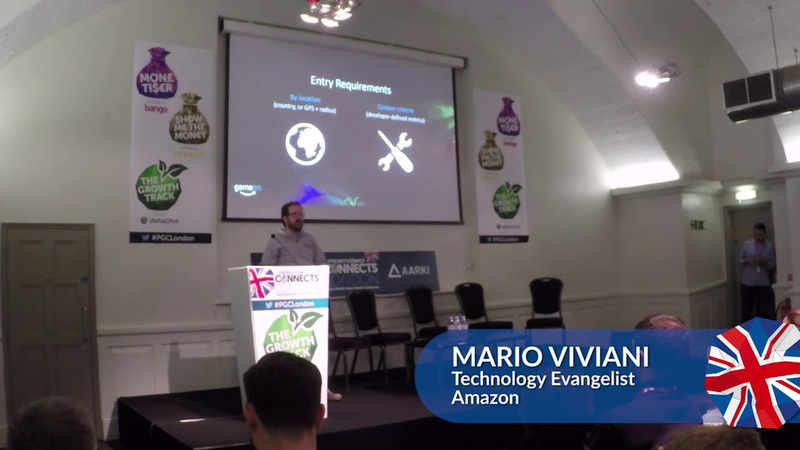
The case for adding competitive elements to your game
The integration of competitive elements into mobile and cross-platform games serves as a primary driver for player engagement, retention, and monetization.
- Integrating competitive elements like tournaments and leaderboards significantly boosts monetization, with early adopters reporting a 106% increase in free-to-play conversion rates and a 500% surge in new paying users.
- Amazon provides a suite of cross-platform, engine-agnostic APIs that enable developers to implement complex competitive features such as leagues and tournaments without requiring frequent client-side patches.
- The service supports customizable tournament entry requirements, including geographic gating via GPS and player-specific status like VIP tiers.
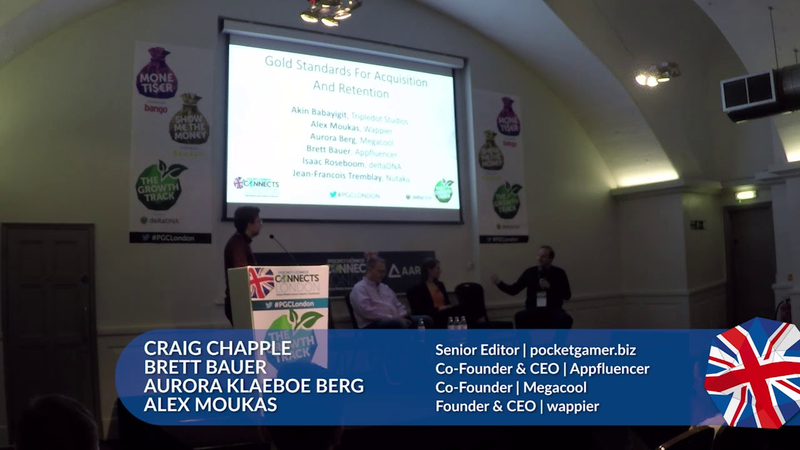
Identifying gold standards for mobile game acquisition and retention
The mobile gaming industry is currently undergoing a significant maturation process, characterized by a shift from a singular focus on user acquisition (UA) toward a more balanced strategy that integrates sophisticated retention and revenue optimization.
- Mobile game developers are shifting from a singular focus on user acquisition toward a balanced strategy that integrates sophisticated retention and revenue optimization to combat rising acquisition costs.
- Developers are moving away from generic industry benchmarks in favor of proprietary, data-driven predictive modeling to maximize lifetime value.
- High-performing creatives are critical to success, necessitating a strategy of rapid testing and discarding of underperforming ads to optimize the player's first brand interaction.
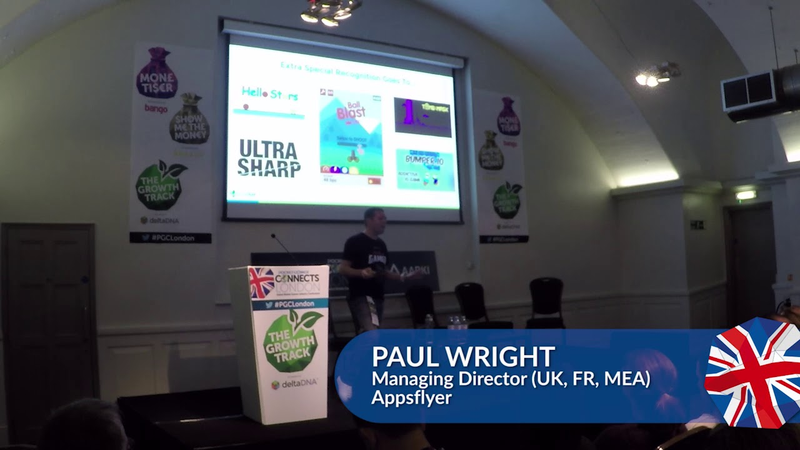
The staggering rise of mobile app gaming – 2018 insights
The mobile gaming industry has reached a pivotal milestone, with mobile platforms now commanding the majority share of the global $137 billion gaming market.
- Mobile platforms now hold the majority share of the $137 billion global gaming market, driven by the widespread availability of high-performance mobile hardware.
- Mid-core and strategy titles dominate the market, accounting for 52% of all non-organic installs, while hyper-casual games experienced a 300% growth surge in a single quarter.
- Organic growth multipliers have diminished, forcing developers to rely on paid acquisition strategies despite rising costs-per-install (CPI), which remain consistently higher on iOS than on Android.
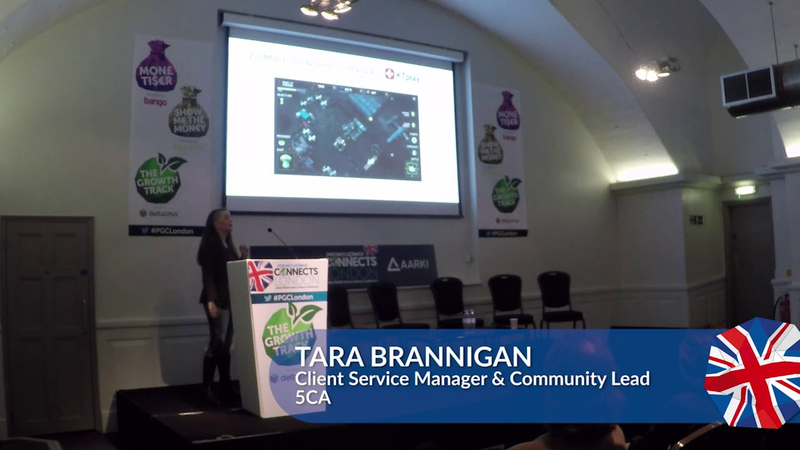
The power of integrated community engagement
Integrated community engagement serves as a critical strategy for mobile game developers to improve player retention and maximize return on investment.
- Integrated in-game community hubs drive significantly higher engagement than external platforms, achieving a 40% to 60% participation rate compared to less than 1% for traditional forums.
- There is a strong correlation between in-game hub activity and monetization, with 60% to 80% of monthly revenue often linked to players who engage with these integrated features.
- Embedding community hubs directly into the game interface increases player retention by bypassing third-party algorithms and maintaining a seamless, controlled ecosystem.
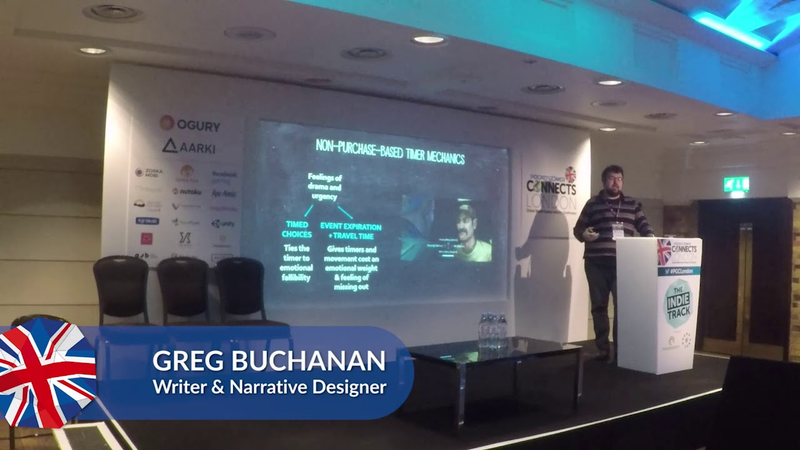
Exploiting timer mechanics as a narrative tool
Timer mechanics in mobile gaming are frequently viewed as a necessary evil, primarily serving as tools for monetization and retention by imposing artificial delays on gameplay.
- Developers should pivot from using timers as purely economic monetization tools to integrating them as core narrative features that drive world-building and player engagement.
- Timer mechanics can be transformed into dramatic elements by implementing persistent world states that evolve while the player is offline, creating a sense of a living, breathing environment.
- To reduce player friction, designers should align timer constraints with the natural rhythm of short, frequent mobile play sessions rather than using them as arbitrary barriers.
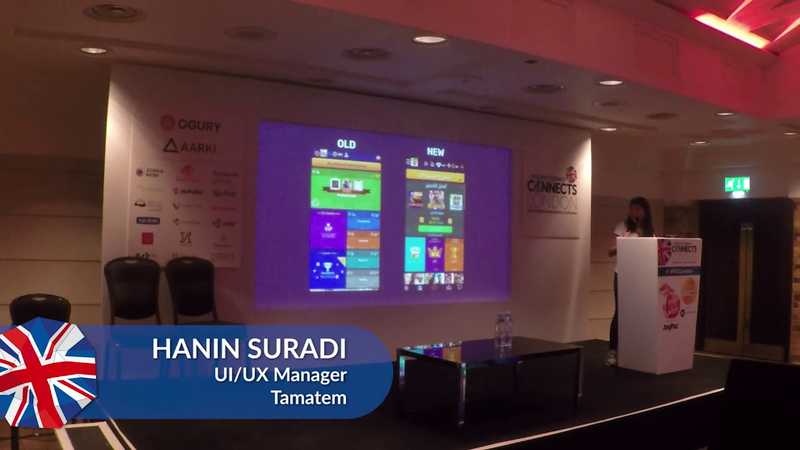
Data-driven UI/UX for the MENA region
The Middle East and North Africa (MENA) region represents a high-growth mobile gaming market, characterized by significant revenue potential and a distinct cultural landscape that necessitates specialized localization.
- Deep localization in the MENA region—moving beyond translation to include culturally resonant UI/UX—can drive double-digit percentage increases in both revenue and user engagement.
- The MENA region is a high-growth mobile gaming market where Arabic is one of the most spoken languages globally, yet it currently accounts for less than 1% of online content.
- Developers should adopt an 'outside-in' design methodology that validates UI/UX decisions against quantitative metrics like conversion rates and qualitative feedback from social media and surveys.
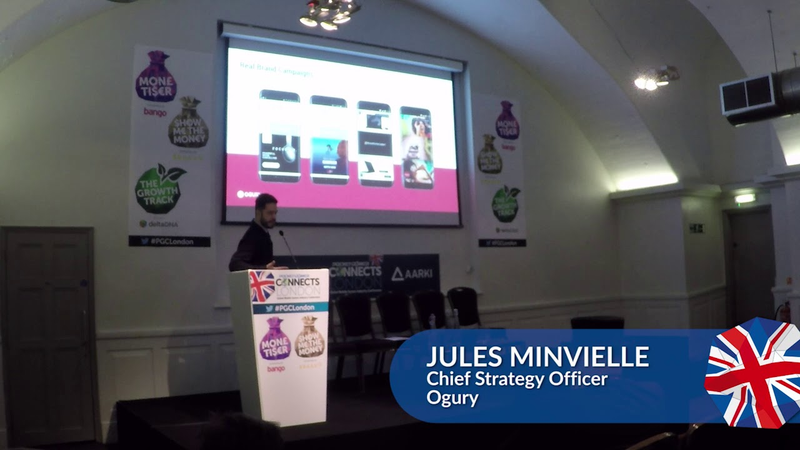
Understand the complete mobile user journey – Attract brands in your games, drive revenue
Mobile game developers often struggle to maximize revenue and user engagement because they lack visibility into the 99% of user activity that occurs outside their specific applications.
- Developers can move beyond performance-based ad networks by using first-party mobile journey data to profile users based on their broader digital behavior, including browsing habits and cross-platform engagement.
- Accessing data on the 'App Universe' allows developers to prove audience value to major consumer goods and technology brands, enabling a shift toward higher-value brand campaigns that improve ad relevance.
- Developers must move away from simplistic 'accept all' consent buttons to implement robust, transparent consent management platforms that allow users to opt out, access, or delete their data to ensure GDPR compliance.
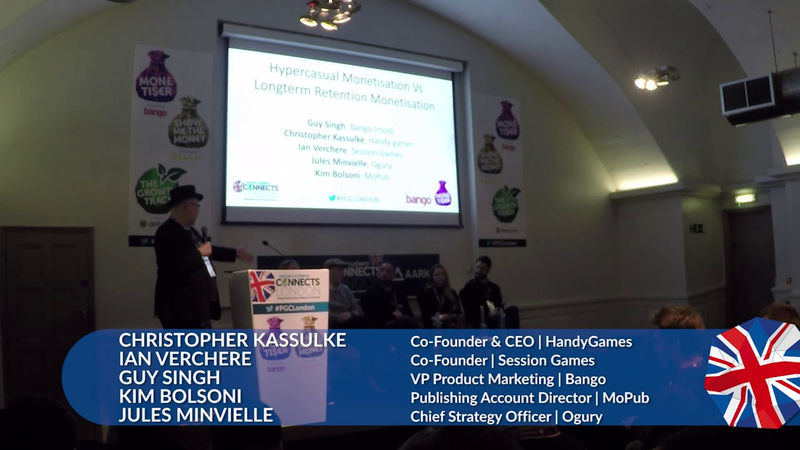
Hypercasual monetisation versus long-term retention monetisation
The mobile gaming industry faces a fundamental strategic divide between hypercasual models, which prioritize rapid, ad-driven revenue within the first 48 hours of engagement, and premium, long-term titles that focus on sustained intellectual property value and player retention.
- Hypercasual games prioritize immediate, ad-driven revenue within the first 48 hours of engagement, whereas long-term titles focus on sustained player retention and intellectual property value.
- The industry is shifting away from intrusive 30-second television-style ads, which contribute to user churn and ad fatigue, in favor of shorter, native, and more varied ad experiences.
- Developers are increasingly integrating non-gaming brands into their titles to diversify revenue streams while preserving the integrity of the user experience.

Growth on Messenger – What Moonfrog Labs learnt from the success of Ludo Club
Moonfrog Labs, a Bangalore-based mobile game studio, achieved significant growth for its title Ludo Club on the Facebook Messenger platform, scaling from 64,000 daily active users in March 2018 to approximately 2.8 million by early 2019.
- Moonfrog Labs scaled Ludo Club from 64,000 to 2.8 million daily active users on Facebook Messenger between March 2018 and early 2019 by prioritizing familiar board game mechanics.
- High initial drop-off rates of 10% to 14% were mitigated by focusing on minimizing load times, which proved critical for user retention on the Messenger platform.
- The studio utilized the platform's capacity for real-time client experimentation to iterate rapidly, compensating for the lack of publisher control over game discovery and listings.

PlayFab on game monetisation with live game operations
Live game operations serve as a critical framework for modern, always-online titles, shifting the focus from initial launch to long-term player engagement and sustainable monetization.
- Retention is the primary driver of revenue, as a significant portion of the player base does not begin monetizing until after the first 28 days.
- Localization is a critical growth lever, with 50% of global users preferring to interact with game content in their native language.
- Successful live operations rely on treating game development as a service, utilizing A/B testing and rapid iteration to align content updates with player behavior.