1 free read left. Create a free account for unlimited reading + AI research.
Create free account
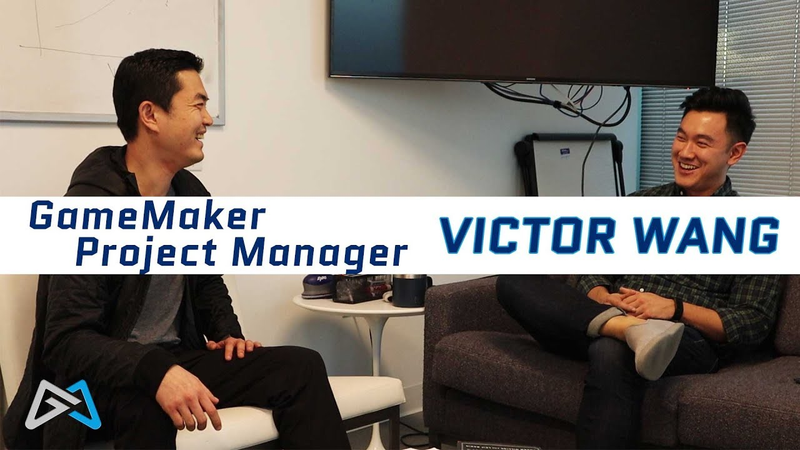
Mobile Game Product Manager Victor Wang of NBCUniversal | Jurassic World Alive
Key insights
6 takeaways- 01Mobile game product management centers on business ownership, focusing on post-launch growth, monetization, and long-term user retention rather than the tactical development execution handled by producers.
- 02The profession acts as a critical bridge between creative development and commercial performance, ensuring games remain both engaging for players and sustainable in a competitive market.
- 03The role leverages real-time telemetry and daily user feedback loops to make immediate, data-driven adjustments to live-operated titles.
- 04Product managers use logic tree methodologies to isolate revenue fluctuations by analyzing specific variables such as install trends, conversion rates, and in-game economy imbalances.
- 05Effective interventions for underperforming titles include the deployment of targeted live events or the introduction of currency sinks to stabilize the in-game economy.
- 06Technical adaptability and cross-functional leadership skills are prioritized over formal credentials like an MBA for professionals managing global game portfolios.
Ask AI about this video
Transcript
hey everybody what is the role of a product manager in a free-to-play mobile game publishing company so today we're going to talk to Victor Wang who is a product manager on the mobile hit Jurassic world alive and works at NBC Universal NBC Universal is both a game publisher and the owner of Marquee IP such as Jurassic world Fast and Furious and the minions and today we're going to be talking to Victor about a number of issues related to the role of a product manager in terms of like the scope of responsibilities the types of analysis that a product manager does the difference between PMs and producers how do you break into the industry as a product manager in games what are some of the skills required to be a great product manager and what is the future of product management in game so stay tuned and we'll get right to it let's go foreign [Music]
[Applause] [Music] [Applause] who is a product manager here at NBC Universal in the games division Victor I thought we could start by just having you explain the role of a product manager and what you do here at NHC Universal games division yeah so like you mentioned I'm a product manager here at mciversal and really sort of at a very high level my my job is to be the business owner across the games I work on yeah so that really means like thinking creatively about how we can drive growth for our games both from like a user's perspective and a monetization perspective so as you can imagine in order to really Drive sort of growth across both of those things yeah after work really closely with cross-functional teams you know when you think about users you think about like user acquisition you think about product marketing how we can really Market our games better to you know appeal to a broader group so work
really closely with those teams and then obviously from a user's perspective you know retentions kind of this kpi that a lot of gaming product managers think about so thinking about strategies on uh how on how we can like make that better for our games so working closely with our game development teams and been working closely with designers on creating these features that are really fun for our games so we can drive kind of growth in those particular metrics right so when you say driving growth and revenue um Revenue just just so you're basically saying that your your job is primarily to sort of own like the the business of the game the monetization and how how well the the game does in terms of like generating money right exactly cool and then what what is your day-to-day typically look like so you know you come into the office and then what do you kind of on a typical day what does that look like yeah so that varies a lot depending on sort of the the product life cycle of the games that I work on yeah um so I can kind of give
you a glimpse as to what my current day-to-day is like right now yeah uh so for context I'm working on a game that's currently worldwide launched it has been worldwide launch for six months now yeah uh and then I'm also working with Jurassic world alive Jurassic world alive and then I'm also working on a game that we're about to sort of launch uh worldwide so uh two different games at two different sort of parts of the life cycle right so you know with that in mind I guess the way that I normally start off my days is to just do some light reading on Market uh research kind of industry news just to get a pulse of what's happening in the industry yeah I think it's super important for product managers to kind of set aside time for this because I think all too often once production gets underway and there's all of these crazy meetings it's tough to kind of take a step back and think about the industry overall so I I typically like to start my days off that way um but after that I like to kind of set some time aside to talk with sort of the dev teams that I'm working
with right so because I'm working on two different games with two different Studios we're at uh two different parts of the globe yeah I have to sort of think about their schedules as well so in the morning I'll have calls with Studio in Montreal to get a sense of how they're indexing on their Sprints and sort of progress on the roadmap and that type of thing and then sort of in the afternoons I have calls with Australia okay with the studio in Australia to sort of do this to do the same thing so those are sort of my touch points with the studios that we work with got it uh and then sort of throughout the throughout the day I like to set some time aside to do some data analysis which is a really important part about being a product manager in games really just sitting with the data to see where there are opportunities to also get a gauge as to you know whether we've launched a new feature to see how it's actually doing yeah and get some learnings behind that so set some time aside for that and then obviously meetings with other key stakeholders to push kind of my projects forward and
then also setting some time aside to think about kind of experiments that I want to run their games right so especially for a live operated game a game that's been out there's a lot of opportunity for optimization on those fronts so for Jurassic world alive for instance I'm thinking about the experiments that we can run to get some more learnings about our users right so kind of sounds like high level forward I kind of summarize that it's like reading and learning to keep up to date on the industry yeah meetings with the developers so that you can kind of stay in sync with the product third sounds like you were doing a lot of data analysis to kind of analyze how the games are doing and then fourth is like you mentioned experiments like coming up with ways of like running experiments or trying to figure out how to make the games even better is that it exactly that's a that's a good way to put it okay sort of to talk more about that last piece it's about kind of optimization just like overall so whether that's through experiments or just making sure that you know with a feature that we're putting out where
we're making improvements to that yeah um it's sort of thinking about that's from an analytical approach and then it at a lot of companies there's kind of this role of product manager and then there's also like this role of producer yeah and it you know different companies the PM and the producer like that role can be different at different companies and sometimes even within the same company it could be different yeah and so from your ex your experience could you talk about you know what is a typical difference between a product manager and a producer yeah it's a really good question and you know having been in the games industry for the past few years you're totally right it could be very different at different companies so actually prior to Ms Universal I was a company called scopely right which um is also a publisher but on the game that I was working on it was more so on the dev side I guess you can call it right so when you think about sort of the deaf side and the publisher side yeah the role of a producer and the product manager is quite different okay actually in fact on the dev side there's
kind of this conundrum around product manager and designer okay and sort of those roles kind of uh blend a little bit as well so just thinking about just focusing on producer and product manager if you sort of think about it like it as a Venn diagram there's definitely a lot of overlap right and I think the overlap is sort of on just kind of game design um expertise and just thinking about the user first like that's just constant across both of those titles but from my experience producers are more so on kind of the day-to-day task management so quote unquote like a project manager that's sort of the approach and the structure that I'm sort of used to at skill play right and that sort of kind of uh Adams Universal that's sort of the case here as well okay but producers are more so thinking about kind of the task management just kind of running the Sprints making sure that stuff's on track uh just thinking about Resource Management that type of thing and another thing that I'll note is
depending on the product's life cycle yeah the producers are sort of driving the pre-production and production stages of game development okay whereas the product managers kind of thinking about once we actually soft launch in worldwide launch yeah that's sort of when the keys are handed over to the progress manager so to speak and that's when the optimization uh and sort of like the you know kpi setting and the kpi kind of getting these kpis is sort of what where it gets handed over to the product manager got it um so I think depending on the product life cycle uh the responsibilities differ but um something that I also note with product managers is that you know something that you know product managers are really good for is just thinking about how to connect the dots across a lot of the different teams so thinking about how a user acquisition kind of feeds into your games kpis right thinking about how product marketing kind of feeds into that as well right and um you know I keep on saying kpis but like that's sort of like you're the kpi owner so like you're just always
thinking of how to kind of Drive growth in those kpis as a product manager right and for people in our audience who don't know what a kpi is can you can you explain what is it that's right API key performance indicator like exactly some examples yeah so um like you said it's key performance indicators and you know there's a lot of kpis you can look at from A Game's perspective yeah and usually the approach that we like to take as product managers in kind of dividing those kpis down into like more digestible things to look at is to start off with the really big ones right so you have like Dau which is your daily optic users uh and then you sort of have the monetization side of things which is like your Arc down okay average revenue or daily active user right so then those are sort of like how revenue is split up into those two different metrics right and then you can start thinking about how you can drive improvements in both of those metrics and like kind of uh deconstruct them down into some kind of smaller pieces right so like on the Dau side of things you can divide that up into your retention and sort of the
installs you're pumping into the funnel right so the more and more you break it down the more and more clearer it becomes in terms of like how you can affect those metrics so like the more installs you bring into the mix and this is pretty intuitive but the more Dau you'll potentially have all things equal so yeah those are kpis got it so it kind of sounds like you know um again just just for for simplification it sounds like the way you're describing it you know and again this is different to different companies but one General way to think about it is producers are have have a little bit of a heavier focus in terms of the development of the game and then the PMS have a little bit of a heavier emphasis on the optimization of the game and more around the revenue in the piano is that would that be fair to say I think that's like a good general statement okay yeah okay cool yeah um and you know it's interesting you mentioned you worked at scopely um just you know having known you I know you also worked at Amazon yeah and so maybe we could also talk about the role
of a product manager and how it's different for you here at NBC Universal versus another game publisher like scopely and then for another company like Amazon which is outside of the gaming industry like what had been some of those product manager role differences in these different companies yeah yeah that's a good question so I think with product management in general there's just like tough to Define what it is because it is so different for companies and then like just thinking about what product management looks like at a tech company like Amazon and compare that to what PM is like at a gaming company that's very different as well right um the thing I'll say about product management at Amazon is that there's a very strong PM culture there it seems like almost everyone's a PM there and you get to work on very specific problems uh across like sort of the Amazon like landscape so like you could be the PM of like the Amazon Prime like shipping like process okay and then you
can just own that and sort of be sort of like the major one that's kind of driving improvements right so I think it's it's interesting that uh their approach there um I think What attracted me to the gaming industry is the fact that there's kind of this Daily App these daily active users you can always get some learnings about yeah and for like a company like Amazon it's tough to get that instant feedback on the things that you're doing got it and I think that's really what's so awesome about the gaming industry because you get this feedback on a daily basis on an hourly basis right things that your your users are doing so I think that's sort of the major difference between working at a tech company like Amazon and like working on products that might not be very digital and just have like other applications to their business right uh and also working at a gaming gaming yes it sounds like the other thing that you're mentioning is kind of like this difference in scale like Amazon's such a huge company massively scaled and so like the problem
you might be solving is like this teeny tiny problem but if you solve it yeah it gets solved across you know millions of shipments of of products for example and you know when you're working on a game I guess you might be able to have a much wider scope in terms of what you're looking at and types of problems that you're solving is that fair to say exactly yeah at Amazon they kind of operate at such a big scale that like a five percent Improvement in like any small thing can amount to like millions of revenues so right it makes sense for them to focus on these kind of got it and so like just just taking like a typical example if you could like walk me through so you know this games company launching a new game from conception you know to pre-production to production to soft launch worldwide launch like the different phases of development could you walk me through like from a PM perspective where do you get involved and like how does your role change in these different phases of game development yeah for sure so I think a
good way to divide it up is to think about like sort of three different phases right pre-production production and live operations okay so pre-production is sort of when we have this idea for a game we've tested this idea with certain IPS and we know sort of like the general genre and sort of like the meta behind the game and that's sort of when we start kind of building these ideas and start um kind of synthesizing this stuff so as a PM in this particular aspect or this particular stage it's sort of doing a lot of market research trying to figure out what other games that are similar in the genre are sort of doing and just kind of understanding the sorts of feature sets that do well yeah to really just influence sort of what it is that we're building and sort of influence it at that particular stage okay also just doing a lot of kind of research on IP and how it resonates with particular audiences and making sure that we're even building the came for this particular IP right that's sort of where kind of a PM comes into play at this particular stage so it's a lot of
market research really at this stage during the production stages it's thinking about um what it is that we need to build to like really be able to live operate this game like going forward so like building that Foundation like during the production stage so really working closely with the producers on what that roadmap looks like okay uh and not only thinking about what the game is and like what the features we need to like make the game fun right but also just thinking about like the pipeline and just thinking about like the tools we need to kind of build into that stack in order to actually operate these games once it's worldwide right so like thinking about Telemetry like how we build our analytics and making sure that sounds that once we actually do launch we have something to look at and understand it and take learnings from like the kind of the data okay um so that's sort of like a big Focus for PMS at that stage also thinking about like system design and just keeping an eye out for again like the monetization piece and making sure that that is sound so that when we actually
do launch like the the overall structure around how we monetize right uh makes sense and that there's like a lot of depth there too got it so that's sort of like the production stages sort of building the Telemetry building the analytics uh and just systems design oversight like during that particular stage okay and then for live operations it's sort of thinking about the kpi optimization right like how do we drive at our goals or business goals right and then also just think creatively about how we can kind of drive those kpis right so it's experimentation it's you know running different live Ops different types of events and seeing what works for particular users just thinking about messaging and how that feeds into the whole kind of live Ops process okay so yeah great so let's say you're working on a game yeah you know games doing well and then the revenue starts to decline so as a product manager you know you mentioned you're kind of responsible for the revenue side of the game yeah what are like what
kinds of thinking goes on in your mind as a product manager and then what are some of the types of analysis that you would apply to try and figure out what's going on and how you could fix this problem yeah so yeah it's not uncommon to see sort of fluctuations in revenue and this is something that we're always tracking to make sure that we understand why there are fluctuations yeah can explain them so a good product manager will already have the tool set in place so that there is an analysis that needs to be done like that morning to try to figure out what the problems are okay so a good way to think about revenue is is again to break it down into its key kpis right um and then sort of bubble that up into revenue and see where the fluctuations are on particular kpis right so like for instance you can break down uh Revenue down into Dau and mark down sure and then break those down into like smaller metrics right so like for instance perhaps revenue is down because our install cap went down for whatever
reason right if we see that installs is down by the same amount that revenue is then we can just focus on that piece of the equation and focus sort of the investigation on that right A lot of the time what ends up being the case whenever Revenue fluctuates is it it fluctuates because of the live Ops that you're running at least from my experience that's been mostly the case so you'll actually see that in sort of the per user monetization side of things which is like the ARP down right so the equation so to get to the bottom of those types of situations a lot of it comes down to looking at sort of conversion right looking at sort of your average revenue per paying user which is another way to break down arpdale two different kind of metrics so you can divide it down into those metrics see how those are looking and a lot of the time what I've found is you know again it's sort of the economy management of the game that affects those particular things right so something we haven't really talked about is just like these really kind of robust
economies that a lot of games are built off of and it's these economy fluctuations which really affect monetization on a daily basis so it's taking a look at how you're sourcing your currencies and you're syncing your currencies right and in an ideal situation you'd want to be syncing your currency on on every day so that you're taking sort of that currency away from players wallets and then that'll be a reason for them to purchase more currency so that's doing a lot of economy management right yeah so it sounds like if again just to hopefully simplify for the audience like revenue is going down so you're you're cut you're trying to think in terms of root cause analysis one way of doing it is like this you know I'll call it a logic tree approach you're taking a kpi of Revenue seeing that that's going down and then you're doing like kpip composition and trying to see where things are going so you can kind of isolate what the problem is yeah and then you're also just thinking about so what are other things that can cause
the revenue to go down could be the economy and so you do a number of analysis around how the economy has changed and things of that nature yeah fair to say yeah cool and then um uh how do you think in terms of the role of like pm and the skills that you have as a PM like is that changing or like what would you say are like the most important skills that are required to be successful as a PM that's a good question I think if you look at sort of the mobile gaming landscape you'll see that you know there's a lot of companies that think about PM in very different ways I think from what I can tell I think a lot of companies are trying to follow the Zynga model in terms of how they uh recruit PMS okay so the zingo model really stresses kind of like data analytics like that type of skill set and like um so they favor a lot of people from like eye banking slash Consulting careers you also see them kind of recruit a lot of mbas because they kind of can provide that analytical ability
so I think from that perspective that's a super valuable skill to have it's okay and again just thinking about sort of like the Venn diagram of where producers and like product managers kind of overlap I think the part that product managers sort of have um that isn't in overlap is sort of like the analytical ability and just kind of like thinking about um kind of ROI analysis and like what we're doing in our games to like drive performance increases so I think that first and foremost that skill is really really important to have is it yeah yeah that seems to be sort of the the way that the industry is going from when it comes when it gets home so a lot of focus on the quantitative analysis part then you mentioned like Zynga hires a lot of mbas so let's talk about that for a minute do you think like how helpful is an MBA or do you think it's required for someone to be successful as you know a product manager and the free-to-play games industry yeah I think so like my opinion is going to be a little controversial in the sense that I don't think it's necessary and by the way
there's like the slack Channel where that that argument came up and there was like all sorts of discussion that kind of blew up but yeah it'd be great to see you it's funny that I say that because I have an MBA but I don't think it's actually necessary okay okay the one thing I will say about having an MBA is that it opens up a lot of doors for you right uh and you know the really valuable thing with my b-school experience was just getting to meet people like in the gaming industry right and just understanding like okay this is the type of career that I can have like in in the gaming industry is sort of somebody coming from b-school experience and wants to like break into this really awesome like product management career right right so I think from that perspective it's really great to set up these relationships for you I like it to meet people in the industry but from like uh an academic kind of standpoint it's not super necessary to understand how to be a PM okay yeah so let's shift gears a little bit and you mentioned that one of the projects that you're working on is Jurassic world Alive by the way congratulations it's you know uh obviously the game's been doing really well could you talk about you know your
experience working on Jurassic world alive and in this case you're working with the developer ludia based in Montreal like talk a little bit about that relationship and how you how you've been working together with ludia to make such a successful product yeah yeah so it's been really great working with ludia because they're super passionate about the project and it's you know when whenever I talk with them like just talking with the designers they're always like really excited to like introduce these awesome features so I think working with foodia has been really really awesome um I think it still comes with its challenges though and that's more so a common around just working with you know third-party developers because they're sort of like that distance you're not in the same office so communication is so critical to like make these relationships really uh be kind of be solid in the sense that like from an operational standpoint so I think that has been a key learning for me in the sense that okay how do we make communication be as crystal clear as
possible right uh what is the right meeting Cadence to have these calls like setting a clear agenda for each call like I think all too often we we can set meetings just to like yeah kind of like talk about things but without a clear agenda for these types of calls like those calls typically don't go anywhere right without a nuclear agenda so that that's been a bit of a learning process for me because something that I've been used to yeah uh at my experience at scope we was sort of first party development because we had our devs in the studio and right it was very easy to just kind of you know roll my chair over to the designer or the there was more co-locations there's more co-location which made communication obviously very different right and that's um yeah so that's been sort of like a a bit of an adjustment process for me I think that's aside from that I mean it's been kind of good it's working with booty it kind of reminds me a lot of sort of my experience at scoopley working with just like really kind of tight team like a really small tight team and just uh getting things done quickly Yeah so
basically I guess the lessons here are that one relationships are very important yeah in that you know how you communicate can be pretty critical to how effective the working relationship is and then so you've been here at NBC Universal for how long oh man it's been like eight months okay so it's not super long but yeah what yeah maybe you could talk a little bit more about NBC Universal like What attracted you to the position here and what do you like most about working at NBC yeah so uh the when I first got put on to NBC Universal uh Sean from our team was the one who kind of reached out to me okay I'm just kind of like tell me about what NBC Universal was all about right sort of like the vision um behind the whole games team yeah and a lot of what he said like really resonated with me I think just being able to build sort of like a new games team within a company was super attractive to me right because I always like to think I'm a little entrepreneurial so yeah we're taking my startup experience at scooply and bringing it here and try to build the
games team it presents its own kind of new challenges right um so I think that was particularly attractive okay um from a strategic standpoint I think it makes a lot of sense for a company like NBC Universal to sort of own the publishing of its games so I think that part also resonated with me as well okay um just thinking about like the mobile landscape and just looking at companies like Zynga and scopely who have to have these agreements with these big IP holders to secure these IPS to make games off of them right um you know it's not a strategy that I I think works particularly well I think it makes more sense when you own the IP right because you kind of own more of the revenue stream right so I think from a strategic standpoint um it makes a lot of sense and Universal has a ton of awesome IP to tap into so that part was super uh exciting too got it yeah and then just in terms of like for people in the audience who are looking to get into the games industry as a product manager what what advice would you have for them on you know how
do you actually break into the industry and get a get a job at a gaming company yeah so I think the whenever I interview PMS I always try to get a gauge for like how big a gamer this person is because I think that first and foremost is super important to just like have an opinion on games and like sort of like design and sort of like what you would do to improve the game and like think about it think from like a land the lens of a PM right think about how you would kind of improve game so I think just like be being a fanatic for like games you're just playing a ton of them and having opinions about them is super important um so that there's that piece I mean I guess like to get more contacts in the industry is like just networking like that's you know it's so important and I think that's again that's sort of like what was so valuable about my b-school experience just being able to like meet people in the industry and what about skills like we you know you had already mentioned that you think that it's important for PMS to have strong
quantitative skills but are there any specific you know whether it's Excel or you know ability to to do SQL queries are like what specific things do you think are important for PMS to have in order to like be a good PM or breakout history yeah so I think from a hard skill standpoint you mentioned a couple of them I think like excel's pretty important right um you know you don't need to be like an Excel wizard but I think just some level of you know expertise and familiarity with Excel and just knowing how to manipulate data because there's that's such a big an important thing about being a PM right so thinking more about the future and how you see the role of a piano I'm kind of involving did you see any specific differences from how PMS are today versus the future with respect to whether you know scuba responsibilities or skills it'll take to be you know successful so I think for that particular question it really depends on how a particular company is resourced right because we we've talked a lot about like what producers do and what product managers
do and right to a certain extent what designers do yeah but depending on how like a company is resourced yeah like the role of a product manager if there is no producers becomes that much larger because you have to think about all the things that a producer would have to think about right uh and then similarly if there is no real kind of designer then like there's kind of more responsibility on that front so I think the role really will really depend on like how a company is resourced okay from what I can tell I think more and more companies from what I can tell like have product managers that own more of the production process and like sort of the road mapping kind of um so that's like a that's a model that scoobly follows it's a model that zingo follows from what I can tell yeah um so yeah I think just the overall functional areas will still exist whether it's a producer that does it or a product manager does it is another thing right and yeah depending on how a company's resource like under in my mind like how you feel these functional areas rather than the actual title of who does it okay
yeah great and so uh last question um can you tell me about the the Victor origin story like from the you know from the time that you graduated from whether it's high school or college yeah what was your career trajectory and how did you wind up here at NBC Universal oh man wow I wasn't expecting this question um but I guess to take you back all the way I was born in 1987. yeah grew up in New Jersey and I guess like just thinking about college yeah like they know what I wanted to do like I was interested in business I was interested in like creative fields too actually and that many people know this but I also wanted to get to like film and like kind of the entertainment all right industry so like I Had Creative Tendencies okay you know something I was exploring during the time but sort of went through the business wrap okay during college and just you know studied economics studied computer science as well I didn't really know what I wanted to do actually but um after college I I had a
career in like analytics so I was working at Barnes Noble kind of working on the Nook product which was the e-reader oh yeah I think it's still a thing now I I think they might be at the time it was sort of like the Kindle competitor right yeah the the company was putting a lot of like effort behind it but I think in recent years it's kind of been dying down a little bit but it was a really interesting product to be a part of because it was a new industry people didn't really know about ebooks or like how to price them or stuff like that so like that was my major Focus while I was there like understanding how users were kind of using yeah our products and then just understanding like ebook purchasing behaviors right uh and it was like working there that I got to work with PMS and sort of got put on to this whole PM as a career path so I took that as an opportunity to go to b-school to Really explore that like kind of make that career switch okay and where did you go to business school so I went to business school at UCLA okay yeah the same Business School
but yeah so it went there to really break into Tech and that was sort of like my major Focus like again I wasn't quite sure what company that was going to be yeah but what I did know was that PM's got to drive a lot of the kind of uh execution and strategy behind like products which I thought was really cool okay so went to went to Anderson did that for two years uh interned at Amazon so I was there for uh for some time kind of doing some PM things got a taste of what PM was like at a big tech company and I realized that wasn't something that I was looking for okay again trying to figure out which company and like which industry was a good fit for me yeah and then I sort of met people from the gaming industry and got to get got to learn what PMS did in the gaming context and I thought that really fit well with my experience being sort of in data analytics kind of taking the the awesome parts of that getting insights and then just executing on that right was sort of What attracted me to pm and games and yeah been in games for the past few years now great yeah okay well
thank you very much Victor there you have it the life of a PM with PM Superstar Victor thank you very much and that's that's it [Music] foreign [Music]
Summary
Product management in the mobile gaming industry functions as the primary business ownership role, tasked with driving growth, monetization, and long-term user retention. Unlike producers, who focus on the tactical execution of development sprints and resource allocation, product managers prioritize post-launch optimization and the alignment of business strategy with marketing and user acquisition efforts. This discipline relies heavily on the unique advantage of the gaming sector, where real-time telemetry and daily user feedback loops allow for immediate, data-driven adjustments to live-operated titles.
Success in this field requires a rigorous analytical framework, particularly when addressing revenue fluctuations. By employing a logic tree methodology, managers can isolate root causes—such as shifts in install trends, conversion rates, or in-game economy imbalances—to implement precise interventions like targeted live events or currency sinks. While quantitative proficiency is essential for building and maintaining these telemetry systems, formal credentials like an MBA are secondary to a combination of deep industry passion, technical adaptability, and the ability to navigate complex cross-functional environments.
The evolution of the profession reflects a broader trend of integrating data-driven decision-making into creative product development. Professionals often transition into this space from adjacent analytical roles, leveraging backgrounds in consumer behavior and strategic execution to manage global game portfolios. Ultimately, the role serves as the bridge between technical development and commercial performance, ensuring that mobile games remain both engaging for players and sustainable as business products within a highly competitive global market.