1 free read left. Create a free account for unlimited reading + AI research.
Create free account
Understand the complete mobile user journey – Attract brands in your games, drive revenue
Key insights
6 takeaways- 01Developers can move beyond performance-based ad networks by using first-party mobile journey data to profile users based on their broader digital behavior, including browsing habits and cross-platform engagement.
- 02Visibility into the 99% of user activity occurring outside a specific application is essential for identifying high-value segments and optimizing monetization strategies.
- 03Monitoring user interaction with competing titles and identifying migration patterns allows developers to refine re-engagement efforts and proactively mitigate user churn.
- 04Data-driven insights reveal that mobile gamers are a more diverse and older demographic than traditional stereotypes suggest, providing a broader target audience for non-gaming advertisers.
- 05Developers must move away from simplistic 'accept all' consent buttons to implement robust, transparent consent management platforms that allow users to opt out, access, or delete their data to ensure GDPR compliance.
- 06Accessing data on the 'App Universe' allows developers to prove audience value to major consumer goods and technology brands, enabling a shift toward higher-value brand campaigns that improve ad relevance.
Ask AI about this video
Transcript
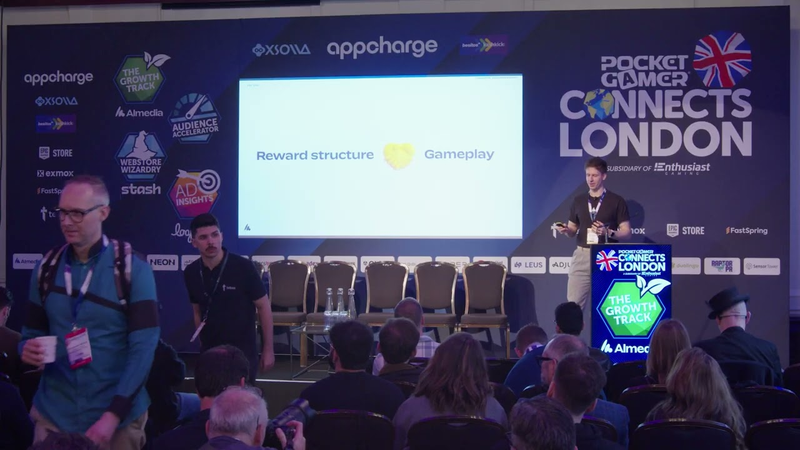
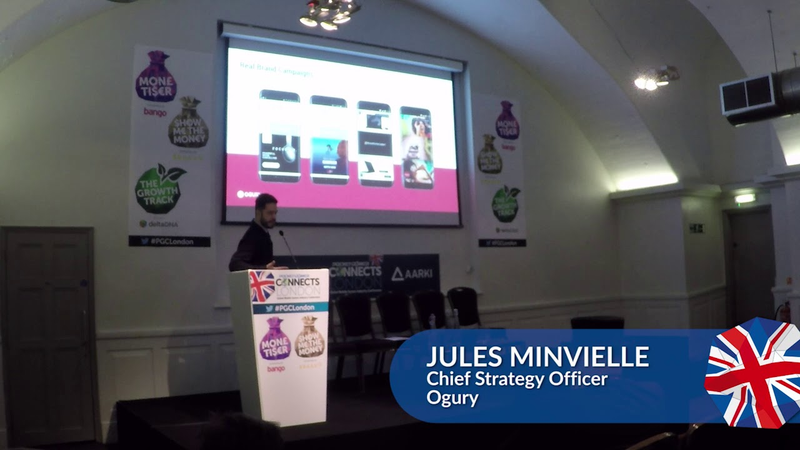
[Music] morning everyone my name is Julie Michelle I'm the chief strategy officer and co-founder of augury before we talk about data this morning allow me to introduce the company just a bit so Gary is a technology company specializes in mobile droney marketing it's technology integrated into more than 10,000 apps today we've got access to 400 with more than 400 million unique profiles worldwide see a bit later in the presentation what it means for us of course our solution is 100% GDP our compliant it means that all the data we have access to is consented data all the
users accepted to share the data with us our technology or company is today trusted by more than 900 brands global brands or one drug and in 2018 we made a bit more than 100 million dollars in revenue for our fourth year of existence we have offices a bit everywhere in the world our biggest market is now by far the US market but we started here in London and we've got offices a bit everywhere in Europe the offices that we have in Eastern Europe it's just for engineers but the other offices are of course sales offices where we work with brands and developers we are a bit modern 340 employees in the world in 8 countries so this is just to explain about the company but what do we do exactly so we have access to data that the publishers can see so basically today we use your analytics tool
analytics platform is the left-hand side of the slide you see what happens in your games you've got quite a good understanding of what your users do in your games what we can get access to and what we can share with the app developers we work with is the entire user journey everything that happens on the phone the apps that are installed and installed the app that are used the website that are browsed it means that we've got access to all this data and that we can leverage this data in three different ways which were going see today first way to leverage the unique this unique data that we have access to is to optimize the ad revenue and add relevance for the UH network you work with basically what we know at URI is the how heavy a user can be a user can be quite a user in your game a heavy user but maybe it doesn't have any other
games installed on this phone so that's the kind of access kind of data we have access to so we can define the profiles of the users do they use more hyper casual games or more mythical gate games do they have installed on their phones do they spend in the games they play with this is the kind of data that we have and allows us to better understand the users and to be more relevant when we optimize the revenue this is just an example of what happens with our monetization technology so you see that one will receive another request we put in competition all the players of the market including the players that are RGB players well the bid is in the requests that are put a price and the impression so they say I'm ready to pay this amount for this impression but also the performance at networks while going on to pay after the conversion happens okay so our algorithm is able to predict and these are just examples okay it
doesn't mean that one is better than the other but this is just an example to illustrate how we work so we can predict the CPM that we are going to get for each user even from performance ad networks and this is based on the data that we have so historical data of course on all the campaigns and all the information that we have on the past impressions that result but also based on the behavior of the users and this is accurate in a projection that we make for the revenue and it allows you as a publisher as a game developer to really get the most of inspiration and make sure that even that you can put in competition RTB players with performance player and make sure that you've got the highest revenue possible for each impression okay based on the again on the unique data that we have on all our users and this is what allows us to achieve great results this is just a slide just illustrate how it worked for publisher
called a school that's a game publisher that has several kinds of games including card games and world games the app tu increased by 51% and you can that of course when the other user you can invest more so the revenue increase in this case increased by has been multiplied by 3 so this is the first way to leverage the unique data that we have a degree and that you can get access to by working with augury is to gain to match the behavior of the users with the right ad network and make sure that you put the right ads and right eye networks in front of each user the second way is for sure is for you to understand better your users and your competition we've got a platform called active insight I'm not going to spend too much time on this what you can access get access to if you log in on the platform that is such is free flow for all the app developers you
can understand in every app in the market the activity of the users so again not just your users but any app of your competition you can understand how much time they spend in the app how many sessions the time per session and everything and this is based on the Animus data that we have and unique data that we have a temporary and this allows you to put your figures in front of your direct competitors really understand if you're doing well better how not as good as your direct competitors this is a second example and we've got of course many many screens in this in this tool called active inside this shows where your users or whether the users of a specific app are coming from ok you compare two apps here and you see if the users are coming from the other apps of if there are new users of those two apps so you can clearly
understand better the charm of your users did they leave your app because I stopped playing and did they leave your app because I started to play another game and this allow you to understand and to extract this data because you can extract the data from the active inside platform to re-engage with the users at the moment where they are actually about to leave to start playing another game it should say ahem but you can also decide for example to stop advertising for direct competitor if you see that 60% of your users actually leaving your game to start playing another game maybe it's time to maybe just limit or reduce the exposition that your users get to the ads of this direct competitor so this is just an example of the many ways you can leverage the unique data to better understand the market you see the behavior outside of your app so you understand your users outside of shown up so it's much more powerful than a direct that and then it's tool to stand
out once you can understand the factors that lead to charm ok and you can export that we target the audience segment from your users okay so based again on what happens outside of your game so it's not just Eggman tation based on the user's past the level one or two or whatever happens in your game is based on what happens outside of your games so this is really unique to what we can offer due to the market the third way to leverage data is something I think is very powerful for all game developers is that we can attract brands when we understand the users better we all know that the game industry is booming this is coming from new Zubat women we all know that everywhere the market is booming and we have more mobile gamers and PC gamers or console gamers for sure but in the same time we are no longer
talking about the teenager plays players that are playing zombie games in their in their rooms ok we know that the IPO even the mythical and casual gamers women they are a bit older than the traditional PC or console gamers so they can be really attractive for the Bronston this is data that is coming from our data set so it's based on I think on this one is based on 40 million profiles where we compared 50 different apps and the gender and age on those apps to really understand the profiles the unique profiles of each category of games we can see here of course that the hyper casual games have more women than the mid core games I say of course because it's something that instinctly we would have thought but here we are data to back this up and we can see that the casual gamers are a bit older than the mythical gamers in this example so this is the kind of data we have access
to and it shows that you have in your games users that are attractive to Brunn's again and it's a real challenge this slide comes from iron sauce it shows that budgets in IPO casual games remain the same there is no growth and it shows that the high pockets your games advertisers of the biggest advertisers enable casual games and we all know that it's a challenge we all we are all talking about attracting the bronze in our game we know that it's something that we have to do because of the fatigue as well we know that in our in in your games the users are very often exposed to the same kind of AD for the same games and something that we all want to change the data the unique data that we have allows you to get access to those problems it's a challenge and it's it's really today it's it's key within the monetization strategy of your game to be
able to diversify the sources of ad revenue and not to work only with other games but to be able to have a prop option not 100% but to start with a bigger proportion of brands advertising in your games sorry and when I say bronze this is a kind of campaign that we run at Oberlin so I'm not talking about just up install games without the CTA I'm talking about like video interstitial branding so this is just a couple of examples for we've got Bose we've got Microsoft coca-cola Red Bull this is the kind of bronze we work with and you can see on the two left and examples here that we baton on the data that we have on the user so we are going on you need to expose the user that are interested in the brand and the engagement rate is much higher of these kind of ads than with user of course ads and that's and the CPMs are of course much higher as well and it's also very
different and it changes the perception of your games again instead of saying hundreds of times the same ad in the game the user start to see ads for brands that they know and that they see on TV the way we manage to do that is because we understand the app universe of each app this is an example for an app called well garden so I don't remember exactly this one it's not from my school is well but the name is when I missed it but it's a world game and you see that the player that chooses well as this world game I'm using a lot of other games of course but they also read the times and it shows you that the user that is playing a game is not only playing games and that it can be really again interesting for any kind of brands and that instead of advertising onion in news apps the brand the brand's the global brands should also advertise in games its unique they tell that we have a new user that we managed to convince
brand and to make 100 million dollars of revenue only on brand advertising because Oguri is not at all for now offering any app install campaigns so all the revenue that we make is based on brand campaigns that are exactly the same the kind of example that I showed you in the previous slides so real brand campaigns that we run into any kind of apps including games of course so this is an example of option averse as you see something that is three of XS again on active inside that you can see for your own games and you've got all the filters block period whatever information you want to you want to filter them and this is just an example of some brands we a list of some runs we've been working with so again 100 percent of the revenues that we make at auguries based on brands and more than 80 percent of those brands are running into games so that's been a challenge for all the game developers to
be able to attract brands and Oguri is finally allow allowing you as a game developer to run those brand campaigns for you the last thing of course because we are talking about data is how you can gather the data and how you can do this into a GDP a compliant way gdpr has been passed a couple of months ago now but we see and I'm sure you see as well that some game developers and not only game developers any kind of app developers are not always following strictly the rules of GDP are if you can say that it's strategic and it's very vital for you to be able to understand how you can optimize the concentrate because you need to do it in a proper way and just a big ok button is not legally compliant with gdpr so it's something that you need to change as a game developer all the CNP or the constant management platform that you have in the games that
have only one button saying yes I accept yes I want to play are not gdpr compliant which means that all the data that you have all the partners that you have in your app if your concerns are gathered in this way is not gdpr compliance which can of course cause some troubles in the future so what we offer to our publisher this is just an example of a very Blanc and the most simple consent notice that we can display everything can be customized in the platform I did changing the colors adding logo and whatever and this is just an example of a real GDP are compliant consent notice I refuse and accept all where you see all the purposes of the data collection and this is something that we provide for free again to our publisher so they can gather the data for all their partners ad partners but also tracking partners and all the developers that are using this platform can customize again at the logo add an
image change the text customize the buttons or they can also let our dynamic creative optimization optimize the colors on the button to make sure that the option rate is either as high as possible of course remaining gdpr compliant and and you can track in the platform the I don't have a screen here sorry but you can track of course the opt-in rate for a pro has set birthday you can decide how frequently you want to reexpose the users we say no beta collection the message that you want to display if they say no to react spell them to make sure that they understand that is vital for you as a game publisher to gather data to monetize the game and this is the way we collect data to agree for us be able to attract brands but also to share the data that you show in active insight and to make sure that we optimize the revenue for publishers so we've been expect in collecting consented data
since 2014 and now the platform is available to all the publishers who wants to optimize the continuities while AGP are compliant just in a nutshell this is what we call our blueprint at augury just to to finish on the presentation everything start with the consent notice so everything start with a constant manager we have approximately 50% of the users who say yes to the consent notice it shows that it's not forced it shows that is real consent that the user really have the choice to say no and to say yes once we've got the consent of the user we collect raw signals it means that the data that we have access to is generated by our algorithm we don't have access to the data directly it's probably stick based on the raw signals that we see from the from the data that we collect so we generate the data and we provide insights to the
publishers and to the brands active insight is a platform that is for any app developer but also for the brand's so the coca-cola both Nike are also using this kind of platform to better understand their users the users who use their apps but also the users who visit their websites because we know the browsing is story of the users who consented to share them and once we've got the insight and we share that we use that to optimize the user engagement of the bronze we work with so for the bronze to activate user engagement engagement and also of course to provide intelligent monetization to the publishers we work with so this is in a nutshell how you can better leverage data to optimize your ad revenue to better understand your users and to attract brand in your games thank you very much great thank you very much now sneaking a couple of questions
Jonah let me come and give you a mic certainly wait a second sorry Hey you mentioned gdpr compliancy but I didn't see anything to allow the user to forget what information you have and I also didn't see anything for them to be able to download the information they have and that's part of GDP our compliance let me let me come back to an example of the ads so in every ad that we display there is a button in the there is a button in the bottom of the screen that allows the user opt out that's a white banner here and on those two examples that's also screen that all the app developers that we provide the API for that and all the object that in the settings of the app so of course we don't do the design of the apps so in every ad that we display there is this button to opt out and then it's to the
app developers to opt out and to and to opt out and true to erase the data of course if yeah so every so if you're gonna argue it that come slash privacy you can ask and get the data that we've done on your Android advertiser ID great and I think because I think that's a think we want to be able to have assurance that we're doing things appropriately and yeah as long as we're doing the best we can and within the legal system that's great and I think that you've got the tools there to make it easier for developers to do it that's great too [Music]
Summary
Mobile game developers often struggle to maximize revenue and user engagement because they lack visibility into the 99% of user activity that occurs outside their specific applications. By leveraging first-party mobile user journey data, developers can gain a comprehensive understanding of their audience’s broader digital behavior, including other installed apps, browsing habits, and cross-platform engagement. This holistic view allows for more precise user profiling, which is essential for identifying high-value segments and optimizing monetization strategies.
A primary objective for developers is to diversify revenue streams by attracting global brands, moving beyond the traditional reliance on performance-based ad networks and repetitive game-install advertisements. Data-driven insights reveal that mobile gamers are a diverse demographic, often older and more varied in their interests than stereotypical profiles suggest. By utilizing tools that map the entire "App Universe," developers can demonstrate the value of their audience to major advertisers—such as consumer goods and technology firms—thereby securing higher-value brand campaigns that improve the overall user experience and increase ad relevance.
Effective data utilization also requires strict adherence to privacy regulations, particularly the General Data Protection Regulation (GDPR). Developers must implement robust, transparent consent management platforms that provide users with clear choices regarding data collection, rather than relying on simplistic "accept all" buttons. Providing users with the ability to opt out, access their data, or request its deletion is critical for maintaining compliance and building trust.
The industry landscape is increasingly defined by the ability to analyze competitive activity and user churn. By monitoring how users interact with competing titles and identifying when they migrate to other platforms, developers can refine their re-engagement efforts and adjust advertising strategies to mitigate churn. Ultimately, integrating consented, high-quality data into the monetization lifecycle enables developers to optimize ad performance, enhance user retention, and foster sustainable growth in an increasingly competitive mobile market.