Retention reports and market data
Documents
Delighting your players with live ops
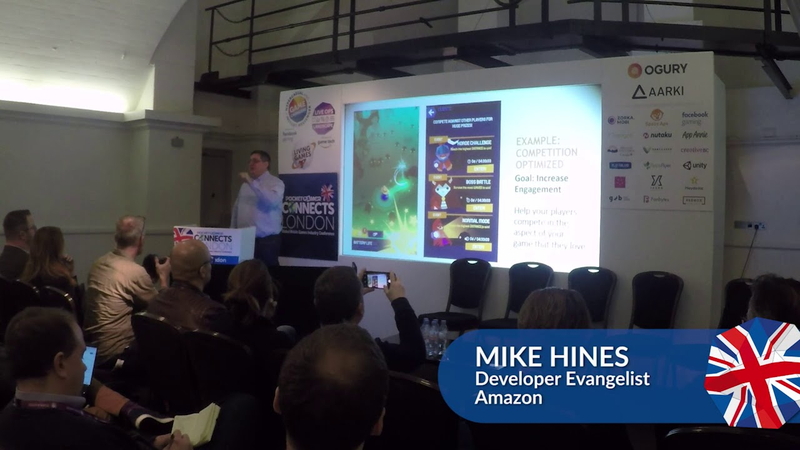
Live operations serve as a critical mechanism for optimizing existing game code to enhance player experience, retention, and monetization.
- Live operations function as a force multiplier for existing game code, enabling real-time adjustments to improve retention and monetization without requiring core development changes.
- Targeted, rewarded events like tournaments can drive significant financial gains, such as a 290% increase in average revenue per user for new players and a 200% improvement in revenue per daily active user over 30 days.
- Developers should shift focus from aggregate metrics like daily active users to granular behavioral data that pinpoints specific friction points, such as churn during currency grinding or level transitions.
Retention through events and community
The strategy for maintaining high player retention in the mobile card game Stormbound centers on fostering a grassroots community rather than relying solely on complex in-game meta-events.
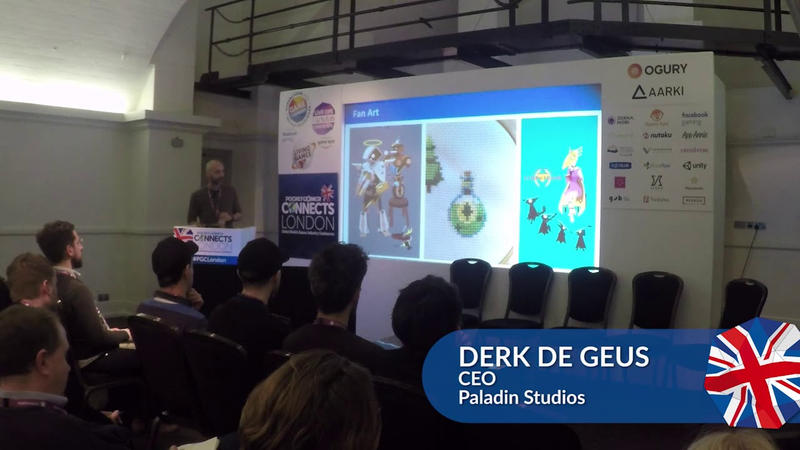
- Paladin Studios maintained high player retention in Stormbound by treating the community as a creative partner rather than relying on complex in-game meta-events.
- The development team fostered a self-sustaining community by intentionally leaving game lore and narrative open-ended, which encouraged players to produce their own content like fan art, comics, and poetry.
- The studio offloaded significant community management and content creation tasks by incentivizing players to organize their own tournaments and maintain external databases.
Marketing after the feature
The marketing of mobile games requires a proactive, long-term strategy that extends well beyond the initial launch window.
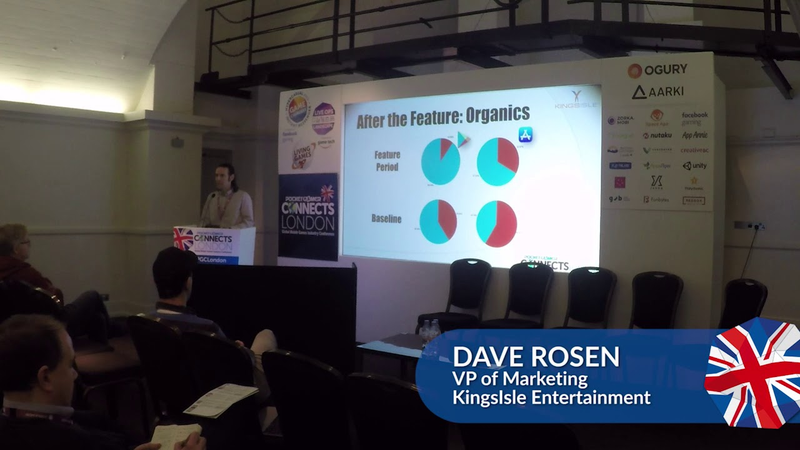
- Platform featuring should be treated as a growth catalyst rather than a substitute for sustained marketing, as it provides a significant initial user influx but has limited long-term impact on organic growth.
- Success in securing features requires months of preparation, including early communication with platform representatives and the presentation of data-backed performance trends from soft launches.
- Developers must maintain a deep, ongoing content roadmap to satisfy the rapid consumption habits of high-tier players acquired through featuring, as a lack of content diminishes the value of the opportunity.

Level Design Saga: Creating Levels for Casual Games
The Saga model serves as the foundational framework for modern casual mobile game design, prioritizing linear progression, frequent content updates, and social integration to maximize long-term player retention.
- The Saga model optimizes long-term retention by utilizing a modular, linear progression framework that supports frequent content updates and social integration.
- Designers employ the ki-sho-ten-ketsu framework—introduce, train, twist, and conclude—to structure a difficulty rhythm that balances tutorials with increasing player-driven complexity.
- Effective level design requires a synthesis of creative intuition and quantitative analysis, using metrics like drop-off rates and average attempts per level to refine difficulty curves.
Mobile Gaming Apps Report: 2019 User Acquisition Trends & Benchmarks
The 2019 mobile gaming landscape is defined by a period of unprecedented consumer spending, with gaming apps accounting for 74% of total app store revenue.
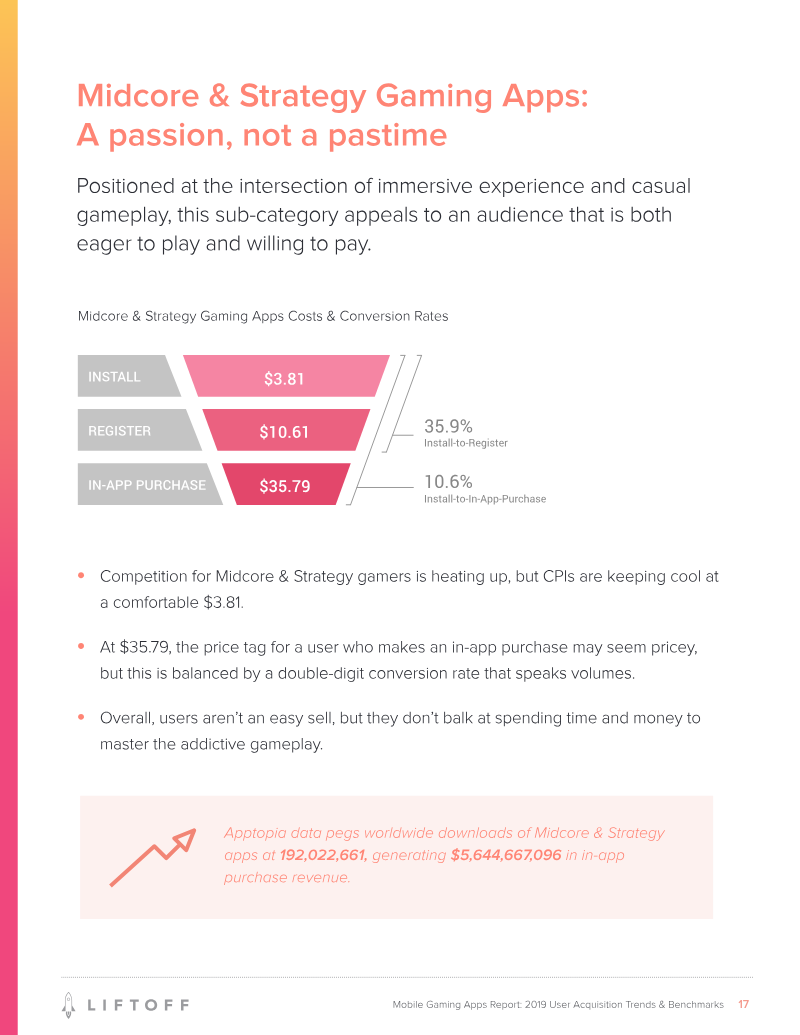
- Gaming apps dominate the mobile market, generating 74% of total app store revenue despite rising user acquisition costs that average $35.42 per paying user.
- Android provides a more cost-effective reach for user acquisition compared to iOS, with the third quarter identified as the optimal period for high conversion rates and lower acquisition costs.
- North America, Japan, and South Korea remain the most expensive regions for acquisition but offer the highest long-term retention and in-app purchase revenue.
Mobile Benchmarks Report GameAnalytics
The mobile gaming landscape in the first half of 2019 reflects a significant structural shift as developers increasingly pivot from in-app purchases toward ad-based monetization models.
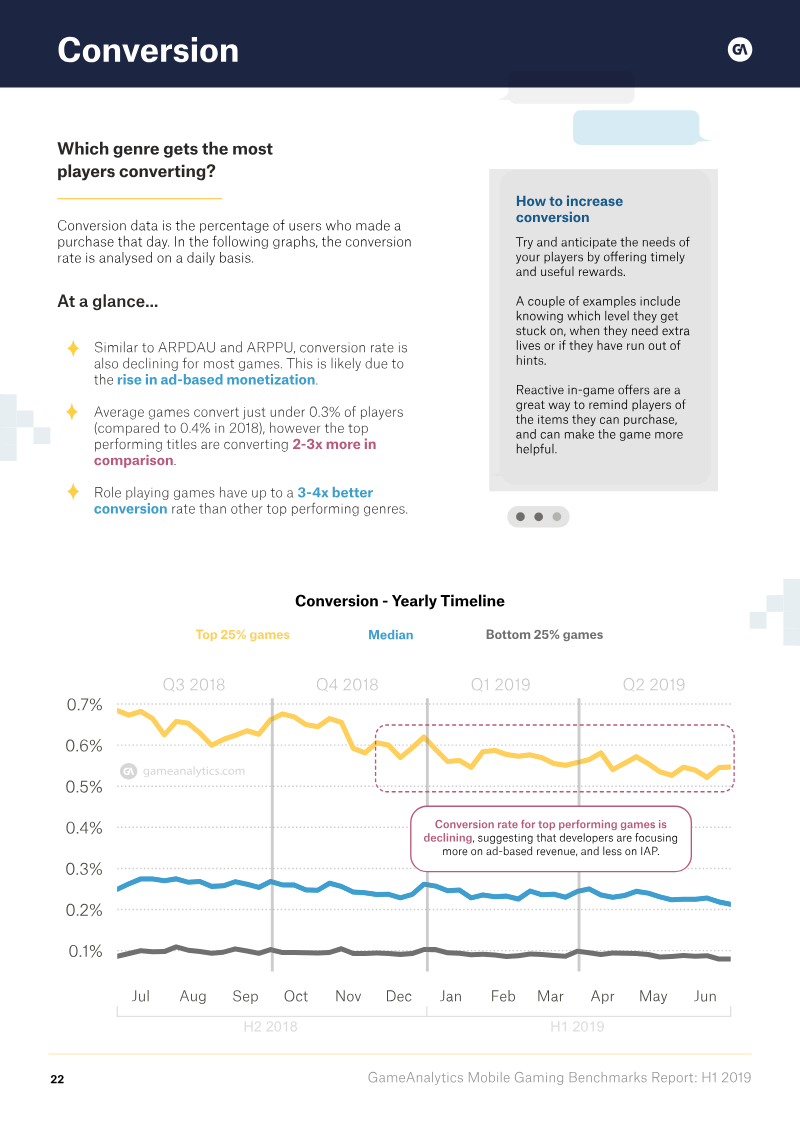
- Mobile developers are shifting toward ad-based monetization, evidenced by a 15-20% year-over-year decline in ARPPU and ARPDAU across 100,000 analyzed titles.
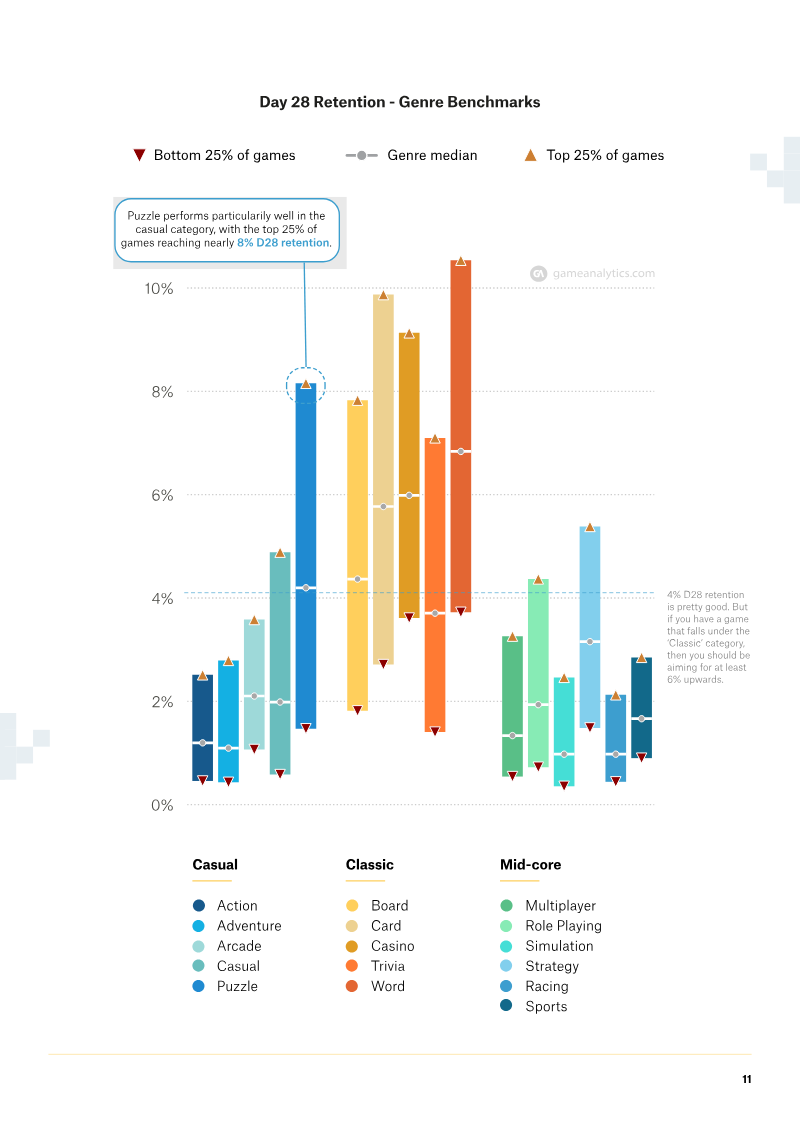
- Top-tier mobile titles require a Day 1 retention rate of 35% and a Day 28 retention rate of 4% to remain competitive, with industry leaders often demanding a 50% Day 1 rate to greenlight projects.
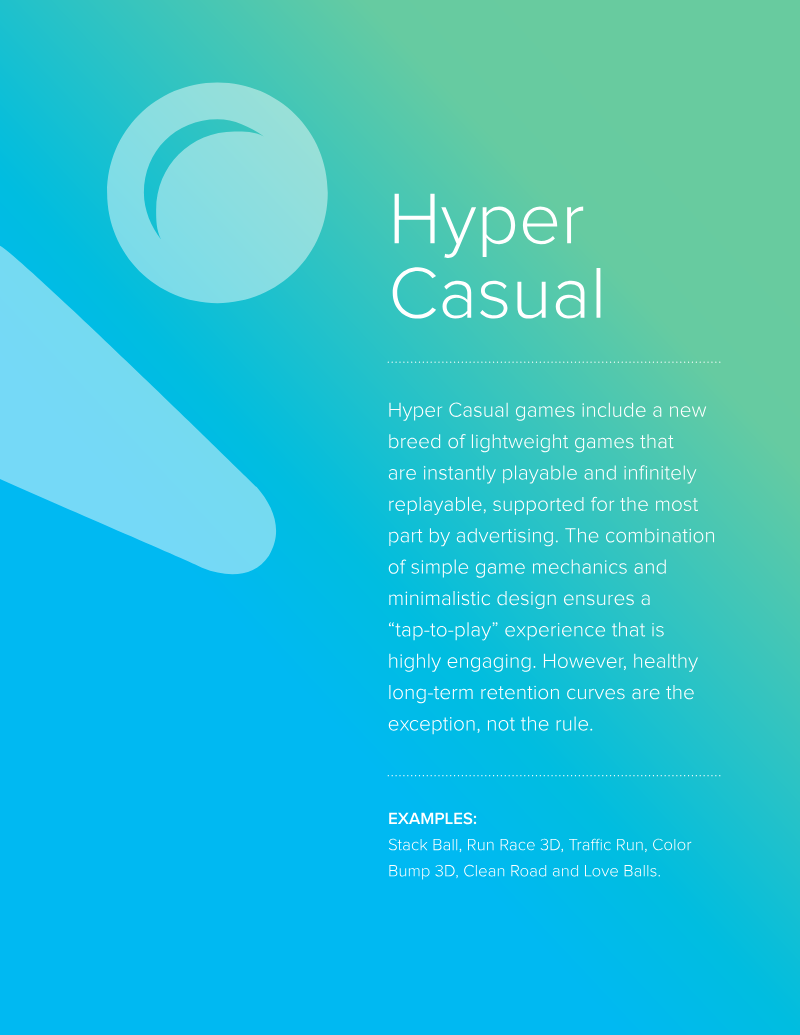
- Strategy and Role-Playing Games remain the highest revenue generators, while hyper-casual games rely on advertising models supported by a median eCPM of approximately $5.00.

How does Brawl Stars monetize?
Brawl Stars, a team-based top-down shooter developed by Supercell, utilizes a streamlined and accessible monetization model designed to support a massive, broad-based player audience.
- Brawl Stars utilizes a high-volume, low-ARPU monetization model designed to generate significant revenue through small, frequent investments from a massive, broad-based player audience.
- The game’s economy centers on a progression system where players use soft currency and character-specific power points to upgrade a roster of 22 distinct brawlers.
- Hard currency, obtained via direct purchase or loot boxes, functions as the primary engine for accelerating character leveling and unlocking rewards.
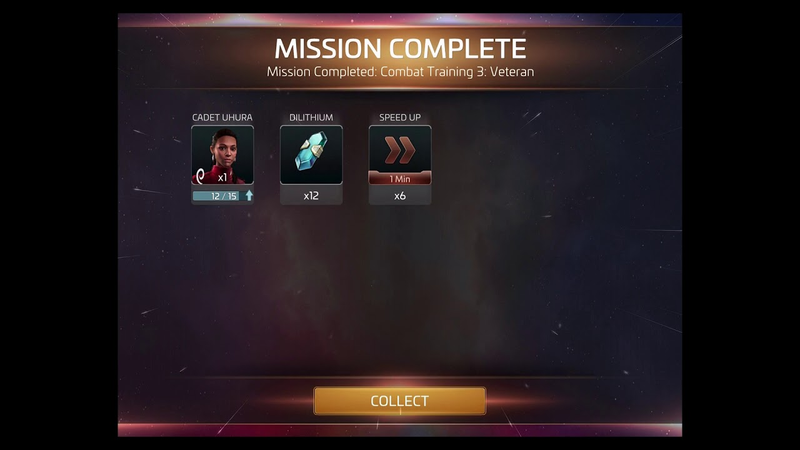
How does Star Trek Fleet Command monetize?
Star Trek Fleet Command, developed by Digit Game Studios and published by Scopely, functions as a mobile 4X strategy game that integrates base-building, resource management, and RPG-lite character collection.
- Star Trek Fleet Command utilizes a 4X strategy framework developed by Digit Game Studios and published by Scopely, combining base-building, resource management, and RPG-lite character collection.
- The monetization model is built on a multi-layered economy that uses hard and soft currencies, speed-ups to bypass construction timers, and loot-box-style recruitment systems.
- The game leverages the Star Trek intellectual property to differentiate its core loop from generic 4X titles, using recognizable characters and ships as primary engagement hooks.
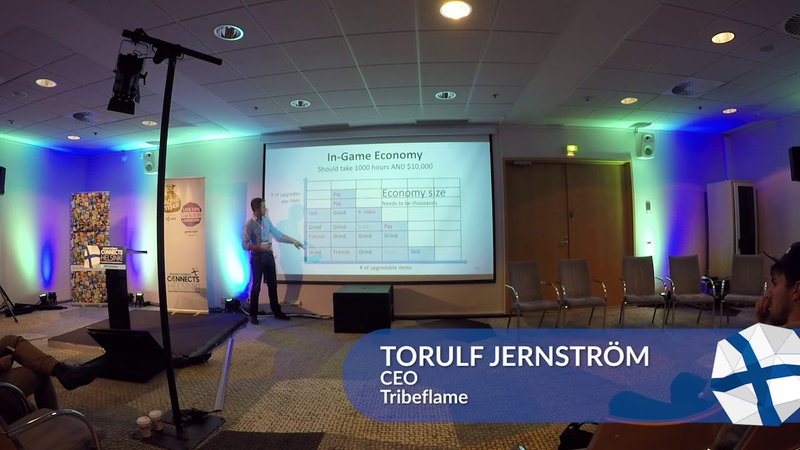
Game design for incentivising players
Effective game design in the free-to-play mobile sector requires a holistic approach where every feature serves a specific incentive, such as increasing session frequency, extending play duration, or strengthening the in-game economy.
- Game design must prioritize a unified, expansive in-game economy where every feature—from progression paths to social systems—directly drives player engagement and monetization.
- Developers should implement a '10% rule' to provide granular, frequent upgrades that maintain player interest and depth over thousands of hours of gameplay.
- Monetization strategies must balance the needs of 'grinders' who invest time and 'whales' who invest capital by allowing purchases to bypass time-intensive progression without sacrificing competitive fairness.
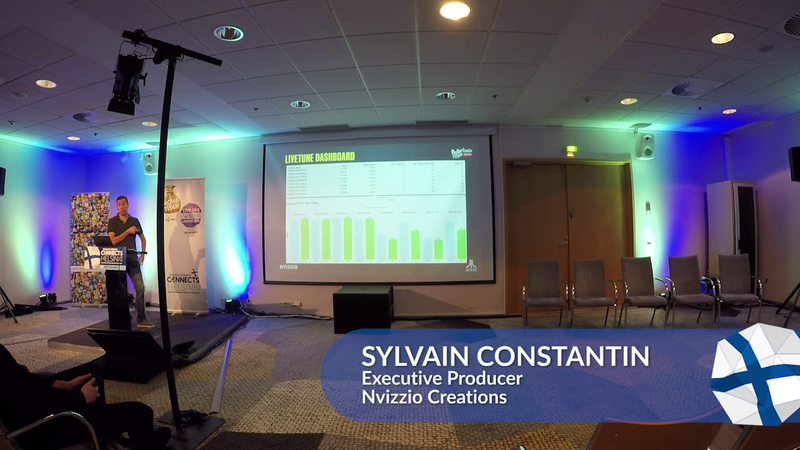
How Nvizzio increased day 30 retention by 50% with Unity's LiveTune
The mobile game developer Nvizzio Creations, led by executive producer Sylvain Constantin, utilized Unity’s LiveTune and Unity Ads to significantly optimize the performance, retention, and monetization of the title RollerCoaster Tycoon Touch.
- Nvizzio Creations achieved a 50% increase in day-30 retention for RollerCoaster Tycoon Touch on Android by using Unity’s LiveTune to optimize technical performance across fragmented devices.
- LiveTune enabled real-time adjustments to game settings, such as frame rate and memory management, without requiring full build updates, effectively closing the performance gap between Android and iOS.
- By shifting to a diversified ad strategy featuring user-initiated rewards, the studio increased daily revenue per user by a factor of three.
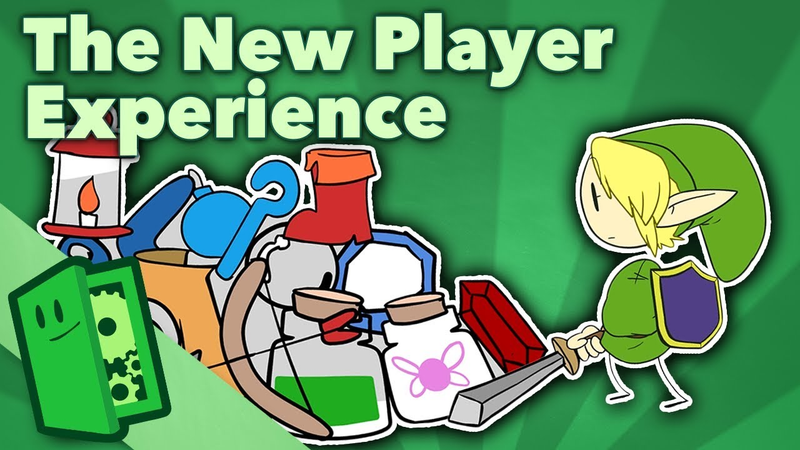
The New Player Experience - Hooks, Tutorials, Rewards - Extra Credits
A successful new player experience is defined by three essential components: the hook, the tutorial, and the reward.
- The first ten minutes of gameplay are the critical window for establishing interest, teaching core mechanics, and securing player retention.
- A successful new player experience relies on the integration of three core components: the hook, the tutorial, and the reward.
- Hooks must capture attention immediately through mechanical engagement, narrative context, or high-quality visual aesthetics.
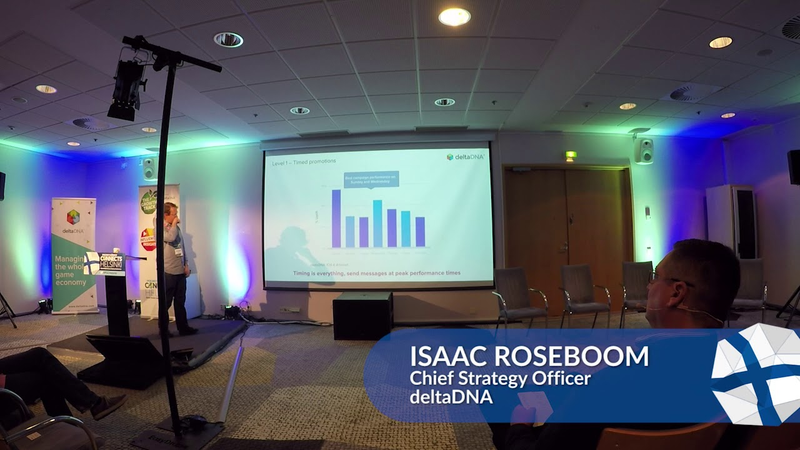
7 post-launch CRM strategies you need to know to maximise game revenues
Modern mobile game revenue is increasingly driven by long-term player retention rather than initial launch spikes.
- Long-term revenue is driven by mature player bases, with 70% of daily revenue in successful games generated by users who installed the app more than a month prior.
- Advanced player segmentation and personalized targeting drive a 47% revenue uplift, significantly outperforming the 10% uplift achieved by games using only basic targeting.
- Only 15% of developers currently utilize sophisticated, personalized player targeting, representing a major opportunity for competitive differentiation.