1 free read left. Create a free account for unlimited reading + AI research.
Create free account
Identifying gold standards for mobile game acquisition and retention
Key insights
7 takeaways- 01Industry experts recommend reallocating budgets to prioritize retention, specifically by utilizing automated tools to identify and intervene with at-risk users in real-time.
- 02Mobile game developers are shifting from a singular focus on user acquisition toward a balanced strategy that integrates sophisticated retention and revenue optimization to combat rising acquisition costs.
- 03Developers are moving away from generic industry benchmarks in favor of proprietary, data-driven predictive modeling to maximize lifetime value.
- 04Sustainable success is achieved through a hybrid model that combines data-driven automation with high-quality gameplay experiences to drive organic growth.
- 05There is a strategic shift toward programmatic advertising and real-time bidding (RTB) to increase transparency and gain granular control over audience targeting.
- 06High-performing creatives are critical to success, necessitating a strategy of rapid testing and discarding of underperforming ads to optimize the player's first brand interaction.
- 07Long-term retention strategies now emphasize community-driven viral components, loyalty programs, and direct communication channels like MMS, which show high engagement among younger demographics.
Ask AI about this video
Transcript
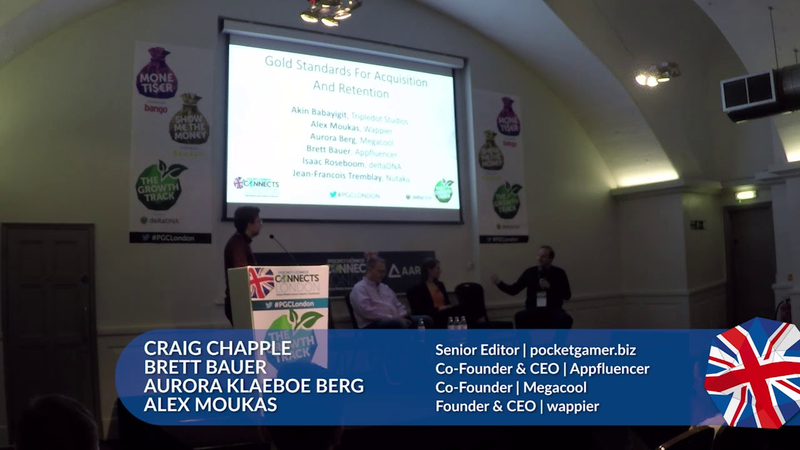
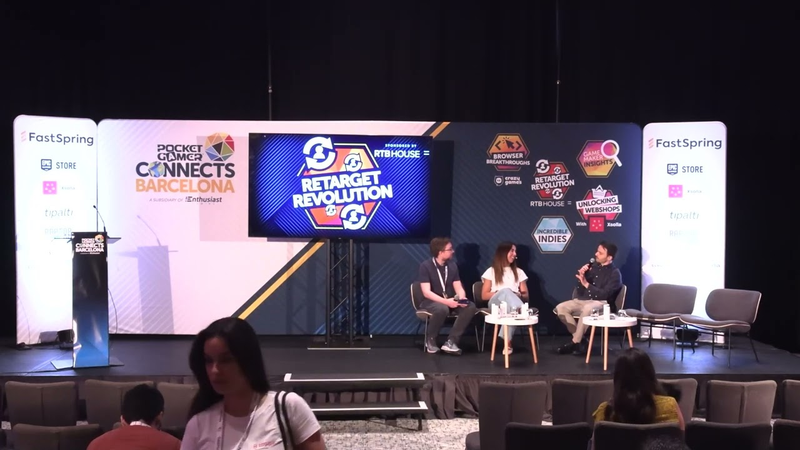
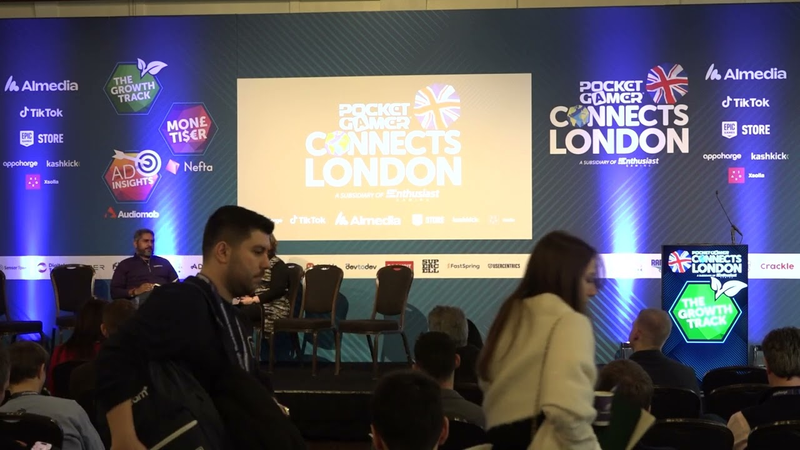
[Music] so my name is a Craig Chappell senior chemical is and then here we have three avast's Atkins actually not going to be here today unfortunately but yeah if you could introduce yourselves Brad Bower out blue answer well beer cool thank you yeah we'll just we'll just go get started straightaway so the first question that I've got is as 2019 gets underway what are the new trends in the user acquisition space that developers should be aware of that are going to be key to their marketing efforts need to do it
that's the first trend but data is very very important yep I think continuing to experiment it's gonna be key I think there's been a lot of stuff happening especially in in the creative space for ads will see more there hey I do have sort of strong opinions but mostly on the Seraph on the balance between let's say the acquisition budgets and the retention budgets writing that if you look at traditional industries out there a global 500 spends a third of their budget in new customer acquisition advertising two-thirds of their budget in retention sort of how do you make more money of existing customers if you look at the gaming industry that ratio is 10% sorry it's 90% of the acquisition only 10% on the retention monetization so obviously as the toolset gets evolved
we'll see a larger amount of budget sort of moving from the acquisition into a more balanced way between acquisition retention I see there's an interesting question was gonna bring up excuse me it sounds at all spoke about when it comes to like trying to calculate lost on valleys and figure out how much you're gonna actually spend on user acquisition do you have any like bent I know it depends on the genre but you have any like ideal benchmark stats of how much you should be spending of that LTV and also how how should you be calculating things should you be basing things off of like faithfully retention they 60-day 90 or as someone told me like even they date free six point yeah you should be looking at all the everything in success what we do that's a little different I think is that we have a proprietary predictive targeting set so we do all of our
targeting based upon the predictive data and so when we're looking at working with developers so the budgets to your specific question it's really dependent upon are you achieving your KPIs whether it's ro ass or something else and so if you're generating revenue within the game you really should just continue to turn it around and just think of it as this big loop that you just keep growing bigger and bigger so retention could be a factor one thing we're doing now is d7 d7 is the key that's what he wants to focus sometimes it's simply revenue but you can target based upon that with the combination of of creatives with the targeting since we target the apps or anything else but it really it's unique to each game and so you shouldn't try to take the benchmarks and apply the general benchmarks to your game you should understand your game specifically the other node like category why you can lose our app category wide been smart so
you could look at and say well this is what we should aim for or is it always gonna be or readable to be specific I guess you find that under so close by so you you can approach this in phases so when we start we start with the creative testing phase it might take five days we test your creatives a group of creatives and then the apps that we're targeting and then within five days we'll switch to the apps that resonate the best and the creatives that work the best so then your job then is to always have this high-performing creative it's a small percentage of creatives that actually perform and then over time you'll understand and you'll see what the retention data looks like and so obviously if your players are in the game obviously your your ro axe is going to be achieved faster because they're still in the game and I haven't acquire a new user and so you know the metrics will change is specific to your game but you have to start somewhere to develop your own data if you have nothing but it doesn't take a lot to get
going so what are the some of the key channels that you're using for user acquisition right in 2019 and what are some of the new interesting models on our megacles doing some pretty cool stuff yeah so a mega cool we're sort of giving you the experience of what if twitch and snapchat had a baby together and like this is what an organic growth and like in in 2019 like I said I think there's gonna be more involvement around the creatives and like the the drive of the hyper casual spaces it's showing that there's still things to be done in the way you acquire customers cost-effectively and like driven that by having high ad revenue coming in there's also an interesting growth in terms of the way it's cross promoting their title like it's so much easier for a voodoo
games to reach the upper charts with like almost no spending on you target per session just because they can cross modes so wildly right and I think like it's a very data-driven approach like talking abou do like they they came from outside the industry right and and it's it's interesting to see how that effects has that has been like do you decide for data or do you design for the game pleasure and and I think there's like there's a shift in terms of how you end overall I think it's gonna make everything more mature and better but it's also gonna feel a bit hard for the the traditional game designer to thinking that census yep I think one of the trends also this year too is to be a shift towards transparency and right now there people will always spend money on the too big to the Facebook and Google
but there's not that transparent and so it's it's identifying of places where you can get complete transparency so that you really know what's going on and that I think is a big push and that means that you're gonna have to go into programmatic or RTB or whatever you understand that but where you have access for everything and the caveat is if you know what you're doing you can cut your hands off and if you don't know what you're doing you can cut your arms off so you have to be very careful when you're approaching it but it is highly effective completely transparent bless you it is interesting when yesterday I was doing a panel where they said like so you should be doing cat chat known as the biggest players in hyper casual bringing all these players and to me seems all you need a massive team for that and I think when ketchup was acquired by heapsort they was saying it was six people that's wonderful so I doesn't you know it takes be I it takes a lot of analysis and a lot of automation and you can do it I guess so
one of the things that as long been a bugbears user acquisition costs have been driving upwards so what is really behind this and you know how do people get around that or can't you just can't get around quite user acquisition costs okay so so in my mind I think that's a function of the revenue of the gross profit of the industry I mean while we haven't been looking this was a disaster that was worth less than a billion let's say ten years ago right now it's worth a hundred hundred something depending on whose numbers you believe and out of that sort of 70% of that is pretty much the gross profit of the of the typical publish out there so on a gross profit basis this industry our industry is larger than the automotive industry it's insane if you think about it we have sort of 50 person companies trying to manage 50 million consumers that has never happened before so obviously this has ramification the lifecycle right in terms of
acquisition in terms of how you retain this constraint therefore how you cross-sell and upsell in terms of different games so a lot of times were sort of into our sort of microcon say oh my god this is going higher but look it's it's an industry that's maturing and the toolset is gonna be mature the approach is gonna be mature what we're just discussing it is sort of is it art or is it science you know becoming a bit of both exactly I need any cash to be both and a lot of things are I mean if you've got again going back to my car example how a car is design there's a lot of science there's a lot of art that people have to start working with constraints and it's of the two sides got to bring some constraints to the table and hopefully the world is gonna be better and the other issue is it more competitive people are recognizing where the value can be driven people recognize what the LTV is of the user and so they're willing to pay more you know obviously the more you pay you know sometimes the more you get it's at the
same time so that's another factor that's driving it but again you can find opportunities to you know to arbitrage within that to do a better job but it takes work in diligence I think it's a great opportunity that the industry is maturing in the sense that people are spending more money like it's it's more ok to spend money in game Centon services and he especially would like to drive on or towards subscription models within games as well like their teeth to to think about to be and to think about the way that you're budgeting for things right salary well the I ap and just the the ad monetization to contributes to willingness to pay higher CPM CBI the opportunities to generate revenue and actually if you also look at the sort of utter spend of the typical consumer that's gone in terms of what
they're doing and what's the value they're getting it's it's insane right meaning that there are not a lot of places where you can spend a dollar and get an hour's worth of entertainment right especially in a typical sort of OECD country so it's only gonna go up because the consumer spending on a pair up basis on an annualized basis is gonna really increase because right now it's it's it's timing compared to their disposable income and compared to the time they spend on the device right so the question is can you find a way to bother monetize these consumers can you find a way to sort of cross sell these consumers increase their lifetime value can you find a way to essentially upsell these consumers into into the next game the next stop or the next whatever and I think they're a bit more complex as well I mean we're already seeing that you're looking at sort of baby ups and their significant opportunities there for lead generation into life insurance why because when there's a baby that's a
life event and you customer acquisition costs for life insurance guys $378 in the US so we're not talking about CPM rates of X or Y we're talking per qualified lead and what's the best leading indicator for having baby it's a freaking baby up on your phone then you get three hundred seventy eight bucks per head so I think the ecosystem is gonna become a bit more interesting and complex and Alex makes a good point because so how many game developers in the room just okay adds in your game in that bad in that bad primarily lead gen none okay one two so here's the thing right so how many of you have users who have a lot of events that they're just driving and they're not downloading apps and your eCPM to get them ding so you switch them after like say X number of games or X number of ads watched to lead gen from brand ads or you can actually
drive more revenue without doing you're eCPM reads this is what he's talking about and that's where you grab a lot more revenue there's a great point I was gonna move on which leads to the higher acquisition guard yeah right I was gonna move on to retention it's gonna be on the left and now you think you've you've got quite a players for youäôre organically but does the you a process need to feed into the onboarding in the game so you know can uh now the flex player expectations for example playable x' some sort of sometimes when you get them that they don't actually quite represent what the game is does that then prove a problem that they're just gonna churn out once these it's the actual game that's just an example in general so the thing about data is that if you have a shitty ad it's not gonna drive an install so if
you have a shitty I'd get rid of it as fast as possible test and get rid of them I mean it really makes a big difference and like I said it's a small literally I'm talking like less than 5% is where you can maybe drive installs from you got a test on a just ongoing basis all the time swap them out you get one the worst to leave it in but just keep doing new ones find something that works as good or better because I one of the worst ads I've seen in the past 12 months I mean literally they had one order said fun and it was like 30 seconds of crap but it was not indicative of gameplay I mean the the impression rates were great but they clicked the rates were horrible so he tried a longer one it's spiked for 24 hours but they were still horrible you can't have a bad ad that does not
fulfill the player's expectation because they're just not going to go there than I think a to try it so the first thing is quality creatives you just got to have them and if you have a creative team in-house that's doing that then fire them and start over you it's really important go external get a different creative team but it comes down to that that's the first thing a person sees the first relationship with your app is the ad that's what they see it's not the game itself you lost before you even get it started so what are some good retention strategies that you found and I let it stay you're talking about loyalty programs for example all right I mean look retention is a big so things and how do you increase engagement and I mean what we try to bring to the table is revenue optimization what is revenue optimization is how do you make money above and beyond game playing so obviously you have a better game to convert very good things are gonna happen but a lot of things being equal what can you do on your existing game
your existing app to essentially make more money and again I go back to traditional industries where we're looking at revenue increases that you know sort of 20 30 % by applying some science into it the problem is that these industries are much more mature and they have a lot higher head count so for instance on a social system company that they have were running the global loyalty program for Vodafone Vodafone has 80 people on top of our software to optimize revenue for existing customers and again this is outside the core Vodafone offering voilá for doesn't tell you hey you have five bars or four bars plus for service my cellphone towers work I'm gonna charge you 20 pounds a month they have advertising they have marketing they have engagement they do things so all of that stuff that they do outside the core offering outside the core app is revenue optimization one of the tactics sort of could be loyalty the challenge here is how do you bring
something the problem is that the typical of publisher has exactly the same needs as a Vodafone but with the hundreds of the headcount same number of consumers 100 of the head counsel how do you make it work so as the industry evolves you're going to be seeing more and more sort of automated ways of doing things so you're going to go from let's say analytics which are let's say funky infographics for the CMO so - they're bored but they're utterly useless because they're not actionable - actionable analytics where we need to be closing the loop in real-time - what we're trying to do with this video out what isn't on a per consumer basis while they're playing the game right so and how do you interact with the consumer maybe it's a push notification maybe it's an interstitial maybe it's our loyalty console it can be different things right but you have to realize so for instance our dynamic audience
management right we can give you a list of the consumers whose next login it's going to be their last what do you do with them I mean you better be pretty good at your next offering because they're done and maybe for some of them make sense to began for others might not however the other thing that I love about this indices again the marginal cost of serving the typical incremental consumer is almost zero so it doesn't really would you like to have a hundred million ma use and only let's say 10 basis points convert into page a B yes because again you can still make money so when you have such a powerful interest because that's again remember there very few industries where your marginal cost for in Sacramento consumer is almost zero the car industry it's not one of them you know you buy something for 50 K it costs them 20 K to build I mean this industry's amazing so I'm more open-minded in terms of how you can better monetize consumers out there and I mean the numbers of we're seeing are amazing even no traditional industry
like with Vodafone right you increase retention by 20% you increase monetization by an r2 by sort of 25 because you tend to retain the consumers or monetize best in the gaming world were saying of 50% we're doubling retention rates almost ripping sometimes art thou why because nobody else is doing remember I'm old enough to remember click-through rates I used to be at 5% on the web sorry to add to what Alex is saying I think what's what's more important before that even happens is that you really can engage your user you only got to dry them into the game and to the next level and get them to finish so all of that stuff has to happen in the game naturally before you you know rewards and things I have to be a natural part of eating the natural function of the game to drive them through the game to keep them playing it's got to be engaging I mean how do you guys like playing games that suck right I don't I like playing games that are engaging and so that's what you build something for yourself because you love it and that's what your consumer
will do don't love it too so I'd like you to actually go back to your question I guess you were asking for more from example so just be examples of retention yeah I'd actually I've actually started seeing that there's an opportunity with these letters that's a way to retain your user base so it's not something that a lot of people do but I know when we were building games that dirty bit we would have like you would have achievements and you would get like this it's like small rewards if you liked our Twitter page and and whatnot there's opportunities there to leave your like get the email address of the user obviously like to defy are compliant stuff this name to be happening there too but as so as a way to like think of your user as someone that will come back not just day 7 but keep you in mind like
every month down the road like sherry engaging that content there's I know especially like color switch is experimenting with us know and in doing like sharing much more random things but that would make you talk and feel you I feel valued it sounds like buildings in just a community oh wow yeah another thing I think that helps too and they think you've done this with what you guys do is you you create this viral component that draws other people into the so that helps with retouch and not only just yourself be guarded but also it's the people that you brought into the game yeah and especially going like thinking of your users as who can like properly retain the other users I think it's key and and it's all about figuring out like what are those key moments in your game that people want to talk about and like make them shareable and facilitate that they've got time for one
more commitment yeah sorry just to piggyback on that on the ongoing also the other thing that we're saying that I've seen that that's actually fascinating is so people are going back to text messaging and actually MMS so for the highest monetizing consumers 100 percent of teen they ask for essentially cellphone numbers your mobile number and get something get an MMS that looks a lot like an Instagram essentially feed with tips with so it's much more engaging it's much more expensive so you better know what you're doing but it monetize insanely well because you're looking at open rates to the tune of I think was 84% which is insane sort of free engagement rates to that you know 40 something percent because you have all these remember you have all these go mmm you know 46 but all this new generation of people that look more like you they're 16 to 24 year olds late or younger than you actually that grew up inside the snaps and environment right and they appreciate that texting
interactivity and the a synchronous ness I guess of the interaction so I think you're gonna be seeing people going to sort of more all schools or old school stuff is gonna become new school stuff again so experiment okay thank you very much I think we'll wrap it up there but thank you so much and prefrontal Clause for the panel you [Music] you
Summary
The mobile gaming industry is currently undergoing a significant maturation process, characterized by a shift from a singular focus on user acquisition (UA) toward a more balanced strategy that integrates sophisticated retention and revenue optimization. As the industry scales, developers are moving away from generic benchmarks in favor of data-driven, proprietary predictive modeling. This evolution is driven by the need to manage rising acquisition costs and the realization that the marginal cost of serving incremental users is near zero, providing a unique opportunity to maximize lifetime value (LTV) through personalized engagement.
Key findings emphasize that high-performing creatives are essential, with developers encouraged to test and discard underperforming ads rapidly, as the initial advertisement serves as the player's first interaction with the brand. Experts suggest that the industry should mirror traditional sectors by reallocating budgets to prioritize retention, utilizing automated tools to identify at-risk users in real-time. Furthermore, there is a growing trend toward transparency in UA channels, with a shift toward programmatic and real-time bidding (RTB) to gain better control over ad performance and audience targeting.
Methodologically, the discussion highlights the importance of moving beyond vanity metrics toward actionable analytics. Strategies for long-term retention include building community-driven viral components, implementing loyalty programs, and experimenting with direct communication channels like MMS, which have demonstrated high open rates among younger demographics. Ultimately, the panel concludes that while the industry is becoming increasingly scientific, success remains a hybrid of data-driven automation and the creation of inherently engaging, high-quality gameplay experiences that foster organic growth and player loyalty.


















Comments