North America reports and market data
Documents

We can make money with our $79 unconsole says GameStick
The GameStick represents a strategic entry into the emerging unconsole market, positioning itself as an affordable, Android-based hardware solution for television gaming.
- The GameStick is a $79 Android-based micro-console featuring an A9 Cortex ARM CPU, Mali 400 GPU, and 8GB of expandable onboard memory.
- The platform leverages the existing PlayJam network, which currently services 60 million smart TVs globally, to bridge mobile gaming to television screens.
- The device is scheduled for a July release in the United States and the United Kingdom, with confirmed retail distribution through GameStop, Amazon, and Game.

CEO of DeNA West Clive Downie talks about why it's focused on fun not money
DeNA West prioritizes user engagement and the creation of high-quality content over immediate monetization strategies within the mobile gaming sector.
- DeNA West prioritizes user engagement and long-term retention over immediate monetization, operating on the premise that high-quality content naturally drives sustainable revenue.
- The company manages the Mobage platform, which hosts a portfolio of over 100 first- and third-party mobile game titles.
- DeNA West maintains a workforce of over 300 employees, focusing on internal culture and developer satisfaction to ensure the production of high-quality, engaging gaming experiences.
Essential Facts 2013: Canada
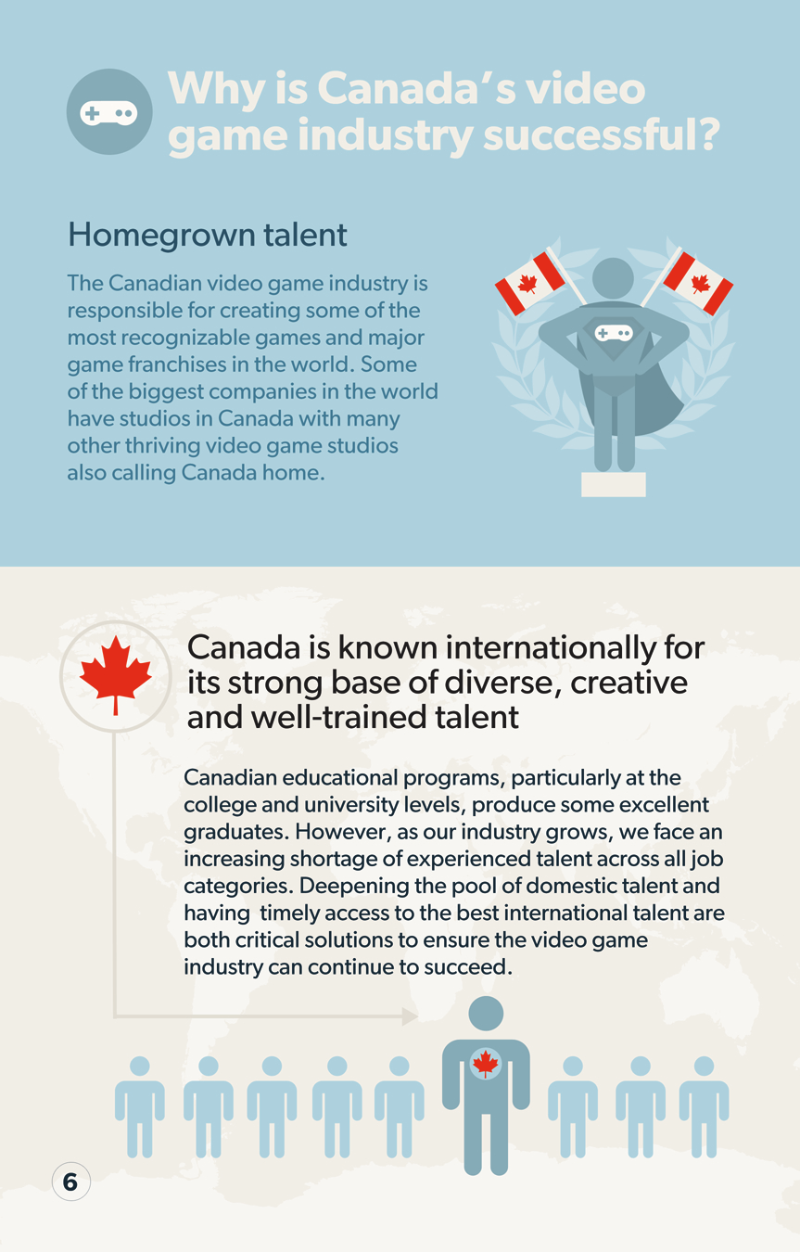
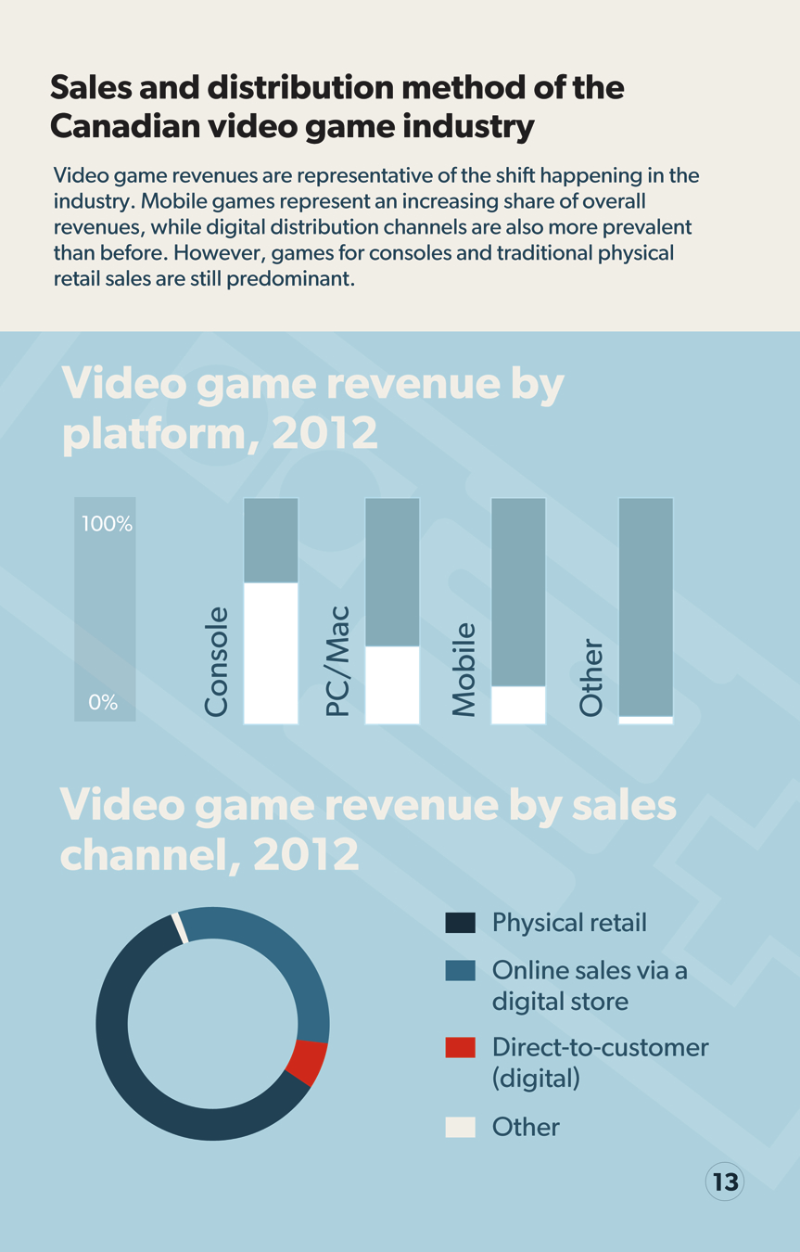
The 2013 industry analysis of the Canadian video game sector highlights a robust, globally significant market that serves as the third-largest video game development hub in the world.
- The U.S. computer and video game industry generated $21.53 billion in total revenue during 2013.
- Consumer spending on game content reached $15.39 billion, representing the largest portion of total industry revenue.
- Digital format sales experienced an 11 percent year-over-year growth rate in 2013.



Faits Essentiels 2013 : Canada
The Canadian video game industry experienced significant growth and economic impact as of 2013, positioning Canada as the third-largest developer globally and the first on a per-capita basis.
- Canada is the world's third-largest video game developer and leads globally on a per-capita basis, with the industry contributing $2.3 billion annually to the national economy.
- The sector employs over 16,500 full-time workers across 329 studios, with 68% of that workforce concentrated in the 12% of firms classified as large studios.
- Quebec is the industry hub with 8,750 employees, followed by British Columbia with 5,150, while Ontario’s market is defined by a high density of micro-studios focused on mobile and casual gaming.


Essential Facts 2012: Canada
Essential Facts 2012: Canada provides a comprehensive statistical overview of the Canadian video game industry and consumer landscape.
- The Canadian video game industry contributed $1.7 billion to the economy in 2011 and supports approximately 16,000 direct jobs across 348 companies.
- Gaming is a mainstream activity in Canada with an average player age of 31, and 90% of children and teens identifying as gamers.
- While 68% of industry labor remains focused on console development, mobile gaming has surged, with 25% of Canadians now citing mobile as their primary gaming platform.



Faits Essentiels 2012: Profil de l'industrie canadienne du jeu vidéo
The 2012 Essential Facts report provides a comprehensive profile of the Canadian video game industry, highlighting its significant economic impact and the evolving habits of its diverse player base.
- The Canadian video game industry contributes $1.7 billion to the economy and supports 16,000 direct jobs across 348 companies, ranking Canada third globally in industry employment.
- Industry growth is accelerating, with an 11% increase between 2009 and 2010 and a projected 17% growth rate for the 2011-2012 period.
- The sector provides high-value employment with an average annual salary of $62,000, which is more than double the Canadian national average.



Essential Facts: About the Canadian Computer and Video Game Industry
The 2011 overview of Canada’s entertainment software sector presents a comprehensive portrait of an industry that employs roughly 16,000 people across nearly 350 firms and generates an estimated $1.7 billion in direct economic impact.
- The Canadian video game industry employs approximately 16,000 people across 350 firms, generating $1.7 billion in direct economic impact as of 2011.
- The sector experienced 11% growth over the previous two years and is projected to expand by an additional 17% in the next two-year horizon.
- Quebec serves as the primary industry hub with 8,236 employees and $733 million in spending, while Ontario shows the highest growth potential with a projected 21% expansion.



Faits Essentiels 2011 sur le Secteur Canadien des Jeux Vidéo et Informatiques
The study evaluates the Canadian entertainment-software industry in 2011, outlining its structure, economic contribution, and consumer profile to illustrate why the sector ranks third worldwide in revenue and first in jobs per capita.
- Canada’s video game industry generated C$1.7 billion in direct economic impact in 2011, ranking third globally in revenue and first in jobs per capita.
- The sector employed approximately 16,000 workers across 350 firms, with an 11% growth rate over the previous two years and a projected 17% increase for the following two.
- Quebec serves as the industry hub with 8,236 employees and C$733 million in spending, while Ontario exhibits the fastest growth trajectory at 20–21%.

Sizing & Profiling eSports' Popularity: The West
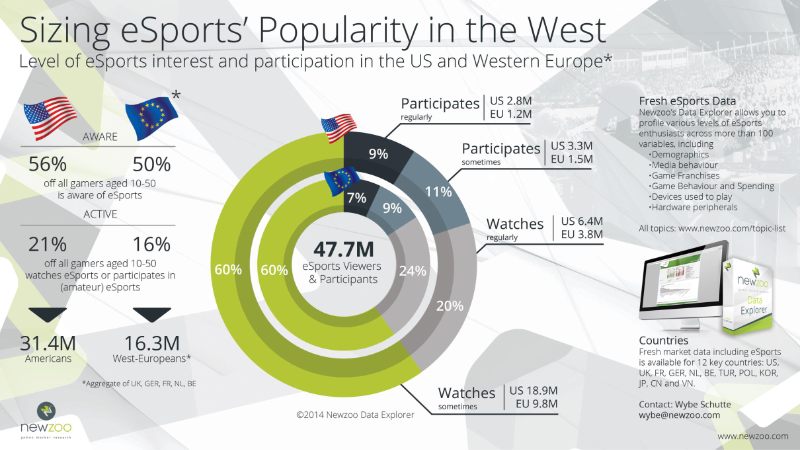
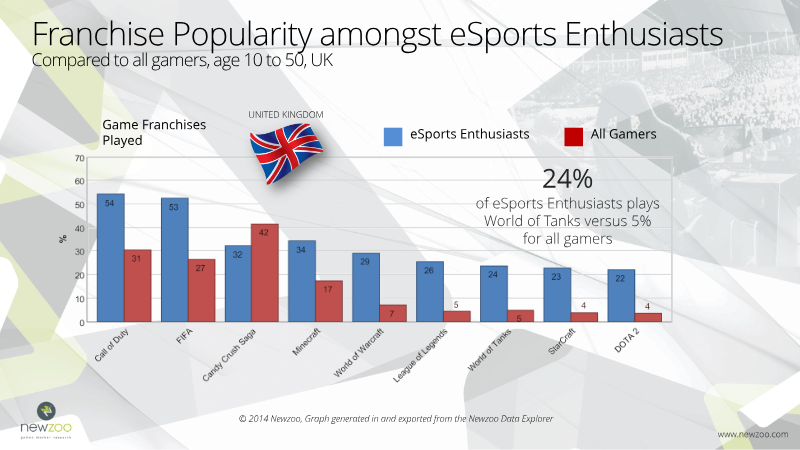
The rapid expansion of eSports in Western markets represents a significant shift in the gaming industry, driven by the rise of free-to-play titles such as League of Legends, Dota 2, and World of Tanks.
- eSports viewership is doubling year-over-year, with the average viewer watching over 10 times per month for an average session length of 2.2 hours.
- Total eSports prize money increased by 350% over the four-year period ending in 2013, with top events like The International 2013 awarding $2,874,381.
- eSports enthusiasts are significantly more valuable to publishers than the average gamer, with 22% of enthusiasts identified as 'big spenders' compared to only 8% of the general gaming population.
The Role of Mobile in Esports: The State and Future of Mobile Esports in Asia and the West
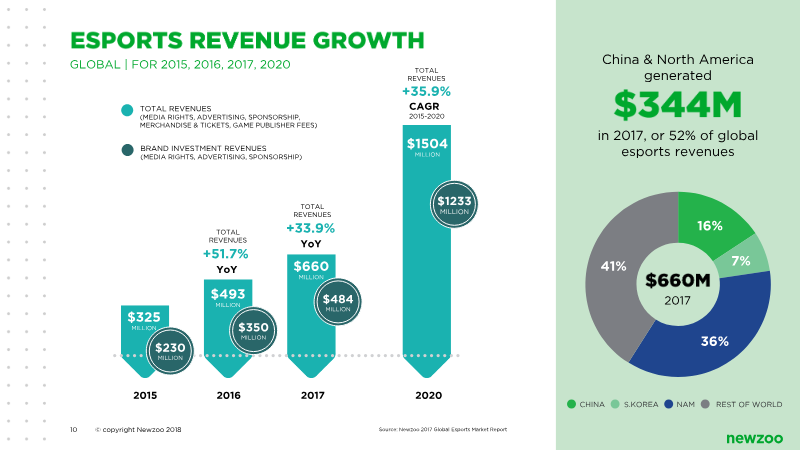
Mobile esports is undergoing a period of rapid global expansion, establishing itself as a distinct and influential pillar within the broader gaming ecosystem.
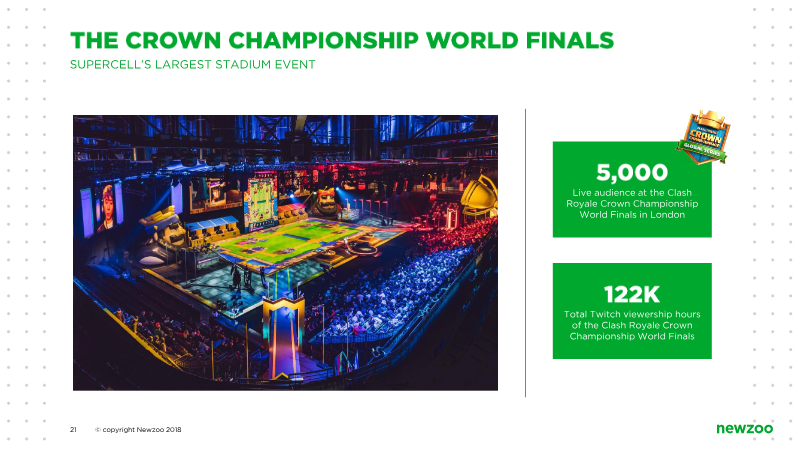
- Asia has successfully mirrored professional PC esports through large-scale stadium events and structured leagues, while the Western market continues to treat mobile competition primarily as a grassroots and amateur-focused endeavor.
- India is projected to become the world’s fourth-largest mobile gaming market by 2020, representing a significant geographic shift in the competitive mobile landscape.
- China currently serves as the primary engine for global mobile esports growth, though the industry is increasingly expanding into emerging markets.

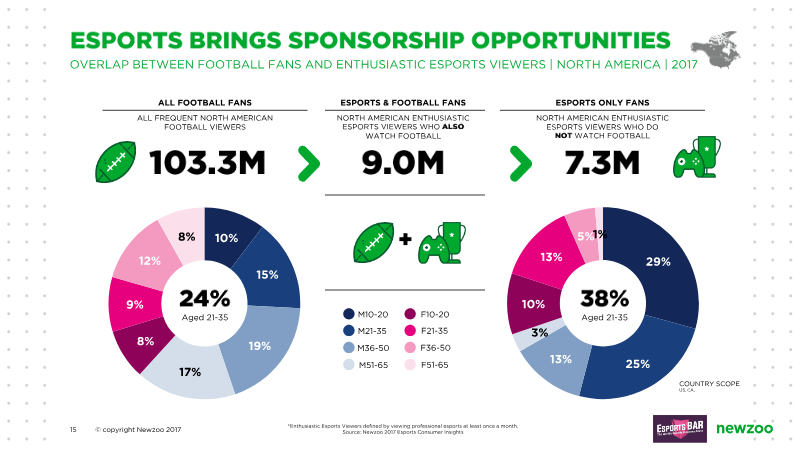

Esports in the Americas: Sports, Spanish, and Spending
The Americas represent a critical hub for the global esports industry, accounting for 25% of the worldwide audience and 40% of total industry revenues.
- The Americas represent a major global esports hub, accounting for 25% of the worldwide audience and 40% of total industry revenues.
- Nearly 50% of the regional esports audience speaks Spanish or Portuguese, necessitating localized strategies rather than a unified approach for North and Latin American markets.
- Traditional sports organizations are increasingly acquiring esports teams to diversify fan engagement and reach younger demographics across both continents.
Spotting the Mobile Spenders: An Analysis of Paying Smartphone and Tablet Gamers
The mobile gaming industry is experiencing significant expansion, with global revenues projected to reach $25 billion in 2014.
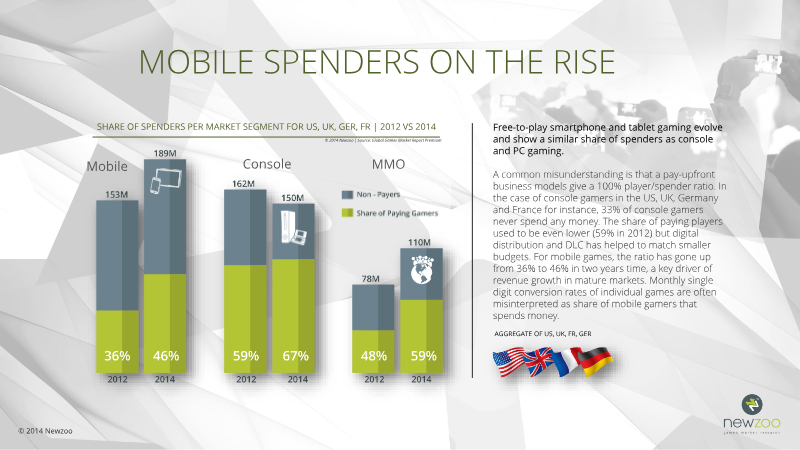
- Mobile gaming is projected to reach $25 billion in global revenue by 2014, with mobile expected to account for 50% of total game revenues by 2017.
- The share of paying mobile users in Western Europe and the United States grew from 36% to 46% over the last two years, debunking claims of market saturation.
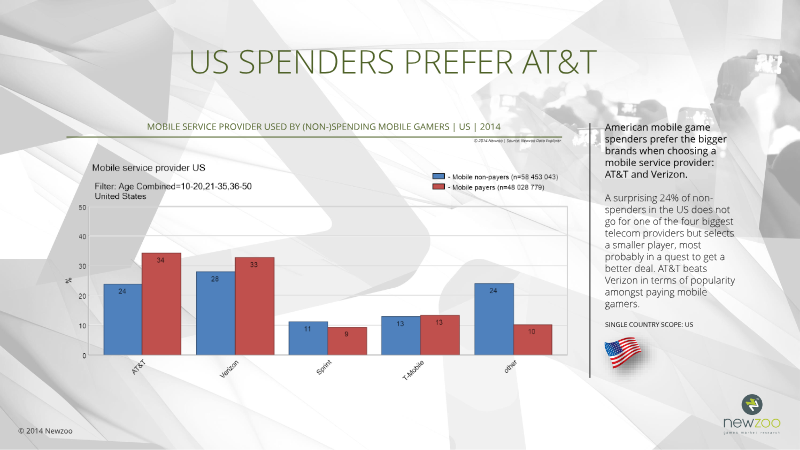
- The Amazon Appstore is an undervalued channel, as its users demonstrate a higher propensity to spend money compared to those on Google Play or Apple platforms.