Monetization reports and market data
Documents
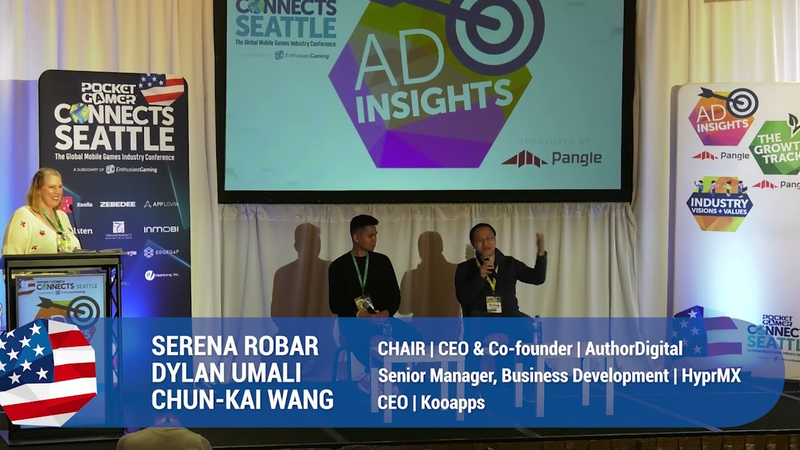
Panel: How To Design Your Game With Multiple Ad Formats in Mind
Effective game monetization hinges on a balanced integration of rewarded video, interstitials, and banner ads, with the optimal mix dictated by a game’s core loop and session length.
- For hyper-casual games, interstitial ads typically account for approximately 50% of total revenue, while rewarded video (RV) is preferred by developers who prioritize user experience due to higher opt-in rates.
- Developers can achieve 70% to 80% of their potential ad monetization efficiency with a minimal time investment of one to two hours for initial waterfall setup, while dedicated optimization teams can drive an additional 20% revenue growth.
- Maintaining a balanced in-game economy is critical; developers should treat advertising as a revenue supplement rather than a replacement for in-app purchases (IAP) to ensure long-term sustainability.
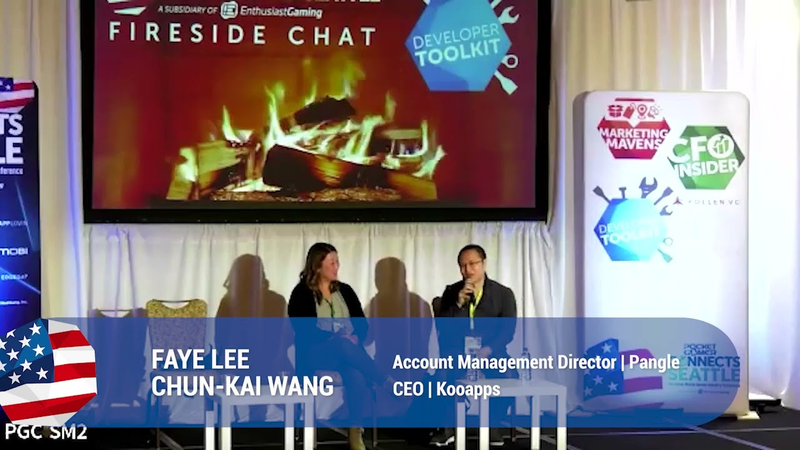
Fireside Chat: Creating Games & Monetizing in Asia as an American Publisher
This discussion explores the strategic considerations for American game publishers entering the Asia-Pacific (APAC) market, focusing on cultural nuances, monetization, and user acquisition.
- Asian markets exhibit distinct stylistic preferences, with a strong cultural affinity for anime-style art, whereas Western markets historically favor a 'Toy Story' or Disney-esque aesthetic.
- Localization for Asian markets requires more than translation; for example, word games in Japan face significant challenges because the language structure relies on complex character recognition rather than word-for-word reading.
- Working with local influencers, particularly via TikTok, is a primary strategy for navigating cultural nuances and gaining market traction in Asia.
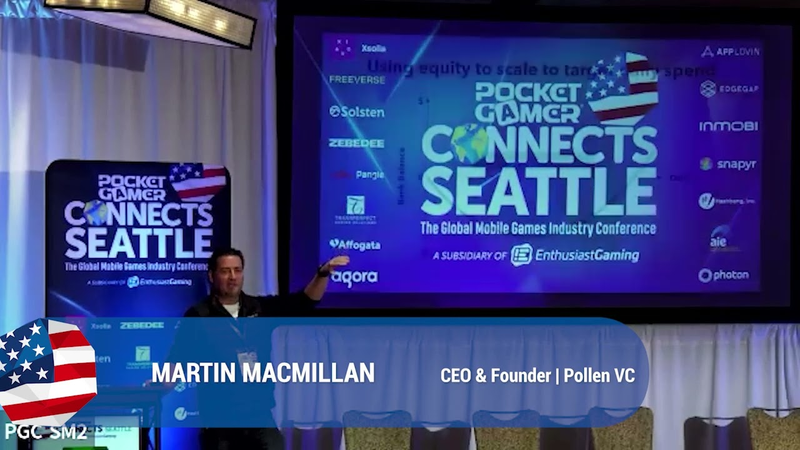
Keynote: Financing LTV Cycles
The financing of mobile game user acquisition (UA) requires a sophisticated understanding of the lifetime value (LTV) cycle, moving beyond simple equity-based funding toward a strategic, multi-layered capital approach.
- Developers should adopt a 'capital stack' hierarchy, prioritizing non-dilutive funding like ad network credit lines and existing cash flow before considering revenue-based loans or equity.
- Financing strategies must be aligned with specific game genres, as breakeven timelines vary significantly from rapid returns in hyper-casual titles to 90-day or longer delays in mid-core and social casino games.
- Self-published studios are significantly more likely to be acquired than those relying on third-party publishers, making mastery of internal UA and financial modeling a strategic priority.
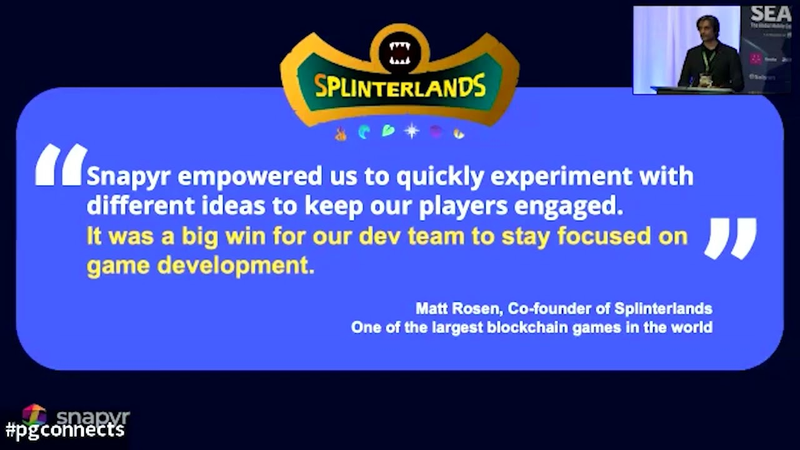
Retention Is the New Acquisition – Retention Best Practices From the World’s Biggest Mobile Games
The mobile gaming industry faces a significant challenge regarding player retention, as approximately 90% of acquired players churn within 30 days.
- The mobile gaming industry loses approximately 90% of acquired players within the first 30 days, resulting in billions of dollars of wasted acquisition spend annually.
- Games24x7 achieved a 50% increase in player lifetime value (LTV) by implementing an automated, data-centric retention framework.
- Transitioning from manual, engineering-dependent campaign management to low-code, drag-and-drop platforms allows marketing teams to scale from dozens to thousands of concurrent player interventions.
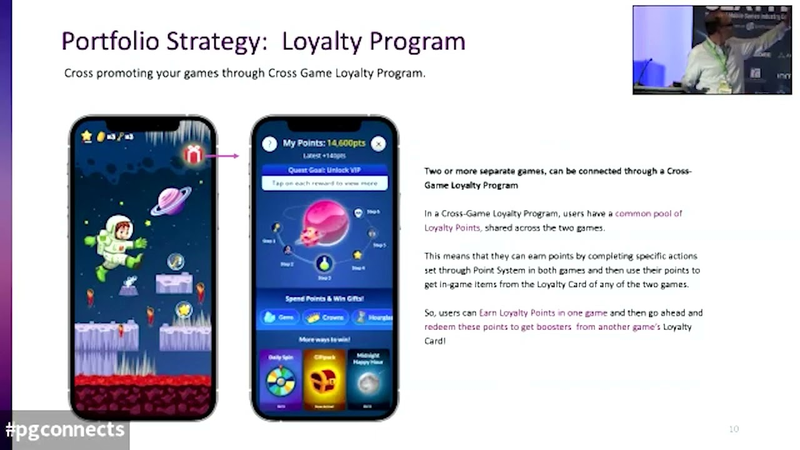
Keynote: Next Best Action: Best Practices for a Winning Portfolio Strategy
The mobile gaming industry faces significant challenges in player acquisition due to the deprecation of the Identifier for Advertisers (IDFA) and evolving data privacy regulations.
- Due to the deprecation of Apple's IDFA and rising acquisition costs, mobile game studios must shift focus from external user acquisition to maximizing player retention and lifetime value (LTV) within their existing game portfolios.
- Studios can implement 'feeder app' strategies by using low-monetization, high-organic-install games (such as hyper-casual titles) to funnel players into higher-LTV, IAP-oriented games within the same portfolio.
- Promotional pricing should be based on behavioral signals—such as device information, geolocation, and engagement metrics—rather than dynamic surge pricing, to offer the right price at the right time to specific player segments.
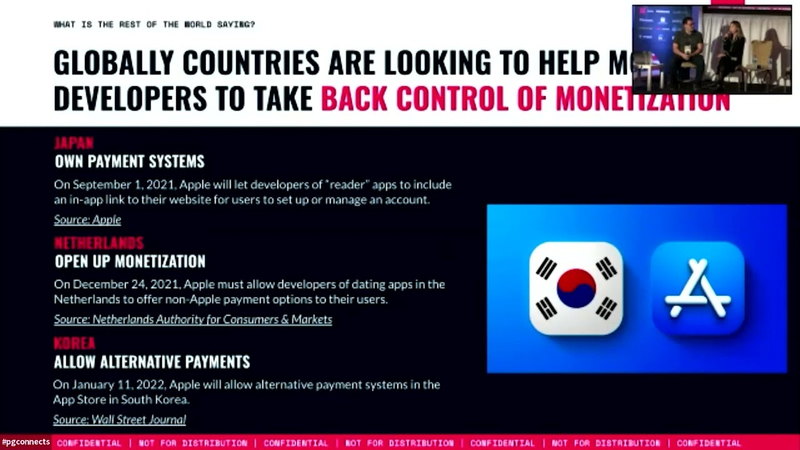
Keynote: Mobile Games Monetization Beyond App Stores in 2022
The mobile gaming industry is currently undergoing a significant shift in monetization strategy, moving away from exclusive reliance on the walled gardens of the Apple App Store and Google Play Store.
- Mobile developers are increasingly bypassing Apple and Google’s 30% platform commissions by establishing direct-to-consumer web shops, which can increase per-purchase revenue by approximately 20%.
- The transition to independent web stores allows publishers to implement regional pricing and integrate local, cash-based payment systems essential for reaching unbanked players in markets like Brazil and Mexico.
- Developers are adopting a hybrid monetization model that maintains an app store presence while directing users to external web platforms for currency, virtual items, and subscriptions.

Blockchain must move beyond buzzwords & towards sustainable player asset value
Freeverse, a technology firm specializing in evolutionary non-fungible tokens (NFTs), recently secured 10.5 million dollars in a Series A funding round led by Earlybird Venture Capital and Target Global.
- Freeverse secured $10.5 million in Series A funding, led by Earlybird Venture Capital and Target Global, to advance evolutionary NFT technology in mobile gaming.
- The company is moving away from speculative play-to-earn models toward 'evolutionary NFTs' that change properties based on gameplay activity.
- To maintain game balance, all asset changes require a stamp of authority from the game developer, ensuring evolution follows established in-game rules.
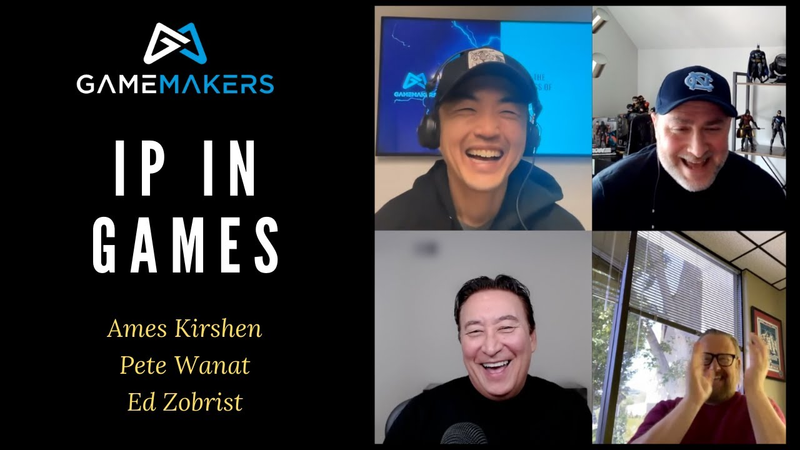
Entertainment IP in Games - The Complete Guide by 3 World-class Experts
The integration of entertainment intellectual property into video games has evolved from a marketing-driven necessity into a sophisticated strategic pillar of modern interactive entertainment.
- Product excellence is now the primary driver of commercial success for licensed titles, which must compete directly with original, high-budget intellectual properties in quality and engagement.
- Modern licensing strategies have shifted from rigid, film-tied release schedules to long-term brand engagement models where games function as primary entertainment vehicles rather than promotional collateral.
- Financial structures for IP integration have evolved toward negotiated minimum guarantees and royalty rates that prioritize lane protection over broad exclusivity to ensure sustainable, multi-platform partnerships.

The Snowball Changing the Games We Develop - The Metacast by Naavik
The global gaming industry is currently undergoing a structural transformation driven by shifting distribution models, aggressive sovereign investment, and restrictive platform policies.
- The gaming industry is shifting toward subscription-based ecosystems, exemplified by Riot Games' integration into Xbox Game Pass, to maximize player lifetime value through cosmetic-heavy economies.
- Apple’s privacy-focused restrictions on ad-tech fingerprinting are forcing developers to pivot away from traditional user acquisition toward internal data optimization and in-game personalization.
- Saudi Arabia’s Public Investment Fund, via the Savvy Gaming Group, is aggressively acquiring stakes in major publishers like Nintendo, EA, and Embracer Group as part of a national economic diversification strategy.
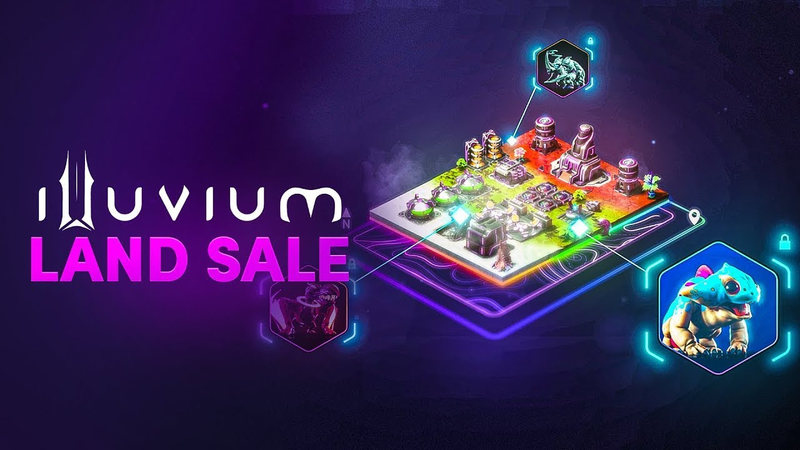
Tokenomics #11 - Inside Illuvium’s $72m Land Sale with Economy Designer Khalid Alroumi
Illuvium’s recent $72 million land NFT sale serves as a strategic blueprint for balancing speculative investment with long-term gameplay sustainability in the Web3 sector.
- Illuvium generated $72 million in revenue through a strategic land NFT sale designed to fund long-term development and establish a multi-game ecosystem.
- The economic model focuses on decoupling token production from consumption to protect the ecosystem against inflationary pressures and ensure long-term sustainability.
- The project utilizes a multi-genre approach, combining an auto-battler, an RPG, and a city-builder to cater to both high-frequency competitive gamers and yield-oriented investors.
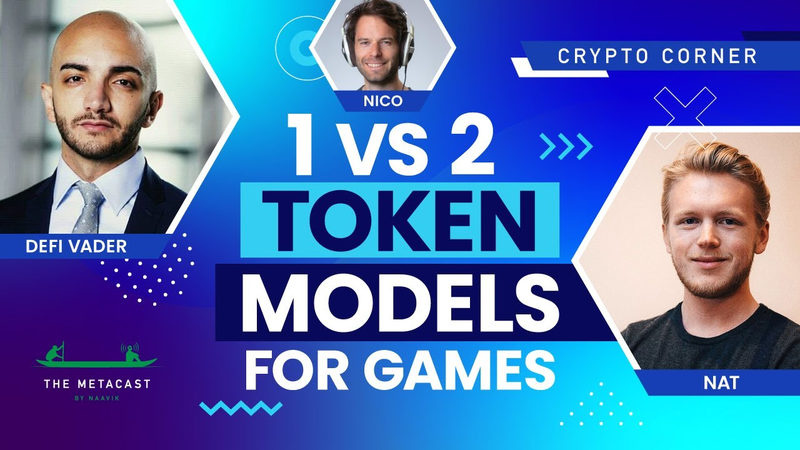
1 vs 2 Token Economies for Games - The Metacast by Naavik
The current landscape of blockchain gaming is undergoing a critical transition, moving away from speculative play-to-earn models that rely on unsustainable economic structures.
- Long-term economic viability in blockchain gaming depends on rigorous central-banking-style management of asset emissions, sinks, and utility rather than the specific number of tokens used.
- To ensure structural stability and prevent hyperinflation, game economies must be designed so that the net return on investment for the average player remains negative.
- Developers should move away from rigid dual-token systems by using internal automated market makers to peg in-game resources to a single governance token, decoupling utility from external market volatility.

The Secret To Getting Your Game To Blow Up
The primary objective of this discussion is to identify effective, low-cost strategies for indie game developers to generate traction and sales without relying on traditional, high-budget marketing plans.
- Targeted, personalized outreach to content creators can drive significant revenue growth for indie games, as demonstrated by a case study where monthly earnings increased from $150 to $12,000 following streamer coverage.
- Authentic, handwritten messages that demonstrate genuine familiarity with a creator's content are significantly more effective than mass-marketed, template-based emails.
- Positioning outreach as a request for developer feedback rather than a direct demand for promotion builds rapport and increases the probability of securing organic coverage.