1 free read left. Create a free account for unlimited reading + AI research.
Create free account
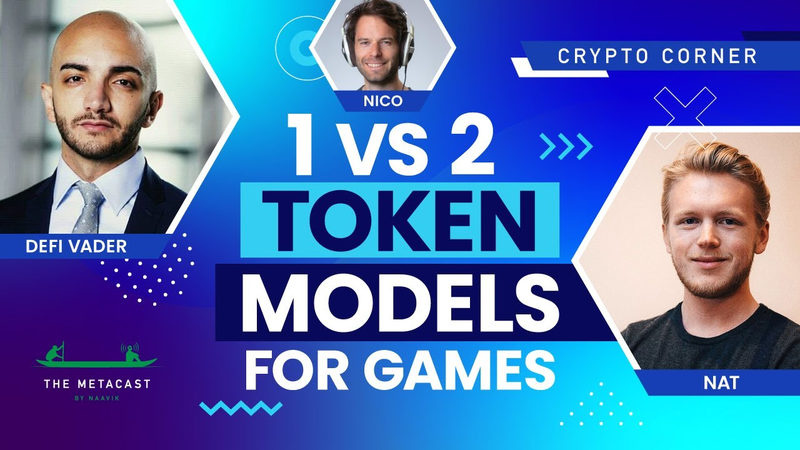
1 vs 2 Token Economies for Games - The Metacast by Naavik
Key insights
6 takeaways- 01Long-term economic viability in blockchain gaming depends on rigorous central-banking-style management of asset emissions, sinks, and utility rather than the specific number of tokens used.
- 02Developers should move away from rigid dual-token systems by using internal automated market makers to peg in-game resources to a single governance token, decoupling utility from external market volatility.
- 03Industrialized gold farming and botting pose significant threats to economic integrity, necessitating the implementation of robust proof-of-humanity mechanisms to protect the value of player time.
- 04To ensure structural stability and prevent hyperinflation, game economies must be designed so that the net return on investment for the average player remains negative.
- 05Blockchain technology should be utilized as a backend infrastructure rail rather than as a primary financial incentive to foster more cohesive and player-friendly gaming ecosystems.
- 06The industry is shifting its focus from speculative play-to-earn models toward prioritizing high-quality gameplay, social interaction, and entertainment to drive sustainable user onboarding.
Ask AI about this video
Transcript
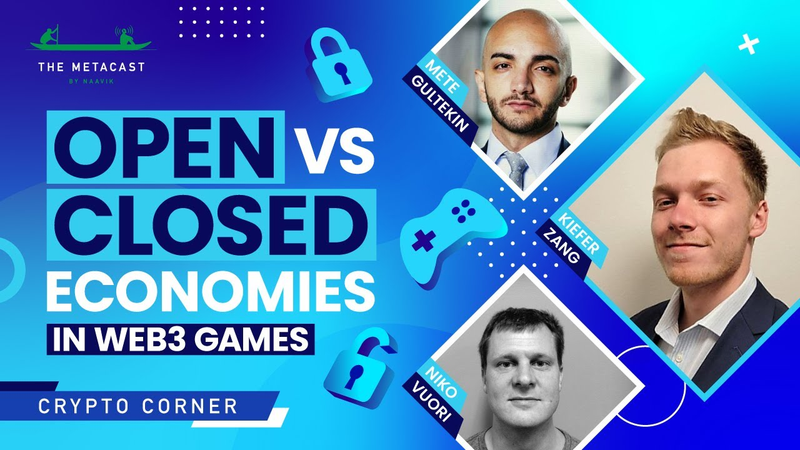
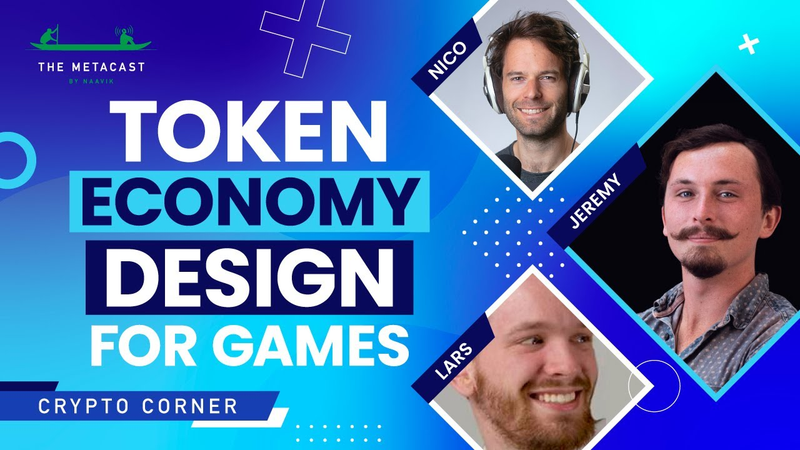
[Music] gm friends and welcome to the metacast crypto corner brought to you by navic i'm your host today nico or nicola virg is my full name and today i'm joined by nat eliasson and metagoltekin also known as d5 vader on the internet who are both individuals that i have a lot of respect for they do research on token designs for games the advice projects and both put out some fantastic content so last week i had jeremy and lars on on this podcast and we had a kind of introductory conversation about tokens in games whether they make sense or not some some um things to consider when talking about tokens um and today our goal is to dig a bit deeper so um we want to talk about the pros and cons of a single versus a double token model nuts you recently wrote a very interesting piece about specifically
that issue and um i thought it'd be great to for you to have your you know high-level thoughts and then we can uh we can have a chat about it sure so uh post was kind of informed by some of the work i've done with crypto gaming teams some of what i've seen in d5 and other crypto projects for what's working and what's not with crypto tokens and then trying to figure out how the crypto gaming industry moves forward and resolves these trends of fairly broken token systems i think most people right now are iterating off of a a fairly ponzi nomic type model that was pioneered by axey uh and you know also kind of comes from defy and a bit of like the nft speculation space and gaming is kind of hurt by what's come before it in crypto because
most of or a lot of defy uh paradigms support this like okay come in dumb legit capital farm the tokens sell them to try to get more tokens okay but you got to like get out at the right time otherwise you're the one holding the bag and you don't want to be holding the bag so you got to like try to dump on everybody who's coming in after you right it's it's this sort of like meta game of crypto and d5 right and the people who are losing are the people who don't realize they're playing this weird version of like token poker with everybody else and it it's great in a bull market and when things are going up but if you don't get out then you know you're probably going to lose a lot of the capital that you put into it and so you look at all of these d5 protocols that had these exciting periods uh in early 2021 with d5 2.0 in later 2021 and it's this fairly common story of okay you've got these farms and you deposit your
liquidity tokens and then you like get more of their tokens and you compound it and you see how high you can get your stack but you need to sell it otherwise like other people are going to sell and you're going to lose all of their like almost all of d5 stuff is down 90 plus against ethan it's pretty much because of these these models getting played out so most crypto games took those models and copy and pasted them and added extra steps where now you have to kind of like go do some work clicking on buttons like playing a game uh to get the tokens and then instead of just buying more lp you have to like breed your nfts to get more nfts and then you can earn more tokens and then you can kind of like keep this cycle going it's the exact same system just with extra steps and uh art attached to it and it's it's tough because it's extremely effective as a go-to-market strategy and it's extremely effective for uh enriching the early investors
but it necessarily harms the integrity of the game because you have this problem where if the game is fun it's actually a bad thing because then you'll stay in the game too long when you should have gotten out earlier to preserve your investment uh but it it's almost like necessary to get attention in the industry right now because if you don't have these kind of ponzinomic breeding models incorporated into your game crypto gamers won't take it super seriously or they won't want to play it because they'd rather go play whichever one launched with a a breeding ponzi and so we're in this like weird spot and the reason i wrote the article is it feels like we're actually helped by the bear market in some sense because a lot of the money has left crypto a lot of the like speculation is out if you were in a bunch of discords three or four months ago the activity is probably down 90 everyone's just kind of like sad and touching grass and taking a break from everything and so it's like
this good opportunity for games to say like okay what if we like rethink this and try to uh you know heaven forbid build a really fun game that happens to have a token element attached to it and then how do we find the balance between those because in the article one thing i mentioned is you could basically take any popular mmo with an in-game economy and just add a liquid market for that token with usdc and that would probably be a really good crypto game right like just take runescape and add a bridge for you know call it our gold or whatever to be uh you know an unlimited supply token with a very deep liquidity pool between that and uscc and you're done that's all you need to do right but then you have to build runescape which is way harder than building a breeding ponzi right so the the idea in the article was okay like that that seems like an obvious way to do it but is there anything in
between that where you still retain some of these benefits of fixed supply crypto assets uh specifically around raising money and raising capital because uh building a game is very hard it's very expensive it's very slow it does not jive at all with crypto brain and crypto timelines or people want you know when moon in two to three months right you look at almost any great game and it's a two three plus year development cycle and so you do need to probably raise capital to build it unless you already have a very deep stack of cash so that's where some of these like fixed supply tokens become useful for you know raising capital generating initial funds but then how do you incorporate that into the game in a way that doesn't immediately break everything doesn't immediately turn it ponzidomic and it was just kind of a riff on some of those ideas because nobody's solved this yet right everyone's had various degrees of success and you know it it's easy to dunk on axi because
they had this crazy run-up and then slp tanked and the prices of axes are down 98 or whatever but on but they also like they won right they have billions of dollars to go build a really solid game now and they can kind of like go do that for three or four years and have a resurgence and so it like kind of succeeded but is there a way to succeed in raising capital and attracting initial interest and appealing to a crypto crowd without uh like having a bunch of investors dump on your community members right like how how do we find a happy balance here so i i don't totally have the answers obviously but i do have questions and thoughts so that's why we're here today fantastic amazing intro um and you touched upon a lot of points that i want to go a bit deeper into but first vader um your your initial thoughts uh about this this intro because i think uh not touched upon a good set of of important things that are
happening today sure let me give you a high level overview of how i think about token economy models so if you were designing and managing a one you know fixed supply token protocol that would probably be a tokenomics design and we would basically try to allocate the tokens into various principles over time to maximize long-term value right i indicate in the case of games or more sophisticated protocols we're basically designing and managing a complex economy and for this economy the way i think about it is that there are two types of assets there are tradable assets these assets are assets that can be tradable permissionless on secondary markets against a fiat currency so these are like tokens fees i consider these as tradable assets and some of these assets have finance supply some have infinite supply for example
axi has three sets of assets access finite supply slp infinite supply and axis a set of nfts with infinite supply and there are non-tradeable assets so these are assets that can't be traded on secondary markets um examples could be you know soulbound tokens off-chain game assets these are non-tradable assets so i i argue that what makes an open game economy sustainable is not whether a game has a one token or two token or 50 token model um there can be a game economy with you know say 50 token model or one token model and it can have the exact same hyperinflation problems that axi heating arena steppen and all these you know play to earn games have and there can be an axi copycat game economy with dual token model and breathable nfps just like an axi but it
can have a perfectly sustainable economy with no hyperinflation problems so i think like the key here is how you actively manage the economy now how do you manage the emissions and sinks of the infinite supply assets on when do you increase decreased emission rates who do you allocate them to whether they're vested or not how often do you change these emission rates when do you introduce inflationary things uh when and how do you use your finance supply asset incentives to complement the infinite supply asset emissions etc so so like in short um this is very similar to the role of what a central bank or monetary authority does when they influence the money supply and consumption and investment behavior with you know various policy tools such as interest rates and and printed money an example is like in the case of fax infinity the game developer directly controls the emission rate of slp through the daily
you know slp earnings limit per player and indirectly controls the emission rate of axia nfps through breeding costs because they determine the breeding cost price and and whatever tokens are required for it so like if you offer a you know 1000 api um and and like a 10x return in one year to any user or to your you know nft or token buyer just like most of the pawns that you play to earns or move to earn apps and if you don't gradually reduce those earnings at the right time then inevitably you know the economy is going to collapse because either one or multiple of your infinite supply assets are going to be hyperinflationary just like in the case of slp gst you know luna or at one point you're going to run out of the finite supply assets and the users will immediately
churn because they were there for those you know 10x returns in the first place um so those are my high level thoughts on you know how how to build a sustainable open game economy and happy to get deeper into some of the some of the more detailed questions fascinating so you're telling me that i'm just curious you just said to me that the sustainability of a game economy is like the the amount of tokens is irrelevant or doesn't influence it what does that mean for a team that comes to you and asks you should we go for one token model two token model how how are you thinking about that i mean it completely depends on on like the utility like i think every every token has four main utility number one a token as a stock or a share this is like where the value of that game or company's future earnings accrue to just like similar to web to you know shares or stocks but we can't call them
like that because then they would get into regulatory problems uh so the earnings go to the treasury of this token and the token holders collectively can vote on how these earnings will be used will be distributed right um so this is more like obviously more like a security or more like a um the the people are betting in the future success future earnings of that underlying protocol uh number two i i see token as a scarce powerful asset this is like the game asset that everyone wants to own as it has some you know strong social signaling features um can either be and then this doesn't have to be token i can't be an ft as well and if these as well you know this can either be like a finite supply asset or can be like a carefully managed infinite supply asset just like um irma birkenbacks
um the third one is token as a utility asset this is like you know you need this token you need this resource or item to build something to craft something to breed etc and the fourth one is token as a payment currency i mean so when you think about it why did humanity move from border trade to using a currency like a gold or money okay one obvious reason is because it's not movable not transferable not you know holdable and storable but also another reason is liquidity and price discovery so like if you have you know 50 corn and i have two cows and that has i don't know a one liter water and um we want to trade like we're all gonna get bad pricing because there isn't enough liquidity the the price discovery is not good enough or the person who had who is best at math is probably gonna have some you know opportunity to arbitrage and that
is money left on the table for the buyer and seller um so like we need this one currency to provide liquidity one globally accepted currency within an economy and um you know games use this as like this inflationary currency as slp but i think this currency this token can also easily be replaced by a usdc an eth or a you know sole avax coin because you know with the example of slp it has two functions number one it's being used as payments and number two it's used by the game developer to control the monetary authority to control kind of the the money supply the the resource supply but if you already have control over nfts um then do you really need a separate currency for payments
or would you be okay using something like usdc so so the the the straightforward answer is like there's no you know easy answer to say yes or no it depends on the in-game resources and nfts as well nuts i want to hear your thoughts and you're muted by the way the the one thing that i'll add to uh kind of like support vader's point there is it it doesn't ultimately matter that much if it's a fixed supply unlimited supply you know if there's breeding whatever um in terms of inflation and value like maintenance and investability because if there's more money flowing into the system then value can be retained if there's more money flowing out of the system value will be lost the value is lost through you know like the token count could be going up or people could just be selling their fixed number of
the tokens to move into other things right i i think sometimes we get trapped by thinking that good tokenomics or good uh crypto design will necessitate value transfer into the system and that's never really the case right at the end of the day if people are bringing money into the game then the value of the things that you're holding can increase if people are taking money out of the game the value of the things you're holding is going to go down uh one thing that i highlighted in the article and i mentioned other times is a lot of a lot of time when we see apr we think that that means our the value of what we have is going up but it actually means the value is being redistributed so this was the kind of like core misconception misconception with olympus is people saw this you know thousands percent apr and so they thought they were earning more money and it's it was no your money is just being converted into more currency
right like they're very different things and it's kind of the same with these breeding mechanics in games or uh if there's any kind of like staking in games aside from a few you know specific types that we can talk about later but like breeding does not increase the value in the game it redistributes it and as long as everybody is just holding their assets then you can have this kind of like ponzinomic flywheel effect but regardless of how it's structured if money leaves the system it's leaving the system um the way i i think about this and this is is me thinking both as a player and as an investor i think one of the strengths of what three and games is the fact that you can give players especially the early players which are you know critical to your success you can give them you know a stake a part of of the the ecosystem and you know as it grows they can you know see that stake where the value of that stake grow and it also incentivizes them to try and get
their friends to play the game as well and so you know this is as a player i think as an investor as well when a company or project comes to me and and and you know talks about the token that they're selling you know as an initial fundraise and they don't have a fixed supply cap i get i get you know nervous so there seems to be a in any type of game there seems to be a need for a token that holds its value over time um that's after reading your piece like and you know from a naive point of view it seems you know you need one asset um ideally a fungible asset that holds the value over time that represents sort of the value that gets created into the game then captures it and on the other hand you need something more flexible that allows the one that's designing the game once optimized for fun and engagement you know to give some flexibility in supply
demand you know when more people come come in you don't want the barrier to entry to start playing to increase by by a lot as well which you might have which you might get if you only have one token um that's supposed to to capture the value and so my naive thinking was you know a just dual token model makes sense you have one token that represents you know value inside the system and then you have another token that gives more flexibility and that could you know the value could go down as more people join the system so you know it all balances out um so you know i believe not this was similar to your thinking um initially and now you're you're stepping back from that can you talk a bit more about your thoughts there yeah and vader touched on this a bit too where there's we use these terms token in to mean multiple things where it can mean crypto asset and it can mean in-game currency and one thing that i've kind of changed my
mind on is most game assets and perhaps all of them don't actually need to have corresponding crypto assets so if we take the example of slp there's very little additional utility that comes from having slp be its own crypto asset separate from the axs token i like i i understand that okay yeah there's some secondary trading that's going on and there were for period merchants in the philippines who are accepting it as currency which is super cool but they it could have also been something where slp is the in-game currency and you need to convert it to axs in order to extract it from the game and then axis is the only on-chain crypto asset and the reason sorry that's just sorry to interrupt you what would then decide the relative value of xs an slp what in that case like someone has to
decide it or is it market forces no market forces so i mean the nice so i think that one cool thing with crypto is the the idea of an automated market maker and the x times y equals k math is extremely useful outside of a crypto uh setting as well because video game designers could use the exact same mechanics to create uh you know totally liquid immediately settling materials markets in their game so you could have an amm in your game for trading the in-game currency and the value token and then the value token is the only one that gets bridged out so this kind of solves a bit of your point nico where you don't want you you're going to assume that everything in axi is priced in slp because uh people are going to generate more of it over time it's going to you know get more inflated as people play the game and as more as there's more access to it and if the game gets more popular you don't want everything to get more expensive because you don't want new
players to have to spend more and more and more to play the game they should have like this kind of fixed slp price for playing the game so that the internal economy of the game is cohesive and sustainable and is not affected by the outside market forces what's variable would be the trade rate between slp and axs where if the game is growing then you're able to buy more slp with your axs because its value is going up over time and more people are playing the game so you have to work harder to earn another axs token but if you were early to the game and you accumulated all this slp you could have traded that to axs and pulled it out of the game and that's what's you know holding on to value for you so there's it's a little bit of uh uh semantics not the right word but it doesn't make a huge difference going you know to having just one of the tokens on chain versus two but i do think it simplifies things a little bit if there is this core asset that sets the base
exchange rate with all of the other in-game materials because there's gonna be tons of other stuff right you're gonna have all of your crafting materials and you might have like potions and like every fungible asset in the game would have a trading rate with axs and then separate from that you might have the actual like item marketplace and that could that could be an axs that could be in ether usdc i think there's a lot of benefits to doing it in either usdc but this kind of just simplifies the whole game economy a little bit while retaining the benefits like you said of having that fixed supply token investors can hold on to over time so if i understand you correctly um and let's let's use axi as a as a case um to work on to to try to improve what you would suggest is that they would make slp a non-blockchain asset a a asset that just lives within the axiomfinity game but they provide a automated market maker system where anyone can you know at any time sell slp
for exs if they want to you know own a part of the game um yeah yes i i won't say that i recommend it i'll say i want a game to try this because this is the hard thing right we don't totally know what's going to work better and what's going to work worse and we need more experiments to be run to try to get closer to the ideal solution right the fun thing about crypto is we're speed running an entirely new version of finance and we don't learn very much by copy and pasting the exact same method over and over again so we know that the hyperinflationary breeding uh two token whatever like we know these models have issues and the only way we will get closer to a more ideal model is if we try more things out and to me this seems like an interesting next thing to try
but i obviously can't guarantee that it will go better so you're saying you're saying that we should make this exact podcast like a quarterly thing come up with more experiments for games to run exactly exactly nice vader your thoughts here sure um not the question for me so you're saying that slp should be an off chain item but it can be tradable against access right correct um how i mean how does that change anything given that you know whether slp is unchained or not it's still it's still a tradable asset on secondary markets the main difference would be that slp's price is denominated in axs instead of being denominated in usdc or eth so one thing that uh is not super intuitive about
amms and you know uniswap whatever is almost all cryptocurrencies are priced in eth and maybe to a lesser extent usdc so as eth moves all of those token prices automatically move as well even if nobody buys or sells them if heath drops 50 most all coins uh most on-chain erc 20s are also going to drop 50 because they're traded for a certain amount of that token for a certain amount of heath so by separating out slp into its own liquidity pools paired with eth you're separating its price action from price action on axs and so it can move separately by pairing it only with axs and making requiring holding axs uh be the on and off ramp for trading all of the in-game resources you necessitate more value accrual in the ecosystem back to that token uh at least temporarily but hopefully more for over the long term as
well okay so you're saying that by having an ammo pull by forcing people to withdraw slp only through axs that can um at least add some more value to access right rather than people rethrowing from slp to usd in in their binance account correct got it but it should also it should also increase the value of axs within the game economy over time and to your point about not making them purely securities because a lot of these things are basically securities right uh if that's sort of the like on and off ramp for value in the ecosystem then as more people are earning slp to trade for fewer and fewer axs tokens the axs purchasing purchasing power within the game increases over time
okay yeah i mean in my opinion like if if if people want to sell slp if someone has a price for slp and they think it's overvalued or excess as long as you give them the tools and platforms to trade them you know it's going to be priced like in my opinion the biggest problem with building a sustainable economy is actually gold farmers and when like when nat said you know adding usdc in runescape could be pretty cool i immediately thought about uh this this problem of having an industrialized gold farmer um you know organizations across the game and they opportunistically basically abusing the game economy and causing hyperinflation
until it's not viable anymore i think like that's the biggest problem that is open game economy designers and open game economy central banks have to deal with and i think this is this is where like these emissions sinks maybe like antibot products or algorithms are going to be pretty significant because why is that a problem though because it's i mean you're you're describing it as abusing the economy farming you know extracting value but it sounds i mean they're just playing the game and making money from it right the the downside would be that as more people do that the value of gold would significantly decrease over time and you pretty quickly hit the point where for anybody in the us or you know other more developed countries it probably wouldn't make economic sense to go play the game but i i'm not convinced that's a bad thing
right because it would be really i mean otherwise you would have to price fix and try to implement currency controls to force the gameplay to be worth a certain amount but then you've and you've kind of created a ponzi ish dynamic then because if you're trying to force a certain unit of work to pay more than the intrinsic market value of it that can only be sustainable for so long right like you have to have vc money that you're dumping into it or something right like why not just let the market find the value of mining copper ore all day and see where it ends up sure a great question so i mean let's think about the player personas right and vepture games there are traditional gamers um in in webtree there are gold farmers there are crypto divisions i mean in web 2 we have gold firms as well but when we think about their motivations
a traditional gamer um the main motivation is either you know to be as powerful as possible or to be connected with other people just you know very high level motivations and what they want to do is they want to continue through the game loop and whenever they earn a new resource or asset or item they would reinvest that back into the game to you know earn a better item better loot or to you know fight with a better beast now when we think about like these people you know typically these are the gamers who are at the top of maslow's um you know pyramid they what they want to do is to have they want to get gain some emotions now when we think about more the gold farmers and gold farmers are um you know could be like the vap3 guild scholars where they're pretty low in the maslow pyramid they're typically in developing countries
like playing the game to earn for them is like an alternative gig to you know driving a uber or doing something else so whenever they earn an item if that item has some value they're going to want to cash it out immediately because they don't have the financial means to you know afford the game at all um so when you have you know if you have one or ten people like this within your game economy maybe it's not going to be that a big problem but when you have industrialized gold farmers constantly playing and hyper inflating the economy with new resources uh you you have like two problems problem one is like the traditional gamer he probably earned some gold right by killing the beast or by playing the game gameplay loop and now those gold are not worth that much
anymore so with that gold you know maybe maybe two days ago he could have bought some really good item or loot that would enable him to play the next level and to get have more fun and to get even more addicted but now he can't get it and he might feel that something is unfair so this is like one problem that i think it's a bit like um it's a bit like the fun left on the table for those gamers that are taken by the gold farmers that's like number one problem and i think number two problem and i don't have any evidence on this this is just an argument it's not validated i think if you have like say um a game economy where like an mmo where 90 of the the players are gold farmers you know they're they're in filipino they're in vietnam they're just playing to earn they don't care too much about the fun element they just want to play it so they can bring food on the
table the remaining 10 percent you know i don't know how that will affect the entertainment or experience of that remaining 10 percent so there is a possibility and again this is not something that is proven that the ltv or retention of those 10 percent could be reduced by the fact that the game is dominated by the 90 percent gold farmers and there's one more thing i just remembered um like if you have a game that starts with the urn element and gold farmers so for example a game like axi now i think one reason um why traditional gamers hate nfts and don't like the blockchain blockchain games is because like they constantly see content and when i say content can be you know youtube videos articles meme where they see that
everyone's talking about how you can earn from that game how much you can earn what you should do to earn money rather than what the traditional gamers are used to consuming which is around the fun of the game play how to pass that level etc and i think like when you try to bootstrap a game by initially going to gold farmers and guilds and then you try it when you try to attract traditional gamers unless traditional gamers have changed their opinion on nfts and and the urn element in games it's probably going to be a bit difficult to attract those gamers just because of the negative connotation around nfts and plato your thoughts matt yeah i think i mean going back to the first couple of points around gold farmers and making the work of the serious players more valueless
i don't think that's an inherent issue of gold farmers that's just kind of capitalism in action right because they're not making the more serious non-farmers work less valuable they're finding the true value of that work those early players might have benefited from a pre-price discovery period of being able to sell their work for more money but if there are people who are willing to make a dollar an hour playing the game then that is what that time in the game is worth just because your motivations are you know quote unquote more pure to play the game for fun doesn't mean you deserve to make more money if there's not actual value there so i think like i think that argument is actually more against crypto gaming in general because i think once we introduce crypto to gaming we're going to discover that the value of work in games is is very low right
it's probably in that couple dollars an hour range because of the fun aspect and if people think that they can just you know play diablo casually a few hours a week and make a good like middle you know uh middle-class salary then i mean that's just not going to happen right or it's going to happen for a week while the breeding ponzi is in full force and then we're going to discover the like true market value of that work relatively quickly um and i think this is what you know i i do tend to agree with a lot of the pure gamer type dislike towards the financialization of gaming because the usually the point of playing a game is to have fun right it's to take a break from work it's because we spend eight 10 12 hours a day in this hyper financialized world where everything feels very transactional and then we get to take a break and just to have fun and
goof off with our friends and not have to think about the like roi or cost or whatever of these activities that we're doing and microtransactions started to ruin that because they changed it from a single transaction to many transactions where you're constantly thinking okay do i put more money into this game do i not where do i stop and then with crypto in gaming it gets much worse because now every decision is financial and uh you know one thing that makes some of these early games and this uh initial value accrual dynamic a lot less fun is if you have game assets and you're not utilizing them every minute for their highest and best use you're losing money right like if you've played any of these games right like i feel this a little bit with crypto unicorns where the game is is really nicely designed and the farming simulator is fun and the like the economic it's like
a good economic sim but i can't enjoy it as much because i feel like if i don't go play it for a day then i'm just like wasting money and leaving money on the table it's very different from sim city or something where you don't have that that feeling so i kind of won't be surprised if we see games really like split between these two camps where you'll have the more elden ring dota 2 style ones on one side and like actually dota 2 is a good example where you'll you might have like cosmetics really just purely cosmetic stuff that there is a market for and most dota 2 cosmetics are not worth very much they're worth a few dollars uh and then you'll and so you'll have kind of like that version of crypto gaming you might have a world of warcraft runescape style with a liquid gold market and the value of time in that game might only be a couple dollars an hour but it will be you know
you'll be getting some value at least or be able to cash some of it out and then you'll have games that just try to keep it pure and don't involve any of it uh i it it would be really really hard i think to have a game where the value of the work does not rapidly approach a pretty small amount of money uh considering the like fun aspect of farming in it these are fascinating discussions and i feel like we could probably spend some hours on this um some thoughts from my side i've um i've been thinking about you know these specific issues a lot i think i think we can all agree the moments there is any type of you know you spend time in a game and you earn something from it all of that gets absolutely ruined if we don't solve botting that's a problem you know i think one of the key issues to solve within crypto gaming is some kind of proof of humanity where you know you can attach one wallet
to one individual and you know only they can play at that time and there's they're like we need to find a way to enforce that because the moment you can you know allow for body and we we've talked to yeah i've talked to on this podcast to game developers who said that you know budding is what keeps them up at like at night so you know those are my initial thoughts there and i think you know that relates to vader's point around you know just farms of people who make it their job to actually optimize you know a core game loop that re rewards you with a certain asset that you can then you know sell for a real value um i think it's a it's an important discussion and i think you know the ability to add value within virtual worlds is something i think that is desirable for the future you know for games in the future um and i think at that point and i agree with that with your point as well there will be a basic cost or value given to time within games so essentially like you'll have assets and you kind of will know that that asset
required 10 hours of in-game work and then you know that will be priced according to how much like an hour of a human time is is is valued um i know this sounds absolutely dystopian as as as hell but um you know i think that's that's what we're moving towards you know as a capitalistic society um you agree not yeah totally i i think that we i mean i really do feel like crypto gaming got off to such a bad start i mean it it not totally bad because there have been some big successes and there are teams working on you know really great projects and really great games but the expectations i think are all wrong where people see how much money some people made off of uh axey and some of these others i mean this is to vader was like spot on with this where the first question is okay like how much can you earn right and the the traditional gaming community is looking at that and they're saying you
know like this is just so like hyper financialized like it's it's totally ruining the spirit of game play and it there and this could just be me being idealistic but it does feel like if it came at it the other way where we just said okay these gray markets already exist people have been selling world of warcraft gold outside the game for 15 years or whatever right we're just gonna we're gonna try to like formalize that a little bit and then try to control the like botting or pure extraction as much as possible um you know that that might at least be a little more acceptable to the traditional gaming crowd uh because you know it's like i i tried to buy world of warcraft gold once and i got scammed they just took my like 50 and never gave me anything and that's kind of a frustrating experience and if if blizzard just had a bridge for it that i could use that would have been better uh because i do believe on some level that
there is market value to the time people have put into video games and there should be some way to recapture the value of that time and spend right like diablo immortal is getting a ton of right now because it costs 100 000 if you want to get to max gear level and i retweeted this yesterday as a really funny reddit discussion where people are saying like this is so ridiculous you know that you could spend all this money and then there's no way to resell those items to somebody else and the whole nft crowd is looking at that and going like well yeah wouldn't it be nice if you could do that look at this yeah and so i feel like some version of that is inevitable but the current nft gaming crowd is just going to be very disappointed by how little the market actually values time in games and that's going to be i think the tough the tough bridge because
uh this is a general problem for crypto i think overall is people are still hoping that they can get their one ticket to lifetime financial freedom if they just pick the right yes game or project or whatever um going to take some time to get out of that hospitality my um the way i look at it right now if you're starting a crypto gaming company you basically have two options um one option is to try and build a sustainable game from the ground up and almost be certain that no one will pay attention because you're the value of your token is not the next thing and people are not able to make you know or there's no hope for people that you know actually play their play your game to make a life changing amount of money which you know that that's basically what they're here for and then the other option is to go the axi routes and hope that you can you know tweak the breeding ponzi in a good way so you know you have a unsustainable growth then a crash but at least at that point you know people will have your assets and you'll have some
money and then you can you know start building and um that it seems like today with the current situation and the current mindset of a lot of players um that's where we're at you agree vader yeah i mean i don't know how sustainable the second model is just because i think any game for for any game to be sustainable now it's like for any business to be sustainable your inflows need to be more than your outflows and um for any game the inflows are coming from players who are willing to spend because they're having fun so to have a sustainable game business model or economy you need to somehow attract these people and um i mean if if you're doing a game like like a gambling game yes that's that's a different conversation but otherwise you need to somehow attract these like gamers who are used to spending you know thousands of dollars on in-game
purchases without having any future expectations you know they're spending because they're buying emotions they're either feeling more powerful or they want some companionship so they're they're paying for this um so like a couple of points uh on on what what you guys been discussing um so i think that i definitely agree with nat that the earnings of the gold farmers are not going to be you know too high and i i envision that there's going to be this like gold farmer labor market with no minimum wage floor where you know if it's um if it's too low for someone in the us it's gonna be high for someone in philippines if it's too low for someone in philippines it's gonna be high for us it's gonna be you know attractive for someone in kenya and you know as as gradually this like price that someone can earn from a game will eventually go low and low um and you know
when when we when we talk about like time equals value when we talk about like these people they spend some time in a game and there is some value right like someone is willing to pay i don't know five dollars for that gold on runescapes grey markets like when we think about where does the value actually come from right like someone is willing to spend in the game so a traditional gamer who spends money in the game for fun is willing to spend in the game um like what makes that person spend right um and that ties on this in in one of his articles is talking about how gamers prefer buying items from someone else some real you know gamer some real player rather than from the game developer itself now i completely agree i think this is something this like social connectedness is something
that adds value so i think the value here probably not purely comes from the grinding but a bit more from the social aspect so so i think like if we have you know again the value comes from the whale that spends right the gamer that spends so if you are adding value you have to add some you have to contribute on that whale's spending right so let's let's give examples of you know um grinder a and grinder b if grinder b is a bit better in either like social or somehow the whale is attracted to grinder b's i don't know communication style or personality or avatar the spender might be more willing to spend right and meaning grinder b has the potential to add more value than grinder a so grinder b should be
rewarded more so my point is like if you're adding like real value um like beyond just grinding and beyond just selling your time against money if you're adding some social or some other value that convinces one percent on the whale's spending behavior i think that is that definitely should be rewarded and as games give back to these you know people and another thesis is that as you know we see ai and a lot of people are going to get unemployed with ai i think this is going to be a huge opportunity for a lot of people uh to to you know make some side income from games yeah vader touched on a really important point there which is i think uh it seems silly once you say it but it's unintuitive to a lot of the like crypto gaming community right now which is the net roi has to be negative if if people are not spending more money on the game than is being earned then
the game is like ponzi unsustainable something like if you come to a discord and there's a spreadsheet and it's like oh yeah you put money in and you're gonna get like a 20 roi in six weeks like that can't last because the game has to make money like they can't just run this they can just be like giving away money for years and years uh and it's it's really this question of like okay maybe maybe the like 10 20 hardcore gold farmers are making a positive roi on their time and resources put into the game but most people have to be spending more than they're earning which means the game has to be fun enough to attract that kind of spending like it it seems ridiculous to say these things but it's like it's kind of the the paradigm we have to reframe around right it shouldn't be that you are guaranteed to make money buying all these assets that you get to play a game and then you get to recapture some of the value of that time afterwards but only some of it yeah i mean
let me give you one more example imagine a a bar or a nightclub right there are spenders and there are non-spenders um now spenders spend because they appreciate power and the existing of some other people around them right but not everyone some specific people so you know the value is driven from that social value add i didn't want to get too deep into this example but i hope you got my analogy yeah someone's got to get bottles it reminds me of it reminds me of of when i was playing warzone the game war zone is so much better because when you kill someone you can hear them scream in frustration and so basically my game was made better just because other players were playing the game with me and and so that's you know added value for me um i didn't spend much in that game but um you know
i think you know at some point you know just just the fact that you're a human makes things more fun right um for others um and so i think that's one way that people will be able to to bring value i think this is a fascinating discussion we we went a bit away from you know tokenomics one versus two token models but i believe we covered that as well um you know what i learned that from your point around the situation we're in and the options that current crypto games have is um you know a bear market is officially over when the last person that was in it to make money has given up and sold and so the moment we will be in a healthy blockchain gaming space will be the moment where the last person has given up on being able to make money by like make an insane amount of money a speculative amount of money by playing games at that point the games that are actually you know building sustainably will attract people because their game is fun and um yeah it unfortunately might take
a while but i feel like that's that's that's a conclusion i draw yeah we're still super super super early but i'm generally bullish on crypto gaming as being one of the few things that attracts a ton of people into web 3 and crypto right like steppen's economy was super unsustainable and we're seeing the effects of that now and uh you know a lot of people definitely lost money getting into it but to give them credit i never saw anything else attract non-crypto people in the way that they did where people were like curious they were setting up solana wallets they were asking about like what to do with usdc right there there was all these people in my life who had never been interested in crypto at all who were suddenly like curious to try it out and i think we have this kind of backwards question of how do we attract more people to web3 and crypto when really we should be asking you know what can we build that a lot of people will
actually use that happens to have crypto and web three rails and when you think about like where do people spend a lot of time online or you know just yeah mostly online right it's like they don't spend a lot of time in their like schwab accounts trading or like some people do but that's not what most people are spending a lot of time on they're spending a lot of time on social media on video games on like news and reading and uh gaming is absolutely going to be one of those things that is able to attract a lot of people over time once we figure out a more sustainable and healthy way to do it 100 all right i think um you know we're almost at the one hour mark this has been a fantastic discussion um i really would like to do this again sometime so maybe we should do like a quarterly thing and um suggest some more weird economics models that that games companies can can use um that's where can people find you uh just nat eliasen on twitter uh n-a-t-e-l-i-s-o-n or i think if you just
google like crypto nat you'll find me and then i have a newsletter as well that's just crypto.natalizing.com fantastic i just noticed that i completely butchered your last name it's fine it's my apologies for that it's a it's a butchered remanufactured scandinavian last name so it's not phonetic at all all right how about you vader um d5 vader on twitter you can find me there fantastic so both of these gentlemen put out some some really good stuff so i would definitely recommend subscribing there um and if you're doing that and you're interested in learning more about this novik actually does some fantastic breakdowns of a lot of these projects that we discussed here um um we also have a pro subscription um if you use the code metacast there you'll get i think 10 of so go do that and then with that vader and that's thank you so much for being here this is really fun i've really enjoyed this you have um you know great thoughts also well explained so um yeah we should do some this again sometime and then listener thank you so much for listening
i hope you enjoyed and um yeah we'll speak to you in the next episode cheers [Music] you
Summary
The current landscape of blockchain gaming is undergoing a critical transition, moving away from speculative play-to-earn models that rely on unsustainable economic structures. The primary thesis holds that long-term viability in game economies is not dictated by the number of tokens employed, but by rigorous economic management akin to central banking. By balancing asset emissions, sinks, and utility, developers can move past the pitfalls of early-investor-driven models that often lead to hyperinflation and eventual collapse. The industry is increasingly prioritizing fun and engagement over financial extraction, recognizing that the net return on investment for the average player must remain negative to ensure structural stability.
Debates regarding token architecture suggest that the industry should move beyond rigid dual-token systems. Instead of relying on volatile external crypto assets for in-game utility, developers can utilize internal automated market makers to peg resources to a single, value-capturing governance token. This approach decouples in-game utility from broader market volatility, better aligning value accrual with the game’s actual growth. Such experimentation is essential to move away from standardized, copy-paste tokenomics toward more cohesive, player-friendly systems that prioritize the gaming experience.
Beyond structural design, the industry faces significant challenges from industrialized gold farming and botting, which threaten to devalue player time and undermine economic integrity. Addressing these risks requires robust proof-of-humanity mechanisms to prevent automated exploitation. Ultimately, the maturation of the sector depends on the exit of purely speculative participants and a renewed focus on social interaction and entertainment. By leveraging blockchain technology as a backend rail rather than a primary incentive, developers can build sustainable ecosystems that successfully onboard users to Web3 through high-quality, engaging gameplay.











Comments