Mobile reports and market data
Documents
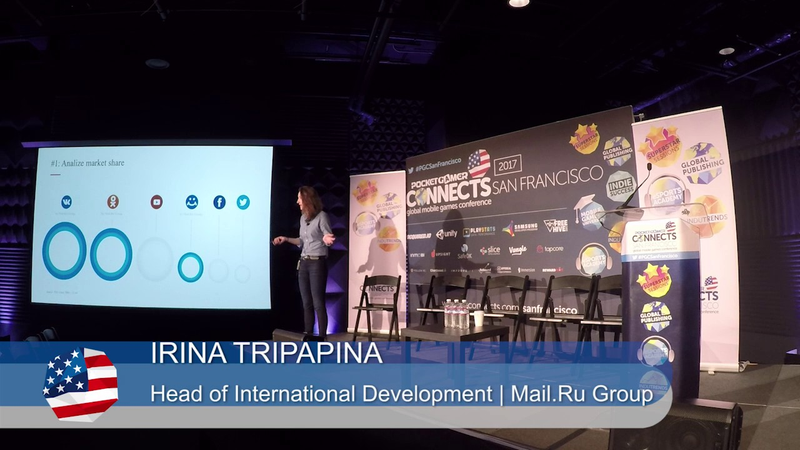
Make your game grand in Russia
The Russian mobile gaming market presents a significant growth opportunity for global publishers, characterized by a large user base, lower competition, and cost-effective entry barriers.
- Russia is the fifth-largest mobile gaming market globally, boasting over 62 million users and significantly lower acquisition costs, with average Cost Per Install (CPI) rates around $1 compared to $16 in the United States.
- Android is the primary platform for scale, with an audience nearly three times the size of the iOS market.
- Localization is a critical success factor for complex genres like RPGs and strategy games, as only 7% of the Russian population speaks English.
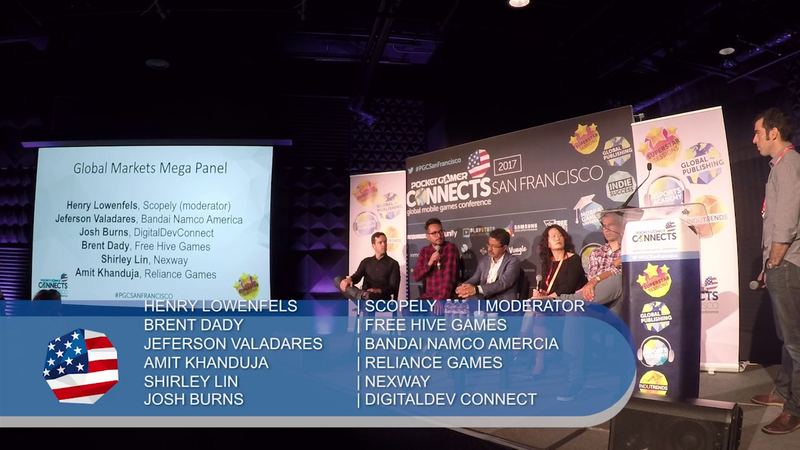
PGC San Francisco: The global markets mega panel
Mobile gaming strategy is undergoing a fundamental shift from standardized global releases toward highly localized operations.
- Mobile gaming strategy is shifting from standardized global releases to highly localized operations, requiring region-specific UI/UX, content cadences, and dedicated live operations.
- The Chinese mobile market has seen intense consolidation and rising user acquisition costs, which have reached approximately $17 per install.
- Developers in China are increasingly integrating e-commerce, livestreaming, and aggressive advertising into their games to remain competitive amidst high acquisition costs.
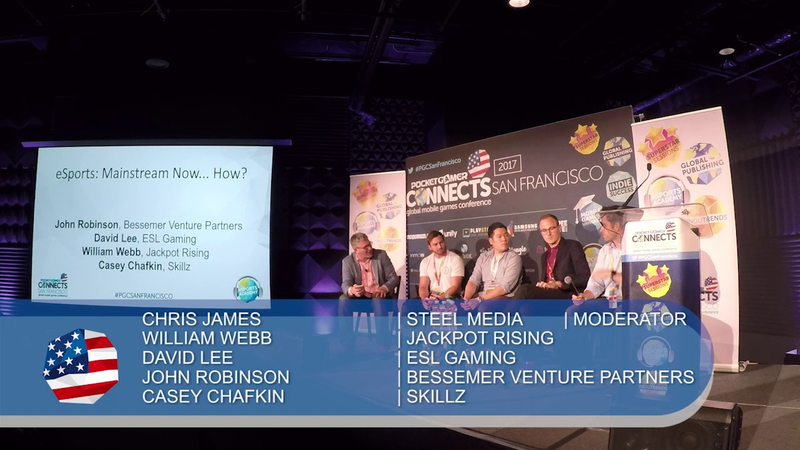
What the mobile games industry needs to do to get mainstream recognition
Mobile eSports currently occupies an early developmental stage, mirroring the foundational era of PC competitive gaming.
- Mobile eSports is currently in a foundational development phase, mirroring the early era of PC competitive gaming but positioned for rapid expansion due to its massive global user base.
- To achieve mainstream normalization, the industry must prioritize professional-grade technical features, specifically robust spectator modes, custom game lobbies, and rigorous anti-cheat protocols.
- Establishing competitive integrity through advanced technical infrastructure is a prerequisite for attracting the consistent brand sponsorships necessary for industry maturity.
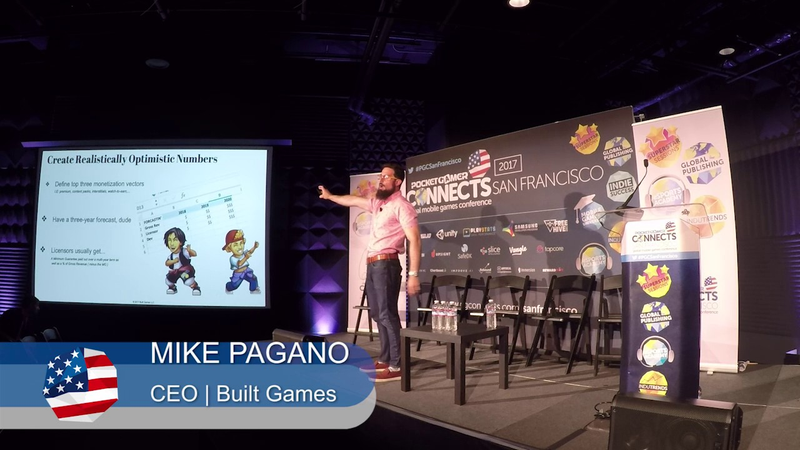
Licensed games masterclass
Securing and managing intellectual property licenses for video games requires a strategic, professional approach that prioritizes relationship-building and clear communication over technical jargon.
- Secure licensing partnerships by identifying business development managers and translating game concepts into non-technical language that aligns with the brand owner's commercial goals.
- Pitch effectively by using a concise, one-page concept document that clearly outlines the game's value proposition and user acquisition potential.
- Develop a playable demo to simplify the decision-making process for stakeholders, as this is highly effective for securing brand approval.
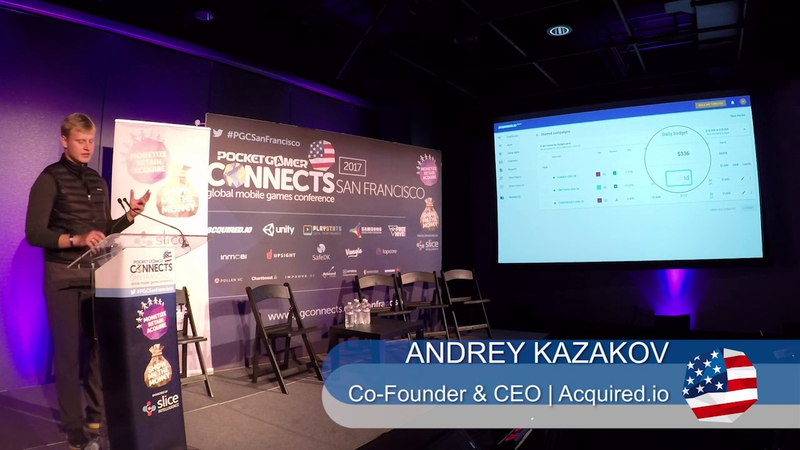
Building an effective paid UA operation for mobile apps in a multi-channel environment
The primary challenge in modern mobile user acquisition (UA) is the operational inefficiency inherent in managing a diversified, multi-channel advertising portfolio.
- Diversifying beyond dominant platforms like Google and Facebook is essential to mitigate market saturation and maximize ROI in mobile user acquisition.
- Centralized management software enables teams to scale by providing a unified dashboard for cross-channel campaign execution, asset management, and bulk optimizations.
- Operational efficiency is achieved by aggregating performance data across platforms, allowing for real-time budget reallocation and the identification of underperforming campaigns.
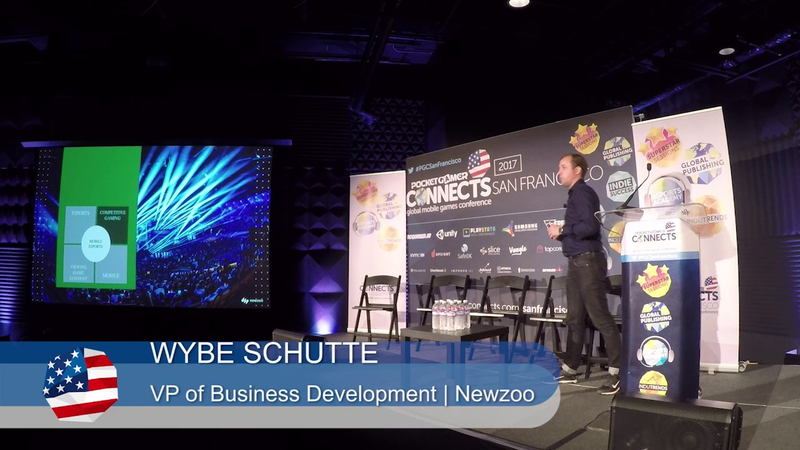
The key trends and regions driving mobile eSports
The mobile eSports landscape is experiencing rapid growth, driven by a shift toward accessible, spectator-friendly titles and increasing investment from major brands.
- The mobile eSports industry is valued at approximately $696 million, with nearly $500 million generated through brand sponsorships, advertising, and media rights.
- Professional organizations including Fnatic and Immortals are entering mobile leagues, indicating a maturation of the sector beyond traditional PC-dominated titles like League of Legends and Dota 2.
- Mobile eSports viewership is increasingly spectator-focused, with 40% of enthusiasts watching competitive games they do not personally play.
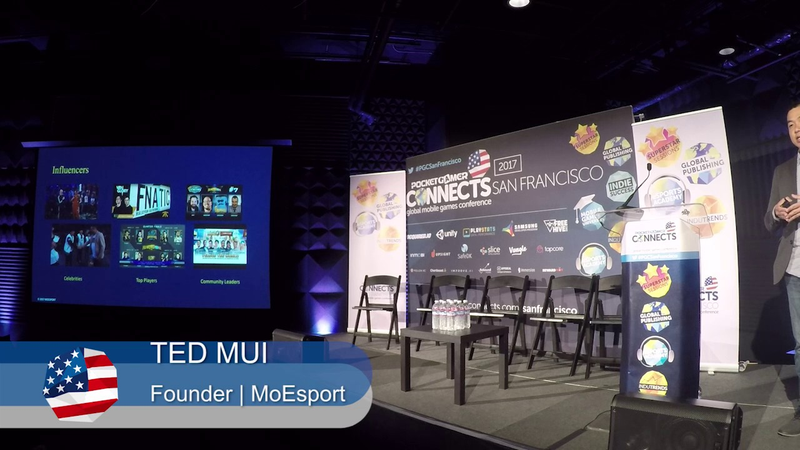
Mobile eSports competition – Keys to producing a successful event
The mobile esports industry is experiencing rapid growth, driven by the increasing viability of mobile titles as competitive platforms.
- Production quality and competitive integrity are the primary drivers of event credibility, requiring rigorous rule-setting to prevent technical or regulatory oversights.
- Authenticity is critical for audience retention, necessitating the use of community-embedded influencers like streamers and subreddit moderators rather than generic celebrities.
- Driving concurrent viewership is most effectively achieved through in-game incentives, such as random item drops or interactive 'choose-a-champion' contests.
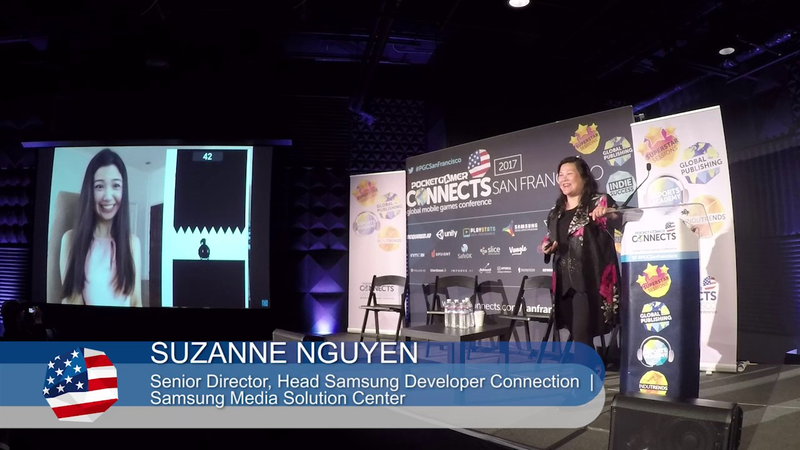
Mobile gaming – We’re not in Kansas anymore!
The mobile gaming industry is undergoing a significant transformation, moving beyond traditional app store downloads toward an immersive, multi-sensory ecosystem.
- The mobile gaming industry reached a significant revenue milestone of $41 billion in 2016, signaling a shift from traditional app store models toward immersive, multi-sensory ecosystems.
- Virtual reality (VR) is evolving into a primary industry driver, expanding beyond gaming into therapeutic applications for bedridden patients and fitness integrations with hardware like stationary bikes.
- Augmented reality (AR) and 360-degree content are gaining traction as essential components for social media platforms and specialized entertainment venues such as theme parks.
Secrets to optimising your mobile game live ops
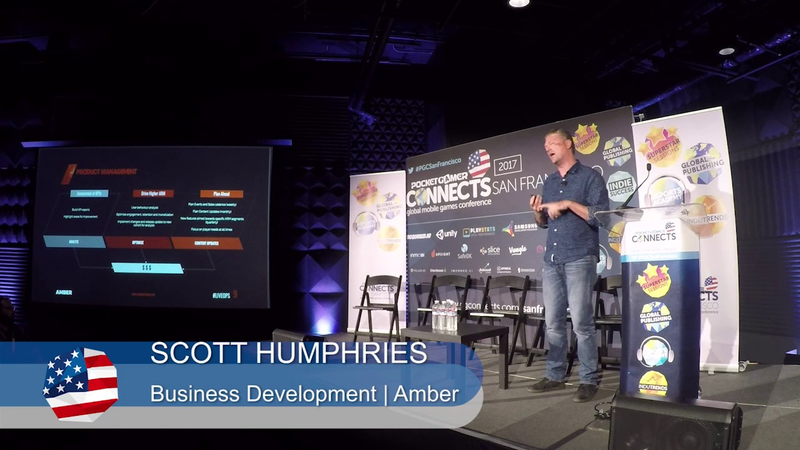
Effective live operations for free-to-play mobile games require a balanced approach across three core pillars: acquisition, retention, and monetization.
- Limited-time events can drive massive revenue spikes; for example, introducing a limited-time event in the puzzle game 'Inside Out Thought Bubbles' resulted in a 200% revenue increase over its first weekend.
- Live ops success relies on balancing three core pillars: acquisition, retention, and monetization; failing to optimize any one of these will prevent a service from reaching its full potential.
- Introducing new gameplay mechanics in every update—rather than recycling existing ones—keeps the user experience fresh and encourages long-term player retention.
The opportunities for developers in Japan's mobile games market
The Japanese mobile games market represents the third-largest gaming sector globally, characterized by high-end mobile hardware, widespread internet accessibility, and a highly engaged, high-spending user base.
- Japan is the world's third-largest mobile gaming market, featuring a high-spending user base with an average revenue per user (ARPU) of approximately $90 per month.
- The Japanese government is actively incentivizing international developers to enter the market through more lenient requirements for foreign startups to establish local operations.
- Success requires deep localization beyond language, as Japanese players often lack familiarity with Western cultural references, humor, and actors.
The app is dead – How post-app store games increase social conversion
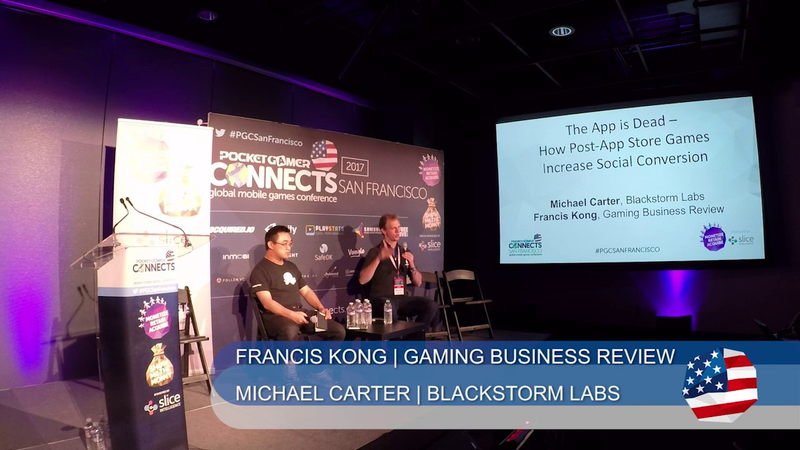
The gaming industry is undergoing a fundamental shift away from standalone applications toward a post-app store ecosystem.
- The gaming industry is shifting toward a post-app store ecosystem where games are hosted directly within super apps like Facebook Messenger, WeChat, and Line to bypass traditional download hurdles and high acquisition costs.
- HTML5 technology enables instantaneous game launches, which is critical for user retention because players are less committed than those who download standalone applications.
- Developers must capture user interest within 15 seconds and design gameplay loops that last approximately 30 seconds to maintain engagement in this frictionless environment.
A clear view into making in-app advertising work through a fair unified auction
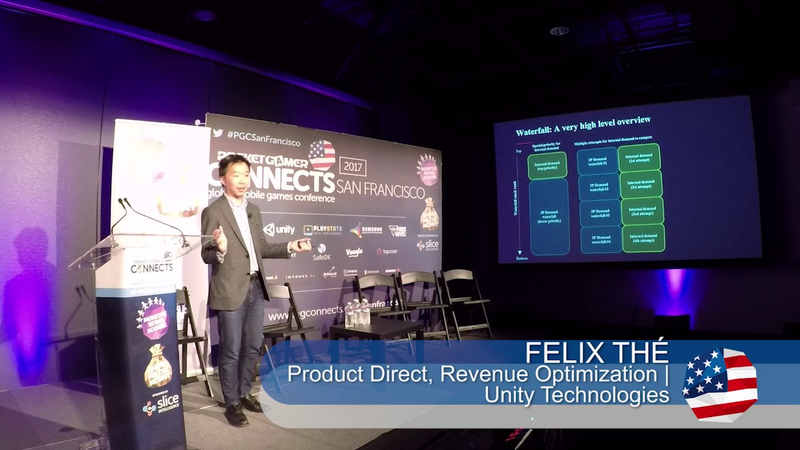
The mobile in-app advertising ecosystem currently relies on a fragmented mediation model that often creates conflicts of interest, as mediation providers frequently prioritize their own demand sources over others.
- The mobile advertising industry is shifting from the traditional waterfall model to a unified auction to eliminate conflicts of interest where mediation providers prioritize their own demand sources.
- Unified auctions allow all demand partners to compete simultaneously in a single environment, ensuring the highest bidder consistently wins and maximizing publisher revenue.
- The waterfall method suppresses publisher earnings by restricting bidder access based on arbitrary hierarchies, whereas unified auctions foster competitive pricing pressure.