Mobile reports and market data
Documents
How a hidden object game can reach the top grossing chart
The primary objective of this analysis is to outline the strategic framework used by MyTona to elevate its flagship hidden object game, Seekers Notes: Hidden Mystery, to the top-grossing charts on the US iPad and iPhone platforms.
- MyTona increased bank conversion rates by 15% to 20% and offer conversions by 50% to 75% by using A/B testing to trigger targeted in-app offers based on specific player behaviors like energy depletion or level failure.
- Maintaining a rigorous monthly update cycle—which includes approximately 200 new quests and time-limited events—is essential for driving player retention and deepening narrative engagement.
- Technical optimization, specifically reducing the application package size to under 100 megabytes, was a critical factor in improving user acquisition efficiency on iOS platforms.
Data binding architectures for rapid UI creation in Unity
Modern mobile game development often suffers from inefficient, siloed workflows where artists and developers work in isolation, leading to redundant tasks and late-stage errors.
- Implementing MVC and MVVM architectures in Unity decouples UI views from game logic, enabling parallel workflows where artists and developers work independently.
- Data binding allows the UI to automatically update based on game state changes, while startup-time caching eliminates the runtime performance overhead typically associated with C# reflection.
- Mocking capabilities within the Unity editor allow artists to test UI components in isolation, removing the need for full-game builds and significantly accelerating iteration cycles.
Emotional connections between your fans and your characters
Establishing emotional connections between game characters and players is a critical strategy for building brand loyalty, increasing player retention, and driving long-term commercial success.
- Building emotional connections between players and characters is a primary driver of brand loyalty, player retention, and long-term commercial success in a competitive market.
- Humanizing protagonists by introducing flaws is essential for character resonance, as flawless characters often fail to engage audiences.
- Successful narrative integration allows companies like Rovio, Supercell, and Activision to bridge gaps between game releases and expand into new geographic markets.
Agile live services – The secret sauce to building a long lasting mobile game product
The primary objective of live service management in mobile gaming is to extend a product's lifecycle by transitioning from initial qualitative design assumptions to data-driven, quantitative iterations.
- Live service management shifts mobile game development from initial design assumptions to quantitative, data-driven iterations that treat the launch as the beginning of the product lifecycle.
- Long-term success in free-to-play titles is exemplified by SimCity BuildIt, which has maintained sustained growth in both engagement and revenue since its 2014 launch.
- A/B testing serves as the primary methodology for optimizing monetization and gameplay, allowing developers to refine pricing and mechanics based on actual player behavior.
Tips for passive narrative engagement in games
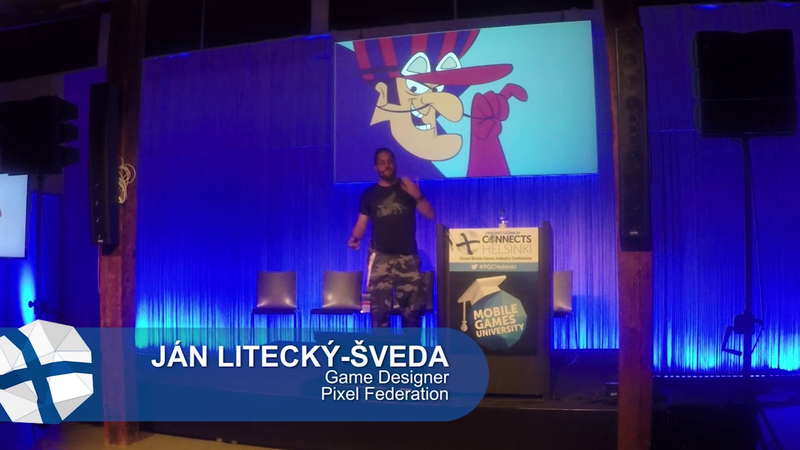
Passive narrative engagement serves as a critical design strategy for story-driven mobile games where players frequently bypass traditional text-based storytelling.
- Prioritize visual storytelling by using character expressions and body language to convey emotional context, effectively bypassing the need for text-heavy dialogue.
- Integrate narrative progression directly into gameplay tasks by linking objectives to specific location graphics and item descriptions, allowing players to reconstruct the story through their actions.
- Utilize established tropes and stereotypes to provide immediate, recognizable context for NPCs, reducing the cognitive load required for players to understand character roles.
One game developer discusses the road to 10 million downloads
The journey of independent mobile developer Tuomas Erikoinen, operating under the studio name Part-Time Monkey, illustrates a high-velocity, iterative approach to game development that resulted in 15 million total downloads.
- Independent developer Tuomas Erikoinen achieved 15 million total downloads by prioritizing rapid prototyping and platform featuring over paid user acquisition.
- The studio's most successful title, Space Frontier, reached 10 million downloads through a collaboration with publisher Ketchapp, while Breakout Ninja secured over 2 million downloads.
- Development cycles are kept short, ranging from two weeks to three months, utilizing proprietary Unity tools to automate UI, level design, and in-app purchase management.
Stories of indie mobile game success – What do they have in common?
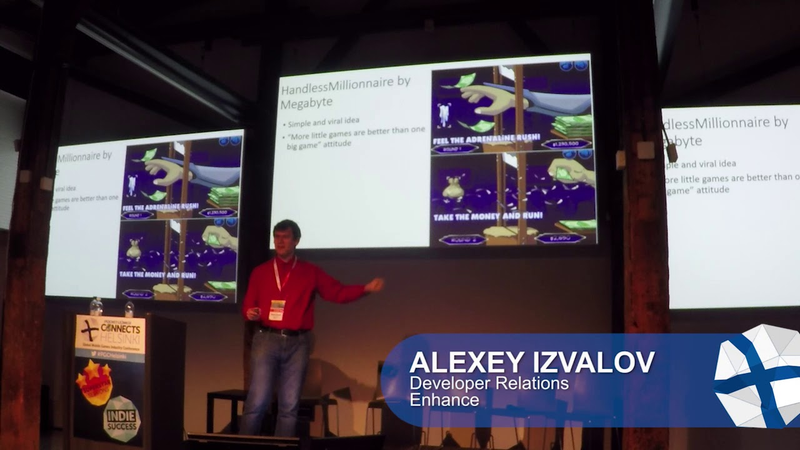
Independent mobile game development remains a viable path to success, provided developers adopt specific strategies to compensate for the lack of publisher resources.
- Independent mobile game success is driven by rigorous community building, iterative development, and efficient time management rather than luck.
- Successful developers prioritize early prototyping and frequent A/B testing to refine gameplay mechanics instead of committing to unproven concepts.
- Building a dedicated community before launch through social media and direct feedback loops fosters co-authorship, which is essential for driving organic interest.
Game marketing with user-generated content
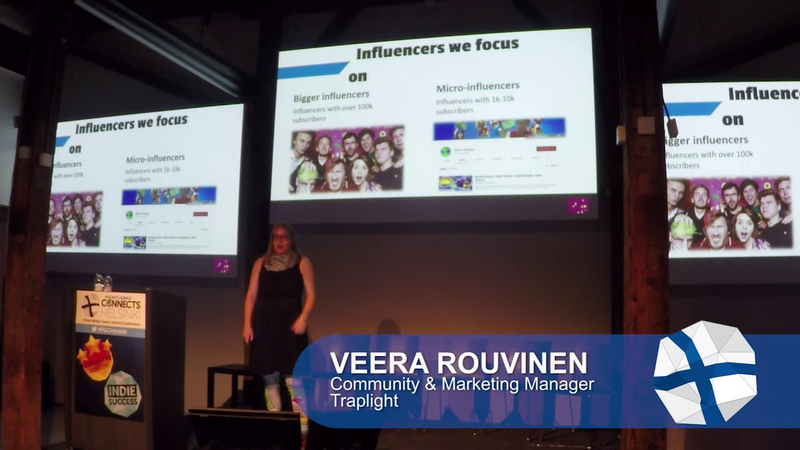
User-generated content (UGC) serves as a powerful catalyst for mobile game engagement and marketing, providing a scalable source of high-quality content that fosters social interaction.
- Integrating marketing goals directly into the game development cycle allows studios to build essential creator features like streaming SDKs, tournament tools, and collaborative modes.
- Large-scale influencers with over 100,000 subscribers require specialized tools and custom in-game assets to produce professional content that maximizes reach.
- Micro-influencers provide higher engagement rates and deeper audience connections, requiring a strategy focused on identifying organic supporters and rewarding them with exclusive items or visibility.
Scalable servers for social city builders on a budget
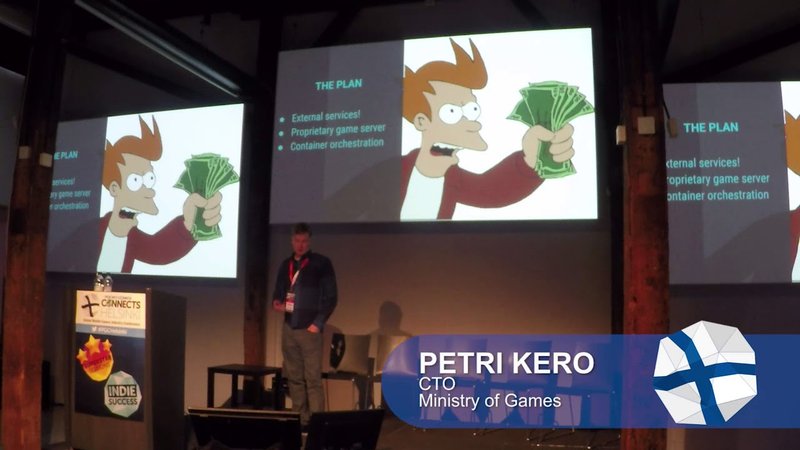
The development of social mobile games requires robust backend architectures capable of managing high-frequency player interactions, persistent world states, and real-time global economies.
- Use the Elixir programming language and Erlang virtual machine to handle tens of thousands of concurrent users through fault-tolerant, actor-based, in-memory state processing.
- Prioritize a 'build versus buy' strategy by developing only proprietary game mechanics while outsourcing standard operational tasks to managed cloud services.
- Maintain player and guild states in-memory to enable real-time social features like chat and trading, using databases only for persistence and disaster recovery to reduce latency.

Ongoing user acquisition for indie game developers
Successful user acquisition for independent game developers hinges on a disciplined, data-centric strategy that prioritizes long-term player value over immediate, low-cost volume.
- Prioritize long-term player value and robust core mechanics—specifically onboarding, retention, and monetization—before allocating significant marketing budgets.
- Conduct initial technical testing in lower-cost regions to gather performance data and refine product mechanics before scaling to broader, more expensive markets.
- Implement reliable attribution tools and integrate analytical expertise early to accurately track lifetime value and return on investment.
One-hit wonders don’t create neurons – But your brand should
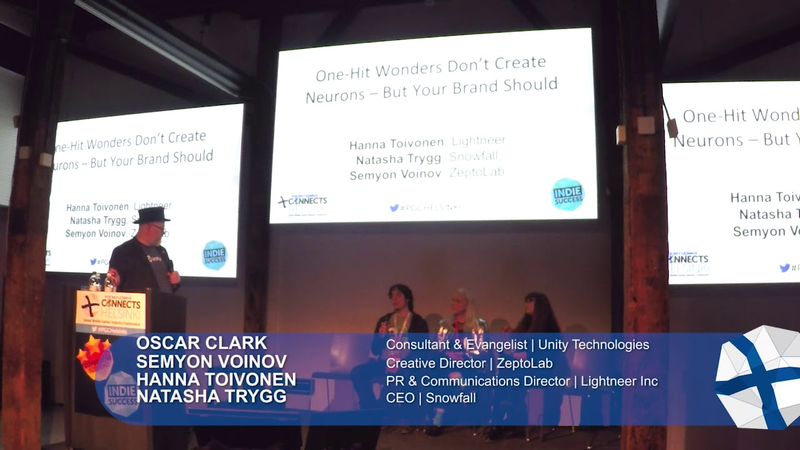
Long-term success in the gaming industry depends on the strategic synthesis of high-quality gameplay and cohesive brand identity.
- Long-term commercial success in gaming requires balancing high-quality core mechanics with a cohesive, emotionally resonant brand identity.
- Brand identity should function as a creative constraint that refines and elevates gameplay rather than serving as a substitute for it.
- Developers must prioritize memorable characters and distinct visual integrity to create cognitive anchors that foster player loyalty beyond the initial launch.
User acquisition – can robots do it better?
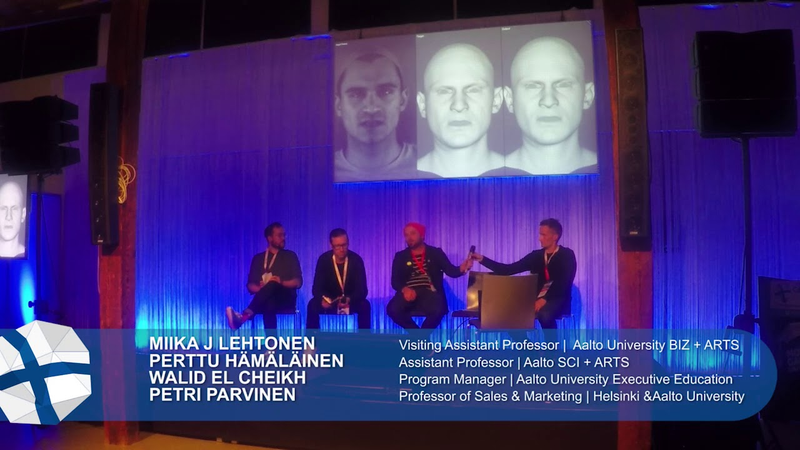
Industry-academia partnerships serve as a critical engine for innovation within the gaming sector, bridging the gap between theoretical research and commercial application.
- Industry-academia partnerships enable the integration of AI-driven performance capture, which can reduce manual labor requirements in game development by up to 80 percent.
- Collaborations are most effective when following a structured Theory-Research-Development-Application process, which prevents research goals from becoming diluted by overly broad agendas.
- Strategic partnerships serve as a long-term mechanism for high-risk innovation and the recruitment of specialized talent, providing companies with early access to highly skilled graduates.