1 free read left. Create a free account for unlimited reading + AI research.
Create free account
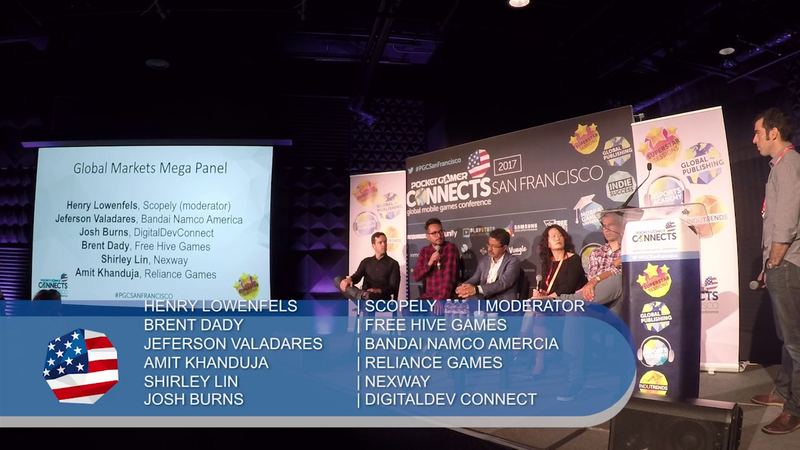
PGC San Francisco: The global markets mega panel
Key insights
6 takeaways- 01Mobile gaming strategy is shifting from standardized global releases to highly localized operations, requiring region-specific UI/UX, content cadences, and dedicated live operations.
- 02Small developers should exercise extreme caution regarding international expansion, as the infrastructure required for effective localization often demands significant resource investment and long-term partnerships.
- 03The Chinese mobile market has seen intense consolidation and rising user acquisition costs, which have reached approximately $17 per install.
- 04Developers in China are increasingly integrating e-commerce, livestreaming, and aggressive advertising into their games to remain competitive amidst high acquisition costs.
- 05Market strategies must be tailored to regional maturity: India functions as a high-growth, volume-driven market reliant on ad-based monetization, while Japan remains a mature, IP-centric landscape.
- 06When entering complex regulatory environments like China, companies must conduct rigorous, unofficial due diligence by leveraging professional networks rather than relying solely on formal documentation.
Ask AI about this video
Transcript
[Music] so just start with a quick anecdote when I started at Scully about five years ago and when I started reaching out to developers around the world you know one of the reactions that I got consistently which was sort of surprising to me although maybe shouldn't have been was that hey why do I need a publisher I can just go onto iTunes Connect and click a lot of boxes and my games out there and all these different territories and you know that was that was certainly a perspective in 2012 2013 - flash forward to today we're living in a very different world I visited a Chinese studio last summer pretty prominent studio not ten center Nettie's but but a big boy and walked into their production floor and had flags everywhere literally German flag French flag Israeli flag Thai flag American flag Brazilians like and it was
because they're running live ops by territory different content different cadence different events everything with differen different UI in certain territories so this is the world we're living in now where specialization to attack the challenges in the opportunities in each market is really required in order to succeed and so I've put together a panel today of some pretty diverse folks who work in different areas of the industry focusing on different regions and I think what we'd like to do today is start by just describing what we all do you know everyone does something a little bit different and where we focus what territories were focused and then also take a look at sort of what the biggest opportunities and challenges are at a high level and then we're going to get into how we're attacking some of those challenges and what companies are doing to really tackle what's out there because the world is evolving the world is getting more global and coming together but at the same time sort of getting a little bit more bifurcated in some unique ways so let's start by just having all the panelists introduce themselves a couple lines about your company what you do and and the region
is your focus start down there Brad sure my name is Brent daddy I'm the marketing director at free guide games we are a new company a wholly owned subsidiary of Greek most of you probably familiar with will you have game and soft launch right now primarily focused on the Western markets so not a big focus on Asia right now but Europe US Canada the big boys Jefferson and the general manager for mobile for the dynamic of the Americas perhaps they'd you know Japanese company so we're pretty big there we have like a massive presence in China as well and you know what I'm here from the American branch but you know we do focus on the main markets and worldwide I met Khadija I'm with the Reliance Entertainment we actually have two brands and focus more in the global markets and the Indian market to global brands with the reliance games and indeed brand and Southeast Asian focus brand is a pack I'm sure sure LaLanne
I'm currently with next way it's a French company they've been doing on the PC side a building payment gateway for console gaming PC game and web games but myspace is always being immobile TAC mobile attack and mobile games and mobile apps other mobile apps I've been going to China since 2011 I was working for an Italian company mobile advertising so I've been on the ground in the Chinese game environment and because I'm very a fluent in Chinese because I actually hang out with them and the kind of things they share at the dinner table was very different than what's on the paper so I can share with some of those kind of like insider stories if we have a chance to talk about it cool my name is Josh and founder of digital dev connect so much of my focus is working with Western companies around with strategy and
executing partnerships to enter foreign markets mostly focus on Asia working with small developers to bigger companies like Zynga and then also working with companies from Asia looking to enter the Western market in terms of like sourcing content things like this cool so I guess you know it's interesting with the exception of Josh up here who you know spent some time at an Eastern company as well you know everyone here essentially reports to either an indian or asian company and I suppose India is Asia as well you know I'm curious to hear you know Jefferson maybe from you because you know I look at bandai namco is one of the really unique companies have been able to bridge the gap between the west and yeast with strong IP that really resonates globally I mean how have you guys been able to do that and then consistently continue growing things globally has it been have you focused certain IPs and certain regions or have you taken a more global approach given the power of your brands it was very
easy we did it overnight so easy ya know it yeah it's actually even though RP is you know fairly big particularly you know in Japan and Korea stuff like you know there is some awesome of it that translates really well globally and those are the ones we focus on actually globally so we don't do we have actually a biggest game in Japan we don't ship anywhere else other than Japan in Korea because it's a very Japanese game so I kid like hopefully never ever ever see it because we're like here in the West were ashamed of it but it's amazing money-wise but it's like the kind of Content that like we would never be able to run here like like oh I don't know that we can sell this yes they already did and yeah so basically we looked at AP we have and we get you know the stuff that translates well also like drawing ball in a route or like those are there are more you know that they have a big presence not just in the US but in Europe and you know Latin America and Asia as well so it's actually fairly global and so we focus on those and then we also have a new
part of the team which you know aside of the treasure trove of stuff we sit on we also trying to get new things that's kind of like what my team does is like trying to figure out other things that are less Japanese and I should say sound like more question facing as well to kind of complement that so again like Dragon Ball I mean how different is that game for players in say Japan versus the United States I mean are you operating different builds are you guys running different types of events or is it a global build and everything is similar besides the language yeah it's actually two different games so there's the Japan version and then there's like the worldwide version it's not I don't know that is the ideal approach but it's kind of where we are right now we do the content is fairly similar we do market the events differently outside of the game and we do like so the store presence is very different like bear territory and then like the communication around what's going on in the game is different so you know in the u.s. we announce events like 30 days before and Korea might be like 10 days so likely it's a little bit different like each each territory we like Hawaii
but yet the worldwide build kind of follows one rhythm and in Japan build follows another rhythm and we kind of try to focus on the characters and the activities that people care more about outside of Japan versus in Japan Japan is such a different market you know like the we roll like you know I don't forget about this is like when you get a game if you don't like the card to get you can kind of delete the app and do it again like pokemon gold that has that as well a lot of our games have this and in Japan it's like a lot of people do it is like 50% of the audience does this like multiple times whereas in the u.s. nobody does it I mean there's a tiny sliver of people so yeah there's those things you get and think about and that's kind of why we kept those games separate so speaking of Japan Brent you know it's it's I'm interested in the approach that you guys are taking at free hive you know you're you're making a absolutely massive game looks really cool for Western markets under a Japanese company I mean what's that what's that experience been like and what is that sort of you know development RNG thinking been like has
it been driven purely by the West or has there been a lot of back and forth with with the East how does that work for you guys here our CEO Andrew Shepherd he's got a lot of trust from our parent company in Japan and they basically gave him a blank check to make a big bet he came up with a really interesting approach so coming up with a new game B's ton of market research and we just kind of really focused on what we know best a lot of folks from Kabam background and EA Zynga I'm just come together to make a game that we think is going to address the what's your markets really well and Japan is pretty much left us to our own devices whether that's a good thing or a bad thing we obviously have to report in to them and they've got financial governance over us but mostly we've been kind of just left left alone to do our thing it's really interesting so what is the level of interaction then I guess it is is it none there's really no day-to-day interaction with Japan are you looking some of their games are they feeding you market research and and business intelligence from sort of you know trends that are happening out there or
is it really wholly independent it's mostly just financial controls making sure that we're sticking to our schedules and our budgets we have folks from the Japan offices that are sitting down and the SF office making sure that we're staying on track but mostly like I said it's it's a lot of freedom to develop the game and we think we need to build to address the market I mean how does that correspond to how you guys run things at Reliance is that I mean I know you mentioned you have kind of two different branches and of course the content that you see in India is very different from what you see in North America but I mean how is that similar to the way you guys operate I know we actually operate we run two Studios one you know in the global markets is managed out of Chicago while the the backend and the operation aspect has managed out of India so we have a little bit lot actually I would say a lot more crossover or what's working between the Indian businesses in the end of global business what the India game market or in the Indian market is very very different I mean traditionally you still talking about 15 to 20 met games so the games are very small the market is expanding on a very regular but you know
on a monthly basis I wouldn't even say you know a nearly basis right now every month the market is changing but the if you look at it a live ops business remains the same I mean how you're managing the business as you write zero said I mean every country is managed differently now even for a live walks we look at India as a separate you know Center where we managing and focusing on that aspect the games and the genres of also very different for Indian markets but if you look at the operational aspect if you take the genre out or if you take the gameplay out you know what we are building the back-end infrastructure which include the events or you know pvp or multiplayer learning or that component that remains the same which we are standardized in India so look for us like it just just like because I think this the we do this Lytle different terms of the team in Japan drives the Japanese IP on the development side but like we we published a game here so like we you actually go to the marketing and things like that and you know that's kind of how we see and vice-versa so we do a game here but then if the game becomes popular in China then our Chinese team is going to take it to like to the run
there so we do we do run like a global publishing platform even though the development is led by whoever market is closer Jaypee or to the initial audience like so it you know if it's like an American IP we would probably drive the game from here but once it's out then we've definitely used all the local offices we have worldwide to make it work and pretty clearly you're focused on on the upcoming launch and making sure that goes right but I mean have you have you guys discussed this like let's say the game goes huge here in the West you know would you guys then just take it to the east as is or which is sort of reskin or and play with the mechanics what would you guys how would you guys handle that yeah we don't have a lot of expertise and that's the upper Berlin offices so we would definitely pass it over to our counterparts in the east and they would localize the game the marketing different aspects of it cool cool it's coming down to this side of the panel Josh I know you work with a lot of developers and publishers you know sort of advising them you know how to move a game we're talking about sort of you know what these bigger companies that have resources and offices around the world and people on the ground do with
their titles and and and how they publish them across the world but what what is your process like when someone brings you a game they say hey I've got this game we're profitable in North America we're doing nicely it's an RPG I think RPGs work out there or whatever it might be like what do you do with them to understand the potential and then potentially take the game to the east yeah so I mean think there's really two phases one is like the diligence phase right like obviously Japan Korea and China are three of the top five Vegas market so everyone would like to bring their game there realistically though I think the opportunity is much lower than people realize in terms of the potential so I think it's doing diligence around you know what similar games have performed from the west and that is honor and market you know if they're very aggressive I mean some people are want to bring their content and do partnerships in these markets for more strategic reasons like your public company you can have narrative around oh we are entering Chinese market even if you don't actually make any money that can be very positive so I think it's
first like the diligence phase making sure that expectations are aligned in terms of like how much effort this will take how much money it could make and then basically it's going out and knocking on doors and talking different companies and market better be interested in that type of game it has an IP that you know a third-party IP that can be really interesting both people more interesting or actually you know decrease the potential if it's something that there's no strong awareness but yeah then it's just going out seniors interested what kind of business terms they offer and you know whether the operational model will work if they want source code and the developer doesn't want to provide source code that won't work so it can be very time-consuming very complex you know process it can take you know four to eight plus months to actually like put in place these deals are announced in the news and you think oh great you know so instead of being in a game that China or whatever but the reality is they bought in working on this for over a year so changing gears just a little bit here you know surely one of the one of the
things that I was interested to hear from you about was was sort of what's going on in the ad space in in the east you know and it's not something that I think Western companies have a lot of experience dealing with I mean we have a huge ads business it's hopefully in the West not so much outside of North America and Europe I mean it you know it seems to me like that would be if it can emerge as a real revenue stream for for companies outside of outside of China it could be a real interesting entry point for new types of games I mean what are your thoughts on sort of Brandeis a huge fight everybody think if they can get just a little bit they will be extremely you know making loads and loads of money I think I lifted it up a little bit because I pretty much know the China market a European and some of the u.s. so the China market is evolving so fast it's so huge right there are several unique situations that China only for example it's been consolidation huge consolidation in China mobile game space
as you know tension that East I do they consolidated and I pretty much witnessed up and down of mobile game in China I tell you in 2013 in Sudan alone which is in the center of China there were two over two thousand game teams / companies getting funded by the end of 2014 only 700 this morning where do they go they all went to VR because that's when the argument and this morning I read an article apparently it's like a B's they went to what doe so in 2014 there were 350 newly added game companies England on widget stands in south of one don't want to intended in 2015 you want to take a guess howmany being added nine
thousand one thousand comparing to 250 350 this year it's only June already almost 1000 newly added so coming back to the air because the consolidation it squeezed the medium and small companies or teams hours a lot so they have to but the thing you know there is a lot of those capitals as you guys all know they somehow still get funding so they're burning money to get the ranking in order to make money but it's getting harder and harder right now in China it used to be I remember in 2011-2012 to buy and install we are not even mention you know retaining all that just buying install in China maybe 50 cents 60 cents one dollar okay right now it's up to 100 Reming B which is almost 15 17 US
dollars per install people don't have money companies don't have money to do that so it caused a lot of changes in this changing effects evolution in China because the lifestyle is very different so all these game company need to find a new channel to monetize right to make money so China come up with because they spend so much time on the mobile unlike us in Western world on the weekend you go hiking you go parading you do all sorts of relaxing things in China mobile phone is what they do all their entertainment so there's come up with this integration of mobile game so the Opera esport and livestreaming which carries a lot of e-commerce so they mix all this and amazing the advertising in China it's you get bombarded every second everywhere you go I mean you cannot
breathe for most of the Westerners but Chinese people have such tolerance for it so advertising works there some advertising kind of frequency you would not be able to tolerate that okay so a lot of the company and Josh talked about and you asked a Henry the Western games goes to China I talked a lot about how to navigating the game space in China it's a landline if you're not careful you can trigger and you can just really get burned badly okay finding the right partners but again this I get asked multiple every day and we check from my Chinese game friends hey Shirley can you bring some good games from us or from Europe to us I'm going if it's this easy everybody will be making tons of money right and and so it takes a while for them to digest what kind of games changing the skin or changing the gameplay to suit for the Chinese market and I can talk a
whole - you know hours till the cows come home about how to do the adaptation but on the other hand Chinese company also want to invest in the Western games it doesn't necessarily that you go on by yourself to go to China market you find the partner they were to equity investment or emanate angle investments they've been going to Europe because European games o teams are not so over valuated like here or even domestically so European turn out to be a really of heapin go to mind to them so I think tensions going every conference game conference in Europe net is the same thing my friends were traveling to from those company or traveling to Europe but looking at teams and they're becoming very very picky as well and they will landed their resource to bring the schemes to be more successful in China
as well it makes sense you know consolidation is something you hear a lot about I think globally it's certainly happening I'm curious to hear sort of you know after hearing Shirley talk about the emergence and the numbers of developers that are around and how they're migrating and how that's all working is that something you're seeing in India that concentration of studios popping up this kind of consolidation potentially sort of about to happen or starting to happen or is the market just functioning in a different way so I think it is in India if you see that I mean the numbers which we were mentioning about China I mean exits about 10x right now in India right down to small studios which are popping up on a daily basis it's just X Orban are people making money in India right now no not yet but the number of downloads I mean it Google announced that a couple of months ago that the number one downloaded market for Google is India now and that is growing at about a hundred million downloads a month so the numbers are just exorbitant
and all the money which is being made in India is all about advertising that's where the money is currently again the same thing and I have a session in couple hours talking about India and the glance cap of India but Google has also done very interesting a component of actually integrating directly with the direct billing with with the you know with the carriers so the monetization there is all about advertising hopefully moving to a little bit of micro transactions of five cents 10 cents and component through the DCP model the direct billing model but going back to the new games it's all about the localized content generalized content which is being generated in the Indian market cricket does well I know the racing games do well but again in the 15 to 20 Meg component and lot of the global studios are actually setting up a localized teams China is taking a big leap I mean they've you know if you look at it each Chinese company has about ten different studios if you look at $0.10 I've invested in about 10 studios or quiet some of those studios same thing
with every so if you look at the Chinese companies which have opened up in India and last the last 12 months I would say they're about 100 odd hundred odd setups which they have gone which is you know they've really looking at India as a big component I think it's a vesting companies or the US or you know North America I think everybody's kind of struggling because they're trying to really trying to look at India as just as a clicking a button as you know as you mentioned earlier just you know on the Google Play or iTunes and saying hey I've got the downloads and I don't make money it's not about making you know you'll never make money in India if you go about that it's where China was about five years ago and expanding and growing right very rapidly so it's a it's a different market you need to look at but going back to your original question yes a lot of investment going into the gaming there is a the gaming there is being looked at online gaming or html5 games and the and the small of you know small games which we are typically used in the you know in the globe or Google Play or iTunes model and I think one interesting for China versus India is in
India we're kind of at this odd stage and hopefully moving to the now purchase were in China like the advertising as a revenue stream it basically hasn't existed at any like massive scale because of like limitations by the distribution channels you weren't allowed to have ads so you know my perspective this is a huge opportunity that's what's happening right now these Android channels want to grow they're now allowing advertising as a revenue stream I think it's a huge opportunity for Western developers that have these more casual games but traditionally had no potential in the Chinese market because everything was IIP focused so you know you know we're surely mentioned they're paying crazy numbers just for for installs because you know huge amount of untapped inventory so I think the advertising opportunity in China is going to be you know pretty significant and you know already working on some stuff around that we're seeing like $30 CPM on iOS and China and we're just starting so for the guys working for the Japanese companies down at the end I
mean is this something that you're seeing in Japan as well I mean the land of like the exorbitant LTV I don't know if you need ads out there maybe but I mean do you are you seeing other kinds of games emerge like I'll say from the Western perspective it's been interesting to me to see companies like you know Graham and voodoo and bit mango be able to acquire users on the back of largely an advertising model which wasn't happening a few years ago is that something that you could see happening in Japan or that is the market just too steeped in you know well behavior and ni ap games the FRS is a little distorting that like our point of view is a little distorted because we're very IP driven so the you know that goes through you know the license or even allow for us to do ad so there's like we usually have this kind of conversation even before we think about the ads but in Japan I mean we're I mean if you can do ads in Japan which like we think we really know as the market evolves like we'll probably do some ads there I don't know how big it's going to be but I'm you're already pretty big in Japan like we make just in Japan we make 1 billion dollars a year
just on mobile like you know like it's like one of the biggest business for our company so it's kind of fine so I have other like fish to fry for us like particulars or like we add the ad the strategy is more focus in the markets where you know like Latin America us some extent the in Japan we don't really focus on it sure cool thanks so I guess let's open it up for questions if there's a if there's some from the room here we can feel the few you've got a couple minutes left anyone I can ask some more well can I talk it a little bit of without question but feel free to interrupt me I want to talk more about the android market because after you all know Google is Google played with sand so the hungry market as as many of you probably know it's extremely fragmented there were times there were over 750 Android problems and you basically need to you know kind of work with the major platform I know a studio in Sudan they
integrate 75 FTP this is a studio of 35 people so they test a hundreds of them and decided which ones are the best performing why they maintain 75 versions integrating with those Android platforms and arm and then each one especially the mid major ones are want to save time you want to exclusive with me they wanted to exclusive if they liked your game we'll protect you and they will yank out your copycat you know so they if they ever I mean it's a kind of defense tower defense kind of game and they were doing pretty well without spending advertising money and so there were already copycat on some of the major platform under a platform so the big brother says we'll yank out the plan the copy carefully so it's like that but yesterday this week there's a news Google play was actually allowed in Macau so that was a beginning
so everybody is jumping up and down getting really excited about being able to play you know the more director in the Chinese about access tracker is going to take a while for the whole market to vote open up but if you go to China or Android you do need to be extremely extremely cautious choosing who you want to be as your partner yeah and how do you do that I mean Josh I know this is something you spend a lot of time thinking about I mean like you know when your your game publisher and you have an exciting game you're getting emails from people all claiming that they're the biggest invest in China I mean like it's hard to cut through the noise what do you so I mean I think this is a challenges you know you never want to be the first Western partner of any you know a Chinese publisher in my opinion because you don't want to be the sort of learning case I've known people that work with some of the massive companies I would just talked about who tried to do game publishing and it was a total disaster because even though there have huge amount of resources there no experience so I think you know from my
perspective I think you well it's it's one of the reasons I work a lot of companies because I've talked to these guys a lot but I think you just have to do diligence who've you worked with in the last before talk to those people about their experience you know how these people come from overseas to meet you face-to-face and have a meeting with them and understand it's you and be able to work with them but again a lot of it is you know doing your diligence about other Western companies that work with because you know if you're signing an agreement that has you know you know legal bases in China you really have no recourse which again is something you want trying to avoid you want to try and you know sign your agreement and what Hong Kong or something but there's no sort of like I think silver bullet to navigate a knot and but you have to like Julie said you have to be careful and I think you know business terms can be attractive but you know people kind of get swayed by being offered like a million dollar you know upfront money but I know plenty of very
large gaming companies has done deals and the games have never come out you know after three years so yeah it's complicated I think I just well I shouldn't say quickly so we talked about like investment in M&A I think obviously that's a huge topic around China I think one thing I just will caveat is that you know the a lot of the companies are very interested in investing and acquiring Studios here the challenges that they don't understand our market very well so if you hire hat you know the the opportunity I think is a little bit lower than people expect because when you get into the diligence phase you might be interfacing with somebody who understands the Western market more junior who's done communicating information so that c-level people who actually have no understanding of the Western market so everything is seen is like very risky so what I've seen is that you get to these late stage discussions and nothing ever happens because the market dynamics are very different between China on the west and so they don't understand you know all the information that you're providing to them so I think you know it's definitely
a limitation I totally echo that and I think the best some of the ways to suggest like Justin you need to circle around when you do business we see either it's a partnership or M&A deal the best way you need to if you ever do business with Chinese I suggest highly suggest it almost imperative download reaches okay circle around if somebody say hey I'm interesting your studio I want to invest that abbas are doing due diligence circle around friends you know whoever you can find here you know me you know whatever circle around more have you heard this company what did i do before this kind of behind you know unofficial due diligence it's even more essential to understand who you are with if it's a sounds too good to be true it's always too good to be so the due diligence is not just on the paper and and on the surface you really
need to go around understand there are good companies that you need to work with but not all of them are as professional like that so yeah I think I think that's a pretty good device to close on actually given that that we're all stuck here in the bubble that is Silicon Valley in San Francisco get out of here talk to people and and meet people on the ground I mean I think that's that's absolutely the best way to do it regardless of a region so thank you to the panelists thank you to Pocket Gamer and Chris appreciate it [Music] [Music]
Summary
Mobile gaming strategy is undergoing a fundamental shift from standardized global releases toward highly localized operations. Success in diverse territories such as China, Japan, and India now demands specialized live operations, region-specific UI/UX design, and content cadences tailored to distinct player expectations. While large-scale publishers often manage these complexities through dedicated regional teams or separate builds, smaller developers must exercise extreme caution, as the operational infrastructure required for effective localization often necessitates significant resource investment and long-term strategic partnerships.
Market dynamics in Asia illustrate the necessity of this nuanced approach. The Chinese mobile sector has experienced intense consolidation, resulting in a sharp decline in new studio formation and a surge in user acquisition costs, which have climbed to approximately $17 per install. To remain competitive, developers are increasingly blending gaming with e-commerce, livestreaming, and aggressive advertising, while Chinese firms simultaneously seek to diversify their portfolios through the acquisition of Western studios. Conversely, India represents a high-growth, volume-driven market that relies heavily on ad-based monetization, contrasting sharply with the mature, IP-centric landscape of Japan.
Navigating these international environments requires more than surface-level market analysis. When pursuing M&A or distribution partnerships, particularly in complex regulatory environments like China, companies must prioritize rigorous, unofficial due diligence. Relying on formal documentation is insufficient; instead, firms should leverage professional networks and on-the-ground engagement to verify the reputation and reliability of potential partners. By prioritizing peer verification and direct relationship-building, developers can better mitigate the risks associated with market fragmentation and cultural misalignment, ultimately ensuring more sustainable growth in an increasingly competitive global industry.





















Comments