1 free read left. Create a free account for unlimited reading + AI research.
Create free account
Licensed games masterclass
Key insights
7 takeaways- 01Facilitate direct networking by attending industry-specific events like the Licensing Expo to establish professional relationships with brand owners.
- 02Pitch effectively by using a concise, one-page concept document that clearly outlines the game's value proposition and user acquisition potential.
- 03Develop a playable demo to simplify the decision-making process for stakeholders, as this is highly effective for securing brand approval.
- 04Secure licensing partnerships by identifying business development managers and translating game concepts into non-technical language that aligns with the brand owner's commercial goals.
- 05Build long-term success by focusing financial projections on realistic revenue potential and the existing reach of the brand rather than overly complex models.
- 06Anticipate a lengthy negotiation period for licensing agreements, which typically take between three months and over a year to finalize.
- 07Structure the operational phase with a clear milestone schedule—including concept, first playable, vertical slice, and final review—to manage expectations and streamline approvals.
Ask AI about this video
Transcript
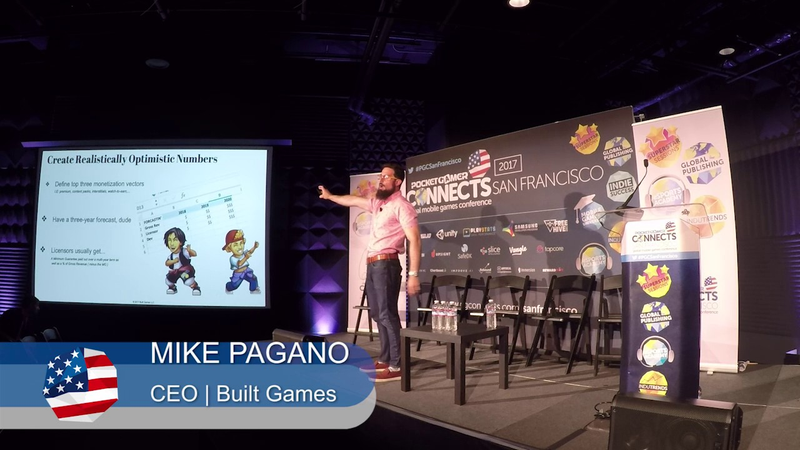
[Music] free so hi I'm Mike hey oh man it's like an awesome concert look at this stage so hi I'm Mike I scored three licenses in the last year asking me how many have I got before J you know man look at that so I got zero before so I'm a developer turned producer and somehow I scored some licenses so let's go through and see how to do it so is there a clicker okay there we go big green button let's do it okay so you have a light you have a brand that you want to go after how do you do it right oh wow one of them one of the ones is missing it's so when you look at this who do you think
represents Viacom's brands right interesting question it's brand Genuity and so licensing is actually a quite a mature industry it's they have their own conferences who knew they have a complete chain that you have to go through to score your license so what you need to do first is you have a brand who are you going to go after and how do you find that you need to find the right person the person that you're looking for is generally the licensing manager he's either embeds are he or she is in business development right go look for him on the Internet that's what we did like people may laugh but it's the simplest thing go look to see licensing manager Viacom like literally that's what we did and we found them going to LinkedIn who are they what have they done right you need to know how to talk to them where did they go there's this thing
called the licensing Expo has anyone heard of it I hadn't it's interesting so we went there two years ago for the very first time on the on the hope that we would get a few licenses and it was a very interesting thing as we were there we had we had so many licenses throwing themselves at us they want to make games they want to find good developers they want to make more money and they know that video games are hot right so go to the licensing Expo it is free go in Las Vegas go talk to them go bring your business cards dress professionally right a lot of us game developers we do dress like schlubs I'm sorry right me too like I'm wearing pants that are too short and so go there put on your best business suit throwing your Brooks Brothers so throw on your Versace right go there do some meetings talk to people
right you're gonna have to get out of your shell because what happens is licensers are not in the game world right there in the real world and they talk like normal people generally okay and so you can't talk numbers too well I'm sorry you can't talk numbers numbers are a big thing you can't talk esoteric game terms what's the KPI they don't know what the hell that is right learn how to talk to them if you haven't spoken to people outside of our industry please go practice go talk to people randomly right highly recommended so okay you found the person right what do you do like do do you send emails to them and messages every two weeks like some of our partners that we know stop doing that you just pissing us off right you're going to piss off your license or they're gonna see you and say I don't want to work with them they're a pain in my ass right so don't spam them right when like so what do you do so how do
you get the initial conversation straight up cold call right so how do we get Teletubby's our business development guy will call them on the phone said hey we have an interesting idea for a license Teletubbies game would you guys be interested in exploring it with us and they were we had a meeting I wrote up a pitch a one-page pitch no your audience right how to talk to them what to say and they approved it just like that right but then we had to do a lot of other things in preparation so what are your forecasts right why are your rough deal terms and we'll get to those they're pretty easy what is your game concept what's going to make them hot right why are they going to be excited and as you approach your license or think about what type of behaviors that you want from them and my recommendation
is these are the reaction goals that you want initially you want to pique their interest they want to be interested in talking to you to you they want to you want make sure they express excitement from the pitch that you give them if they come back and just kind of give you a deadpan look probably not going so well right it's okay it happens last thing you want to make them your champion right you want them to go to the rest of their organization and say I want to work with game developer x2 game developer X has the best game I've ever seen in my life right so make sure that you have this really simple pitch materials that you can give to them to become that champion right think that they're going to take this documentation and give it to people and prove the case that they need to work with you and if you're a small developer like yo right we're not a huge we don't make millions upon millions of dollars a year over a year right so why are they going to talk to you so you need to make
a compelling game concept Anakin telling argument for them to take a chance on you because it is they're taking a chance on you and so okay cool you got the meeting right what do you do do you do you do it over video chat you do voice chat face to face how hungry are you right where you need to show how you're going to make their brand shine okay and so for you to show up to their offices and say Atlanta if people know who's in Atlanta go to Atlanta fly there so hey guys I want to talk to you about it's like we have this meeting I'll come to you okay it shows that you're passionate about them you're serious and business and that you can carry yourself in a very professional manner right very very key so yes so where does it start though cold call due to ongoing said so we got
the Bill and Ted license as well rock on so what is a fun pitch so this one I love because so we pitch this the fortune they said no go figure so thank you thank you and so what you're trying to do with the simple game pitch is you don't want to overload them with the GDD they're not going to read it right what you want to do is generally pick a stick to one page ish game design that is you can give to your mother and she'll understand what the game is remember they're not gamers know your audience so take for instance what would you expect out of this game would you expect this is a go-go 80s reg anat business simulator where you're trying to capitalize on making money and making your top line grow oh yes it was so capture the essence what's what is the reaction that you want to have from your audience when they see this right
when they see like oh yeah I want to go in the go-go 80s and spend money because it's awesome fortune did not they didn't want to go after Millennials so you need to prove why it's fun so as I'm saying up there playable demo that's the best thing if you give them software conversation super easy because when it's in software it's so easy to understand how that's going to make money and why it's going to be fun right and then it gets it's more and more talking needs to happen the further you go down the chain now you need to make sure that the pitch that you're doing resonates with the brand okay don't go to the Red Cross and pitch him a first-person shooter okay we didn't do that we didn't do that know your audience and so this one I didn't know my audience that well I thought I did right but they didn't want to mark its Millennials at so so we go to okay so from there you know as I'm saying it over and over I'm just kind of
beating it like a dead horse it's Taylor your messaging and voice to your audience right some brands actually do understand jargon and what you're going to find is those are game brands I found personally game brands are much more difficult for me to license because they're in your space they ask a lot more questions they want to know a lot more and if you're if you don't answer the exact way that they want probably not going to work with them right now work-for-hire different conversation but a lot of these brands they don't know games again right so you need to come in and figure out how you're going to talk to them remember how do you talk to your mom about your game right same audience so okay numbers right who best to demonstrate numbers then the most excellent duo Bill and Ted if you don't know who they are you should learn because they're awesome rock and roll love it so what are you going to do okay so what numbers do you need to show that
they're excited so to make them excited you don't need to give them a gigantic forecast model they're not going to understand it right they're not going to dive deeper into the numbers right what they will do though they want to know how much money is it going to make over all right for how long what's their cuts easy as that right it's how much money are they getting year over a year okay and so you want to make sure you buffer out usually three or four castes five year if you're ambitious but if you guys can forecast out the five years and actually be on point that's not a hundred percent wrong awesome I've never seen that so usually when you're going through okay you say okay so what's a typical Beale structure look like and so it's a very simple thing of you have a minimum guarantee that you have to pay the license or minimum guarantees generally range from tens of thousands to hundreds
of thousands what a minimum guarantee is is you're paying the license or to use that brand and it's recouped over the term of your license through the revenue share generally revenue shares are top-line revenue post platform share that's a lot of jargon I hope you all understood that if you didn't come grab me after so what happens with that is if you have a license order that comes in and okay so you need to value your brand how much are you willing to pay for that brand right that's a big chicken and egg question because you need to figure out how hot is that brand what's the potential of that brand right how much have they been licensing other games out for right so generally when you're looking at this I would say for smaller brands with the reach right so how do you define reach that's how much
addressable audience can that brand hit that you think can hit not them what you think can hit right so a brand that's highly active on social is much more valuable to me than a brand that has been dead for a while right that it doesn't have a social presence because you have to think why are you buying a brand you're buying a brand so you don't need to do all that fun you a complications against your strict competitors right you're buying your way into user acquisition right so when you're going through and you're building when you're going through you're building your your plan make sure that you're making realistically optimistic projections don't say that your Red Cross game again is going because there is 80 million people that the people who know who the Red Cross are they are going to generate $10 per user and we're going to make a bajillion dollars yeah
good luck right make realistic projections based upon the realistic reach that you have right and so you're going to have to do an install build of where you're getting your users from I got a Bill and Ted license where are they coming from right are they going to come from featuring am I going to poach them from a different game why how how is that brand brand going to get users into my game right so think about that for yourself and that's how you're going to value the the that's how you're going to value each license that you look at okay well okay so you got a license or they're interested I love it so what do you do right it's do you go back and you keep pinging pinging them again don't do that they got your message right I recommend exponential communications right so when you're
talking to them do an initial ping start a little bit strong go you know hey what's going on every week then push it back a little bit further a little bit further how long do they take the clothes all right so you have a you have a wink and a nod right you got a verbal commitment huzzah you have a letter of intent right fantastic depending upon what country or and that's legally binding and depending upon how you do it even if you're drunk it's legally binding so how long did it take generally three months three six months but there are anomalies when you have I'm talking down five minutes left okay so you have anomalies so the bigger the company the slower it's going to go so right now we've scored three licenses right and like I was saying and the last one was one of the first ones we talked about all at the same time right it's a it's a big brand that take with a big conglomerate and it's taken it's over twelve months to close the deal right happens their organization almost got
bought out the executive management has changed right how do you keep it going how do you keep those touch points ah communication talk with them regularly right those exponential thing how's it going it'd be really nice about it soft be very soft right I'm so after you do that like I was saying most of them don't know games so they don't know what a milestone schedule is most of the attorneys that you're going on most legal counsel that you'll be working I'm sorry most of the attorneys that we'll be working with on the air side I've usually never written a game contract just what happens right and so you're going to need to understand what you need to ask for what's the first right of refusal what platforms are you going to go on what what deliveries are you going to give them and why I recommend a five-step solution where you're going to give them a concept a first playable a vertical slice a last look and then
updates that way you don't have to give them builds to review every week but the caveat on that those are your official approvals that are generally like every two months roughly think every two months you want to talk with them every other week talk to them fortnightly I used I like the word fortnightly because it sounds cool old-timey talk to them right make sure that when you're defining your milestone schedule define what's inside of it what do they need to look at right the looser it is the more room for interpretation it is and if you want to play that game that's great I don't like to play that game I like to tell you what I'm doing because I always do it from the start and so I like to recommend be very exact and precise when are you delivering what are you delivering and why and make sure you confirm with them so okay so you've
landed the deal right where do you go from there so go mess it up like I've seen this time and time again you have a license brand your thing can just slap on there no no pull a Kim Kardashian do it right work with your license or all the time have an intimate brand knowledge you should know this brand better than the do and I will joke you're not I know this brand better than our license or like I love it big metal head and so as again talk with them send them messages who's your buddy on the other and figure out what's going to happen so when you get to that approval step it's a rubber stamp they're just happy they're like good job we love you right that's what you want and so and remember so because there's one thing that you can take away from this entire thing besides all those wonderful gems that I was giving you
guys you're in it together like they're in it they want to make money you guys want to make money you want to make an awesome game they want to make an awesome game don't create a caustic relationship don't make it adversarial you're in it together okay that's it super quick oh look I've got two minutes left questions or know if it's go one quick question warm they have to be excellent it has to be actually most most ECMO spec so sorry about cool no okay okay then we got one in the back we got the eye so when you went to the light for a long time it's all ABS getting your GED table you take the same sort of cold call approach to all showed up so it just you just literally showed up we we booked a few meetings on the same type of system that you guys had air that you guys had years yeah great great system so do look through there general a book we booked
out one like a week beforehand which was the Bill and Ted license or which they're awesome CLC media if you guys are looking they're awesome so but you can literally just walk around a licensing Expo give out your cards the the licensing Expo is III of the licensing world but it doesn't have a lot of chaff there everybody there is there to make a deal it's awesome and so basically walk around here you go game card game card game card and so we no joke by the end had twenty brands that wanted to work with us cool oh my god that's a lot of mud right so I think I think that we've done any other questions like the oh wait you've got you've had your question I've had my Gretchen I gotta go I gotta go I fancy some it's a big round pool so that's super cool thank you everybody you have a young you [Music]
Summary
Securing and managing intellectual property licenses for video games requires a strategic, professional approach that prioritizes relationship-building and clear communication over technical jargon. The primary objective for developers is to identify the right licensing managers, typically found in business development departments, and cultivate a partnership that aligns the developer's creative vision with the brand owner's commercial goals. Success hinges on the ability to translate game concepts into accessible, non-technical language that resonates with stakeholders who often lack a background in the gaming industry.
Key findings emphasize that the licensing process is a mature, structured industry. Developers are encouraged to attend industry-specific events, such as the Licensing Expo, to facilitate direct networking. Initial outreach should be concise and professional, avoiding spam-like behavior. When pitching, developers should present a simple, one-page concept that clearly articulates the game's value proposition and potential for user acquisition. Providing a playable demo is highly effective, as it simplifies the decision-making process for brand owners. Financial projections should be realistic, focusing on long-term revenue potential and the brand's existing reach, rather than overly optimistic or complex models.
The operational phase of a licensed project requires a collaborative, non-adversarial relationship. Establishing a clear milestone schedule—typically involving concept, first playable, vertical slice, and final review stages—helps manage expectations and ensures smooth approvals. Because licensing agreements can take anywhere from three months to over a year to finalize, maintaining consistent, "exponential" communication is vital. Ultimately, the goal is to become a trusted partner who understands the brand deeply, ensuring that the final product serves as a successful commercial extension of the licensed property.












Comments