1 free read left. Create a free account for unlimited reading + AI research.
Create free account
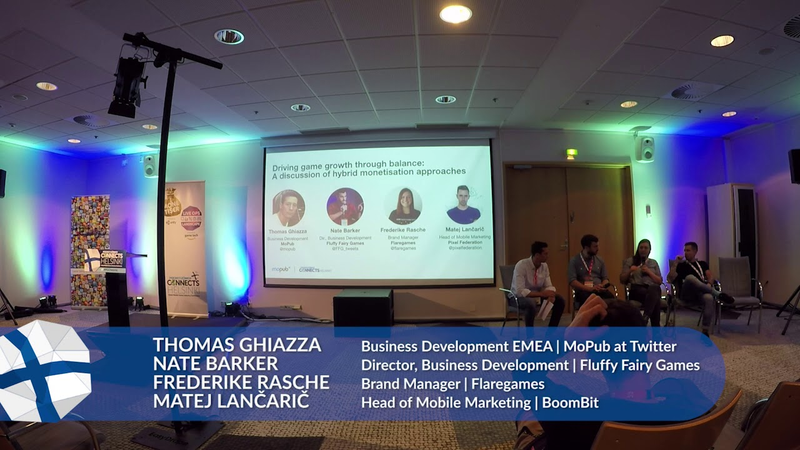
Driving game growth through balance: A discussion of hybrid monetisation approaches
Key insights
7 takeaways- 01Hybrid monetization, combining in-app purchases (IAP) and advertising, is now a requirement for sustainable mobile game growth and revenue diversification.
- 02Average Revenue Per Daily Engaged User (ARPDEU) is the primary internal metric for success, while eCPM remains the standard for managing external ad network relationships.
- 03Rigorous data analysis and iterative testing are necessary to manage ad frequency and placement, ensuring that ad revenue does not cannibalize IAP performance.
- 04Developers should prioritize rewarded video and playable ads over interstitials to ensure advertisements function as value-added gameplay components rather than intrusive disruptions.
- 05Monetization strategies should be incorporated early in the development cycle to ensure ad placements feel organic and aligned with specific audience behaviors.
- 06Integrating ad revenue into Lifetime Value (LTV) calculations enables more sophisticated user acquisition and cross-promotion strategies.
- 07Ad-removal purchases should be priced at a premium to protect long-term profitability, as highly engaged players often contribute significantly to both IAP and ad revenue streams.
Ask AI about this video
Transcript
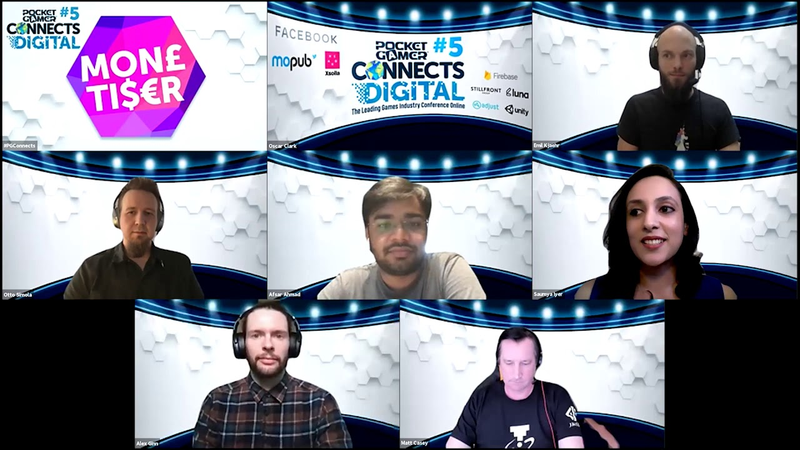
[Music] so hi everyone thank you all for being here and now everyone's super hungry so we'll try and keep this as engaging as possible my name is Thomas Garza I work for MO pub as a Business Development Manager for the ones that aren't familiar with mope mope of is Twitter's ad monetization platform so today we're going to be discussing how a hybrid monetization approach to our balance between in-app purchases and ingame ads can drive growth for your games and create a sustainable revenue strategy before we dive deep into our topic I would like to thank these three amazing panelists that joined us today and I would like to ask you guys to introduce yourselves introduce your company and also give us a fun fact about yourself something fun about me is that is that this is my first panel as a moderator so please be gentle like you oughta start
hi my name is Nate Barker I'm the director of business development had a fluffy Fairy Games fluffy furry games is the creator of idle minor second we just passed a 50 million downloads which were really excited about and I guess a fun fact about me is that I used to play the bagpipes competitively back in high school I am from play games mobile games publisher and based in kasra Germany I'm Brent manager and fun fact about me well yesterday I confirmed my learning that I have the relatively useless but proficient skill of renditioning Finnish songs in karaoke very accurately understandable to natives apparently don't know what to do with that but it's
great I know we used to make a band hi guys my name is Martina on television I work as a head of mobile marketing but recently I changed company I worked before with the pixel Federation but now I am beat boom beat and fun fact about me I have Powerpuff Girls tattoo on my chest so to kick things off I've got a question for all of you so how do you balance between in-app purchases and in-game ads so in our game we actually started out with just in-game ads when we first launched our our MVP and the way that the game has evolved over time is that we focus on certain types of rewards for in-game ads and then certain types of things that you get through in-app purchases at the moment now I can share that the split revenue-wise is
about 50/50 and there's obviously they calves Airi different split between who and the percentage of people that are engaging with one versus the other but I can say specifically in idle games where the two levers that you can pull are time versus revenue or time versus money and so for instance the speed that you're getting paid out or the how long it takes to build something etc we we try to have different rewards for the the two different I guess monetization types so things that are like really simple reward it's just like increasing your revenue over a short amount of time that always from ads anything where you're getting premium currency or permanent rewards which are certain characters we have in the game that comes from primarily from in-app purchases would you guys want to add something today yeah so against their
titles in our portfolio um historically were very strong in IP revenue that the first title that really changed that fundamentally was nonce at night also an idol game similary split between IP and ad revenues like 5050 and yeah so now we have more titles coming and there we see that at monetization and some is going to be even more focused like more than 50% yeah well I was at a pixel Federation we well or all the pixel Federation games started as Facebook kind of as games so back then there was no reverted videos so the all games were focused more on IPs and now nowadays we try to find the right balance between like 70% versus 30% maybe but all new games are going to be like focus more on IP so more like
like 50/50 well as amazing and this leads me to my next question so how do you calculate this balance the use different metrics for understanding IP performance versus add performance yeah I mean I think everything comes down to of course just like your lifetime value for the players and I think we spoke earlier there's some more things that we want to talk about how that's calculated but um generally with IPS it's pretty standard right you have the purchased percentage there's the just like the average revenue per user if you look at it through GA the average revenue per daily active and we struggled initially when it came to how we were measuring ad revenue performance and so my prior background is at an ad network so the way that I used to always look at ad performance was really through just the eCPMs right the effective or estimated cost per thousand impressions but we
found when we were doing that is that it was subject to a lot of like day-to-day change we'd see if we were using a mediator that like one network was going up and then the other one was down it was kind of hard to normalize at least in our minds and think about how much value we were driving from individual players because we were always thinking in terms of just impressions right so what we ended up doing is switching to the average revenue per daily engaged users so not the average revenue per day active which is it's gonna be subject to how many people are clicking on your hats but just the players that are actually engaging with our ads we only use rewarded video and rewarded playable and so it was it was really easy to focus on that and that's now kind of our you know guiding light when it comes to optimizing our ad mediation yeah I think there is two sides up to that and that's one is the how do you calculate the revenue that is generated from that but also basically the gal game health and
how it is impacted by ads so basically what we're looking at is how many and like what percentage of DA uses participate engaging with ads how many are they watching and what is the impact on retention for example or of course um IP revenue this one and balancing that yeah well uh automation but I would like to say that the pixel Federation we like I mentioned we were focused more on IPS but then we try to do a B test the the monetization point for like the if the ads are going to be like hurting the IPS so we we try to look at the day twenty eight ARPU and then we found out the heads actually hurting the revenue so we are trying to try to balance that out amazing so moving to the next question what type of ad formats currently fit the games your games and the ones that
you're currently developing is there are you guys able to share with us what ad formats you use and why sure and so um I've really a really good stat which is that if you're if you're rewarded video engagement is anything less than like forty forty percent it's a really good opportunity to use interstitials and in order to generate revenue fortunately for us our engagement is somewhere in like the sixty something percent and so we haven't done any interstitials we haven't done any banners at the moment we're only using rewarded rewarded playa bulls and we found that this has been the best for us in terms of monetization if only because it's the only thing we've tried but it's it's certainly something that is measurable for us in the other way that we look at how our ads are performing which is in the ratings of the games so we're really
sensitive to how the game is being rated or reviewed and so this is the one that for us is like super safe when it comes to ensuring that there is a like smooth player experience yeah we also focus on unrewarded video ads so there's no interstitials or something like that because we've seen and I think that everyone knows that it's it has an impact on the perceived quality or can have and as a risk we do not want to take and also yet people do engage with the rebodied videos very actively we see similar in numbers of like tau percentage can be 50% can go up to 70 so there is no need for us to force our users to watch the ads because they are engaging with them anyway because the placement as well then he actually we also started regarded video but then we
thought about the interstitials as well but now we are trying to trying to to get better engagement rate for riveted videos and then if we can implement as well interstitials then we can do that as well amazing thanks for that the next one's specifically for unite I've done a bit of research and in an interview released you mentioned that you need to make sure that when people come back to the game they're immediately given a very lucrative offer to watch video would you like to elaborate on that sure and so I mentioned earlier that the primary lever levers that are pulled in an idle game are going to be in speed time as well as in the payouts and so one of the big things for us because it's an idle game where people are accruing revenue while they're outside of the game is that once they come back they're incentivized to watch an ad that delivers multiplier on that revenue that they got while they were out of the game so it's a 2 X multiplier it's only
available once and it covers from when they left the game until arriving back in the game and so beyond just being something that is important for for their gameplay and it is important for us to get ads in front of players it's also really important for the advertisers right because they want to get somebody they want to know when the first the first impression is going to be so we can measure that since there's only one of these and we can get a we can optimize to encourage people to watch those if they're not watching enough of them we could increase the the rates that they're getting paid out at the moment 2x has been generally fine for us but it's the most lucrative reward and it basically delivers unlike them and maybe one of the aspects of the game that is a bit punishing which is that you earn less money while you're outside of it than you would if you had it open on your desk running continuously for 24 hours for what video specifically at low pub we've heard from
some of our partners that they've been getting requests from users for more awarded video ads is this something you guys have encountered as well yeah so definitely on our end there are users who are like heavily engaged with the ads and we kept them we play around with the capping as well quite a bit to see what's the ideal balance if you have for example a non-paying user then there is less problem with giving them more ads because of course there's always the risk of if the rewarded video is incentive or the rewards of that video are incentive enough for the player to watch the ad it has a value and that can always cannibalize IP revenue so you have to be careful with that but we do see that yes of course because the rewards are worth it people do engage a lot with the ads and they are asking for more yes and when something is not working
then they complain that actually when when we tested the eyepiece versus ad monetization we our segmentation was from level 10 until level 50 and then we found out in in Google Play comments and reviews like hey where where the video robots get it back so people complained a lot about not having the videos in the game so believe we're all played with frequency capping to try and find a sweet spot have you guys found a sweet spot for the amount of rewarded videos that you like to show to your users and you know so um we've built in frequency capping and a few different ways and I'll tell ya like the sweet spot sprout for us has been about eight ads per user per day and kind of the way the frequency capping works in our game is that there's a reward when they first enter which I mentioned earlier and then the other type of reward that you get on a typical
day-to-day basis since there are some that you can only get sometimes but the other reward that you get on a typical basis is to watch ads in a game to increase a multiplier on earnings in the future so you watch an ad and you get four hours of 2x revenue but we capped that at about 32 hours and so it limits the total amount that people are watching and usually what happens is they watch their entry ad and then they watch a few of those and then they and then they basically stop watching finish playing the game and come back the next day yeah I think so we have also like I think with some games we ended up at like capping at 8 but it's also yeah again important to see that you are trying not to make some people watch a lot of ads but all of them watch at least one this is why having that multiplier in the beginning is great we played around with some
implementations to basically get this first ad impression from from as many users as possible because that is the one that is the most valuable to the advertisers and therefore gets the highest revenue yeah we played with the frequency as well but I think with pixel Federation we didn't have any any caps the elegance maybe that's why it hurts I appease but now we want release thanks a lot two weeks ago I think we have frequency cap on free but we are playing with that maybe five six and then it's probably just a sweet spot maybe and then taking in consideration rewarded video how do you actually measure performance and what is a good performance for you guys I know we briefly touched on this that yeah and sorry I mentioned earlier that we were using the average revenue per Daly engaged user which is a good way for us to track long-term performance and once we started doing this it's it's been hopeful and just focusing our
attention beyond just kind of maybe like vanity metrics that we're trying to increase impressions or you know increase the things like the eCPMs but it's different when we're talking to networks that we're working with so we tried using things like the ARP do in order to communicate to networks things if we wanted to like a guarantees and it's just it's like we're speaking gibberish because for a few reasons one it's not commonly used number two it's not a a metric that they can necessarily the other networks or partners can see very well and optimize on so for external communications we're using just eCPM since it's the the gold standard there is the same for you so if we're yeah I think I said that before basically it's tough what we're looking
at is the participation of di use how many are they watching and I think yeah so basically good starting point is four or five ads per user per day but that depends a lot on the game and something that I think is really interesting what we're starting to get now is use user level data on it yet so basically the revenue per user which is a GameChanger in that aspect because you can like you know much more information about the users like and the revenue act generating by their alarm the end so pretty much the same for everybody good and you guys can you guys give us an overview of what it took for you to find the correct positioning of the ads in the game did you have to play around especially in the initial phases what did it take yeah well we played like I
said we we tested hats and we put the placement on the main monetization driver in the game so that that's why it hurt the I eye piece but then we played with all other placements like speed ups and probably like you mentioned the double the revenue side and stuff like that and we tested this for a couple of months and it's really crucial to find a proper placement for ads and it is show what to all users actually yeah we started showing us for all users but then there was a really big discussion with bi team about how to segment those users and not to show ads to to payers but and it's an ongoing process yeah for us it's also like very iterative especially if you are a publisher that has very different games with very different ideal ad placements you you
just test do you play around you have ideally I don't know five placements and then see which one works best optimize frequency pacing capping all those things and the rewards of course so the way we do it usually is we try to find organic placements of the ads so basically that's something that makes sense so it's not an intersession but something where the user has a need that can be met like you die you get a revive or something like that so that's the placements that we're trying and then we test different approaches in terms of payout as well so you get for video you get 300 coins or 200 or 100 what is basically what has the best results so we go with our best guess so basically
the an educated guess from the experts in that field we do one that is more more aggressive one that is less aggressive and then one approach that has no ads and we look at which approach is the best and then normally like the more aggressive and the no ads are underperforming so you've tried to find the balance between the other two and like iterate and optimize until you've found your sweet spot fantastic and just one thing together I would like to add that it's really hard to find a proper placement to to a game that's like five year old so it was quite a ride for us but now with all the new games it's kinda is because it needs the ad monetization is to be in like the part of the game loop so it makes it it makes sense for a pro player to watch the watch the ad and in regards to rewarded video what rewards are you actually offering your players and do you think it's important to have the correct the
right rewards for your players yeah of course it's it's the incentive to to the players and I think like the double reward the the thing like you you you mentioned the double revenue for a couple of couple of hours that's it's really really really good way for for a player to put your net so in terms of what kind of rewards some we rarely give out like hard currency for example but more in terms of things that you would normally buy it for hard currency like a time skipper excuse me for example and yes finding the right balance is extremely important because you want people to engage with yet but at the same time as you don't want to cannibalize your IP revenue so yeah it's a lot of iteration and can change over time as yeah we we also hardly give out a hard currency for the ads we are in Idol
Factory tycoon our newest game but I think the other thing that's important for us too when we're thinking about where we're putting the ads is in pacing of the ads so if the first ad is when they first enter the game we don't want to have something else they need to do immediately in order to and need to watch an ad immediately afterwards so there's some content right that's the actual game itself so they're playing that and then they reach a point where you know say they want and they're about to leave ok so there's like the exit one but in between there's also there's also the opportunity to either get premium currency in the new game which we're trying or an idol miner if there were they're in the process of building and we hit them with a time gate then we give them an ad there so there's still more that they can do after they finish building more optimizations for a while and then something they can do when they leave so I guess it's it's sort of like a beginning middle and section sectioning for the ads and what stage of
the development is you start thinking about where to position the ads and generally thinking about other placements at what stage of the development we have a blueprint right now which we use for just the the first ad so we know that that works really really well and so that's usually the first thing that we'll implement once we start adding monetization and our process is is pretty iterative and so I'm sure we're not the only ones there and so when we first release a game there's no monetization and then maybe about six to eight weeks into our beta test then we'll add in one of the elements from the the blueprint right so that like first entry ad and then slowly along the way we'll add a few more with just placeholders until then okay yeah well like I said I think it's really important to think about ads just from
the beginning of the of the creative process of the game and yeah implemented into the core loop so as soon as possible yeah I think so too and I think so basically you know more or less from the beginning whether or not ads are going to be a thing in general with kind of game you're making especially like as a marketing person there's some guidance that I can give saying okay this is a very young audience for example it's gonna be hard to monetize them probably I am yeah video ads are a good source of revenue there and then basically we wait for the first monetization data to come in like the first reliable ones when you have an actual like statistically significant cord of payers and so on to see what your IP revenue is going to be like and then based on off on that try to yeah put the ad revenue on top that's that's the approach we're having and not a
cannibalize so it's really early as well because yes you said as well and I totally agree it needs to be it needs to make sense if you add it in later then it doesn't feel good and you will never have the same engage it doesn't flow so we're not moving into the end of q3 and very close to q4 so we'll probably see a big increase in brand spend CPMs go up does his seasonality affect the balance between ia P and ads so when moving in q4 for example does anything change in the balance for you guys we definitely see an increase and an uptick especially like among brands and in q4 I think it's also sort of tempered a little bit in terms of the CPM is that you're gonna see because at the same time we'll also have an increase in our total volume of
players particularly if we're running events which we're doing more and more of in our games so it's probably a bit of a trade-off there in favour of a slight inflation during the the months due to seasonality yeah we see the seasonality - funnily enough last year not so much as the year before for example but so it's its most obvious and q4 clearly but you see like the revenue going up and down or the eCPMs going up and down into a smaller degree even before I like summer holidays or it back to school and it drops because like people are playing less because vacation time is over so it goes like like a little bit like this over the year yeah well it's q4 so everybody wants to spend as much as possible so we see we see the recipients go up and but Selene towards
the Christmas usual usual thing in q4 I guess and did you guys treat ios and android differently when it comes to AI AP and AD monetization all you treat them the same I think and for the longest time we sort of thought of Android players as being less valuable so we would have lower expectations when it came to the ad performance our games tend to we turned to advertise really heavily with high-end Android devices so we see that there's a bit more parity between the two between the two platforms but the biggest differentiator for us is China right because we have our game released on iOS in China we don't have it in Android as someone we're doing optimizations we typically have to spend time optimizing Tier one Android Tier one iOS and then China we kind of put in
its own category since the network performance is usually a completely different than what we're seeing with the other territories yeah I was going to say like yes you can segment the treatment by platforms but that's not necessarily the first one we do or there is other factors playing into that more importantly like payers non-payers or country like you say I mean the same exact same thing non-stop night in China also only on iOS so that it's a whole different piece yeah that quite significant in volume yeah well it's it's kind of easier because pixel Federation games are not in China so we treated the iOS and Android the same way and this leads us to our last question so LTV is a crucial metric for an abscess success how is it how important is it for you to get a complete picture
of your audiences LTV well I think I think you mentioned this earlier that I'm sort of like the smarter monetize errs now and marketers in particular are spending a lot of time trying to figure out how to get a complete look at the LTV with with ad monetization in mind so you know previously there was like here's the LTV of your players placed around the IPS we know exactly always where you know who's spending when they're spending what platform how much they spent but advertising was a little bit of a black box and there have been some like approaches to this and I think there's a company called M Summa that like tries to do this we do this internally what we've started working much more closely with all of the ad networks in order to get and are in our mediator in order to get all of that data specifically for players and the way we've had to do this thus far has been kind of a hybrid approach we know
from some networks everything we know the advertiser is we know how much they bid just like the CPI right and we know the country and of course all the player information and from others we know a like maybe a few things three variables country device and so what we'll do is is sort of a hybridization of the two in order to figure out what our what our player values are I think in the future we're we're hopefully just going to have the precise value because the hybrid is is kind of a dubious at best yeah so I think there is a like to me there's two aspects to that like we touched upon first yes of course it's important like if you run you a campaigns for example you want to be ri+ if you base that only on IP revenue you're gonna have a hard time if fifty percent of your revenue is coming from ads so of course you take that into consideration and yeah the other thing I
forgot that but yes well in terms of LTV the combination of ads and IPS may be taking to consideration as organic as well allows us to to be higher and to spend more money in terms of way so yeah well we like to counter at monetization and and I IPS and organics into the LTV model so it's it's better for us yeah he came back to me so basically this user level data on the add performance is really interesting as well because that enables also a different kind of you a campaign for example like you could target actually people who are engaging with ads more than with IPS and yeah I think that's really interesting and I think it's about time yeah amazing thank you very much I think we're right on time and we
have a few more minutes for any questions if there are any when we've first met in a week do you the level you guys are at with the the idle minor was like yeah this is kind of interesting how a retention or the transformation of the level of detail that you guys are looking at between then and now is astounding and I think you know I've seen the same thing with you guys of fair games you know the the level of detail an analysis that we're doing to make these techniques work is incredibly useful so please pay attention to what these guys are saying and does anyone else have any questions yeah we're gonna try get mic to you I've been wondering if there's any difference in the eCPM compared to if your game is although all the players in your game are very engaged because everyone's trying to get that high a CPM and so have you seen any difference for example if you have two products that
are somewhat similar but on the other one the churn rate is much higher which means that users might drift from your ads to another game because they are bored at that game and then some games you have very very high engagement rate so they no matter what kind of ads you show them they will stick to the game so that put a result in lower ipm and CTR so actually since I'm not not working with the platforms to to negotiate those deals I'm not I cannot I can only say what I've heard and that is that we have seen really good eCPMs in our games so basically people who've worked in the industry for a while and have liked benchmarks and so on and they can negotiate with the platforms and trying to make good deals they have a really good hand with some of our titles because the users are of high quality
because they are installing and so on so so there is definitely a difference and good integration and integration does have an impact on the eCPMs that you can get with that yeah sorry I was I was reluctant to take it because our games are super super similar at least in terms of like the overall mechanics so most of the variation that we see is is not due to like the initial engagement which is generally about the same with the titles but the CPM differences will come from the total volume so we have one game that is like much more Western focused and as much smaller City CPM is of course look great but the other title is a little bit more global we have a lot more organics which tend not to be as as high-performing on either side so it's the EC PM's tend to be a bit on the lower side but I think it really just depends on the country mix and the total
volume I also think that as your game gets bigger there's probably like marketers who are much smarter than I who are looking specifically at the quality of user that's being derived from from your title and if you hit a certain threshold right where they're getting a lot of users they're probably going to be making more active changes to their bids per title that will have a huge impact on your CPM so if you're flying below the radar maybe that's not even something they're looking at yeah but then comes into play that yes we have a portfolio for example and eCPMs because the users are quality are great but at the same time it's like do you want to push them out of your portfolio is it may be a better idea to cross-promote them with a net in the same placement to another one in your portfolio thank you any more questions we have a question over there I'll come back to you in a second
thanks Matt you mentioned that it doesn't make sense perhaps that doing any in-game advertising for games that are over five years old but what about games that are trying to let's say extend or product lifecycle so to speak that had already had quite a lot of success in I ap but now I want to try and experiment more you Goggins you advise this completely not or no I I didn't want to say it doesn't make sense it's just hard really really hard to find a proper placement for for ads and and let's say then you it will takes a long it will take a long time to find a proper placement and that's it it's just it's iterative process and and along the way to find that okay it makes sense for sure let's just don't do that work recently for a client and we haven't released a game to don't know the data yet but it is a tough job to do but I think the way we tackled it is look at the utility value for the player and if
you can find ways that you can basically foreshadow the value of the IOPS they're buying anyway you kind of have a much better way of finding the right point to promote the ad because it's like a gateway element it feels less there's less friction as a result and it's always focused on would you offer me anyway reduce friction increase utility then people like the ads and in fact actually demand them I mean was that fair yeah yeah I think as far like maybe you will see the IP revenue going down to a degree but I mean what you're looking at ultimately is the LTV overall so it may be that it's still like something where there's potential in this particular one the the the soft launch tests we actually had an increase in IP which is great but it's not confirmed until it's out there so yeah yeah that's something we've seen as well as like that actually you would think that there's the IP users and the add
users and it's absolutely not the case because the users who are prejudiced are the highly engaged users and they are going to use everything in the game to get as much out of it as possible and that is that means that they are actually the ones who watch the most apps as well it's one of the things that really drives me mad is people putting in this by to get rid of ads because every single time I've seen it done the very people who watch the most ads are the ones who spend the money anyway you've just lost all this potential so only that's my experience I don't know about you guys yeah you can do that but you need to put a much higher price point on that precise than you would expect precisely precisely I think I can sneak a very very quick question here and then I'm afraid we're gonna have to call for lunch because I lost people getting hungry I'm sure just really short to work Seymour said before is there actually a difference in churn rates after implementing ads no I mean
that's what we're looking at when we are assessing the integration right what's the engagement and what is the impact on retention and conversion and so on so we go with the approach that does not have a negative impact on retention I say it's one of the most common question I mean it came up all the time when I was still working in unity on ads and all the data was it doesn't if it is affecting you it's because you've done it wrong but the biggest thing I find I found when we were doing this analysis was that often people weren't paying enough attention to LTV so for example interstitials I found quite often was a problem because it may be giving you great money up front but actually LTV was going down but it's hard to judge because sell TVs are the nightmare to work out what's the right way to judge it depends on your methodology and do you call it a 60-day 90-day do you what is real life - uh RPI
for that reason exactly although I think I'm gonna have to say thank you very much guys thanks a lot for attending enjoy your lunch [Applause] thanks Patti I know it was Frederick Rodriguez birthday yesterday so happy you [Music]
Summary
Hybrid monetization strategies, which integrate both in-app purchases and advertising revenue, have become essential for achieving sustainable growth in the modern mobile gaming landscape. By targeting a balanced revenue split, developers can diversify income streams while maintaining player retention. The core objective is to treat advertisements not as an intrusive necessity, but as a value-added component of the gameplay experience. Rewarded video and playable ads are prioritized over traditional interstitials, as these formats offer tangible benefits to players, such as time skips or resource multipliers, which enhance engagement rather than disrupting the core loop.
Successful implementation of this model requires rigorous data analysis and iterative testing. Developers must carefully manage ad frequency and placement to ensure that ad revenue does not cannibalize in-app purchase performance. Key performance indicators, particularly Average Revenue Per Daily Engaged User, serve as the primary metric for internal success, while eCPM remains vital for managing external network relationships. By incorporating these monetization strategies early in the development cycle, studios can ensure that ad placements feel organic and aligned with platform-specific audience behaviors.
Ultimately, the integration of ad revenue into broader Lifetime Value calculations allows for more sophisticated user acquisition and cross-promotion strategies. High-quality, engaged players often contribute significantly to both revenue streams, necessitating a cautious approach to features like ad-removal purchases. To protect long-term profitability, developers should price such options at a premium, reflecting the substantial value generated by active players. This holistic approach to monetization enables studios to optimize their economic models while fostering a balanced environment that supports both player satisfaction and long-term financial growth.