1 free read left. Create a free account for unlimited reading + AI research.
Create free account
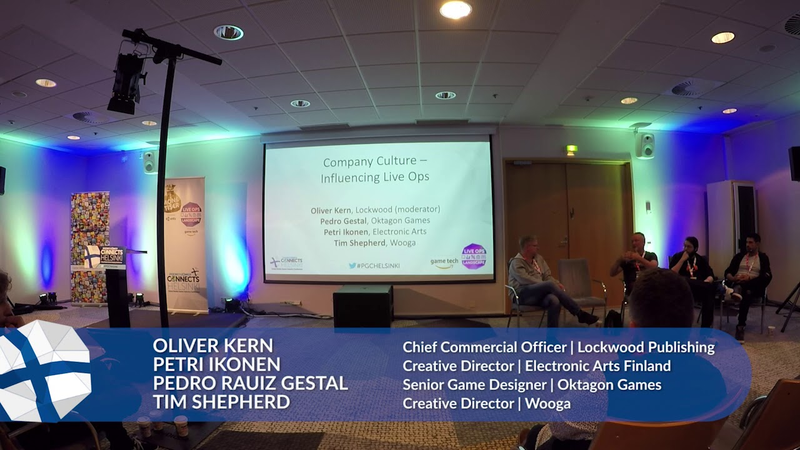
Company culture - Influencing live operations
Key insights
6 takeaways- 01Studios should transition from genre-based silos to lifecycle-based models, rotating staff between development and live operations to leverage diverse expertise and eliminate redundant workflows.
- 02Long-term success in live services requires a cultural shift from the perfectionist pace of initial development to a model prioritizing rapid delivery, proactive communication, and collective ownership.
- 03Operational teams should be divided into distinct units that separate new feature development from ongoing event management and content updates.
- 04Resource allocation must remain dynamic, with team sizes scaling from skeleton crews to over thirty members based on business performance, player demand, and the title's growth trajectory.
- 05As games mature, the focus must shift toward optimizing existing systems through automation and improved tooling rather than building large-scale features.
- 06Effective live operations rely on a low-hierarchy environment that utilizes robust, blame-free feedback loops to identify issues and iterate on processes efficiently.
Ask AI about this video
Transcript
[Music] but we for Before we jump into the topic I think it's obviously best if each of you introduce yourself who you are the company what kind of games we're talking about life ups obviously so that those games are specifically of interest and should give the audience some perspective like okay what is it that you're involved in okay my name is Petra Icahn and I work for EA at the track 20 on track 20 SES mobile studio here in Helsinki I've been working on lasts over five years on SimCity build-it and it's been live now seen almost four years so it's about live service my name is Deirdre gestahl as as it turns out and I'm with octagon
games where a studio based out of Brazil and we've been in the business of live loss basically for the past three years since 2015 and we're currently managing and doing live ops operations for Magic the Gathering Puzzle Quest my name's Tim Sheppard I work at Google we're a story-driven casual games company my role there is changed over the years but I've spent most of my time working in live ups managing diamond - and yeah we operate five-five live titles ok great so maybe we can dive into kind of the definition also a little bit of life ops because I think that's that's an interesting one because there were already in the talks earlier there was like DevOps life orbs these kind of things so what is what is what
does life ops actually mean for you what are kind of the key components where you say yeah this is this is for me what life ops actually really means beyond running a game for many years yeah I I think the essence it's just serving the players providing the best possible experience every day every second so that it's up and running but it's also fun and why it's fun perhaps we are kind of all the time monitoring what are the players doing changing the game running campaigns so it's kind of never-ending adventure but the player that is the key I kind of agree with that like for most part and and I also believe that it's a very adaptive process in a way that it's always about figuring out what the player wants and how to best give it to him in a in a fast manner you know in a
in a very direct way so yeah I definitely agree with that yeah of course they say it's um it goes from taking your best guess what you believe a player wants to actually having the feedback to to know it for sure and being able to have the toolset set up to react on the information so how big are your life ups teams we heard earlier from space ape they have like four people max no four people per I guess per title so how big are your life ops teams or what the company considers life ops team we are above thirty people but it means that we have someone who is kind of reacting someone who is kind of running the campaigns and also the third team doing development for future releases so it's about also improving the game all the time making new big features so that's why the team is quite
big you know we currently have ten people on Magic the Gathering and well I you know I actually understand that the more increments you're trying to add to the game the more people you're going to need if you're basically maintaining the game it makes a lot of sense that you can do it with fewer people if you have all the tool set and all the you know the processes in line to do but overall like six to ten people seems really like that like the previous speaker said it seems about right to me it sounds about right to me so Ruger has a slightly different set up our teams are comparatively quite large so one of our games June's journey has 34 people in its core team and that's not even including all the services and tool sets in marketing anyway that surrounds all those people out sources June's journeys are one of our largest games right now for our smaller games
then we do scale back to to what we call light ops internally which is essentially a skeleton crew that maintains SDK updates etc and that can be as small as one or two people okay so the panel is about company cult culture influencing life ops so you know what would you do how would you define kind of the culture in your company and how maybe also give some perspective like how that has maybe changed over time when kind of life have started to become more important did that influence did the company culture influence how you approach life ops or was it maybe the other way round who wants to start Tim do you want to maybe start yes sir so um so Luger right now has a lot of live titles compared compared to what we have in development
so about 80% of the companies working in on a live title or in live operations we used to have two very clear segments of this studio which was hidden object games and puzzle games what would classes bubble shooters match three and the company was divided by game genre earlier this year the company spent a lot of time to assess the values and came up with a new process that decided that because we have so many games working in live ops that it made more sense to structure the entire company based around a games lifecycle rather than its genre because there was more to be a more learnings to be shared across life titles as opposed to just core games designed so this was a fundamental shift in how our company culture impacted where how we would communicate between teams in live ups we
been down the market since like I said know since 2015 focusing on live office we've actually been a studio since 2009 and all and we've always been a very self reflecting team basically so we're always reevaluating and finding new ways of improving processes as we go in and not only you know outward processes like how do we sell this or how do we make this fun how do we make this work but also internal process how do we make this faster how do we make this easier and less stressful for the team and all those aspects of it as well and there's actually been both cases actually of LiveOps influencing our culture as well as our coach and influencing how we deal with LiveOps the adaptive nature of why of LiveOps fit very nicely with our team
core values as as as as it were but we've also found that there's a very ingrained need for communication to happen very very among teams right so basically the learning process actually needs to happen from all areas of expertise and we need art is communicating with designers and we need designers communicating with engineers and we've been restructuring internally to fit this communication model into into our processes and when we've been found finding out that it's quite useful yeah this is a very interesting and broad question and if I think so game development is hard running a live service is hard and and now if I think it for sure both of those accents they change your
culture because when we are developing a game when we are running a live service we are somehow we are communicating there we are behaving somehow we have certain processes roles and sure it creates our culture and if I think what happened to our team after very tough development faced and and then changing the lives this mode I think it has built trust and and we have seen that how valuable very open honest transparent communication is you have to be really candid and I think as a team we have learned that we started to learn that already during the development kind of have distrust to say allowed hard things that this is not fun and it also also applies to live service that let's be honest let's trust each other so that the environment the culture of the studio is such that anytime anyone can say that this is not good
let's improve this and so on and and I believe it has helped us a lot but it's kind of that when you are doing such things as developing in games and and and live services and you have you are struggling and and and you have a lot of problems and if you as a team manage to solve those for sure it kind of improves your culture I believe I guess it's also you know you have this probably hypothesis while you're developing right so then anybody can come come up with something and you can argue days and weeks probably around certain aspects but only once you're kind of running a live game it's like okay let's try to find out let's look at the data let's let's even ask the players whatever I mean there are all sorts of tools that we have at our disposal right so so that I I kind of agree but for you it must have been really interesting because very often there is like as like space ape
said earlier right they they kind of really separate that they have like people working on new titles and they have people that are really focused on life ops right you've got kind of rather gone through this experience of like building shipping and then kind of moving into life ops that's kind of a little bit different right yeah and on the other hand of course we are also working on something new at the same time so it's it's the same team or no there is of course that certain people are already focusing on the new projects and developing that one and and but there is a lot of interaction and we want to kind of encourage that our studio size is just a little bit over 50 people so it's still kind of okay that everybody knows a little bit everything and it's very nice I actually found that this interaction between team a team developing a new title and you know the
live ops team seems to be quite interesting you know for us we've actually share a few game designers between titles and we found some very interesting scenarios where we learn from our hypothesis and our theories of how something would work or how it should work given a certain subset of information that we have and we can reapply that to to another scenario and try to understand and predict basically how that would work given certain parameters how how a certain feature or certain design element would function based on on on how it has in current life titles and in it actually it's shown some really good results as a learning process for the entire team overall yes so I'm wondering one of our community company values that we really
focus on right now is open communication or thought it's thoughtful communication is the the value and this is a response to realizing that some some projects were working on the lifecycle or a couple of instances where we failed to open up those communication channels where we'd have two teams building very similar features and afterwards we go like well why didn't one of you do it first and then just the other one tell them how to do it and yeah that can happen between live games and new games but we also move people actually move teams so people drop in and out of live ups to development games based on where
we feel that their knowledge is going to be best applied so what do you say that you are recycling people between kind of development and live I think the broader of a perspective and experience people have the more valuable they are of course this very obvious point but so we had a lead producer take June's journey from inception to pretty much live ops and stayed with their project for about six months before handing it off to a live ops specialist if you like or another product manager whose focus and experience was more leaning towards how to optimize a live game rather than to build something new so well yeah so basically just so I'm trying to figure out the best way to put this then the
general idea is trying to shift people around where their skill sets are best used right there that's something that we found a lot of a lot of success with it and it seems to be kind of a constant where you like it's a nice way to put it recycling it I actually wonder like that absolutely yeah trying to to move people around and kind of rely on this ability that people have of of transposing their their what they've learned onto other people that that have not yet been through that experience so I quite like that oh sorry I didn't mean to suggest that we've pushed people around where we feel they're gonna be the moistures actually people feel the team's start very small obviously scale up to 30 40 50 people sometimes and a lot of the people on teams have feel great affinity with the
project that they've built and the development teams will large parts that will stay with that project through a large part of their live ups life as well I didn't mean that you would remove them from the project completely when you would try to maybe use that experience that they've acquired there and try to transpose that on two different teams sure ring so the only not this is part of the thoughtful communication channels that we have at whoo gasps OH we have company-wide slack where people are free to chime in on any build or any presentation from any of the teams publicly or otherwise we also have what we call five minutes of fame where each disciplines able to do a presentation on something that they've learned or discovered or are looking into or requesting help saying like I'm about to start looking into this if anyone's got
any experience please let us know and it's a way of disseminating all the information across teams and people that's actually very interesting we do something very similar our team we have these weekly presentation meetings where we have either designers or programmers or anyone was really something they'd like to add or get you know help or you know ask for feedback on and that's been very very helpful as you know to get the team engaged kind of as a unit more than serving the individual functions inside the company so that that I can really see the value so I guess one of the one of the challenges at least something that I've seen quite a bit is you know especially with bigger kind of life ops teams I think one of the challenges is you were talking about kind of developers kind of staying on the project so to say there is then this desire to kind of build more further
features etc and life ops traditionally is more really about kind of maybe focused much more around let's say events community kind of more kind of let's say frequent smaller content pieces that kind of come into the game etc so where do you draw a line somewhere where you say like okay I know this is actually June's journey 2.0 or a big feature and they need to kind of you know they need to kind of run their own small team or do you kind of keep it all kind of in one one life ops group do you kind of split those teams into kind of smaller groups or how do you organize like 50 people in life ops or 40 or whatever so we'll have a feature team and a live ops team if you like if you're so so the future team will maybe spent several months building and a/b testing a specific large feature and
then live ops teams might do things like personalization experiments or pricing experiments when we make the decision to scale a team down this is largely a business decision based on at what point we feel we've grown the game as far as we could at that point and then the features will start to get smaller until we some of our latest lifecycle games they are at the stage where they're mostly folk Gaston consistent content updates and yeah just event management so it's um it's process that that we address monthly our guests you make sure I had counts matching the game growth so June's journeys team is so big because the game is still upwards sorry to keep killer on this is probably because when
we launched a game we know that there's a lot more in the backlog that can be added and we're going to keep doing those features as long as the game keeps performing well so so yeah that's why the team is still so big because the game is still growing I feel that's kind of inherent of the the whole softly soft launch process you know like you release you testing a new update it's kind of like even after the post launch we can keep this this new methodology with the feature team and in the live ops team because for content small content updates you you really don't need a large team to maintain given that you have the proper tools and an infrastructure set up correctly but you can't really just add you can just add content to the game and expect it to last a very long time so it also depends on the projection you have for that game you know given the numbers that you're seeing given the data that you have how
long do you expect this game to run and then you can adjust size of the feature team accordingly to make sure that you're also adding new ways for the players to interact with the game not just revised basically content yeah if I think seems that they it's a big theme yes I could say that easily kind of a little bit divided that yes we have some people who are really focusing on reacting is it up and running and then there is a certain team more doing campaigns live operations keeping it fresh and then there is the third one which is the bigger which is actually creating very big features and we have been doing that now all that for four years update after update and and why why we are not just kind of keeping it alive no we have been because we have for example we have learned so much about our players there are different kind of players creating different segments and
then we see that oh we are under serving that segment and we are not kind of meeting their motivation so let's add competition there let's add club force there so because we identify that we are under serving and and still our back lock is full of stuff and we are finding out that oh players want this and that so it keeps on growing and on the other hand as a game designer game is never ready you know I won't polish it more I want more features and more content and it also resonates our players are saying that yes more content more features and it is also impacting our business so we are able to grow our business by by keeping it fresh and also making it kind of bigger and better yeah I mean I'm a big fan of life ops because it is it is the long-term retention that actually kind of can make all the difference as
long as you're able to kind of also monetize long term you know that's where that's where you really also build audience that he can keep growing and growing and growing beyond like maybe an initial peak and then from there on it's just like a battle against the the downfall so to say but when when do you win would you recommend you start kind of thinking about life ops so to say as life ops I mean it sounds for me a little bit there is like this mix between kind of DevOps or or kind of development within life ops and then there is kind of let's call it the Pure Life ops where it's really just about kind of having tools and kind of back-end things where you can create events and kind of just push stream content into into the game etc but when you when do you start thinking a that I remember yen's once said like he
this game we're gonna launch it we already have one year of content that's what he said I don't know right yeah no so he may have said that about June's journey actually yeah yeah well I mean we obviously want to run a profitable business and putting more people than necessary on a project it's not gonna do that but when do we want to scare back I think well there's still a lot of opportunity for to provide value for four players will we'll continue to do it so so when we launch a game obviously we're focusing on the the first 30 60 90 days but in live ops or so post launch you see a design shift towards the the players that are there for a year to
three years and the more I think there's a trend of more social features towards players to stick around for a long time so so you're building a different type of feature set I don't know I mean part of me wants to say when you feel it's done then you scale it back but like you said like it's never it's never done there's always something else cool you could put them more the business that dictates like okay another now guys you may have other projects coming that need to ramp up so yeah maybe internal resources is a factor team allocation definitely seems like something that would would impact that decision quite a quite a bit cuz I mean overall they're they're both designs and it's never really done side posing which is generally it's really never done right
but overall I think that a good measure might be the the point where you can see then the cost of editing in feature I don't mean just cost as money per se you know the cost of edging that massively outweighs the need for that feature while it would survey a subgroup of players if that really can't be justified then you kind of have to and I do mean have to you know it kind of becomes a more business to like decisional right we would like to do this but we really can't you know and I think that's that's the kind of process that you need to evaluate on a case-by-case basis yeah I think as a developer I want to serve the players forever but of I totally I creates a business called what size of that live services how much it needs is it just maintaining is it a big operation small operation I'll do my best to serve
players and that's it okay possibly sorry it also parts of it kind of appear organically right I mean if you have a full team creating events for the first time ever but you know you're gonna run them over time repeatedly then you'll build a tool system for them and then it doesn't take a small team to do the first iteration I mean you will have the tool it will start to be something that turns on and off and your team requirements become less over time as well then I think for us this this switch you know I've not been able to give you great answer is because it kind of happens organically over time yeah it's a bit of a process then kind of you understand like okay how can we how can we make this maybe more efficient or so we learn kind of from the things that we bring into a game like okay how can we also now kind of maintain this it may get less about building the next big
feature but using maybe less people to optimize the features that are already there yeah yeah I guess it's a lot about learning by doing you go for live then it's at hook we have all these players they want more they want more and then only we need all these tools and then you okay let's make more content they are kind of running out of it let's implement tools so that we can run all this live events and it's a hassle and I think it's typical for the first year of life service that it's a big prioritization that now tools or content or more our balls and let's do it so it's also hard to make a decision like okay let's think about okay what's gonna happen in month 1 2 3 in in so you go into soft launch you see like oh okay now it seems that people are interested in in this is it then that you start thinking like okay well they will want content yeah and it's so funny how you
underestimate the kind of the pacing or pace that how players can consume content we have kind of learned many times that ok if we say then okay let's make 100 yeah I I agree with that that like it's at a certain point you need you have this whole soft launch window where you evaluate and you can kind of make predictions on on whether or not you know the game is and and even in design you can figure out a little bit if the game is supposed to last exponents or a year or you know when you're building something you kind of know how long that thing is supposed to last at the same time there's kind of this trade-off you can't really invest a whole bunch of time during development to try and and you know automate everything on the chance that you will really really really really need it so I'd say that it's it's definitely something that you should keep in mind
during the initial stages of development all throughout soft-launched and as you see the need start to show you know start to pop up you need to identify that and if the infrastructure is not there you need to quickly correct that because you will need it if it if it comes the case where your game is something that requires content updates regular content updates to keep players engaged and interested then that's definitely something you need to keep your eye on to really identify and start developing the tools and that you need so maybe two to wrap it up before we open the floor to questions uh what do you think is kind of the one company value that you feel has had the most the most influence actually on how you handle and do and think about life ups today okay I know this is a really difficult one but do you want to challenge you of it I I did a little
prep with some of our product managers as well so for us I would be the thoughtful communication to be proactive in sharing how things are how feedback on whether or not something is good or how it could be improved or whether or not you've personally managed a design or a process before yes is the thoughtful part addressed to the Germans and the company where they can be very crazy but you know the Germans can be very blunt so thoughtful communication could be really a good way or the Americans yeah that's overall everywhere you know it's it's a it's an important aspect of the whole company and it's applies outwardly as as it does internally as well this also refers to our players as well yeah okay
Petro yeah I actually believe that communication seems to be the the key here and really being able to look at something and say well this isn't good and don't never stop there you know the thoughtful part I think comes from from this side where you say well I don't think this is okay it's it's it it could be better in this way and you make suggestions and there's this back and forth between all the players involved in the team you know the all the all the developers and and because of that it kind of creates this is this unit feeling where where you can rely on others and but for us we've found that and that's definitely very important it's among the top two things I believe and the other thing is the ability to to focus on fixing issues as they appear as opposed to how can I put this I don't
really want to say it with like assigning blame so any any problem that occurs so more ownership kind of yeah okay it's kind of like a well okay this happens or you know this happened or we didn't identify this and because of that we made a mistake well let's it doesn't really matter why we didn't identify and by why I mean who didn't identify I mean it matters like how are we going to identify this the next time how can we make changes to our processes that allow us to fix this issue and so that it doesn't happen again in magic we do this on a per release basis so basically every release we sit down and we say well this shouldn't have happened how can we make this more efficient how can we make this better and that's something that really really impacted how we think about lime ops yeah I guess it this is boring I will repeat more or less the same so I think it's about teamwork open honest transparent teamwork we have very low hierarchy that is the most
valuable thing I think we have a sequestered studio value if I get a second pass at it one of our values is also key to live ops is some being close to our players so we put in an awful lot of energy making sure that we've got all the tools and channels open to our players as well as to one another so we have integrated help shift which means we can talk to our players directly they can talk to us directly they will ping designers and product managers we have lots and lots of community managers on social media replying to players in multiple languages so you are really understanding what players want from their game today is also keep cool okay I think we're we're kind of almost run out of time but I think we
have like one or two questions and then I think you Pitre yes are going to continue with the wonderful I will repeat everything that's perfect are there any cultural characteristics that you think are gray prior to launch but then very destructive for LiveOps or vice versa or do you think that the same cultural values for a development team work when they move into layoffs I yeah I kind of get where you're calling from I mean your speed right in LiveOps your ability to react quickly to a request as opposed to a development where you might have some more time to try something experimental and it might not work out yeah I think you do need the team to make this mental shift that
it's delivery times matter turnaround time in a way I think then if I have to pick like a defining characteristic I kind of say like perfectionism basically in a way but not in a way that you're delivering subpar things just in the way that it gets into delay it gets into in the way of your delivery dates basically because NY pops you really need to adjust quickly right so if you have members on your team that are inclined to take longer than necessary when making changes or adapting to certain things that can be really impactful in a negative way and while in development that's kind of good right now if you're in development you kind of want someone that really that's really 100% thoughtful in your decisions even to the point where it can kind of get in the way a little bit of a delivery date but in LiveOps you really can't afford that that kind of a slow paced basically
idea okay great thank you yeah we're we're run out of time but Petri will answer a lot of questions after his tip I'm if I'm fast enough oh I'm sure we'll get through that okay and then Tim will after that also have a have a talk so I think we're we're in good shape thank you guys very much [Applause] [Music]
Summary
Live operations function as an adaptive, player-centric framework that relies on continuous data feedback to refine the user experience. The primary thesis posits that the success of a live service depends less on individual technical prowess and more on a fundamental cultural shift within the studio. By moving away from the perfectionist, experimental pace typical of initial development, teams must adopt a model that prioritizes rapid delivery, proactive communication, and collective ownership. This transition is essential for maintaining long-term player engagement and ensuring the economic sustainability of a service post-launch.
Structural organization plays a critical role in this evolution, with studios increasingly abandoning genre-based silos in favor of lifecycle-based models. By rotating staff between development and live operations, organizations leverage diverse expertise while preventing redundant workflows. Teams are typically divided into distinct units that separate new feature development from ongoing event management and content updates. Resource allocation is dynamic, scaling from skeleton crews to large teams of over thirty members based on business performance, player demand, and the specific growth trajectory of the title.
As games mature, the operational focus shifts from building large-scale features to optimizing existing systems through automation and improved tooling. This transition requires a low-hierarchy environment where transparent teamwork and blame-free iteration are prioritized. By implementing robust internal and player-facing feedback loops, studios can identify issues quickly and iterate on processes efficiently. Ultimately, the ability to balance the desire for constant content delivery with the practical constraints of a profitable service defines the most effective live operations strategies in the modern gaming industry.













Comments