Mobile reports and market data
Documents
Superstar Session: Bold Predictions for H2 2020 PG Connects Digital #2
This session from the June 2020 Pocket Gamer Connects Digital event analyzes the impact of the COVID-19 pandemic on the mobile gaming industry and provides projections for the second half of 2020.
- The initial COVID-19 lockdown period triggered a massive surge in mobile gaming, characterized by a 10% to 70% increase in device usage and a peak of 1.2 billion weekly game downloads.
- The second half of 2020 is expected to see rising customer acquisition costs and eCPMs due to a high volume of postponed game releases and a record number of titles currently in soft launch.
- While hyper-casual games saw a slight decline as restrictions eased, mid-core and hardcore titles experienced substantial growth, bolstered by increased engagement and the rise of streaming.
Indistinguishable from Magic: Lessons Learned from Creating Merchandise for Alto's Adventure
Developing merchandise for independent games functions most effectively as a long-term brand-building strategy rather than a primary revenue driver.
- Merchandise should be treated as an extension of the game's universe to build long-term brand value rather than a primary revenue stream, as profitability often takes years to achieve.
- Integrating a 'Gift Shop' directly into the game via SDKs can significantly drive sales, with 57% of Alto's Adventure merchandise sales originating from in-app purchases after the feature's launch.
- DIY e-commerce solutions like Shopify offer higher profit margins and brand ownership compared to third-party partners, though they require more upfront effort and management from the developer.

Publishing in China | PocketGamer.biz RoundTable
The Chinese mobile gaming market is currently defined by a rigorous regulatory environment that prioritizes state-mandated anti-addiction measures and strict ISBN licensing compliance.
- Navigating the Chinese mobile market requires a 12-to-18-month regulatory approval process, making established local partnerships essential for successful entry.
- Since 2020, Apple has enforced strict ISBN licensing requirements for all games with in-app purchases, creating significant barriers for Western developers.
- The Chinese Android market remains highly fragmented, with ByteDance emerging as a critical competitive channel for user acquisition.

It's About Time: System Design for Mobile Free-to-Play
System design in mobile free-to-play games centers on the universal resource of time.
- System design in free-to-play games must be anchored in time as the universal resource, balancing player progression against energy limits, session frequency, and the time required to acquire content.
- Designers should establish a progression model by defining the desired time-to-level, then calculating the necessary daily payouts based on the number of sessions and actions a player performs.
- When tuning upgrade costs, a common formulaic approach is to increase costs by a fixed percentage—such as 250% per level—while rounding to larger increments to ensure the UI remains clean and readable.

Hyper Casual Gaming in 2020: Charting the Rise of a Blockbuster Genre
The hyper casual gaming genre experienced a significant surge in Q1 2020, primarily fueled by global COVID-19 lockdowns.
- Between December 2019 and March 2020, global hyper-casual game installations more than doubled, with session counts increasing by 72%.
- The optimal monetization strategy for hyper-casual titles is two to three ads per minute, as exceeding four ads per minute causes a sharp decline in user retention.
- Hyper-casual games maintain the lowest cost-per-install metrics in the industry, enabling rapid scaling despite lower long-term retention compared to complex genres.
Rise of the Player-Fan: The Growing Opportunity of Mobile Esports in Asia
Mobile esports is emerging as the next stage of player-fan engagement, and Asia is positioned to lead it.
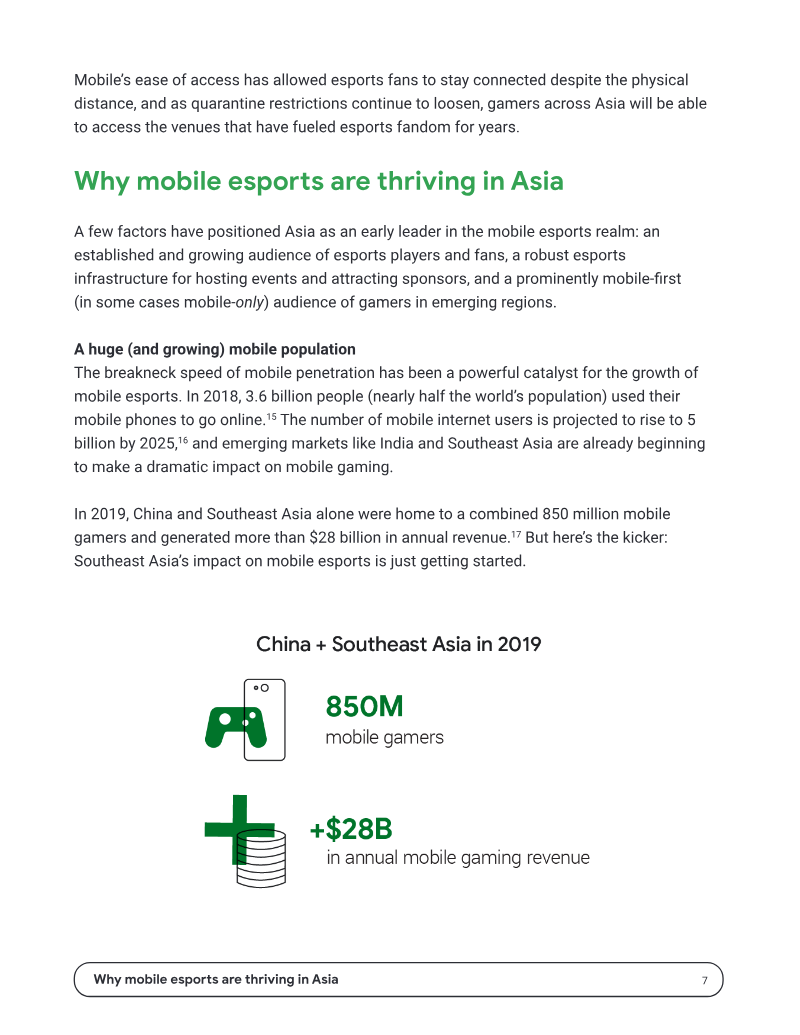
- Asia dominates the global mobile esports landscape, accounting for 68% of the $19.5 billion in total global mobile esports revenue generated in 2019.
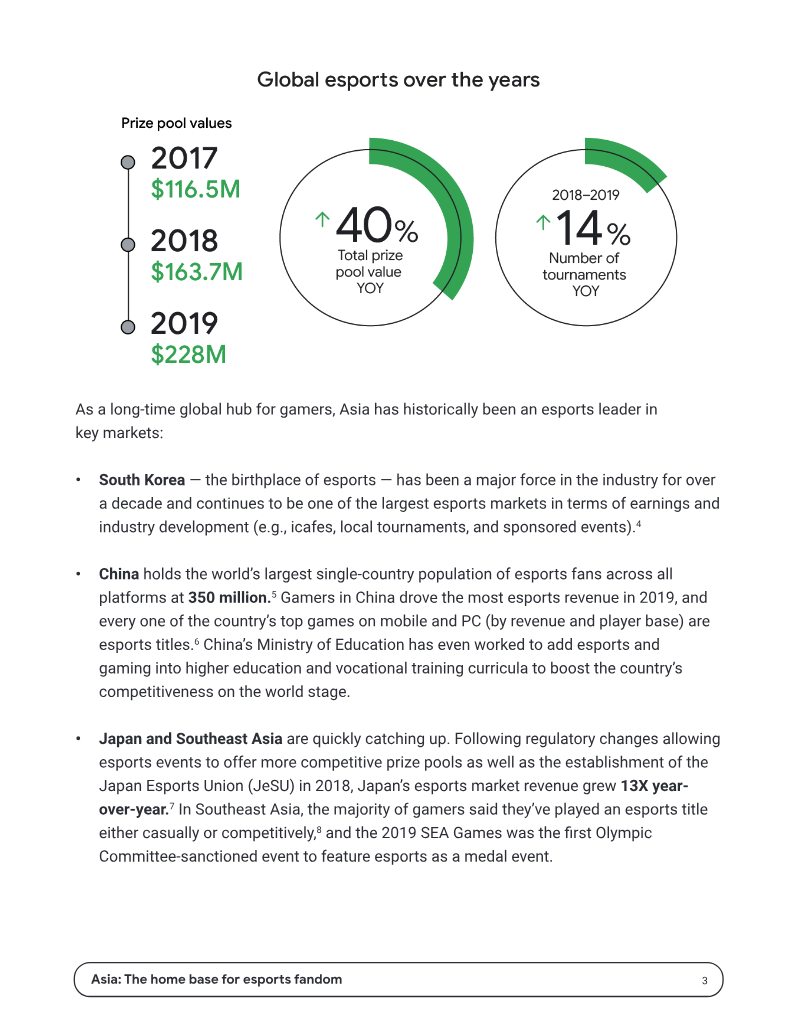
- China is the world's largest esports market with 350 million fans, while Southeast Asia experienced a 244% surge in tournament prize values between 2018 and 2019.
- Global esports prize pools grew by 40% between 2017 and 2019, reaching a total valuation exceeding $228 million.
Battle Pass | Supercell's Tale of 2 Cities: Clash of Clans vs. Clash Royale
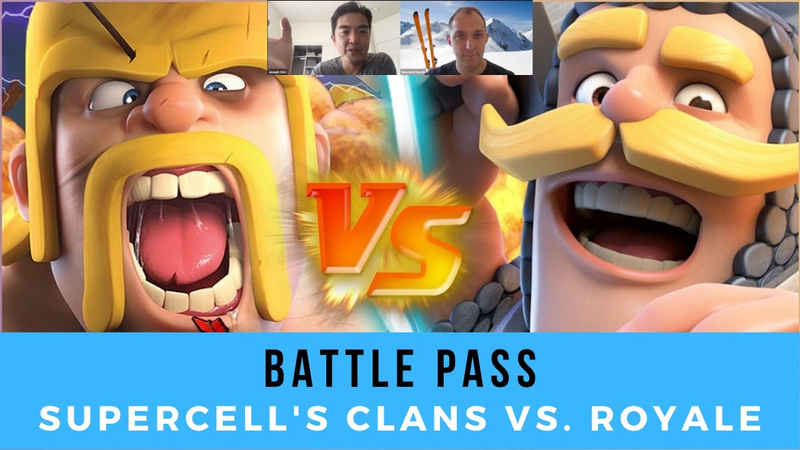
The implementation of Battle Passes within the mobile gaming sector reveals that monetization success is inextricably linked to the underlying economic architecture of a title.
- A Battle Pass's effectiveness is determined by the game's underlying economic architecture rather than being a universal engagement tool.
- Clash of Clans successfully leverages a deep, scalable economy that requires constant investment across a broad spectrum of units, maintaining high Battle Pass value.
- Clash Royale’s rigid, card-based progression limits players to mastering a single deck, which reduces the perceived value of collecting new items through a Battle Pass.

PocketGamer.biz Podcast Episode #7: iOS 14 reactions, Pokemon reveals, and more!
Apple’s 2020 software updates and evolving App Store policies represent a significant shift in the mobile ecosystem, as iOS 14 introduces features that align Apple’s interface more closely with Android standards.
- The Pokémon Company is aggressively expanding its mobile portfolio with titles like Pokémon UNITE, Pokémon Smile, and Pokémon Café Mix, positioning mobile as a primary growth pillar.
- Nintendo is de-prioritizing mobile revenue, which accounts for only 4% of its total earnings, and is shifting its strategy to use mobile apps primarily as marketing tools for its console business.
- Supercell’s Brawl Stars demonstrated the continued profitability of the mobile market by generating $17.5 million in its first week following its launch in China.

Publishers & Developers - Exploring the Core Relationship | PocketGamer.biz RoundTable
Successful publisher-developer partnerships are fundamentally rooted in mutual trust, transparency, and the alignment of long-term goals.
- Successful partnerships rely on mutual trust and long-term goal alignment, evolving into collaborative relationships that prioritize open communication to navigate industry shifts like remote work.
- Operational friction is often caused by developers underestimating the labor required for marketing assets and the resource strain of testing games across multiple potential publishing partners.
- Developers should clearly articulate all necessary development costs, including patents, during the initial pitch phase to prevent administrative and financial misalignment.
A Foolproof Guide to Approaching a Publisher - PocketGamer.biz RoundTable
Securing a publishing partnership requires a strategic approach centered on thorough research and professional preparation.
- Publishers prioritize teams that demonstrate consistent execution and receptiveness to data-driven feedback over the strength of a single game concept.
- Developers should treat the publisher as an extension of their internal team, leveraging them for essential infrastructure, analytics, and financial support for user acquisition.
- Studios must conduct due diligence by vetting potential partners through their track records and direct consultations with other developers to ensure alignment of interests.
Games as a Service is Dead
The Games as a Service model is increasingly unsustainable for the majority of mobile developers, as the industry has shifted away from the organic virality that once defined early social gaming.
- Success in the current mobile market is determined by front-loaded store performance and initial install velocity rather than long-term iterative retention strategies.
- Developers must maximize conversion metrics during the first 30 days of a global launch, as organic visibility inevitably declines after this window.
- The pre-launch open beta phase is the most critical period for optimizing store conversion rates through constant A/B testing of icons, preview videos, and feature graphics.
The Relationship Between Power Distance, Trust, and Performance in Video Game Development Teams
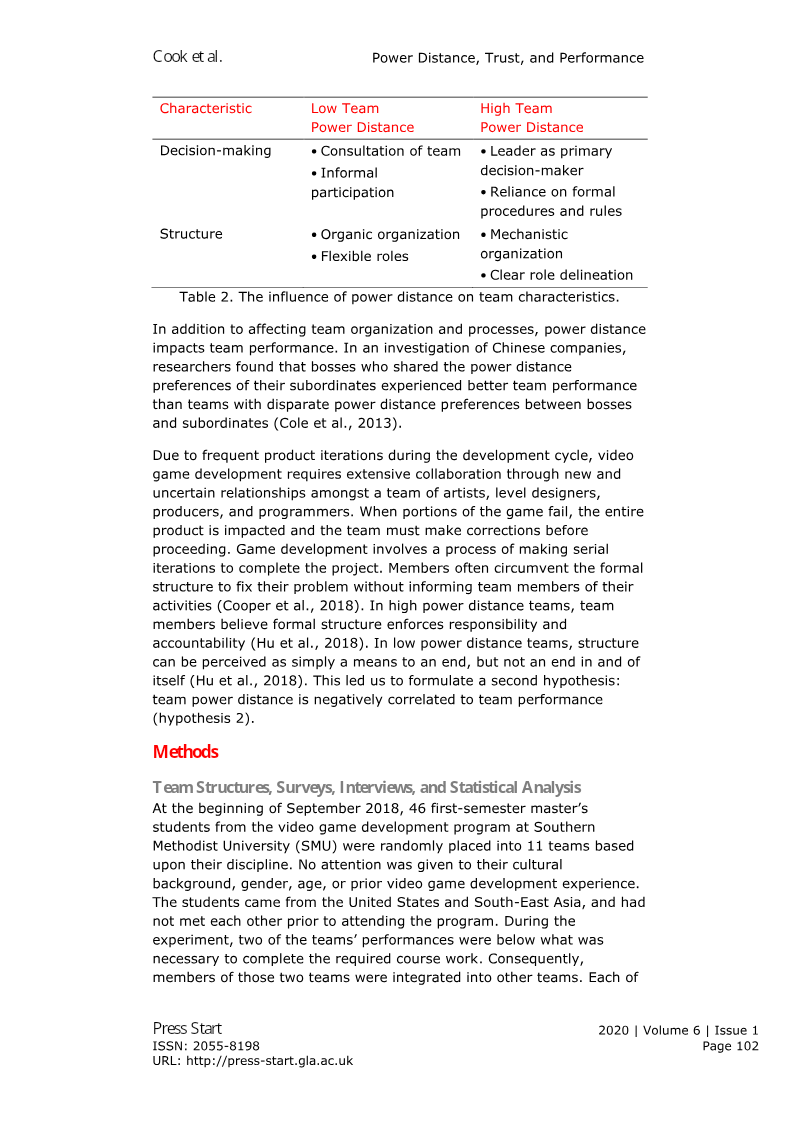
Effective video game development relies heavily on interpersonal dynamics, specifically the interplay between power distance and intra-team trust.
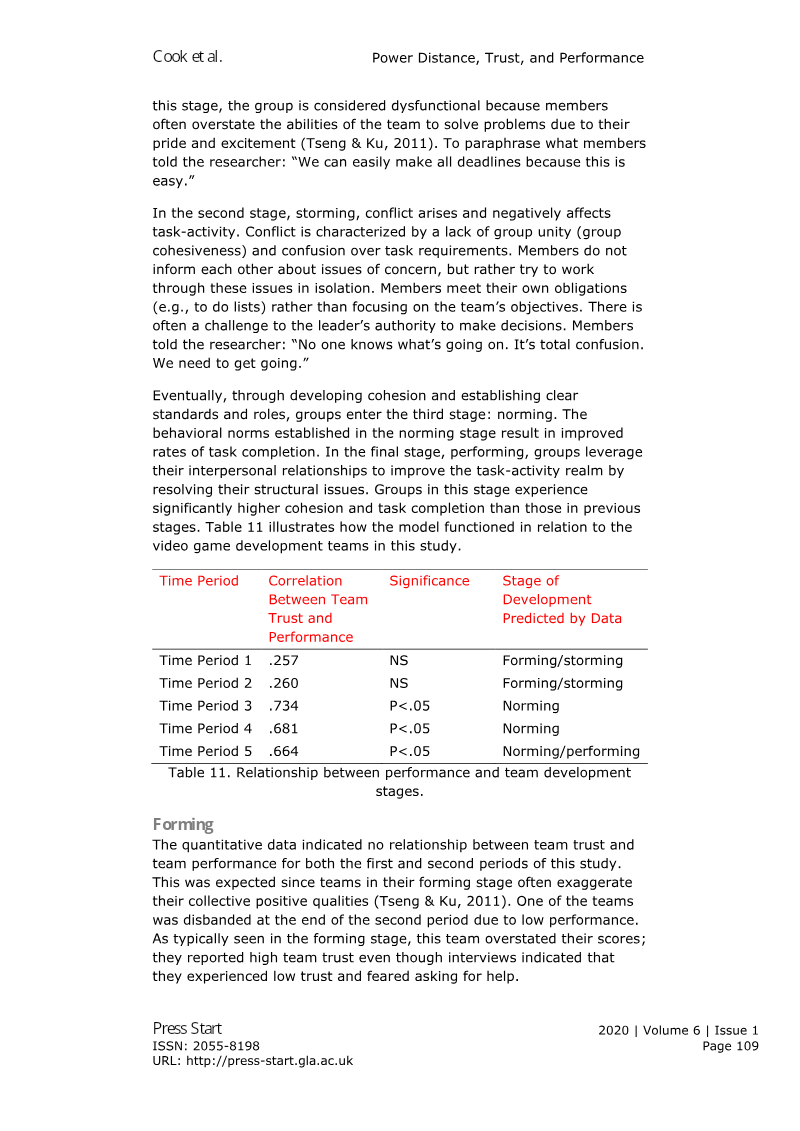
- Trust is the primary driver of high-level performance in game development, serving as a critical substitute for formal organizational structure.
- High power distance within a team exerts a negative influence on the development of trust, which can ultimately hinder a project's potential.
- Performance gains derived from trust are not immediate and typically do not manifest until the third project milestone, following the initial forming and storming phases.
Writers
Games and companies
Games