1 free read left. Create a free account for unlimited reading + AI research.
Create free account
Publishers & Developers - Exploring the Core Relationship | PocketGamer.biz RoundTable
Key insights
6 takeaways- 01Successful partnerships rely on mutual trust and long-term goal alignment, evolving into collaborative relationships that prioritize open communication to navigate industry shifts like remote work.
- 02Operational friction is often caused by developers underestimating the labor required for marketing assets and the resource strain of testing games across multiple potential publishing partners.
- 03Publishers must balance rigorous market testing with a commitment to studio growth to support developers through both technical production challenges and long-term career milestones.
- 04Decision-making methodologies differ by platform, with mobile gaming favoring data-driven prototyping while PC and console gaming typically utilize more resource-intensive development cycles.
- 05Stable projects rely on collective decision-making frameworks rather than individual points of contact, protecting developers from instability if key personnel depart.
- 06Developers should clearly articulate all necessary development costs, including patents, during the initial pitch phase to prevent administrative and financial misalignment.
Ask AI about this video
Transcript
so again Matthew my name is matthew flawed and Sapphira Pocky game table is do you want to start introduce yourself and what you do and your connection mark yeah thank you very much Matthew I'm [Music] more digital I've been with the team for about a year and a half now I got my start in games a long time ago working as a QA tester in a warehouse so some pretty humble beginnings but from there started over at Gameloft back in the j2me days when carriers were the distribution channels and worked on that for many years and went on to help launch game lost business on iOS subsequently landed at Apple for a couple of years partly is developer relations and then on to the
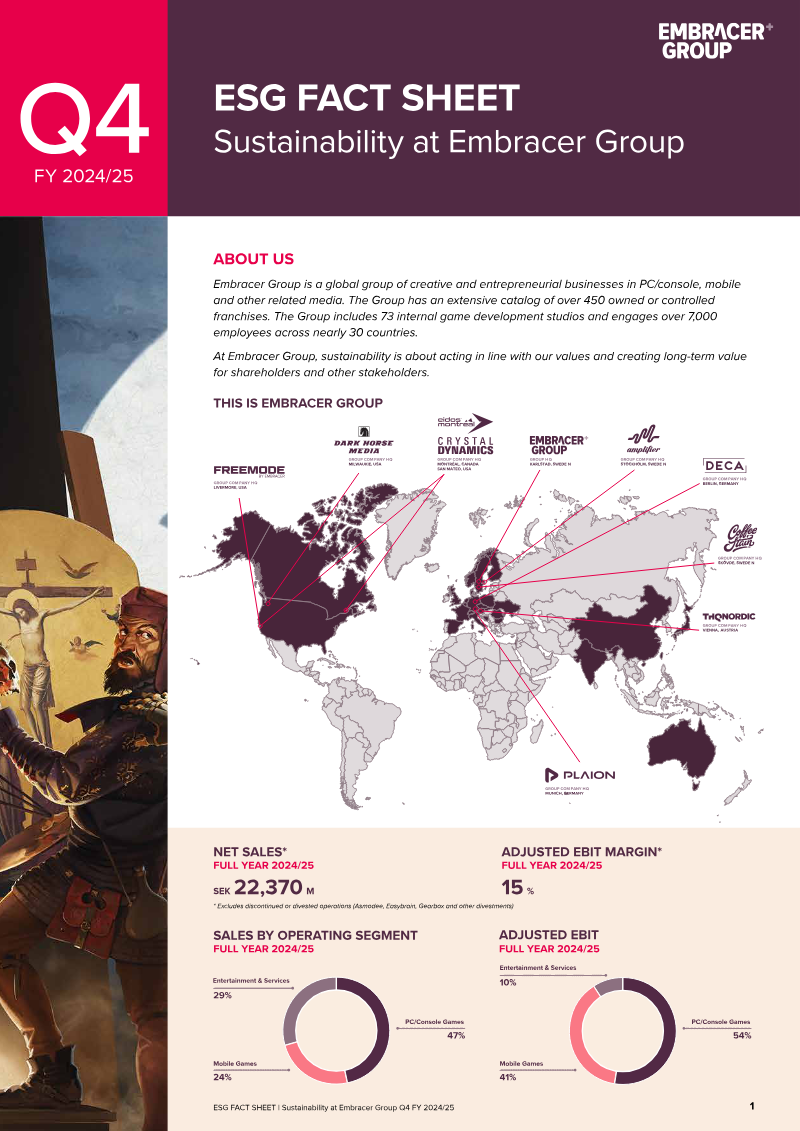
App Store team and I'm excited to be here Donny hello I am business developer for products interactive products Interactive is a global publish here for grant strategy games management games and RPGs and I've been with them for four years for four years now but I have also been on the on the other side I have been working for example for indie companies and we needed publishers and I've been there and I worked on those companies as yeah I also like held different positions I've been game designer programmer producer and I've also been like writing the pitches that we would send to the publishers so I've been on both sides so the other thing yeah I guess thank you I'm Pierre I'm part of coffee Media Group we are Google publisher as well and we are part of the Embraer group we're doing development of
our own IP publishing of fat body and also distribution in merchandise we were strong footprint in in Europe I've been with the company for around eight years and I'm looking after partnerships and the digital commerce Jake so I am Jake I'm from I'm a publishing manager at n quali through a global hyper casual mobile game developer and publisher so I'm regularly working with them across the globe kind of testing games and then scaling up games and quite a very fast pace in Antep oh I'm def on on the former CEO of ministry of games and my kind of qualifications over here are mostly based on my time at mountain sheep back in kind of early 2010 or so like doing premium mobile games and now from industry of games for the past six years of doing free-to-play mobile games my history from gaming goes all the way back to 2002 or something like that when
I started programming these Java interfaces for like early mobile phones programmer as a background nowadays much like a business weasel great stuff so we'll kick off the panel and bask in what are the core principles to maintaining a long-term relationship between publisher and developer so I'm gonna go to Donnie for this one first hey I would say the core is a very interesting question and the core principles and would be trust like whatever you whenever you go to someone with your pitch and you need to to be aware that you can deliver because sometimes you would get pitches that aren't even unattainable and it's good if you see that the team has a good track record a previous track record and so I've mentioned I would like to also mention efficiency as well which
includes being being good well with answering with replying requests which means replying on time everybody on point so if you're asked a question read by exactly the question instead of going around which sometimes happens with peaches so those would be my two points and I leave it open for for other place you to mention other points that they think are core yeah if you want to open the floor up does anybody else wanna contribute to that I think yeah I mostly agree so like it's all about communication and and and that kind of trust and knowing as a as a developer like what you're capable of doing within a time scale because everybody's kind of setting targets and meaning to hit certain deadlines and you want to get something released in a certain amount of time so you want to work under the knowledge that it's gonna happen within that period of time and
knowing that yourself is a way to set that kind of trust with a publisher yeah I think III agree with that I mean it's not it's not I think rocket science the the the conditions that favor of good working relationship between publisher and developer probably govern many different kinds of relationships but certainly you know trust and honesty transparency but I think it's it kind of falls more to the trust of each member and their relationship being good at their respective roles like we're gonna work with teams who we know can make quality games but the reason they want to work with us is because they expect us to provide quality publishing services and so to the extent that Trust is important you know we can be fairly hands-off knowing that a developer has you know knows what they need to do to make their creative vision a reality and
I hopefully part of the reason why they feel they can they can go and do that relatively sort of unsupervised is because they know that we will hold up our end of the relationship by making sure that you know they're supported across all the different categories that they need to from a go-to-market standpoint yeah yeah and three cool mark here I think it's it's also quite important that there is clarity on the goals and the responsibilities there is no surprise and everybody knows what to expect from the other end and no you it's really a teamwork its relationship so you know apart you bring something on the table and the other one that you first another part and we make to get a great Yemen great success it's a certain isolation so once everything is clear and and defined I think there is less space for no misunderstanding and you can be as mark said pretty pretty ends up and you be there to bring value rather than your checking on things all
the time over there like the communication is super important the sense of question because usually when working with a publisher like from a developer's perspective you're pretty much too remote all the time so it simulates the situation that most people are experience at the moment so a communication is super important people know keeping put everybody on the same page pretty much like when your publisher like the person your publisher side walks into the office on Monday and when your developers walk to the office on Monday that she'd all know was going to be happening with the game what's the marketing like what's happening on marketing side on the publisher side whatever the publishers doing what they did what can they expect this week and the other side like what can you expect from the developer to deliver this week and I think Trust is pretty much built around these things it's kind of hard to have trust especially like nowadays when like the industry moves super fast like you're kind of like doing publishing deals super quickly especially when you're doing your first publishing deal with a publisher you don't even though you've been testing that with them for about an o month weeks months whatever
you can't really know much about them at that point but you kind of build that trust over and over and that's I think that lasting relationship is super important in the sense that if you manage to build that it's easy to continue on with the same publisher moving forward since you know what you can expect to get from them and vice versa I would imagine so they're obviously proxies as were mentioned like a track record is a really good proxy for like kind of trying to evaluate whether the other party knows their and so forth but like it is something that you need to just build build so there's always going to be he comes on the road and I guess they kind of like how you deal with the kind of especially the kind of yeah well the bad times is really a kind of good test of your ability and you know ability to work together yeah one of them points actually brings us nicely on some a next question which is simply how
important is communication and Massa how do you keep the balance between communication between the developer and publisher so without getting on top of one or doing something that might get provides the relationship so I'll go to you Jake first so I think like communication is essential as we kind of just discussed that it's really kind of key to that publisher develop a relationship and making sure that kind of communication is honest and open and you're not in a position where you kind of feel like as a developer you're worried to ask certain questions or push on certain things because you need that openness and honesty in communication to move things forward and work together effectively to make a successful game essentially yeah it's something I mentioned earlier at this money you know in other sessions I think building a rapport is is very important you know you want you to know your partner and
what they are - what they like and what they're doing and so on and it makes just things so much easier dense to communicate with someone that you you have some whopper with that's maybe some time something that we don't take the time to do because everybody's busy with things but it's not only about signing a deal it's also about building this relation over time and when it's time to maybe talk about you know problems or things to resume that are not necessarily easy when when you're disappointed she do to address them respectfully and more efficiently yeah Madonna have you ever seen any bad examples of bad communication anything that's somebody stepped over the mark or something that you think is just a foul no I mean there's there's there's always examples but first one wants to just remember the good wins and learn from the bad ones I think one of the things that that avoid the kind of jeopardizing
relationship is always being respect too respectful of the other and big publishers like us cannot forget that companies that we are dealing with and even even if there is very small and they have to be very you know respected just like any other party we I personally would recommend you to always be kind and transparent and that goes a long way so I mean as long as you keep to that that's going to minimize the problems a lot in the long term I think like these kind of like worst examples that I've seen are mostly about communication in the sense of like you're pretty much like as a developer especially I'm talking from a developer's perspective it's mostly being kept in the dark and you don't kind of like necessarily know what's gonna happen and when whatever campaigns gonna start or like when the next phase is gonna happen and then you have your whole team back back at the office to
answer to and everybody's come like in the dark and that usually creates a lot of frustration in the sense of yard you're you get this feeling that you're totally not number one you're like number seven on the list or whatever that feeling even though you're not you're you as a developer your publisher will probably have multiple projects on you as a developer might even on multiple projects both parties I think should be treated like your number one thing at least they should may be made to feel like that and like that communication just like keeping that your publishers representing the I'm sorry of developers represented is where the communication point is like keeping them as involved in the product process as you would keep any other team member I think that's a really good starting point and if it doesn't happen if you feel that you're kind of being kept in the dark you don't get answers it gets today to get answers or whatever like you don't know clear communication channel you don't know what's happening when that's usually super bad yeah I that when the different the two partners
and arm the two parties are on two different pages that's when when real problems start because there's a lot of frustration because expectations are not met and that's yeah that that starts spiraling very quickly so we need to put it by having a fluid communication and being transparent like we've already mentioned yeah absolutely I was gonna say Mack what about I devolver digital obviously you guys are a bit unorthodox at times you know do you have a bit fun over social media that sort of thing and what have you guys found well I think that tempo raised a good point before you know trying to make people feel like they're number one I mean the reality is we have a lot of projects that are in development in parallel there's just a lot of moving parts and so I'd say one of the areas where I like on the publishing side there have been instances where we could do a better job
is making sure that the developer is informed of all of the things that are going on across you know the different categories that apply to their project whether it meet whether it's you know what's going on with specific marketing initiatives the results of talks with certain partners I mean like because we cover the sort of business develop development aspect of the relationship we're talking to a lot of different platforms and a lot of different partners about a lot of different games and it's important that we're sort of consistently briefing everybody about the outcomes of all of those conversations so there's a certain amount of air traffic control that is complex and you know it's on us to be diligent and making sure that the outcomes of all those conversations are shared broadly which I can't say we successfully do 100% of the time but you
know that is a goal to strive for and then kind of conversely I think one of the things that often happens with new teams is this like overprotection of their project over protection of their baby so if they're like sprinting to meet a certain milestone maybe they have certain things that that they had planned whether they're trying to bring in new artwork or implement some kind of new design otherwise make a significant new change in the project and they don't feel like 100% good about this change that they made then we've seen like a reluctance to come back and show it to us for fear of there being some sort of concern on our side that might affect the milestone schedule and so there's sort of like involuntarily withholding information for fear of what a reaction might be and you know that's an instance where like
trust and open communication is obviously super important and it's I think it's facilitated a lot by the fact that you know a lot of what we've been talking about so far has been all business but the reality is we love games and the people who are making these projects love games and we work very closely together kind of like on a regular basis and a byproduct of that is friendships tend to emerge right and you know I think it goes back to answering kind of the first question and this one you know one of the things that that lends itself well to long-term working relationships is the fact that friendships tend to emerge out of working closely together and as you get more comfortable over time so do you you know communicate I think more effectively more openly yeah absolutely you know Trust trust communication kindness transparency you know or words
to live by as well as much as anything and moving on so during these unprecedented times which were all experiencing currently what has changed on both sides and have you found one another spot it each of the world during the pandemic I've got this bust so I don't know much experiences during this time because I haven't worked with a publisher during the Quran son but I would imagine that it's not it shouldn't be that different from any other time as I mean previously it's usually like it's rare that your publisher would be kind of physically in the same location or even like in the same town like that so it's going to be written to remote communication mostly anyways at least on a day-to-day basis so I don't think anything should be that much different obviously like there might be some turmoil people have like new your team scattered around that sort of stuff but the principle same principles should apply you should still keep everybody in the loop and keep open communication and just like work forward to what a common
goal I think that should be pretty much like independent of the situation yeah yeah I fully agree and I think looking at our development team internally but also our partners I've been really amazed by the resilience of all the teams I mean with zero related delay because of the situation and as a devil as a publisher and business marketing side of things I mean to us we don't need much so it's it's something really an issue and the work has not been impacted at all but a staple sale yeah we're kind of used to you know like work remotely as with ours to use anyway what's missing I guess is this very well here you know like in-person meetings and and seeing each other at trade shows or you know visiting studios and so on that's that's the missing part but to go back to the previous point once you have
those relations established it's not an issue at all it's maybe more problem for developers - yeah gets those relations started with permissions in those times I would say yeah darn it did you wanna say something yeah no I was going to add that yeah it's um it's the same principles apply just like Chapo said and like Pierre said the part that we are missing is the the meeting it physically in person because there are no trade shows we cannot go visit our partners or anything and I would like to add that there might be also more and tension in some of the teams depending on the country they are residing because Scobie has impacted differently also there's civil unrest or civil tensions in in some places and and that's you know might might impact how the teams work and also do you talk about you khalid and the cancellation of trade
shows or the transporting then into into the digital realm and there's also a period of adaptation and you know for the shoes and there might have been for example and delays or moving more moving parts like the ones that mark was mentioning in regards to announcements for example or the trailer release or or things like that those those have been the changes that did i see the most happened okay yeah I mean devolver is an online company only we don't have a head office everybody works remotely so on a day to day basis this hasn't been a huge change for us strangely I mean this has been a good time for games people staying home means people have consuming a lot more content and a lot of this partners between we work are also
working remote so I'd say that on a day to day basis it hasn't had a huge impact except maybe for where people are like working with deaf kits and stuff like that and like they have Network policies that require that they stand or you know behind a certain like IP address and then trying to then move that out of like a studio into a remote working situation has been logistic ly complicated but kind of zooming out from that I'd say one of the things I've observed is there's just a lot more awareness of the importance of self-care now especially with people spending this all this time alone you know I just find like there's there's just an elevated sort of sense of concern for the well-being of others where I mean before all this coded stuff I mean this is hey how you doing okay let's get to work but now it's a lot more like how are you
doing are you like taking time for yourself are you you know getting walks getting exercise that keeping your head right mental health is I think emerged as something that's super important and so I mean certainly it like in the publisher developer relationship it's not on either side responsibility to ensure like a self care regimen for the other but certainly being mindful of it now as I think marked this period in a way that wasn't there before and I think that's positive I have to agree with mark I also notice that and I think it has brings us closer to us Bret has brought us closer to our partners because there's a genuine concern about the well-being of others and and we know more about what's happening on the other side so yeah yeah hundred ten I mean mental health is a massively important and we actually would everyone a still media we remote work ourselves and so
you have to take these things into consideration and we try and have called one of you can that sort of thing and it does go a long way just even you know speaking someone you know over a call as opposed to just a message so how are you doing that sort of thing probably communicate Jake what's it been like for you and so in terms of like communication it's been pretty consistent as we are working pretty much working remotely in terms of working with them developers around the world and one thing that they're concerned me to start off with what was actually incredibly fine was my access to like internal teams at quarreling and but they were they were incredibly faster kind of setting up ways of communicating and channels of communication to adjust to remote working that allowed us to carry on doing our jobs so carry on publishing games without any issues um and yeah I agree with with Danny and and Marc there's been a big kind of there's
more concern about other people's well-being I think like there's a big temptation at the moment as we're working from home and you're like two minutes from the office to work almost constantly you moments away from the office so you can just go oh yeah I'll do that now two hours later you're still working and I think there's like between teams there's this understanding that you still need to kind of take a break and enjoy some time to yourself and I think I've noticed that kind of rise a lot more now than I ever did before yeah a hundred thing and I'm guilty of that myself or sometimes unfortunately yeah what what are the main things developers struggle with that you find hinder publishers so I'm gonna go to mark for this first so I mean I had mentioned before the this idea of like overprotection of projects with new partners it's something that we've experienced but
another piece that I think it is particularly noticeable especially with new teams is under estimating the amount of work for certain things and I mean that can really go across a lot I mean as far as like core project creation is concerned that's already has certain potential for complications sort of all the time making games is not easy or simple but when it comes to other stuff like thinking about localization or TR CES or what people have to do in order to like go into lock check or no specific long lists of marketing assets that need to be created for different partners and programs or like those I think are kind of variables in the game development equation that often get overlooked with this with the focus
being kind of primarily on let's make this product but unfortunately in addition to making the actual game there's all this stuff that have to be made around the game for us to be able to go out and sell it and present it in the best light possible and so you know making it clear or having developers conceptually understand that and actually understand that can sometimes have a gap in the yeah I mean if we can do the same question but Reserve reversed even what are the main things are you know publishers struggle with that you find hindered developers I don't know if you can speak to this temper yeah so I think like one of the especially beginning stages of a publishing relationship usually but testing testing the game is something that is done mostly to convince the publisher that like your product is good enough for them to unlike start spending time and money on and that's usually kind of an effort
especially when you're looking for a publisher you might have like I don't know five ten publishers in a row and everybody is like looking to kind of like talk to you more but then everybody needs some data and then you can integrate their api's into your stuff and you integrate another API and everybody has a different theme and thing going on somebody wants different marketing assets somebody wants a video or somebody wants to isn't that so that's kind of a it's a huge load where you're pretty much your project two stalls at that time and you're kind of going back and forth and it's hard for a developer to kind of evaluate publishers because usually the tendency is that the first publisher who you test with if they get positive results they're going to start like pushing right really hard to kind of like you to do a deal and then you're trying to kinda like push back a little bit but not too much because you don't want to obviously like if you feel that they're good you want to keep them in the loop but you don't want to kind of like just set it to the first one that's out there so that's kind of a dilemma I don't know whether
there's a easy way to go about it obviously but I guess like I've seen widely different kind of testing processes on publishers some beer some publishers with some publishers it takes months and with some publishers it's just kind of a couple of days and that sort of stuff I don't know whether there's like what would be the ideal solution be over there but as a developer you always want to kinda like try to pre evaluate the publisher and then you kind of like do the may be the most relevant obvious or first and then like go down the list so that like you probably only have will have like if I don't know you budgeted like two or three months for like looking for a publisher you probably have time to test only with like a handful of publishers like I don't know two to five publishers at most it depends on the process obviously the like nowadays everybody is using unity mostly for games so I guess
like anything that's pre integrated into unity can be just like kind of integrated with a rebuilder like something simple like that will make things easier but that seems to be one of the biggest things like taking the first step especially when you have multiple options it's not trivial at the moment yeah anybody else want to add to that no okay we're all good for that one so I've actually got a cool audience question here that I think is quite interesting from Mike Sorrenti I think that's also that I'm sorry if I butchered your name and do you ever have any projects that you want to publish but you cannot sell to other stakeholders and how does that feel yes yes so I mean we we don't have a formalized process right like the way
games get greenlit here is is Democrat is democratic although like the vote of the president and some of the other founders might carry a little more weight than others but one of the cool things about working at the Walter is that everybody is empowered to bring games forward for consideration regardless of what your day-to-day job is and a blessing and a curse is that we get a lot of inbound sometimes we'll see games that some of us strongly believe would be a good fit and other people not so much but the thing is is that it's it like it or not it's this decision by committee that has gotten us to where we are now so far it's worked and you can't you just can't publish them all right so unfortunately even if there's there's games that slip through your fingers because you feel very strongly about them well the good news
is is that they're probably going to find another publisher and make their way to market anyway so maybe you don't get to participate in the development but at least you'll have a chance to play it once it comes out any other similar stories for anybody else I think one thing that is slightly different about a hyper casual and mobile games to other games that have been published is them like we're really data-driven in the decisions that we make on which games to progress to the next stage of publishing essentially and offering that publishing agreement - so there's I'm always seeing games that are fantastic games they're loads of fun to play and then I put them through a test and it doesn't work on the market it's something that it doesn't retain people for instance and it's always like a little bit painful to see that and but it's it's part of the industry right it's finding things that people want to play a hitter enjoying player yet dawn
appear TEPO anymore you'll add to that I mean I agree with nach River we have a similar process as well in communities and we also get a lot of inbound and obviously we don't have the bandwidth to to work on everything and yeah I think the cool thing is that most of this very good project for always fun in house and you know I figure colleagues you know that publisher house is the same the same struggle in terms of then we even yeah wants to do the best they can in the project they have and sometime you know you feel really strongly about something and you would love to work with it but yeah maybe you'll just have to play it from the outside and that's okay as well maybe you work to get on the next one yeah working together on the next one's like quite important thing as well there's any game that doesn't quite work out there's always something to learn from it for the for the next time that you try right absolutely so I'm actually really interested in how does a core
relationship chain during a generation shift so obviously we had the PlayStation vibe reveal last night and how does this affect things does this throw a spanner in the works at all in terms of relation between the publisher and the developer I don't think so I think it just probably excitement and you know eagerness and both sides in their getting it right as Donna mentioned before it's it's been a bit special transition I guess we've all you know the comet situation and the fact that become necessary gets to shows and we need to adapt and you know events get pushed back and shredder creation gets pushed back and these kind of things but beside that I think that the change of generation that didn't really impact our relation with with the way we work with with developers I can't devolve ur obviously a big change I it's it's another ball to juggle right among the many that are already that are already up in the air I mean it's
awesome it looks like a beautiful piece of hardware but obviously the ripple effect of the introduction of a new platform is very significant not only in terms of the number of projects affected but the like individual increased scope of work per project that that is something we and the developer have to now account for so it's an amazing new opportunity but you know as with anything any opportunity also comes responsibility so now we have to prioritize it and make sure that it gets the love that it deserves Donny I basically agree - as a parent and Mark said and the core of the relationship doesn't change like we it works as usual but it's also like something else that you have to take into account and and
you need to adapt to it but if the relationship is good it's just you know business as usual I would say yeah I mean Jake obviously Mobile's very different - generation changes looks it's not as big as a leaf it's more incremental but I've see with the hardware grades coming up every year Apple obviously releasing be the iPhone 12 next anything you can speak to that I think there's always kind of consideration for it but the fact that new devices are kind of being released quite regularly especially compared to like console generations it's something that you can to an extent preempted and prepare for yeah so can we talk about the actual differences between mobile and console / PC you know either in that sense any major differences in relationships or is it for the large part the same and I'm a good see you first ever I think or vision like the kind of triple-a console or PC development is typically slower than
mobile development especially when you're talking about like well large to play games take years and years to develop and mobile gaming takes three years it's a massive project so I guess like new consoles usually as the new PlayStation they probably bring in new trends or they might bring in new trends especially when a kind of a more exotic thing happens like wheaty or something like that you get a new trend where like the users get excited about something and then the developers kind of like follow on trying to see whether there's something or there so even if things happen quite more often in mobile so these kind of trends that like publishers and developers need to be aware of like happen way more often there's like I don't know Pokemon go comes out and everybody rushes into location-based gaming and whatever these kind of things happen quite often and I think that's kind of an interesting I at least find it super interesting in mobile because these things the cycle the turnaround in which the pace of which things happen is
way way more well it's faster in the sense obvious there's more users and so forth it's just super interesting to see there's like every month might bring the next the next big thing like there might be the next Idol minor Tycoon or whatever like art shadow or something like that happens right around the corner and with mobile it's kind of different from from the console and PC market especially the console markets that Hardware dictates a lot what you can do and what developers actually want to do on the panel I'd triple a high production value games but on mobile most of the mobile games that are out there could have been done 10 years ago no problem like there's really like there's hardly any technical limitation maybe these real-time like clash Royale style real-time PvP things couldn't have been made like 10 years ago but like Archer or definitely could have game X and so forth so it is kind of maybe more innovation bound as compared to like a triple a console game which
traditionally seems to be more tick and uh well work bound I guess like kind of resource bound take and resource pounds yeah yeah and I would imagine that there's also probably more barriers to entry on you know the premium PC and console side of thing console especially compared to to mobile for me both in terms of scope of the project and and requirements and policies and so on that also yeah help to have a publisher we if this is your first project or if you can't check all the box on your own then it makes even more sense to to work with a publisher that fits your needs and help you with those questions yeah any more to add are we good for that one you know I think I think I've covered 90% of it like it's much faster to kind of work on a mobile game especially hyper casual the kind of games that we're working with in working on as an internal studio
as well you can prototype something within within weeks and start testing it to see if there's potential there and then make quick decisions to move on or invest a bit more time into that prototype whereas I don't have a huge amount of knowledge of console games or Triple A games and but I expect that that's not usually the case right so I've got quite a good question here so any suggestion for a dealt the developer when their primary advocate advocates as a publisher leaves their job so I got to donate first this and their primary what sorry primary advocate the publisher leaves the job when I I'm sure I'm getting the question yeah so any suggestions for a developer when their primary advocate I support we share leaves the job the primary contact I see yes okay I owe you you are calling
sorry your tracks so um well I'm not sure if the advice should go as matches for the developers for the for the publishers like if the publisher is really interested in that in the developer they need to they need to take care of the relationship I mean I'm saying that supposed to to do to keep the to keep their relationship healthy and going and but the developer I mean if if your main point of contact has left make sure that that you get a new one you have a new coach a person that can answer all your needs and that you know that they're going to reply when you need it and don't don't leave just that hanging there you'd make sure that there's a that that you have a new point of context that's answers to you regularly and and with all the other nice things that use that we said before like which was Farsi and swiftly kindly
and make sure that you get that kind of thing but I mean I haven't experienced it at the bombers there's just a little turnover but I think an analog is like when your primary contact at a platform leaves because that's happened to me for sure and and you can feel very lost right I mean between LinkedIn and working your own your own network of contacts and having introductions made it's really important to try to establish connection with someone else to keep that line of communication going and I think that that's probably just as true for a publisher as it is for a platform but then once it's on the other side I mean it's it's really is I think it's a
it's a cultural question from one company to the next as to how they approach decision-making but for instance if I was to leave devolver and somebody was pitching their game through me I mean I'm just one voice in a course right like I might be able to gain bring a game forward and say hey this is I think this is great and and so forth but at the end of the day the only way that game gets greenlit is if the whole team wants to work on it so I don't know that I didn't put like so much stock into having that one person as a contact at least working with us because really we have our decision making is made by as a group and so you know as long as you can get in touch with somebody and show and and the whole group can have a look and make a decision about the project the individual is not not as important actually this might be I think great advice for developers that are not you
know might be new in this or something if your point of contact goes away don't panic because that is not the person that's going to make the decision that's just the prisoners conveying the information to the to the rest of the publishing company and sometimes the publishing company decides you know democratically like Mart's company and we have an internal quite complex process we definitely don't have a one person deciding so that's it's not a problem just worry about that everything you needed to know where your single point of truth finder in the relationship so mark was talking many more in when someone wants to sign and you publishing you well Donnie was talking many more like women you know like already operational phase and I think at any time as a developer you deserve to know you know which was three questions to get an answer all right and if that's not the case I mean something is wrong and I'm sure someone else will all the Clelia take care of that and you know it's also
a cultural thing as you said typically a relationship between a developer and publisher is to to make a great success and both parties on board so that's not the case many ask yourself is that the right relationship but often that like especially in the beginning stages when you're trying to close deal and we're noticing your contact leaves during that's kind of like phase where you don't have a contract in place at that point usually it like if the publisher doesn't take care of like just pending your case over to someone else it's usually a sign of like your game is probably not super interesting to the publisher you're not like kind of super high priority for them or anything like that because if you're you're like holding on to the hottest on the planet and the publisher like has they've talked about it internally I would imagine that somebody would jump on it pretty much like we need to get this but if it's something that there can like get to be about and maybe they haven't really like made up their minds
at least I'd figured out what's usually like if you have other options it's usually kind of a little bit of a sign that they're probably not going to be an ideal partner for you since they haven't invested the time into kind of like trying to make this like seamless for you on the other side like it's kind of funny that working with publishers I quite often bump into into a situation where like if I have had a relationship with a particular publisher external people have contacted me like hey do you have contacts in here because we have a deal with these guys but we are contacts not there anymore so can you try and dig up somebody because you're clearly talking to somebody over there so there is this situation that happens I don't know relatively often I guess like that like people just lose their contact and there may be your game is like a little bit old and it's not like super high priority for the publisher it hasn't been for a while and so forth so there's especially if there's something that people want to get their old game back
or want to kind of like try to figure out what's going on so for that just happens quite quite often in the sense of like athleisure we've done this like more than 10 times for people like just like digging up context for people who I have almost no relationship with just because I'm dealing with a publisher that they used to deal with or they're dealing with currently but they don't yeah that makes sense and I think we've got time for one more question before I open you up to audience questions and although we've been doing a couple of these as we've gone through and can you tell us about some of the best instances you've experienced when working with publishers or developers so I thought it was a nice little positive question to end the week awfully some nice stories here we've got to Jake first I think like there were there are a lot of different instances and I think there's mark touched on earlier it's when like you're working with someone and you kind of form a friendship out of that and it's now like even if you're not working
with them anymore you're able to get when you're kind of in their country or when you're gonna be near where they are you want to go and hang out and get a beer and I think that's that's the biggest thing in it happens so much like the best six instances are creating friendships through doing a job because as Mike said like you both love games you're both working hard and you want to kind of you share in that and it's it's nice mark yeah for sure like like so when I was at Apple I worked on some massive IP like I worked on minecraft I worked a lot on fortnight and you know like yeah it's cool to say Jim Sweeney's company made another hundred million dollars or whatever but in a weird way that this is it's not a transformative experience right for a massive successful company already that's kind of another drop in the bucket
whereas like when when we helped a couple of developers sign some some deals with with Apple arcade for instance you know these were one in two person teams and the outcomes for them had real like tangible impacts on their life right like one one guy I own get into specifics but one developer whom we work with you know that that deal made him able to buy a house and another guy you know he just like he's like going to the next step with his girlfriend the fact that we were able to work together it led to an outcome for him that that has a like a real transformative positive experience in that person's life and I don't know I think that's super super great I feel
like in his way more proud of that than working on any a big triple-a game I mean they're big Triple A games are great for your resume but at the end of the day it's kind of hard to pinpoint who's life got better because of it when compared to something that is like a big outcome for an indie yeah and like seeing indie developers being able to kind of grow their team out of that relationship is fantastic feeling yeah what about you yeah I mean absolutely and I got the chance to to work with both side of both ends of the stick we were triple-a and you know some smaller indie developers and you know we had a very nice story one recently started as a Kickstarter and we were in very early in the studio was both boho studio in Czech Republic and they were working on the game Kingdom Come deliverance and you know being there all along it's been great to see that we help them really elevate the game and then they did a
fantastic job and we shipped I won't spoil the surprise but we are several millions copies sold of the game and the studio now join and after being independent the group of company because I it was a great success but B we also the know great relation and you know fitting values and wanted to continue and expand this relation together so it's being read also to see you know the impact the actual impact on people's life in the studio and individuals and moving to a new office and you know you were dropping a couple of years three four years ago very casually and now you know everybody has grown up and it's R equal to see Donnie I have to agree that the personal component is the best part of it and you can see almost right away that there you know there is a developer that comes to you and with some of them you click with them instantly because they they get your your I mean the the ways of working are similar the values and everything and then you you can see that
you know you can at least kind of predict that you're going to be working together great but also if that happens when when that click happens so instantly that usually also means that that you are going to to get you know to you know earn our friendship that long line longtime friendship there because you are you felt these connections so so early so I know maybe my particular is that I'm I'm like word focused work driven and when someone you know works on it in a similar way then then I do I feel this kind of connection but it's all its and like I agree with there with Jake appear and Mark is about the like the personal component there and and for the developers that are following this this talk I'd like to tell them that some publishers sometimes my might feel like you know where these they're big
faceless companies that are all about the money or things like that but we're people and and we like people and we like to just have you know nice nice shapes and and yeah so don't don't be scared yes I do agree with everybody the personal relationships are like one of the kind of like will say this soft value that I've got out of many publishing relationship but there's like other instances where like actually be nuts and both different publishers be able to deal with different parts of the kind of lifecycle of a game differently so I'd say there's like kind of like you can say there's the entrance plan of like testing and like negotiating a deal then there's the actual like handling the game and then there's like an eggs it's possible exits line from deal and I thought like especially like positive experiences for you design really back in the days we used to work with chilling go on meaning for one item on to shift games like a premium game and at some point that game started twin
dueling in revenue it was significant for indie developer like us but it was insignificant for Chile and go back in those days so they gave us back the game and we're like okay that's cool like we already made a bunch of money out of this so that's kind of cool so I felt really good about that that was like something that was like of little value little to no value to them and value valuable to us so that was kind of like I had like a really good feeling when walking out of that deal then like lately we tested with for example Network like they were like doing a really nice there testing process really nice we were kept in the loop and we worked really well together with them and that sort of stuff those are like just these kind of like kind of circling back to the beginning I think the communication when the works really well it proves these friends and friendly friendly relationships and that just makes you feel really good I guess it's kind of like publishing deals our business relationship it's they're made
so that both parties could benefit from it financially but in the sense that if you have this like really kind of good feeling about it if you really enjoy working with a publisher it's similar to like if you feel good at working in a certain company it's usually I consider that a kind of a good good thing II definitely and so we've got couple quick questions just before we sign off and I've got to answer this one from Andy who's a definitely sent it across few times and it should be all in your chats if you don't have a quick read through well I have a read over as well so some games are heavily parents painting protected like beepers footballs sequels they own patents for their physics impact engine for the use of the Rondo diagrams I don't know that so pronounce that that's I'm right you can read it
yourself an in partitioning game space and fluid difficulty adjustments if I have my patrons already and I and won't want to just let publisher take my game without paying for my paints and fees first well that make me difficult to find a publisher does that make sense it does it's also extremely specific yeah I don't have experience working with patents but we don't I mean if it's the right game anything is open to discussion I suppose it what does a patent fee like how much is how much money are we talking about is it hundreds of dollars thousands tens of thousands I mean opportunity has to be evaluated on its own merits I mean at a high level we do game funding we fund projects and you know the creation of the project is defined by what goes into
the milestones and if one of the line items and the milestones is fees for a patent then you know we need to know how much that costs and and if it's reasonable yeah we would we would probably pay for it I'll see why not is really question of how reasonable or unreasonable that cost is and also I think it's important to point out that we do not seek to own anybody's IP so part of like one of our core values as a company is that you want to enable developers to turn their creative visions into reality don't want to own a piece of their game we don't want to own a piece of their studio you know we don't ever lose sight of the fact or try never to lose sight of the fact that developers are the rockstars and if we ever have a chance to do a job and do it well it's by taking their creative vision and not only helping them turn it into a reality but then finding or
helping find an audience so if you have a game that has a patents bring it on we still want to see it say the business come like these patents are kind of similar to whatever development costs you've sunk into the guarantee but you need to have a demo of the game you need to pay for tools and you need to pay for program salaries for people working for you and so forth so I don't think payments are like anything different from that in that regard like you've sung some money into the game to be able to show it to a publisher and obviously after that you're gonna have to just figure out whether the offer that the publisher is making is like good enough for you or not like that's pretty much your decision and obviously the publisher on the other side is looking at the numbers and seeing like whether like the price tag attached to your game is like feasible enough for them to actually make a profit out of it and that's pretty much like what's going on
it doesn't really like from that perspective it doesn't really matter like what you've sunk what the development cost is intended for or like who has been used for yeah I would say that if that I'm Peyton thing it's also important for your project make a point of explaining it properly in your in your pitch deck so that we can understand and why because I don't know the way that you formulated the question was a little bit harsh so I would say that you need to to sustain why it's important for your for your game and how how you want you to pivot around that so it was a very specific question as we mentioned but we are actually out of time at the minute but we have also got our just discard chat open and I'm sure all our panelists have a contact details which you can reach out to and obviously through our systems so again just want to say thanks to all our organizers and
all those that have attended to help make poker game mechanics digital number to a reality we have still going on the indie track and so there will be a link in the chat right now which you can click and that'll take you to it so that's inspiring the next generations and talents and they'll be silver in game Splash Damage fellow traveler and aquarium Aquarius great game studio because I write and yes and that's it so it's just for me to say thank you very much to my panelists for taking the time at their busy schedules so thank you very much Ted bookmark Donnie yeah and Jake and we'll see you again next time [Music] Thanks take a guess yeah you
Summary
Successful publisher-developer partnerships are fundamentally rooted in mutual trust, transparency, and the alignment of long-term goals. While financial performance remains the primary objective, the most enduring collaborations often evolve into professional friendships that prioritize open communication and personal well-being. By treating the partnership as a unified team effort, both parties can effectively navigate the complexities of the development lifecycle and mitigate the risks associated with shifting industry dynamics, such as the transition toward remote work environments.
Operational friction frequently arises from a misalignment regarding the administrative and technical burdens inherent in a product launch. Developers often underestimate the labor required to produce high-quality marketing assets, while the process of testing games across multiple potential publishing partners can create significant resource strain. To overcome these hurdles, developers must clearly articulate the necessity of specific development costs, such as patents, during the initial pitch phase. Furthermore, establishing streamlined processes for non-development tasks is essential to ensuring that both sides remain focused on the project’s market viability.
Decision-making processes vary significantly across the industry, ranging from data-driven prototyping in the mobile sector to more resource-intensive cycles in PC and console gaming. Despite these differences, the stability of a project is rarely dependent on a single individual. Reputable publishers rely on collective decision-making frameworks, which protect developers from project instability should a primary point of contact depart. Ultimately, the most successful relationships are those that balance rigorous market testing with a commitment to studio growth, ensuring that developers are supported through both the technical challenges of production and the broader milestones of their professional careers.












Comments