Live Ops reports and market data
Documents
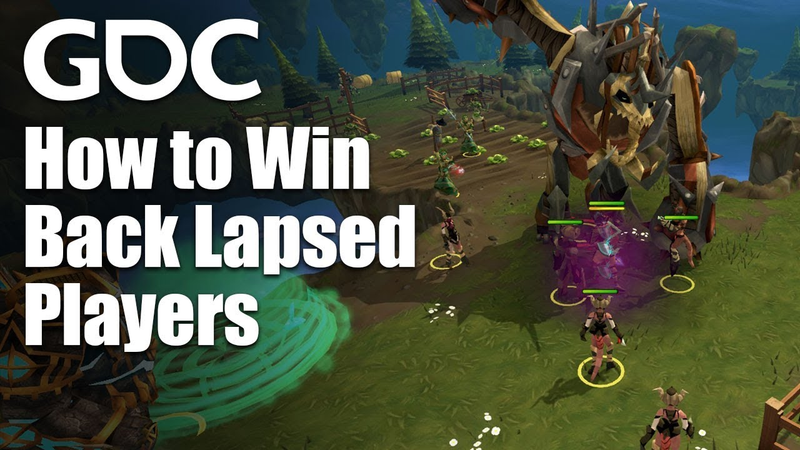
Returners and Retention - How to Win Back Lapsed Players
Reacquiring lapsed players serves as a vital, cost-effective strategy for ensuring the long-term sustainability of aging game titles.
- Long-term lapsed players remain a viable audience, as evidenced by RuneScape data showing that the largest group of returning members consists of players who have been absent for over a year, with some returning after absences of over 10 years.
- Passive communication strategies—where updates are shared on social media platforms like Facebook and YouTube without aggressive direct pushing—are more effective for re-engaging lapsed players than high-frequency, conversational platforms like Twitter.
- Content updates that resolve long-standing narrative cliffhangers or address specific player-identified pain points are highly effective at motivating returns, though developers must ensure these changes do not alienate existing players by being overly disruptive.

Manning the Oars or Raising the Sail?
The management of EVE Online demonstrates a highly effective model for scaling community operations through the integration of player-driven labor and democratic governance.
- EVE Online maintains a lean internal team of seven developers by leveraging a vetted volunteer workforce of approximately 100 people to handle forum moderation, bug reporting, and onboarding.
- The Council of Stellar Management, a democratically elected body of players, functions as a formal feedback loop and early warning system to align development roadmaps with user interests.
- The studio scales game utility by providing API access and direct developer support to third-party tool creators, offloading resource-intensive community needs to dedicated users.
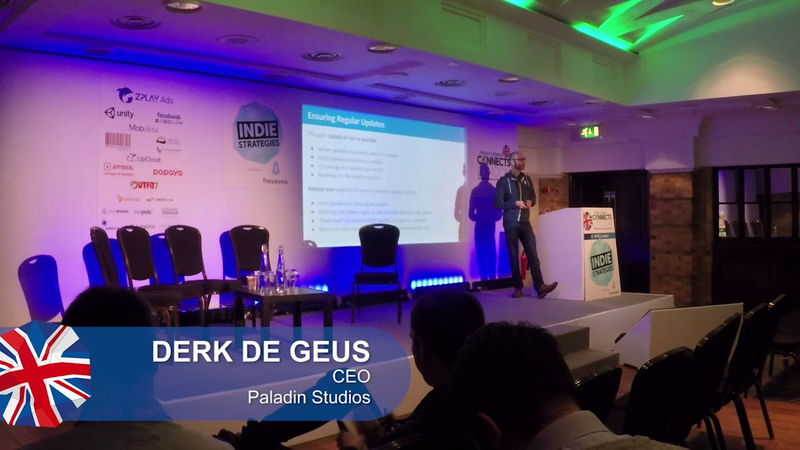
Live ops for indies – The DNA of an effective mobile team
Effective live operations for independent mobile game developers require a fundamental shift in mindset from the creative, milestone-driven development phase to a data-informed, stability-focused maintenance phase.
- Transitioning to live operations requires shifting from a milestone-driven development mindset to a disciplined, stability-focused maintenance phase.
- An effective live ops team for indie studios consists of four to eight members who balance creative vision with technical conscientiousness.
- Consistent, smaller updates generate recurring performance spikes that extend a game's lifecycle, effectively transforming a declining revenue curve into a sustainable long-tail asset.
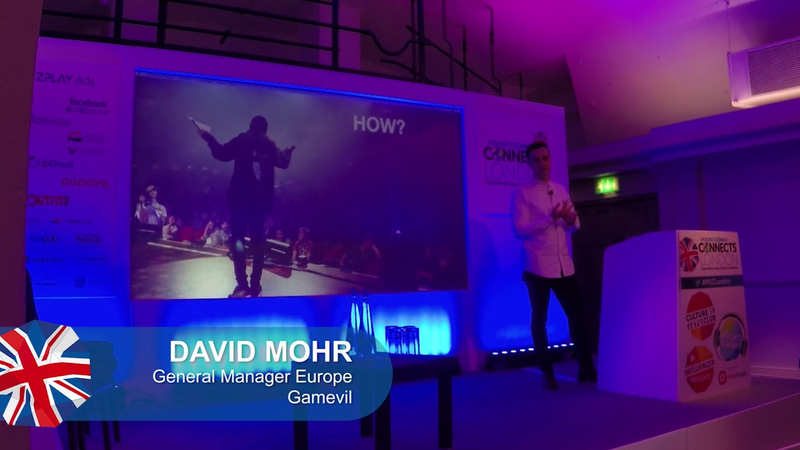
Summoners War and the recent esports and community events focus
The Summoners War World Arena Championship 2017 served as a strategic pivot for Com2uS, marking the developer’s transition from a purely mobile RPG experience to an active participant in the global esports landscape.
- The 2017 Summoners War World Arena Championship served as a strategic pivot for Com2uS, transitioning the mobile RPG into the global esports market to drive user acquisition and brand visibility.
- The Paris tournament in October 2017 attracted over 1,000 in-person attendees and reached a peak of 23,000 concurrent livestream viewers across ten languages.
- Tournament success directly correlated with commercial performance, as the game hit top-grossing status in France, Switzerland, and the Netherlands, and reached the number two spot in Germany during the event period.
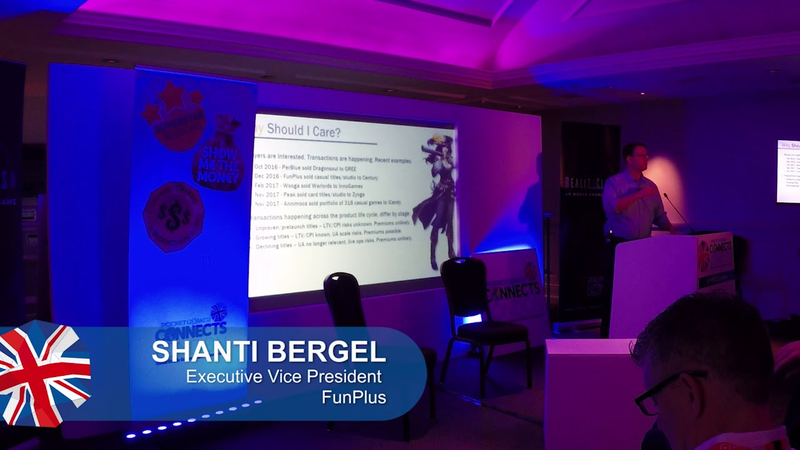
Selling live games – A new strategic option for studios
Selling live games as standalone assets has emerged as a viable strategic alternative to traditional company-wide mergers and acquisitions.
- Selling individual live games as standalone assets provides an alternative to full-company M&A, allowing studios to generate immediate liquidity without equity dilution or loss of corporate autonomy.
- For growing titles, asset sales enable developers to monetize proven performance and reallocate capital toward new projects, while for mature or declining titles, sales to specialized operators prevent shutdowns and offload non-core operational burdens.
- Buyers determine asset valuation by prioritizing revenue predictability, specifically scrutinizing historical performance, user acquisition metrics, and the consistency of LiveOps.
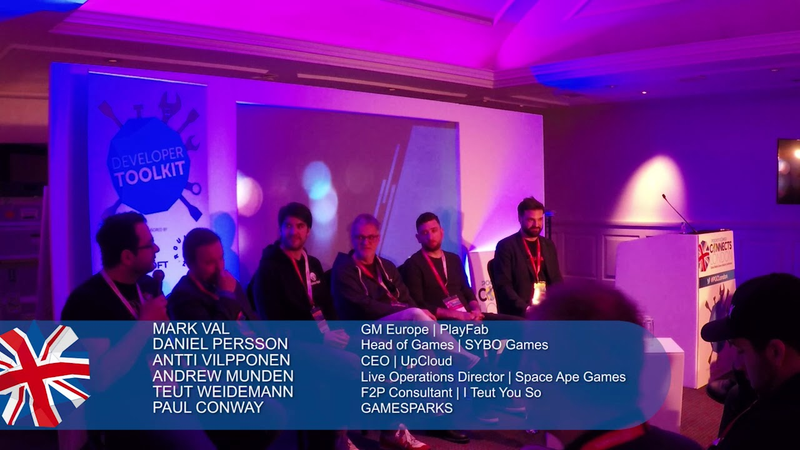
The live ops power panel
The mobile gaming industry has undergone a fundamental shift toward long-term live operations, where the post-launch phase now demands greater resources and more personnel than the initial development cycle.
- Post-launch live operations now require more resources and personnel than the initial game development cycle.
- Long-term success depends on designing games from the outset with live operations, scalable infrastructure, and machine learning integration for personalized content delivery.
- Operational efficiency is achieved by balancing automation and robust tool development with selective outsourcing to manage long-running titles.
10 million players, weekly updates – A player-centric, fast and agile approach
Fluffy Fairy Games, a Berlin-based mobile developer, utilizes a lean, agile development methodology to manage its idle game portfolio.
- Fluffy Fairy Games maintains a 70% to 75% day-one retention rate by prioritizing core gameplay mechanics over non-essential features like high-fidelity assets or social systems during initial development.
- The studio operates on a games-as-a-service model, utilizing weekly development sprints to deliver continuous content updates rather than relying on long-term, monolithic development cycles.
- As of late 2017, the company achieved 50 million downloads, 9 million monthly active users, and 10 million in annual revenue through its portfolio of idle titles.
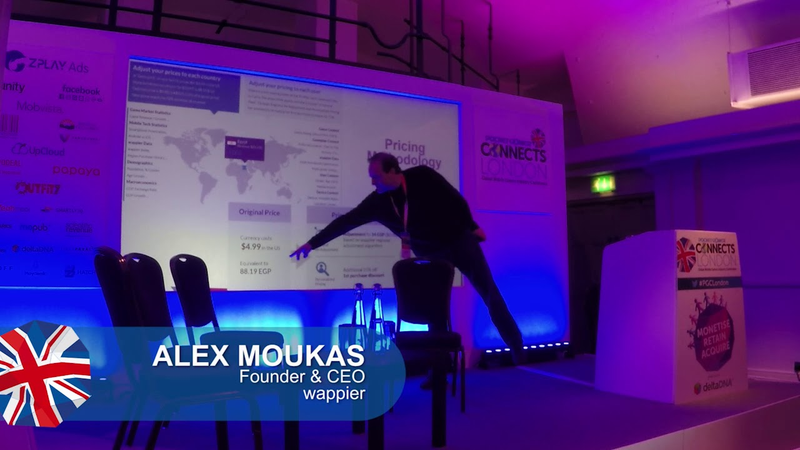
Don't do it like a virgin – Automated revenue management in gaming
The mobile gaming industry is experiencing rapid growth, with in-app purchase revenue projected to reach $140 billion within four years.
- Automated Revenue Management (ARM) systems leverage machine learning to shift focus from user acquisition to maximizing lifetime value (LTV) through personalized monetization.
- Adjusting pricing to local economic conditions can increase transaction volume by over 170% in specific markets.
- Data-driven loyalty programs and automated engagement tactics can improve player retention rates by 20% to 40%.
Candy Crush Saga and longevity and innovation
The modern gaming industry is undergoing a fundamental shift from a model defined by fixed, boxed product releases to one centered on long-term, living services.
- The gaming industry has shifted from a model of fixed, boxed product releases to a focus on long-term, living services where the majority of commercial activity occurs in established titles.
- Successful management of live-service games requires a shift in organizational philosophy from a 'movie director' focused on a single launch date to a 'television showrunner' managing a multi-season narrative.
- Studios must prioritize institutional knowledge over short-term 'rockstar' specialists by adopting collaborative models that emphasize mentorship and continuous internal expertise development.
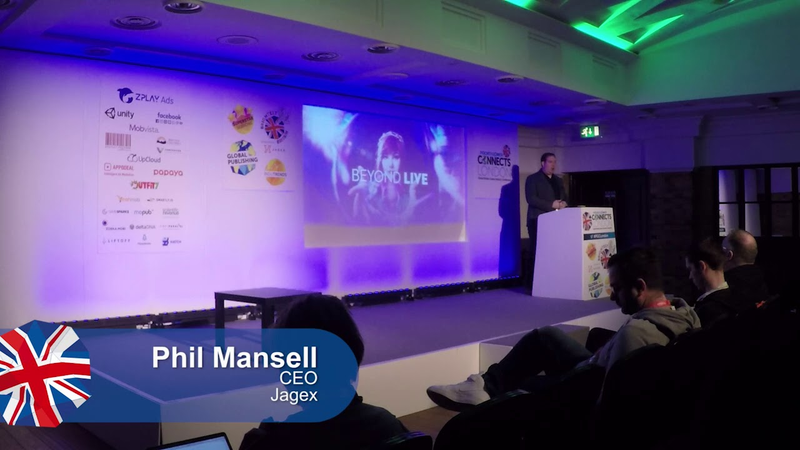
Living games: Jagex, RuneScape and the evolution of live games
The evolution of the gaming industry has shifted from traditional product launches toward the "living game" model, characterized by persistent, social, and service-oriented experiences.
- The 'living game' model prioritizes long-term retention over traditional product launches to offset rising user acquisition costs and capture player investment in deeper, persistent experiences.
- Jagex achieved an average player lifespan exceeding seven years for the RuneScape franchise by restructuring operations to focus on core intellectual property and service-driven engagement.
- Developers can drive long-term retention by integrating RPG mechanics—such as progression, collections, and leveling—into diverse game genres.
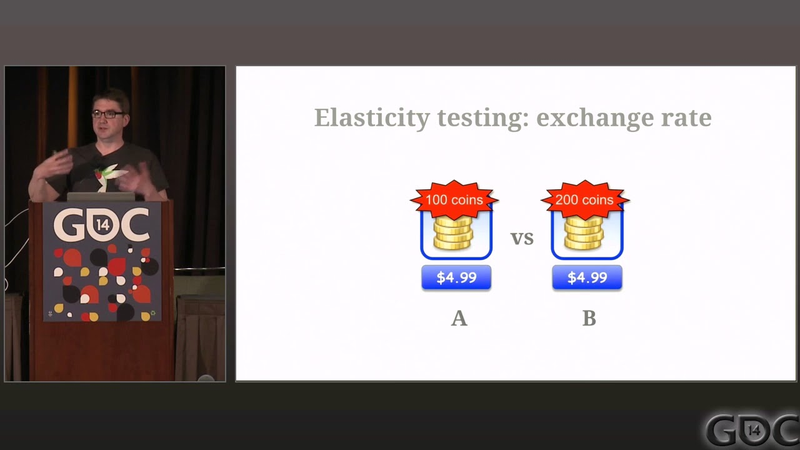
A/B Testing for Game Design Iteration: A Bayesian Approach
Bayesian A/B testing provides a superior framework for mobile game development, offering a dynamic and actionable alternative to traditional frequentist methods.
- Bayesian A/B testing allows for real-time optimization by providing a direct probability (0 to 1) that one variant is better than another, unlike frequentist methods which only provide a binary rejection of a null hypothesis.
- Frequentist testing is prone to the 'family-wise error' problem, where the risk of false positives increases significantly as more variants are added to a test (e.g., the false positive rate for two treatments is approximately 9.75%).
- Bayesian analysis incorporates 'priors'—existing business knowledge or historical data—to inform the test, allowing developers to start with a baseline (such as a known 30% retention rate) rather than assuming zero knowledge.
Making Release Day Just Another Monday
The transition to a high-frequency update model for RuneScape centers on replacing rigid, siloed waterfall development with a decentralized structure of autonomous, cross-disciplinary scrum teams.
- Jagex transitioned the RuneScape development process from a traditional waterfall model with functional silos to six autonomous, cross-discipline scrum teams to maintain a high-frequency update schedule.
- The studio implemented a strict, centralized release process that ensures game updates are deployed every Monday, allowing the team to avoid the common pitfalls of delayed releases.
- To maintain coherence across autonomous teams, Jagex utilizes 'councils' of interested individuals who focus on specific game aspects like lore, combat, and balance, alongside shared resources like a centralized analytics team.