1 free read left. Create a free account for unlimited reading + AI research.
Create free account
Candy Crush Saga and longevity and innovation
Key insights
6 takeaways- 01The gaming industry has shifted from a model of fixed, boxed product releases to a focus on long-term, living services where the majority of commercial activity occurs in established titles.
- 02Successful management of live-service games requires a shift in organizational philosophy from a 'movie director' focused on a single launch date to a 'television showrunner' managing a multi-season narrative.
- 03Technical development for long-term titles must treat code quality and system stability as critical, primary investments rather than secondary concerns.
- 04Studios must prioritize institutional knowledge over short-term 'rockstar' specialists by adopting collaborative models that emphasize mentorship and continuous internal expertise development.
- 05Developers should leverage large-scale portfolios to cross-pollinate ideas and share best practices, as there is no standardized blueprint for maintaining games over five, ten, or twenty years.
- 06Innovation in the current mobile-centric market is increasingly defined by the ability to scale teams and consistently refine the user experience within existing, living products.
Ask AI about this video
Transcript
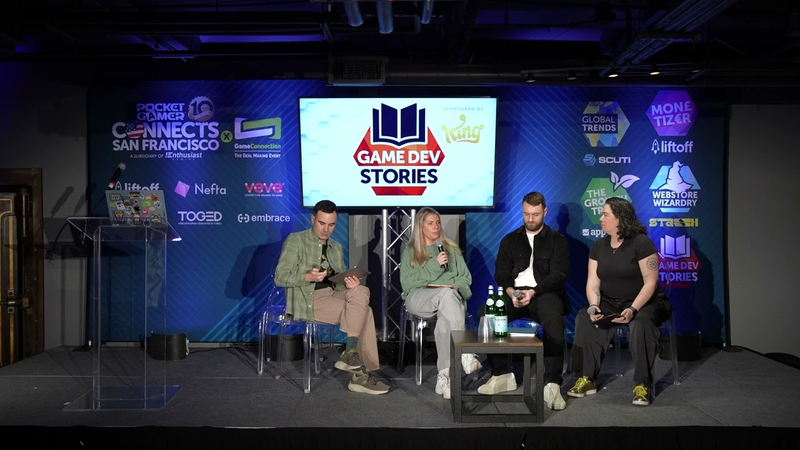
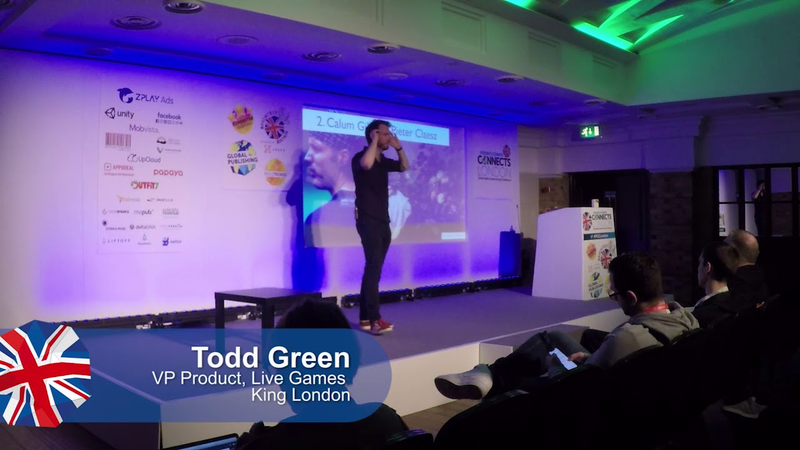
[Music] [Music] all right hi everybody my name is Todd green I'm a VP products at King I still have your laptop here I don't know if you want that back or there's some kind of cool stuff on here some company secrets I'm gonna do actually unplanned but a complimentary talk I think so Phil talks very eloquently and interestingly about designing games for the long term designing these living games what kinds of products what kinds of experiences are you trying to build I'm going to talk about the flip side of that so from the point of view of most people in the room we're making games I'm going to talk about how to think about those games in in my view from the inside out
so how do you build teams how do you organize your own group how do you work with your colleagues and and with your partners to build games which can live for a very long time okay now you know start with a different story when I was 15 I made a box this box here now was in a technology class at school resistant materials for those of you old enough to have studied in that era GCSE apparently they don't exist anymore and there are some problems with this box now I realized later on the switch is dangerously close to the fan that doesn't seem like a good idea in with hindsight but the problem is that this box sat in my parents my room at my parents house for twenty years it didn't get any any better now games used to come in boxes - oh they still do with many way in in many cases some were good boxes there's some absolute classics on
here some were bad boxes some a couple of guys I worked with in the last two years they had won an award in Sweden for this the worst game box art ever creative which they had on their desks as a suitably ugly award but whatever the quality of the box the quality of the game when you got it out of the box that that was that was fixed right it couldn't it couldn't change so I mean this absolutely legendary game here I would say the gameplay still stands up today 20-plus years later in Goldeneye I also still have nightmares about polygon faces running through my head now the games were were fixed in quality but games don't come in boxes anymore in in most cases we're here at a I guess a mobile centric conference but one of the cool things is that we see a kind of convergence of of mobile of PC of online
bringing runescape to mobile that's awesome news that's really cool that's happening right now so but although these games although many games don't come in boxes anymore you download them from the store you get them wherever else we're still I think treat them very often as as if they do we still think about them I think we're still right about them I think we still make them sometimes as if they are fixed at the point of release and you can see this in Pocket Gamer sorry Chris I looked through the top 100 stories on Pocket Gamer the other day 65 at the top 100 were about new games so it's a very misrepresentative off where most of the audience is right now yes indeed so again we as a games industry we often still thinking in this boxed model but when games comes out of the box something different happens and we've got to think about and work with them differently so when we tell the story of 2017 we can tell it in this way we can talk about launches new boxes we can
talk about Fire Emblem golf clash of which three home escapes but the real story in my view is not these games the real story in my view is the strength of the live games so if you look at the top 10 on a panty you can see most of these games 8 out of 10 were released more than one year ago and some of the many years before that candy we just celebrated our five-year anniversary I think clash of clans is the same maybe even a few months older so it's a problem for us because when we look at these being all smart people we do pattern matching so we look at the when we look at when we tell the story this way we pattern match and we try to predict what's going to happen next based on launches but in practice this is where we should be looking I think and this is how it should be telling stories so today I'm going to focus a little bit on three aspects of making these live or living games from game production point of view okay and if there's time for questions
at the end you're very welcome otherwise I'll be around all day please come and talk I'm here to learn so I want to learn from all of you as well how you see these hey see these problems okay so the first thing one analogy that we can use is to think about movies versus TV shows so imagine that you're a movie director you're very focused on that launch date you've got the marketing is booked the press tours or boots the red carpets are booked and you need to get that bloody film out but it's coming out in the summer come what may doesn't really matter there's a big push for the finish line and that gives you your perspective my brother works in films he does special effects for movies and he is always very very focused on that hard launch date because that's when he has to stop and when the thing goes out into the world but if we think about ourselves instead as a let's say a showrunner for a long-running TV series imagine that we're running lost and
imagine that we're not making it up as we go along then we're trying to figure out what does that long term look like for taking a long term perspective and what changes when we take that long term perspective so over time we're trying to craft a story we're trying to build an experience we're trying to shape it so long as when we released it we had a big enough audience to sustain and get to the next series then we can improve it and you might make different decisions there so one way within which we think about this differently in in the teams I'm working with is that so technical debt is a problem for everyone right we try to avoid it this is a sort of quantity of using in to the projects out of the corners up through the floorboards we try to stamp on it where we can get rid of terrible technical debt now if you would take a short-term view then you would say okay my launch date is here and what I need to do is to remove the worst bugs before I launch and in the end what
worst means might change because while you're running out of time that gives you a view on how to solve problems which is very different if you take a different perspective so if we take a very long-term perspective then while making an investment in quality of the game solving older problems to make our future productivity our future happiness of our dev teams better was a very smart investment because our horizon is a very long time away very long way away so we're thinking about movies versus TV shows I think we're more on the TV side when we're thinking about running live games okay next example so on the right here is gonna called Callum Giles those of you who watch the Olympics in 96 I guess it was Atlanta and who caught it's amazing how you watch these kind of these sports you know who would normally watch but somehow because it's the Olympics they become interesting watch lots of hockey in 1996 so Callum Charles is a British hockey player and he has a
speciality scored a hundred and ten goals in a hundred and forty-three games but he didn't play very much so in hockey you have rolling substitutions you can bring people on and bring them off as much as you like and Callum Jones has a speciality or had a speciality where if there was a penalty corner so it's like a corner kick in football he would stand on the edge and he would come on they would hit back to him and he would crash it into the goal he was extremely good at that one set play now this to me sounds a little bit like the way that we structure our projects when we're looking for again a with a short term focus we're looking for specialists for people who can wield the scalpel who can do a very specific job and we want absolute rockstars in that role because it's time limited right that person is going to be there for the duration of the project by comparison on the right here I found came across this the other day it's a a painting called still life and rumor
which I'm pronouncing wrong for sure I'm now going to pronounce the name wrong Peter Kulish it's a Dutch name so I at the end now he was part of this Dutch school in the 16th 17th century and what was quite striking about this picture what kind of amazed me was that I always had in mind the idea of an artist as the singular visionary genius particularly in this period that they would like Michelangelo be kind of painting away painting away paint away a few years they would come out with this amazing thing that was done but this wasn't how this Dutch still-life school worked at all actually they had multiple people working on the same painting and this is a rare example which I've now blocked out with my humble sorting as a rare example where you see more than one signature on the painting because what happened was that Peter clay she would paint this part the wine and the bread and the cloth and the leaves in the background but he had another specialist in his school who would paint the grapes and the apples so they were specialist
know what they were doing when they were building that school was not trying to pick up a kalam jars for this and a candles for that instead they were focusing very much on who is who's the next in line to do this specialist work and how can we create multiple pictures at the same time so they're putting a great emphasis on training people up on finding the person who can be really great at grapes in a few years time a very different model for building teams on one hand we're finding extra ultra rock star specialists because we've got this one specific thing we've got an Olympics we've got a specific launch that we need to worry about over here we're not too worried about that because what we're trying to do is build something up for the long term and so even if we would get the callenge Isles of grape painting joining our studio the first task we're setting is okay who's next who's the guy who's going to be the next you who's the guy who's going to replace you and build this because when we're making games that now can last 5 10 20 30 years it doesn't matter
actually who's in the team today what you're trying to build is a team for the long run so in 10 years time the team's I'm working on probably everybody in that team will be gone but the game will still be there so got to think about team building in a very different way all right third and final one now here mmm-hmm what's been kind of amazing for me working working at King the last few years is the realization actually in in some places with we're sort of there on our own or with very few others so now if we're making in mobile free-to-play context candy celebrated its five-year anniversary at the end of last year there aren't very many games around that have done that at some scale so that means that there's no blueprint you don't have loads of different options set up you can't read here are 10 things you must do when your game reaches the age of 25 that doesn't exist comparable articles do exist for how to launch your games how to get your games
out how to get the box out onto the shelves but what do you do after the game has been around for five years how do you think about the project what kind of problems are you going to be facing what does your audience look like probably very different that there's no blueprint for that so for me that the most fun thing about working in mobile in live games is like it's not clear what to do next actually we have to try to figure that out as we go okay so three different ways of thinking about making light games from production on the inside so I took now briefly about my own perspective on this and then I'll kind of wrap up and look a bit ahead ok so I spent two years working on candy crush and running the candy crush saga team in Stockholm moved back to London a few months ago and now I'm working in the London studio I was there before actually I helped her launch farm heroes saga so I'm trying to bring some of that experience from candy back to the teams in London and in the London studio and King right now we're doing a number of different things we've got this farm hero saga game it's been around for
about almost five years now actually we're celebrating five years in the spring this year we've got the super saga which is a sister title still going very strong discovering all sorts of new types of innovation and there's a whole lot more which is a little fun stuff which I can't tell you about that all this to say that we are working on a very wide range of different topics now and I hope that in in my own small way I can kind of contribute to to a change in trajectory in that studio part of new leadership team we have a new strategy a new approach new way of thinking about these problems that we're trying to solve and we'll put that into context of King a very broad product portfolio so we're kind of known as the candy crush company I think but that's going to change if you look at the pipeline right now then it would look very different to you huge reach so King still has an audience bigger than Twitter bigger than LinkedIn bigger than snapchat close my mind I just have to
remind myself and say that through time to time and that gives you a platform right so if you're interested in making games you're interested in launching games this is a place where you can do that we've got a lot of games and IPS that people know we're building new ones too and connected with that was announced recently we're working on call of duty mobile because we're now part of Activision Blizzard so one of the coolest things that's happened since that acquisition is getting to talk to teams that have worked on live games for a very long time so ok I've got a problem with how to think about how to think about this thing in farmer in candy okay I'm gonna talk to the guys that run World of Warcraft awesome that is really cool things to be able to do no let's bring it back together so in 2018 these stories aren't you know the top stories for 2018 they're not written yet um I'm super excited personally that for the games that that we're going to launch that all of you are going to launch that all of our friends around the industry are gonna launch this year but I'm just as excited to see what the live or the living games are going to come up with so as candy and soda and fun though some supercell like lateral
garden escapes are the new players in the market a lot of you probably working on games which we're playing to in which we're trying to understand playing games that have been out for a long time I think we've you know we've heard some stories from competitors where they have a big PR launch and six months later after all the noises died down there's only one developer working on the game that's when you can't scale the game that's the problem that you have but a lot of those games they just listed we that's not a problem that we have right now and so I'm hoping that we and supercell and play Rick's and all of the others all of you out there will come up with some with some super cool stuff this year because in the live games that's where the players are right that's where the money is made that's where a lot of the coolest innovation is happening those games are getting better every day and maybe you will continue to do so for years to come so yeah we're lucky every single day get to improve the box thanks for time hope you enjoy the conference he's got a question for Todd
come on there's gotta be a question this is King has too much money they've made or something how much money have you made no no okay I can't it's question here for the gentlemen that in front we got a microphone coming to you their microphone coming just one question but we'll fight right okay I can eat but my question is because you do have so many games under your portfolio how your company is structured do you guys have multiple teams that sort of manage each particular game or is there like one team that does all the games okay so just in case you know I didn't hear the question was about how to structure the teams to support multiple games and their life so we've got eight nine studios and we really believe that the best way to approach working with these games is to have a have the team working close together on a consistent basis so for each of those games that justice if
there's a team that's dedicated to that project and that can stay on that project for a long time so some of my colleagues I was working with in kandy have been there five six years working on that one game and that's where you get that that's the example with the painting school that you get that buildup of expertise and experience and that informs your gut instinct so one challenge that I think we've got in London now is with quite a junior team in terms of experience with the products we don't have such a strong instinct for what's going to work for the players and for the audience so we're rebuilding that right now [Music] [Music]
Summary
The modern gaming industry is undergoing a fundamental shift from a model defined by fixed, boxed product releases to one centered on long-term, living services. While industry discourse and media coverage often prioritize new launches, the most significant commercial and engagement activity occurs within established titles that have been active for years. Successful management of these live games requires a departure from traditional, launch-focused production mentalities toward a sustainable, long-term operational strategy.
Transitioning to a live-service model necessitates a change in organizational philosophy, moving from the mindset of a movie director focused on a single, hard release date to that of a television showrunner managing a multi-season narrative. This perspective shift impacts technical development, where long-term stability and code quality become critical investments rather than secondary concerns. Furthermore, team structures must evolve to prioritize the cultivation of institutional knowledge. Rather than relying on short-term "rockstar" specialists hired for specific project phases, studios should adopt a collaborative model—akin to historical art schools—that emphasizes mentorship, training, and the continuous development of internal expertise to ensure the game’s longevity beyond the tenure of any individual contributor.
Because there is no standardized blueprint for maintaining games over five, ten, or twenty years, developers must embrace experimentation and cross-pollination of ideas. Leveraging large-scale portfolios allows for the sharing of best practices across diverse titles, enabling teams to solve complex problems regarding player retention and content evolution. Ultimately, the industry’s greatest potential for innovation lies in the ongoing refinement of these living products, where the ability to scale teams and consistently improve the user experience defines long-term success in an increasingly mobile-centric and interconnected market.