Live Ops reports and market data
Documents
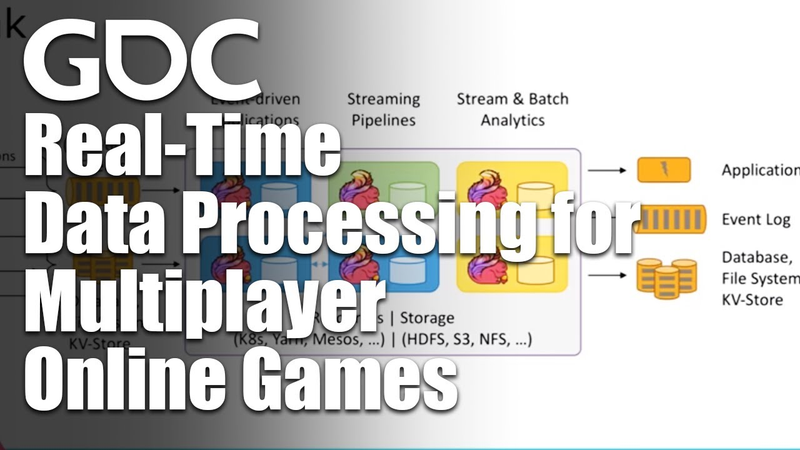
Real-Time Data Processing for Multiplayer Online Games
The primary objective of real-time data processing in multiplayer online games is to provide immediate insights into player behavior, revenue streams, and system integrity.
- A robust real-time data pipeline for MMORPGs relies on a three-tier architecture: Logstash for collection, Kafka as a high-throughput distributed transfer station, and Flink for real-time computation.
- Kafka serves as the central message broker capable of processing millions of messages simultaneously, offering fault tolerance and easy horizontal scaling without server downtime.
- Apache Flink is preferred for streaming analytics due to its 'exactly-once' processing guarantee, which prevents data loss or duplicate calculations, and its checkpointing mechanism for recovery to specific time points.

How to Reduce In-Game Inflation by Monitoring Your Economic Systems
Managing economic stability in complex MMORPGs requires a proactive approach to monitoring and regulating in-game inflation, which mirrors the challenges faced by central banks in real-world economies.
- Developers must treat in-game economies as dynamic systems by balancing time, labor, and currency to prevent price volatility and maintain player confidence.
- The five primary drivers of inflation are excessive currency issuance, insufficient essential item production, declining player populations, market manipulation by bots, and the sudden influx of 'sleeping money' from returning players.
- Teams should implement robust visualization tools to track currency flow, exchange rates, and transaction networks to identify imbalances between currency issued and collected.
Rovio: A Two Year Journey into Modernizing the Production Process
Rovio has undergone a comprehensive two-year transformation to modernize its production framework, moving away from rigid, top-down management toward a model defined by transparency, autonomy, and data-driven decision-making.
- Rovio transitioned from a rigid, 'tick-box' production process to 'Flypath,' a flexible framework built on transparency and team autonomy that has successfully sustained projects for over two years.
- The Flypath framework organizes development into distinct phases—Concept, Pre-production, and Soft Launch—with a focus on validating team capabilities, technical requirements, and external compliance requirements from partners like Apple and Google.
- Rovio manages a portfolio of 15–20 live games, utilizing cross-promotion and integrated live operations to maintain the Angry Birds brand, which has surpassed 4 billion total downloads.
Bridging Community Divides in Cross-Platform MMOs
Managing cross-platform massively multiplayer online games requires a nuanced strategy that balances technical parity with the distinct behavioral expectations of players across PC, console, mobile, and VR hardware.
- Developers must treat the player base as a unified community despite technical fragmentation across PC, console, mobile, and VR hardware.
- Community management teams should be integrated into the early stages of development to proactively manage expectations regarding platform-specific constraints and update schedules.
- Transparency is critical when feature or launch disparities occur; developers should provide direct explanations and tangible compensation to prevent perceptions of favoritism.
Creating a Development Culture that Embraces Change
Fostering a resilient development culture requires viewing organizational change as an iterative, behavioral practice rather than a static implementation.
- Jagex transitioned RuneScape from a waterfall development model to an agile scrum framework by piloting changes in small, isolated teams before scaling successful processes to the wider organization.
- To foster a culture of transparency, Jagex makes all individual performance objectives and product data—including conversion, retention, and monetization metrics—accessible to every employee in the company.
- The studio empowers teams by delegating full ownership of feature development, including visual identity, marketing, and release planning, while maintaining control through four core constraints: budget, expected return, quality standards, and player satisfaction.

Panel: Live Ops Best Practices: How to Make them more Engaging & Profitable
Successful live operations demand a fundamental shift in development philosophy, prioritizing the post-launch lifecycle as the most critical phase for long-term viability.
- Prioritize early retention by optimizing technical performance, specifically by reducing loading times and fixing crashes, before focusing on long-term content expansion.
- Implement a rigorous testing pipeline by deploying updates to a small subset of players (5-10%) before a full rollout to ensure stability and gather data.
- Adopt a 'restaurant' mindset for live operations, where teams must be prepped for a high-frequency, agile development cycle that often requires weekly content releases.
Superstar Session: Live Ops: A Ten Year Journey of Iteration & Best Practices
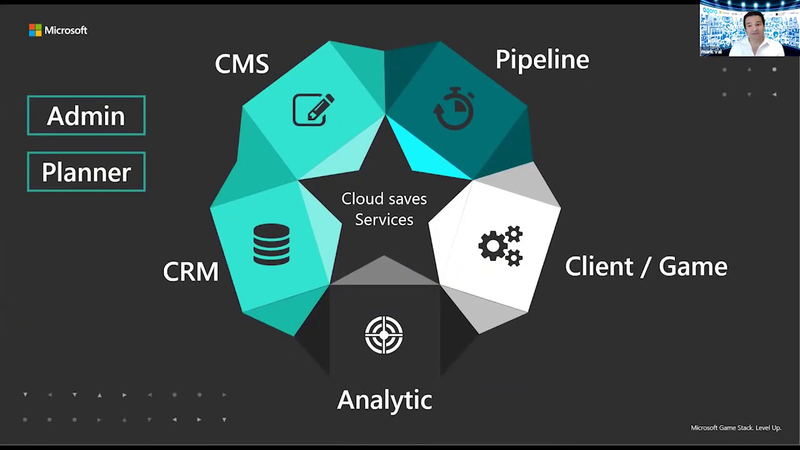
Live operations (LiveOps) serve as a critical framework for modern game development, shifting the focus from a static product release to a continuous, iterative service model.
- LiveOps requires shifting from a static product release model to a continuous, iterative service model that treats games as evolving ecosystems.
- Monetization strategies—whether advertising, virtual goods, or premium content—must be defined during early development to dictate the required technical stack and engagement models.
- Studios should prioritize early content releases to facilitate rapid iteration rather than relying on unpredictable viral success.
Panel: Stop Shooting Your Game in the Foot - The Damages of not Starting Live Ops Early
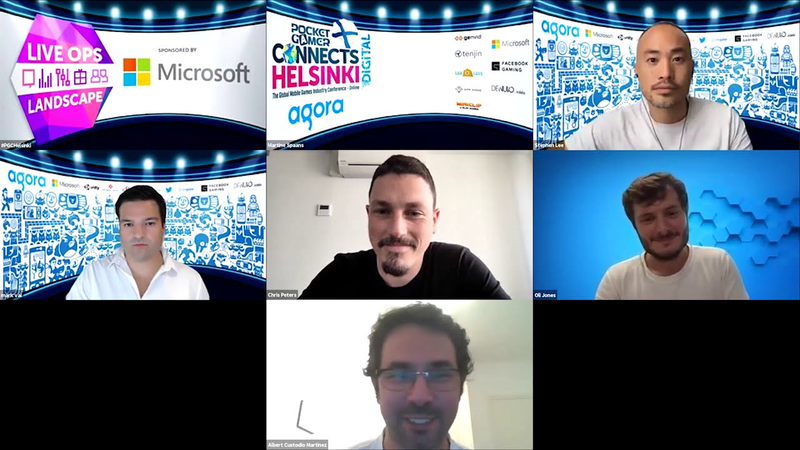
Integrating live operations into the earliest stages of game development is essential for avoiding technical debt and ensuring long-term product viability.
- Live operations must be integrated into the earliest stages of game development to prevent technical debt and avoid the rigid, shoehorned systems that result from treating services as an afterthought.
- Technical architecture should be designed to support frequent updates, A/B testing, and player segmentation without requiring constant code redeploys.
- Operational tools, including analytics, crash reporting, and content management systems, must be accessible to non-technical staff like product managers to enable rapid, data-driven adjustments.
Does Personalisation Exist in the Industry? The Need for a New Segmentation Approach
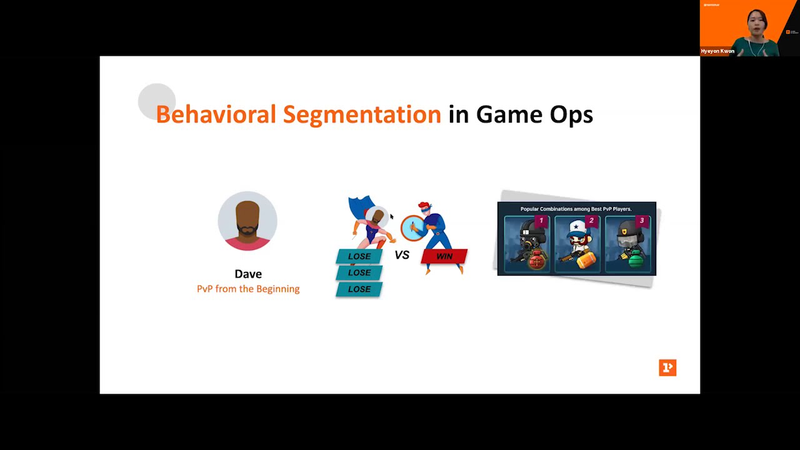
Traditional player segmentation methods, which rely heavily on demographic data and monetization history, are increasingly inadequate for the demands of modern live-service games.
- Traditional demographic segmentation (age, gender, geography) is ineffective for in-game operations because it fails to capture the primary drivers of player behavior and engagement.
- Monetization-based segmentation, which focuses exclusively on high-spending 'whales,' risks game instability and shortened lifecycles by neglecting the remaining 97% of the player base.
- Successful games achieve high conversion rates through broad engagement, such as Candy Crush Saga at 30% and Fortnite at 70%.

Panel: What do Publishers do for Their Money?
Publishers serve as essential partners for game developers by providing critical infrastructure, risk mitigation, and specialized expertise in an increasingly saturated mobile market.
- Publishers provide critical value by managing user acquisition (UA) in an increasingly competitive mobile landscape where costs are high, and by leveraging established IP and large, captive audiences to drive game discovery.
- App Store Optimization (ASO) requires a holistic approach where icons, videos, descriptions, and screenshots are tested and optimized as a single unit, alongside keyword optimization to improve organic rankings.
- Developers should prioritize transparency in publishing agreements, specifically regarding how marketing budgets are spent, and be prepared to walk away from one-sided deals that lack clear communication or fair terms.

Panel: Doubling Down on Repeat Players- Moving to Retention as a Focus to Making Money
Retention and monetization function as interdependent pillars of long-term financial success in the mobile gaming industry.
- Retention is the fundamental prerequisite for monetization; aggressive ad frequency or excessive in-app purchase pop-ups can degrade the user experience and ultimately destroy long-term revenue potential.
- Return on Ad Spend (ROAS) serves as a critical metric for balancing monetization and retention, as high-performing ROAS models allow for increased investment in user acquisition.
- Ad placements that are player-controlled, such as optional rewards for players who have run out of content, can function as retention features rather than just monetization tools.
Business of Fair Play
The professional discipline of player dynamics, which focuses on managing and shaping social behavior within digital gaming environments, is currently undergoing a maturation process similar to the evolution of user experience (UX) design.
- Riot Games utilizes a six-level 'Player Dynamics Maturity Model' to assess an organization's progress in managing player behavior, ranging from 'Reactive' (penalties and reports) to 'Societal' (external community programs).
- To implement player dynamics effectively, teams should follow a five-step process: identify core values, define disruptive behaviors, codify behavioral expectations, prioritize and develop features, and measure/adapt based on performance.
- When introducing new player dynamics initiatives, teams should seek 'quick wins' to build internal confidence and momentum, especially when formal buy-in from leadership is not yet established.