1 free read left. Create a free account for unlimited reading + AI research.
Create free account
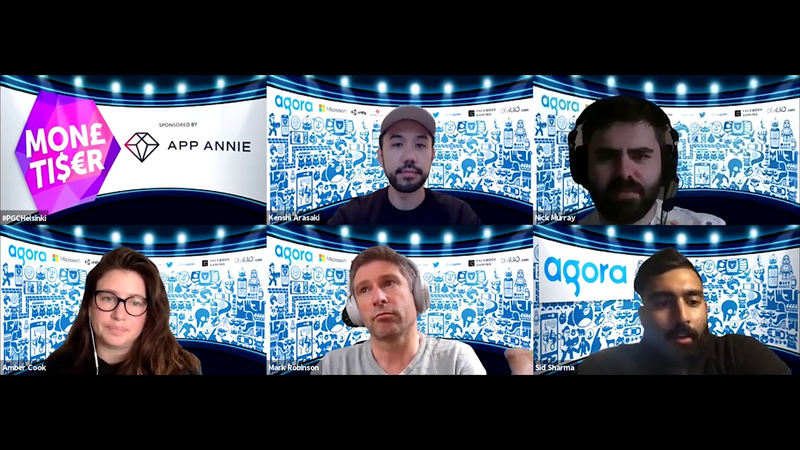
Panel: Doubling Down on Repeat Players- Moving to Retention as a Focus to Making Money
Key insights
7 takeaways- 01Rather than a binary spender versus non-spender approach, developers should focus on player-centric strategies that tailor the economy to specific game contexts and player segments.
- 02Retention is the fundamental prerequisite for monetization; aggressive ad frequency or excessive in-app purchase pop-ups can degrade the user experience and ultimately destroy long-term revenue potential.
- 03Ad placements that are player-controlled, such as optional rewards for players who have run out of content, can function as retention features rather than just monetization tools.
- 04Return on Ad Spend (ROAS) serves as a critical metric for balancing monetization and retention, as high-performing ROAS models allow for increased investment in user acquisition.
- 05Machine learning models for store offerings often struggle with data scarcity, as even games with millions of users may only have a 2% to 5% conversion rate, limiting the pool of monetization events available for analysis.
- 06Studios should utilize third-party data to benchmark their retention metrics against market competitors rather than relying solely on internal data to gauge performance.
- 07Studios should avoid relying solely on reactive push notifications for churn; instead, they should implement a coherent strategy that integrates in-game and out-of-game messaging based on individual player behavior.
Ask AI about this video
Transcript
we are moving on to our next panel which is entitled doubling down on repeat players and moving to retention as a focus to making money um we have a whole list of amazing speakers as joining as part of that um i'll be moderated by nick murray of carrie first who i think has just joined hello nick hello rick how are you doing i'm doing well how are you i'm good thanks fabulous uh we've got amber who's a giant duck and yes everybody else has joined in so i will um i think that's everybody yes so i will leave you to it um again if you do have any questions in the audience please do drop them into the q a section i'll ask them towards the end of the
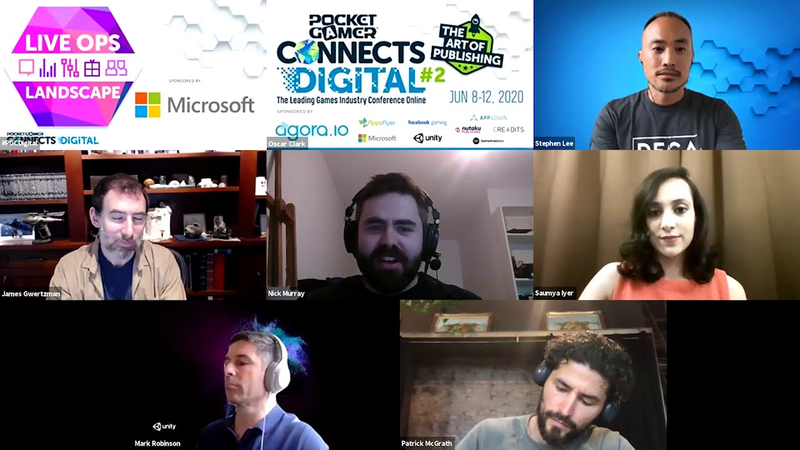
session but for now nick um it's up to you got it thanks all right so welcome everyone to our panel on doubling down on repeat players so this is really about focusing on retention as a way of making money so maybe de-prioritizing some of your monetization mechanics but we're going to find out from some experts so let's do a brief round of introductions um i will kick things off so i'm nick i am currently working as head of games for carry first and also doing freelance consulting uh kenshi how about you go next sure uh hi i'm kenji i'm the ceo and co-founder of thinking ape uh we're a mobile free to play game studio located in vancouver canada we have four games our two maybe our two best well-known games are partying my dorm which is uh sort of a game set in the college atmosphere and kingdoms of heckfire which is a strategy slash 4x game very cool
amber hi i'm amber cook and i work for roll 20 which is a gaming platform for rpgs it's a web-based platform and i am their director of business development very cool mark over to you hey everybody i'm mark robinson i'm founder of delta dna um we're a player analytics and player management platform so we think a lot about retention and monetization and the game economy we were acquired by unity 12 months ago and so now we're in inside the unity family congrats and uh lastly sid hey everybody i'm sid sharma i'm the director of developer relations and partner engineering at agora io agora offers real-time engagement apis for gamers and game developers so if you want to add voice video chat live streaming
check out the agura platform awesome so thanks all for your intros um like to to kick things off obviously you all come from like quite different parts of the industry so i'm hoping this makes for an interesting series of perspectives um so how in your businesses do you go about balancing retention and making money like where do you start i leave it open to anyone who wants to jump in first and maybe i'll start off then because i think um it's pretty clear that you can't have a successful game without having good retention so when when we're talking to our clients basically in terms of using the platform or even in our consulting mode we're thinking about how we can maximize retention um through early retention then mid and then late because that's the fundamentals of of
building a good game and then you know once that is on its way then you can start to think about monetization um and balancing the economy but it's from our point of view it's retention first i would i would argue that the balance between retention and making money is a false dichotomy and so when you're taking a look at any game that has terminally retained users so call it the kind of games that we make or any game that's non-super casual or non-hyper-casual um you just you just have you know your spenders have a much higher rate of retention than non-spenders in general and uh you know for us we try to offer a product that's fun for people at all price points including free um and because our games are community based you know you need that high proportion of call it non-payers that don't spend but we see those two metrics basically as uh two heads of the same coin or sorry
two two sides of the same coin um and you know to give you an example the more that we sort of focus on retention features in our games uh you know sort of uh what mark alluded to we we also see the more that we do that we see more uh monetization but not in the ways that you might expect um and so uh take for example one of our games it has the chance for a catastrophic pvp so it's kind of like eve online once in a while you know when you're fighting another player you can lose everything when you have that sort of uh risk element to the game players form really strong social bonds with one another and so the form clans will form tribes uh people really care about the group of friends online and so they retain extremely well but it also turns normally peaceful people or normally non-spending people into uh maybe high-level monetizers and what i mean by that because the game
is tribal you know normally peaceful players will rise to defend their friends you know if if someone that they really care about is attacked in this this game that has potentially catastrophic pvp they're going to enter into a call it an arms race um and they're going to they're spending even to just protect their client and so yeah that was a long-winded way of saying i think they both kind of go ahead hand in hand yeah i i tend to agree i think you know you're not gonna monetize if you don't retain any users right you probably won't survive if you don't retain any users and um i think it's really just important when you start monetizing and how you start monetizing right it's really the journey of the gamer uh they have to feel you know emotionally invested in the game um you know like uh can she was saying you know as they feel that bond to other gamers to that game um then it's a natural kind of move into the monetization process whether it's through ads or iap right but
um really the the key thing is not sacrificing the game experience for that monetization right you can't be serving ads every 30 seconds and and uh you know pop-ups for in-app purchases every 30 seconds or else your gamers will leave and that monetization dream is is going to just remain a dream so um i think that the biggest thing here is it's all part of the journey first focus on retaining your customers and gamers and eventually they will monetize as they feel you know tied to that game i agree with what kenshi said my system our system at roll20 is really different than uh the freemium maps that i've worked on before because it started as a kickstarter where people were just funding it it was sort of like a support this development model and at some point they pivoted and sort of realized they were a business to consumer sas company so about half of our revenue comes from subscriptions and those subscriptions are held by typically players who are
gms for games or dungeon masters for games and it's really important that we have that huge community uh we hit five million users i think in february and we've had exponential growth because of kovid and everyone moving tabletop games online but it's really important to have that large size community there because um otherwise the gms don't have anybody to run games for and we find that a lot of those people who have free subscriptions they're those free accounts it's easy for jams to get them onto a web based platform that they don't have to pay anything for and they eventually end up buying either gift subscriptions for their gms who are doing them a favor by running games or things from our marketplace where there's art or sort of setup games already that they can gift to those friends of theirs that are running games for them so it's it's pretty different than the apps that i've worked on before but i i totally agree that the community has to be there for um the paying subscribers to be there very cool it's like you all agree on everything this is going to be very easy
um so uh just to kind of to change this slightly or just rephrase the question slightly does the balance of retention and monetization change at different points during a product's lifetime though um like have you had any experiences with pivoting a game for example more towards monetization at a later stage for example yeah sure i mean i think that you always as as we're talking about you always iterate through different areas of the game to optimize the performance so you for example um you know you could be concerned about first first conversion is that first in-app purchase um too late is there are there ways of offering bundles and timing offers that will make sure that the first conversion isn't too late in the game where you've got your hardcore players rather than people that are still you know learning about the game and warming up to the experience
the other dynamic that is thought a lot about in our sort of client community is the interaction between ads and in-app purchases as well um we are seeing ads being used as a solid retention mechanic having the placement of ads put in good positions in the game the rewarded video and giving something back to the players for their consumption of ads and using you know more and more precise data to understand the appetite of players in terms of their consumption of ads versus the placement and delivery of those ads so you you can you know as i think we're saying in in the first round of answers you iterate through different spaces in the game maybe your retention session one retention first conversion repeat spend add strategy and then you always start again and go around the up next optimization loop
um and it's constant not just before launch but more and more after lunch as well these games can last for years now so they demand constant attention are these all ads that are third party that you're running do any of you run ads for your own content i'm talking you specifically by ad network and i placement by the networks but you know the the concept of high size and cross-promotion is is equally valid a lot of work going in to now predicting players that are likely to churn and trying to keep them in the portfolio by servicing high what's the next what's the next best recommendation for our games within your portfolio which is a great great idea because you get more bang for your buck in terms of your acquisition budgets yeah our mid-tier subscription level um basically just gets you away from ads but our free subscription level is
usually pointing you to marketplace content so not our subs but our um just different ips you can invest in because one of the strategies we have is that when peop people are once they've got all these games that they've bought into once they've accessed all this content on the marketplace they're not really going to want to leave the platform and it's not like we want to trick them into staying but once you're heavily invested you're bringing more people in exactly and it's also it's almost like um what can ken she was referring to at the start that you know you can see real commitment and retention and monetization from the same cohort of players um the people that are in the game every day day in day out are going to retain and are going to monetize um we also see that you know people that are heavy consumers of ads are also more likely to spend so part of um part of the thinking is how to even out the the economy from the
extremes and how we can get a contribution to the economy from more of the player base than just the the top end guys cool sid can she anything to add i think uh you know they uh the others covered it quite well uh i really think it's it's also dependent on your runway right when you're a new game you have to kind of make that trade off sometimes i know in the previous question i said you don't want to sacrifice your game experience for you know for strategically monetizing but sometimes you have to so finding the right way for your audience whether that's through the social layer or whether that's through in-app purchases or whether that's through advertisement right i think uh it's really important for every single you know game developer to realize uh you know how far out is the runway how far can you afford uh to really you know not monetize off
your users and and um just do it based on your product's timeline yeah i think it was covered pretty well i think maybe the only broad stroke i paid here and and this is different for i think maybe different genres of games um is that you know the more a game ages the more you might shift towards uh monetization and keeping your engaged users as opposed to the retention of new users and this is something that comes into play when you know we have a game like party in my dorm which is now approaching its 11th year of operations i think it's really dependent on how your launch goes because some of the launches that i've been involved in for freemium apps we really had to do a lot of user acquisition up front and then some of them have just had a really good organic start and so we didn't have to do so much user acquisition up front and though each of those situations has then caused us to pivot whether we were doing ua up front and then had more natural growth after that initial push and pivoted like the you know the ratio
of of spend we're asking for and then in my current instance we had a lot of organic growth up front and now seven years deep into the company we're finally doing user acquisition for the first time um and reconsidering all of the ways in which we um have leveled out those subscription tiers and asked people to monetize right and and i would say you know to add on to that um i think the way that we kind of look at it in terms of a balance of monetization and retention especially around the games launch is we look at return on adsense um and so we look at our roads curves and you know i think that's a really great balance of you know you won't have great return on ad spend without both good monetization and good retention and when you perform called sensitivity analysis on your model you can see how they will affect your return on ads and the better your roads the more you can spend on on user acquisition well and i think also how how in my experience i went to a talk at
gdc once and this guy was it was like uh i don't remember who gave it but it was how to how to not lose your shirt while you're launching a freemium app and he was doing it organically he was starting from scratch he had some amount of seed money but need to be really careful with that budget where i've worked on a lot of apps where there's investors behind them and it's affiliated with an ip so there's a certain amount of money that we expect to dump and we're comfortable working at a loss for some period of time and i i think those approaches are just so different too in in the freemium app space okay so when it comes to like changing mechanics i mean all of you kind of reference the fact that there is a lot of iteration around needing to like start a cycle of improving you know all these different areas of like d1 retention what's your first session point what's your first conversion how do you promote repeat spend um so with that in mind like how i guess how can you change that over
over a longer period of time when you think about sorry let me rephrase how can you think about that in the context of like ad monetization versus iap monetization so would you say that there is a shift from one to another over the course of a game's lifetime um and also does iap monetization create like a stronger bond with the game yeah i i certainly think uh iep is definitely kind of you know you're more invested in the game when you you know are purchasing in-app purchases right like whether it's assets whether it's you know whatever type of in-app purchases your game supports um you you definitely feel committed to that game once you purchase that and are likely to come back right um obviously at agora what we see is that social component is really the key driver for retention right um with the play together apart campaign we saw
and i'm sure app annie folks can speak to this i think you know we saw a huge increase in terms of the type of games that are enabled with voice and video chat because it creates a sense of a community right and those those games ended up being one of the highest download highest you know session times highest revenue coming from those in-app purchases because you can add on top of that community social layer right with face filters voice changes whatever it is you can create new uh ways to monetize off that so i think um really the key to success especially in multiplayer games is is really that social and communication component longer term to keep your audience engaged yeah i would say in the same vein players who spent money they want to stick around to get value out of it and that seems to be a pretty hard rule in our games and ads don't sort of carry that same feeling of
you know needing to rationalize my investment they can help but i would say it depends on the placement so you know ad monetization doesn't really do much for bonding in our experience when the placement is the kind of placement the player can't control but i think uh alluding to what mark i think i believe it was mark that mentioned it earlier it is strong when the player can control it so you know if your game is very social but doesn't have enough gameplay to keep players busy uh you know the whole time that they're chatting uh they can they can run an ad and we see this in part in my dorm where paradoxically we actually consider it more of a retention feature because it gives something or it gives the players something to do when they run out of content but still want to chat and hang out this is i think this is a fascinating part of the economy now that you know we've seen a lot of evidence um that the industry is moving past the sort of spender versus non-spender approach and it's a bit more
sophisticated than that so um we saw evidence in our client base that um this is going back three four years maybe that publishers developers were pretty cautious on ads they would wait and understand the player experience and then you know either have a one-size-fits-all approach or or you know be pretty cautious in terms of the number of impressions from the game now actually what we've seen is that analytics is getting applied to the ad part of the economy equally as to the in-app purchase part of the economy and we're seeing a lot more of blending of these two parts of the economy so that um for particular players of segments that are that are engaged ads is a great precursor to give them gifts reward them for consumption of ads that that warm them up to what it's like to
have a purchasing experience to make that purchase in the store and we've we've gathered evidence from you know across the delta dna database that there's a three to five x in terms of the likelihood to spend when you see um players consuming ads even from fairly early on in the game so it does give you signals if by players intentions if you can as as kenshi was saying if you can be sort of player responsive to ads you've got to get the balance right you can't overwhelm players with with that you've got to get the appetite versus the consumption and the placement really well thought out is another there's another game mechanic in our view that you can use as part of the design got it so if you were to use ads for retention purposes primarily um then surely there is a risk within the economy right because you want to give something that is simultaneously valuable
and yet something that doesn't deter people from making an in-app purchase so how do you try and get that balance right um the only thing i could maybe suggest there is because i i actually believe every game is different and that balance across even you know our own portfolio is very different so the the only way that you're going to do that is call it like you know the lead of a game is to build uh a growth model for your game uh that takes into account sensitivity analysis um and uh you know from brief primer sensitivity analysis basically lets you try to model all the input variables and you can see sort of the relationships between those variables or visualize them easier and you can see how things will change um it's almost like a what if simulation for your game and i only only like people who are deeply familiar with their game and who have built that sort of model
will understand the appropriate balance for that specific game um but in general it's uh i think it's really i think there are a lot of things that people say you can do to sort of balance it and make sure that you know ads don't cannibalize uh iap purchases but i found a lot of the advice or even a lot of the comment advice can be detrimental depending on the context of the game got it so you wouldn't for example just say like everybody should cap their ads at like you know five per player per day it's very much dependent on the game experience yeah it's gonna be pl gotta be player centric i think is is what we're saying um but you're you're nick you're hitting on a really difficult balancing act here because obviously if you're too aggressive in terms of rewarding you can impact on the purchase economy and
you know the answer to that is just to figure out you know what you're giving away and and and do the ib testing and make sure that you're you're going through those iterations to really understand the impact on the rest of the economy because you know like whackable you fix one problem and you have got potential to cause a problem elsewhere in the game and that's actually killed the game for us before um i think in general uh you know free-to-play mobile has had has developed a reputation for some predatory practices with respect to monetization but i think what was alluded to earlier is that the industry for the most part has kind of moved past that um and they've tried to be more focused on the players and be more specific to the players but uh you know we have so when we look at retention versus monetization it's actually um when we've done things to be more generous we've flooded the economy with currency uh when you flood the economy with currency you it develops this insidious problem
that you don't see surface until call it like six or seven months later and by then the value prop of all of your purchases has changed because all players are getting so much currency for free and so they spend less and it's a downward cycle and really really hard to it's really really hard to fix um unless you're monitoring the economy in aggregate for uh like very very closely and effectively it's if you're not monitoring your taps and sinks um then you get into uh and you get into a situation where the balance between retention and monetization um may mean the life or death of a game and we've actually had to cancel we actually had to sunset one of our old games called smash monsters because we didn't we weren't intentional enough about that sort of balance got it yeah that that also impacts within in-app purchase as well because if you run a big promotion it does have you know that is a there's a bunch of money coming in for a one one
time offer but it does impact on the economy there is a legacy to that that's seen over the next few days and weeks in terms of people curtailing their spend so that there is a natural cadence for different segments of players to have you know the um enthusiasm the appetite to spin and understanding that cadence in terms of their achievements momentum progress through the game is really quite important in deciding what the crm strategy should be the offer strategy got it i actually um i have more questions of my own but i'm also getting questions from the chat and actually one that fits in nicely to this is players are very diverse are you starting to use machine learning to offer player personalization to increase retention and monetization for instance personalized difficulty add display etc um yeah i can take a stab at that uh the the answer is yes but it is difficult
given how much data there is um so yeah and and specifically we've tried to do machine learning around and we continue to try to do machine learning around color offerings in the store um not there's a little bit of difficulty there like not only do you have to make sure that uh the value prop remains the same and you have to keep in mind the wider aggregate economy impact by being too generous versus not generous enough but um you know even for a game like ours that has millions of players the data if you have millions of players and you know call it two to five percent of your players monetize the number of monetization events that you're getting really isn't a lot of data for uh a machine learning model and so it's it's been a struggle for us but we are trying if he um amber sorry did you want to say something no i just was going to say i haven't had any experience doing that yet um it's something we're looking into but yeah it's just it's we haven't gotten
that far advanced any of the freemium apps i've worked on and with the current business model that we have for the platform it doesn't totally make sense yet but we're trying to figure it out yeah and i mean my point of view on this is that we're kind of on a journey here so we started with uh one size fits all mentality to games and over the years we've created the sort of uh we're on our way towards individually responsive games you know we're able to understand the player's competency momentum you know what features they like what features they don't like so you know the industry is using data to get better at making those judgment calls and absolutely machine learning has got a part play you know at unity here we have done a lot of in investment in machine learning and we're starting to see really good outcomes from solving problems like what version of the tutorial should we give players because we've got novice players and expert players in the same
game and calling the shots in session one and session two about what type of people we've got and giving them that you know more appropriate experience as soon as we can in their game playing experience is something that we've seen great success um with machine learning and our game tune product and the the thing that i think about in terms of machine learning is that it's not just pressing the button and it solves all the problems you actually have to build up the experience and the expertise to understand where you should point machine learning at to get good impact and good results so it is a great tool in the toolkit but it's not the answer to all our all of our challenges in building and managing games cool okay so um last question from my side and then we'll jump to the q a um so just a couple of good examples
uh like one to two ideally from each of you about like what you have found as like the strongest retaining features for your product like how have you managed to make sure that those repeat players do come back yeah again i can speak in perspective as you know as our company is like the technology provider right not really the end user customer server really um but i i think again going back to the social aspect of things right the way to retain users is really especially in multiplayer games you not just the voice of video right that's that's the baseline i think that's a must uh to have but having other features on top of that right like face filters that match your personal avatar or you know seeing yourself rendered as a 3d avatar those type of things are interesting um and kind of leverage your own personality into the game that um you feel a strong connection to like if you look at some of the more successful uh games
like the sims right why do why do people go back there because you you kind of render that real life experience into the virtual world and i think that's a real key here is um really putting your own personality into the game whether it's you know socially chatting with your friends and a very you know baseline integration or going above and beyond in like the metaverse gaming space and and rendering yourself as the avatar you're playing as and and living your ideal life or you know and doing whatever you can to do so i think that's where um you see a lot of in-app purchases come into play and uh you know that's why people spend money dressing their avatars or getting new skins or all that stuff because it's it's a way to keep users engaged and create a bond with that character or that avatar right so i think that that really has a huge role to play especially in the multi-player space from my perspective we've really just i've started doing a lot of market research to figure out what problems we
can solve because we're in sort of a unique space um and so figuring out what it's a lot like what sid was talking about these social aspects of it our biggest problems for players are being able to coordinate their games these are usually four to five hour sessions and so how do we help solve the calendar issue for them and it might be as simple as just integrating google calendars uh or something like that and there's some really basic things that as you've as the company has grown up and become more established there's we there's so many things we can go and fine-tune um and and similarly to dressing avatars and doing all that you know buying custom art we've really encouraged uh a lot of like basic illustrators like early in their career illustrators to put map packs and art packs up for sale so we have a very system agnostic system uh for our marketplace and people invest in those illustrators and build out their games really beautifully and once they've done that they don't you know they have love for it they don't want to move um
yeah i mean to to add on to basically the exact same thing everyone else is saying you know my company's mission statement is we build communities you know and we like to build these games that have lots of emergent behavior in them um and where people can sort of socialize and be themselves even a game that's kind of tongue-in-cheek like part of my dorm has really pivoted to a focus on inclusivity and you know uh diversity and celebrating you know uh the the wildly different ways people can be right um and it's wonderful and it's and it's turned into call it um a really supportive environment for a lot of players who don't necessarily find that in real life and so you know when games in general is a very human thing being part of a community is a very human thing and i think that's something that we you know are very it's it's really just part of our nature it's something that we want to do and because of that you know we're just going to call it retain right
i think it's all about listening to the players right if you listen hard enough to the players they'll tell you how to get good retention i place i play scrabble go every day with my pal and then you know retention is not a problem there because i'm losing at the minute and trying to beat him well good luck with that i'm sure there's people at the conference who could help you so a question from the chat um does it make sense to develop two funnels of user acquisition one focusing on acquiring high value users with aeo campaigns to whom we don't show ads and they're monetized through iap and another where the funnel is focused on volume acquiring cheap users that are primarily monetized through ads and have you ever tried something like this we have and with mixed results so in general my growth team will have a blend of
different players um that they're targeting uh some of them are high value users and some of them might be lower value users in in general though they look to make sure that the aggregate blend meets some defined row as goal that we have and that mix is always changing and then and it's not always changing by design because the ua market is also always changing cool anyone else if not i can move on to the next question i definitely target different segments of players just because it's such a different space between the gm's and the people who are uh joining for free and are not comfortable enough gmming but um i have very different messaging for those different cohorts of people got it okay um kenshi you've been named in this next one uh can you talk a bit more about sensitivity analysis and how this gave insights for the development of party in my dorm
um sure so to be clear we we are while we are using it for all of our games we are currently using sensitivity analysis more for kingdoms of head fire um but uh sensitivity analysis is sort of trying to get a broad understanding of how all of the uh call it variables inter like interrelate with each other or correlate with each other so you know you look at new users retained users you look at monetization like all the different aspects of monetization you might look at different aspects of retention and you eventually then want to tie it into um you know like your feature roadmap or even like your your normal roadmap and so one of the things that and and in general it gives the leadership team and i know i'm like really glossing over a lot here but i
know it gives the leadership team a really good high level understanding in terms of how different swaths of the game impact each other and how different parts of the community impact each other and it allows them to make changes to the game uh you know people talk about av testing they talk about you know making sure that you can test the impact of your changes to the game well um this is sort of goes hand in hand with that in addition to a b testing uh the sensitivity analysis lets you step back from every change and make sure that nothing else was impacted or at least gives you an idea of how other things were impacted especially as that model is updated in real time um and so things that it's it's helped with um well i would say that uh partnering my dorm's retention over the last year um has had pretty significant growth in the double-digit percentage which is like really insane for a game that's called 11 years old death and it also
allowed us to see for example uh you know a lot of people say okay to fix retention look at your funnel look at your tutorial um and paradoxically uh in kingdoms of heckfire we noticed that uh fixing the tutorial really had no long-term impact on retention um and it was because of things like sensitivity analysis and having a growth model that the team was able to look at things like conservation of intent which was coined by uh andrew chen which is you know if a player has an intent to play they're going to forgive things like a bad tutorial right instead what you want to focus on are things that help players with a high concert like have a high intent to play so you know reducing loading times making customer support easier for them a lot of non-intuitive features that you think wouldn't really impact things but for the players who really really want to play are really important to them um and so yeah that's my long rambling answer to that question right i hope it answered the question i think
so really interesting um cool we've got a couple of minutes left we'll try and fit in a couple more questions so um which retention should we track 24-hour windows or strict calendar dates pros and cons to take different views of retention and all views of retention i think is one of the things that we do the the the thing that's best is to get comparisons i think one of the struggles with studios that studios have is they live in their own world so being able to understand where you're sitting compared to the market and your competitors um is is important um so so lean on your third party suppliers to give you those stats so you know what where you're aiming for cool all right i think we actually better wrap up since the next panel will need to get ready
and rick has re-emerged hello uh actually we still have about 10 minutes left until the next panel starts we do have some time for more questions but i'll happily jump in and take over oh i'm not different i can carry on asking questions not a problem uh but uh yeah like let's carry on then so um question in general is retention higher on ios yes and why would that be well it depends i think if you segment players by device type we found that players on android who are using the higher end devices have similar retention profiles to that of the players on ios but if you take android and aggregate which has a much wider pool of devices some of which do not
perform as well some of which are non-standard and yes android will have lower retention yeah yeah and we see the same in in terms of session times right so i think uh really it's uh the matter of not just uh the high-end device i think it's just the limitation right the battery power the consumption cpu overheating all of the things that could go wrong on you know the lower end android devices do go wrong especially for the heavier games uh so you're not gonna see those large session times with the lower end android devices and we see the same thing uh from our customers in the gaming space ios is definitely heavy with the subset of you know the galaxies of the world the nexuses of the world and they're comparable but most android devices have much much shorter retention times it's interesting we've been optimizing for um less like gamer set up computers just so we can get lower level players buying in because there's so many more casual tabletop players now
so like some of our advanced features we've been optimizing for for people who uh you know just don't have the capacity for some of the other features and it's yeah i haven't really thought about it in comparison to apps but that's interesting yeah i mean we we also optimized for you know we test on over like 5 000 devices but still and it's super optimized but i just think that with everything that's running in the background of their phone and and it's not you they're not just running your game right or any game uh so i think really that's where it comes into play is you you do see a decline in the lower end devices which is unfortunate but um you know i think that's why you have to optimize your experience for a subset of devices and run with that got it do you think that the size of the app stores also has something to do with it because obviously like ios is i would say a more policed and refined catalog and the play store tends to accept the vast majority of stuff
um do you think that could also be a factor in maybe players moving on more quickly from game to game could be uh honestly i i don't have much metrics around that to support my claim but um i i really think um it's a combination of just the vast majority on the play store but but really the the device limitations in my opinion yeah i i have basis on absolutely no data but i don't think that makes a difference like we're human right so like you know we can keep in our minds called three to seven things at a time we only play a set amount of apps or games at a time so do i care if the app store has a billion apps and the android store has 10 billion apps i'm still going to be overwhelmed in either case fair enough all right um and then let's do one last question um
some tips for push notifications messaging timing and impact how can this help retention my most important thing here is like you know them them actually having value i mean that's really the first thing i think about every time we're sending a message to a customer whether it's through email or notifications um who are we talking to and and does it have value and and does the data support that that's i always just go back to the very basic foundation of that yeah i can't tell you how many uh games apps i've uninstalled because of just a plethora of you know uh in-app purchases or no it's not sorry uh in terms of push notifications coming through right that don't have add any value right i think um if you have something on sale in terms of the in-app purchase store or if you have a friend that's online those are really the key drivers especially and and
i think based on kinshi and mark's point earlier right you have to understand your user right you you don't want to be sending tremendous amount of messages to in terms of in-app purchases to someone who never has made an in-app purchase before right maybe just a friendly ping here and there but really the community aspect is where i think it comes into play if you see a friend online you're more likely to jump in right so back to amber's point right it's really around what value are you providing to the end user on this push notification is it really worth their time or is it going to result in an uninstall yeah i would say you know once you have a really good everything's going to be different like the context like the the optimal push notification strategy is going to differ per game um and you know the way that you get around that is have a really good understanding of your players however i would say maybe a good place to start is to look into forgetting curves
forgetting curves is it's basically like this hypothesis where they hypothesize the decline of memory retention and time and the curve typically shows how information is lost over time when there's no attempt to retain it and so if you're starting somewhere and you think you already have a good value prop for messaging your players take a look at your average or take a look at some of the data on forgetting curves and place your your you know at least your major push notifications right before the the steepest declines in that curve yeah i mean just to sort of say kenshi's point another way you've only got a certain number of contacts available with individual players and so understanding based on your crm push strategy which players are over contacted and actually under contacted as well as the starting point because if you start to you'll reign in the extremes you'll get a better a better
player management strategy overall the the other thing i would say is that if if you're reacting to churn with push notification after the fact that is less good in terms of outcomes than actually having it part of a coherent strategy which includes in in-game messaging um and then out of game messaging um with with the with the message flow joined up based on you know uh evidence on how high players are interacting with the with the game and then what you need to message to them to get the back what what are the features that they like what what is their player experience being empathizing with the player in terms of their their experiences is a really great way of getting players back to try again awesome all right i think we're going to wrap it up there
we went a bit over time so i hope people feel like they got additional value ironically actually we're still a little bit under time so i do have a quote uh so i do actually have a quick question that i'd like to throw out um of my own um because i know we've been kind of talking a lot in sort of like uh general overtones of like how developers can get retention that kind of stuff um i'm kind of interested in are there any games um that any of you of anybody in the panel uh have been playing or have seen that you think have really nailed retention i know mark was saying that uh scrabble go is really grabbing him and kenshi hard mode any games that aren't ones that you've made um yes i really like ava's manor which is a um solitaire slash narrative game that was recently soft launched in canada cool i mean i have a very shameful answer to this which is uh throughout my recent pregnancy i
played toy blast non-stop and gave them a lot of money um but also i've spent a lot of money playing hearthstone too i think they do a good job i lost a lot of hours to tune blast to those no no worries here no judgment here uh anybody else mark or sid i think we are here uh together is a really good game that's been around for quite some time now um years on years and they still have a very good core uh fan base user base who uh plays the game actively and i recently started playing myself with with some friends so it's a pretty cool game and then um yeah that's that's one of the ones that nailed it they've been around for years now being from scotland and golf is compulsory here me and my pals in lockdown adopted golf clash um rather than actual proper physical
golf and we we had great fun in that game competing against each other and others so it's a great experience uh and nick you've been asking all the questions so you get to answer one and then any games that you've you've spotted that you've been enjoying and have good really good retention um i mean my kind of default answer on this kind of question is always marvel strike force for me it's like having this balance of kind of simple enough core gameplay and then just very deep meta where you can really invest tons of hours even in just kind of upgrading and optimizing your deck basically that's that's the biggest time sink for me i think uh while we're all confessing our sins i've got really into pokemon cafe mix um i'm actually like one of the top players in the world at it and also possibly one of the top spenders um so you know it could be it could be a lot worse than than toyblast at least um we're still waiting for our next
speaker um to to join us um but i guess for now um i i can just ramble for a bit i'll allow all of you to to uh to disappear or just say thank you very much for for the panel for joining us and thank you again for nick um for for hosting um really interesting and great insights and i hope everybody enjoyed it and thank you everyone for asking questions um so yes thanks everyone thank you everybody take care thank you you
Summary
Retention and monetization function as interdependent pillars of long-term financial success in the mobile gaming industry. Rather than viewing these objectives as competing interests, developers must treat high-quality retention as the essential foundation for sustainable revenue. By fostering community-driven environments, such as tribal gameplay and collaborative social features, developers can cultivate emotional investment that naturally encourages spending across diverse player segments. This shift toward player-centric models requires moving away from generic strategies in favor of data-driven personalization, where in-app purchases and value-added advertisements serve to enhance the user experience rather than disrupt it.
Maintaining a healthy game economy necessitates rigorous management of currency flows, specifically through the careful balancing of taps and sinks to prevent inflation that could devalue premium offerings. While machine learning offers promising avenues for tailoring tutorials and store experiences, the industry currently faces challenges regarding data scarcity for specific player cohorts. Consequently, developers should prioritize sensitivity analysis and growth modeling to identify high-intent players. Addressing technical pain points, such as load times and hardware-specific performance limitations, often yields greater long-term retention gains than superficial adjustments to onboarding flows.
Proactive engagement strategies are critical to mitigating churn before it occurs. Effective communication relies on personalized, high-value push notifications that leverage community triggers and psychological principles like forgetting curves to maintain player interest. By integrating out-of-game messaging with cohesive in-game experiences, developers can create an empathetic journey that keeps players invested over the product's entire lifecycle. Ultimately, the most successful monetization efforts are those that prioritize the player’s ongoing relationship with the game, ensuring that every interaction adds value and reinforces the community bonds that drive long-term commitment.














Comments