1 free read left. Create a free account for unlimited reading + AI research.
Create free account
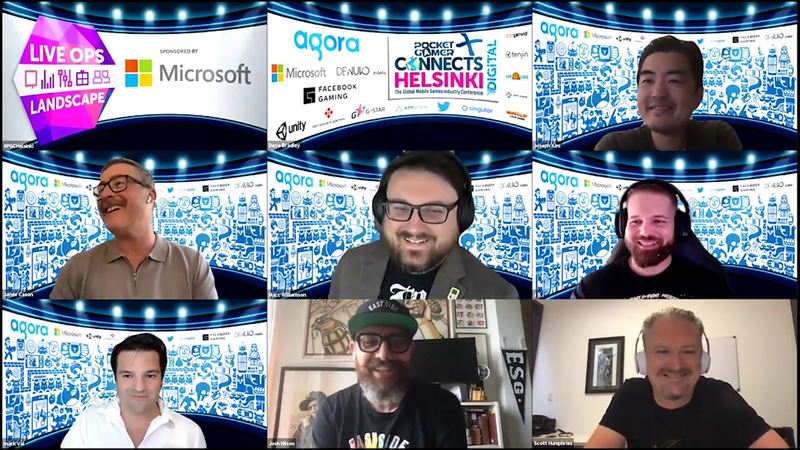
Panel: Live Ops Best Practices: How to Make them more Engaging & Profitable
Key insights
7 takeaways- 01Implement a rigorous testing pipeline by deploying updates to a small subset of players (5-10%) before a full rollout to ensure stability and gather data.
- 02Adopt a 'restaurant' mindset for live operations, where teams must be prepped for a high-frequency, agile development cycle that often requires weekly content releases.
- 03Drive player engagement and conversion by segmenting the user base—specifically targeting players who have not made a purchase in the last seven days—rather than applying a one-size-fits-all sales strategy.
- 04Maintain a flexible content strategy that allows for rapid iteration; if a specific event or item (such as a 3D asset) fails to perform, teams should be prepared to swap it out for alternative content to maintain revenue targets.
- 05Build community trust by actively managing player feedback across all channels, including social media, support tickets, and store reviews, while ensuring content is localized for global markets.
- 06Prioritize early retention by optimizing technical performance, specifically by reducing loading times and fixing crashes, before focusing on long-term content expansion.
- 07Utilize robust third-party LiveOps platforms like Microsoft PlayFab, Beamable, or Chili Connect to handle backend infrastructure, especially for small-to-medium studios that lack the resources to build custom tools.
Ask AI about this video
Transcript
you're in the um live ops landscape track sponsored by microsoft we've been running since uh since two o'clock here at uk time we've had a number of sessions there and we're going to bring in now our final panel so this is going to take us up to the end of the um of the afternoon uh or perhaps it's the morning if you're dining in from the the us we've got people from 75 countries joining us which is amazing this panel is about why liveops is not a dirty word and i'm gonna hand over i think to uh we have our moderator joseph kim hi joseph can you hear me yeah i can hear you thanks oh perfect and i can hear you too i see some uh we've got another panel people joining some familiar faces jamie hi long time no see uh mark that's great you've got uh joss nielsen uh javier
barnes uh scott humphreys mark williamson jamie cason and mark val who uh from microsoft who opened our session this afternoon so welcome back um i'm gonna duck out um uh joseph take it away and um if folks if you have any questions for these folks do you drop them into your uh q a box at the bottom of your zoom window uh joseph take them as they come up as you like it's your panel to run or i can call in at the end and help you create those up to you um i'll hand over to you guys all right great well everybody welcome to this panel we're really excited to talk about best practices in live ops and we've got a pretty uh you know big group here we've got a lot of you know very impressive folks in uh speaking today and so i thought we could actually start just giving the limited amount of time with a really brief intro from each of the speakers and just just to start with myself uh joe kim had a long history in mobile gaming led the development of a game called king of avalon that went into publishing and now i'm trying to start a new game studio trying to close our financing right now
so that's what i'm working on and then maybe going over to you jimmy hi guys jamie cason i'm head of external developer relations at miniclip i've been working in the organization for nearly 10 years most of that time i served as an executive producer on our web which by its very nature entailed a reasonable degree of life operations recently i've been working in our publishing operation and i'm very fortunate to be working on what we hope is going to turn into a hit game for us a game called ultimate golf mark williamson hi i'm mark williamson ceo of tank games uh i took over about two and a half years ago after being there for eight years of head of production um tag is 50 people in in dundee um a developer works with a whole bunch of people on our new product and live products okay uh javier
aka jb yeah um i'm currently working as in the developer but for 10 years i've been a lead game designer for monster legends and before that i was a game systems designer for asphalt 8 despicable me minion rush and several other live app intensive games okay mark val hi i'm mark val part of the microsoft azure play fab i've been in the online industry for 20 years in the last 10 years pretty much touring most of the studios around the world talking about liveops and still talking about it today so i'm looking forward to it and v josh nielsen hey everyone i'm josh i'm from eastside games we started doing live ops and monthly events back in pop farm on the good old facebook platform doing monthly content and now we have a studio in vancouver that we
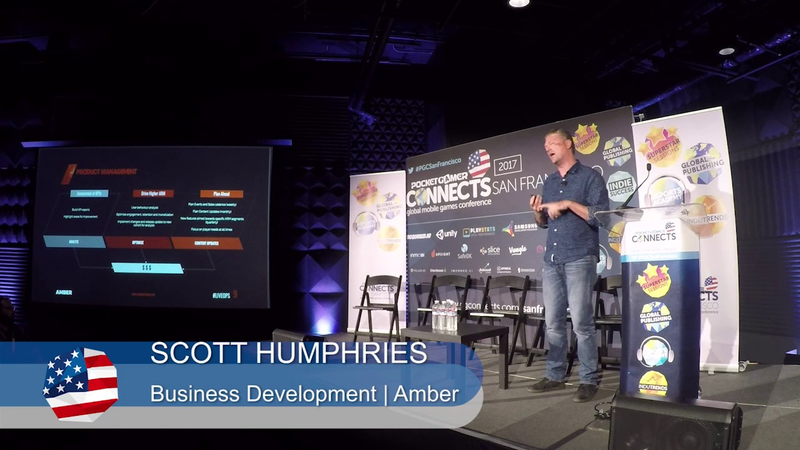
uh make live ops narrative vital games like trailer park boys uh it's always sunny dragging up in our latest game archer and also published games like the goldbergs uh back to back to the 80s okay and ending strong with scott thanks joseph hey i'm the head of product development for amber amber is a game development studio services agency we have offices around the world we offer a variety of services uh top publishers in the game industry like full development co-development qa and live operations uh prior to coming to amber i worked at a couple of big publishers like jamdat if you guys remember that company from back in the day uh ea uh disney uh creating aaa mobile games based on uh some of their biggest brands all right great and so jumping right into the this session i thought we could start with trying to get a really big takeaway for our audience so want to start with what is uh for you guys the biggest lesson
you've learned operating a real world live game and maybe we can start again with you jamie uh yeah okay um i suppose you know given we all have a hopefully a reasonable degree of understanding what we're talking about with live ops um as it's live and in any good uh theatrical activity or improvisation i think it's always good to to have a plan b something something you can switch to if things aren't going uh as you'd expected so usually this is the case where maybe you're going to try something new uh and you're looking at the metrics and your revenues aren't tracking or in our case what we do is we sort of compare what they're doing today as an hourly trend versus what they did at the same time last week and where we see that they're falling behind by a sort of a margin which we we're not comfortable with we might
switch in another another offer you know the guys just aren't picking up in the case of gold for instance we release every week a new golf ball which is a very fancy piece of 3d art with some sort of characterization to it and that's that's the main driver of sales at the moment if we see one that's really not kind of um not really kind of doing it with the guys will usually have something else to swap in so that can either be for a sort of sales related reason or uh for a technical reason we had this recently on golf um we were trying to upgrade uh unity uh which broke uh our art pipeline sort of 24 hours before we wanted to release a new ball luckily and i can't say that this was necessarily planned but it was a sort of an artifact of our old art pipeline we had a ball in the client which could be released via the server which which just happened to be baked into the client so it was an unreleased ball so we sort of saved our kind of big weekly release
offer by as it turned out luckily and i thank the guys that the developer uh hit games for uh if not having the foresight then um then sort of loading the client up with this piece of content early doors uh having that to sort of save the day so um plan b oops got it great thanks jamie and maybe over to you mark williamson um yeah so i guess um it's probably not going to be much of a shock to the audience but when we first started doing um live products back in 2010 i think it might have been um the the fact that actually the hard work starts at launch um you know technology isn't standing still your player base on isn't standing still um there's always going to be something going wrong uh that's just the nature of
uh of products um that there is something that's gonna go on so uh i think the biggest lesson that the studio took away uh from from those early days is that the hard work it starts when you're live um and there's there's so much to do um after that point it's um you know i came from a background of launching box products and not having to think about it too much after that and that was uh it was a big change for the team and the mindset within within tag at the time oh yeah well for me my advice or my lesson would be uh that you need to build a framework that allows you to apply the methodology to your live ups uh do not think each live up as it's one shot thing but rather set up a process that allows you to uh check measure the performance of each light bulb and add iterative changes
uh to set up a path of constant improvement um i have an example for monster legends we had these type of event it's called the maze by playing the players collect evan kurzi and then they can spend it on moving uh the monsters towards the the end of the labyrinth and when they reach the end they collect the the monsters of course this type of event it monetizes uh at the end which is when players realize that they are gonna fall short on collecting some of their words and we see that and that kind of means that the rest of the event is not necessarily very exciting right what we did for example was adding uh some time limited objectives so some monsters that start really close to the end but they are available only during specific moments of the entire event and that kind of gave uh the players additional incentive to start spending earlier and also increase the fun because it had more strategy they could go for the
time limited path or they could save the resources for the broader event so for me my advice would be build up a structure where you measure your the performance of your liveops and you progressively iterate to keep on uh making it look fresh and unique to your players but also keep on improving its its performance okay mark val yeah test before shipping number one apply agile two weeks iteration um test again and um target a small subset of players first like five ten percent then grow the subset the day after make sure that you support your courts that you can track them uh make sure they have tools are of time ninety nine percent up and um also make sure that your team
is aligned and that you have a common goal that you want to to get to and track um so i'll keep it short yeah mark when you say test do you mean more from a qa perspective and like having like that's correct well you have to test out in qa but you have to test out before qa which means that you have to test out uh with your team with your friends if something is actually relevant to you to do you often spend a lot of time in things that are not necessarily good at all that it's just not fun and um so i'm really talking about testing uh the feature the game mechanic and if it's the meta game at the end even more and then obviously test out that the features actually work so test harness process and all these things needs to be put in place before going live and um and then after it's live then test again because then you might have some tracking that is missing you might have you know some other parts that need digital inputs and um if they are not there then
you you have to you have to make sure otherwise if you start scaling then you can have a bunch of um of erroneous information that you cannot capitalize on to accelerate after great josh this is all great information i think we can end the talk here take questions we're done i think this is what all developers needed here my big one is uh for uh live ops just make sure that you have the people on your team that really get what liveops is um and what that contains it's probably not for the most part going to be entirely the same people that build the game although sometimes it can it's just the mindset switch what mark said was really good that um you know now the real work starts and you know a good example of that is um platforms are always changing a whole bunch of developers uh yesterday got ios 14 uh that released then we have to go to the team and say whatever you're working on for the sprint might have to wait because we have to switch this switch this make sure we're
complying in this and that's just going to be what mobile development is like so if you have developers that don't really enjoy working in that environment then make sure you're having that discussion on hiring or moving to team that it's going to be a different mindset it's a mindset of i use the analogy of it's always a busy busy restaurant you have to be as prepped as possible to have a good shift in a busy restaurant because if you're not it can be very difficult to kind of get through that great and scott yeah i think liveops is a complicated methodology and process uh to get your head around but for me i like i'm a big fan of kiss you know keep it simple stupid so for me it's always trying to like frame it around what's what you need to get and it's like give your players stuff that brings them back to your game every day and if you can sort of think about that and give them things that they want to come back to you're going to increase conversion you're going to reduce churn and it's all about learning from your players life to continue that
uh that process and rinse and repeat the different cohorts your elder gamers uh implementing analyzing and optimizing and i would say like in relation to that the thing that i've learned uh pretty recently i would say in probably the past year of doing this or i've been doing this for uh probably about 10 years now is that the the analyzing implementing analyzing and optimizing happens even before your game is released and sort of piggybacking on what mark val was saying like getting in front of your consumer as early as possible especially if you have an original ip testing your theme in the market uh market testing players using services like store maven to put up some fake app store ads to see if like your game can resonate with the audiences is super key because there's tons of awesome games that release every month um and they don't fail because they uh because the team isn't great at live ops or the team isn't great at optimizing it's because there isn't that aspirational connection of the source material to the audience
and i think creating that relationship with your audience early is super important these days got it and so just moving to the next topic and i think for a lot of our audience who might be kind of in the trenches live operating a game when you guys look at some of the tools in your tool belt what are specific practices tools methodologies capabilities like if you could name one thing to help drive the biggest increase in performance what would you say that thing is that some of our audience should be focusing on starting with you jimmy uh i would call out segmentation as a practice i would say that the general idea of live ops the the kind of the theme of it really is to to always be driving towards improvements in content and offers on a per user level now you know you may not get to that sort of holy grail but if you have that mindset then you know even if you're in the
early days of a title or even your experience of live operations it can be very broad so you know naturally you might think well and you see this a lot guys are coming into the game what's the first offer i'm gonna make you know so you usually see the starter pack uh something that happens you know that's a solid solid thing you can do um also then you might start thinking think i'll actually guys have been playing the game a bit i'm noticing that some guys are getting on a losing streak great they're in pain i can make an offer to them but you start to segment your user base you know based on where they are in the game what you see in terms of the analytics um you can draw from their behaviors but obviously you can start to get more sophisticated and this is the progression you start to get more sophisticated maybe your your tools start to enable you to support that like is there something about players on a certain tier do they consume less content than you'd expect or for instance you can then start to target buyers they have bought in the past but they
haven't made a purchase in in the last seven days they're still coming to the game but maybe they're ready for for something and and and that should then be your guide to uh creating content events and offers that are best targeted at those specific users segments but um the drive uh you know to sort of misquote glenn gary glenn ross rather than always be closing you know always be segmenting great answer jamie mark williamson yeah i think um with uh with tags background um assisting other studios uh in in their live products or building and launching themselves um that none of them are ever our own so i have to be careful about any particular things that i might might actually say so um i guess one of the one of the things i would always uh suggest is that make your team's life easier but whether that's by good tooling
or or what or whatever like you want your designers you want your team um to be able to put out content as quickly as possible um you don't need like the nature of free to play products often means that they're built quickly uh and some of this uh good practice and good tooling is left behind um and you want you you want to enable your team uh to build things quickly experiment um put out the best events they possibly can because building an event takes them 15 minutes instead of a week you know that that's the type of you want to enable your team um to put out content as quickly as possible so uh that's going to drive um players into your game it's going to keep your team happy and it's going to uh reduce some of the frustrations that um live operations just has inherently with sdks changing and this and the other make that make make your developers jobs easier great javier yeah um
iterating a little bit on what mark williams mark williamson said the best way to increase the performance and the profitability of your liveops is to put your designers to uh start thinking how to do that um you don't want to have your designers doing stuff that a machine could do um because they're gonna get frustrated so here's a process that i've run in some of my teams and for me it worked um pretty simple list all your live ups break them down on tasks the tasks that are required to set up all your uh recurrent liveops and estimate uh how much of each task how much time does each of these tasks take and then you target first the tasks that take the most time because those are probably the ones that are gonna be easier to improve and then you start evaluating maybe some of them don't add a lot of value for your users so you can remove them other may be repetitive
and therefore you can uh automatize them like for example jamie said about segment stuff so maybe if you're for the same event you are presenting several balancings for players of different levels instead of having your designer manually setting up each of the parameters for each of these segmentations maybe what you can do is just set up a formula that does it and maybe if your live up takes i don't know 100 parameters to set up maybe you can reduce it to only have 10 parameters and everything else being calculated from there or maybe you can review and eliminate the steps that are more book prone because in my experience one of the things it's that liveops have is that they require a lot of testing uh because there are a lot of steps that are book prone and essentially you keep on improving uh them over and over until they they take less time to to set up and uh eventually hopefully you will be able to put your gds to work on making them more
profitable and more fun and not that much doing uh stuff that that machines could do you got it mark val well there's a lot of good things i got said already well growth per se um depends on which level you are looking for if it's growth in money growth in users uh there's a huge difference between the two which cannot be gonna turn to milk the users or not but that said the um the number one factor that developers should look at is literally take care of their community many of them just leave them on the side they don't do anything on facebook they don't reply to the comments they don't reply to support they don't reply to reviews well do the opposite of that reply to everything and also localize so once you you have your community team in place and you can localize in the 11 languages which
covers about 75 percent of all of the internet and that way obviously you can have more reach 50 of the payers online only pay in their own languages so that is a big number um so if you're only in english or only another language this is obviously not the case for growth um so there's really small nuggets that you can get into before even getting into more complicated things you just have to think about reach in general what marketing does for you and that should help you to succeed okay josh i was focused on retention so um i think a lot of devs just focus on sometimes on the monetization right away when they uh launch that's extremely important because we are businesses but you just have to really spend a lot of time in focusing on retention i think another big thing that's changed in games especially over the last year has just been how long companies are now in um whatever we're calling it these days used to be called
soft launch but platforms don't really like that too much but limited launch through really getting to know your players and you know we saw with with industry leaders like supercell doing it for i think it was almost a year over a year um for just really growing your communities in those games and and launching early focusing on retention and then adding those monetization uh elements later i think is the way most developers are going now and josh when you talk about focusing on retention is there any specific like methodology or approach that you guys take or is it more about thinking about your cadence of live events or like like for our audience when they are trying to think about retention for their game what would you recommend the method we use is a full-fledged uh panic and chaos to try to figure out why retention isn't working uh so far that's uh done okay over my almost 20-year career but i wouldn't
suggest that but what i would suggest for working on retention is work on what is the early retention improve that and then iterate so for example there's another great talk earlier in the week that was talking about if you have your future out and it's working and it's fine don't obsess about changing the future instead look at really simple things like uh loading times uh anytime you can eliminate the loading times that's good any early bugs any early crashes um really look at your market segmentation of your devices that you have and make sure that it's working on all those devices and if it's not then do simple things like maybe don't if you know it's not working on a device don't market to that device and go from there and then from there slowly start building stuff but i think what we we used to do as a developer and we probably still do it but a lot of developers that we work with are focusing on sort of the longer tail picture which you definitely should be thinking about that but you got to be
thinking about installing day one you're bouncing almost everyone off your off your off your pages and then install so your marketing team's going to take care of those pages on getting people to click install and then if they have to wait too long for the install you're bouncing the majority of your users there okay scott yeah i can definitely relate to the the hair on fire uh uh release and liveops mentality and i think uh the way we try to approach that uh is because when when we do live ops is typically with a partner as an agency we'll be working closely with publishers on their games and partnering with them on the releases so process is super important to us and i think you know setting up a good process and for us at amber it's an agile approach to game dev um and especially in live ops that's super important when you're trying to get stuff out rapidly uh one week sprints uh on our games that are in live ops are pretty common um and sometimes even um little tiny sub
sprints within that to uh get out events and features um that need to happen to bring people back so i would say the agile process is super important for us when we're looking at live ops i would say one thing that's also commonly overlooked uh when people are talking about live ops is because oftentimes liveops has thought about optimizing your kpis and monetizing and driving engagement and things like that which is super important um but i think what's often missed is operating costs and being able to lower your operating costs and have a more of a effective way to release your content either through automation or cost savings is is going to increase your bottom line as well so i think that's an important way that we look at it especially when providing value to our publishers is that like not only are we obviously looking to optimize um the the game but how can we optimize our operational processes and costs in order to add additional value there great and so just rolling on to our last question before we go to q a
i wanted to talk about the infrastructure for liveops and whether it's the data infrastructure or some of the capabilities there's often a discussion at a lot of studios about you know what are the parts that you keep internal versus what do you what would you use off the shelf or third-party solutions for and so i wanted to basically ask you kind of a two-part question one how do you guys approach that internal versus external decision in terms of infrastructure and then if there was one component that you felt was really important to actually build in-house what would that component be and again starting with you jamie if you could start that would be great sure yeah i mean at miniclip we've been somewhat privileged to um have been around a while and kind of grow our experience with with the um with the emergence of free-to-play games and um and and alongside that uh our product and technology teams have elected broadly to um to create their own systems and obviously we've sort of had the
the ability to do that over time um working with external developers we don't with our systems aren't sort of productized and they aren't they aren't available to external developers so i've been very lucky to be a user of um of playfab uh with with certain external developers uh and to sort of come at it from from another end so i guess you know from from your point of view as a developer obviously it's gonna depend but i would imagine if you aren't already doing it and you're starting out you're probably gonna want to go with one of the the platforms like um uh play fab or chili connect i think um scott have you got something at amber as well um but uh yeah we love playfab uh we we use it a ton um part of the microsoft game stack now i guess um and then um we do have uh we do have our own custom stuff that we'll need to add in
an occasion because not all solutions will give you what you need but i think i agree with you 100 like if you can get it off the rack um it's a lot less to invest infrastructure by having a bunch of devops and and server guys build stuff from scratch the only caution i would say you know if i could speak for for my technology team uh they're always very wary of being dependent on anyone else's support so you know they generally take a very skeptical view that anyone else's tech can scale like their tech and they sort of don't they would much rather not be beholden to any external um entity uh when it comes to the the heat of the live operation especially you know in a global launch you know when you're scaling very rapidly and we've definitely been sort of caught out somewhat by that um so i think oftentimes uh out-of-the-box platforms definitely great to start definitely allow you to to focus on other more important things for for your uh for your product but um you
just need to have a mind on on how you're gonna scale ideally you factor in uh buying the best possible support from that platform uh that you can afford so you can get a named individual uh on the phone if things start to heat up to the point of falling over all right and jamie in terms of the one capability you would build in-house would that be for you you talked about segmentation would that be the thing that you guys build internally yeah i mean effectively that's that's what we've done uh uh in terms of analytics um we run our own uh proprietary stack um and that is it that's a sort of product that's available to all of our um internal uh internal guys um and and through through our history we've used other analytics uh systems sometimes and in the case of some of the external guys i'm able to have sort of best of both worlds so we we instrument say you know mix panel uh and also
uh our internal stuff because i think it is also useful to to be able to triangulate and compare so in that case you know we do that with mixpanel or an internal thing and also we use uh adjust um the attribution platform for the for ua which gives us you know comparisons across things like retention so you know it just gives us a way of triangulating yes you know these these signals are accurate um so uh building analytics is is uh is certainly something that we're sort of quite precious about um and that you know not only enables us to uh analyze our economy and you know look at the behavior of players but it then is the trigger for certain systems like um push notifications and it facilitates a b testing and things like that so uh in our case that's the way it's turned out somewhat organically um but we like it that way okay great mark williamson yeah so um i guess um back in
2010 2011 when we started doing our first uh live um product there there wasn't really much available so we had to build our own um i don't think uh many of these services came around for another three or four years or at least matured for uh for that amount of time so we had to build our own and there was no no other way about it so um for a number of years we continued to invest in engineers and our technology and building upon it for every game that we that we were building and needed support and then um a few years ago we decided to actually try and productize that and offer that out to other other people we got a few customers on board and that um that became a product called chile connect which
[Music] was uh was spun out of tag games and then became its own its own entity uh it was later acquired by unity uh about two and a half well about a year ago now um and uh but if i look back uh would i you know it would was it the right thing to yeah obviously it was a it was a great result obviously there are tools being purchased by unity but um it there was a there was a split focus in the studio around techno like the technology stack and producing the games uh and i would say that you're probably not going to be building some features in your product that isn't supported by some off-the-shelf solution right now and you know you have to weigh up whether you want to um employ uh engineers to to build this stuff i would
being in the position we are now i would say that we would do the majority of us um uh we would purchase uh a solution most of the time now um looking back the hard work it took us to get to that to that stage um so yeah um we've seen kind of both sides of it building it from scratch and then productizing it and i like working with other people to use our system um and uh i think tag games and chili connect their own separate things now and tag games wouldn't go about building our own tech from scratch to support our games got it jb well in my opinion like most of my my career i've been working with in-house tools and whenever i've worked with external tools they end up being getting bought and then they show down so so if i think if you're a big company
and you have a roster a white roster of games that that are going to be able to share the service i would recommend you to create an in-house tool for that the problem is is if you are a medium company or even small company and you only have like maybe one or two games maybe you don't want to have uh some of your developers doing something that is not necessarily the actual game uh so if if you're on that on that situation i would definitely recommend uh to use different services i haven't worked with it directly but playfab seems really really cool and i think it's owned by microsoft actually so no chance of it getting bought and then there are other tools that are on development like userwise.io that i've been checking and it looks quite interesting uh both of these tools allow you to to do some some cool stuff um set up stuff on on the on the spot
manage the different balancings to different audiences so i don't know google it and it really depends on what's the size of your company got it mark val i can guess your answer but please do well thank you all for using playfab um so today we we you know we cross recently more than a billion unique monthly active users across the pool of games and so that means you know it's 4 000 plus live games many of the major studios and publishers use playfab today and you know we have indies joining every day that's why we build the platform there's hundreds of engineers behind it we have a road map for the next three to five years there's a lot to do and um we're gonna continue to support it obviously um and um we're also looking at uh open
sourcing parts of it um so that you know anyone can extend it the way they want and while we still contribute to the to the to the source and to the code and iterating on it so that studios can extend it in a easier way uh but by any means like um um and we've heard it a few times now is that um once you've built a live game operation platform you don't want to build another one it's just so it's really hard and um so um that's why we're there and um and we're going to continue to support the gaming company community and beyond and bring more features and as we transition to the next phase of uh mobile that is that is coming which is a lot closer to our highs and and then it's going to bring even more component to the equation yeah it's a it's a really hard question
and i think the simple answer is build your game spend your resources building your game so whatever gets you quicker to market to do that do it that way and then if you do have a successful game get the proper tools that you need either implement or continue to build in-house it's uh might be a shocker it might be dropping this the first time a pocket gamer connects but sometimes games don't make money and you're gonna have to sunset them i know people people might not know that fact but a lot of them you have to throw in the garbage and if you spend all your time building this deep infrastructure that goes across all your games it might be obsolete so we've done a combination of both so build to your strengths i would say the easiest win is um build get one of the services that takes care of back end and then if you want to build all the other stuff internally do that but you can use analytics that are built from your game engine or platform you can uh use some of their a b testing tools and stuff like that or you could
buy something off the shelf like swerve but a lot of the services that are already mentioned we use beamable for ours too for the back end we can get you up and running uh and if you get a game that needs to scale and get huge there's many companies that can help you out or you can solve that problem when you need to all right scott take us home yeah happy too uh so as a service organization uh amber is is very rarely using our own tech to build upon you know a lot of times when we work with uh our published partners they'll already have their their preferred system so one of our advantages is that we're flexible and that we can adapt to a lot of different um platforms we already mentioned uh playflab is probably a preferred one for us just because of how robust feature set is um but then what we found as well and i think this is important to think about i think this is where joshua's also going is that even if you go off the rack you're probably gonna find for your games that you're going to you're going to need some features that are specific to what you're trying to do and in amber we've created our own cms
tool set which stands for content management system and that basically allows us to do things like um you know deliver uh business intelligence predictions um advanced player management events uh social features uh virtual store merchandising and sales with someone that isn't an engineer so like a product manager can go into a tool set and basically be like pink here's your event i'm gonna optimize or here's your sale or your offer i'm gonna optimize um and we found that pretty important um to be able to have a system that we can sort of spread across our portfolio of games and offer as a service to our partners so i would say that's probably a pretty peaky tech that you're going to need so you're not needing to do those updates and clients that you're basically able to do it from a web tool set online got it and so that concludes the uh you know the kind of prepared part so we can go now into q a and i see three open questions
and the first actually is for you josh josh trailer park boys is a huge success in terms of long-term retention and implementing ip into idle games having people playing since launch until now what are the expectations around archer dungar phone since you've changed the mechanics around it and what were the drivers for that change uh yeah uh that's the other thing i wanted to it dovetails nicely into what scott just said is um the biggest shift is making games that uh last three five seven years and um uh you know another point kind of related to that is um devs that can't handle that can look at services um like amber and those other services that can continue your game on as well so one of the big things that we're focused on that isn't really a tech thing but it's more of a community thing is just looking at maintaining that community for years we kept platform up for almost 10 years and then we didn't really have
a really solid transition plan on what you do after two years five years ten years um one of the biggest things that we're really looking at is the core driver is content and things to do because people will play daily and will want content so in a lot of ways we're now becoming um a little more closely aligned to like uh streaming or uh in the olden days folks there's things called tv stations that had to put stuff on cable we're kind of like cable providers you'd have to have a weekly show so you have to have weekly events and we're going to do some really cool stuff in archer and we for trailer park boys fans we have some really cool stuff to iterate and so you can take years to do it and uh your fans will be with you along those ways all right maybe we have time for one last question what's your biggest struggle day to day in a live ops role just opening that up to anyone who wants to answer that question but maybe starting with you mark williamson
uh right um so i guess the inherent nature of of live games uh and their need to stay alive for multiple years you know you're going to launch a product with a handful of sdks uh you'll get you're going to have potentially a team that's delivering uh you might split your team in half you have some half your team delivering um roadmap features but then you've got you've got another part of your team um dealing with the stuff the the unknown that's gets thrown at you so you know ios 14 being released a sdk that you've had integrated being deprecated um a user finding out an exploit in the product and announcing it to the world you know those types of unknowns that you just can't plan for um that keep the whole team on their toes like it's it's exciting you know you can come in in the morning and uh you know the day
is not the same but uh you know at some point you you you know the struggle is um wanting to just sit back and know what you know what you're doing the next day um because i think with live operations uh you can't really guarantee what at least part of your team needs to deal with all right any other thoughts on this question well for me the most challenging thing is um that you have to manage liveops can eat your entire day and can eat your entire mind and sometimes it's not it's easy to fall into cycles where you're only thinking on the next live object you're going to do next week and you're not thinking maybe one year in the future you're not thinking how to bring your game in the top 50 top crossing or in the top 20. um so i think at least to me one of the biggest challenges is how to manage this necessity of or the
need of the game to have a layer of strategy and the day-to-day um and i really don't have the answer actually if any any of you have a good answer on that but i find myself struggling because i'm a very hands-on developer so a lot of times it's like how can i manage changing maybe some elements of the core versus thinking of making the next light bulb really great all right so i think we are just out of time now i want to thank all of our panelists for the great insights and for participating in the panel and then i don't know how to turn it over back okay don't worry i'm here i'm lurking in the background always always just just slightly out of view ready to leap in uh like a ninja thank you very much uh guys what a great panel really uh you know it feels like you
guys could have talked for a lot longer but you've run exactly the time i really appreciate it answering all those questions um thank you very much joseph what a great so well moderated thank you very much uh joseph kim josh uh javier scott mark jamie and mark again thank you very much round of applause you'll have to imagine that coming from all the audience hopefully we'll get a chance to do this again live uh next year but really appreciate that really great way to end this afternoon uh our staff and his content here on the live ops landscape track so thank you folks and and uh i should say to our uh audience here if you have more questions uh for this uh for these experts uh maybe seek them out in meet to match or on the discord channel uh or uh i know many of them are on on twitter or whatever go and go and find them so thanks again guys i appreciate it
Summary
Successful live operations demand a fundamental shift in development philosophy, prioritizing the post-launch lifecycle as the most critical phase for long-term viability. The primary objective is to cultivate sustained player engagement through agile, iterative processes that favor simple, high-impact content over complex, resource-heavy updates. By testing features with small cohorts before scaling, studios can effectively measure performance and refine mechanics, ensuring that daily retention remains the central metric of success. This approach requires a cultural alignment within teams that embraces rapid adaptation and the necessity of contingency planning for technical performance.
Operational efficiency is essential to maintaining this pace without succumbing to designer burnout. Studios are encouraged to prioritize community engagement and sophisticated user segmentation, focusing on building deep aspirational connections with players rather than pursuing immediate monetization. To streamline these efforts, developers should leverage third-party infrastructure tools like PlayFab or Beamable for standard backend requirements. This strategy allows smaller teams to avoid the pitfalls of building proprietary infrastructure from scratch, reserving valuable internal engineering resources for unique, high-value features that provide a genuine competitive advantage.
Ultimately, the most significant challenge in modern live services is balancing the relentless cycle of daily execution with long-term strategic growth. While automation and external platforms reduce the burden of repetitive tasks, teams must remain vigilant against becoming trapped in short-term operational loops. Sustained success requires a disciplined focus on core game improvements and high-level objectives, ensuring that the day-to-day management of the live environment serves the broader goal of achieving and maintaining top-tier market positioning. By integrating these practices, studios can create a sustainable, profitable, and engaging ecosystem that evolves alongside its player base.