1 free read left. Create a free account for unlimited reading + AI research.
Create free account
Superstar Session: Live Ops: A Ten Year Journey of Iteration & Best Practices
Key insights
6 takeaways- 01LiveOps requires shifting from a static product release model to a continuous, iterative service model that treats games as evolving ecosystems.
- 02Monetization strategies—whether advertising, virtual goods, or premium content—must be defined during early development to dictate the required technical stack and engagement models.
- 03Data analysis should focus on segmenting player behavioral patterns before attempting to optimize specific game elements through A/B testing.
- 04Technical debt must be mitigated by utilizing scalable backend services and dynamic content management systems to ensure the game can evolve alongside its community.
- 05Long-term success depends on maintaining a constant dialogue with the player base and ensuring internal team alignment through clear, goal-oriented key performance indicators.
- 06Studios should prioritize early content releases to facilitate rapid iteration rather than relying on unpredictable viral success.
Ask AI about this video
Transcript
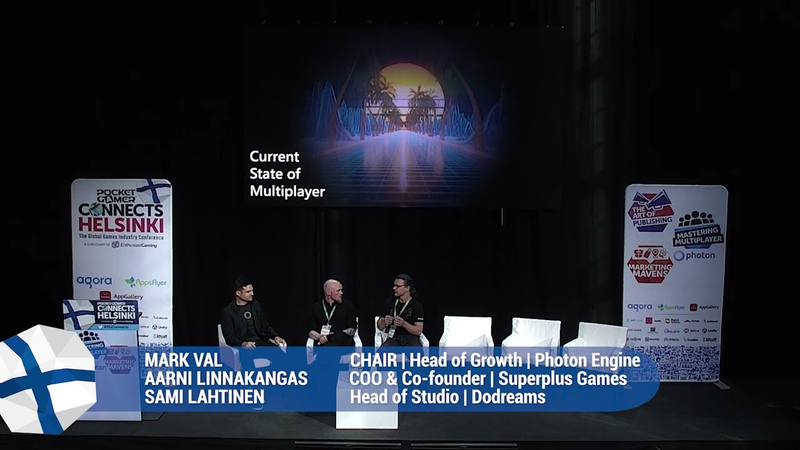
hey why don't i welcome to the stage to the virtual stage uh the liveops landscape track sponsor microsoft we've got mark val here to do a superstar session uh about live ops mark are you here can you hear me yes i'm here perfect hey thank you well i'm gonna fade into the background just a reminder to everyone watching this track if you have questions for mark please uh pop them in the q a box at the bottom of the screen we'll keep an eye on those and at the end of the uh at the end of your talk mark i can pop up and help you curate those if you like but uh in the meantime i'll vanish into the background and uh yeah uh let's start the afternoon sessions with a round of applause for mr mark fowle
thank you um cool all right so thank you dave uh it's a pleasure to be with all of you today so my name is mark vals i'm part of the microsoft azure playfab team uh so i'm part of the original team of playfab i've been in the online industry for a bit more than 20 years and i've spent the last 10 years as you're seeing now touring studios all around the world talking about live game operation so i've seen all the goods and the bads so i'm going to try to share a few things to this presentation um so a few words about azure playfabs we're now at one billion unique monthly active users across thousands of games and as you see now we're also making available for you to have game services to power your game and also content management system with a gui for your team to work on and that way you can build and operate and grow your game to succeed in the gaming industry
um so to start with um a little quick view about what we're going to talk about so i'm going to go a little bit about before live games and what uh what it was but also what you can also see today that is interesting best practices and then we're going to close the presentation after so mainly what you have to keep in mind is that dialogue and iteration is key to succeed inside of live game operation and we're going to see more about that in this presentation obviously so um the whole goal of liveops is to interact with the audience and there's so many books that were written in the past uh before or now actually i got updated uh more toward data wise but there's a lot there's loads of content about operations per se which is how to retain grow and um and then convert your customers to payers and as through the
industry we've been through and entertainment there's a lot of things that are still valid today and as we move into the augmented age where everyone has their mobile phone in their pocket but also with the glasses that are up and coming live data feed are going to get much more important and we're going to see even more subset of the live game operation or live operation not only in gaming but also outside in the b2b sectors so that's it um um if you if you look at day-to-day stuff um i'll say that summer camps is very good example of live operation where you have a crowd of kids that comes that wakes up in the morning and are looking forward to have a good day they're ready to earn their badges and they're ready to have fun with their friends and go back to bed at night with full of stories in their mind and ready to go the next day
and overall it's really about nurturing the the kids so that they grow up but also learn a lot of things while having fun and there's many books about how to manage summer camps that are 100 100 applicable to live games and um so i suggest you to look in this direction to have more information and definitely the if you look at summer camps the goal is to is for the these kids to come back year after year as they grow up and obviously since they the next year that they come they're one year older then they the content has to change and the seasons has to change and the teams has to change so there's a lot to be learned in there but also if you look in the um um for restaurants or bars or clubs this is exactly the same thing where you have a area where people when they come in they kind of know what's going to happen and then there's the food there's the service there's the ambience and um and there's a lot to be learned also
uh in outside of the gaming industry about how to actually give services to your customers in a proper way and a good example is restaurants that will make sure to identify new customers and when the when they receive the bill at the end of the day or at the end of their uh dinner well they're gonna have a rebate for the next time that they come or maybe a free cake or a free something so that you make sure that they retain that customers or maybe if they bring someone else they have two for once free so there's good ways to grow your crowd until you reach a certain level of quality and then you can raise your price afterwards so there's many books about that as well they're super interesting but let's keep it to data and games so we're going to cover business the teams and strategies and how to execute on top of that so to start with so the first question you have to ask yourself to really succeed in the with liveops is how will you monetize
too many teams forget this key factor of course you can have a really good story a good game but how it will monetize is usually important that's where your business can start that's where you're gonna forecast everything so you have to have a good um a good understanding about where you're going to go if you want to monetize with ads or if you want to monetize with virtual goods or premium content or with merchandising with ip it's totally different it's a different stack it's a different way to understand what you need for ads the vast majority of developers forget that how they're gonna make money is not with the game per se but it's with the players slash users that they're gonna sell to the uh rtb platform or to the publishers and the value of the crowd that they attract to their game is what will actually make capitalize uh for making money afterwards same thing for virtual goods what would
be the point where someone's gonna do is their first payment uh is it a subscription is it because they filled out a bank of virtual currencies and you cannot spend it until did you they unlock something with payment um so defining where is going to be the first place where a player slash user is going to spend some money is very much important regarding premium content and content is making sure you have something unique that people really want to buy you can still have a free-to-play game and have later down the line some premium content or you what we have seen in the past is games that um that were that you could buy premium content from the start where you can go from level 0 to 50 very quickly and now this is changing in a trend where it's actual content where you have to make a journey of 2-3 weeks and instead of taking like a year to get to level 50 it's going to be 2-3 weeks to get there but at least you can have some content that goes with it that is very
interesting and obviously having a high p if you can get in that uh in that sector um making merchandising is a primordial that is in line with your game um many ips are doesn't have yet a game content that are on the shelf for kids or for anyone actually to buy and merchandising is often put on the side and forgotten it's more complicated it's not digital of course but there's a lot of opportunities in that space and much more today since the new users are very hard to find and you have to divert to find other verticals to monetize your crowd so uh there's good books to get you started uh in this direction uh if you have no clue of what i've just talked about so i suggest you go to something that is more general with the first book and um and then you can go down the line about optimizing either by a b testing or by which price you should put first what is
your specials how to influence uh in advertising for growing your game there's a lot of content in these three books to get you started and move forward so that said um if once you have choose which monetization strategy you're gonna put in place it's extremely important that you align all of your team together if you have some people that are uh trying to think about the end game before actually figuring out how this thing will make money uh it won't go well there's a hundred percent chance that this is gonna fail either you're going to go in too much details before validating what you're doing and the key here is really to release the game as soon as possible so that you can iterate very fast so you iterate in certain country you soft launch very soon you spend six months in soft launch it's required to make sure that your kpi are correct that you distinguish yourself from the other apps but still it's really about the team
that has the line iterate and accelerate once you have found out what is the golden nugget of what you're building then you can accelerate and actually grow in more countries start to localize and whatnot and there you're gonna have some much more success um there's another good book to get you started into your leadership scenario and um and this book has been there for a while it's made by actually someone from the army and every single tips that is in this book can apply to the gaming industry uh obviously there's a lot of analogies to be made but you will get your uh team and yourself if your c levels uh more in line into where to get to the goal to the end goal so obviously after that comes the strategy many just too many studios target right away per user from the start this is wrong uh you should not a b test right away
you should segment instead uh to try to prioritize your top level kpis obviously if you have a game that has good engagement or that has good growth or that monetize very quickly you just need one of those to have a successful game if you have two or three of those then you have one of those one hit timer of the season and hopefully you're gonna be able to keep your players the last many years and be successful for a very long time so when i say that you should not target the user it's really because you have to take a holistic view of all the you know all the global players there is on this planet so currently there's 2.3 billion players and it's better to target all of them at the same time and making sure that your game is fun before trying to optimize some other parts of the game and obviously if you go in the ad sector versus having something that's more based on player on the virtual goods
then the time span in the game will be different so targeting and making sure you have good behavioral strategies and then all going all the way down to optimize the the end user with machine learning and then after that really optimize on colors buttons and words is really a key way for you to uh to succeed and again there's a bunch of books that's going to help you out to really get you with good should i say understanding on how to get there each of those books are very pertinent some are more generic but still once you go through them uh you're gonna have better understanding of how to apply and definitely if you reach the path of going of diving into psychology or behaviors then get someone in your team with a university degree in that field don't try to debunk it yourself there's a lot a lot a lot of knowledge to be done to be
uh to master the skills and eventually you're gonna be able to make some form and questionnaire for your players and the community to engage uh to you to go forward and don't be afraid to let your game go and be controlled by the community giving leadership to moderators are part of the community and whatnot so that way obviously it's going to create more waves for the players that are playing with them and and then obviously you're going to retain a lot more and all of this cannot be done without tools if you don't have the right tools at the right time it is very hard to uh to go forward uh just too many games are launched with just the bare minimum and then they are stuck in technical debt we had a panel earlier today and we had good examples about that and um so technical that is a killer you cannot launch a game without your
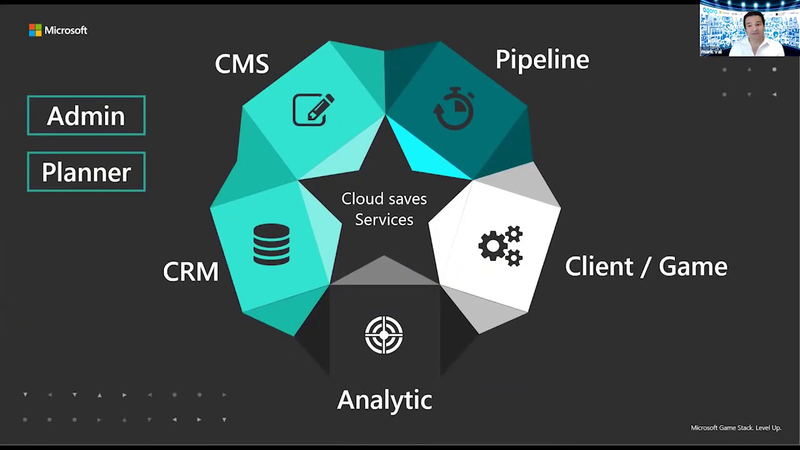
in-game shop if you go in virtual goods uh you cannot go with ads without a full understanding of your crowd how much are they earning uh their upcycle trades and um so because otherwise you cannot optimize your your reach afterwards and having a full pipeline where your client can be dynamically updated from the backend is is extremely necessary so that way you're going to be able to show different content afterwards based on segmentation to the users having a pipeline that does the whole versioning in a way that makes it easy for you to uh to really propose the right content to the users uh but also um the two squares that we're seeing on the left row administration having a good planning tool is essential as well so in your planning tool you should be able to have a full backlog of what's up and coming have all the crash logs and um and als
also having all of the analytic trend of the game regarding either if it's a virtual guns again what are the money sinks where there is too much money which level players are stuck the most and how you can make them advance per per group of players if they're stuck somewhere culturally understand where where they are and what they like is very important i think the cloud save and being cross platform is more and more popular um players now really likes to go from one device to another and continue the experience so i suggest you investigate that part and obviously to have a tool that is bulletproof so that when your players are starting to share and bring their friends on board to make sure that it can scale up or horizontally so that you can continue to give the best service to your players is essential to uh to go forward and um so there's many tools that you have to keep
in mind that are used to uh forecast what the players and the users will want so by any means you're gonna work in the future so it means that the current content that you're gonna work with is actually something that's gonna get released in three weeks or maybe in three months from now you have to figure out the right cadence to be able to push it out and obviously optimizing is key to your success your first as i was saying earlier you first have to aim into having a good retention and after that having a good growth and obviously having a good conversation to pay her and then afterwards it owns all of that is working pretty well you can start you your ua campaign and if that's the strategy you have and uh being able to uh to bring the all crowd much much much further so obviously there's many tools that can help you with that
so for us as you saw earlier in the little video microsoft game stack is really meant to help you to do all of that azure playfab has all the backend tools to help you to operate and grow your games and all the backend services for your leaderboard store making tournaments and actually building your live up events and obviously at microsoft we have all the planning tools to get you forward with that and the versioning system to help you out to uh actually achieve these things but no matter the tools that you're using if you don't understand what you're doing if your team is not aligned if you don't have goals that are set there and the kpis that you can actually reach you should never say to your team okay let's just make better attention no you have to hang for a number and try to go in that direction so following okrs that way you're going to be able to achieve greatness hopefully so um uh obviously when you
meet a lot of studios you hear a lot of good and bad stories but in short you have to keep the dialogue inside of your team you have to keep the dialogue with your players get the feedback from your customer support agents from your community managers and get the feedback also from your data analysis and data scientists and your eventually your psycho trades professional inside of your team so that you can iterate better and obviously succeed to uh be able to get more users or simply to get more content for them to be happy so uh that was that was very short all of these slides can be explained then in more than an hour to uh to get into really in the nuts and bolts and how it works uh but um i hope that was interesting for you today and uh thank you so much thank you very much mark that's great let me fade back into view here um really good really good uh
introduction and um an overview of of livestops and the tools that you need um i really appreciate the reading list as well i was frantically taking notes of books i need to get hold of and um that was great it's recorded isn't it yeah it is it is recorded so people will be able to to watch that back that's great so look we've actually we've got a um we've actually got a few minutes until our next speaker is ready and there were there are seven questions about more than that wow people are asking questions so what i'll do uh uh mark i'll just read some of these questions out so that everyone can hear them and hopefully this will um there'll be some answers in here that will be relevant for everyone so cool so the first question an anonymous one says a lot a lot of developers focus on ua and retention uh as a fully data driven task and it's great that you're talking about player psychology uh i agree that was very interesting so in your opinion what is the best way to connect with you connect with the users for uae and retention yeah so um so there's two things so before thinking about ua you should give incentives to
the player to gather their friends on board so growing your user base doesn't necessarily mean you have to do user acquisition there is multiple techniques that we that you can leverage your current crowd to maximize their uh engagements with their people around them or if they are part of communities to get those communities to at least try your game so then regarding user acquisition per se you should not actually start any ua campaign before you have your old pipeline regarding another thing so you need to know exactly what you're looking for so if you want to bring players to engage more with your community that's one way so you can go in ui in that direction you can do user acquisition to get players that will monetize in your game that's another
type of user acquisition and then the third one is really players that um uh will not only do the the two others but also can uh influence the game so they will participate in the in the community and bring feedback on so use acquisition is often only seen in the business wise only to bring money back but often users that you uh that you get will do other things so you have to be able to track those group of users so in the future when you actually need to gather these type of users you can actually spend either more money or less money and that's eventually what you're looking for to get those players on board and user acquisition doesn't have to be through other mobile games it can be through facebook it can be through ads on google adwords it doesn't matter so you have to try everything to really find out which uh group are gonna attract and then the behaviors that they have on top
of them each of the swords that you're gonna get will give you players with different behaviors so i highly suggest really have this old tree of possibilities for you no that that's great and actually just i'm going on from there the next question was uh for indie developers and i guess with indie developers often their budgets and team budgets and team are smaller so for an indie developer what is easier to focus on is it engagement growth paying customers what do you think so for any indies that start today you have to you have to release your game as soon as possible and get something that is actually fun you don't have you shouldn't think about user acquisition in all these things because your goal is to try to create something that is unique or if you want to actually go in the same vertical as other genre or if you want to mix some genre together it's really to nail down the fun of the game because what you have to
first do is actually raise your hand and say hey i'm here next we have good stuff and then get good reviews so the reviews is probably the place where you're gonna get the most users from the get-go and as you get the more and as the crowd grow you should not forget if you make like a mobile game the money that you're gonna get from the stores are gonna get into your bank account three months after it started to uh to be spent so uh so you need some sort of a watch yes to even consider uae at the start obviously if you have publishers that invest money inside of your ip or your studio that can be easier but you should burn money in actually flexing your muscles and keeping your players and making sure that they do a bit of virality between them so that you can get that ball rolling and um and eventually you're going to get to success doing ua
in the battle we're in today there's very big players that spends millions of dollars almost every day uh you cannot compete with them so you have to be original and really distinguish yourself with uniqueness that's very good point and you know what i think the the next question here kind of preempted what you were saying there so the next person says should developers try to achieve a viral game for example four guys that kind of blows up or aim for a long lasting game um an interesting sort of tag to the end of this question is is that even something developers can control well um it's all about luck okay um you you don't know uh you don't know what's gonna happen with your game so you you should not aim for virality you should not aim for ltv on three years from the get-go because you just don't know and so what i suggest there very much is to when you're gonna release your
game is to at least have 31 days of content um usually um what here's what's gonna happen is that if you have virtual goods and not so much ads so you're more tailoring on virtual goods is that the big spenders starts paying after 31 days so it means you need to focus on the content itself so having 31 days of content just to self launch on the start is fine but you have to go quickly to have three months to six months of content either by taking your game mechanic and making it harder just by adding new you know new features on top of it but essentially it's really to get to that formant factor where you can both understand what's happening on day one with the payers that space very quick and also with the long tail of your players where after 21 days they're going to start to spend a lot of money um so that that's the that that's something to keep in mind but again as i was thinking at the start it's very much
about luck so you should not you should not try to focus and say hey i'm gonna make a viral game uh you can obviously go into making users user generated content you're going to see more and more of those and for us at playfab we're about to release publicly a new game features that it's going to be available for all of you to create ugc content for your players but um because here's the thing is that it comes in waves what was popular two years ago is not so much popular now this uniqueness i was talking about earlier is really what makes it um over everything else and um so ugc is a so the users themselves are more mature than a few years ago so now people are more uh understanding what needs to be done and also the generation change they want to be seen they want to have stars they want to be part of leaderboards but also have friends with them around them so the dopamine kicks in at this moment so
if you can have emotional triggers that will bring those satisfaction of a feeling that you accomplish something very quickly uh then there's a very high chance these people are going to come back to get that same feeling again and again and again so um so yeah there's no there's no really a secret except really being passionate about what you're doing and release it release it as soon as you can that's great advice that's great advice but you know what um there's actually there's a few more questions here but we are out of time and i've been told our next speaker is here it's 2 30 already so i think what we'll do is uh we'll have to leave it there i'll grab those questions and put maybe i can put them to you um separately and we can do something on them later and if anyone does have questions for you about microsoft's tools can they find you in uh the meet to match platform or in discord what's the best way to get it yeah i'm on the meet to match platform i'm also in the liveops channel right now right discord app so you're welcome to come otherwise you can find my email also in the meet to match system so feel free to email me i'd be more
than happy to spend some time and maybe that do a dissection of what you're looking for to do perfect that sounds great and yes um if people do want to catch up with you now in discord there's a big button on me to match it'll take you straight through to the meet the discord section then look under the live ops landscape and you'll be able to find mark in there so thank you very much i'm gonna give you a round of applause you'll have to imagine it coming from everyone else it's the uh you
Summary
Live operations (LiveOps) serve as a critical framework for modern game development, shifting the focus from a static product release to a continuous, iterative service model. The primary thesis is that success in the current gaming landscape requires a holistic approach that balances player psychology, data-driven decision-making, and robust technical infrastructure. By treating games as evolving ecosystems—akin to summer camps or hospitality services—developers can foster long-term retention and sustainable monetization.
Key findings emphasize that monetization strategies must be defined early, whether through advertising, virtual goods, or premium content, as these choices dictate the necessary technical stack and player engagement models. Rather than chasing viral success, which is largely unpredictable, studios should prioritize releasing content early to facilitate rapid iteration. Data analysis should focus on segmenting players rather than immediate A/B testing, allowing developers to understand behavioral patterns before optimizing specific game elements. Furthermore, technical debt is identified as a primary barrier to growth; developers are encouraged to utilize scalable backend services and dynamic content management systems to ensure the game can evolve alongside its community.
The scope of these insights spans the global gaming industry, with a particular emphasis on the mobile and live-service sectors. The methodology relies on over a decade of industry observation, studio consultations, and the application of business and psychological principles to game design. Ultimately, the session concludes that while tools and data are essential, the core of LiveOps lies in maintaining a constant dialogue with the player base and ensuring internal team alignment through clear, goal-oriented key performance indicators. Success is achieved by nurturing a community that feels empowered to participate in the game’s growth, thereby ensuring longevity and consistent engagement.













Comments