Live Ops reports and market data
Documents
Gaming for Good: Philanthropy as a Business Strategy
Integrating philanthropy into core business operations transforms corporate social responsibility from an ad-hoc activity into a strategic driver of brand loyalty and community engagement.
- Integrating philanthropy directly into live-ops game mechanics can engage nearly one-third of a game’s monthly active user base.
- Strategic corporate social responsibility shifts philanthropy from ad-hoc donations to a driver of brand loyalty and community engagement by aligning corporate values with player interests.
- Successful philanthropic activations utilize multi-channel strategies, including streaming events, digital bundles, and community-focused merchandise, to maximize participation.
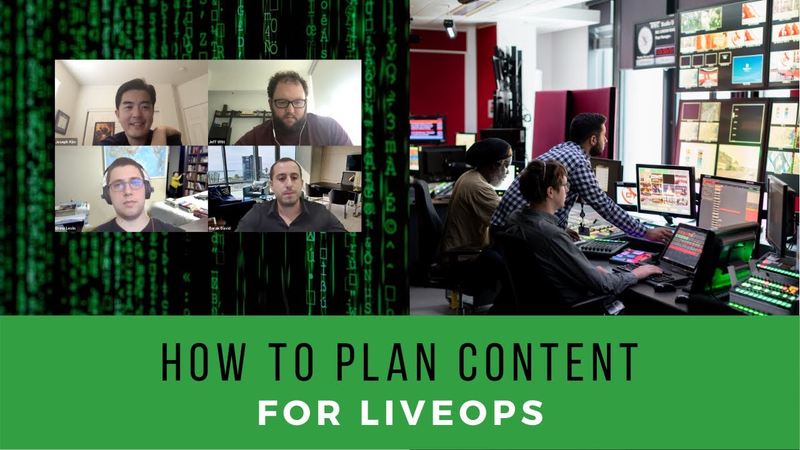
Content and Events Planning for Live Ops Panel | Zynga, Murka, Storm8, Funzio
Live operations strategy centers on the integration of long-term content roadmaps with tactical, data-driven event cycles designed to stabilize game economies and maximize player engagement.
- Live operations success requires separating development teams, who build scalable foundational systems, from dedicated operations teams that manage the daily cadence of content releases.
- Teams must utilize quantitative tools like Sankey charts to optimize user interface flows and balance content consumption rates against currency inflation or resource bottlenecks.
- To prevent revenue cannibalization, developers must define feature-specific KPIs for every event to ensure they drive incremental growth rather than simply shifting existing player spending.

Liveops: Mapping Player Journeys (Andre Cohen Head of Data Science Tilting Point)
Player journeys function as dynamic, evolving frameworks essential for optimizing game performance, monetization, and retention.
- Linear 'golden path' funnels are often inaccurate because they fail to account for the diverse, non-linear ways players naturally engage with games.
- Data scientists should replace static funnels with state-based visualizations that map players across multiple dimensions, such as retention duration and level progression.
- K-means clustering should be used to identify distinct, multi-dimensional player segments, enabling personalized LiveOps and targeted A/B testing.
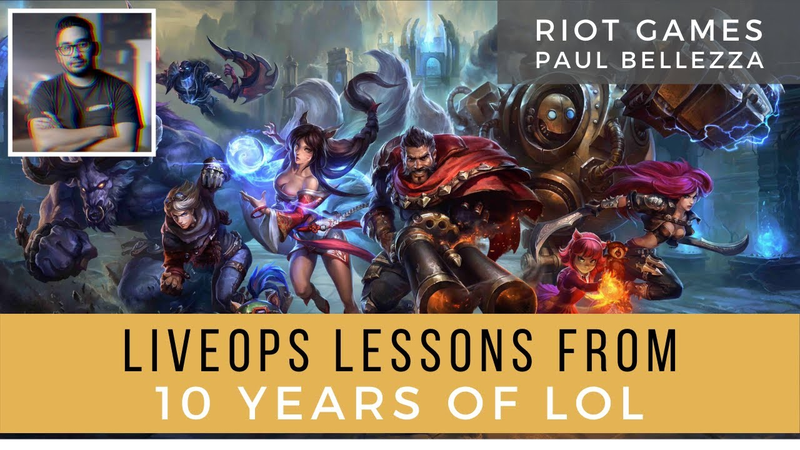
League of Legends | Product Lessons from 10 Years of Operations (Paul Bellezza Riot Games)
Operating a global title like League of Legends requires a fundamental shift away from Western-centric development toward a model that respects diverse international cultural standards.
- Long-term product sustainability requires the discipline to prioritize high-impact initiatives while strategically declining lower-value requests to protect the development roadmap.
- Developers must balance community feedback with core gameplay integrity, as evidenced by the failure of the Dynamic Queue system, which eroded competitive foundations by prioritizing convenience over skill.
- Global scaling requires moving away from Western-centric development in favor of rigorous research into regional aesthetics, heroism, and color palettes to ensure content maintains perceived value across diverse markets.
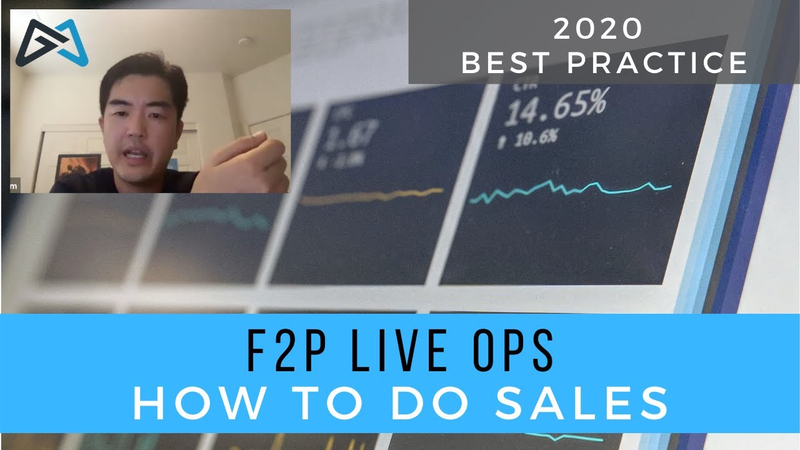
LiveOps - F2P Sales Best Practices 2020
Maximizing player lifetime value in free-to-play gaming requires a transition from static, calendar-based promotional strategies to a dynamic, behavioral-driven framework known as Targeting, Timing, and Offers.
- Transitioning from static, calendar-based promotions to behavioral-driven targeting can increase player lifetime value by 40% to over 100%.
- Utilize RFM segmentation (Recency, Frequency, and Monetary value) combined with machine learning to identify optimal engagement moments, such as progression difficulty or churn risk.
- Avoid generic, deep currency discounts that train players to wait for sales, as these erode long-term revenue and devalue the game economy.
Embracer Group Acquires DECA Games
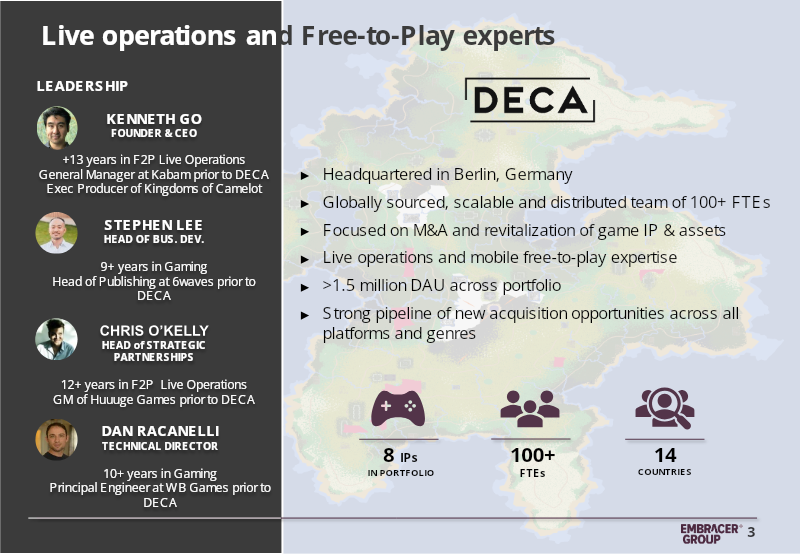
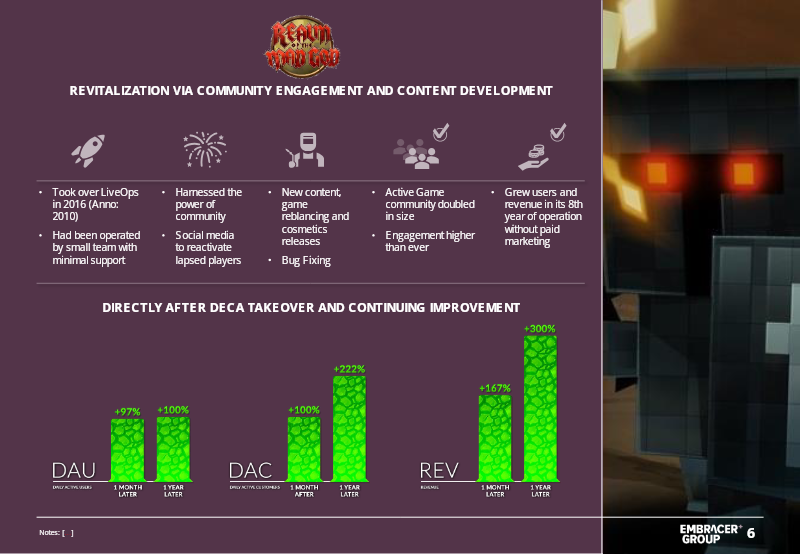
Embracer Group has acquired DECA Games, a specialist in mobile and free-to-play (FTP) asset management and live operations, to serve as its sixth operative group.
- Embracer Group acquired DECA Games for an initial €25 million in equity, with potential earnout payments of up to €60 million over seven years tied to financial growth targets.
- DECA Games will function as Embracer’s sixth operative group, providing a scalable platform to expand the parent company's presence in the mobile and free-to-play (FTP) sectors.
- DECA Games reported over €20 million in revenue and an operating EBIT margin exceeding 35% for the 2020/2021 fiscal year.
The Secrets of Community Management & Customer Service PG Connects Digital #2
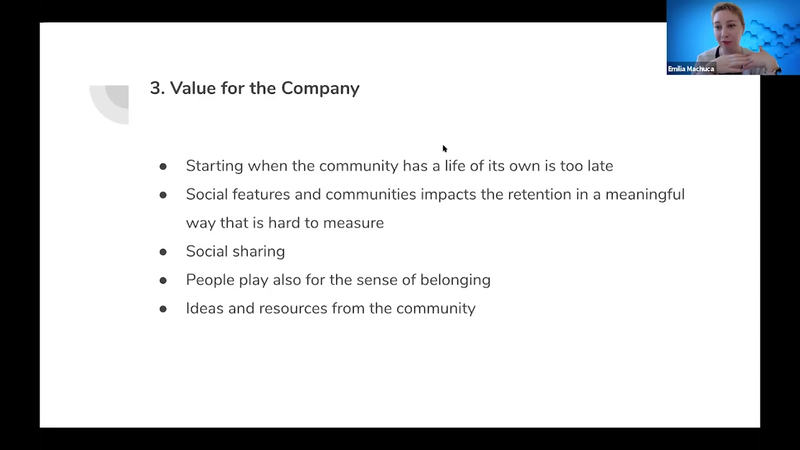
Successful community management in the gaming industry functions as a critical bridge between developers and players, requiring a strategic balance of transparency, emotional intelligence, and technical oversight.
- Community managers must be integrated as essential stakeholders in studio decision-making to ensure that new game features align with actual player feedback and needs.
- Effective community management requires a strategic balance of transparency and emotional intelligence to act as a stabilizing force that fosters long-term player retention.
- Modern community management leverages AI-driven sentiment analysis and machine learning to detect complex behavioral patterns and predatory language with greater precision than traditional keyword tracking.
Fireside Chat: Demystifying Live Operations PG Connects Digital #2
Live operations serve as a critical bridge between game development and long-term player engagement.
- Live operations should be treated as a service-oriented discipline that prioritizes long-term player retention and community stewardship over short-term revenue maximization.
- Developers must integrate robust data analytics pipelines during the early stages of production to inform design decisions, rather than relying on anecdotal feedback from vocal minorities in forums.
- The seasonal content model, as demonstrated by Path of Exile, is a highly effective strategy that allows players to take breaks without falling behind, thereby fostering long-term loyalty.
Live Ops Production for Mobile Games PG Connects Digital #2
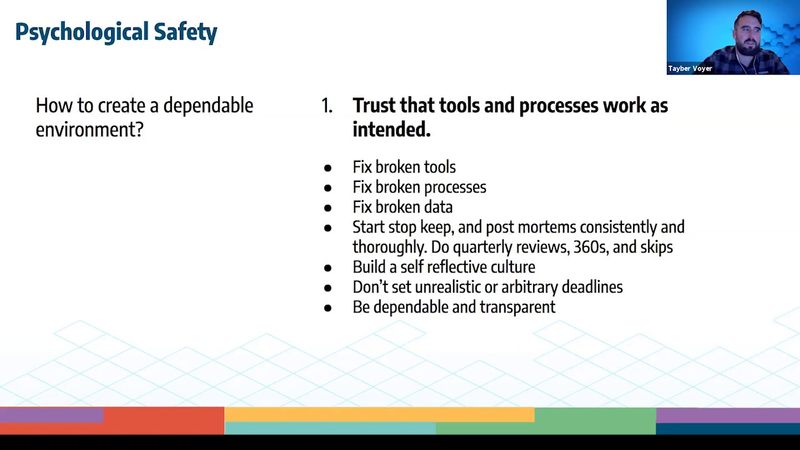
Successful Live Ops production in the mobile gaming sector hinges on the cultivation of psychological safety, which serves as the foundational requirement for innovation and rapid iteration.
- Cultivate psychological safety to enable rapid iteration and innovation, allowing team members to experiment and correct mistakes without fear of retribution.
- Transition from arbitrary deadlines to task-based maturity, supported by robust, risk-free deployment tools that facilitate consistent product ownership.
- Implement bottom-up goal setting where teams define ambitious objectives that remain directly aligned with the studio's broader profitability targets.
Bringing Live Events to Games PG Connects Digital #2
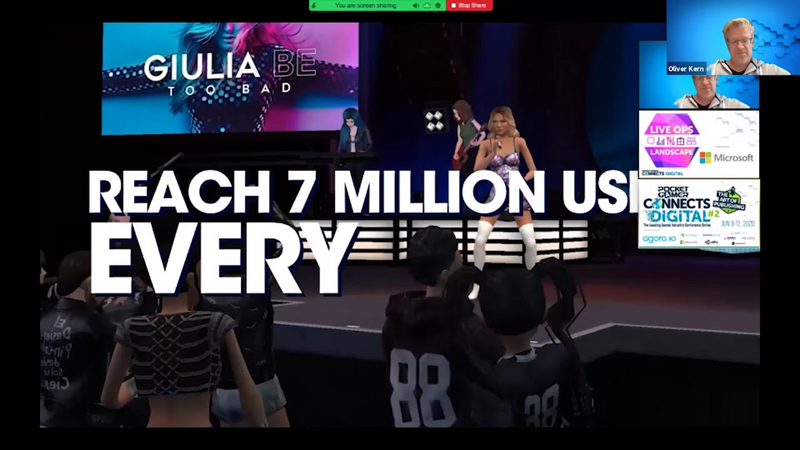
The integration of live music events into virtual social platforms represents a transformative shift in digital entertainment, leveraging the massive scale of the gaming industry to create high-impact, shared experiences.
- The gaming industry now possesses a larger global reach than the combined music and film sectors, with one-third of the world's population participating in gaming.
- Successful live events in virtual worlds like Avakin Life—featuring artists such as Hayley Kiyoko and Blasterjaxx—demonstrate that embedding concerts into live operations pipelines effectively drives user traffic and engagement.
- Financial models are shifting away from traditional minimum guarantees toward revenue-sharing structures based on the sale of in-game digital memorabilia and virtual merchandise.
Let’s Work Together! How to Improve Your Game With Your Players. Cooking Diary Case Study. PGCD #2
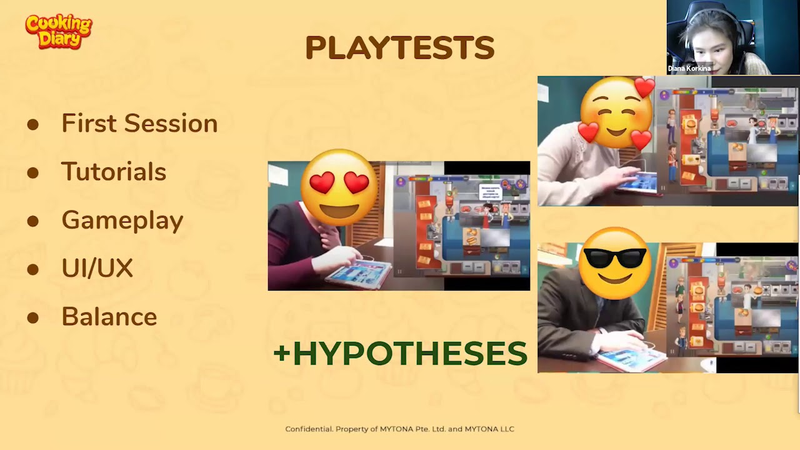
The primary objective of this analysis is to demonstrate how developers can improve mobile game performance and player retention through a data-driven, collaborative approach with their user base.
- Developers should prioritize empirical data over internal intuition by segmenting player cohorts based on behavior, spending habits, and progression to filter out feedback noise.
- MyTona’s case study on Cooking Diary demonstrates that integrating player feedback into the development lifecycle is essential for sustained growth and improved player retention.
- Effective game refinement requires a multi-faceted approach that combines quantitative analytics to identify weak spots with qualitative insights from playtests, reviews, and questionnaires.
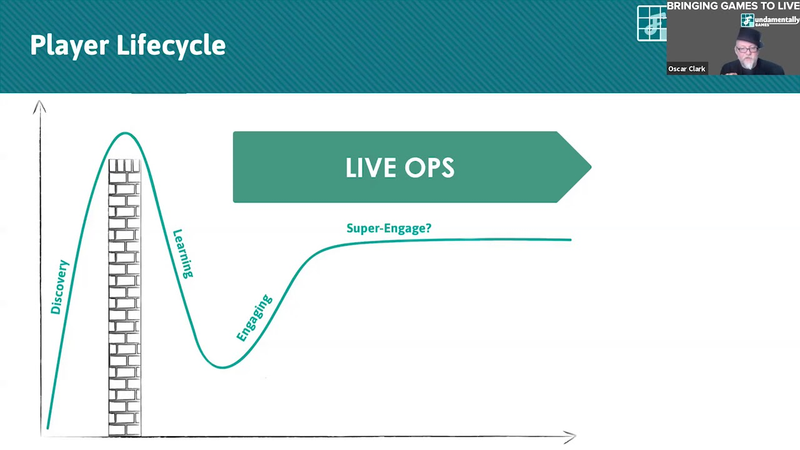
What does Live Ops mean Anyway? PG Connects Digital #2
Live operations, or Live Ops, is defined as the strategic process of maximizing player engagement and retention by continuously delivering value, content, and community-driven experiences.
- Live Ops is the strategic process of prioritizing player retention over user acquisition to ensure long-term game viability and revenue growth.
- Effective Live Ops requires a shift to a service-oriented model, necessitating robust backend infrastructure built during the initial concept phase to support agile updates and bug fixes.
- Developers should implement a predictable pipeline of content, including daily challenges and seasonal events, to build player trust and manage expectations.