Live Ops reports and market data
Documents
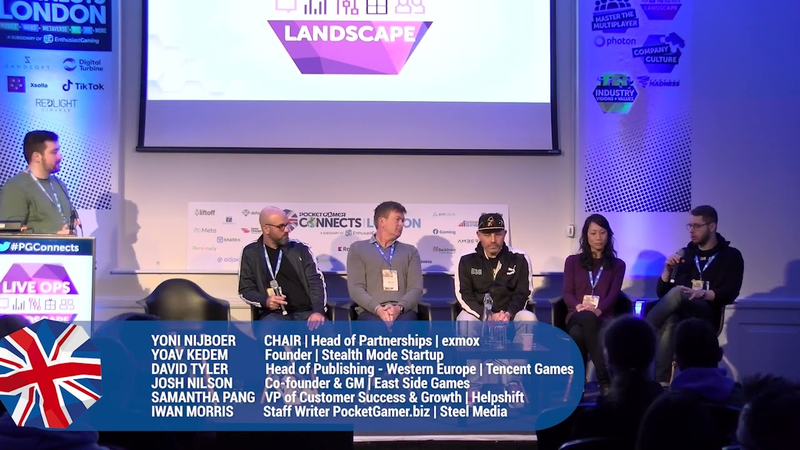
Panel: Interaction & Iteration: Best Practices for Getting the Most out of Your Live Ops Strategy.
Successful live operations strategies in the modern gaming industry necessitate an agile, iterative development mindset that prioritizes long-term engagement over traditional, static release cycles.
- Live operations must be integrated into the initial design phase rather than treated as a post-launch afterthought to ensure infrastructure and support tools are ready for player behavior and scaling.
- The quality of the core game loop remains the primary determinant of long-term success, as live operations cannot compensate for a fundamentally flawed foundational experience.
- Data-driven decision-making, specifically through A/B testing and structured player feedback, is essential for validating mechanics and creating resilient engagement loops.
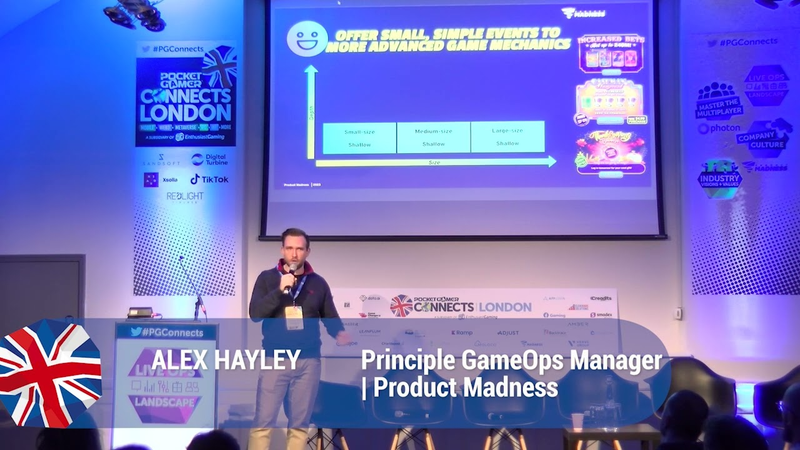
4 Fundamentals for Building a great Live Ops Department - Alex Hayley, Product Madness
Building a high-performing Live Ops department requires a strategic focus on simplicity, variety, documentation, and cross-functional collaboration.
- Operational efficiency is critical for scale, as demonstrated by Product Madness's Cashman Casino, which executes over 600 distinct live activities annually to support 430,000 daily active users.
- Live Ops success relies on simplicity through the use of repeatable, re-skinnable, and easily configurable events that maximize engagement while minimizing engineering overhead.
- Teams should build an 'arsenal' of simple events first, only introducing complexity by linking new content to the game’s core loop as the department matures.
Fireside Chat: In the Sandbox With Adam & Piyush, the Live at PGC One
This discussion, held at Pocket Gamer Connects London 2023, explores the evolving landscape of mobile user acquisition (UA), supply-side mechanics, and the impact of privacy regulations on the gaming industry.
- The supply-side ecosystem—comprising SSPs, ad exchanges, and mediation platforms—functions as a multi-layered auction system where the primary goal is to maximize yield by rendering the highest-paying ad impression for the publisher.
- Publishers should determine their monetization model (IAA vs. IAP) based on game genre and the underlying economy of the title, rather than relying solely on Daily Active User (DAU) volume.
- Privacy-centric changes like iOS 14's ATT framework have forced the industry to shift toward contextual targeting and audience segmentation as alternatives to user-level data for media buying.
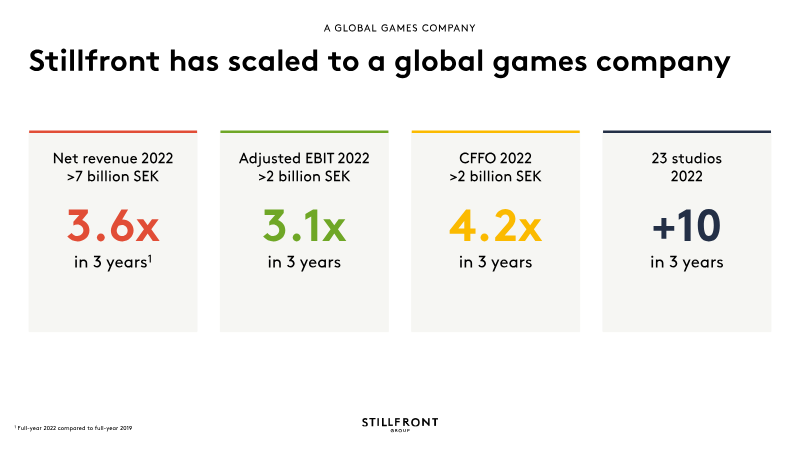
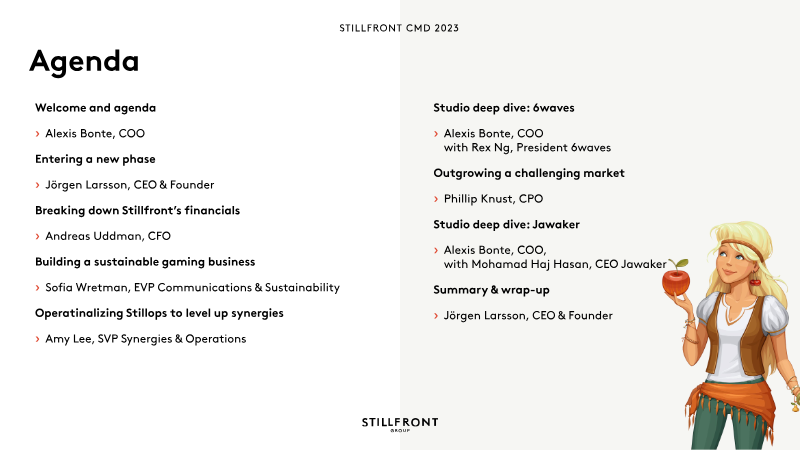
Capital Markets Day 2023 Presentation
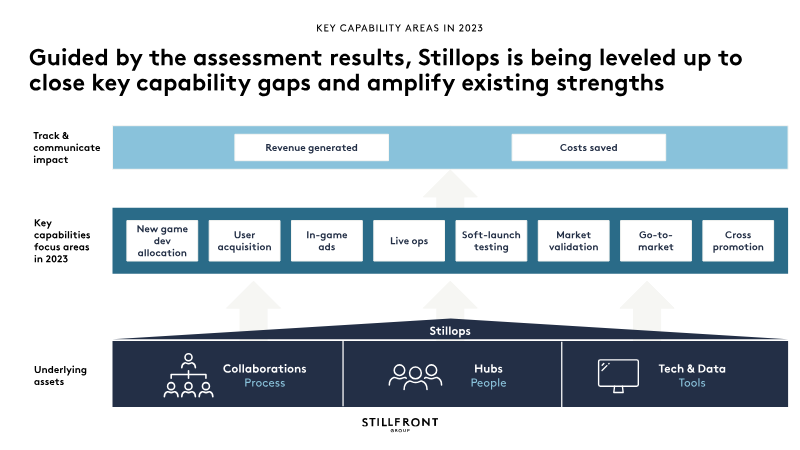
Stillfront Group is entering a strategic growth phase defined by a shift toward operational efficiency and disciplined capital allocation.
- Stillfront Group is targeting an adjusted EBITDAC margin of 26–29% as part of a new strategic focus on operational efficiency and disciplined capital allocation.
- The company aims to achieve annual organic revenue growth that consistently outperforms the broader mobile gaming market.
- Stillfront is leveraging its proprietary 'Stillops' platform to optimize user acquisition costs and enhance the performance of its studio portfolio.
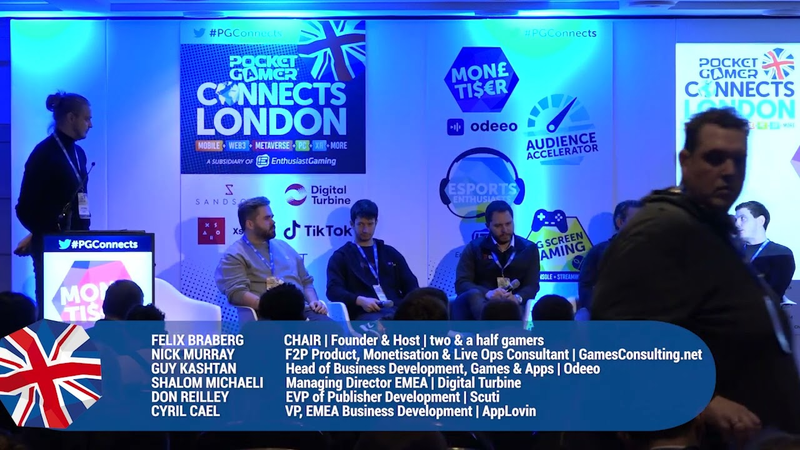
Panel: The Monetisation Menu: Picking the Best Business Model for Your Audience.
Modern game monetization requires a strategic, data-driven transition away from binary revenue models toward diversified, additive ecosystems.
- Developers must move away from binary revenue models toward hybrid ecosystems that combine tiered subscriptions, in-app purchases, and rewarded advertising to maximize player lifetime value.
- Monetization strategies should be localized based on regional economic realities, prioritizing ad-heavy models in emerging markets and direct purchase options in regions with higher spending power.
- Publishers are mitigating the impact of privacy regulations and subscription fatigue by using granular user-level data to dynamically adjust ad exposure and implement bid floors.
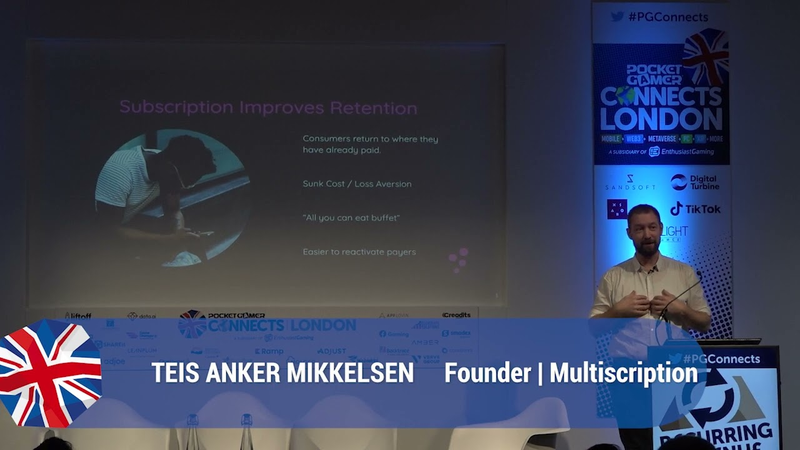
Keynote Beyond Revenue - Teis Anker Mikkelsen, Founder OF Multiscription.
The primary focus of this analysis is the strategic implementation of in-game subscriptions within the mobile gaming industry.
- In-game subscriptions serve as a critical retention tool to counter rising user acquisition costs and the difficulty of discoverability in crowded app stores.
- Subscription models create a 'sunk cost' effect where players feel compelled to maximize the value of their recurring payment, leading to higher engagement and retention rates.
- A robust monetization strategy should rest on three pillars: ads for non-paying users, in-app purchases for the majority, and subscriptions to establish a reliable revenue baseline.
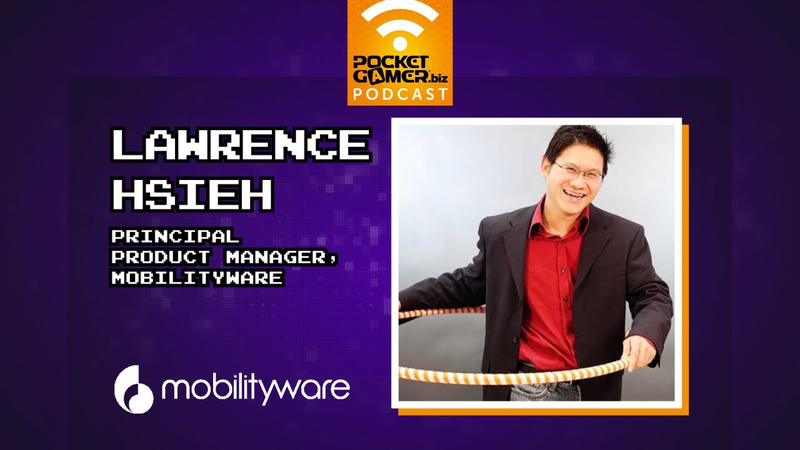
MobilityWare's Larry Hsieh on LiveOps on a Shoestring Budget
High-level player engagement and retention are achievable for mobile game studios operating with limited resources by adopting a lean, agile approach to LiveOps.
- Lean LiveOps can be achieved by using off-the-shelf tools and flexible backend infrastructure to minimize engineering overhead while maintaining frequent content updates.
- Developers should prioritize skinnable event systems and remote configuration to deploy personalized seasonal challenges and content without requiring large-scale development resources.
- Maximizing retention and lifetime value requires a data-driven approach that integrates player segmentation with rigorous A/B testing to tailor difficulty curves and reward structures.
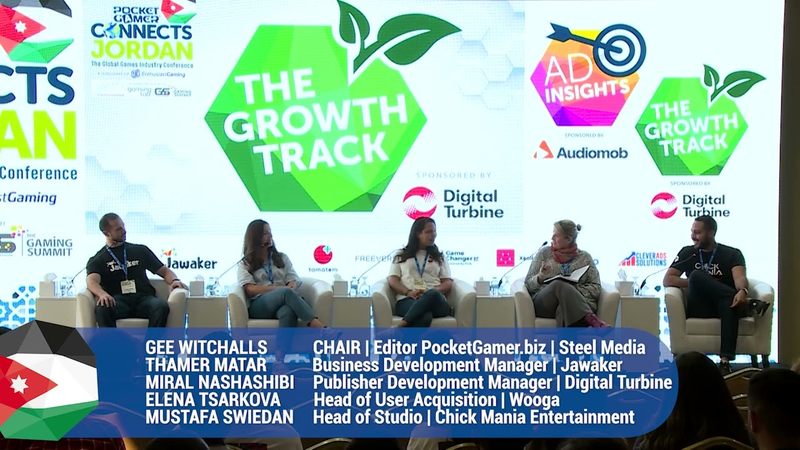
Panel: Growing Strong - Lessons in Levelling Up Your Games Audience & Maintaining a Strong User Base
Achieving sustainable growth in the gaming industry requires a rigorous, scientific approach that integrates marketing strategy into the earliest stages of product development.
- Integrate marketing strategy into the initial ideation phase of product development to ensure product-market fit and validate audience interest before committing significant resources.
- Balance aggressive user acquisition with high-quality retention, as even mature titles reaching five-year milestones rely on consistent live operations and seamless onboarding for long-term viability.
- Avoid misleading advertising practices, as they create false expectations that erode player trust and negatively impact long-term retention metrics.
Game Development Report 2023
The global game development landscape is currently undergoing a fundamental transition driven by escalating project complexity and the widespread adoption of live service models.
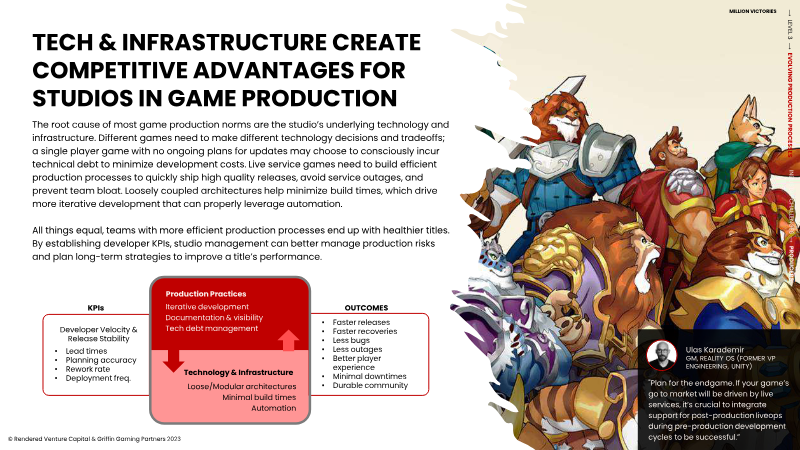
- 95% of studios are now pursuing or planning live service strategies, creating a critical mismatch with traditional, non-iterative production pipelines.
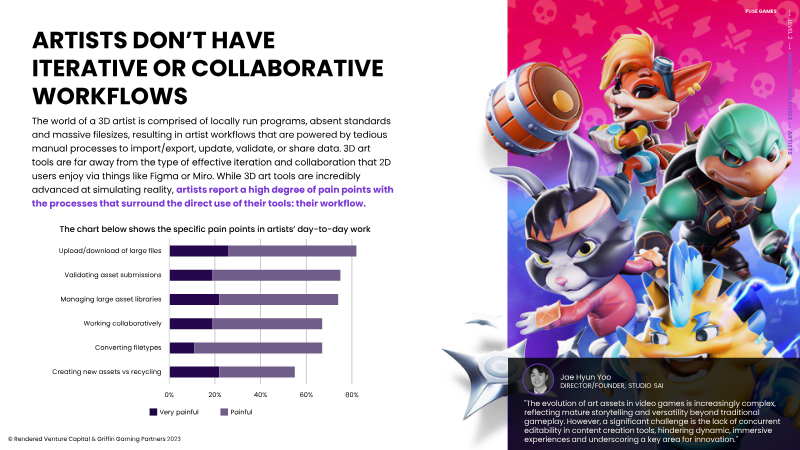
- 88% of developers are actively seeking new technological solutions to resolve systemic inefficiencies, specifically targeting long build times and fragmented 3D art pipelines.
- Rising development costs, driven by AAA quality demands and technical debt from custom middleware, are currently impacting 77% of studios.
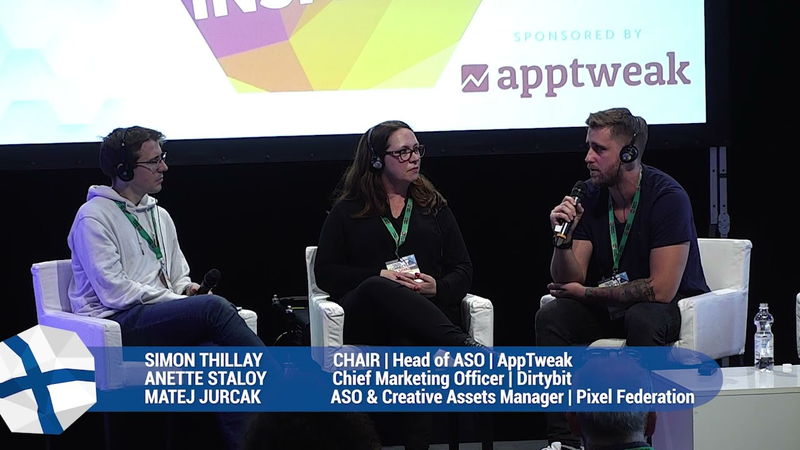
Panel: Using In App Events To Power Up Your Mobile Growth Strategy
In-app events on iOS and Google Play have become a standard component of mobile game growth strategies, primarily serving as a mechanism to maintain store page visibility and foster ongoing relationships with platform curators.
- In-App Events (IAEs) serve primarily as a tool to increase store page vibrancy and engagement, though developers struggle to quantify their direct impact on growth due to limited reporting and attribution data from Apple.
- There is no clear evidence that IAE metadata, such as descriptions or titles, significantly boosts organic keyword rankings or search visibility in the App Store.
- The editorial featuring process for IAEs remains opaque, with developers reporting that even with proactive outreach to Apple representatives, there is no guaranteed correlation between submission quality and being featured.
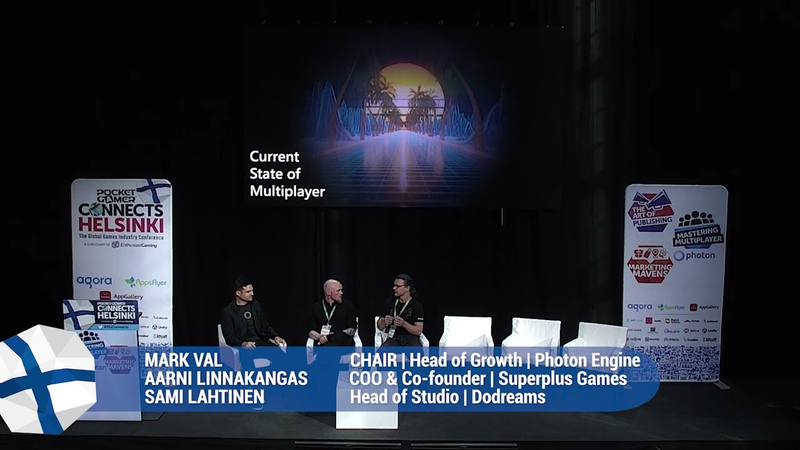
Panel: The Master of Multiplayer Panel
The mobile gaming landscape has undergone a profound transformation, with multiplayer functionality evolving from a niche feature into an industry standard.
- Multiplayer functionality in mobile gaming has surged significantly, with the proportion of top-grossing titles incorporating these elements rising from 12% to 78% over the past five years.
- Developers are shifting focus from purely competitive play toward cooperative and casual social experiences to lower entry barriers and improve player retention.
- Technical infrastructure for modern multiplayer games requires deterministic physics engines for cost-efficient replays and advanced server-side security to mitigate cheating.
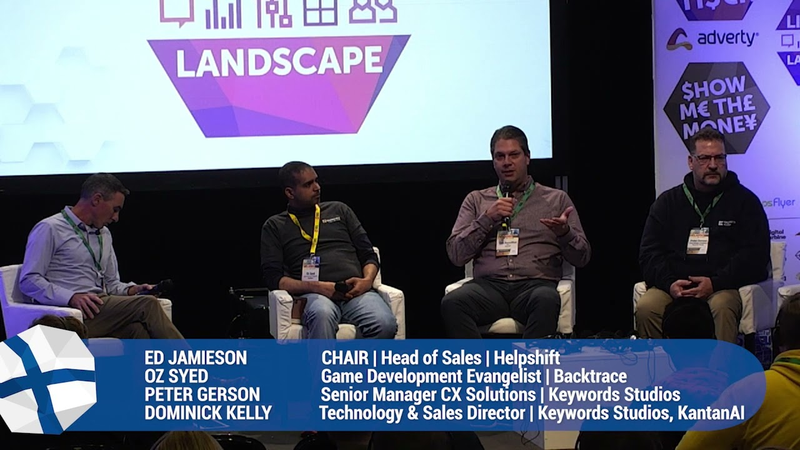
Panel: The Art of a Successful Game Launch
Achieving a successful game launch requires a fundamental shift in development strategy, moving away from reactive troubleshooting toward a proactive, integrated framework.
- Treat stability, scalability, and player support as foundational design elements integrated early in the production cycle rather than post-launch afterthoughts.
- Implement automated diagnostic tools, such as crash reporting and real-time monitoring, during development to identify and resolve performance bottlenecks before they impact the player base.
- Utilize AI-driven ticketing systems and efficient triage workflows to manage high-volume player feedback without diverting resources from core game development.