1 free read left. Create a free account for unlimited reading + AI research.
Create free account
Fireside Chat: In the Sandbox With Adam & Piyush, the Live at PGC One

Key insights
7 takeaways- 01The supply-side ecosystem—comprising SSPs, ad exchanges, and mediation platforms—functions as a multi-layered auction system where the primary goal is to maximize yield by rendering the highest-paying ad impression for the publisher.
- 02Publishers should determine their monetization model (IAA vs. IAP) based on game genre and the underlying economy of the title, rather than relying solely on Daily Active User (DAU) volume.
- 03Direct deals and Private Marketplaces (PMPs) are becoming increasingly relevant as a way to mitigate the loss of granular attribution data, allowing advertisers to buy specific audiences at differential pricing.
- 04Brand advertisers are increasingly entering the gaming inventory space to target specific demographics, such as age and gender, which creates new competitive dynamics for ad inventory alongside traditional gaming-focused advertisers.
- 05Privacy-centric changes like iOS 14's ATT framework have forced the industry to shift toward contextual targeting and audience segmentation as alternatives to user-level data for media buying.
- 06The industry is likely to see increased innovation in app distribution, with potential for future mobile operating systems to allow users to choose their default app store, challenging the current dominance of centralized platforms.
- 07In the short term, the removal of probabilistic attribution methods would likely cause a decline in ad prices and publisher revenues until the industry develops new technological solutions to compensate for the loss of data.
Ask AI about this video
Transcript
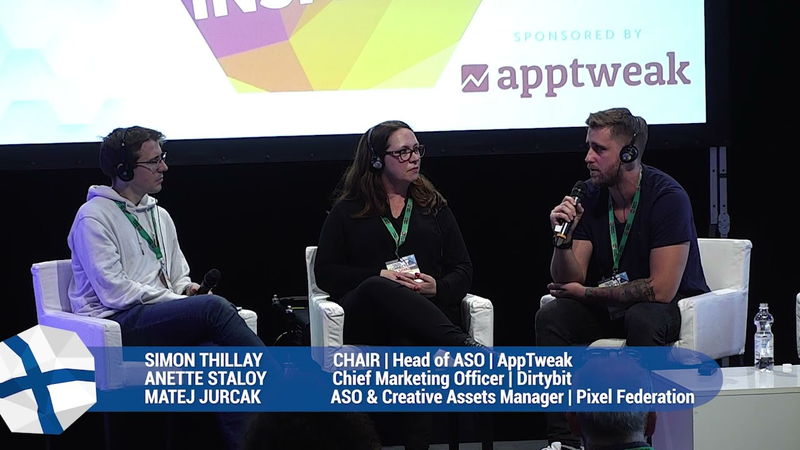
foreign [Music] [Applause] [Music] fireside chat we're going to be in the sandbox with Adam and Pierce live at PGC one guys do you want to come to the stage anyway and come and make yourself nice and comfortable give it up for Adam smart from apps flyer and Pierce Mishra from product madness please I don't know how many of you have heard our podcast it's a it's a tiny little podcast that we put together a little while ago um it's really it came as a as a sort of
natural growth I used to work with we had a lot of sessions together where we would be looking at what we could potentially do within user acquisition to grow in New areas or um areas of innovation and we used to have sort of weekly catch-ups and it really kind of took off from there we we did some nice episodes with uh Tim and and Dave from day to see Tim from Kaizen Dave from day to see um and it was it was really just a sort of organic growth over time wasn't it yeah no it was really interesting I mean uh we sort of started with looking into first UA then we realized that you know UA is not the only thing that people really want to listen to It's about UA gaming so we sort of uh transitioned from the name level up UA which was very close to what iron Source did so we sort of thought of you know changing the name and it could end up being problematic yeah so it sort of changes to in the
sandbox width and uh that this was before sandbox became big so you know like that's that's one of the big things but you know over here we are trying to do a live podcast of in the sandbox with that's a podcast on Apple and Spotify and we have our guest shillom do you want to start with an introduction sure first of all thanks for inviting me I'm uh Shalom mikhaili I'm the managing director for digital turbine here in London uh responsible for eme operation on the supply side on the mediation side um digital toolbar as you know maybe acquired the fiber and its colony and appreciate around year and a half almost two years ago so we develop and build this operation that involves user Acquisitions and monetization I'll be happy to chat a little bit about the things that happening on this space should we start with the first question which is what do you think about our social security no sorry we're not no we're not going to do that yeah good
no but like let's start with the first one like obviously with like because we want to cover the supply side Adam and I were both interested in that particular space because we've always been focused on UI but we have not looked into how supply side really works because it's been probably looked from an Advertiser standpoint and from an m p standpoint so we really want to understand on the supply side let's start with a very basic thing like three elements that we talk about which is SSP exchange and uh ad mediation just trade item like he's five years old which he is sometimes but like you know the for dummies version definitely just just start with that okay so very generally um so think about you know the main thing that you know describes uh speeds exchange and mediation is that you know in maybe a few words that they all built to run an auction some sort of auction uh you know they're connected in the supply side said certain sorts of Supply set on one side they get the request they analyze it and send it to the demand side on the demand side there are programmatic buyers somebody that is willing to pay uh for for this inventory so they are creating the auction and
they're choosing the one that is paying the highest amount of revenue for a specific user for a specific time and generally display the impression very broadly but if you dive a little bit deeper then you can segment that the ssps and exchanges are relatively you know coming from the web space and they're connected to TVs to apps to websites on the sdk-less environment so they're connected without any sdks and the comparison to mediation on the mediation side the app world you have to have an SDK those software companies that buy specific users according to different elements are connected with the SDK the mediation as it was in the past decade knew how to mediate between all those sdks and choose the one that need to offer the highest basically yield on the general user this mediation also landscape is changing very quickly now and it's evolving generally but that's a very big picture on how those so essentially what you're going to say from again from an Advertiser standpoint what you're telling me is like we're having like four level of bits in certain sense like when I'm looking as an Advertiser let's say I'm working with
Lyft or a maloco right there's one bit happening over there and there's another one happening at the exchange level and there's another one happening at the SSP level and then the publisher decides they'll have four level of sort of bidding happening across the board right exactly you know generally from the publisher point of view it doesn't really matter if it's an SSP on Exchange from the publisher point of view is the same you can you know put in a break it's even a network and eventually their goal is to display an impression by the highest amount the highest yield of impression after decorating the auction uh whether it's liftoff from a local or the other dsps that are connected eventually the request goes to all of them creates the auction and gets back with the with the price and the mediations responsibilities to clear it and eventually the SDK is actually rendering the The Campaign on the application for the user got it that's the general very very general overview all right then so let's let's start with the first question that we've got on a interest level so I'm a I'm a small developer I'm sitting on a very large diu um how
how would I go about choosing between IAA or IAP in-app purchase or in-app advertising how would I go about choosing that to begin with and then if if IAA is the right progression path for me how do I choose which mediator to use like what are the the benchmarks in choosing right so I think that the first question is regardless of your Dow volume is actually what is the genre of the game what is the category I think that that's quite an important definition because we know that you know content within the game is responsible for inner purchases we know that we need to understand what is the gaming economy whether you even have a gaming economy because that also affects the inner purchases so only once you know you dive deeper over there and understand exactly how the application is set up you're able to understand how and what to what kind of business model to implement but you know generally speaking doesn't really matter about the dial you can have lots of lots of Dao but implementing huge amount of ads you can have less amount of Dao and you can
run on the IEPs so think about you know it's it's a balance think about as a matrix of you know low down high IP High dial like two on two metrics when the center of this Matrix is basically your your genre so it depends on the genre but like also at the same time uh and again probably because we are in seven minutes and we haven't talked about privacy we should definitely do it you know just bring it up because like I think everyone wants to hear her they're all obsessed with it uh no but going back like the reason I'm asking you is right now even if you're sitting on a certain Dao and your genre may be hyper casual or something but you really want to make IP work because I is going like down like in certain sense right especially for hyper casual world because of less user data so do you believe that going forward in even in genres where I is working iip would take over I believe that our industry is evolving very quickly and with the with the removal of identifiers you know algorithmic buyers right well gaming buyers they were buying called to algorithmic uh preferences they were receiving amount of data they had to
analyze it and eventually generate the right Ross for their for the buyers for the kind for the for the advertisers without with the fact that they don't have those identifiers anymore they need to receive additional higher amount of data in order to grade the right conclusions and therefore they receive more Impressions they the prices are going down so in that regards in regards to you know General alternate there are alternatives for the for the UA side specifically and you know we can speak about how that will change but the Alternatives that we have now we have seen now in the industry are bringing you know additional areas of user acquisition that were not necessarily were available in the past several years um yeah no definitely I think yeah yeah sorry not scripted but I've got us that's how my mind let's be honest yeah uh as a as a consequence of all the Privacy stuff that's gone on recently and everything else are direct deals coming in more and
more and that's that's probably something for you as well like with with other brands with other uh partners that you're working with are you looking now for direct deals because that would give you a a very clear measurement of those installs look when you do a direct deal you're actually losing out on the whole algorithm part in certain sense because you're buying a particular inventory right and the price is very high so whenever you like even if you say like you look at the invention you say this publisher is converting for you and you go and buy them yeah but if you're sure that's converting really well but you again with algorithm you know that you especially right now the bidding is still at a user level so I'm not buying the whole audience I'm still buying a particular user especially in the Android world where you still have the data so that is like that's my take on it but like what do you think about it I think that uh I think that we have the ability to as an industry you know there's a reason that the pmps were relatively you know scarce they weren't that widespread uh because algorithmic buyers were buying specific audiences and then that's not necessarily very
much available right now however if you think about additional ways to implement first second and third-party data and start adding to that additional buyers like brand buyers who were not necessarily able to get in into the space in the past decade to the fact that we had a waterfall and we had different networks that knew how to buy the user and the 100 and 200 with the changes in the landscape the fact that we're going to bidding additional buyers can get in absolutely brand buyers and implementing first second third does that by its very nature increase the amount of competition for each ad space yes it should so you could end up paying a lot more for those installs that's that's also my question like I mean just just trying to rephrase what he's asking right if brand uh advertisers come into the gaming world like which there's a there's a good chance that they would the sequence would go for a toss like it will increase by a crazy one because they can pay whatever they want more or less like the Coca-Cola is the company they don't care about uh you know what CPM they're paying right so it will sort of affect how we advertise the looking at the data
right yes and no uh think about stages well whatever happens in a very long run maybe yes but at the first stage the brand advertisers will not be paying the same cpms as the gaming advertisers they are paying different but they're buying audiences they're buying the same mail between 30 to 40 because they're playing uh because there's a World Cup and they would like to run Adidas campaigns or for example yeah and or the buying female audiences and they have a specific campaign for them so they're buying those set of audiences and those set of audiences on 500 000 budget that I have I want to spend it within it within a week so it doesn't you're thinking it from the current perspective let's dial it down like two years down the line right I mean at that point you don't have user level data and the brands would also go for contextual targeting contextual data whatever they can collect at that point in time everybody's bidding for the same inventory right competition should increase prices competition should create a way in which you know those advertisers are competing according to the set rule of data points that they have to display their impression to the user in a real-time environment and if
that creates good you know performance for The Advertiser and increases revenues for the publisher then that's a win-win you have the question about mediation right so all right let's let's get on to the the Privacy iOS 14. it really really yeah yeah it's all right it's not from a UAE perspective on your side I'm really interested to know how uh the the ATT Frameworks scan whatever you'd like to call it how that has affected the way you buy media now because obviously you're not getting the user level information that you once were in order to be able to Target so how has that affected the the supply side oh so as I said you know in one sentence algorithmic didn't affect them at all it didn't necessarily well it did affect the industry in general but what we take out of it is that you know not necessarily battling it had in head what kind of Alternatives we have and the
Alternatives that we have as as a company is you know Finding think about you know buckets of uaf today you have the one bucket which is a Google Play the second bucket is the App Store that's a complete majority of UA right but there's another bucket that nobody actually was touching up until now that's a backup of alternative stores uh you see that the industry is changing and the landscape is changing in their regulations there's the digital markets act that came and said that uh companies and Giants have to enable additional competition like decreases on iaps there's a legal in there's a legal instructional to do that it doesn't mean they're going to make it easy for companies to actually go through technically and do it that's right but think about Android for first in Europe it's already it's already approved in US there are bills to approve that so you can take some time so now you have companies like our stores like Amazon like Samsung like show me more than 40 of them that are interested to run user acquisition in that sense but you've always to a certain extent you've always had that in APAC and that hasn't really changed originated from Mostly from the
China Market but my question is also like along those lines right I mean the difference between Android and iOS is IOS the device maker is one yes with Android there are multiple devices so I'm not able to Envision how exactly the App Store would look like on the io side this is going to be like because Apple also has Apple RK specifically for gaming for example right I don't know if you want to call it a separate it's not site loading technically but they are sort of investing into that so how would you how are you picturizing like let's say five years down if it's allowed I picturize in next scenario the oems and the carriers right they're all all have missed the market in the past decade and they understand that I've missed the market I imagine that when you buy a new phone in different places in the world you will have the ability to choose what would be the default option of your app store you will be able to choose which store you are using because of the competition I don't have the exact preference on how exact that would look like but the user eventually will be able to to use additional stores in which he will understand and the Publishers will encourage because think
about epic games we'll know what happened right there there is there there is a way in which the industry comes and says okay we have to implement something else Innovation didn't happen up until now in the past 10 years the past decade because everything was growing organically but Innovation needs to happen now because when somewhere plateauing and this is exactly where the Innovation will come from but I think the only way that can happen is you know Apple have shown that they're very keen on on still capturing the 30 of of any IIs or iip sorry um so I guess the only way that could happen is if that cut was still given to those providers like it is which negates the need for going on today that's the whole point of creating it right but but Adam tell me like you're a gamer and what kind of app store would you actually want on iOS for example because on Android right now for 10 years it's been like whatever innovation has happened has always happened at a device level right I mean device maker level certainly like xiaomi has their app store and then Hawaii has their App Store and other everybody has their App Store how do you think is going to work
out on the iOS side on I mean I've only been iOS yeah never really done the whole Android thing but for me it's ease of use like whatever wherever you would go to install something the sort of go-to from the phone would be where I would go to install but would you for example I don't know would you choose and like let's say I like the fact that it's linked to the OS because that gives faith in its controlled it's you know you're not going to be ripped off by something within it blah blah blah but I would certainly be open to other app stores okay that's that's and that's a point you know um being open to additional app stores brings its whole challenge right there are more than 40 app stores how do you create those for developers point of view how do you create those apks that you know run from App Store to App Store like you have to have some kind of single solution and you know this I think the market would evolve and sort of see that right that's where the Innovation would come in eventually at that point in time but those are the open things that we have now it's the US market and those you know consolidation of a simple and easy way to bring it all
together all right yeah jumping back to yeah we do tend to digress a bit to the iOS 14 question we do this a lot by the way so so would you have said this the success or the the um limited impact iOS 14 has had on the supply side could that be down to the fact that probabilistic still exists for for attribution and that side of things that's bold coming from you yeah you know well we like to talk about fingerprinting fingerprinting now let's not call it Adam would kick us out if we call our fingerprint I'm telling you right now what what it probably he good evening again I think that you know you will have to base on different parameters um the the industry knows how to evolve and how to invent itself there will be additional you know mechanics specifically the prices can go down do
you think there's a way of being out of the the already exists I mean this question basically is stop tomorrow what happens yeah again in the in the short term there might be impact on the prices and there might be impact on the on the revenues and that's the very immediate one until you know we as a as an industry can come up with additional solutions that can compensate that and again those Solutions will come because as an industry this industry will love to make revenues we like to be Innovative we like to find technological solutions for problems I think that that will happen so in the short term if you look I think that prices will go down do you think the companies that are doing ATT in the background bring the installs through ATT making sure that they could or scan sorry uh making sure that the numbers correct yeah do you think they will benefit if the problem I do believe they will benefit and I think right now also there's a big
problem for example especially with dsps and AD networks where probabilistic is sort of allowed what scan did was create a Level Playing Field but then with probabilistic on it again sort of there was no level praying fee because right now they're operating at a user level data was a scan where Facebook and tick to operating at a with scan level data right which is not aggregated which is completely aggregated which is not user level So eventually what happens is I think there will be a switch where the reallocation of budget would happen from an Advertiser standpoint because right now all the digital turbines and like you know at colony and you know like liftoff and others they are actually benefiting from it which is fair like right now they will benefit but eventually in the long run probabilistic is paused I do believe there's going to be relocation of budget and uh you know and I personally believe the companies the dsps the tsps that I've been talking to I don't think they are ready for scan world right now I I'm not able to Envision how would they operate because Facebook Tick Tock are single apps they have some sort of ID and internal data to actually figure out how do we do the targeting with dsps they are like 30 apps and there is no usable data so it's
about buying contextual data and buying an audience going forward which would yeah no definitely yeah but I definitely think there's just one comment on that while the allocation of budget happens you know if you can find a way to create those pmps and charge differential pricing then you can mitigate somehow the impact Brands bring together segmenting the audiences and differentiating pricing you know those audiences then you can yeah audience segmentation needs to also evolve right now nobody's looking at it yes in certain sense I think that would also sort of change but yeah we are out of time so we had a very basic question by the way about asking which admination should we go for but we are really out of time yeah 15 seconds well enough 10 seconds just choose one no but thanks Lord Shiloh for joining us thank you thank you this is Adam and me we do a podcast our podcast is in the sandbox with it's on Spotify and apple and that's the pitch that I would do thanks a lot for everybody joining and cheers thank you thank you thank you
[Music] [Applause]
Summary
This discussion, held at Pocket Gamer Connects London 2023, explores the evolving landscape of mobile user acquisition (UA), supply-side mechanics, and the impact of privacy regulations on the gaming industry. The conversation centers on the technical functions of supply-side platforms (SSPs), ad exchanges, and mediation, while addressing how developers should navigate the choice between in-app advertising (IAA) and in-app purchases (IAP) in a post-identifier environment.
A primary focus is the shift in the advertising ecosystem following the implementation of Apple’s App Tracking Transparency (ATT) framework. The participants analyze how the loss of user-level data has forced a transition toward contextual targeting and audience segmentation. While algorithmic buying previously relied on granular user data, the industry is now pivoting toward alternative strategies, including the potential for increased brand advertiser participation. The speakers suggest that as traditional UA methods face challenges, the industry will likely see a rise in direct deals and private marketplace (PMP) arrangements, which allow for more controlled, albeit higher-priced, inventory acquisition.
The discussion also touches on the future of app distribution, noting that regulatory changes, such as the Digital Markets Act, may eventually break the current duopoly of the Apple App Store and Google Play. The speakers anticipate that innovation will be driven by the emergence of alternative app stores and increased competition among original equipment manufacturers (OEMs). Despite the short-term volatility caused by privacy shifts and the potential for declining prices, the consensus is that the industry will continue to innovate through technological solutions, such as improved contextual data utilization and more sophisticated audience-based bidding, to maintain revenue growth and performance for both publishers and advertisers.



















Comments