1 free read left. Create a free account for unlimited reading + AI research.
Create free account
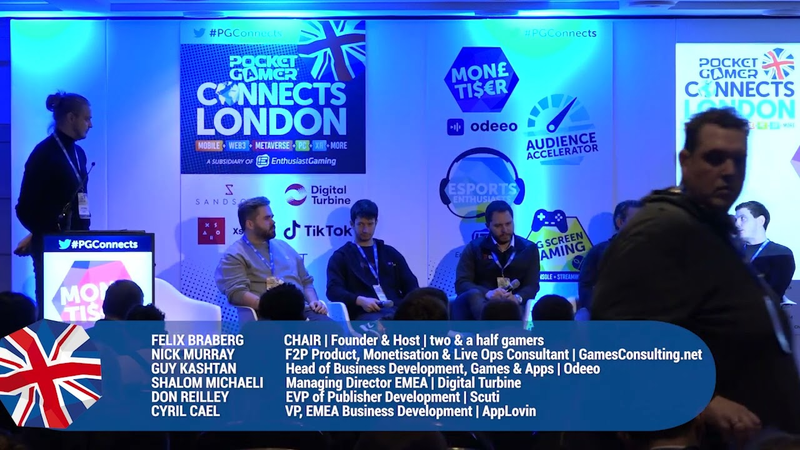
Panel: The Monetisation Menu: Picking the Best Business Model for Your Audience.
Key insights
5 takeaways- 01Monetization strategies should be localized based on regional economic realities, prioritizing ad-heavy models in emerging markets and direct purchase options in regions with higher spending power.
- 02Publishers are mitigating the impact of privacy regulations and subscription fatigue by using granular user-level data to dynamically adjust ad exposure and implement bid floors.
- 03Developers must move away from binary revenue models toward hybrid ecosystems that combine tiered subscriptions, in-app purchases, and rewarded advertising to maximize player lifetime value.
- 04Sustained profitability requires balancing commercial objectives with core gameplay innovation, ensuring that monetization formats remain secondary to a simple and rewarding user experience.
- 05The integration of AI-driven interactions and non-intrusive formats, such as in-game audio ads and offer walls, is essential for attracting brand advertisers to high-engagement gaming environments.
Ask AI about this video
Transcript
foreign [Music] [Applause] here to take us through to the next track so I would like to welcome to the stage uh to talk about the monetization menu picking the best business model for your audience uh Felix from Two and a Half Gamers and uh I'll bring you onto the stage and you can introduce your your panel thanks Felix hello everyone welcome to probably the best panel of PGC 2023 London uh we're
going to be discussing the best business model to pick for your audience in 2023 and we have an absolute star-studded panel with experts who have actually worked with quite a lot of times and I'm expecting you guys to answer some questions like a bit more deep try to keep the away exactly so let's start off with like quick introductions let's keep it maybe one or two sentences at maximum maybe we can start with eunuch sure hey I'm Nick uh I'm representing gamesconsulting.net basically we're a boutique free to play Consulting service yeah I'm guy I joined the audio this year and I'm the business head of Business Development for games and apps hi I'm Shalom Kelly I'm the managing director for a digital turbine here in London responsible for a supply business operations in India hi everybody I'm Don Riley I'm with scooty uh EVP of publisher relations
been in the gaming space for 20 years and I'm excited to be talking about monetization hi everyone I'm Cyril VP business development for apploving for the media region so super excited to be on stage as well perfect can we actually get one more mic up on stage please thank you all right so now the introductions are out of the way uh Nick I think it makes time like sense to start with you so you work with a wide array of clients so let's say what would you say if I came to you as a casual gaming company I'm earning about 300K a month with a Dau of a hundred thousand people um 70 iaps and earning 30 from ad revenue and I came to you saying I want to diversify my Revenue what would you tell me first I think I'd say congratulations like earning 300K a month I think a lot of us in this room would be you know happy with
um beyond that I mean you talk about the split between like IAB and AD Revenue in reality like if we wanted to explore new business models not every business model is going to be suitable right like if your game really like runs well in India like ad revenue is going to be your main source of income if you try and introduce iaps or subscription model there it's not going to work as well so there really is a question of suitability and Beyond just your audience and your target countries you also have to think about like actually is the economy suitable you need to really build value in iaps and subscriptions that you don't need to do as much in ads so you have to consider is my economy deep and strong enough to be able to support a subscription scheme to support iaps um yeah but in general I would say yeah let's do it let's explore but let's establish some groundwork first all right does anyone on the panel want to chime in here yeah I mean I'd love to
being at scooty we think about this exact question all day long right we are a a new g-commerce rewarded monetization system right so if you tell me you've got a hundred thousand dau's um I've already got an equation that says I can probably add 1.2 million dollars a year to your bottom line through g-commerce and through ad Revenue taking away all the um the the global thinking that goes into that like the regionality of things but just from a bottom line we look at it like we are we do want to add a new opportunity a new Revenue stream to Publishers while also rewarding Gamers right we are looking to elevate the entire ecosystem increase monetization and provide more reasons for gamers to stay in the games that they're playing and help them find other games that are within the scooty Network so our entire
business model is is exactly that question how can we increase those revenues and that's not replacing anything that a publisher is already doing from a monetization uh perspective it's all additive to what they're already doing we're not looking to replace everything we're looking to add to this because we believe that there is value in looking at new revenue streams so 1.2 million I know quite a lot of game companies I wouldn't say no to that can you unpack that a bit because it sounds a bit too good to be true yeah so there's three Revenue models that we look at within the scooting Network and Publishers don't need to take advantage of all three right the first one is a g-commerce model where we are creating a Marketplace that allows users to buy physical Goods within their game experience it doesn't interrupt gameplay it is a button in the lobby of a game it allows them to open it up and buy Real World products we know that gamers are going to spend over five trillion dollars buying products today that's globally they're going to buy that through walking into a physical store
they're going to have a brick and mortar store they're going to buy that on Amazon we're giving them the opportunity to buy that within a gaming experience so we've got an entire side of our business that is truly devoted to curating the products and creating a customizable experience for the Publishers that we're working for that's Revenue stream number one with that for every single user that takes an action within the scooty Marketplace we're rewarding them we're rewarding them with real world currency that real world currency is coming from the brand partners that we're working with right so we're passing on the cost to them the expectation and what we're already seeing is that those gamers are going to take those rewards and utilize them in the game so if there are gems Jewels whatever currency that is in the game we expect them to take those rewards that the brands have given them and put that back into the game so that's another way that the Publishers can generate revenue and then we have a rewarded ad experience much like interstitials that you're currently seeing in in mobile
games right now the difference is is that we're not if you engage with the ad we're not at we're not kicking you out of the gaming experience we're leaving you in the gaming experience and rewarding you for participating in that right so there's three ways that these advertisers that these Publishers and developers can make Revenue off of scooty and um you know so and again you mentioned a hundred thousand dau's that's the that's the exact number that we start working with and so that's why I know the 1.2 million off the top of my head and I've got a pro forma that can break that down for for people if they're interested anyone else want to China yeah much to add I think that I agree uh we hear about if you can find The Sweet Spot between you know IEPs and subscription I think that that's ideal think about think about Amazon Prime today right you pay ten nine pounds for for Amazon as a subscription and then
you know you get in and you have ability to buy a movie rent a movie story and maybe an episode and if you do that properly enough and you they just very well your audiences and the content that you create and you are able to create The Sweet Spot between a long-term commitment on the subscription to our IEP I think that's ideal then you can you know continue breaking it down to you know advertising but this is I think that that I would actually you know check have you seen any good strategies with clients perhaps that have done that successfully Amazon Prime okay there are different game genres I think that you know we all been very much curious around how uh there are you know think about subscriptions are more of a sports well-being streaming services I think if we take them and embed them into gaming then you can have a very interesting model um I think that some of the clients are now checking and experiencing that let's see how it goes in the next next several months
so I guess that's a nice like dovetail too the follow-up question so cereal this is for you so let's flip that question a bit different audience instead of me having a game with a 70 30 ad IEP split let's say I'm going to add app that comes to you earning 90 of my revenue from subscription but I want to diversify that even further what would you say so first I'm gonna say that you have a weird app like a weird game at least because there's no that many games at all like 90 subscription base right so it's more like um right so what I would do first is like as you just said like this is like really a huge amount of apps non-gaming apps that or on that model therefore I will start to Benchmark what these guys do right so I will take inspiration from that and then start really trying to understand what my game is like so if it's like a short level let's say based games I will try to show as many interest issues as possible Right it might not be the case right if you're
really heavy on subscriptions therefore one other model that you can start looking into would be like apple pen ads so that's like another like trendy topic so to say there's like different ways to go about it we can go like a little bit more technical into details about this afterwards but um I would like try to also maximize like the screen time and therefore it's how to show banners so obviously among all of those like different ad formats that exist I will also try to make sure that my retention remains like super high right so there are different ways to go about it one would be like to try to show fewer ads while maintaining your Revenue so for that you can experiment like with what we call it flows for instance so meaning below a certain CPM you will stop showing ads and not make less Revenue right so that's one point then another point would be really to try to start checking the kind of money station you
have at the Geo level so if in some markets you will notice that you don't have like as many subscribers then you can definitely start showing more ads there right so you will need to get very tactical when it comes to setting up your waterfalls and so on so this is where I would stop mostly but one interesting thing in that is that if you start relying really on ads you can start leveraging the user level Revenue to feed algorithms from any network apploving is one Google and so on with bad data and then from that data you can start running like rice campaigns for instance right so that will open like a brand new world of let's say users that you would not usually touch and try to acquire because if you are in like a non-gaming app or relying heavily on subscribers you will most likely want to run what we call like purchaser targeted campaigns or even targeted campaigns to subscriptions
right or to try ons so instead of that you can really start trying to acquire users that will solely or mostly monetize with ads and that's a really brand new strategy in your in your user UMX sorry cool just a quick follow-up before turning another video show just right now banners or app open ads if you could choose only one oh okay no no no no no no banners all right I mean app open ads you really have to be cautious about it like it's not an easy one to integrate so that's what I was saying like we can get a little bit more technical about it we are like two opportunities to show that one one that we call out launch and when we call soft launch it's like pretty bad terms for that but this is how it's named so the soft launch one would be like when you resume the app after like backgrounding it right so this is like the one I would really try to focus on in the first place because this is the one that's not like in your face based on that when you open VM all right so you can experiment with a
frequency with a pacing with bit floors all of that to try to make sure that your user experience remains like super right so I don't have a good answer all right sorry about that Shalom I was just about just to add that it's it's so much into details right it can doesn't have to be binary anymore it's not that or that it can be much more granular per users you know once you understand exactly not only who are the users and their user playing behaviors where they're coming from how did you acquire them you start building those models on adjusting the right in a purchase or a subscription or ads to those users if you want to decrease the amount of subscriptions and add advertising there are additional ways to add advertisements that are you know brand oriented there are different reaction users to different ad types and if you do that properly enough you can find those sweet spots that will enable your users to to to to to engage with your game for a longer period of time by choosing the right ones that relevant
for them I think just to add on as well um like subscription is often seen as like this kind of slight Holy Grail right because it contains both monetization and retention over a longer period of time but you also have to keep in mind kind of current economic circumstances right think about how many subscriptions you have to different Services Spotify Amazon Prime Disney plus Netflix the list goes on people don't generally want to be managing 10 subscriptions at a time so the number of games that a person will subscribe to is limited and in this way actually sometimes like moving subscriptions more towards iaps can be beneficial if I'm signing up for something for 30 days that's one thing but it's going to cost me a bit more if I'm making like an instinctual purchase based on okay I want this thing right now and IAP can be a bit more manageable in terms of conversion foreign
no cool right so next question I want to follow that up so Shalom if I were to give you a million dollars right now to start a gaming company and yeah what genre and business model would you think makes the most sense I would ask how are you in terms of investor um so I would say that you know in the past several years we had the different booms we had the casuals the hyper casuals and once in my opinion of one can build a very successful casual happy casual lab would definitely be interested in looking on how you bridge between the worlds how you bridge between mechanics and if you take the recent example of Rovio for example in platica right what's what ask yourself why for example if that happens eventually why did political acquire Rovio what kind of what kind of how can I embed the Two Worlds together uh slots for playtica is usually for uh 17 18 years and above Rovia is usually creating Angry Birds for you know less
than 17 18 years how can you embed the slots mechanics maybe on different audiences on different age groups on Rovio games is that something that even practical so I would try to go and find those Dynamics on the on on Two Worlds and try to find a bridge between them and if you have another one million dollars uh to invest then uh the thing that you know we're speaking about uh AI now like how can you create interaction between users and games via AIS so for example you're playing game and their Game Stops and it asks you as a user what do you want to be the next level you want to be you know with a frog drinking Negroni in Mexico then this is maybe will be the next chat the next you know the next the next stage so I think that those kind of things that bringing those words together is something that I would definitely bring because you can also build the right business model the business model that is relying on different audiences you can segment them per subscription model if you want to
have this thing with AI it's a subscription or IEP when you can different users bring to ads so I think that that brings and speaks to variety of audiences and spectrums and definitely would focus on that anyone else here yeah um a million dollars well I mean do a lot with a million dollars you know from you know my perspective and being in the space for such a long time like I look at the simplest form of entertainment right creating games are entertainment and the way I look at it is I would be looking to create an experience that invites others to join it with me right and it's usually the simplest experiences or the simplest games that allow for that to happen right I mean as you know I'm a pretty old guy right I mean look just look at Wordle right I mean just look at the idea that that was a huge phenomenon and
in some levels it still is and it's because it's a game that all of us can participate in and all of us have an opportunity to show everyone else how well we did or didn't do right it's an experience that invites everyone to be a part of that to be a part of that experience and I think if I'm looking to build a game company those are the types of experiences that I want to create it doesn't have to be defined by web 2 web 3 metaverse or anything like that what is the simplest experience that allows as many people to get simple enjoyment out of and that they come back to every single day right and that's the key for me when I'm looking at games what are the games what are the experiences that people come back to every day whether they come back to it for five minutes or they come back to it for three hours those are the successful experiences that I think drive drive the gaming industry I like to double down on that actually like this is like the most simple
experiences that you can find or like if you master let's say we have a monetization of a monetization as well then this this becomes like great um think about Solitaire think about Spades all of those games like bubble Shooters all of them these games they keep coming out there's nothing new there but so long you can like retain your users properly whether it's live ups and so on so probably not for solitaire right but for like any kind of games you can you can really entertain users uh really well and really build a prop for the model as well right so that one million I think would go for me to those kind of games like board games stable games like all of that and everything there there's millions of games that are similar to that but if you know your in a way you can make that a real good business yeah cool so yeah I kind of wanted to follow that up Don so you've been in the industry for quite a while and yeah wow
you guys describe just something new you're working on which is something probably a lot of people haven't heard about like what do you expect to be the main like mobile monetization models what they will look like in a year to five years from now I mean listen I wouldn't be in a company like scooty if I didn't believe that g-commerce was going to play a role in Mobile gaming and premium gaming you know at the end of the day everyone has to look for new monetization models um Commerce is something that's been around for a long time Commerce is something that's not going away in marrying the two experiences um I think is something that's going to be um incredibly valuable to Publishers going uh going forward it adds a new Revenue stream it adds more monetization it adds retention because of the reward system that we imply right I truly believe that Gamers should be rewarded in some way shape or form for everything they do in the experience themselves the games themselves are part of the reward but adding some incentive to
participating or playing longer or taking an action allowing those rewards to be part of the game themselves I think is incredibly uh important I do believe that um that when you start to marry and I think you were going to touch on this in one of the later questions when you start to marry what is going on in the metaverse and how Brands and companies are thinking about the metaverse if you can start to add things like g-commerce to that then we've created a full funnel solution for Brands right the one of the earlier Keynotes this morning was talking about brands in the gaming space and you know I mean let's be serious we're all in this room right now to find ways to make more money for our companies grow our companies Drive Revenue Drive uh drive more acquisition more users and things like that and if we don't start to look for ways to create full funnel solutions for Brands those brands have a lot of opportunities
to go spend their their advertising dollars and their marketing dollars elsewhere right so as an industry we've got to start to find full funnel Solutions and I will double down to that you know Brands we've all been speaking the past decade about well their brands are getting into Mobile gaming you know or not and let's be honest they didn't have the right landscape or the right circumstances to get in and we had all you know we have seen how waterfalls are being managed we have seen how uh networks are specific you know software providers know how to buy specific audiences on 100 and 200 cpms no Procter and Gamble or head to shoulders or Adidas will buy 200 users maybe specifically they're not buying that way they're buying audiences rather than a specific user but the landscape is changing and we're moving from waterfall to building that creates final and opportunity to run shoulder and shorter to those specific audiences so if a publisher can properly run a first second third party you know uh segmentation sorry first second third
party data and create audience segmentations and create differential prices then you can see a proper competition between gaming advertisers into in Brands which can you know grow this this operation much further so definitely agree but for that we need Publishers to understand the value of them and segment audience properly definitely Brands here it's not a question what the Brand's coming in it's a question how scalable they're going to be moving forward cool so guy we haven't heard from you yet so last year audio ads and they got a lot of press when do you think game developers should think about testing audio ads and what placement have you seen work best for your client games and can you share maybe some like ecpm figures or engagement metrics yeah sure so as you mentioned um audio is the fastest growing segment of advertising um we see also a revolution especially in Mobile gaming
um we say in particular that [Music] um marketers it opens a door to new audiences like gen Z in a creative way such as in-game audio ads this is a new format that helps the publisher to monetize a non-intrusive way their their users unlike the traditional formats that all they're familiar with and we see that this trend the in-game audio trend is now um in gaming so um especially when we see that 86 percent rejects um full screen ads and also 67 preferred to here to have an ad that is not for us they use it to stop um and in our latest case studies we see with with our top Partners
um around five to fifteen percent uplift on on revenue for example with um we stop Nation we saw they said they saw eight percent um outdo uplift and with another part partner we saw 15 so it depends on the implementation the the genre and the game type um regards to ecpms so it's um since we are working mainly with brand advertisers so it depends on seasonality of course um but we have around four to five um four to six four four to seven dollars ecpm in the US and in the UK we also see great ecpms uh in Germany for example um it's an important tools to mention that It's a combination also between the the ecpms and the fill rates um because when when you combined between these two metrics uh you see
that um an effective Revenue with both metrics so we've seen in the US and the UK and 100 fillet which is help us to give this uplift to our publishers um and I think that this is the right time to you know to game developers to test um in-game audio ads while they um struggled with um find um the um the sorry um they struggle between effective monetization like to add more ads to effective monetization um to um help the user to um have more um better user experience um so I think that um with this um and also the incremental Revenue that we can provide they they need to start think
about testing uh this solution cool so we have five minutes left before we turn it over to the Q a so let's talk about the big elephant in the room everyone's been talking about recession so Cyril just a quick question given your roller app loving uh you have a quite good view of the monetization landscape what do you expect to happen with iaps and ecpms in the next year um yeah elephants in the room right um so generally speaking we haven't seen like a huge decrease of volumes of like just enough purchasers for instance right so people play as much as before but that's that doesn't change there was an uptick obviously we were like uh kovid and pandemic rights where users started to play more that kind of remained which is positive for the entire industry right so on the in our purchaser side nothing really changes um that said obviously like the big elephant in the room actually is like
the Privacy changes right from Apple particularly so this definitely affected the capacity for advertisers to really Target the right users right for and transfer like translate that into purchasers so this has changed um but again like the amount of purchaser is just untouched um on the let's say CPM slash site or thing um so similarly let's say cpms on iOS have been down for sure after the Privacy um like let's say updates have been implemented and now there's one thing that's pretty obvious as well and and I know there are like some different views about it but uh what we've been seeing is that in the recession times there's like Brands I've been like eating the brakes on on the spend right so not necessarily gaming advertisers for instance but it's really brains and agencies right so that translates into year over year for
instance uh 10 or 15 like cpms lower cpms and that's that's not only related to privacy right again this is pretty important to to highlight because it's also visible on Android for instance so that means it's not like just IDF deprecation topic so yeah so our advertisers or Publishers went about it is twofold so the first one is some that have like very like nice uh let's say cash flow or like Financial uh structure let's say and that was sound in that regard will just decide to extend uh the break even windows so I invest one dollar and I expect a return in six months now I invest a dollar and it's better return in nine months or 12 months right so this is like one thing that we've been seeing that's an opportunity because on the other side and that's the other part some of our advertisers will just decide to eat the breaks as well and just remain in that
kind of wait and see uh attitude so yeah these are like the big trends that we've been seeing again like privacy and recession as well like economic at wins I can add that um so while you know things are concession definitely can affect the marketing campaigns we have to remember that the in-app economy and the gaming economy is driven by UA and that's a major factor of how this industry thrives uh so we might see that you know the the gaming economy is more resilient to to the recession rather than other Industries we have also to remember that in in addition to that the Publishers that relying on IEP business um those those whales still remain Wells and they will still continue using the application because this is their main sort of entertainment this is how they are using the time and they still have the ability to continue spending money however other users that are more casual
on the spending IEPs for that Publishers might need to adjust their pricing strategies their their IEP strategies a little bit more properly and if you want to add additional layers of advertisements think about things like offer walls for instance you know that are completely non-intrusive and create additional commitment and longer opportunity for the user to engage with ads and diversify between in-app advertising which are gaming adverts and Brands by that and you know Brands we spoke about in a second ago and you know serial just for this comment I think that you know still we don't see the huge opportunity that Brands can bring us so even though that they will decrease their spends in general if you create the right infrastructure for them to buy we will start getting something from them and this is what can make those Publishers go through this period yeah I would I agree with everything that was just said right at the end of the day Brands still are going to spend money right they have they cannot stop marketing right now they just have to be smarter smarter than how they spend it in a recession I do I do worry about and
I do see kind of a reduction in in-app spending um I think again it goes back to how are we as developers and Publishers you know rewarding Gamers and what are we allowing them to do with those rewards because those rewards can be used to facilitate in-app purchases they can be used to facilitate longer gameplay which longer game play there's more ad Revenue that comes with that right and I so I think there are a lot of things that can be done in the gaming space to mitigate a recession and it's really about providing an environment for Brands to be able to come into and again I've said this over and over again being able to create a full funnel solution so that a brand doesn't have to put money in multiple places to achieve a goal that they can achieve in one spot right so when you start to put together full funnel solutions for brands that is where
they're going to be attracted to that is where they're going to spend their dollars because overall it is more bang for their Buck right and so again what we focused on at scooty is creating a full funnel solutions that allow Publishers to be rewarded for for participating in that being partnered with scooting I think in general I mean it's worth considering as well that like gaming went through a huge uh like huge increase during the pandemic right everyone was at home everyone was playing a lot um now things are returning more or less to normal um like you know we're all here in the same space together that's a good sign um so I think that's part of it but also I think from the design angle I like there's a lot of games that kind of take elements of other games or like don't really innovate on a core game they just try and do I don't know something in the meta game slightly differently or slightly better and I think that we're in a we're in a phase
right now in this industry where actually Innovation like in the core gameplay Loop is going to be so important and as the other guys mentioned earlier something like Wordle comes along and everyone's playing it and like this last year as well Marvel snap everyone like loves Marvel snap and it just came along and kind of you know it's obviously not um it's obviously not failing in the same way that other games are potentially as a result of this quote-unquote recession so I think really like Innovation is going to be key but I will be really surprised if we're sitting here talking about a recession at the end of this year and I think Innovation is really also back to what you're saying like experiment with new ad types like always experiments there's never like a state where things are fine right so always go after like new new ad types like the audio ads whatever like really experiment try and and see what works best for you as simple as that cool um I think that's all we have time
for I want to hand over to the audience for some questions does anyone want to grill the panel any questions for the audience that's it guys you've answered all them all the questions already going once what I will say is of course I know it can be difficult to put your hand up in front of a big group of people so if you have questions for any of our experts here always worth looking them up on meter match or finding them online afterwards and or grabbing them as they leave the stage Maybe okay I think you've answered everything thank you thanks guys thank you very much fantastic thank you very much and Felix thanks very much for moderating that there
[Music] [Applause]
Summary
Modern game monetization requires a strategic, data-driven transition away from binary revenue models toward diversified, additive ecosystems. By integrating hybrid approaches—such as combining tiered subscriptions with in-app purchases, rewarded advertising, and emerging g-commerce opportunities—developers can maximize player lifetime value while preserving long-term retention. Success in this landscape depends on aligning specific revenue streams with regional economic realities, where ad-heavy models often prove more effective in emerging markets compared to regions with higher spending power for direct purchases.
The industry is currently navigating significant shifts, including subscription fatigue and evolving privacy regulations that have pressured traditional advertising metrics. To counter these challenges, publishers are increasingly leveraging granular user-level data to optimize monetization flows, such as dynamically adjusting ad exposure based on subscription status or implementing bid floors to protect performance. Furthermore, the integration of AI-driven interactions and non-intrusive formats like in-game audio ads and offer walls allows developers to create full-funnel solutions that attract brand advertisers seeking efficient, high-engagement marketing channels.
Despite broader economic volatility, the gaming sector maintains resilience through the stability of high-spending player segments and a persistent focus on user acquisition. Long-term growth is predicated on the ability to balance commercial objectives with core gameplay innovation. By prioritizing simple, rewarding user experiences and continuously experimenting with new monetization formats, developers can effectively bridge the gap between gaming and broader commercial ecosystems, ensuring sustained profitability even in challenging market conditions.






















Comments