1 free read left. Create a free account for unlimited reading + AI research.
Create free account
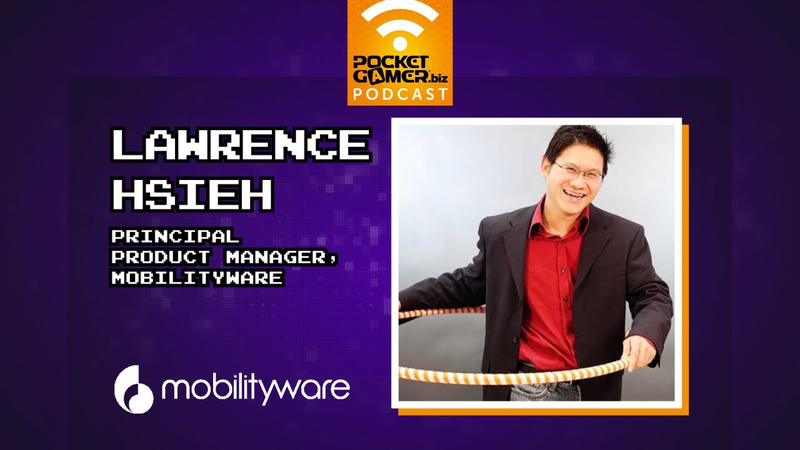
MobilityWare's Larry Hsieh on LiveOps on a Shoestring Budget
Key insights
6 takeaways- 01Smaller teams can compete with large-scale live service operations by focusing on strategic planning and efficient tool utilization rather than relying on massive budgets.
- 02Lean LiveOps can be achieved by using off-the-shelf tools and flexible backend infrastructure to minimize engineering overhead while maintaining frequent content updates.
- 03Maximizing retention and lifetime value requires a data-driven approach that integrates player segmentation with rigorous A/B testing to tailor difficulty curves and reward structures.
- 04Developers should prioritize skinnable event systems and remote configuration to deploy personalized seasonal challenges and content without requiring large-scale development resources.
- 05Studios can drive organic installs and increase engagement by implementing cross-promotion strategies, such as thematic crossovers between different titles in their portfolio.
- 06Long-term game viability relies on a combination of optimized core mechanics, robust currency systems, and personalized communication channels like push notifications.
Ask AI about this video
Transcript
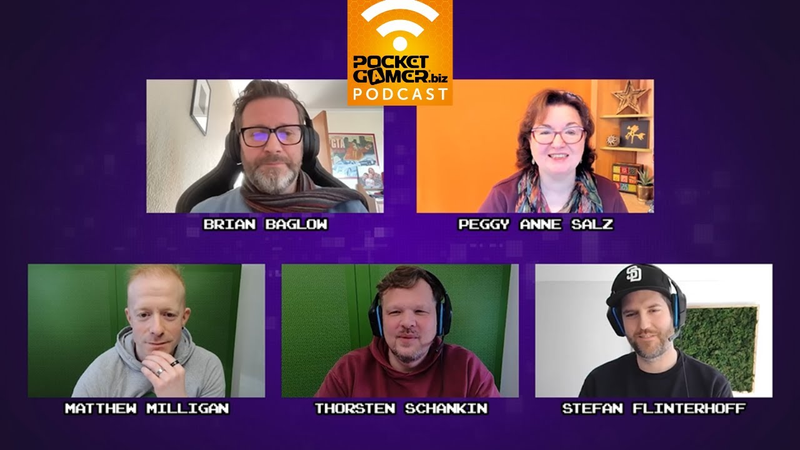
[Music] thank you hi folks welcome back to the pocketgamer.biz podcast it's we're going a little different direction for the start of 2023 and I'm delighted to welcome my new partner in crime the incredible the almost legendary Peggy insults hello Peggy hello Brian and it is really starting the year on a high note because hey we've been following each other meeting at events for years and here we are now it's real it's official we are partners in crime we are joined at the hip we are going to make PG Biz podcast regular and amazing exactly so exactly so it's there have been so many Live Events so many conferences exposed shows you know from the very earliest days of mobile gaming
not that I'm trying to date either of us but um you know we've we've kind of seen it Grow from WAP and SMS all the way through to the incredible eclectic diversity of 2022-23 and who knows where it's going to be in another you know 20 odd years but we're hoping to chart those changes highlight that progress and help make it more accessible and um understandable absolutely I mean I interview a lot of marketers a lot of people and product and design and bringing it all together I see it's a bit like a mission to unleash them right Brian this is the platform we're going to ask them how do they do what they do what are the choices they made what do they avoid what do they Embrace why basically because they're Scrappy they're Innovative and we need to bring that to the show I think that's exactly it you know it's mobile game developers are facing you know different challenges I'm not going to see more challenges but
certainly different challenges than they have in the past it used to be making content was the only thing that they had to concentrate on and that in itself was really tough but nowadays there's so much competition on the marketplace you know at saturations on the App Stores different monetization methods you know and user acquisition versus engagement re-engagement any game advertising it's like interstitial advertising rewarded ads there are so many things that developers now have to understand on and just keeping track of what's going on out there can be incredibly difficult so hopefully this will be a window of insight for uh the developers and the game creators out there that help them stay on top of the rapidly evolving uh Global mobile games Market bit of a hat tip or call out to uh JD pericini and others who are like hey guys it's 2023 we're trying to be successful in a recession well you know oncoming a
little bit of Doom and Gloom but no user level data an issue yes all these issues but the whole idea was she was saying come on people we can do this we've got this and it's that same spirit I wanted to bring here as well because it's the whole idea of so how do you do more with less in 2023 it's not simple but it is possible always going to be an optimist so we have kicking it off got two really Scrappy but very successful people in gaming one in marketing and one in product so there you go product is new marketing we have both sides of it perfect and I think the whole message is that you don't have to be one of the top 50 developers you don't have to be a mega Studio you know that's already generating multiple millions or even multiple thousands it's like this is accessible and this is possible for any Studio regardless of their size and at what point they're at in their life cycle their growth you know potentially heading for scale but that idea of doing
more with less you know as you say it's not necessarily easy but it's entirely possible even for you know Loan Sharks one man bands Indie part-time developers even to get out there and and make use of the resources make use of the tools and the data and the techniques that are being pioneered in the mobile gaming World in a way which can help them ensure that every game gets the best possible chance and I think you're right it's that Scrappy determination that that we're trying to sort of Foster and support and say come on guys we've got your back we're here let's do it together so Scrappy Scrappy stays with me Scrappy also describes our first guest Larry Shea whose principal product manager at mobilityware been there for ages been there done that loves to Tinker loves to work on live Ops literally live Ops on a shoestring budget that's his motto that is his Mantra and we learn how to do it and
some real surprises in there how he runs it primarily using tools from lean plum because he can do it all in one place but really importantly with a real small team we're talking himself and one other exactly so it's inspirational inspiring absolutely wonderful and you're right you know he exemplifies what's possible in in today's market so I'm really looking forward to hearing more from Larry well we said we unlock and unleash them Brian so that's what we do we give them the platform to tell their story let's let Larry tell his take it away Larry so we're coming into 2023 the theme the topic The Motto it's all about doing more with less it's the hardest advice you're going to have to take or maybe even give to your team but we're going to talk to someone today who is looking at how to be more effective by mastering
live Ops can I say the master I don't know Larry Shea principal product manager mobilityware maybe a little bit of the master a Jedi of types I don't know about the Jedi but I don't know maybe not to my kid but maybe um but yeah I mean one of the things you know definitely using um all the tools are available you know we do a lot of stuff that's kind of off the shelf with um one of the things we mentioned was link Plum and then you know one of the things that they always will say is like oh you know we do a lot of stuff that's like you know non-scripted off the books kind of like off-label to use so we use it um very very effectively to to hack it so if you if you will say yeah you know we're very very creative with um you know all we do and really push the envelope as far as like what we try to do for Live Events and live Ops right now and then essentially it's kind of just like you know one of the things is like doing less with more which I think is the big big theme right now
it is indeed that's why we're going to be talking about it now a little bit of background on you you have been specializing and leading both the live Ops and events initiatives using lean Plum for Mobility Wares various casual puzzle free to play games on the side you've got a side gig as well you've been writing about blockchain games for navic pro what does that mean oh yeah so it's just kind of a sight thing so right now it's got It's just a um contributor writer so on the sides like um of an interest and the part of it is kind of just also staying um you know in tune with the market what's the latest trends is it really gonna be something so at least for me personally it's more like okay well you know I'm in the gaming industry I'm very very focused on casual and live Ops right but on the side I was like okay there's interesting new technology involving around blockchain and all that technology around crypto so the question is like for me coming from like okay from a gaming perspective can there really be something there yeah well there's definitely something in live Ops
and it's interesting because I was talking to the Pocket Gamer team and I'm saying oh we got Larry on the show and they're like you know what his version of Solitaire is one of the first downloads that they do when they get a new phone so how does that make you feel first of all that you have that type of a fan base oh I mean it's awesome it's like I mean it's one of the um biggest thing because you know that's basically how the company all started right it's like they were the when the first apps on the Apple Store at the very beginning and then the lasting um Factor where you know we have like this dedicated fan base that's been there for day one it's just totally amazing and it really kind of illustrates kind of the mission of mobile aware which is you know we're really trying to bring joy one game at a time and then basically we start out with Solitaire with card games and we're very strong there but then we also have a whole set of um you know casual games and then that's kind of the area that I work on and then to keep it all relevant
and new you know this is where we do all the live Ops and Live Events player loyalty is something that has to be earned maintained what should the goal be in live Ops the end of the day is like you're really trying to bring enjoyment and fun to the experience and then that's what makes them come back and they want to play and then they want to kind of discover things but then the thing though is just really relevancy because you try to be kind of on Trend and try to be relevant because that's really kind of where the Market's going where you know they want to see okay does the game have like new things coming in is the game kind of being relevant to today um but then there's a balance because a lot of the things that we're really good is like we have very classic puzzle games so the core basically stays the same but then on top of that you know we put like a seasonal event or something to make it more relevant it's like oh you know during the holidays we have this going on so you said it yourself I'm quoting you live Ops that's you know
first you get the product out you launch the product that's when the fun begins give me an example what's the coolest event or example you can walk us through yeah I mean one of the ones that we just did we do have um different Partnerships and we have branding so we have one um a very good relationship with Hasbro with Monopoly so we have on both Monopoly Monopoly Solitaire which is one of our Standalone apps but then we also have a monopoly inside jigsaw puzzle and then one of the things we did in November is actually National Monopoly day so then on both of the apps we actually create Live Events and what's kind of cool is you know gains is very much entertainment and then entertainment if you look at TV and movies very similar so in TVs one of the things you see is you see like a main um show with like spin out shows and then one of the things they do is they always do like crossover events what I think is really powerful is like okay well in our position we have multiple games and we have these really great relationship so then it gives us an
opportunity to actually do multiple events theme similarly but then they can cross over to each other so an example would be in our Monopoly solitaire app which is basically you play solitaire but then you actually play Monopoly as The Meta build but then for the event for Monopoly day you actually go around the board and you're actually recreating the board piece by piece by piece like a jigsaw puzzle so that's got the Titan back to jigsaw puzzle now on jigsaw puzzle over on that app what we did was we actually made it so it felt like you were going around solving puzzles and collecting Deeds like you're playing Monopoly so we kind of go the other way on jigsaw so then what happens is like if you are playing both apps you get this really immersive experience and then taking another step further is having you know good back-end tools where we can actually track okay you
know did you earn this reward okay once you earn this reward okay I can send you over to Monopoly Solitaire to get actually a free mover and then it happened to be the Mover is actually a jigsaw piece so it's very very um you know interconnected very immersive so as a player you know you can actually get a full experience um across both apps it's also pretty cool not just interlocking the rewards but actually the in the in-game experience you know it's brought the two of them together very smart of course liveops is not just build and they will come amazing experience to your credit Larry but it's also down to communication you know tell me a little bit about how you make certain that you're not just building a great experience but you've got it backed up with effective Communications yeah I mean that's a good point because one of the things that's like you know it would be like okay great you know oh I build it and they will come but if you're in Mobile development and games is like no that's not really how it works and then for us
it's like we also have good relationships with the platform so in the case of like Google and apple um a lot of events you know we will go and do featuring and then in the case of like Monopoly day we did get featuring from Google so that was also very very helpful right so you get featuring there and that helps drives organic installs um the other thing we also do in game and this is using our backend tools is also do push notifications so push notifications is also a very very effective tool where you know we also make sure that you have like um very good relevant messaging but then on top of that is like since on the back end we do have a lot of information on the data so we do know players that highly engage with the game so then for those players we can go and do crafted messaging that says hey you know we have this event that you have um in the case of jigsaw puzzle what's interesting is it's more or less kind of like a uh I mean you pay or you buy and play jigsaw puzzle packs some of them are also free but then we can track that so if you're playing a lot of Monopoly
packs or even Hasbro related packs because we also have hazardous theme packs then I know those players are more likely to be engaged in Monopoly and one of the things we did on that event using like the targeting that comes out of the box where Lincoln is we actually did special rewards and special targeting so with that group what we did see is like that group had much higher engagement than the general population so it really goes out like okay your Reach Out campaign you can do a General class through social media but then what's also really important is like targeting the right users so really understand your base and who will be most receptive to the message so part of is the player segmentation but also where they are in the game life cycle yeah so that's also really important and then that's kind of a lot of the data that we also have on this uh in the back end where we can like in the case of like uh you know jigsaw puzzle or another game where you can just Chuck like the levels or the experience so in the case of Jigsaw it's like okay well
how many puzzles have they completed or what's the highest puzzle size have they done and then have they made it like um do they use a lie hence and then in other games it's like okay well how many times have they collected like you know gone past go how many times how many tokens have they unlocked or moved so and then what's really cool is like if you run live Ops kind of like using um back until we have where you can actually configure it you can actually tailor the whole experience so what we do um many times is for experienced players we may actually up the rewards of their VIP so if they're like a highly engaged player or they actually have a lot of um you know purchases then we make Goose the prizes for them right or the rewards now for new users since they're brand new the game they may be struggling with different things so in that case like in the case of uh you know our game on Monopoly day it was like okay well you know do we give them an extra chance to
win like an additional chance to win another stamp or another property deed so that helps them Advance the game faster but then the other part is um kind of winning things where you know you really want to you know design things where you have variables configurations remote config because then what happens is it's scalable from a live Ops endpoint because traditionally before it's like okay you build it ship it and then it was done but then right but now with live games you can't really do that like you really need to be able to personalize and profit and the platform you're using the approach you have what's really cool is you can sort of literally turn it off turn it on to fit the segment to fit the event so that what you're doing and again I read what you're writing all the time Larry you've said and I quote it's all about the player incentives they need to get the reward or prize at the right time yes yeah what's really interesting or if
you can design it with a very flexible system so it all goes back to you know how you architect it and then is it flexible because if it's flexible and it's targetable then what it is is like you can actually create you know different difficulty curves you can do also different reward systems for incentives so you can do like a variable um you know time reward system so you know it's kind of random you don't know when it gets it but then you also want to do it like a fixed time frame reward so it's like okay I know like um you know like during the holidays we did I think we're like okay 12 days of giveaway so every day you come back and then you play the free puzzle day you'll get rewards so that's fixed variable right but then what you can do is add then a variable component we're like okay well maybe every three days or every two days a random thing happens where like okay you see a price will pop up you spin the wheel and you get like the variable thing so it's kind of like you know makes things exciting because you want to vary it up but then that being said it all comes down to also player segments where you know some
people will actually naturally gravitate to one or the other so then that's where it's like okay having a b testing with different buckets with different um you know reward curves and reward um setups really comes to play because it's like we can run those going on and then look at the analysis and then we can segment different players we're like okay highly engaged players okay segment a would like this type of experience okay second B has this type experience type of C it's kind of like giving that kind of experience knowing when they want it and then also giving player choice because that's when other things could do which is like okay well what type of experience do you want so data is going to tell you a lot about that you know what do you need to both attract and retain the users and I know that you are into variables in a big way I think your team would say you are way into variables tell me a little bit about how you change up that experience that tools you use the ways that you make and operate games to do this I mean
you're personalizing basically an experience but you're not re inventing the wheel every time right right so when things that I get a lot from the engineers is like we probably have more variables in the game to control it versus actually like courting code but then that's where it's like the flexibility so then then I was like okay well you know do you want me to bother you every time if I have one then you do an A B so you know it's it's a good compromise and they're totally cool with it but then that is you know the real power of it so a good example is like okay you know a reward bundle right so it's a simple string and then you can make it very flexible so for for one case it's like okay let's say you have a casual game and you have different levels of power-ups you can give but then it can go back to targeting of the player because then you can say like okay well you know this type of player has a certain style where they really like to use bombs right so then you kind of know that okay they will value bombs more
um viables so then you can then weight your rewards we're like okay well I will give you more bombs um as your prize whereas maybe someone else really likes you know their strategy or their place I was more with wilds so then okay well you can go and create like a different reward system where like okay well I wait while it's more than the other so that's kind of where you can personalize the rewards and then you can also you know craft it or personalize it to the actual user but that's where the Art and Science come together right you don't just pick an event and you don't decide any remote config I'm going to turn this off or turn that on there's a science there's an art to that can you list the lid and tell us about how you choose or design or repurpose the events yeah that's like that's a that's a really good point so you know one of the things we have is like okay we have a um you know generic event system that's
skinnable so the skinable makes it able to be themed and then you can make it seem to whatever's that's relevant so like I did an event that we kind of did that was kind of fun was actually you know December we kind of did a play we're like okay December is in the holidays and then winning things is like okay well you know it's about Christmas time and then one of the big things right now is um you know Santa Claus and the Santa Claus kind of has his naughty list and then also has his nice list so one of very very simple things that we did and we did this across multiple games so we could reuse so this again you know doing um less with more because it's like I don't have an entire team of like um people to run live Ops I really only have like one or two people I I actually really have only one artist that's doing all the art which is amazing but then we're able to scale but the thing that's really interesting is like okay we did a very simple thing where like um you know we we have a pop-up that says okay you know
um you you know what who do you rather be you and be naughty or do you want to be nice so it's kind of fun a little sassy but then it gives um you know clearer Choice and then you kind of have these cute little gnomes and then once it's naughty and once is nice right and then the naughty guy has a grin but then essentially basically the player has a choice to have some agency so that makes it kind of fun um so that's a creative aspect we can um you know personalize and craft them depending on who is playing so that does give you power but then at the end of the day it's really kind of just a unique experience and then also relevant the other part of it also is kind of like you don't really will ever get the first event right or the first like game event engine right it will probably take at least two to three iterations before you fine tune it but then this is the part where like having the flexibility built in and then being able to test will make it actually learn because you don't need a hundred percent to be
perfect you can get most of it go out there learn iterate and then you know fail quickly right one of the great things with uh lean Plum is is kind of a holistic tool where it can do a lot of things so one part is like you have all the Data Tracking and then one of the things I like to do is kind of work backwards which is like okay well what's the problem we're trying to solve and then work backwards to okay well what's the data that we're going to need because at the end of the day you can actually instrument everything but then is it going to be all useful right so I was like okay well you know what do I really want to find out okay yo garbage and garbage out so you make sure you get the right data but the right data is important because then it will tell you it goes back to um your audience targeting so it's like okay well do I have the data to really understand like okay well how will I Define like a highly engaged user or how do I Define like a VIP user okay what's that criteria well what metrics or stats am I going to need to do that so that's one part of it so I have all the data and things the other part of it is also
a messaging system so it could be a simple like inbox system or it could be messaging so one of the things that we use a lot on lean Plum is kind of like um in-app messaging but they also have a message inbox system too so it's very similar as messaging whether it's a pop-up or a mailbox system right but it's some queuing mechanism or targeting system where I can Target a specific user at a certain time to show them something so that messaging part is also there that's really important and then on top of that it's kind of the last piece which is the variables or the remote config part where it's like okay you know can I actually create like different variables we're like okay I want to Target this specific user which is audience side and then through the channel which is the messaging system I can reach them but then what do I give them so this is the reward bundle then the a b helps us like test all those things out um to make sure like okay well what works and then having it all in one system is actually
um you know very very helpful and then very very useful we talked about some of the shortcuts you know it's getting the experience right scaling it having the tech to do it doing remote config taking care of it with a small team those are all great shortcuts but you always have to answer the question particularly for an indie Studio why is it worth it and that comes in the results tell me a little bit about the results you're seeing some of the stuff that we kind of alluded before which was like you know our most recent example which was the Monopoly day so it's like with that it's like you know um with those events and those um things like we got featuring right so featuring on Google is huge right so like for there you know when things that we saw was like okay you know you're seeing like 40 to 50 percent increases in installs and then they're all organic so they're you know quote unquote free right but then you really work for it but then for us it's like okay well you know it's art that's scalable we reuse it we make it interesting it's um you
know infrastructure that we already had so for us like it's minimal cost I mean there is like upfront costs so this is a part where like okay it doesn't pay off but then part of it is like okay you scale it and you reuse it and then that's where the payoff happens so it may not be the first time you use it it may not be the second time the part that also make it relevant is like okay if I didn't have seasonal events then okay can I still keep people in the game so will they still be happy or engaged if I just give them like one of the basic things we have in jigsaw puzzle is like a free puzzles day so every day there's a new free puzzle you can play and you can play it for free right and then the other ones um are paid and some of them you you have to unlock my plane but then outside of that it's all the events so if I didn't run these events and we see this in the data where you know if we do not run events engagements will go down and you still you'll see differences like 20 to 30 percent where you'll see drop-offs on you know number of um puzzle plays uh session times session
and so those are those are things that you will definitely see as far as spiking does they're very very steep drops 20 30 that's not small I mean those are the um Peaks now what I was going to say is it's also a balance where it can't be sustained all the time you've given us a blueprint gotta thank you for that Larry but you yourself you were very Scrappy person it's 2023 everyone will need to be Scrappy they'll need to be like you actually Larry if you think about it what's your tip for an indie Studio to inject new life into their older titles yeah I mean for me it's it's it's kind of you know looking at Alternatives and it really goes back to operating costs so it's like okay well do I have the engineers you know build this or do have the engineers build that but then the other part is like okay well if I had the engineers work on this versus something else it's like you know you
want to kind of use them most effectively to build very scalable tools and then with that it comes back to like okay the build versus buy things like a very very simple example for like a game would be like okay what's the C currency that a player starts out with right that's very very basic it's one single variable it's a remote config so anybody can do that and then do that AP but then part of it is like okay that can be very very critical for the start of the game because if I don't give you enough then you're going to run out of money but then if I give you maybe too much you don't have the incentive to chase so he's kind of like the golden lock so you have to get it right but then what's great is like okay well I can take my best guess yes to ten percent higher ten percent lower twenty percent higher twenty percent lower and then actually just run a bunch of a B's as long as time for remote config and then run it because at the end of the day it's like okay if I can increase my D1 D7 then that will help increase my ltvs and then that will help with my LTV well the LTV
versus CPI which lets you be able to like more um you know give you more dollars for your UA team to go chase more users great the way you sort of like break it down to a couple things you need to get right and to build on and that will build over time that you get these events right you get the currency right you get these Basics right these mechanics right A B test to get it right and you have the foundation for a game that can have a longer life that can be more flexible that can adapt to the players yes yes I totally agree I totally agree well you've done it you know you've been there for a while there at Mobility where hopefully a lot longer to come and hey some great accolades for 2022 wish you all the best in 2023 Larry it was great having you and thanks for sharing a useful enjoyment thank you thank you wow that was incredible Peggy there was
a lot in there there was there was a lot of very practical advice but what I liked as well is how to Target the seasons how to think outside the box I mean who would have known something as simple as a Little Gnome Naughty or Nice would make such a difference but hey that's it that's about engaging and using events to re-engage users to keep them excited about the game it certainly worked for Larry I hope it works for everybody else out there who wants to try it I think that's the thing your creativity is no longer confined to your game design your levels and your core mechanics you can now be as creative with keeping your players excited and coming back for more and yeah I certainly hope we we see more of the Little Gnome in future episodes but we'd like to thank Larry Shea for for agreeing to be a guest and uh for joining us on the Pocket Gamer podcast and Peggy for your first episode how are you feeling about it all I think this is going to be such an
adventure Brian you know it's our platform but I'm excited because it's everyone's platform we have other great guests marketers product experts in the pipeline but hey it's your platform as well so be absolutely excellent if you would reach out to Brian or myself on social and let's talk about maybe getting you set up with a show of your own absolutely we want to hear from you if you make Games published games if you have anything to do with the wide wide world of mobile gaming regardless of where you are all around the planet we would love to hear from you there's a couple of ways of getting in touch podcast at pocketgamer.biz is the email or you can reach out to us always on Twitter where you can find us at PG Biz and we would love to hear from you there's audio there's video Brian where can they Savor this pure gold this wisdom it's well we're working towards the the solid gold but I think we've made a really good start so you can find all of
the pocketgamer.biz podcast season one season two out into our new 2023 adventure with Peggy and I on pocketgamer.biz slash podcast that's pocketgamer.biz podcast and we will look forward to hearing your questions your requests and your feedback in the next few weeks and until then uh thank you very much for joining us we appreciate your time and Peggy thank you so much for getting involved thank you Brian as I said it's going to be a great adventure looking forward to it every single episode until next time I'm Peggy ansaltz I'm Brian bagloo goodbye
Summary
High-level player engagement and retention are achievable for mobile game studios operating with limited resources by adopting a lean, agile approach to LiveOps. The core strategy centers on utilizing off-the-shelf tools and flexible backend infrastructure to facilitate frequent, high-impact updates without the need for extensive engineering overhead. By prioritizing skinnable event systems and remote configuration, developers can deploy personalized content and seasonal challenges that maintain long-term interest while minimizing operational costs.
Success in this environment relies on a data-driven methodology that integrates player segmentation with rigorous A/B testing. By tailoring difficulty curves and reward structures to specific user behaviors, studios can optimize the player experience to maximize both retention and lifetime value. Strategic cross-promotion between titles—such as thematic crossovers between solitaire and puzzle games—further amplifies reach, driving organic installs and fostering interconnected ecosystems that keep players engaged across multiple products.
Beyond technical implementation, the long-term viability of a game depends on a foundation of optimized mechanics and robust currency systems. When combined with creative, character-driven live events and personalized communication channels like push notifications, these efforts create a sustainable cycle of re-engagement. This framework allows smaller teams to compete effectively in the current market, proving that strategic planning and efficient tool utilization can generate substantial growth and player loyalty without requiring the massive budgets typically associated with large-scale live service operations.













Comments