1 free read left. Create a free account for unlimited reading + AI research.
Create free account
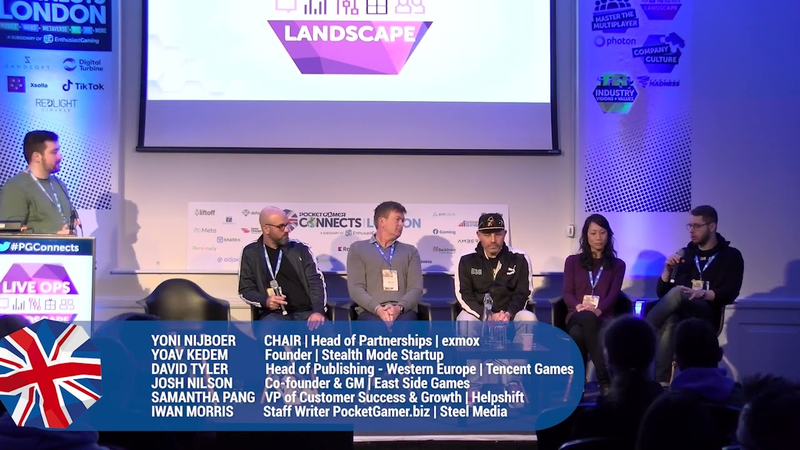
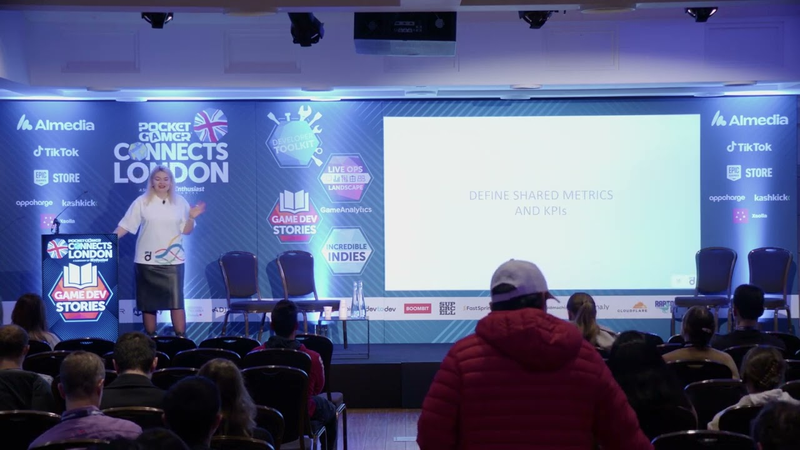
Panel: Interaction & Iteration: Best Practices for Getting the Most out of Your Live Ops Strategy.
Key insights
6 takeaways- 01The quality of the core game loop remains the primary determinant of long-term success, as live operations cannot compensate for a fundamentally flawed foundational experience.
- 02Data-driven decision-making, specifically through A/B testing and structured player feedback, is essential for validating mechanics and creating resilient engagement loops.
- 03Successful global growth requires combining rigorous data analysis with a deep understanding of regional player dynamics.
- 04Live operations must be integrated into the initial design phase rather than treated as a post-launch afterthought to ensure infrastructure and support tools are ready for player behavior and scaling.
- 05Studios should focus on solving specific player problems rather than blindly mimicking industry trends to ensure sustainable and authentic growth.
- 06Developers must realistically assess internal capabilities when choosing between self-publishing and partnering, as the technical and operational demands of live services are exceptionally challenging.
Ask AI about this video
Transcript
foreign [Music] [Applause] this will be the last session of the live Ops landscape track before we move on to mastering multiplayer uh up next we have a panel uh talking about the best practices for getting the most out of your live up strategy I'd like to welcome you and Morris Josh Nielsen you have kadem David Tyler and Samantha Pang fantastic how is everybody today all good surviving better surviving yeah fantastic we've got to move out there
yeah I'm I'm I won't I won't stay up here because you're not here to hear me speak if you are here to hear me speak I'm very sorry um we have um a number of lovely panelists today who are going to be giving their thoughts on live on strategy and I will be providing my questions which is yes usually how a paddle goes but bear with me this is my first time doing this so um we're going to start off with just the basics and just let everybody introduce themselves in no particular order um hi my name is I've been a founding VP product at beachcomb that was recently acquired by voodoo then moved on to manage heart of Vegas Social Casino game and in the past few years I've been Consulting game companies mostly in the Social Casino space mobile eroded games but any other to improve their revenues and performance through product delivery and light bulbs good morning everyone I'm David Tyler I
work at tencent I'm the head of Western Europe publishing a long time in the game industry most of my career was at Activision I was the VP there for Call of Duty so I used to come from PC and console and now jumped over to mobile hey everyone I'm Josh from Canada as you'll tell by the amazing accent and uh run again Studio up there called Eastside games uh we make games we also publish them mostly in the idol genre we're looking at other genres as well in these RuPaul Drag Race Superstar Trailer Park Boys the office somehow I manage and the doctor whose games coming out really soon I'm Samantha Peng I'm head of customer success at help shift we're a conversational Ai and automation platform working with over 300 customers to provide player support inside the game prior to that I was at DNA games for six years and working with different teams across the live Ops operations uh hi I'm Glee platinov I'm a founder of
Outlaw games we're developing like mobile games mostly like Idol genre like uh and also co-founder of Doc Hall games PCN console developer I'm an industry like for 10 years so I saw some bad stuff that's going on and some good stuff that's going on so hope hopefully we can share our experience and be uh helpful for everyone here okay fantastic and your first question for 500 pounds um so obviously uh Pocket Gamer connect we're mainly talking about the mobile landscape so my first question to you would be how liveops differs on mobile compared to something like say PC or console so I can share a perspective um so it differs in a number of different ways if you think about first of all how the industry's been set up for a lot of the western console and PC Publishers worldwide PC and console Publishers a
lot of those organizations have got their legacy from a retail physical retail business their teams are not necessarily been set up and that's why everyone's having to adapt to a more digital business model moving from physical Goods to digital and neither of them being really set up from a legacy standpoint to focus on live Ops right so the collaborations with Studios even talk in the studios is quite difficult often lots of these Western Publishers are American based as well so I think and just getting access to the data is quite difficult so I think the first thing to properly say is that the mobile has been built very much with agility with speed of decision making with fast iterative faster iterative mindset whereas it's just not the case for PC console I haven't been the case which is why those companies are trying to transition so I think just the builds and the uh the DNA of the companies is very very different um there's obviously also some more
fundamental things like when you come to actually publishing content like back on Call of Duty obviously we'd be working with the first parties Microsoft and Sony to actually get the content qaed and approved onto the platform so again you start to see some of the contrasts between in the industry where mobile is highly iterative the PC console it's trying to increase its agility but it's a it's a it's a sort of evolution rather than a revolution okay fantastic is there anybody else you'd like to sort of add on to that those thoughts mobile games have much shorter session time right play time there's so many apps that are launched on the App Store every day to try to keep the player inside the game becomes more important especially when you're providing support players want to get the questions answered they're problem solved and get back to playing the game as quickly as possible so I think that's why providing support in mobile games is so important and collecting that feedback as early on as possible to continue iterating on it
to build that Community early on kind of determines the success of your game down the line okay fantastic um and now we'll move on to the next question which is if this is going to be a very a bit of a complex one are there any common misconceptions you see about live Ops from both players and developers or even all start and then uh while you guys think about it um what I mean we work with over 300 gaming companies globally any kind of genres and the same thing we continue to see as a misconception is developers often think that support should be the last thing they think about and support is something they can put in place once the game is live that is often the mistake they make because when the game blows up and they have a massive successful title they can't get the support tool or the support team together in time a lot of our customers can speak to that and we've tried to help them set up a help shift in three days and help them get the automation up and
running while they figure out the human side of things so I think it's just that it's super important whether the game is kind of in the pre-launch OR post-launch phase to have that feedback loop set up early even if for players to give you that feedback just to show that you're listening to them is super important and then having a tool in place like help shift that you can scale up as your game gets through kind of beta closed beta and then into Global launches that really helps to kind of plan your strategy around live Ops as well fantastic I'm doing the work with some of my clients and obviously when they come to a consultant it means that something is not going great they often do a lot of things without thinking without properly planning and focusing so the first thing I would suggest to do is not to try to tackle everything at the same time just concentrate on SQL problems and and progress from them that's a very common mistake I see where
people are just running 10 campaigns at the same time without actually thinking about each and everyone properly yeah and I think one of the biggest changes has been in the last couple years is you have to effectively plan that if you're a big developer a small developer publisher self-publish you really have to look into what what's going to go into your product and what that looks like over the years so that's content planning and making sure you have an effective live up like a lot of times developers I think think liveops is just updating your game but that's just game development you have to maintain update your game make sure it works well and fix bugs and do all that but it's more about how does that content fit into your Evergreen strategy so you can keep your game up for years and years and the biggest change right now I think is onboarding uh mechanics of your game and how that works like look at a a new game that's really successful but is really slow and
rolling on stuff with live Ops like Marvel snap it takes the first two or three sessions just to really get through that onboarding to to teach the player and then it's really just one track you know they're going to roll out more but it's taking more I think when we build games five years ago it was more about build the game if a successful attack on live Ops and now you have to plan if it is successful what are you going to add for live office because it's really hard to just like let's pivot the let's pivot the entire team and let's throw in a leaderboard what would those leaderboard cohorts look like how will that affect your players how will that affect support you need all of that built in and it just takes a lot more planning fantastic well yeah I want to actually add a little bit to Josh because uh back in the days when I used to work like wild sourcing we work with many companies having a big one and it will face the problem that many companies was waiting that the game showed like good kpis and then only add like live Ops tools and stuff like that
and that moment it's already super late you need to scale the game with a good kpis so basically you need to plan your live Ops tools and infrastructure on a stage when you start developing the game as well it's very important and that's a thing that a lot of developers don't think about when we start doing it um so my next question is a little bit redundant because it kind of comes under what you guys have been talking about here do you is there kind of this idea that live Ops for a lot of Studios is get out of jail free card or is it more like they're just thinking we'll kick this can down the road and we'll take it up um so definitely not in my you have to think about your core game The Meta game and the Live Oaks layer now the Live Oaks would only kick in at a certain stage in the game so if you think uh too much for further further further down you might lease the targets that you
currently need with if your game is not doing well then I don't believe so first of all think about the game correct your meta correct the core Loop and then go ahead and fix the the live box because this will take you from a b to an A plus but will not let you from F to a yeah it's actually idea to be prepared to use all the live web tools but don't use it if the core is not working because you basically can ruin the concept in a way yeah as we have we develop what we also publish developers can also get so deep down that having to measure and put in live Ops and do that until they're core games like working right so you meet with lots of smaller teams or teams that are going
into live office for the first time they're spending all of their energy on making sure they're measuring but if you don't hit a certain level of success first then then don't bother you need that court case guys to work there and then I thought the last talk was really good because uh I think sometimes we forget about what our games look like from a player point of view a customer point of view and that point that Mobility Warehouse was really good that said if I don't see Live Events working in the game I just assumed it's not working like it's broken because everyone has live events in your game that have to do with uh holidays you know Halloween or whatever they don't see that in there they're like something wrong with the game is it not working so it's interesting how it's come that far that if you don't have anything happening in your game even in super casual games that never had live offs before then people just assume it's not working right I think from a support perspective you
know whether the game is actively having Live Events or if it's a game that's ramping down it's just super important that you have support in place because if you don't and the player needs help they can leave a bad review they can go to the community and say that you're not helping them with their problems it's just a matter of being able to you know make sure that you prioritize the resources accordingly you know more effort is going to put on content updates and FAQs for newer games and up and coming games but even for ramping down games just important that they have a channel and that there's still minimal resources supporting them with their questions are you seeing more companies that are um because in the PC World when I worked in that it was more like that I think mobile games is probably going to go more about how do we use tools to ask the community what they want next or what events they want rerun are you see more companies
yeah absolutely feedback so I think the the mobile players love when gaming companies listen to them and they feel like they're being heard because you know in live Ops mobile compared to PC console is so much more agile you know you can kind of tune the events you can tune the characters the type of items you can run campaigns based on what the players want to see up and coming in the game so we are seeing that you know support teams are using our tool to get the data to get the feedback and share it back with the developers and that creates a much stronger community and the players feel like that you're listening to them and they'll play your game longer so absolutely mobile is very much more agile and feedback focused compared to PC console okay um and now we're going to move on to what I would say is what would you say the biggest change for live Ops has been over the past year just on sort of every level really
it's obviously last year has been a big major change for the market so well speaking to to my roots on PC and console I mean obviously the big change has been the move into the free-to-play space um I think many games started five six eight years ago to introduce micro transactions um and you know some form of live Ops I remember on Call of Duty I think it's back in 2012 uh bacon wrapped camos I think it was Black Ops 2 maybe post season on Black Ops 2. so I think one of the biggest changes has been this movement from um piecing console titles in particular to free to play with free to play they're trying to take the best parts of brand building from traditional piecing console and then couple it with what works really well in a uh you know live Ops environment for um for mobile as well and I think yeah lots of companies are struggling to find that balance still right now but that's the it's sort
of in pursuit of more engaged player as always is what everyone's trying to get to so in the past year what I've seen a lot of casual companies adopting Social Casino strategies because in Social Casino from the beginning it was a very niche market with small target audience and therefore we always had to think about monetization firstly and then retention and now it's the game it's it's hard becomes harder and harder to generate to be outright positive more casual companies different genres try to adapt an adult techniques from Social Casino into their games to improve their performance it's about like building worlds now I think so it's about building spaces for your players to play Evergreen it doesn't matter if you have I never thought we'd build an idle game and still be supporting it five years later
and it's still growing year over year because people want more content especially content on maybe shows that don't run anymore and it's a lot more integration that is kind of coming over from PC console to be if that's someone from one game is coming over to the other game or you're having Live Events with Integrations you're seeing that in small and large games you're kind of seeing that come back again which I think is really good because then people will play games for years now and you have to plan for that versus we're always about before making a new game what's the next one instead we're kind of looking at making you know franchises and expanding those worlds over and over and I think you're seeing that in TV too so you know you know with the Last of Us you're having a show and then there's going to be more content it's going to drive people back to playing those games or they forgot about the game and then there's going to be other products that are going to come from that and I think that's great
because it just kind of all feeds into that and I think games can be a big engagement in there as well um I think during covid because the world was in lockdown I think everybody saw that more people were playing games and stayed at home and played games even people that didn't play games before played games so we saw an immediate transition for players who really started embracing Automation and then gaming companies that were skeptical soon followed so we saw a massive adoption of automation across our platform when you know gaming companies couldn't get the remote work set up for the agents to get back online they just set up these Bots to help the players with the problems and so that they can get back to playing the game as the ticket volume was also going up so now we've definitely seeing more gaming companies embrace the automation as well and players are getting used to it and it doesn't impact csat as much anymore yeah I I would say that uh in generally the important like Trend that is going
on and just racing is like adaptability to everything that's going on and the ability to change this because uh I remember my work during like game love like five seven years ago we released like one update to update per month right now we're releasing like a couple of days per week to do some a b testing or other stuff improving the tools and so on so on and that's important because marketing is growing competition is growing the amount of possibilities that you have has grown and it's very difficult especially you're like smaller mid-sized Studio it's very difficult for you to adopt so you use like Partners tools search Body Solutions Publishers that can help and actually can help you to grow and can help you to to handle these changes and and and grow as soon as possible and I think that's where everyone is going right now and you're like this tolerance to adaptability is actually will be a key factor like in years like years whether you can adapter or you will just like drop that somewhere so let's think yeah yeah that changed in the last five years has been
pretty big about where we used to have to push builds all the time and now it's like we have to develop tools or use tools off the shelf to be able to push everything from the back end whatever you want yeah yeah and to do that constantly it's more like like the days of Facebook where you could just like push something out like right away to fix it versus that so it's constantly testing your online stores to make sure like and usually you want to test much more than you actually have capabilities and tools to do so it's just a plan it's only enough that actually brings me on to my next question uh which is what key tools do you think that people should be familiar with for their live up strategy just on every level basically oh I I can start so uh definitely it's very actual tricky question because really depends on your strengths of your team and the capabilities that you have because sometimes you might not have the right people and even if you bring the
right tool you won't be able to operate it's not one size fits all yeah so and uh I I think this is very important to have possibility to be test your monetization as a key thing because it's really really well connected to your user acquisition right you should acquire cheaper than you actually get from the the user so and usually there's like very very um easy solutions that you can do and there's a lot of 3D uh parties and there is a lot of Publishers who has this possibility so you can do it and if you don't want or you don't have these possibilities you actually can even do like a very simple solution somewhere on the back end with sending like at least one two a B test per update it's very important and uh second thing I think that the customer care is very important like help shift right and because you can automate a lot back in the days I remember there was like I don't know like 5 people working in a customer care on different languages right now right now you just need one wise guy who can set up everything and let's go you know
automate and work with users and and yes users are ready and uh ready to talk to a machine basically right now to solve their problems because that's a key and uh third one is probably the user acquisition so you definitely need um again what depend on your capabilities and resources you need a marketing research tool to understand your competition you definitely need some tools that will help you run the campaigns on lower levels and and Target like users working this piece and stuff like that and and you have a nice dashboard to analyze it because you can gather the data but it's very important to analyze it thank you for being a customer glib thank you for selling help shift um so I think helpshift works really well for gaming companies um because we can adapt to any size we can scale up or down we can apply automation at your comfort level or we can recommend how to do it because we
work with hundreds of gaming companies across the world based on the problems and the kpis they're trying to achieve altool has a lot of segmentation in it so you know who the players players want you to know um that you would you know who you're talking to and how to prioritize them if they're VIP you got to give them the white glove service if they're never going to spend any money then you can send them to an FAQ make them self-serve before you actually get them to to a human right that's how you are able to optimize your costs on support because support is always seen as a cost center but with the recent changes it can become a profit Center if you utilize that team and the tool in your liveop strategy so segmentation is important and then automation is important to glip's point because if you have a problem let's say you launch a update and there's a bug you can just use a bot and tell them that you're working on it and no human has to touch that and once you fix it you just let them know you're you've fixed it give them some rewards
based on whether the VIP or free player and you can do all of that without adding extra human cost to it so it's very scalable I'm a big fan of using especially if you're an independent developer or you're self-publishing with a big fan now of using all the tools that are available on the platforms that you're building on start there and then upgrade as you need so um Google has some amazing tools you can use including like uh back-end push like remote config that you can use to start on and it's great Unity has a lot of tools apple has a lot of tools that are right out of the box that you can use and you already you already have these integrated because you're building on these platforms so use those then go out and there's pretty much anything you need off the shelf to augment and to add on there but like I said before there's a lot of developers that get too into all the talks and spend their time building tools and a b tests before they make sure your game is fantastic and
amazing you have to focus on your core Loop or your game and make sure your players are are loving it and then augment from there so you know what you're testing but but that's not the core of what you need to do for liveops you need to make sure that you have those you have that retention and engagement up and then add on all that other stuff yeah just to add um I think data's at the heart of a lot of this conversation um I think without you know you'd be amazed at how many uh games get published when data's not is either too little data and it's too sketchy and thin so you can't really draw insights from it or it's too much and sometimes it's there's a staggering amount of data and if it's not in the right structure you know we used to talk about trying to boil the ocean you can't boil the ocean it's just impossible so you've got to be realistic and I think the start point is to get good data that's structured also data that allows you to look at the player Dynamics differently globally because um obviously players in Asia play consume games often very very differently than Europeans North America
South America et cetera and having the ability to cut the data and look at Trends player Trends by region by country and also of course act on those as well and make sure that you're linking your marketing decisions to those player insights I think Studios often have a tendency to look at they just want to make the oftentimes want to focus on the the content which is great but there's also the publishing side of it which is once that content's inbound how do they push it effectively in different regions with different players all of you may be playing and consuming the game differently so it's a bit of a dry subject matter but I think getting the right structure of the data gives you a good a good foundation to uh to everything okay that's all fantastic I I noticed you mentioned the boiling the ocean thing there and how you can't do that I feel like there would be somebody who'd say oh well I just uh if if you get it if you get a a campfire still large enough you know somebody will probably say that um so we're coming kind of into the last 10 minutes and I want to kind
of hit you with the big well it's not necessarily the big question but I think it's something that I think hopefully a lot of people find helpful which is if you had to give one crucial piece of advice to people who are going to bring in live Ops strategy on any level you know if they're in the if they're a massive company what would you say that would be first thing I would say solve a problem don't just do things because other peoples are doing them think what does your game need and do that then think what's in it for the player and what's in it for the company so if I want to increase monetization obviously I'll create a sale but the sale also has to be you think of a sale as a bonus for the payers it has to be attractive for them if I'm running a retention campaign over a month period I want to see that in the end I'm increasing my retention but I also want to give a great reward for the players that are committed and stuck through this event so focus on the problem tackle it and
yourself and the player uh I think the longer I work in a games industry the more I'm convinced that time and timing is everything right and I think starting planning is everything as well so starting early I think is really really important um sometimes you see Studios particularly with a pivot that's being made all the evolution that's happening of traditional let's say PC and console players into live Ops they're not very good at liveops and so they'll concentrate only on the main game and then try to bolt on the live Ops part late and it just when you design things that way I think it just is inviting problems and issues so it's quite difficult you can be successful doing things that way but I think the more integrated as with anything in technology I guess the more integrated the design is early of live Ops and how it's going to sit within the game and pay off the player experience I think the better
so if you got to have fun with it you gotta you got to make sure you're playing your game you got to make sure you're playing other games so I think we forget to do that and it's not just a business it's It's Entertainment you have to make sure you're consuming it and you're a player and customer as well so it can be super simple some of my two of my favorite games that I play daily are woodco which is by triple dot it's just like really really simple daily play and then a puzzle right now and it's a new year you could play through the New Year levels and it's really simple live Ops to get you to consume ads or it could be more complex like Marvel snap where you're logging in for your daily reward and playing a very live Ops light but if you're not playing your own game you're not playing your live Ops your team's not playing it for your events then how are you going to improve that experience for your fans
you keep mentioning Marvel snap so I want to let you know they're all customer and you'd be surprised at how much feedback they look at when they collect it in the game so thank you for talking about that I'll let them know that you're noticing that from my perspective support cannot be an afterthought to any game no matter what size and as I mentioned it can be very scalable so you don't have to start big you can start small and just provide a way for players to give you feedback because how are you going to fine-tune the game if you don't start collecting that feedback from day one and then from there you can scale at their own pace whether it's beta or soft launch or some Regional launch but make sure you have that set up and get the data I mean your players are your best Advocates and best validation for your live live Ops next steps uh you must in my opinion also I agree with everything because I think it's not possible to give one advice you know
it's a chain of advices that let it but I think just to add it's very important that your development will be data driven right from the first date of development so you measure everything you do a b testing everything you do you try to to different hypothesis and so on so on that actually can unlock your possibility to grow and understand where to go and how because there is so many possibilities so many games so many mechanics that you can use and you should be like very very wise and in the end it's all about like doing your like homework math to understand that it's actually working and you're going the right way so if you don't like math first of all you'll probably know in the right industry but also you probably don't want to get in a live box either um I just want to check how we're doing for time five minutes um so we might good to go for the Q a yeah yeah we were thinking we might have had to cut out the Q a but fortunately we have time so any questions
come on come on you've got to have something got somebody at the back we get a microphone to him there you go does this one work oh this one works as well running running hello uh I'm not really sure what my question is it's about uh self-publishing and doing live Ops um yourself versus relying on other people you've talked about tools and which tools are good um you know to what degree for like the developer the developers up there um can you should you should you partner with liveops you know publisher or someone that does that or get advisors in and versus self-publishing and doing everything with tools and uh I hope that was a good enough question yeah it's uh the biggest challenge right now is just looking at the scope eater
game and figuring out where you want to be and especially around user acquisition so that's going to be more so now than ever for independent developers self-publishers to try to figure out how much you're going to scale and how many users you're going to get in organically that that's that's the biggest factor of that you're gonna have to look at because that not only requires money it requires strategy and where to spend it how to spend it and expertise so that's the biggest thing you need to solve first if you're going to self-publish and then and then go from there but what I'm not also seeing is a lot of people are self-publishing in bigger GEOS which is also different than it used to be like us they're publishing and only two or three countries and they're really getting the core mechanics down pat then
they're looking for a publisher afterwards after they really sort of hone the game and get it to a point where they can put my bumps on it because they're able to get enough volume in order to do that I'm pretty sure Mr Auto fire did that which is now a huge game out of Finland that did that so that's something kind of new because before it was always like for us anyways it was always like once we hit us that's our big that's our alignment worldwide release but now people are going to a bigger Market first as a self-publisher give another volume so you could really look at it and your point was excellent on data because the other thing you don't want to do is be like oh we have a great you know we have a great retention or we're seeing a 50 uptick in uh in this metric but you have less than like 10 000 daily Q Series so it's pretty skewed on any small bit can really like push your metrics up right yeah I I can also add that basically
it's very important uh if you know your like strengths and weaknesses and whether you can fix it or not because the momentum will uh very important if you can fix it like in two years probably it will be too late it's better to partner on something on user acquisition and Publishing on magnetization or something and if you know that you can do it okay you just need to plan it and uh and and it's very important to understand what exactly you're lacking whether it's just user acquisition or full publishing or I don't know co-development maybe kind of deal and so on so on if you can do everything on your own yeah you can do but I actually haven't seen any companies that can do almost everything on their own and not using any other partnership it's very difficult and it's very difficult to hold the focus and it's very difficult to have all the right people on all the right places to actually make it like effective all right uh we're gonna have time for one more quick question um if you have any other like questions um please do find our speakers around the the venue I'm just going to come
here real quick um with all the changes that are going on right now the different aspects of vast amount of elements of live apps what AI products are out there that can assist a studio in regards to the process for live Ops foreign it's a good question because I think um we're coming to a point now where it becomes the buzz and a lot of evolving so a few companies that I'm familiar with started using mid journey to create their life of Life of Art in terms of analysis I am a lot of companies are offering AI platform and machine learning to improve
but to be honest you have to take one and test the most companies I worked for or I know like playtika they've created their own in-house AI platform so in my opinion it's a great field with great opportunities but it's still emerging and I believe we need to give it a bit more time to test and see which one really breaks above the fold you get all the assets if you're doing stuff like that right I think that is time can we give a round of applause for our lovely parents please [Applause]
[Music] [Applause]
Summary
Successful live operations strategies in the modern gaming industry necessitate an agile, iterative development mindset that prioritizes long-term engagement over traditional, static release cycles. While mobile gaming has historically pioneered these practices, PC and console developers are increasingly adopting similar games-as-a-service models, incorporating sophisticated monetization, automation, and social-centric mechanics. Regardless of the platform, the core thesis remains that live operations must be integrated into the initial design phase rather than treated as a post-launch afterthought. Infrastructure and player support tools should be established early to ensure that developers can effectively respond to player behavior and scale content appropriately.
Data-driven decision-making serves as the foundation for sustainable growth, with A/B testing and structured player feedback acting as essential tools for validating game mechanics. By focusing on solving specific player problems rather than blindly mimicking industry trends, studios can create more resilient engagement loops. However, live operations cannot compensate for a fundamentally flawed core game loop; the quality of the underlying experience remains the primary determinant of long-term success.
When navigating the complexities of user acquisition and monetization, developers must conduct a realistic assessment of their internal capabilities. The choice between self-publishing and partnering is critical, as managing the technical and operational demands of live services independently is exceptionally challenging. While emerging technologies like artificial intelligence offer promising avenues for streamlining art production and data analysis, the industry currently favors bespoke, in-house solutions to address specialized needs. Ultimately, the most effective strategies combine rigorous data analysis with a deep understanding of regional player dynamics to foster consistent, scalable growth across global markets.
















Comments