Live Ops reports and market data
Documents
Casual Gaming Apps Report 2024
The mobile gaming landscape is currently defined by a strategic shift toward casual and hybrid-casual experiences, which serve as the primary engine for industry growth and user acquisition.
- Puzzle games now account for 37% of all mobile gaming installs as the industry shifts away from hyper-casual titles.
- Casual mechanics are increasingly vital for mid-core titles, currently driving 74% of their total installs.
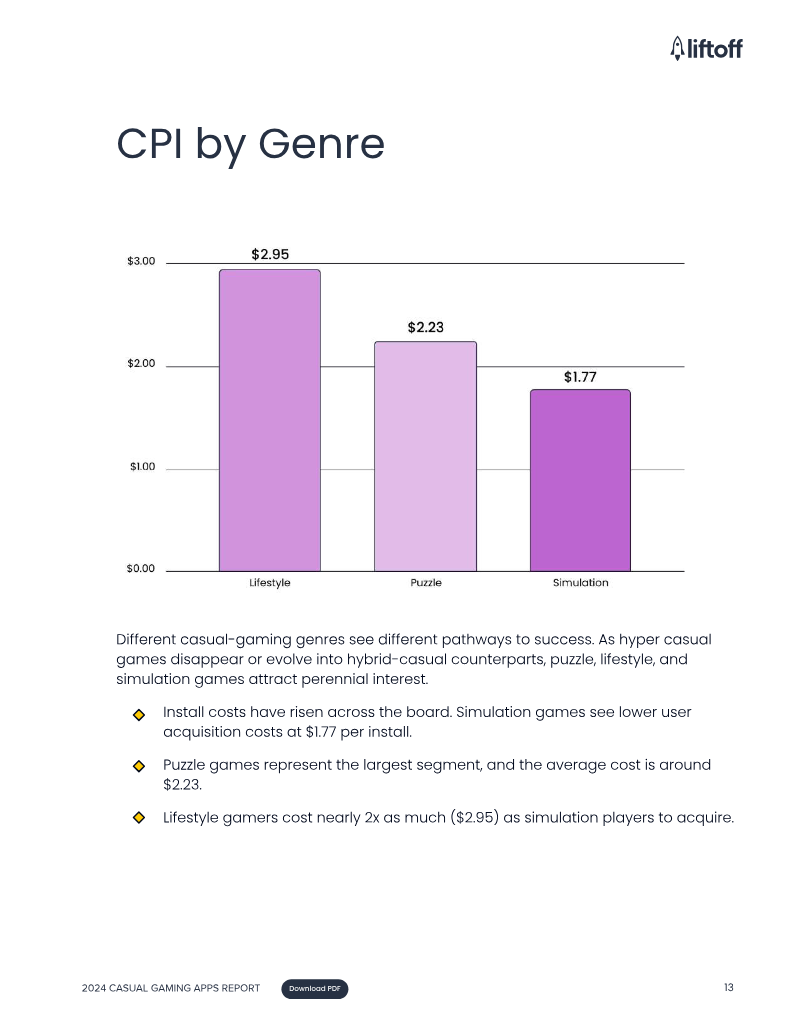
- User acquisition costs on iOS remain significantly higher than Android, with a cost-per-install of $4.83 that is nearly eight times the rate on Android.
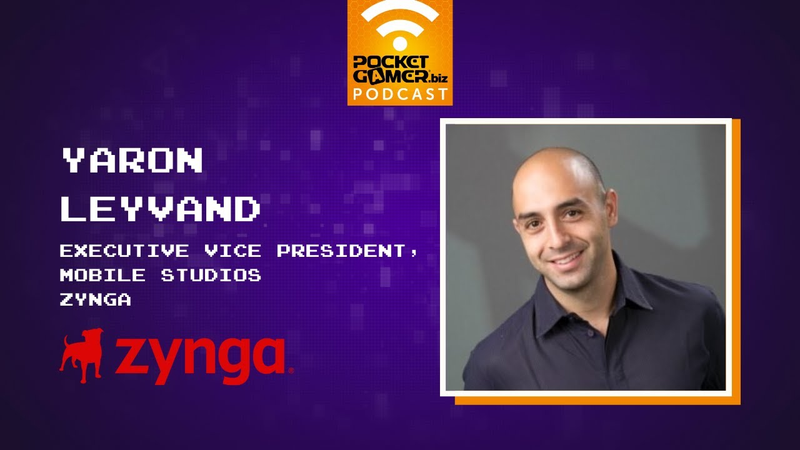
Zynga’s Yaron Leyvand On The Secret To Making A “Forever Franchise”
The creation of a forever franchise in the mobile gaming sector relies on a disciplined, data-driven approach that prioritizes long-term player engagement over short-term monetization.
- Zynga defines a 'forever franchise' as a game designed to entertain players at scale for many years, a strategy that has contributed to the company achieving over 4 billion downloads and 200 million monthly active players.
- New game launches in established categories typically require a 12- to 24-month period to reach feature and content parity with market competitors.
- Zynga maintains player engagement through a three-tiered content strategy: core gameplay enhancements, major system updates introduced several times per year, and short-term 'snackable' live events.

MW3 Controversy / Live Service Evolutions / Roblox Earnings / Esports Woes
The gaming industry is currently undergoing a period of structural recalibration, characterized by a tension between the pursuit of high-frequency live service revenue and the necessity of maintaining product quality.
- The gaming industry is facing a structural conflict where the high profitability of annual release models, such as Call of Duty: Modern Warfare 3, incentivizes rushed development cycles despite significant consumer criticism regarding product quality.
- Major publishers are diverging in strategy, with Sony scaling back its internal live service pipeline while other firms continue to prioritize long-term engagement models over core premium experiences.
- The success of the Steam Deck OLED and Roblox demonstrates that long-term market viability is increasingly driven by cross-platform accessibility and software integration rather than hardware-locked exclusivity.
Skillprint’s Chethan Ramachandran On Combining Neuroscience And AI For An Adaptive Play Solution
The integration of neuroscience and artificial intelligence offers a transformative approach to game design, shifting the industry toward highly personalized, adaptive play experiences.
- Skillprint uses neuroscience and AI to create adaptive game experiences that maintain players in a 'flow state' by dynamically balancing difficulty to prevent boredom or frustration.
- The platform functions as an automated LiveOps tool, providing developers with actionable data on player personality, behavior, and cognitive traits to improve engagement, retention, and monetization.
- Skillprint developed its data model by cross-referencing player performance in games with established neuroscience and cognitive science exam batteries to create a high-fidelity mapping of human behavior.

Jam City’s Rose Agozzino On Powerful Partnerships To Promote Cross-Generational, Ground-Shaking Play
The mobile gaming industry relies heavily on strategic partnerships and nostalgia-driven content to maintain long-term player engagement.
- Jurassic World Alive has achieved 33 million downloads and 2.3 billion play minutes over its five-year lifespan by utilizing a geolocation-based model.
- Strategic partnerships, such as the collaboration with Mattel to integrate 1993-era assets, successfully leverage nostalgia to bridge physical and digital gaming experiences.
- Cross-generational appeal is a primary growth driver, allowing parents to share gaming experiences with their children and expand the title's demographic reach.
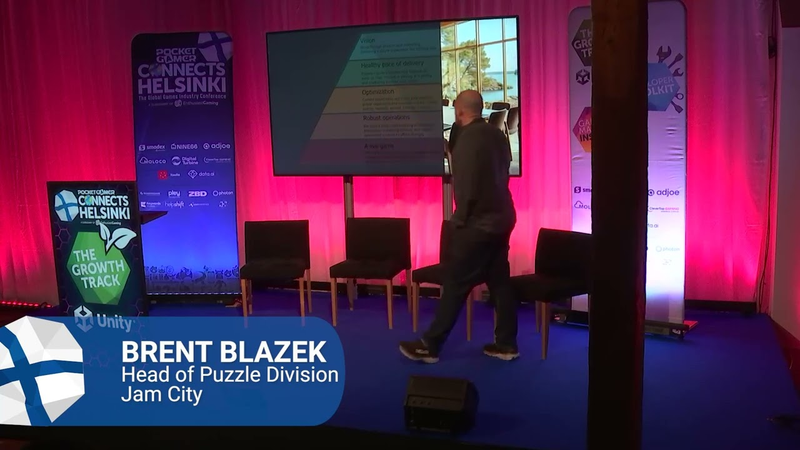
Reignite Your Strategy - Brent Blazek, Jam City.
The primary challenge for mobile game publishers is sustaining growth in mature titles, which remain critical to long-term business health despite the difficulty of achieving year-over-year revenue increases.
- Only 21% of mobile games achieve year-over-year revenue growth, highlighting the difficulty of sustaining performance in mature titles.
- 58% of top mobile publishers still rely on the same flagship titles they managed five years ago, making long-term retention of these assets critical to business health.
- A hierarchy of needs framework should be used to prioritize game development, starting with technical stability and crash resolution before moving to optimization or long-term vision.

Curated Panel: Billion Dollar Secrets: Games That Never Die.
Achieving billion-dollar status in the modern gaming industry requires a sophisticated synthesis of brand identity, data-driven user acquisition, and disciplined live operations.
- Long-term viability for billion-dollar games relies on leveraging established intellectual property and sequels rather than high-risk standalone products to ensure a reliable foundation for growth.
- User acquisition strategies must shift from traditional metrics to complex methodologies like media mix modeling and incremental analysis to navigate privacy-centric digital environments.
- Operational success requires the integration of automation and clear team accountability to ensure that paid acquisition channels expand the audience rather than cannibalizing organic growth.
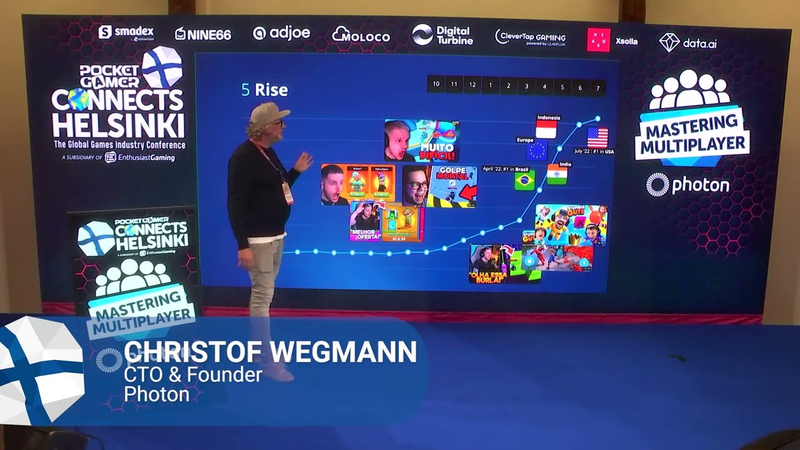
Stumbling Into a Multiplayer Hit Downloaded 2 Million Times per Day - Christof Wegmann, Photon.
The development and meteoric rise of the mobile title Stumble Guys serves as a case study in organic growth, technical scalability, and strategic exit planning within the multiplayer gaming sector.
- Stumble Guys achieved massive scale with 25 million daily active users and 2 million daily downloads without formal user acquisition spending.
- The game demonstrated high initial engagement with a 55% day-one retention rate and reached break-even status within two weeks of its August 2020 launch.
- Technical scalability was achieved by supporting 32-player physics-based sessions on low-end mobile hardware, utilizing bots to ensure match viability and solve the 'empty game' problem.
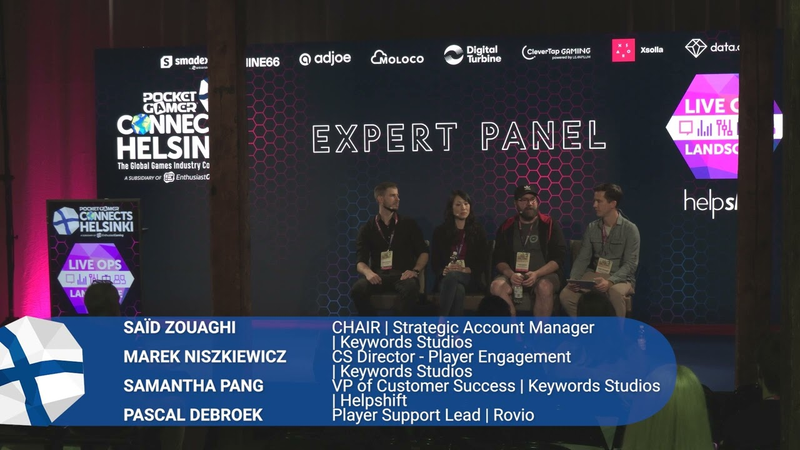
Curated Panel: A Practical Approach to AI Transformation Across Player Support
The integration of artificial intelligence into player support represents a fundamental shift from traditional email-based systems toward integrated, in-game conversational platforms.
- Implementing AI in player support is expected to reduce manual ticket volume by 20% to 40% by automating low-value, repetitive inquiries.
- Support leaders should frame operational cost savings as net revenue gains to secure the internal stakeholder buy-in required for infrastructure migrations.
- As AI handles simple queries, the average handling time per ticket will likely increase because human agents shift their focus to complex, high-value issues.
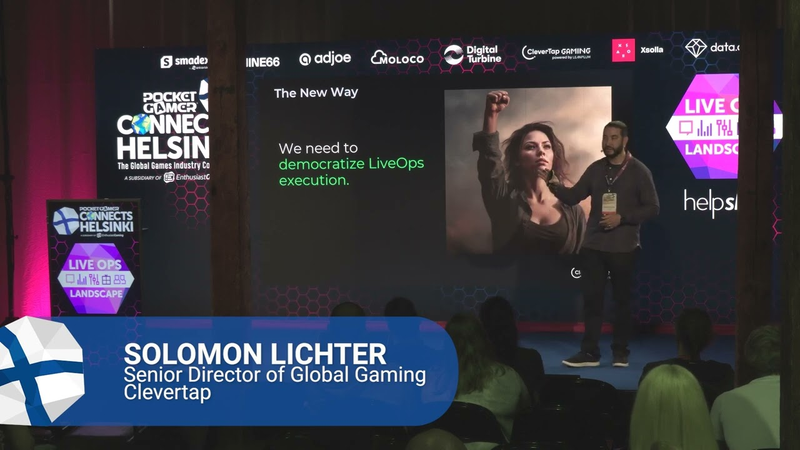
Democratizing LiveOps: How Leading Studios are Achieving Peak .... - Solomon Lichter, Clevertap
The modern mobile gaming industry faces significant challenges in maintaining player retention and lifetime value, particularly in a post-IDFA landscape where rising user acquisition costs often outpace revenue.
- Studios must transition from manual, spreadsheet-driven LiveOps workflows to a dedicated game control layer to eliminate bottlenecks caused by constant reliance on engineering teams.
- Democratizing LiveOps allows non-technical product and marketing teams to execute A/B tests, live events, and player personalization in real time without developer intervention.
- Separating core game development—such as engine maintenance and economy balancing—from daily player experience configuration accelerates time-to-market and reduces resource strain.
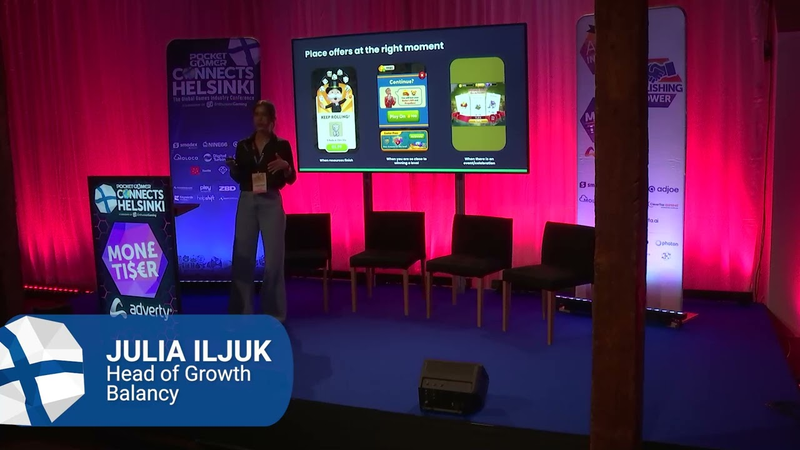
Special Offers & Personalization Strategies to Grow LTV in Games - Julia Iljuk, Balancy.
Special offers and personalized live operations serve as critical drivers for increasing lifetime value (LTV) in mobile games, particularly as user acquisition costs rise and market competition intensifies.
- Special offers are a primary revenue driver for top-grossing mobile games, accounting for 20% to 50% of total revenue.
- Data-driven, personalized promotional journeys can increase conversion rates by 37% and grow average revenue per paying user (ARPPU) by 50% over a two-month period.
- Effective monetization relies on placing offers at moments of player friction, such as resource depletion or level failure, to provide immediate solutions.
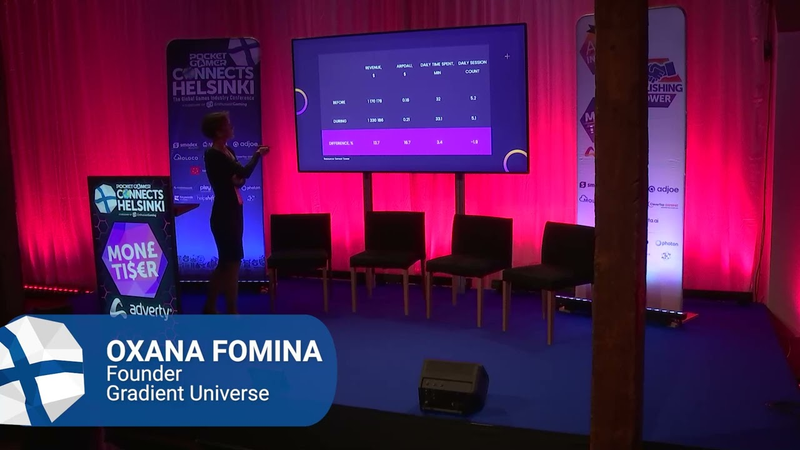
Top 5 Monetization Events in Casual Games: Maximizing Revenue Pot - Oxana Fomina, Gradient Universe
The analysis of monetization strategies in casual mobile gaming identifies five high-performing event models that significantly boost revenue and player retention.
- High-performing event models in casual mobile games drive revenue growth ranging from 10% to 43%.
- Successful monetization events leverage emotional engagement, social mechanics, and structured progression to increase both daily active user revenue (ARDAU) and session length.
- Effective event design incorporates multi-stage progression, intermediate rewards to maintain momentum, and specialized event shops that encourage habitual player return.