The mobile gaming landscape is currently defined by a strategic shift toward casual and hybrid-casual experiences, which serve as the primary engine for industry growth and user acquisition. While the market faces significant headwinds in the form of rising acquisition costs—particularly on iOS, where the $4.83 cost-per-install is nearly eight times higher than on Android—high-performing regions like North America continue to deliver a sustainable Day 7 return on ad spend of 5.9%. This economic environment has triggered a transition away from hyper-casual titles toward puzzle games, which now command 37% of installs, and hybrid-casual models that integrate complex meta-layers and sophisticated LiveOps into accessible core mechanics.
Monetization strategies are becoming increasingly diversified as developers move beyond traditional advertising. The rise of "progressive offers" and "engagement offers" has transformed in-app purchases by tying discounts and rewards directly to active gameplay milestones. Furthermore, the industry is seeing a surge in collaborative "partner events" and social mechanics, such as win streaks and digging minigames, to stabilize and boost baseline revenues. These engagement-driven tactics are often paired with the emergence of external web stores, allowing developers to bypass platform fees and foster direct-to-consumer relationships through exclusive loyalty rewards and daily gifts.
The casualization of the market extends even to mid-core titles, which now rely on casual mechanics for 74% of their installs. Emerging subgenres like 3D match and Mahjong Solitaire are gaining significant traction, reflecting a broader trend of deepening gameplay depth within the casual category. By combining simple core loops with complex monetization structures and social event formats, developers are successfully navigating the high-cost acquisition environment to maintain long-term player retention and revenue growth across global markets.
GameRefinery · 2026

GameRefinery · 2026
GameRefinery · 2026
GameRefinery · 2026
GameRefinery · 2026

GameRefinery · 2025
Liftoff · 2024
GameRefinery · 2023
GameRefinery · 2023
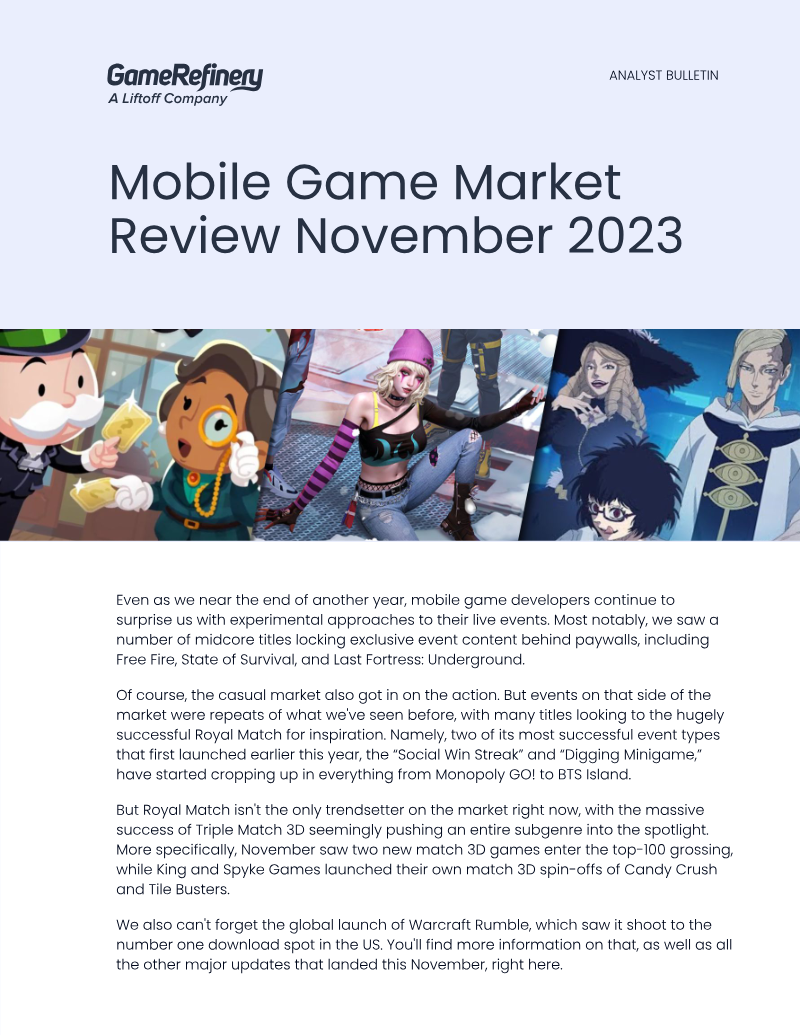
GameRefinery · 2023
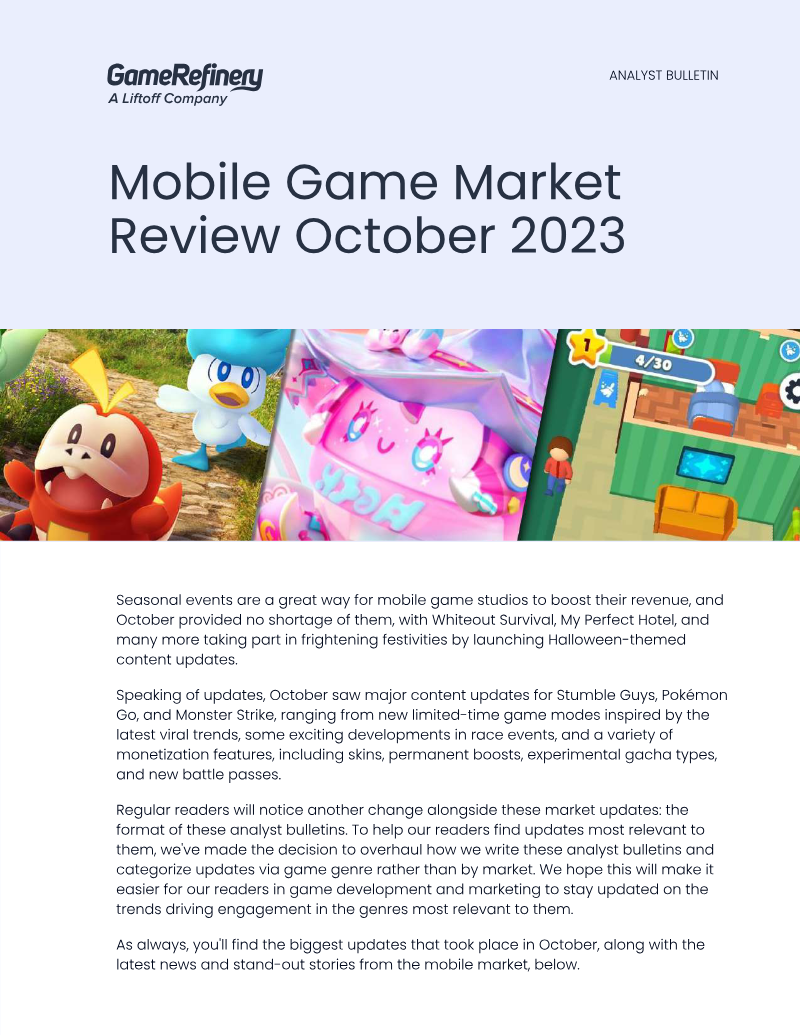
GameRefinery · 2023
GameRefinery · 2022

Sensor Tower · 2026

Sensor Tower · 2026
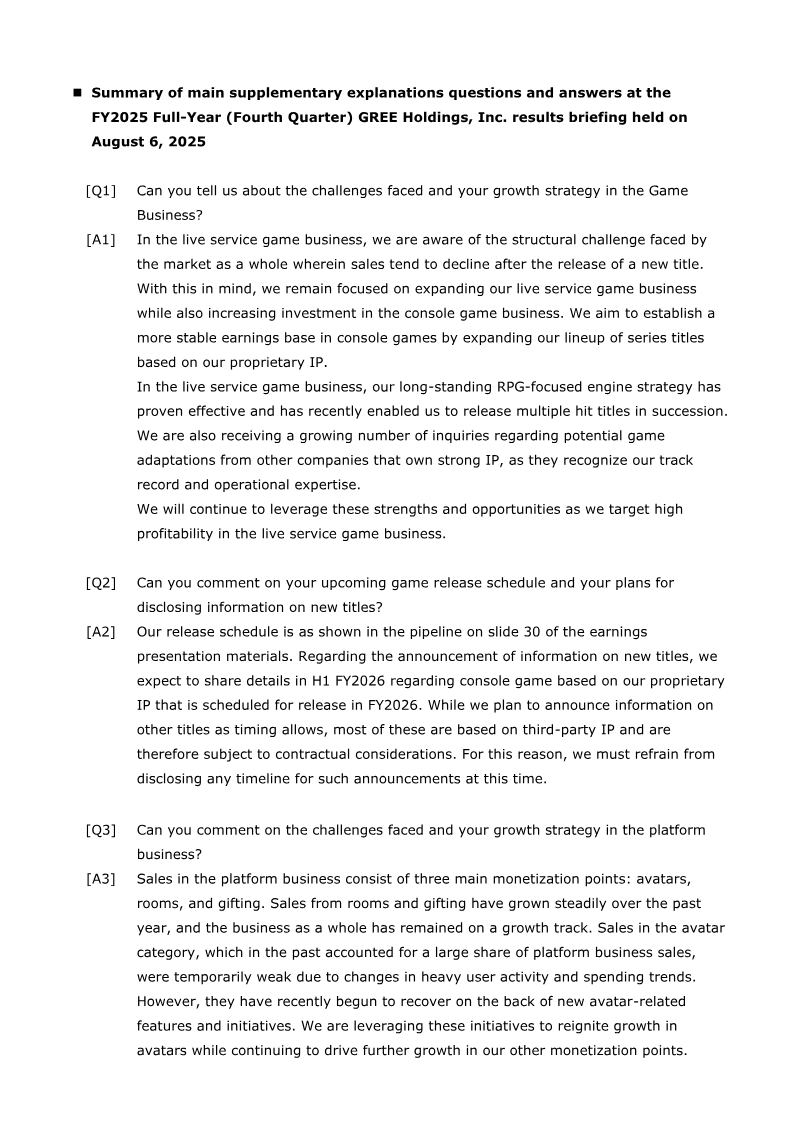
GREE · 2025
Liftoff · 2024
Rendered VC · 2023
GameRefinery · 2021
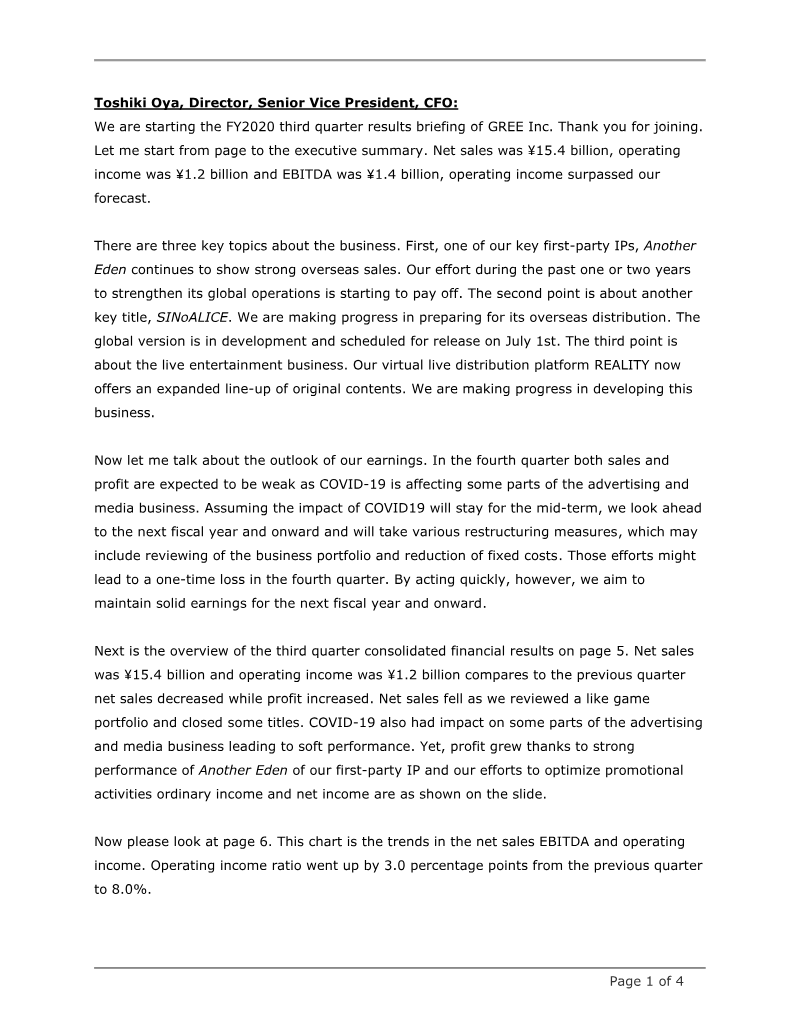
GREE Inc. · 2020
Ten Square Games
Stillfront
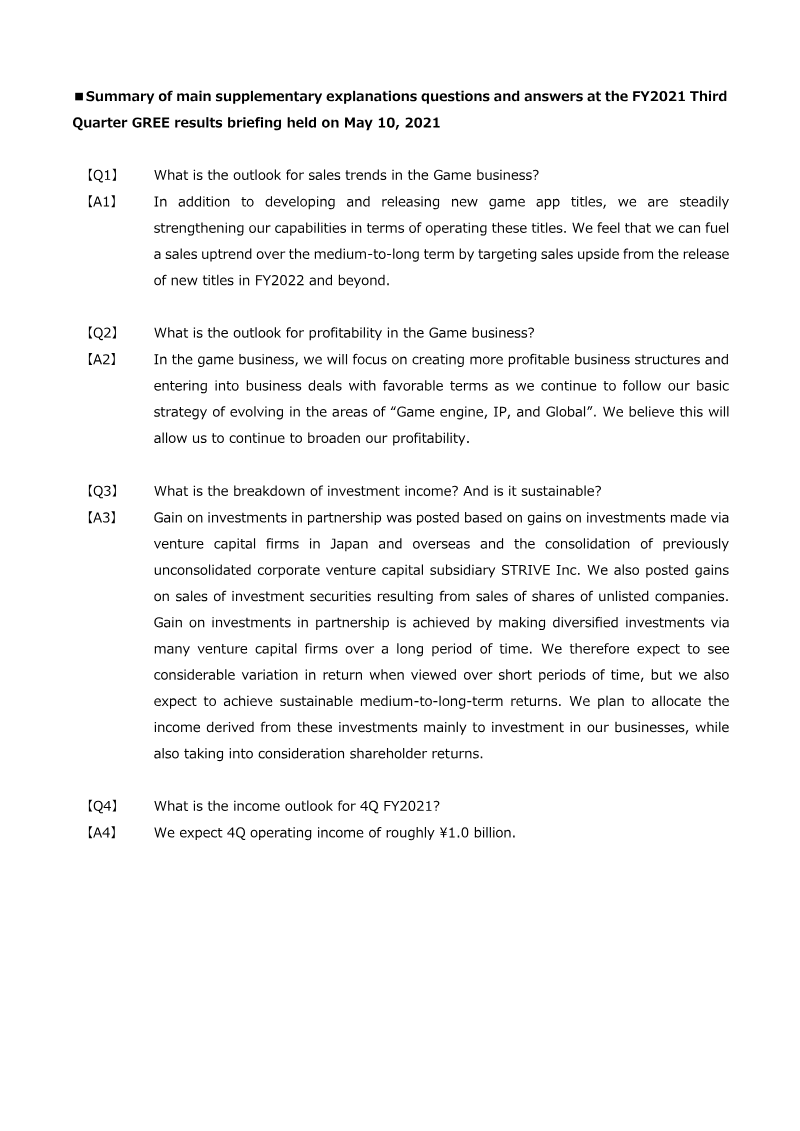
GREE
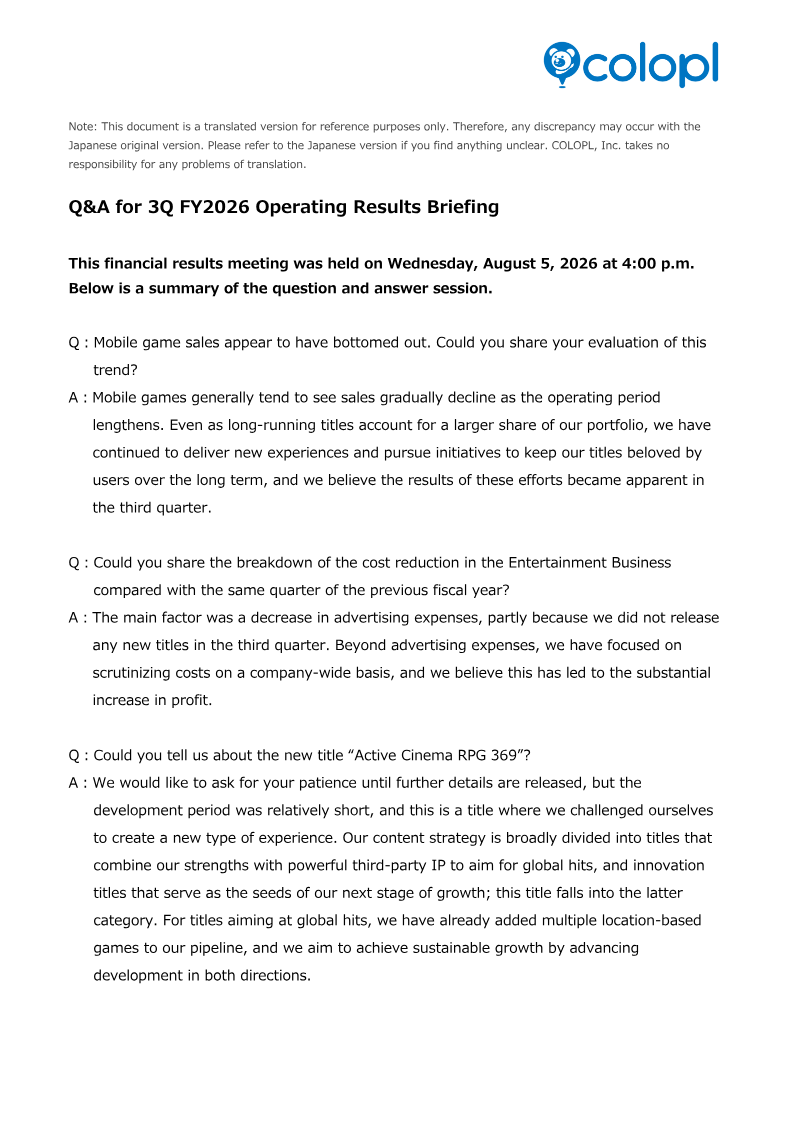
COLOPL
Ubisoft