Key insights
4 slides
Ancient practice
Gamification is a historical practice, not a modern digital innovation.
The 18th century, known as the 'Century of Play' or 'Spielsaeculum', established a foundational framework for using ludic elements to influence human behavior.
1 / 4
- 01Gamification is not a modern digital innovation but a historical practice rooted in the 18th century, an era known as the 'Century of Play' or 'Spielsaeculum'.See it on page 2
- 0218th-century society integrated rule-based mechanics and aleatoric systems into non-game sectors—including luxury furniture, religion, and science—to influence human behavior and social habits.See it on page 9
- 03The historical use of play as a tool for managing power and knowledge mirrors contemporary digital strategies that use ludic elements to increase engagement with repetitive or functional tasks.See it on page 19
- 04Innovations such as playful automata and the rebranding of magic as scientific spectacle demonstrate that the drive to gamify experience is motivated by consistent social and economic factors that transcend technology.See it on page 21
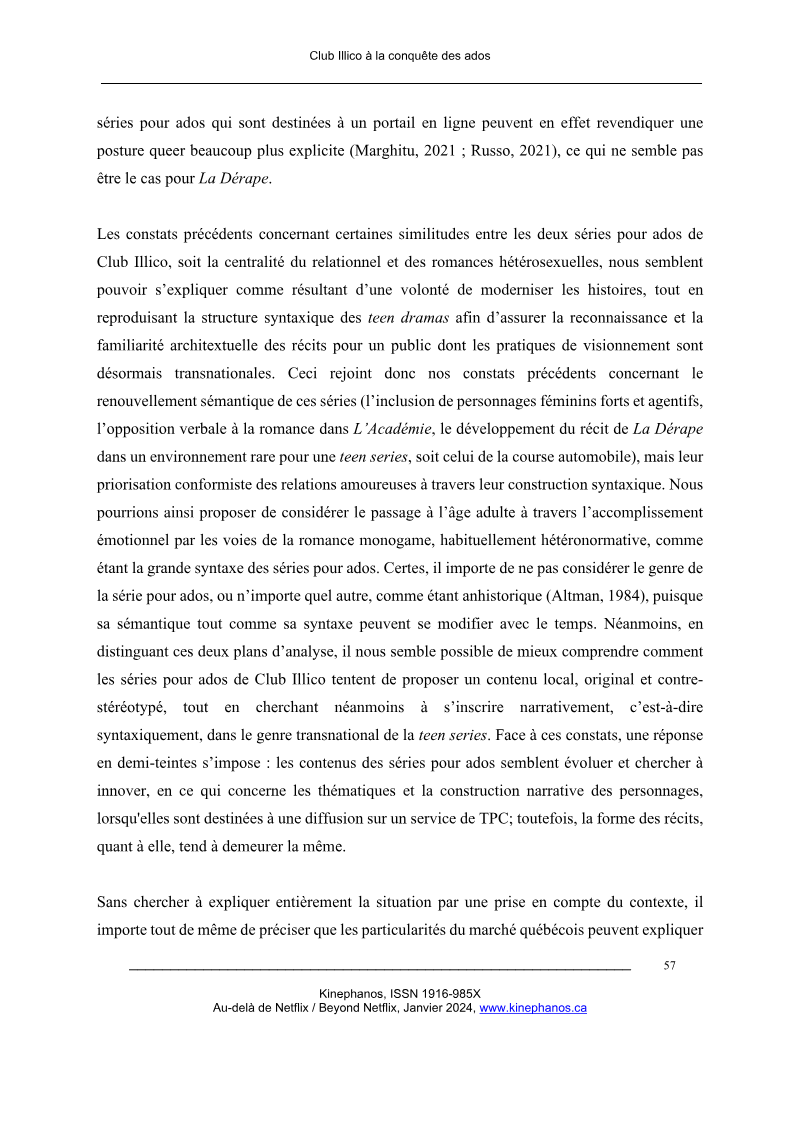
- 05Modern edutainment and contemporary gamification are continuations of pre-digital trends rather than strictly new technological applications.See it on page 4
- 06Viewing gamification as a broad societal permeation of ludic metaphors provides a necessary framework for analyzing how play shapes institutional engagement across diverse sectors.See it on page 23
Ask AI about this report
Summary
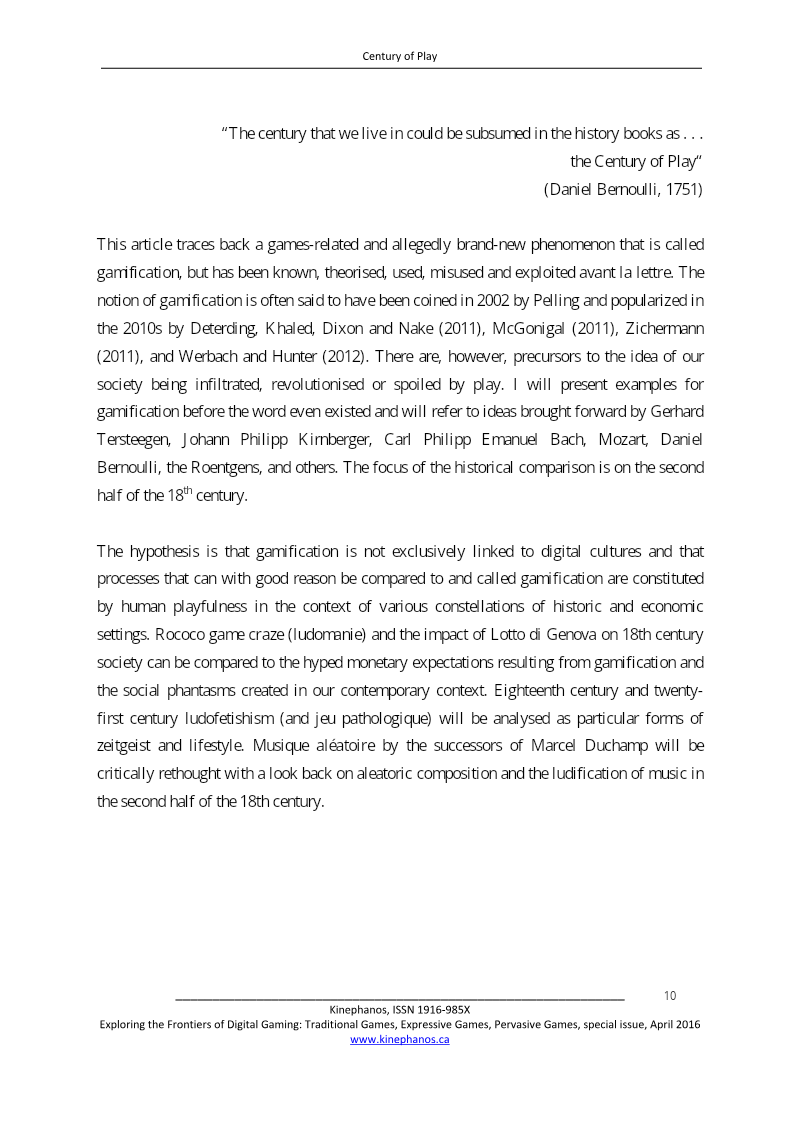
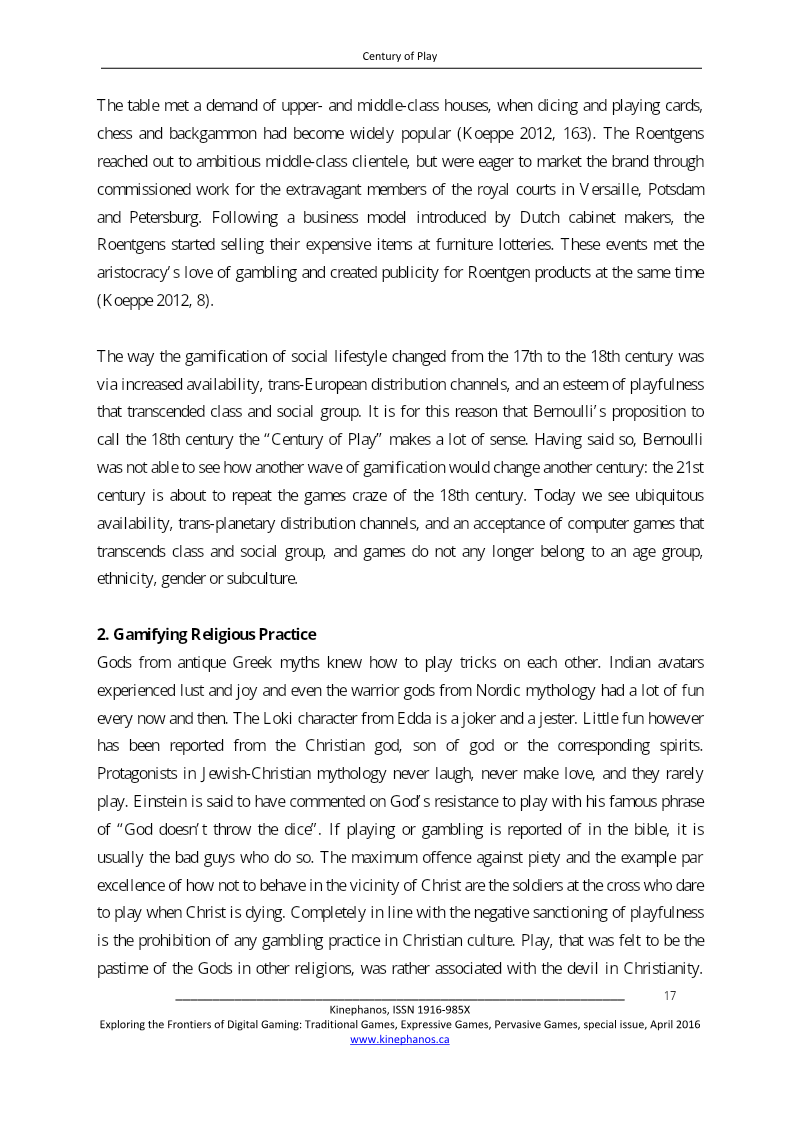
Gamification is not a modern digital innovation but rather a historical practice with deep roots in the eighteenth century, an era frequently characterized as the Century of Play or Spielsaeculum. This period established a foundational framework for utilizing ludic elements to influence human behavior, economic activity, and social habits. By integrating game-like mechanics into diverse sectors such as luxury furniture design, religious practice, musical composition, and scientific entertainment, eighteenth-century society successfully employed play as a tool for managing power and knowledge.
The widespread adoption of aleatoric systems and rule-based mechanics during this time mirrors contemporary digital strategies that prioritize engagement to mask repetitive or functional tasks. Innovations ranging from playful automata to the rebranding of magic as scientific spectacle demonstrate that the integration of ludic values into non-game contexts is a long-standing societal phenomenon. These historical patterns of ludification reveal that the drive to gamify experience is rooted in consistent social and economic motivations that transcend technological mediums.
Ultimately, the eighteenth century serves as a critical precedent for understanding modern edutainment and contemporary gamification trends. By defining gamification as a broad societal permeation of ludic metaphors and methods rather than a strictly digital application, it becomes clear that current practices are a continuation of pre-digital trends. This historical perspective provides a necessary lens for analyzing how play continues to function as a pervasive mechanism for shaping human interaction and institutional engagement across various sectors of society.