Global reports and market data
Documents

FTUE: CSR 2
CSR Racing 2, developed by NaturalMotion and published by Zynga, represents a significant evolution of the original drag racing franchise.
- Zynga prioritized long-term player retention for CSR Racing 2 by utilizing an extensive year-long soft launch period to refine the game's mechanics.
- The FTUE incorporates controlled losses to force engagement with the vehicle upgrade system, ensuring players understand the core progression loop early.
- CSR Racing 2 employs a dual-currency model and energy-based fuel gating to regulate play sessions and drive monetization through time-saving mechanics.
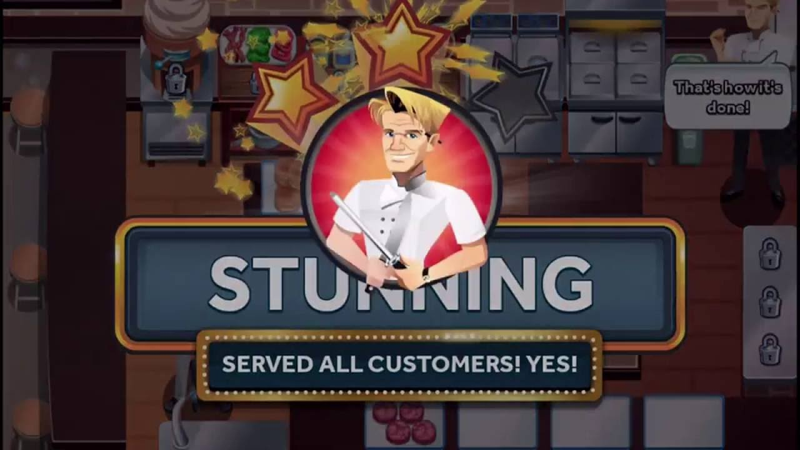
FTUE: Gordon Ramsay Dash
Gordon Ramsay Dash serves as a modern, free-to-play iteration of the classic Cooking Dash time-management franchise.
- Gordon Ramsay Dash is a free-to-play mobile title developed by Glu and PlayFirst that modernizes the classic Cooking Dash time-management franchise.
- The core gameplay loop focuses on rapid-fire order fulfillment, requiring players to manage kitchen stations and ingredients under strict time constraints to maximize earnings.
- The game utilizes a star-based reward system to measure performance, tracking service speed and customer satisfaction through visual timers.
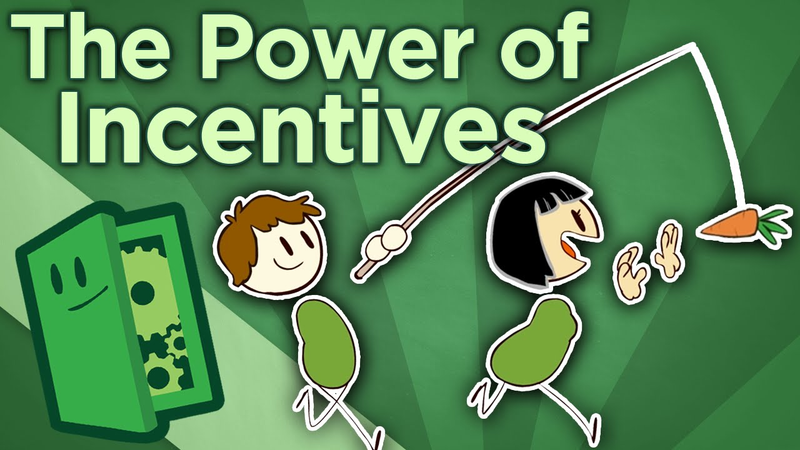
The Power of Incentives - How Games Help Us Examine Our World - Extra Credits
Games serve as a powerful medium for examining the complex, interlocking incentive systems that govern modern society.
- Games function as experiential tools that allow players to navigate complex incentive systems, revealing how well-intentioned policies often trigger perverse, unintended outcomes.
- Interactive simulations like 'Prison Architect' and 'Fate of the World' force players to balance competing pressures, such as profit motives versus ethical welfare or technological implementation versus infrastructure requirements.
- Historical examples, such as colonial-era bounties for cobras or rats, demonstrate how poorly designed incentives can inadvertently encourage the very behaviors they aim to eradicate.
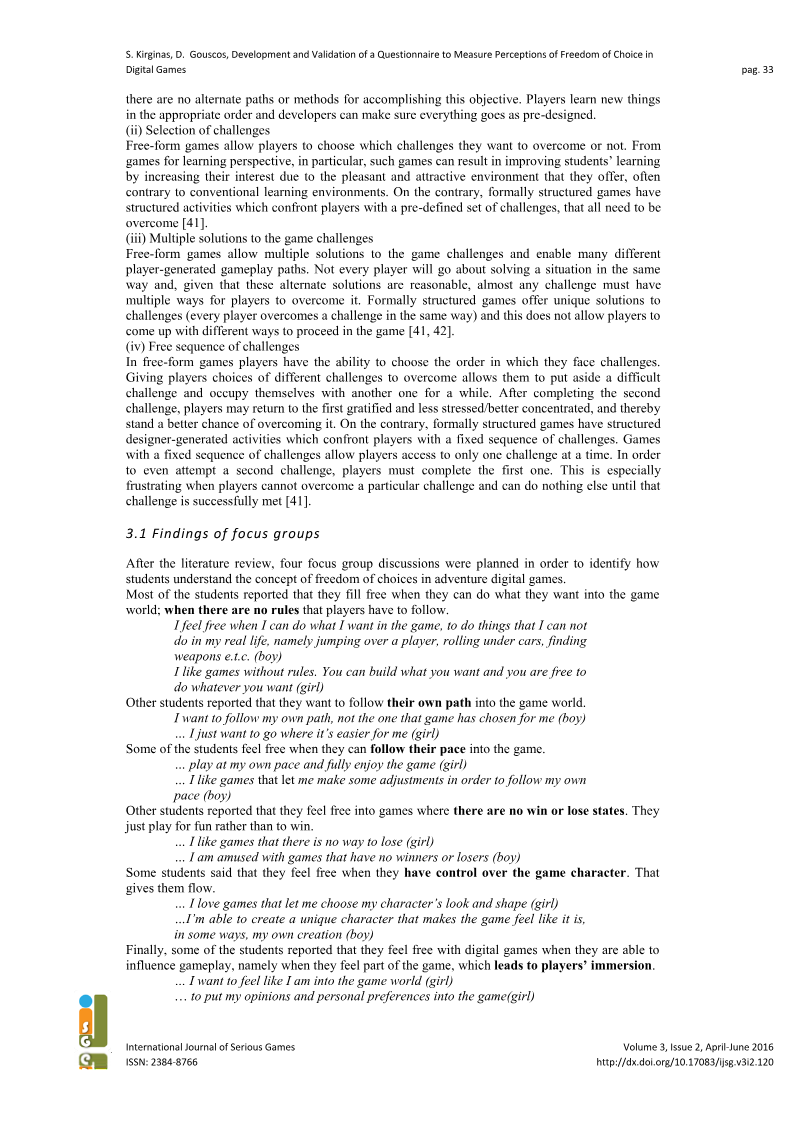
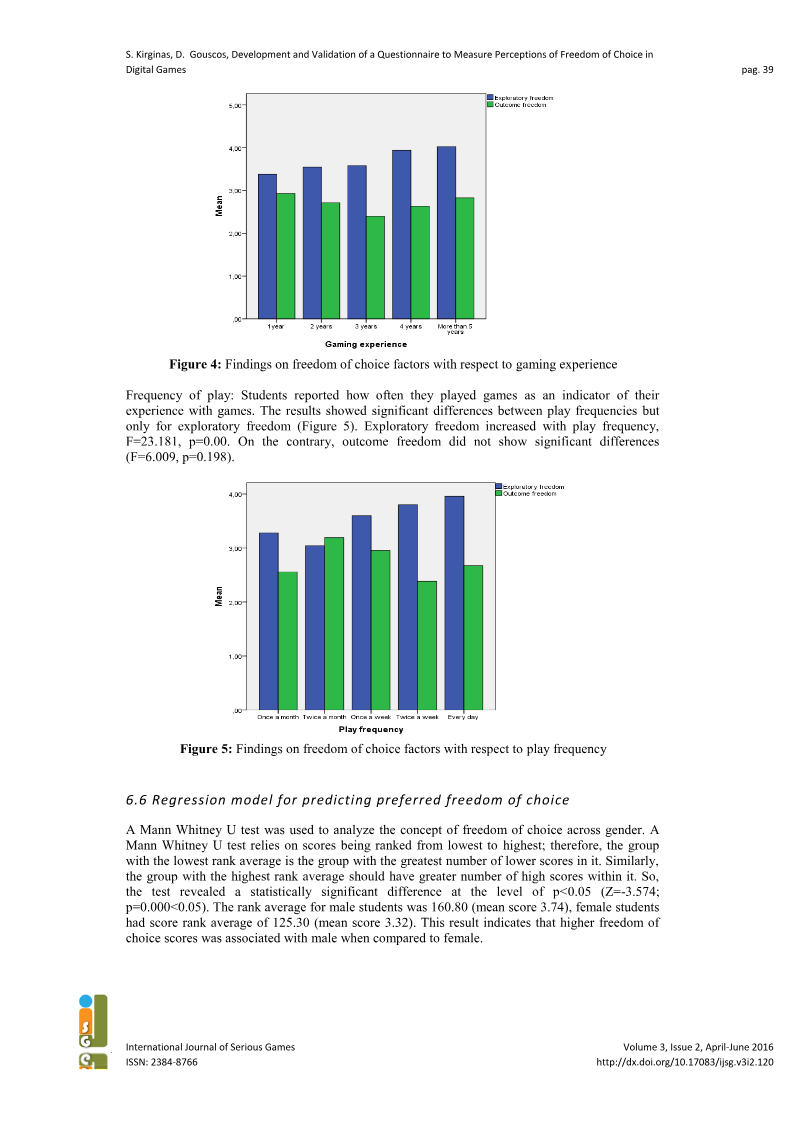
Development and Validation of a Questionnaire to Measure Perceptions of Freedom of Choice in Digital Games
The perception of autonomy in digital environments is defined by two core dimensions: exploratory freedom, which relates to the ability to navigate and interact with game worlds, and outcome freedom, which pertains to the influence players exert over narrative or mechanical results.
- Player autonomy is defined by two distinct dimensions: exploratory freedom (navigation and interaction) and outcome freedom (influence over narrative or mechanical results).
- A validated nine-item questionnaire provides a reliable method for measuring player perceptions of autonomy, demonstrating high internal consistency and construct validity.
- Data from 290 primary school students indicates that players prioritize immersion, agency, and character control over the presence of win/loss states.
Development of an HIV Prevention Videogame Intervention: Lessons Learned
The development of PlayForward: Elm City Stories establishes a rigorous framework for creating serious games aimed at adolescent HIV prevention.
- Successful health-focused digital interventions require an iterative, theory-driven development process that prioritizes depth of engagement over the breadth of educational content.
- The use of 'Game Playbooks' is essential for maintaining focus on specific behavioral targets and preventing superficial content delivery during the development cycle.
- Integrating behavioral science with interactive entertainment creates a scalable model for health behavior change that bridges the gap between clinical theory and game design.
Business Management Simulations: A Detailed Industry Analysis and Recommendations
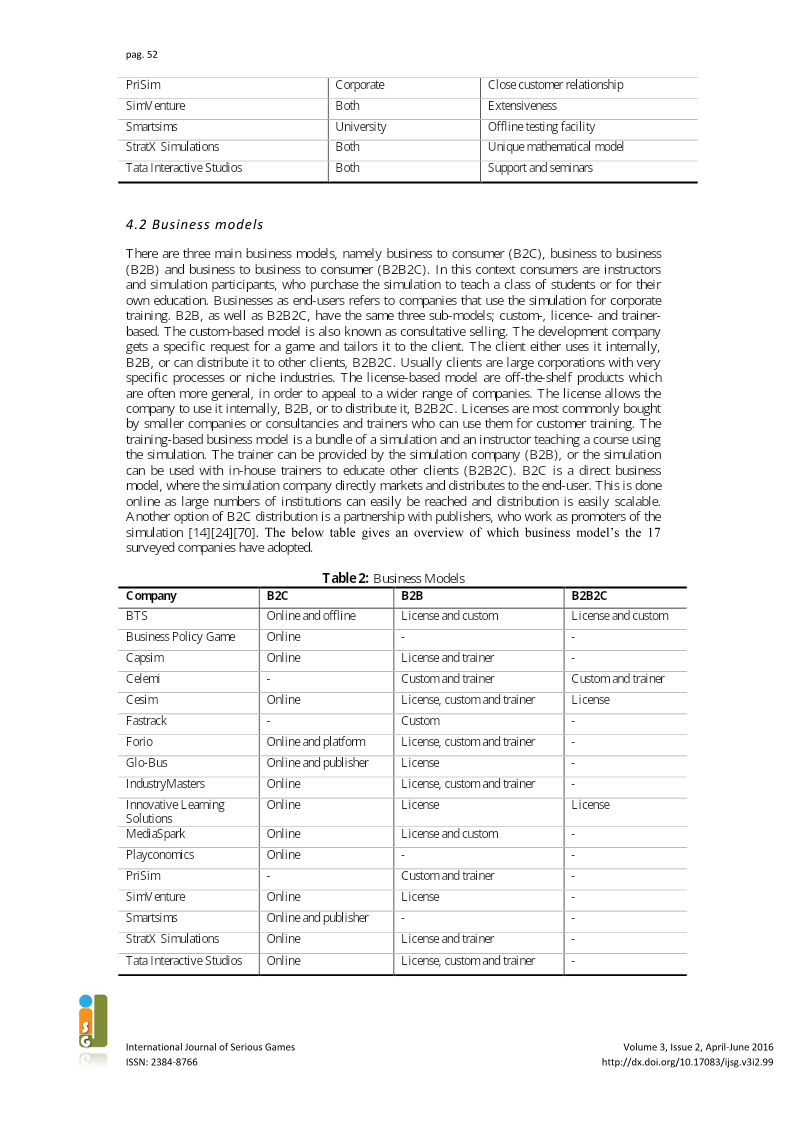
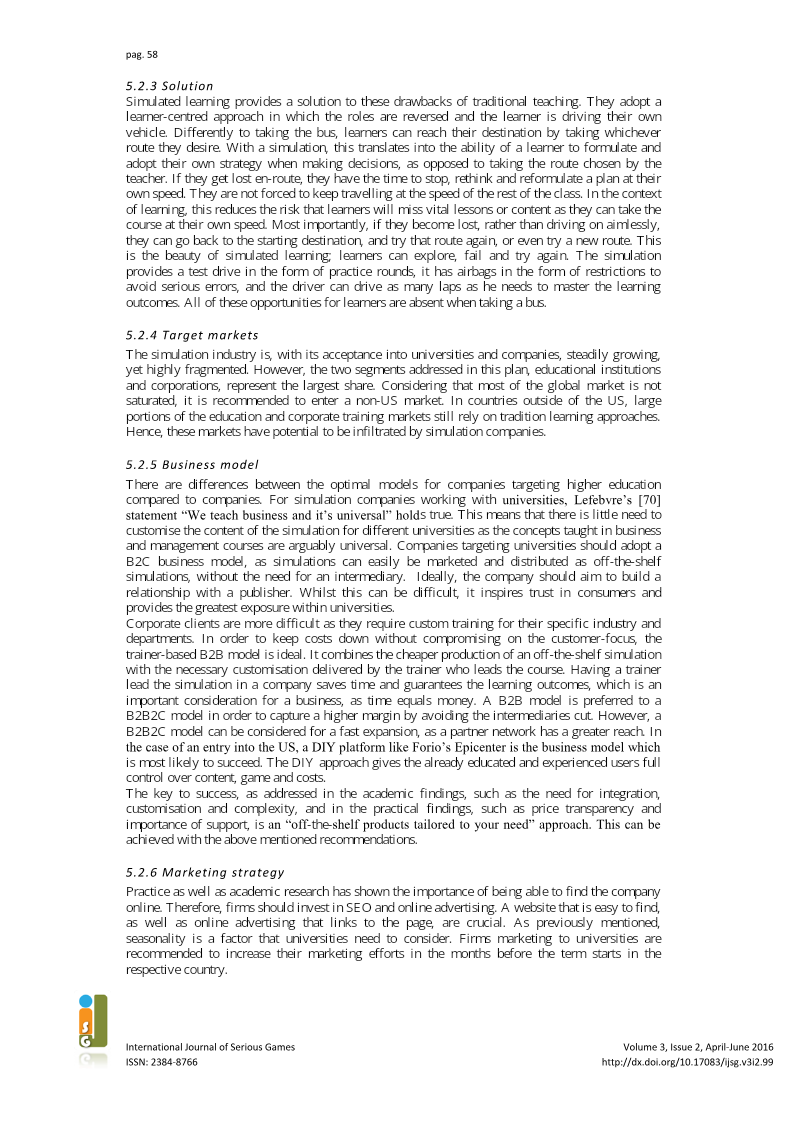
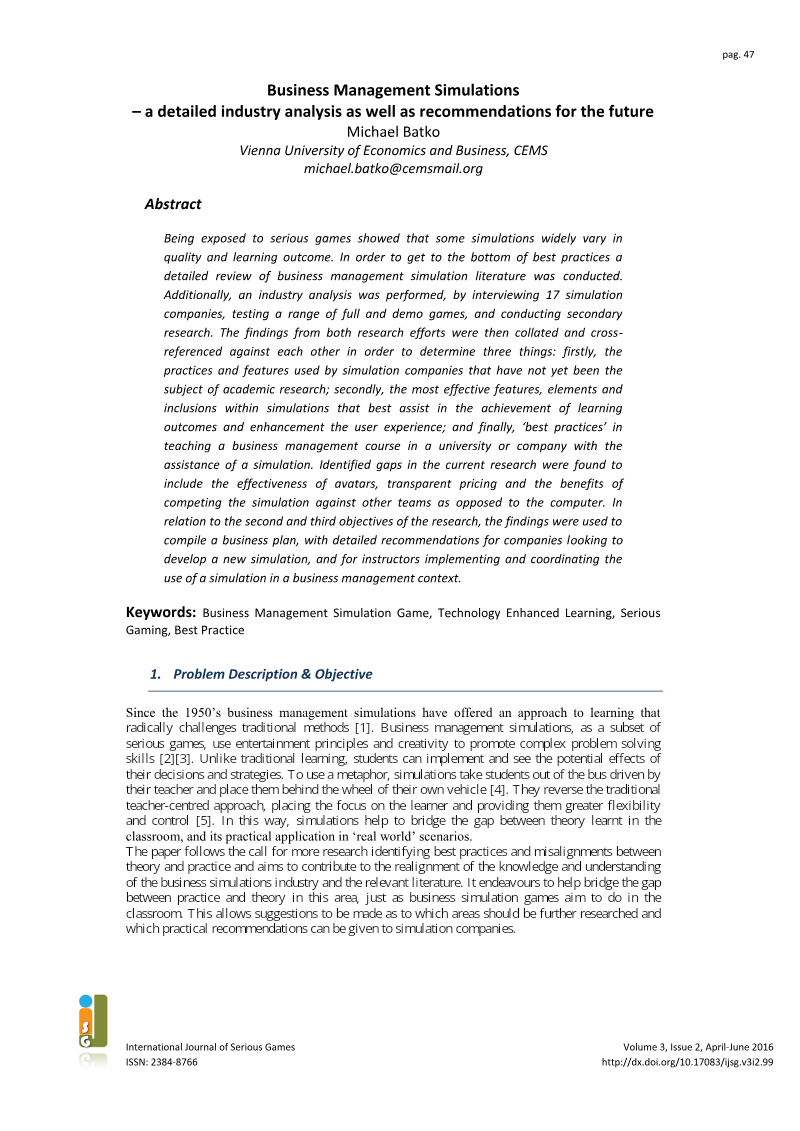
Business management simulations serve as a critical bridge between theoretical instruction and practical application, functioning as a formative yet fragmented industry.
- The post-simulation debriefing process is the most critical factor for achieving educational outcomes, outweighing the simulation's internal game mechanics.
- Successful simulations must integrate robust instructor support, assessment mechanisms, and collaborative features like team-based play and immersive storylines.
- The market is currently dominated by North American providers, with significant untapped growth opportunities in Europe, Asia, and Australia.
The Warhammer 40k License - A Total Change of Strategy - Extra Credits
Games Workshop has undergone a fundamental shift in its video game licensing strategy, moving from an exclusive, high-quality partnership model to a broad, decentralized approach.
- Games Workshop shifted from a model of exclusive, high-budget partnerships—historically held by companies like SSI Mindscape and THQ—to a decentralized 'shotgun' licensing strategy.
- The current strategy involves licensing specific segments of intellectual property to numerous developers simultaneously to flood the market with a high volume of diverse titles.
- This approach functions as a marketing vehicle for the core tabletop business, effectively offloading advertising costs to third-party developers.

How Glu has evolved UX in its celebrity games
Glu Mobile’s evolution of its celebrity-branded mobile game portfolio demonstrates a strategic refinement of user experience (UX) and interface design, moving from generic, low-fidelity mechanics to highly polished, brand-integrated environments.
- Glu Mobile’s transition from the 2011 Stardom titles to Kim Kardashian: Hollywood—which generated over $250 million in revenue—demonstrates that shifting to an aspirational aesthetic and intuitive UI is critical for commercial success.
- Early titles failed to resonate with the target demographic due to low-fidelity graphics, clunky navigation, and the use of obscure RPG-style terminology like experience points.
- The studio’s evolution shows that prioritizing visual clarity and thematic immersion over complex mechanics significantly improves user engagement.
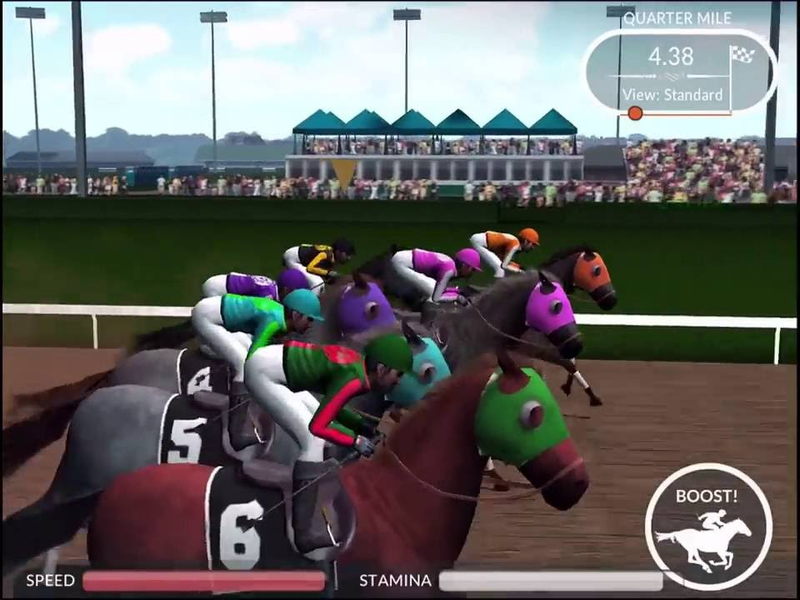
Monetizer: Photo Finish Horse Racing
Photo Finish Horse Racing serves as a case study for the efficacy of post-launch publishing partnerships in the mobile gaming industry.
- A publishing partnership with Tilting Point enabled Photo Finish Horse Racing to achieve a 32-fold increase in total revenue and a 1,000 percent growth in downloads.
- Strategic alignment of user acquisition campaigns with the real-world US horse racing season was a primary driver for the game's commercial revitalization.
- Post-launch implementation of advanced analytics and refined monetization systems resulted in a nearly 2,000 percent increase in daily player retention.

FTUE: Sky Force Reloaded
The mobile shoot-em-up genre has historically functioned as a staple of arcade-style gaming, but recent market trends show a shift toward integrating these classic mechanics into free-to-play (F2P) frameworks.
- Sky Force Reloaded successfully integrates traditional skill-based arcade gameplay with modern free-to-play meta-progression systems.
- The game utilizes a cyclical resource-collection loop, requiring players to gather stars to upgrade ship components like health and main cannons.
- Progression is managed through a gating strategy that mandates repeated mission play, which serves to balance the game's difficulty curve.
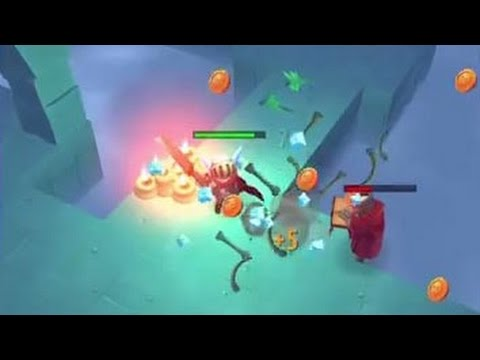
FTUE: Nonstop Knight
Nonstop Knight, an idle RPG developed by Kopla Games and published by Flaregames, represents a Western adaptation of the autoplay mechanics popularized in Asian mobile markets.
- Nonstop Knight, developed by Kopla Games and published by Flaregames, adapts Asian autoplay mechanics for a Western audience by shifting focus from active combat to meta-game progression.
- The core design minimizes active gameplay, allowing the protagonist to fight autonomously while the player manages character upgrades and resource allocation.
- The game features an idle progression system that continues to accumulate rewards while the application is closed, providing a summary of gains upon the player's return.
The Copyright Dilemma - On Trademarks, Copyrights, and Patents - Extra Credits
The gaming industry operates under a complex and often contradictory legal framework regarding intellectual property, specifically concerning the distinction between trademarks and the protection of game design.
- Game mechanics and rules generally remain ineligible for copyright or patent protection, preventing the monopolization of genres but leaving original designs vulnerable to cloning.
- Trademark law requires companies to actively defend their brands against any potential dilution, which forces aggressive litigation over common words in titles regardless of actual market competition.
- The inability to protect core game systems creates a double-edged sword that fosters industry-wide iteration while simultaneously enabling larger entities to exploit the work of independent developers through reskinned clones.