More on Serious Games
View all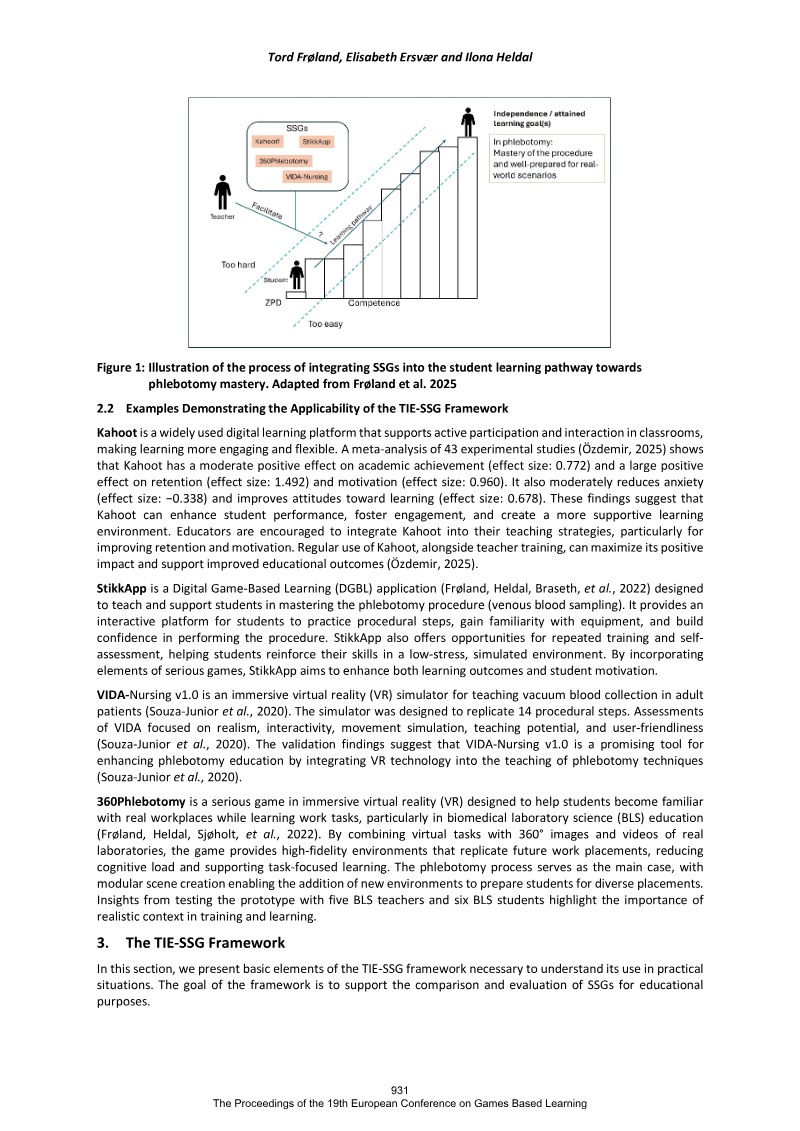
Whitepaper
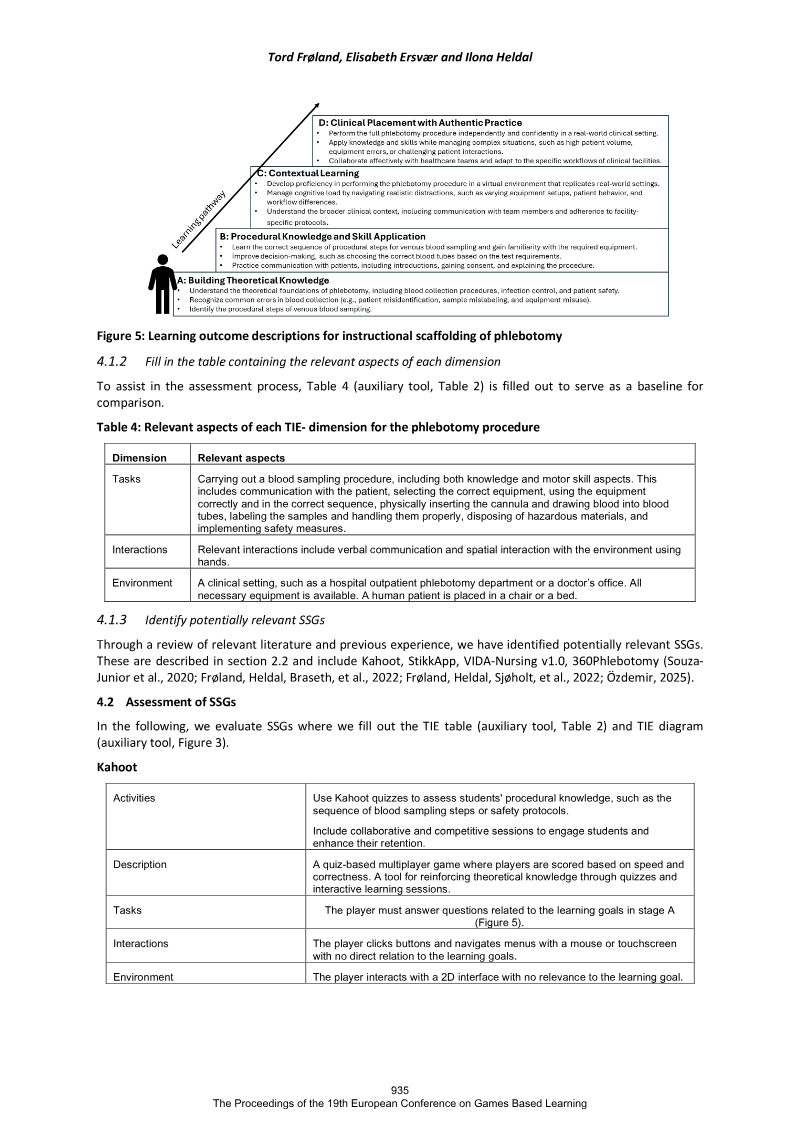
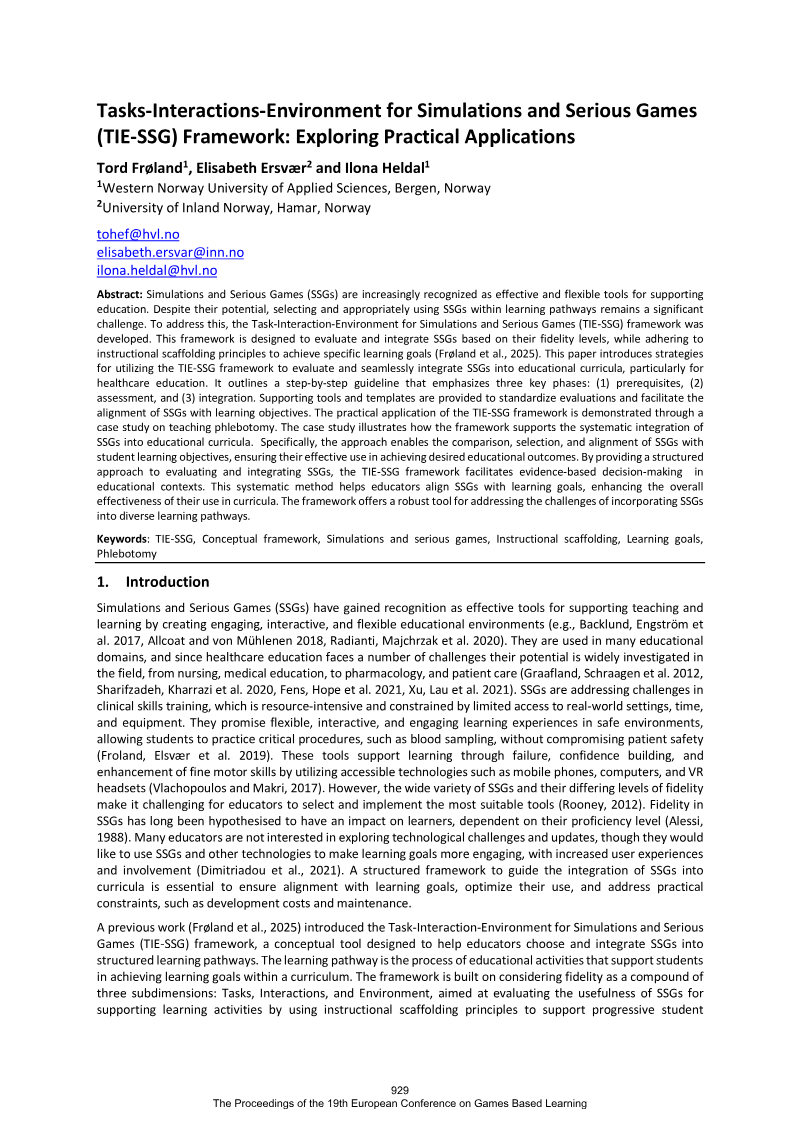
Tasks-Interactions-Environment for Simulations and Serious Games (TIE-SSG) Framework: Exploring Practical Applications
Western Norway University of Applied Sciences · 2025
Deconstructor of Fun
InZOI vs. The Sims – Can Krafton’s Life Sim Take on EA’s Giant?
Deconstructor of Fun · 2025
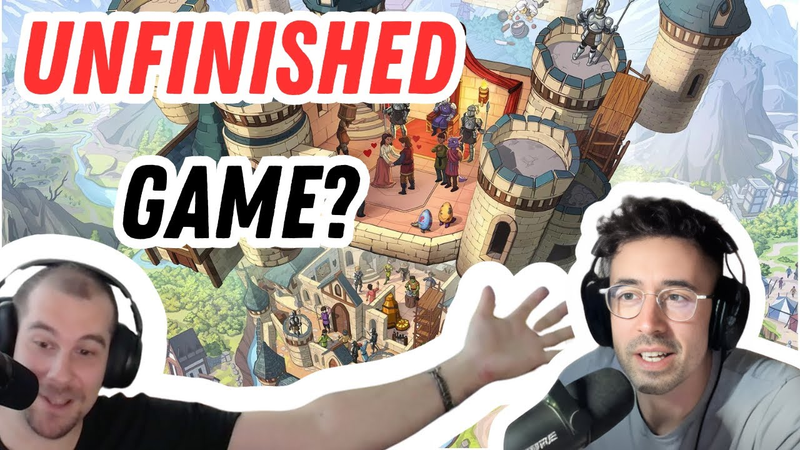
Two & a Half Gamers
Elder Scrolls Castles: Flop with the most successful iteration of this core gameplay
Two & a Half Gamers · 2024
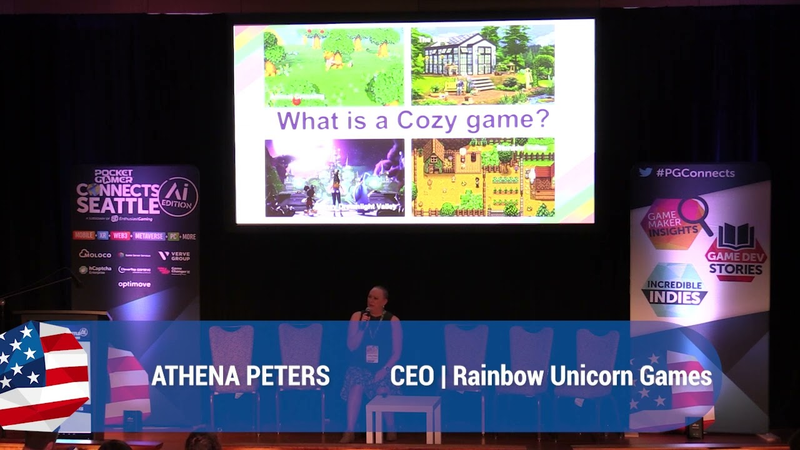
PocketGamer.biz
Session: The Rise Of The Non Combat Or 'Cozy' Game Genre - Athena Peters, Rainbow Unicorn Games
PocketGamer.biz · 2023
Whitepaper
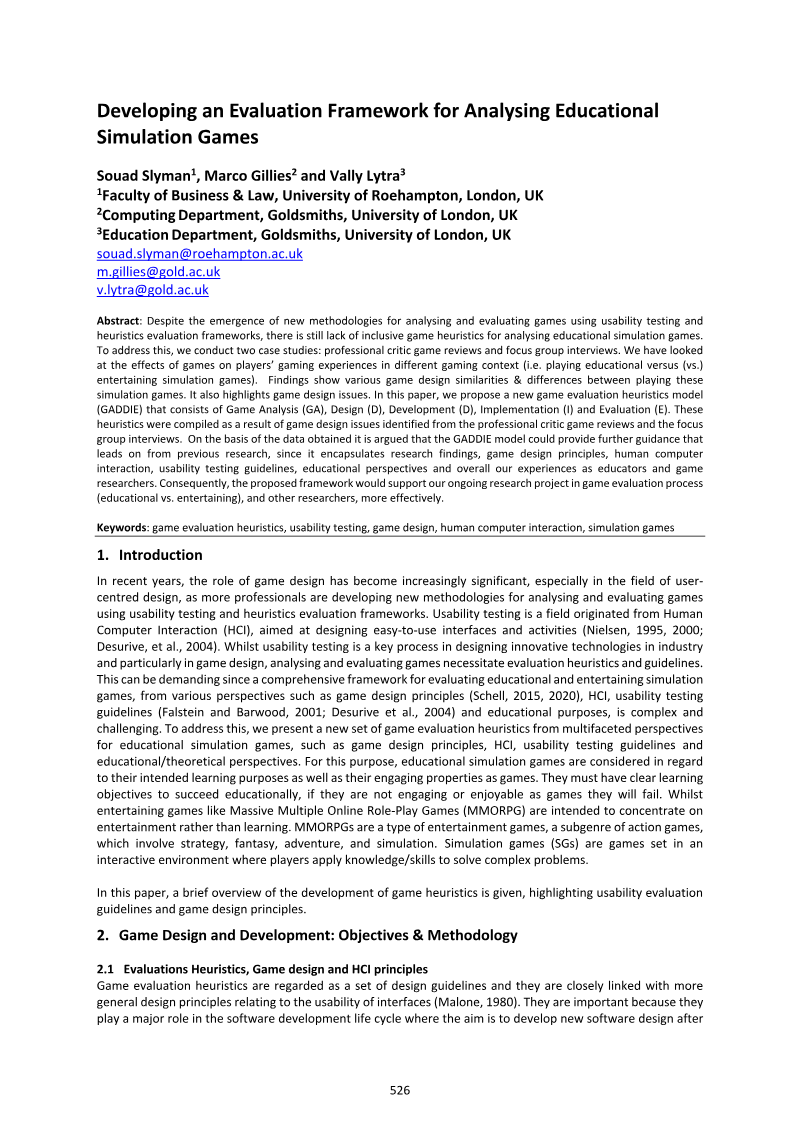
Developing an Evaluation Framework for Analysing Educational Simulation Games
European Conference on Games Based Learning (ECGBL) · 2022
Whitepaper
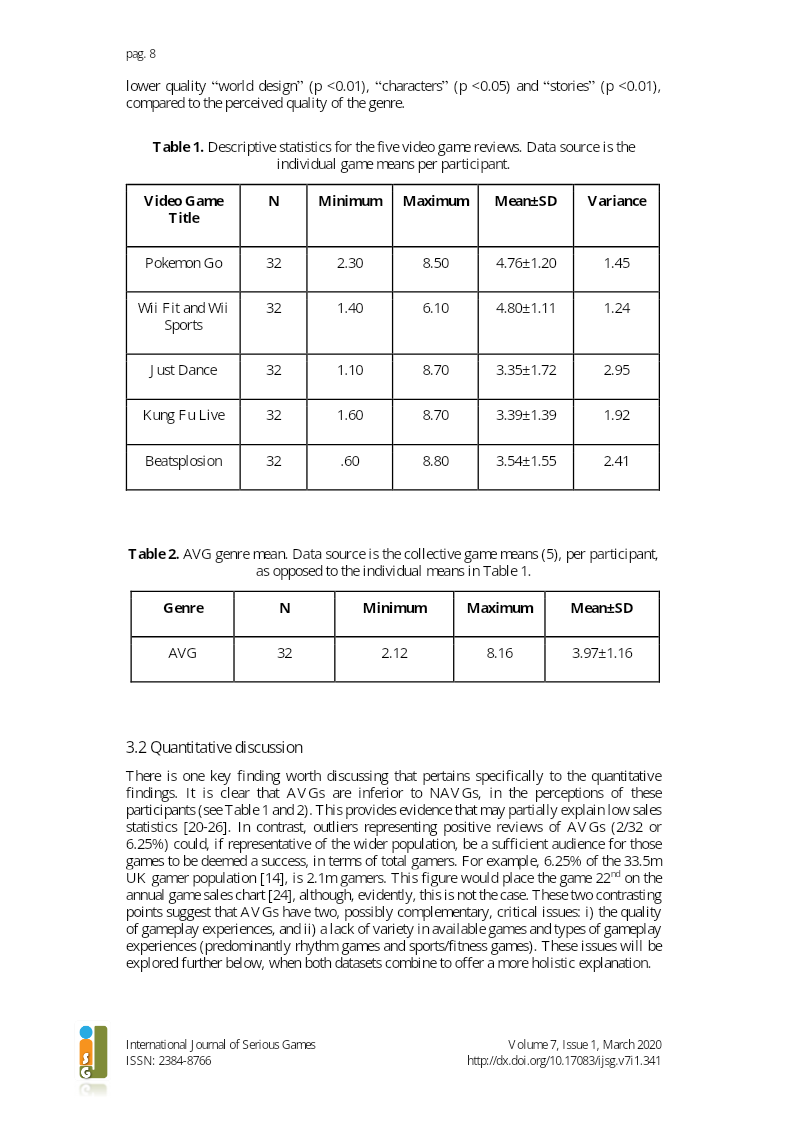
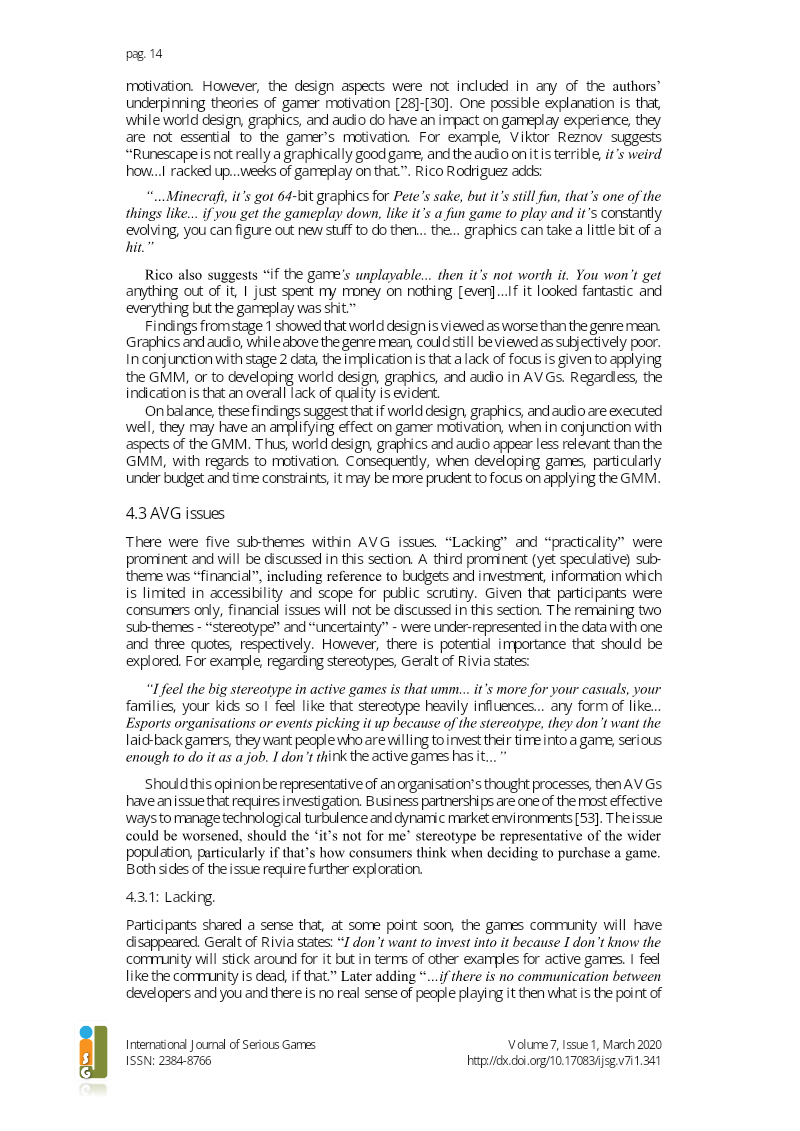
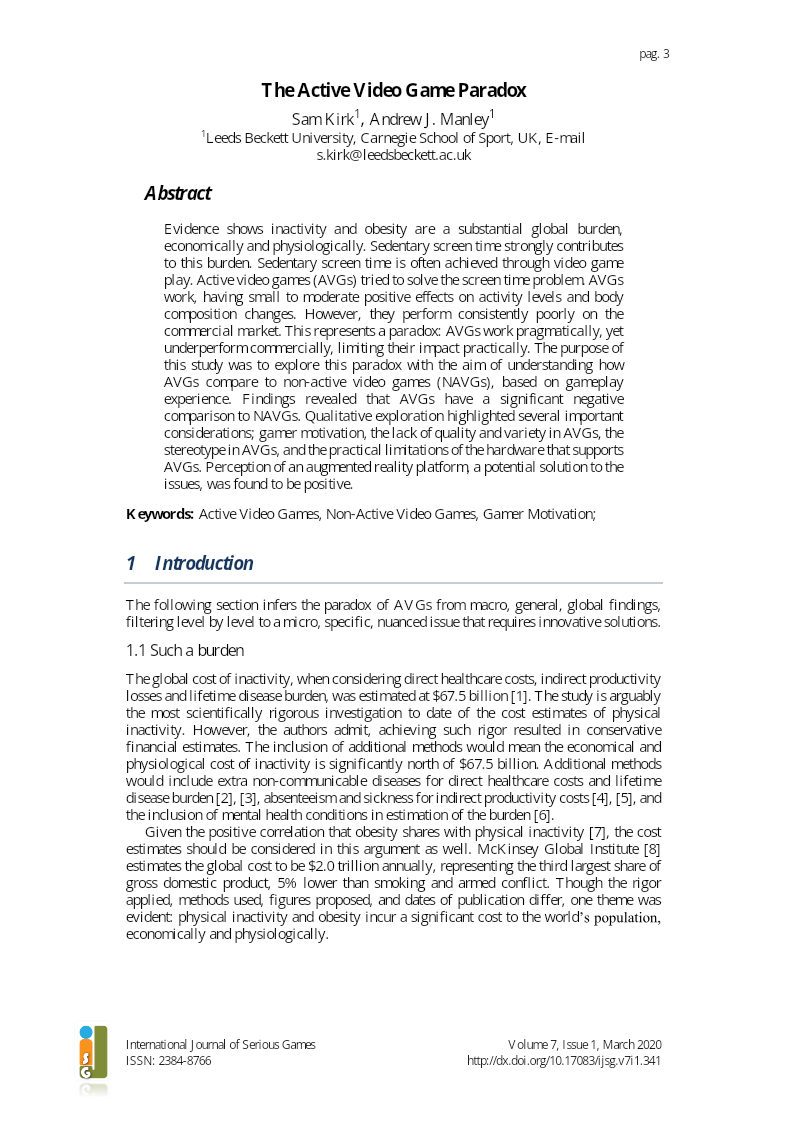
The Active Video Game Paradox
International Journal of Serious Games · 2020
Whitepaper
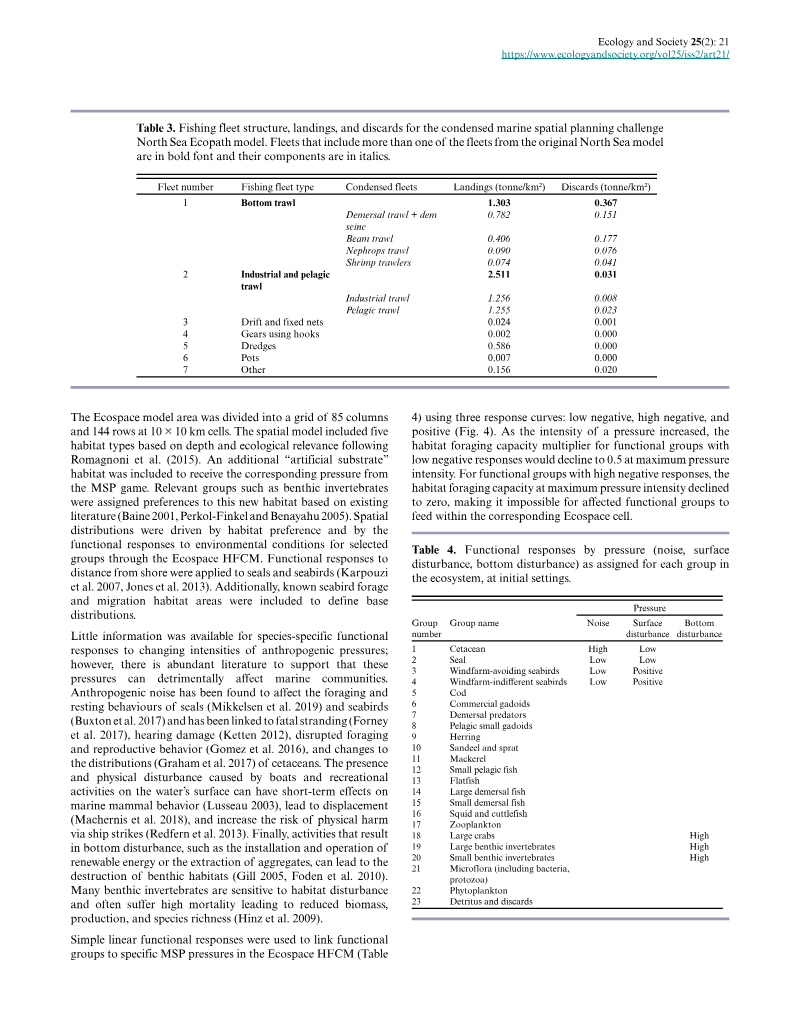
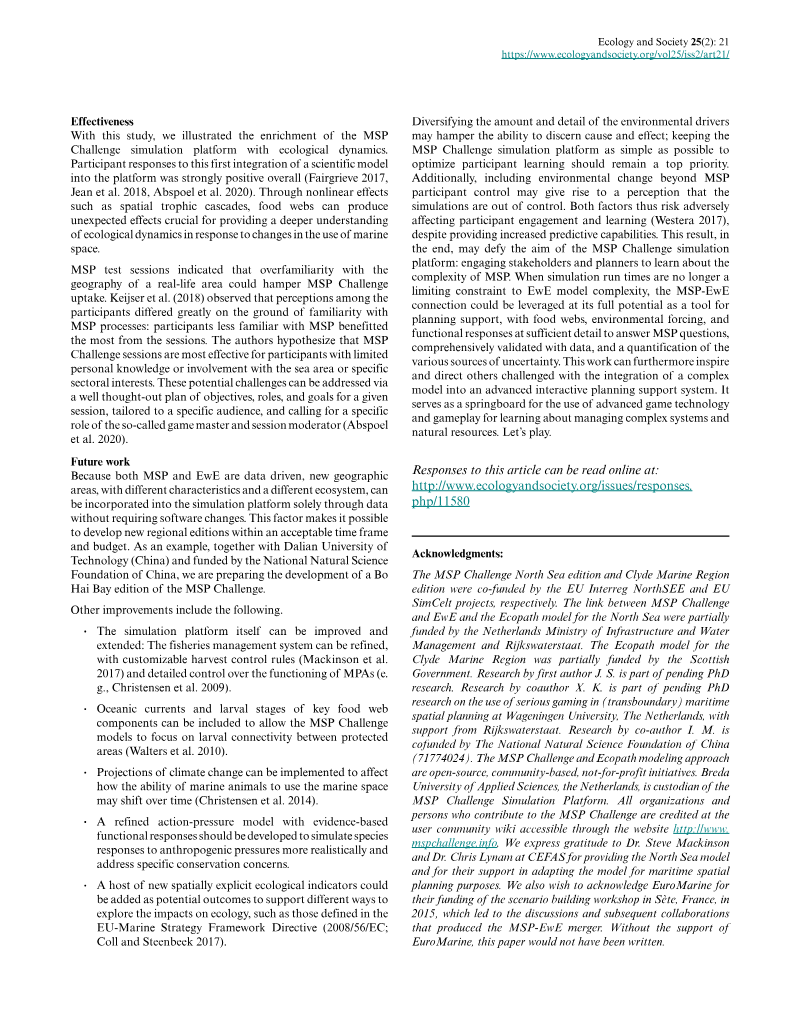
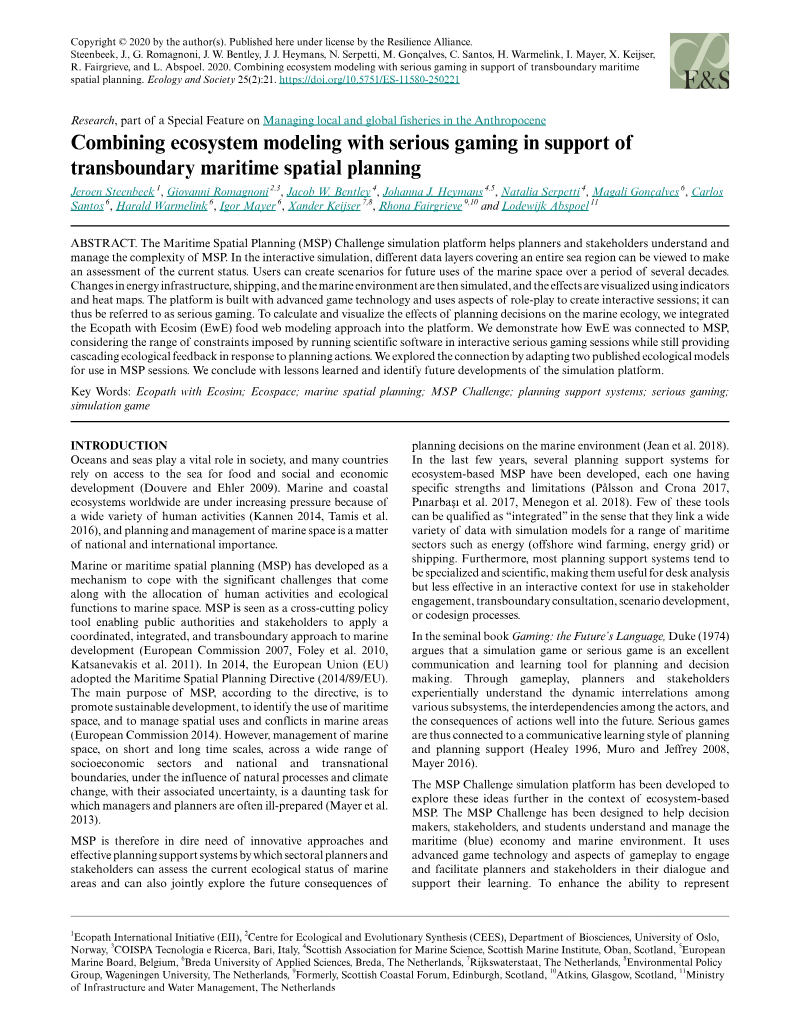
Combining Ecosystem Modeling with Serious Gaming in Support of Transboundary Maritime Spatial Planning
Breda University of Applied Sciences · 2020
Whitepaper
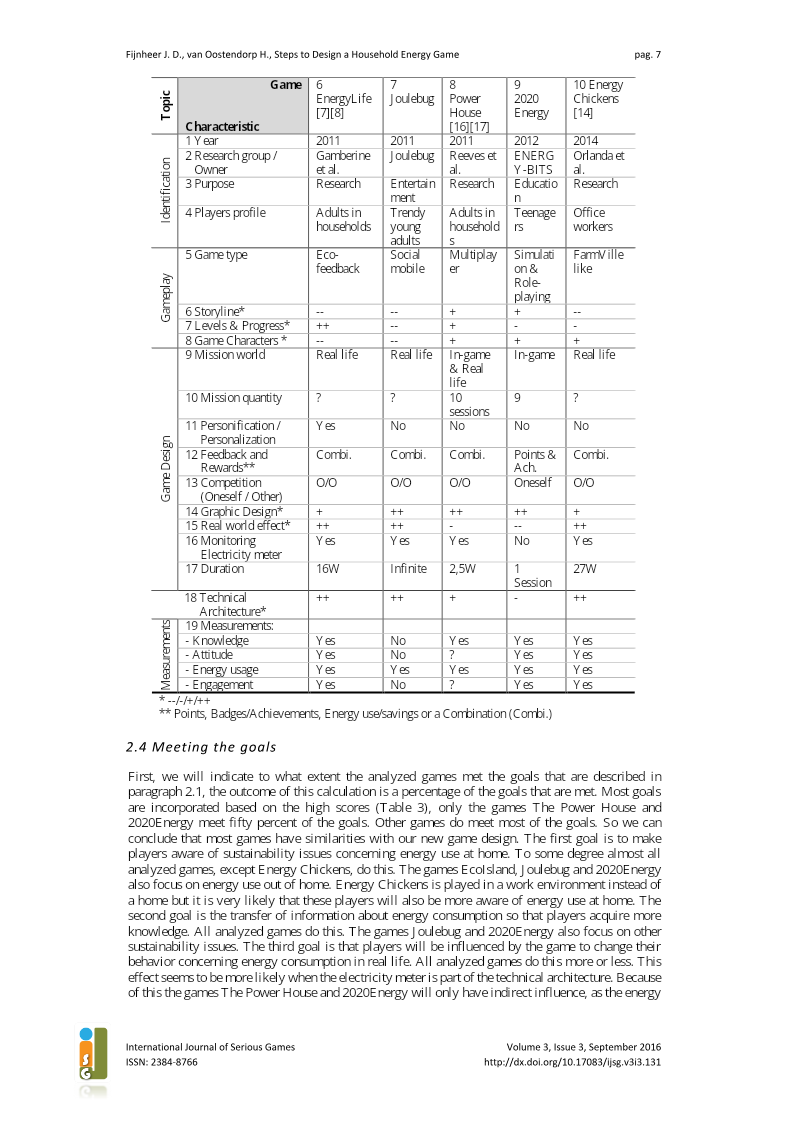
Steps to Design a Household Energy Game
International Journal of Serious Games · 2016

Extra Credits
The REAL Cost of Vibe-coded Game Mashups | Games For Breakfast
Extra Credits · 2026

Extra Credits
Design Club: Exploring The Tidy Up Genre!
Extra Credits · 2026

Two & a Half Gamers
🐌 Voodoo's mid-core ERA: Draft Showdown is Battle Legion with the friction removed
Two & a Half Gamers · 2026



Whitepaper
Mission Profiles and Interaction Patterns in Gravitas: Evidence from a Simulation-Based Physics Learning Game
European Conference on Games Based Learning (ECGBL) · 2026