Global reports and market data
Documents
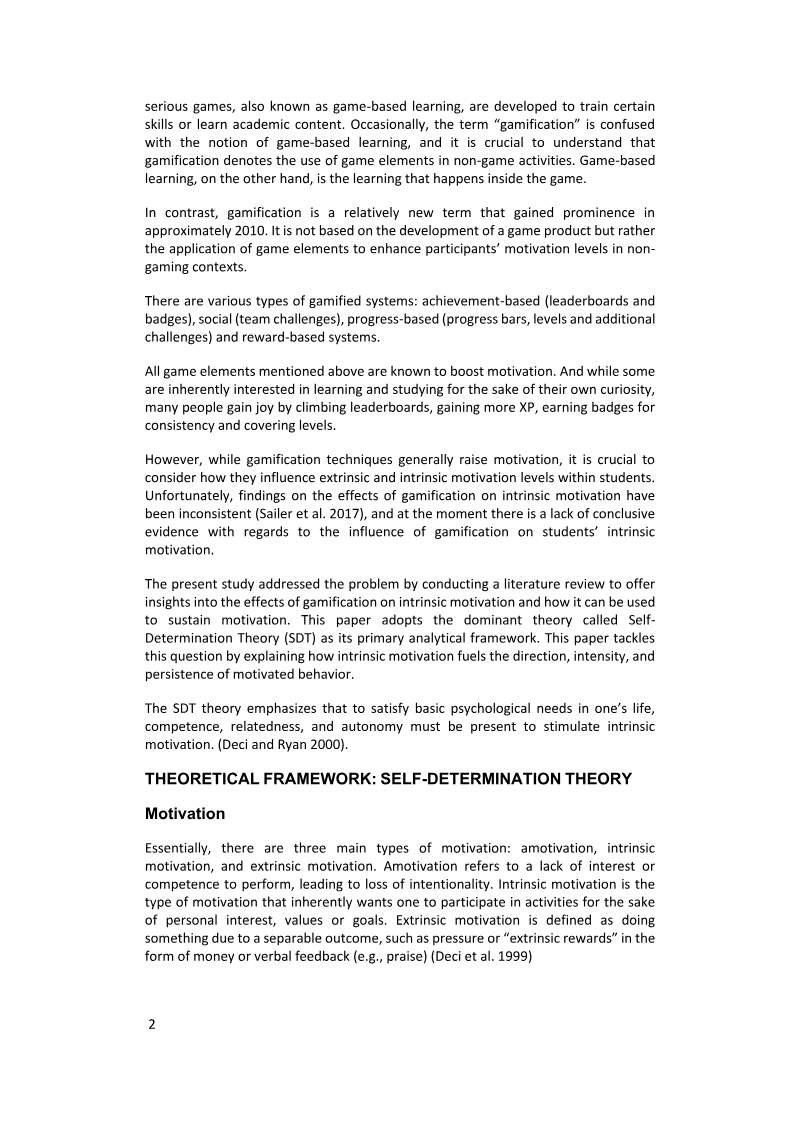
How Gamification Rewards Shape Motivation: A Self-Determination Theory Perspective
This research investigates how gamification rewards influence user motivation, particularly intrinsic motivation, through the lens of Self-Determination Theory (SDT).
- Gamification is not inherently motivational; its effects depend on whether design elements support or undermine the three basic psychological needs of competence, autonomy, and relatedness, per Self-Determination Theory.
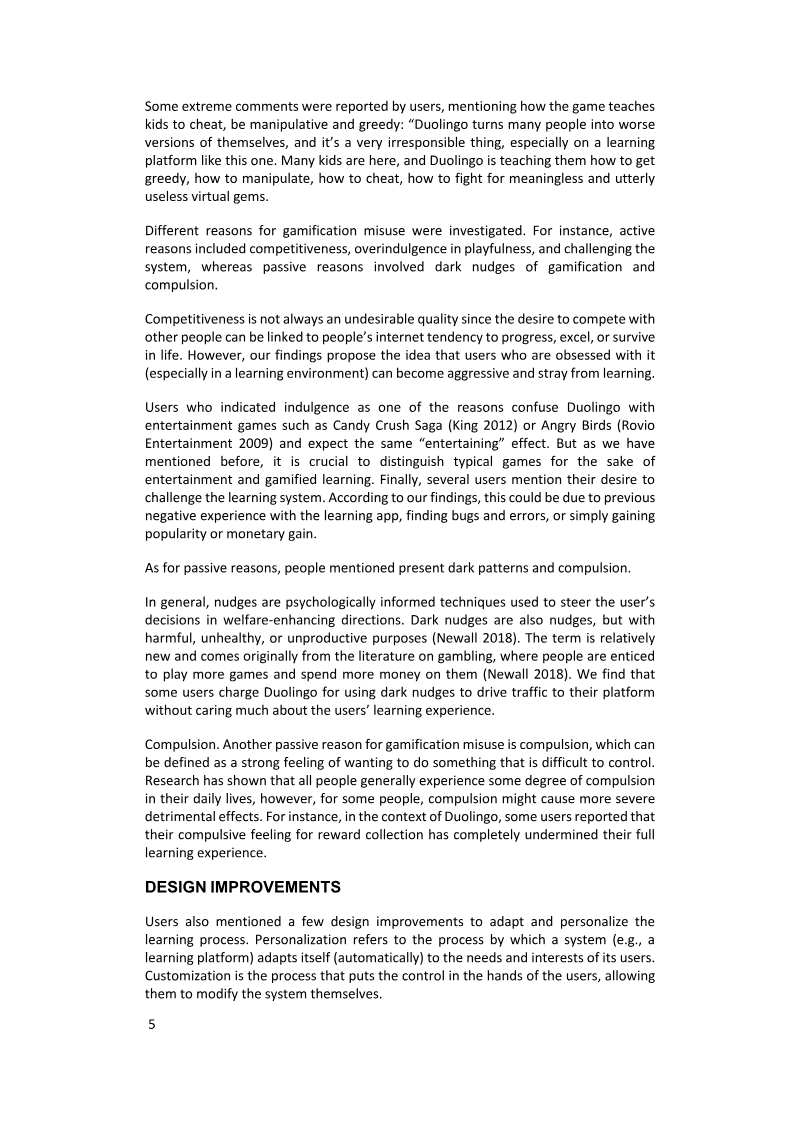
- A qualitative study of Duolingo users (Mogavi et al., 2022) analyzing more than 30,000 forum posts alongside interviews found 'gamification misuse': users prioritized streak maintenance and leaderboard standing over learning, reporting loss of confidence, withdrawal, and compulsive engagement.
- Misuse is attributed to active and passive causes, with passive causes including dark nudges and compulsion built into the design.
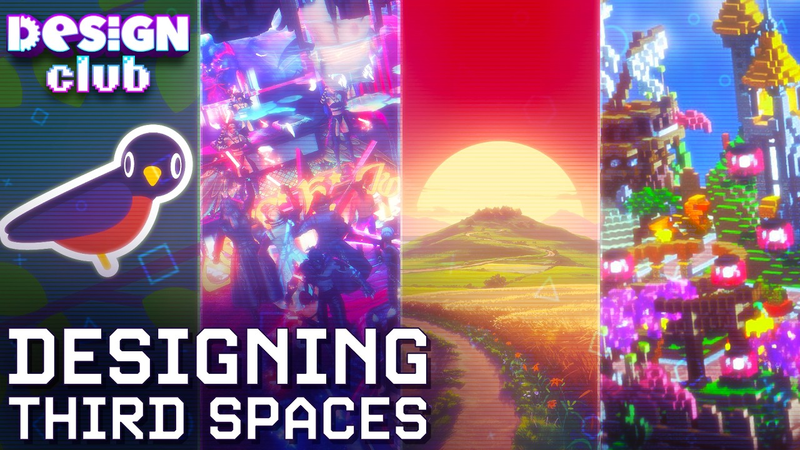
Designing Third Spaces | Design Club
Third spaces—social environments distinct from home and work—are undergoing a fundamental transition from physical locations like pubs and coffee shops to immersive digital realms.
- Effective digital 'third spaces' require a core activity to facilitate socialization, preventing the aimlessness often found in general VR or metaverse environments.
- Social interaction in multiplayer games is significantly enhanced by proximity voice chat, emotes, and movement mechanics, which provide essential layers of presence.
- Successful social hubs like Animal Crossing or Flock Around utilize progression systems, such as cosmetic rewards, to keep players engaged while they socialize.

🚨📢 BREAKING NEWS: Chinese domination, M&A boom, Freecash controversy
The mobile gaming industry is currently undergoing significant structural shifts characterized by the dominance of Chinese developers, a resurgence in merger and acquisition activity, and regulatory scrutiny of rewarded user acquisition platforms.
- M&A activity in the mobile gaming sector reached $7.7 billion in Q1 2026, representing a threefold increase compared to the same period in 2025.
- Chinese-developed titles such as Last War, Honor of Kings, Whiteout Survival, and Gossip Harbor are increasingly displacing long-standing market leaders like Candy Crush on global top-grossing charts.
- The removal of the rewarded user acquisition platform Freecash from major app stores has triggered industry-wide scrutiny regarding the future viability of rewarded advertising models.
Is Destiny doomed? King on AI, layoffs and more, plus March's top games, data, soft launches, more
The mobile games industry continues to navigate a complex landscape defined by shifting monetization strategies, the integration of artificial intelligence, and intense market competition.
- Microfun’s Gossip Harbor reached $100 million in monthly in-app purchase revenue for the first time in March, marking a significant increase from $82.5 million in February and positioning it to potentially overtake Candy Crush Saga as the top-grossing puzzle game.
- King VP Eva Ryott defended the company's use of AI as a supporting tool for level management rather than a direct replacement for staff, while noting that workforce adjustments following 200 layoffs were necessary to maintain competitive relevance.
- Candy Crush Saga has adopted a 2x2 matching mechanic, a feature King implemented within the last year to align with evolving market standards and compete against rivals like Royal Match and Gossip Harbor.

7 Tools Every Indie Game Developer Needs in 2026 (And ONE That Actually Matters Most)
This analysis outlines a streamlined toolkit for independent game developers in 2026, aiming to reduce the analysis paralysis that often leads to project abandonment.
- Success in the 2026 indie market depends less on tool variety and more on aligning a technical stack with a developer's unique creative 'gifting' to establish a distinct voice.
- The recommended core technical stack for 2026 consists of Unity for engine development, paired with Visual Studio and C# for programming.
- Visual production workflows should prioritize Blender for 3D modeling, Photoshop for 2D assets and texturing, and Substance for advanced material creation.
Global Gaming Report Q1 2026
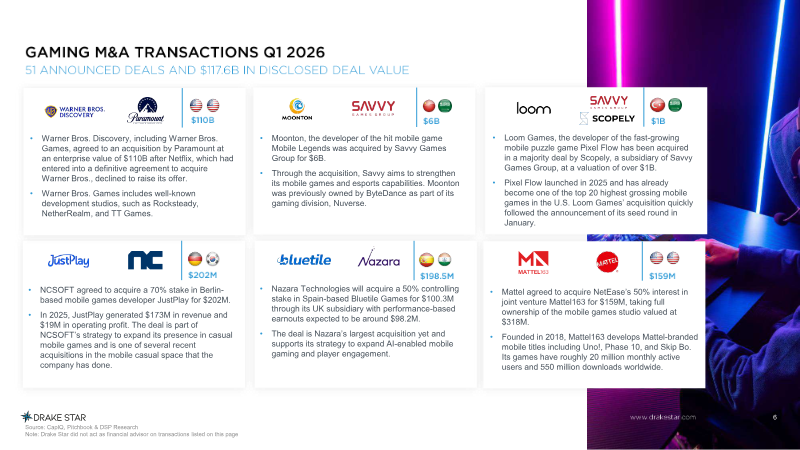
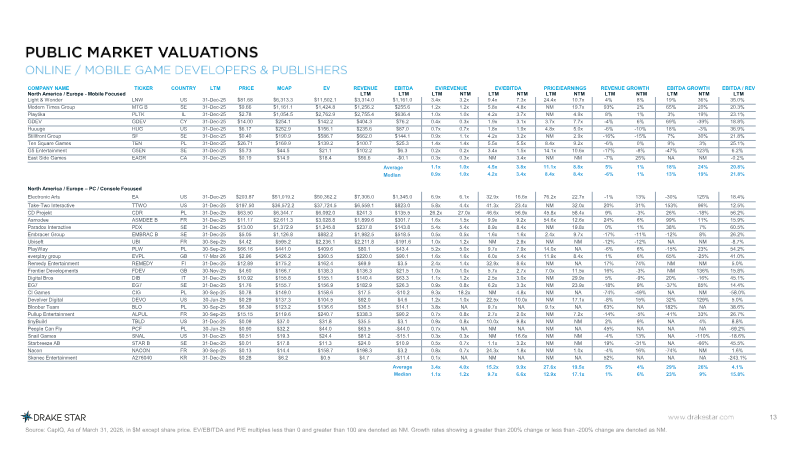
The "Global Gaming Report Q1 2026" provides a comprehensive analysis of the global gaming industry's financial landscape during the first quarter of 2026, focusing on mergers and acquisitions, private financings, and public market performance.
- Q1 2026 saw 106 private placement deals totaling $785 million, a significant decrease from Q1 2025's $5.0 billion across 149 deals, indicating a cooling investment landscape.
- Project financing is now the primary funding path for studios due to headwinds in studio equity, with dedicated User Acquisition (UA) funds emerging as a new lifeline for mid-stage mobile studios.
- Key strategics to watch include PIF/Scopely, KRAFTON, NCSoft, Tencent, MTG, Take-Two, Netflix, everplay, and Keywords Studios, while Private Equity is expected to drive take-private transactions of publicly listed gaming firms.
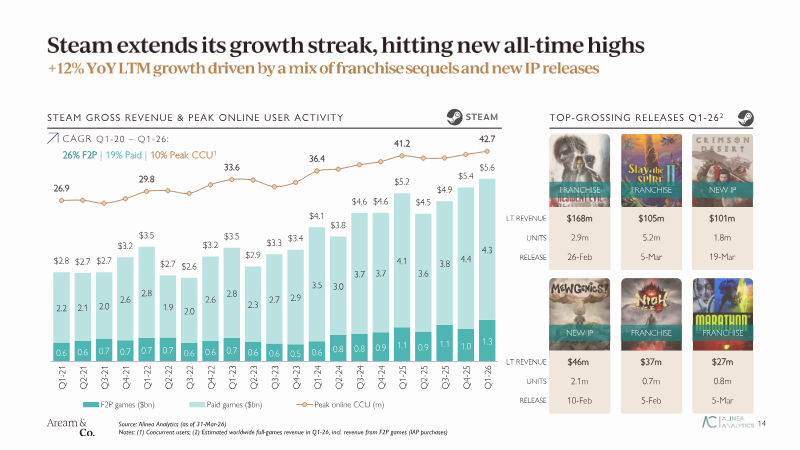
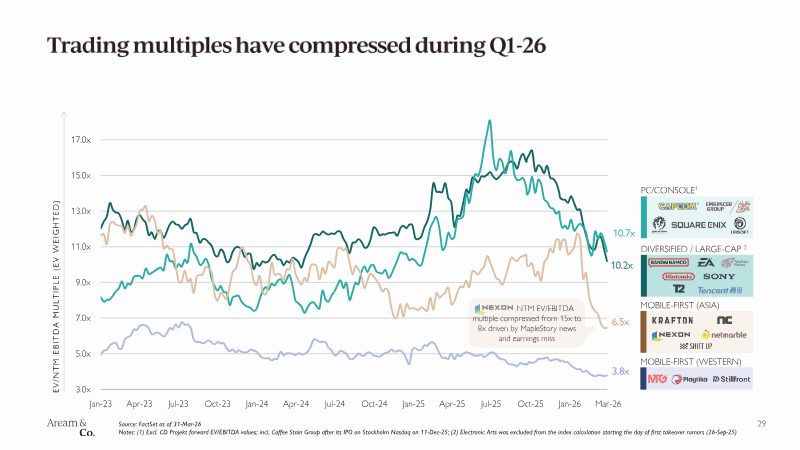

Video Game Market Update: Q1 2026
The video game market experienced significant shifts in Q1 2026, characterized by record-breaking revenue in core segments, stable mobile monetization despite declining downloads, and a robust M&A landscape contrasting with a subdued capital raising environment.
- The console market reached a record $21.7 billion in Q1 2026, primarily driven by the Nintendo Switch 2's first holiday season, while Sony and Microsoft experienced year-over-year revenue declines.
- Mobile gaming's in-app purchase (IAP) revenue has plateaued, with Q1 2026 gross IAP revenue at $20.6 billion, while install volumes hit multi-year lows, indicating a shift towards monetization efficiency.
- Mergers and Acquisitions (M&A) activity in Q1 2026 saw a high quarterly deal value of $7.7 billion across 52 deals, with mobile studios accounting for the majority of headline acquisitions.

MDM Podcast, S07, E13: Google navigates the AI advertising era (with Dan Taylor)
The advertising landscape is undergoing a fundamental shift into an AI-driven epoch, characterized by the transition from manual, keyword-based search to conversational, intent-oriented interactions.
- Google is shifting from keyword-based search to conversational intent, using Gemini to better understand complex, multi-turn queries and improve ad ranking efficiency.
- AI Overviews and AI Mode are currently monetizing at parity with traditional search, serving as new engines for brand discovery by matching ads to the context of AI-generated answers rather than just search terms.
- Google is transitioning away from manual keyword management toward automated, AI-driven campaign systems like Performance Max, which leverage machine learning to optimize performance beyond what manual control can achieve.
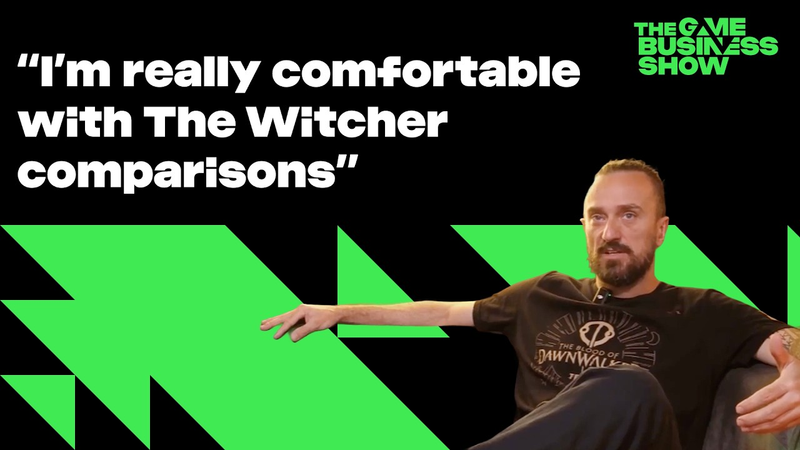
The Blood of the Dawnwalker developer: Everyone we spoke to wanted to invest
Rebel Wolves operates on the principle that high-quality, AAA dark fantasy role-playing games are best produced within smaller, boutique environments that prioritize team culture and creative ownership.
- Rebel Wolves maintains a boutique studio model of approximately 160 employees to minimize bureaucratic inefficiency and ensure leadership remains directly involved in creative production.
- The studio secured major financial and operational backing through partnerships with NetEase for funding and Bandai Namco for global publishing.
- Development of the upcoming title, The Blood of the Dawnwalker, utilizes AI-generated voice placeholders to iterate on complex narrative branches before committing to final production costs.
The Role of Co-Development in Modern Game Development
Modern game development is undergoing a structural shift, moving away from the traditional outsourcing model toward integrated co-development partnerships.
- The game industry is shifting from traditional outsourcing to integrated co-development, where external teams are embedded into the core creative vision rather than functioning as task-based vendors.
- Successful co-development partnerships prioritize shared decision-making, transparency, and end-to-end project ownership to optimize production pipelines more effectively than fragmented service models.
- Direct compensation models are preferred over revenue-sharing in co-development to avoid complex accounting challenges and misaligned financial incentives between studios.
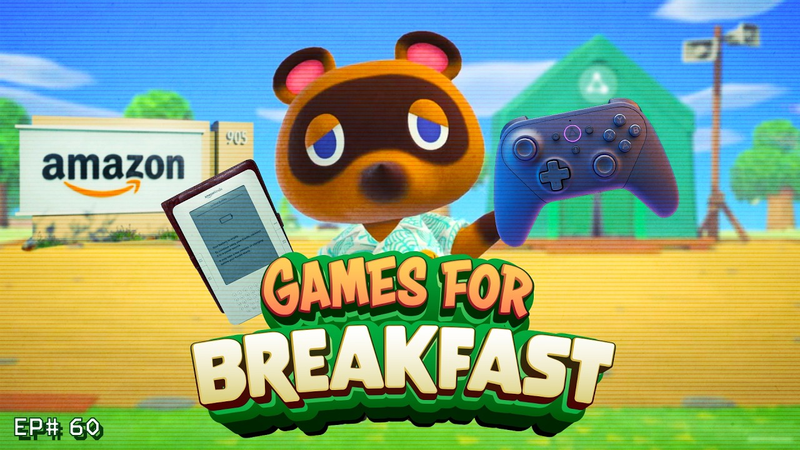
Amazon Wants You to Rent Games Forever, Roblox Pyramid Scheme & Pokemon Chaos | Games For Breakfast
The gaming industry is currently undergoing a significant shift toward subscription-based models and platform-controlled ecosystems, often at the expense of consumer ownership and hardware longevity.
- Amazon is shifting its Luna cloud gaming service to a curated subscription model, effectively revoking user access to previously purchased individual titles.
- Roblox faces criticism for a new subscription structure that incentivizes users to recruit others for platform currency, a model described as a predatory, pyramid-scheme-like system targeting minors.
- Automated, keyword-based content moderation on platforms like the Google Play Store poses risks to artistic expression, evidenced by the removal of Doki Doki Literature Club.
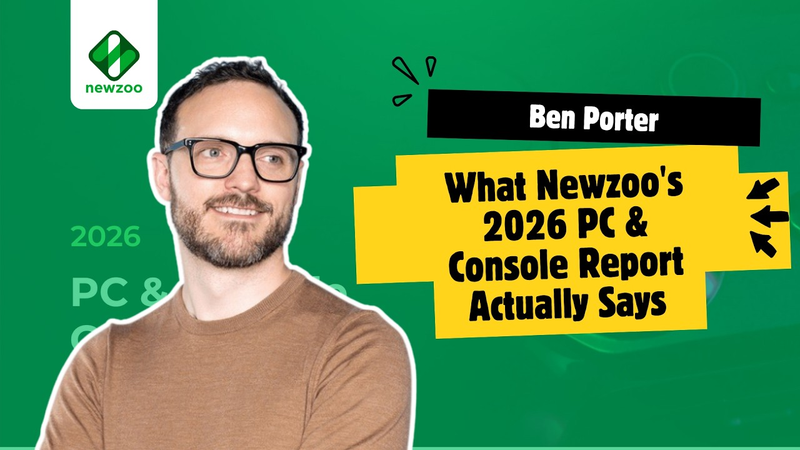
What Newzoo's 2026 PC & Console Report Actually Says
The global PC and console gaming market is currently defined by a winner-takes-more dynamic, where total player engagement remains stagnant despite incremental revenue growth.
- The global gaming market is experiencing a 'winner-takes-more' dynamic where total player engagement is stagnant, despite incremental revenue growth.
- Playtime is shifting away from traditional AAA shooters toward sandbox and social-driven platforms like Roblox, which achieved 50% year-over-year growth.
- China is a dominant market force, accounting for 43% of total growth in the PC and console sectors.