Global reports and market data
Documents

The Legality of Loot Boxes - Designing Ethical Lootboxes: II - Extra Credits
The push to regulate in-game loot boxes through existing gambling legislation presents significant legal and operational risks that could inadvertently harm the gaming industry and its consumers.
- Classifying loot boxes as gambling risks assigning real-world monetary value to digital items, which could lead to litigation over account bans as players might claim the seizure of valuable property.
- Legal reclassification could create significant operational liabilities for developers, including potential legal exposure during server closures, game rollbacks, or the deletion of digital assets.
- Broad gambling legislation may inadvertently capture standard game mechanics, such as random loot drops in raids or dungeons, forcing developers to adopt more restrictive or expensive monetization models.
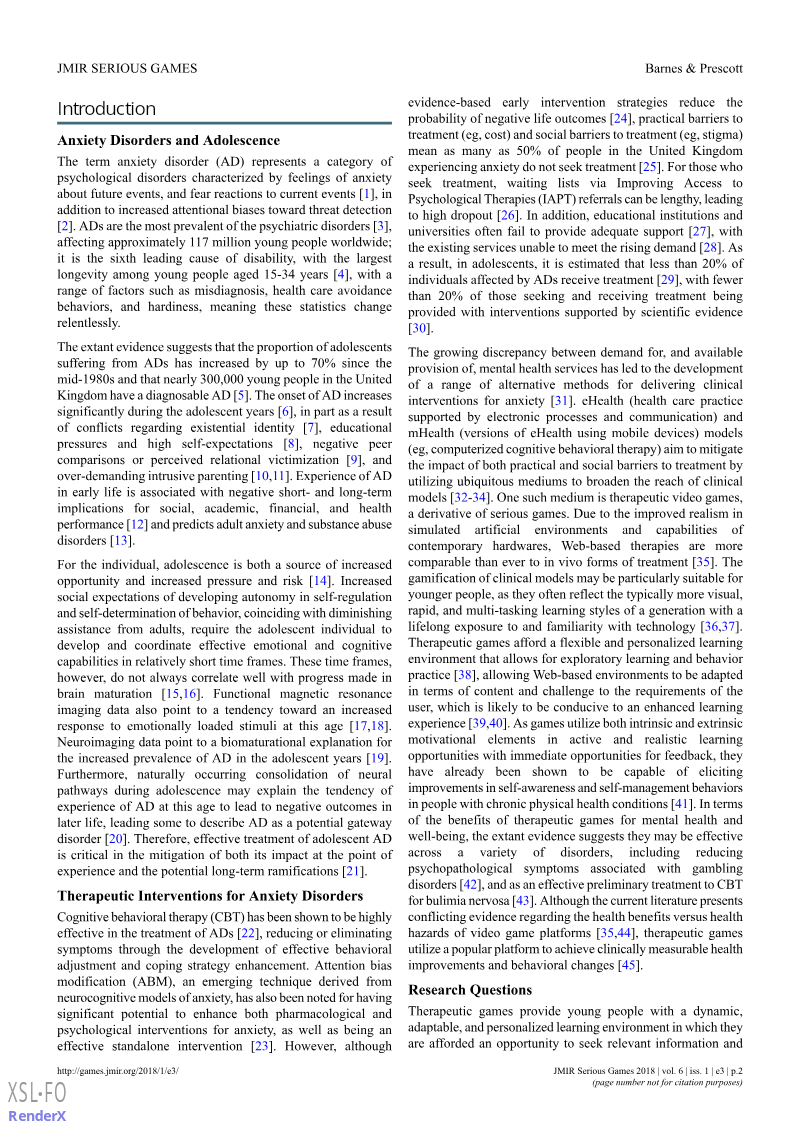
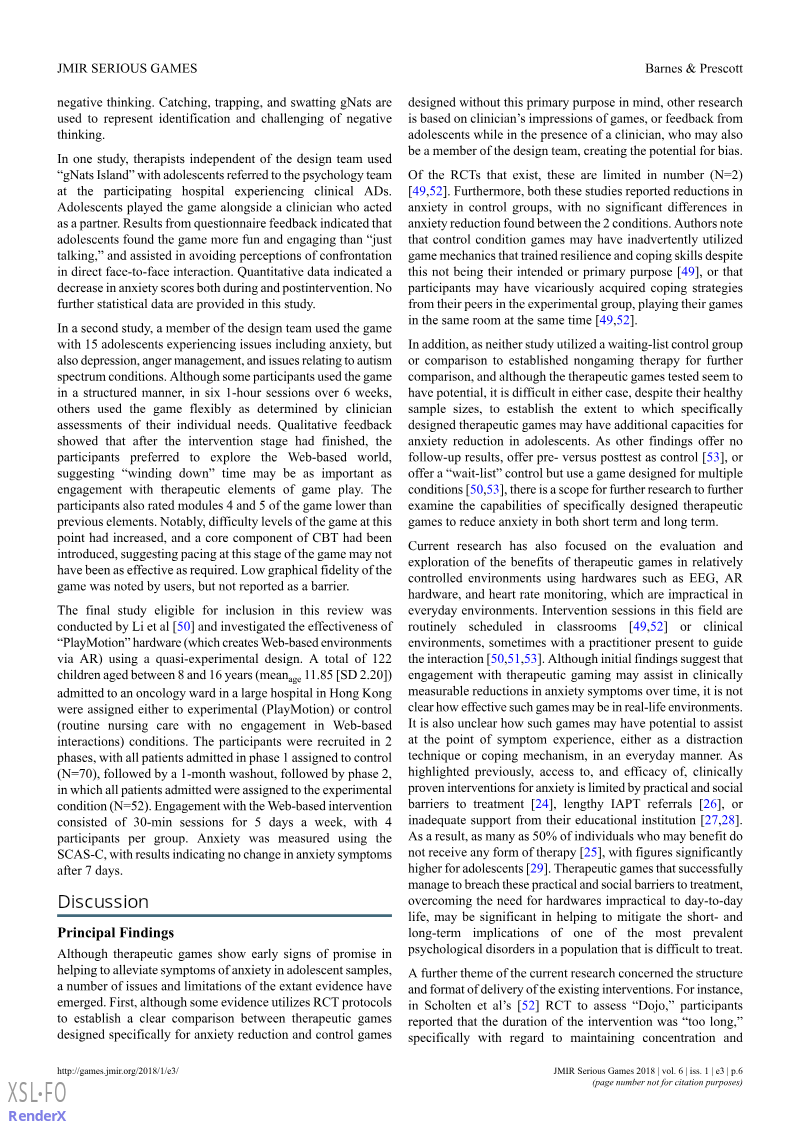

Empirical Evidence for the Outcomes of Therapeutic Video Games for Adolescents With Anxiety Disorders: Systematic Review
This systematic review by Steven Barnes and Julie Prescott, published in JMIR Serious Games in 2018, assesses whether therapeutic video games produce clinically measurable reductions in anxiety symptoms among adolescents.
- Only five studies met the review's inclusion criteria, which the authors describe as demonstrating how limited research in this field is.
- Both included RCTs reported anxiety reductions in control groups, with no significant difference found between the experimental and control conditions.
- The augmented reality PlayMotion study with children on an oncology ward found no change in anxiety symptoms after 7 days.
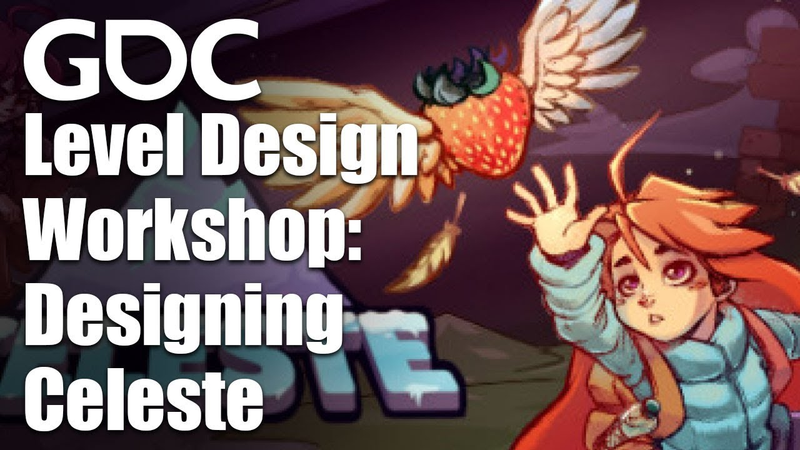
Level Design Workshop: Designing Celeste
The design philosophy behind Celeste centers on a fractal narrative approach, where individual levels function as self-contained stories that dictate pacing and mechanical structure.
- Level design in Celeste is structured as a hierarchy of stories, where individual screens represent quick, simple challenges that aggregate into larger, thematic area arcs.
- The development process relies on iterative 'brute force' refinement, evidenced by the developer discarding 20 levels from a single area because they failed to align with the intended mood.
- Levels are designed to be permissive, allowing for multiple solutions and emergent gameplay, which accommodates both casual players and speedrunners who may discover unintended shortcuts.

More New Features! - MATCH STATS - (Epic Feedback!?!)
The integration of post-match statistical analysis and real-time progress tracking serves as a critical design intervention for single-player strategy games.
- Integrating post-match statistical analysis and real-time progress tracking allows players to diagnose tactical failures and evaluate the efficacy of specific unit management techniques.
- Visualizing enemy depletion rates and remaining spawner counts counters the feeling of stagnation by providing clear evidence of progress against enemy forces.
- In-game progress bars and percentage indicators provide immediate context for a player's standing relative to level completion requirements, maintaining a sense of flow.

A/B Testing for Game Design Iteration: A Bayesian Approach
Bayesian A/B testing provides a superior framework for mobile game development, offering a dynamic and actionable alternative to traditional frequentist methods.
- Bayesian A/B testing allows for real-time optimization by providing a direct probability (0 to 1) that one variant is better than another, unlike frequentist methods which only provide a binary rejection of a null hypothesis.
- Frequentist testing is prone to the 'family-wise error' problem, where the risk of false positives increases significantly as more variants are added to a test (e.g., the false positive rate for two treatments is approximately 9.75%).
- Bayesian analysis incorporates 'priors'—existing business knowledge or historical data—to inform the test, allowing developers to start with a baseline (such as a known 30% retention rate) rather than assuming zero knowledge.

OVUS NOVA - New Abilities! - [Resource Management?] - Dev Log
Ovus Nova, a real-time strategy game, has undergone a significant design shift by integrating resource management and a suite of active abilities to increase tactical depth.
- Ovus Nova has shifted from a simple strategy game to a complex, choice-driven experience by integrating a resource management system fueled by unit sacrifice.
- Players generate a specific currency by detonating existing units, which is then reinvested into active abilities such as spawning creatures, area-of-effect damage, or instant egg hatching.
- To prevent exponential power growth and maintain balance, the developer implemented a scaling cost system where each consecutive use of an ability becomes more expensive.

Applying Machine Learning Like a Responsible Adult
This presentation provides a foundational guide for game developers on integrating machine learning (ML) into game artificial intelligence, addressing common industry skepticism regarding performance, transparency, and reliability.
- Machine learning in game development should shift from basic neural networks toward specialized statistical techniques to ensure real-time performance and reliability.
- Feature engineering—the transformation of raw game data into structured input vectors—is the most critical process for ensuring model accuracy and system adaptability.
- Decision trees offer a 'white box' advantage by providing transparency and ease of interpretation, making them a preferred alternative to opaque, complex models.
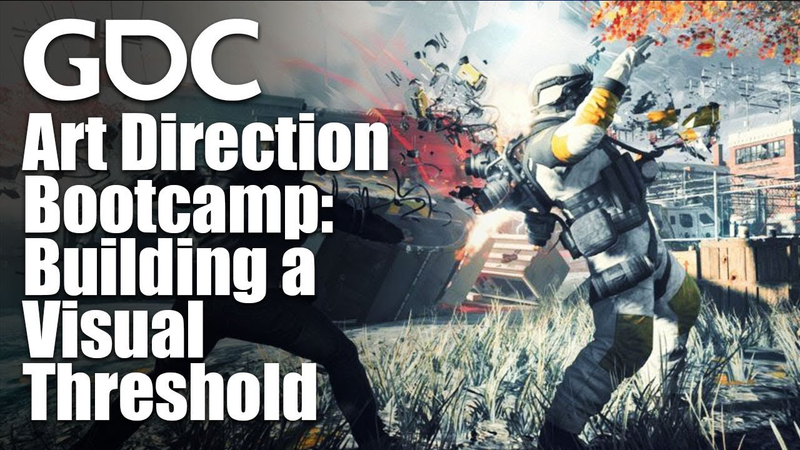
Art Direction Bootcamp: Building a Visual Threshold
Art direction serves as a critical tool for player orientation, utilizing visual tropes and stereotypes to establish an immediate threshold of understanding.
- Art direction should utilize cultural shorthand and visual tropes to establish an immediate threshold of understanding, allowing players to intuitively grasp mechanics without extensive exposition.
- Designers should employ a 'snow globe' approach to world-building, focusing on key landmarks and consistent visual rules to create cohesive, manageable environments.
- Teams should replace dense, static style guides with concise one-sheets to ensure alignment and prevent the misuse of clichés.

Level Design in a Day: A Series of First Steps - Overcoming the Digital Blank Page
Overcoming the creative paralysis associated with the digital blank page requires a disciplined, structured approach to level design that prioritizes functional flow over immediate visual detail.
- Overcome creative paralysis by prioritizing functional flow and spatial layout over visual detail during the initial design phase.
- Define project scope early by establishing clear constraints, including campaign duration, player count, and technical limitations.
- Utilize bubble diagrams to map out areas of intent before drafting a formal top-down layout to anchor the space around a dominant feature.

Math for Game Programmers: Fast and Funky 1D Nonlinear Transformations
This presentation explores the application of 1D nonlinear transformations, often referred to as easing functions or normalized utility functions, to enhance the "juice" and organic feel of game mechanics.
- Apply nonlinear transformations to the 0 to 1 input range of any parametric equation to enhance the organic feel of animations, AI, and UI without altering the underlying function.
- Replace computationally expensive native math library calls like POW or square roots with simple polynomial operations to achieve high-performance results.
- Approximate power functions using weighted blends of lower-order polynomials to maintain 99% accuracy while significantly reducing CPU overhead.
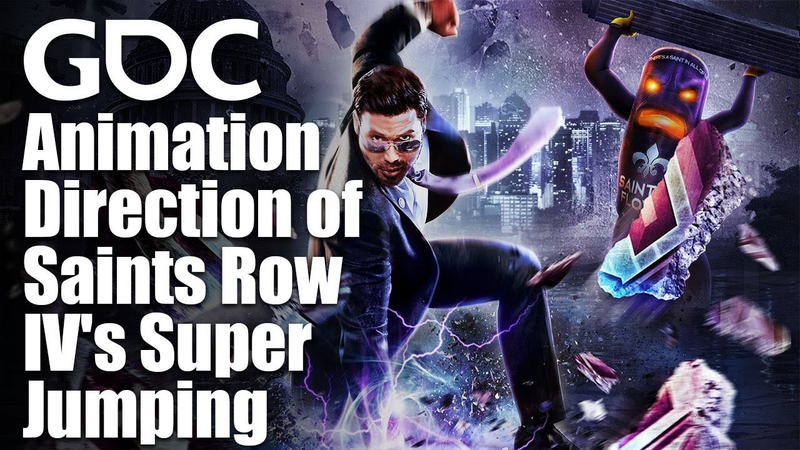
Super Powering the Saints: Animation Direction of Saints Row IV's Super Jumping
The development of the super jumping system for Saints Row IV presented a unique animation challenge: integrating supernatural movement into a franchise defined by a "comfortable and confident" blue-collar aesthetic rather than traditional superhero tropes.
- To maintain the specific 'Saints Row' identity, the animation team avoided traditional superhero tropes—which rely on character-specific posing—in favor of grounded, evolving motions that accommodate any player-customized character.
- The team abandoned initial attempts to capture superhero jump reference footage because the results were either unrealistic or failed to convey a sense of momentum, leading them to instead use Olympic long-jumping as the primary reference for realistic, evolving body mechanics.
- To prevent the animation from feeling repetitive during hours of gameplay, the team implemented a system that blends multiple jump states based on velocity and height, ensuring the character's movement evolves naturally from takeoff to apex and landing.

10.000% Game Speed! - (Crazy Game Dev Experiment...)
Game developers often fall into the trap of finalizing a game’s pace too early in the prototyping phase, leading to suboptimal player experiences.
- Developers should test game speeds ranging from 10% to 1,000% of the intended rate to identify design flaws, such as tedious end-game states or unintended difficulty spikes.
- Manipulating the global time scale variable, such as Unity’s Time.timeScale, acts as a critical diagnostic tool to evaluate how core mechanics like movement, combat, and resource management perform under varying temporal conditions.
- Extreme speed increases often require secondary balancing adjustments, such as modifying enemy health pools, to ensure the game remains fair and challenging.
Writers
Games and companies
Games