1 free read left. Create a free account for unlimited reading + AI research.
Create free accountWhitepaperJMIR Serious Games
Distilling the key insights…
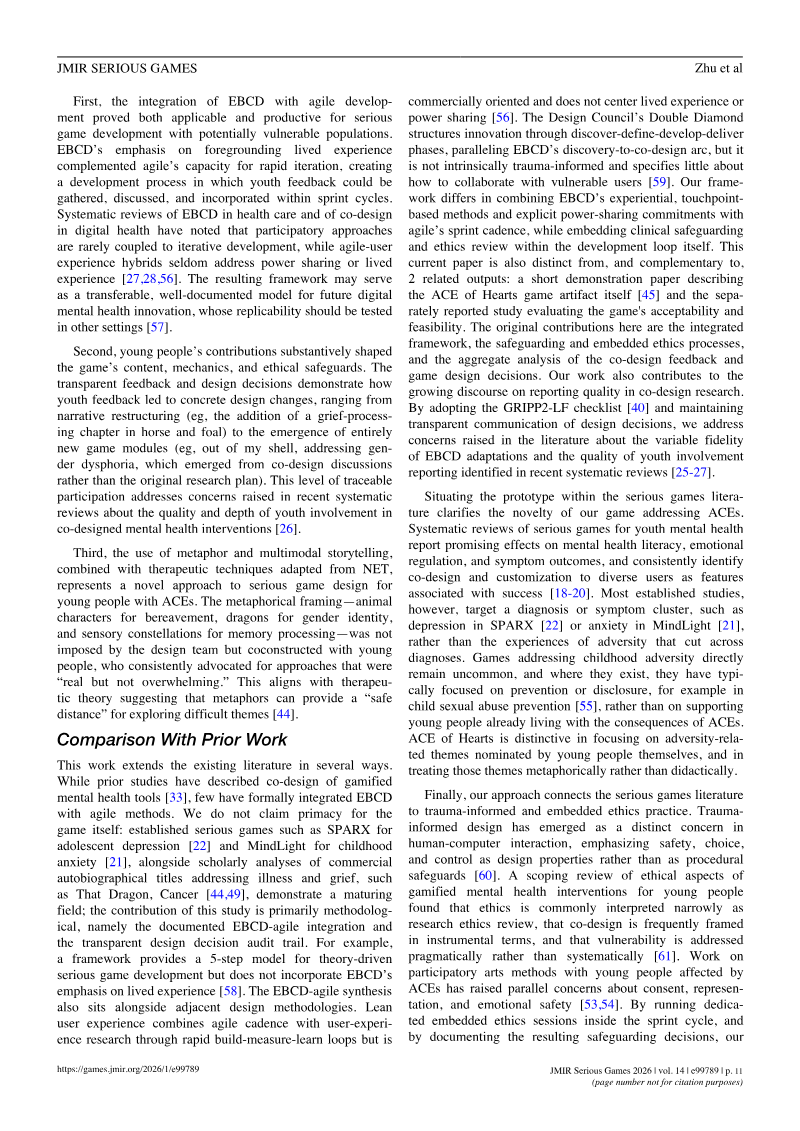
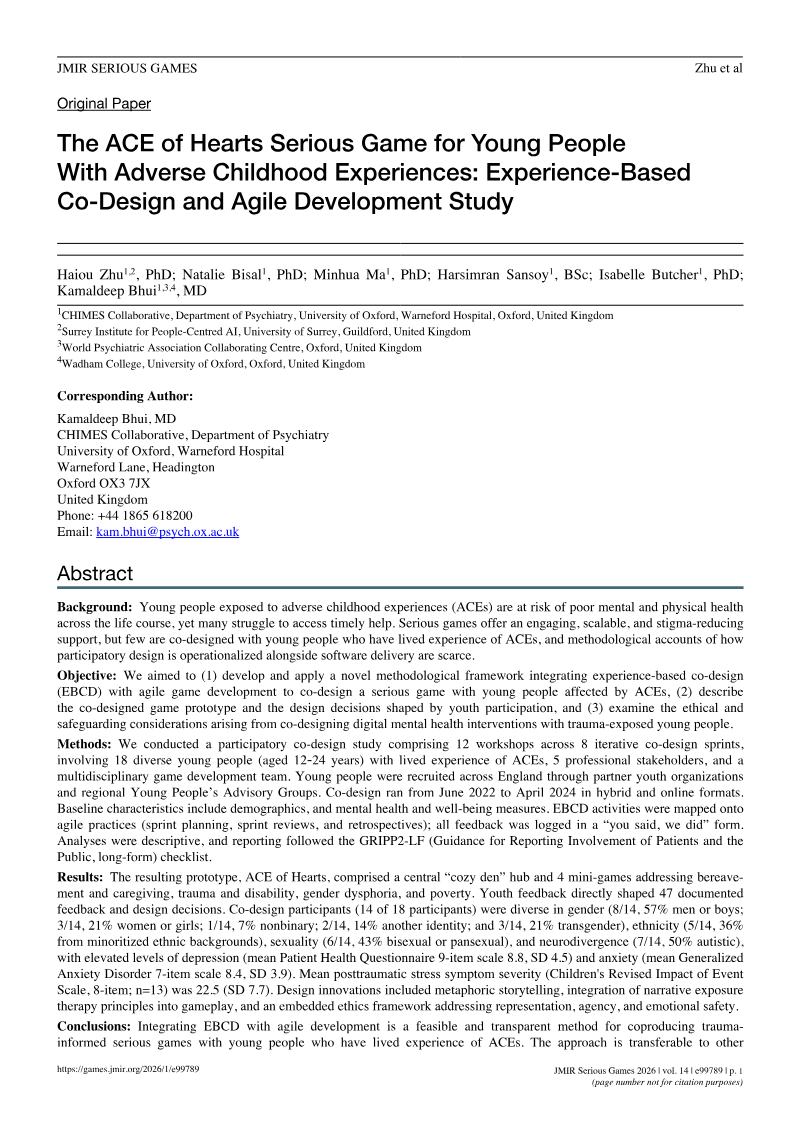
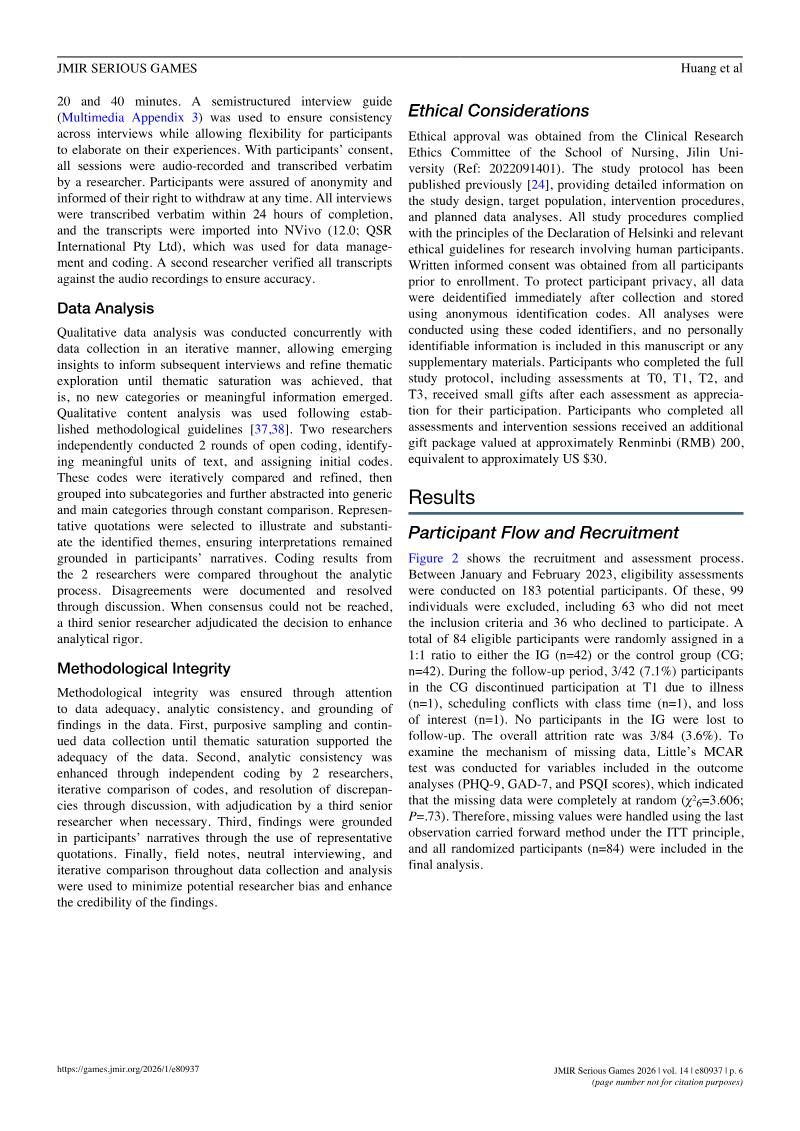
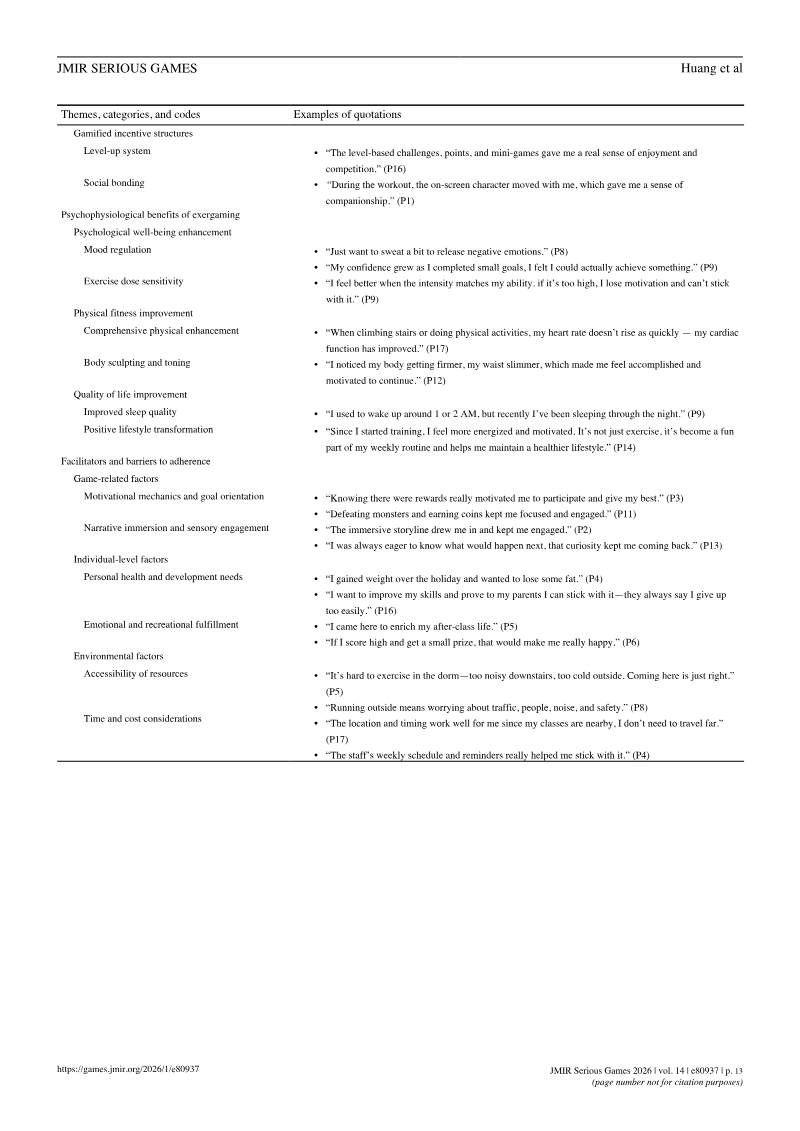
Therapeutic video games represent an emerging digital intervention for adolescents struggling with anxiety disorders, offering a potentially scalable and engaging alternative to traditional clinical approaches. Current empirical evidence suggests that these interactive platforms can produce measurable reductions in anxiety symptoms while maintaining high levels of user engagement. By leveraging the immersive nature of gaming, these interventions aim to provide accessible mental health support that resonates with younger demographics, potentially bridging the gap between clinical necessity and patient compliance.
Despite these promising early indicators, the existing body of research remains constrained by significant limitations. A systematic review of the field identifies only five studies meeting rigorous inclusion criteria, involving a total of 410 participants. This narrow evidence base is further complicated by small sample sizes, methodological inconsistencies, and a pervasive lack of robust control groups. Consequently, it is currently difficult to isolate the specific therapeutic efficacy of these games from the potential benefits provided by control conditions, leaving the true clinical impact of the medium unverified.
The field requires a transition toward more standardized regulatory protocols and large-scale, randomized controlled trials to establish clinical validity. Future research must prioritize ecologically valid, real-world settings to determine whether these digital tools can serve as reliable, long-term alternatives to conventional therapy. Until such rigorous data is established, the therapeutic potential of video games for adolescent anxiety remains a compelling but unproven hypothesis that necessitates further systematic investigation to ensure safety and efficacy.
JMIR Serious Games · 2026
JMIR Serious Games · 2026
JMIR Serious Games · 2026
JMIR Serious Games · 2026
JMIR Serious Games · 2026
JMIR Serious Games · 2025
JMIR Serious Games · 2025
JMIR Serious Games · 2025
JMIR Serious Games · 2025
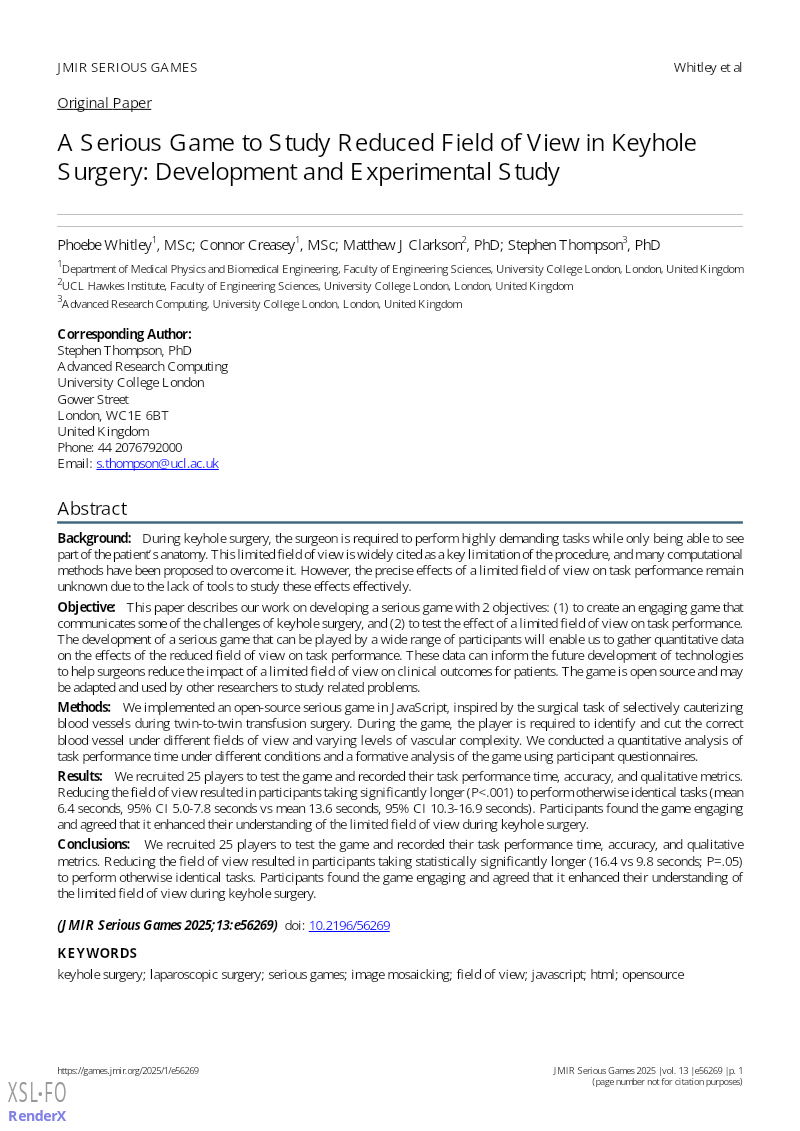
JMIR Serious Games · 2025
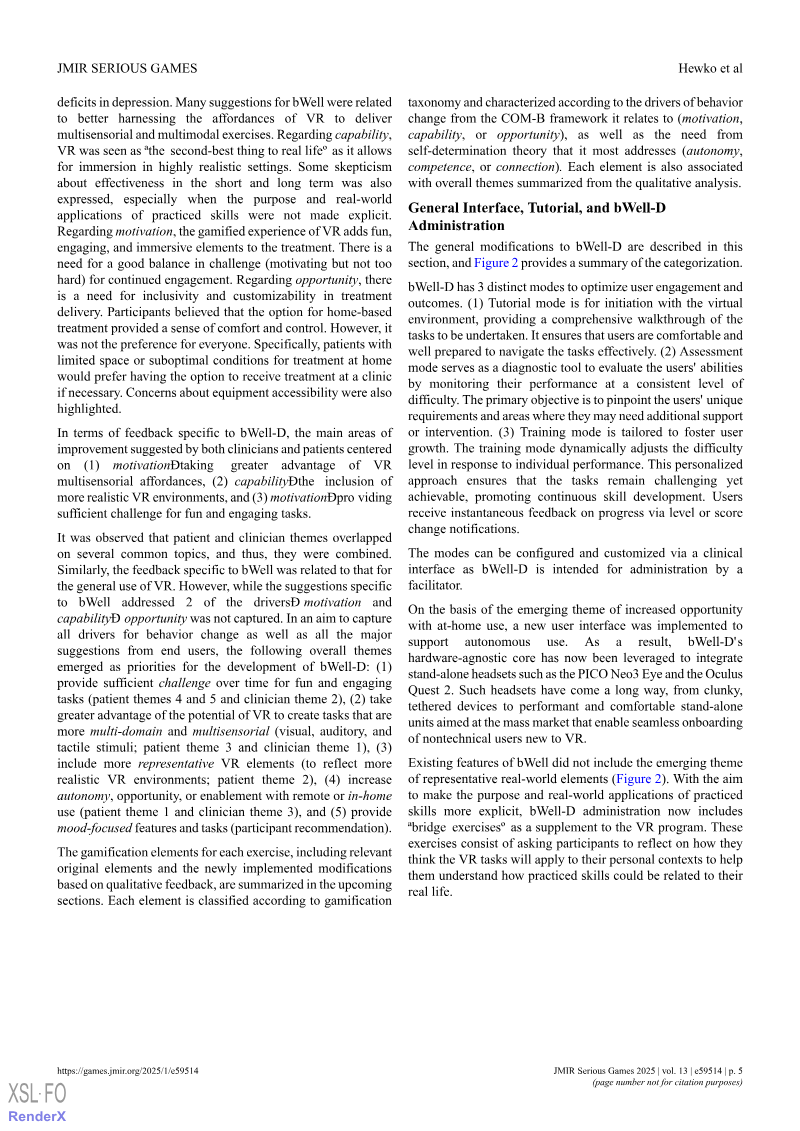
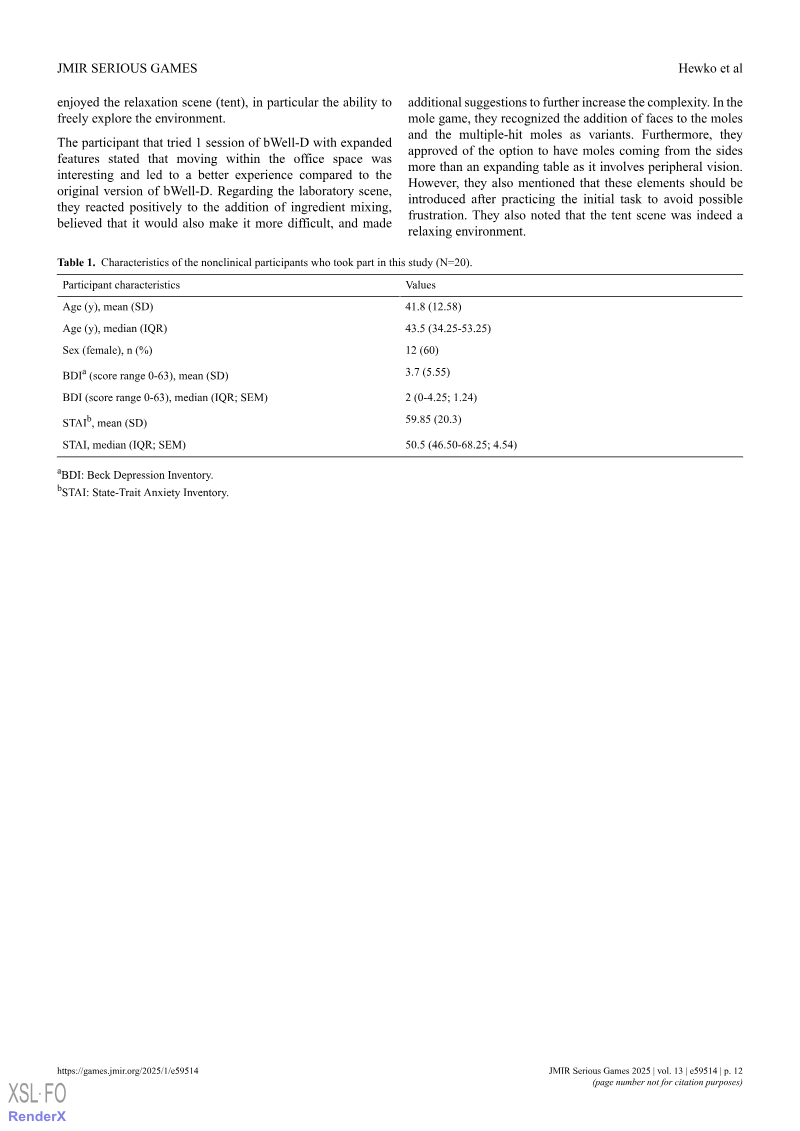
National Research Council Canada · 2025
JMIR Serious Games · 2024
Ludic Language Pedagogy · 2026


















Comments