Germany reports and market data
Documents

Biz Daily: Gumi Berlin's high risk, high reward strategy
Japanese mobile developer Gumi is expanding its global footprint by establishing a new development studio in Berlin, marking a strategic shift from its previous European operations, which were primarily focused on marketing and support.
- Gumi is establishing a new development studio in Berlin to create mobile strategy games specifically for Western audiences, shifting away from the ineffective practice of retrofitting Japanese titles for international markets.
- The Berlin studio will operate with a lean, specialized team of 10 to 15 experienced developers tasked with high-risk design experimentation rather than iterating on established genre formulas like Clash of Clans.
- This strategy reflects a broader industry trend where publicly traded companies are prioritizing disruptive innovation over safe, incremental updates to secure the next billion-dollar franchise.

Biz Daily: GREE restructures with new offices in Berlin and Melbourne
GREE, the Japanese mobile game publisher, is undergoing a significant strategic restructuring of its international operations.
- GREE is restructuring its international operations by closing a significant portion of its San Francisco presence, which recently saw a 30 percent reduction in staff.
- The company is establishing new offices in Berlin and Melbourne to shift its focus toward European and Australian markets and better align with Western consumer preferences.
- GREE acquired the mobile game developer Twiitch in Melbourne to gain expertise in 3D, mid-core strategy games and modernize its portfolio away from traditional card-battle titles.

South Park's demonisation of F2P: let's blame Dungeon Keeper
The mobile gaming industry in late 2014 remains characterized by a persistent, polarized debate regarding the ethics and quality of free-to-play (F2P) monetization models.
- The mobile gaming industry is undergoing a structural shift toward service-oriented, co-development partnerships, exemplified by Scopely’s $35 million funding round.
- German developers are successfully transitioning from browser and PC markets to mobile, with Goodgame Studios scaling its workforce to 1,000 employees.
- Public perception of free-to-play (F2P) monetization remains polarized, with the 2014 mobile iteration of Dungeon Keeper serving as the primary symbol for criticisms regarding aggressive timers and exploitative mechanics.
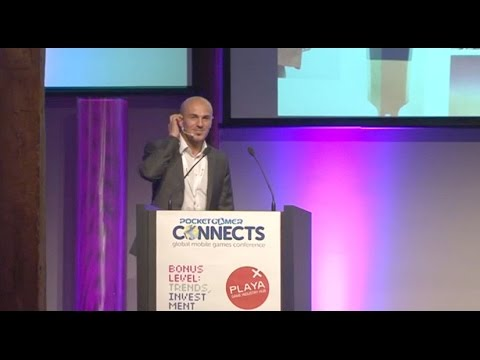
How Oink can help F2P developers tap into the young adult market
The monetization of the under-18 gaming demographic presents significant challenges for free-to-play developers, primarily due to regulatory compliance, parental concerns regarding unauthorized spending, and the lack of accessible payment methods for minors.
- The under-18 gaming demographic represents a massive market with an annual spending power of £3 billion in the UK and $200 billion in the US.
- Free-to-play developers struggle to monetize minors due to regulatory compliance like COPPA, the lack of traditional payment methods for children, and high rates of 'friendly fraud' chargebacks.
- Oink functions as a secure intermediary by allowing parents to fund digital wallets with monthly allowances, removing the need for minors to store credit card data or personal information.
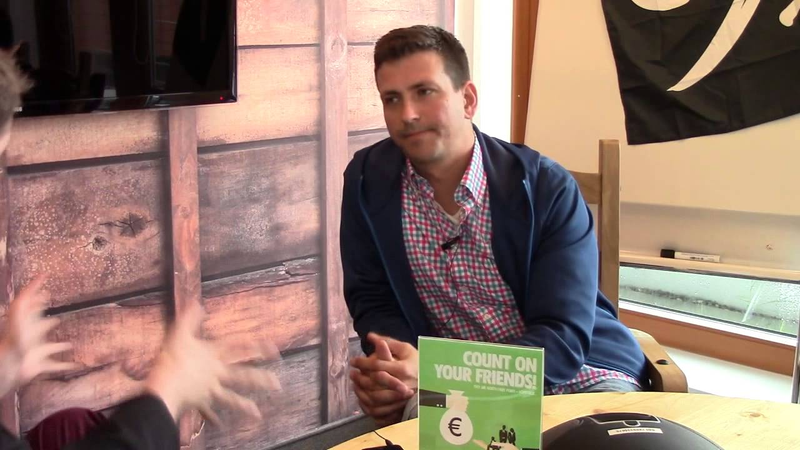
Top recruiter at InnoGames explains its strategy for snatching up talent
InnoGames maintains a sustainable, steady growth strategy, hiring approximately 100 new employees annually to ensure that new personnel align with the company’s culture and technical requirements.
- InnoGames maintains a controlled growth strategy by hiring approximately 100 new employees annually to ensure cultural and technical alignment.
- The company receives roughly 1,000 job applications per month, making demonstrated passion and personal projects the primary differentiators for candidates over standard technical qualifications.
- To overcome the competitive Hamburg labor market, the company utilizes an international recruitment strategy involving global industry events, LinkedIn, and specialized headhunters based in the UK.
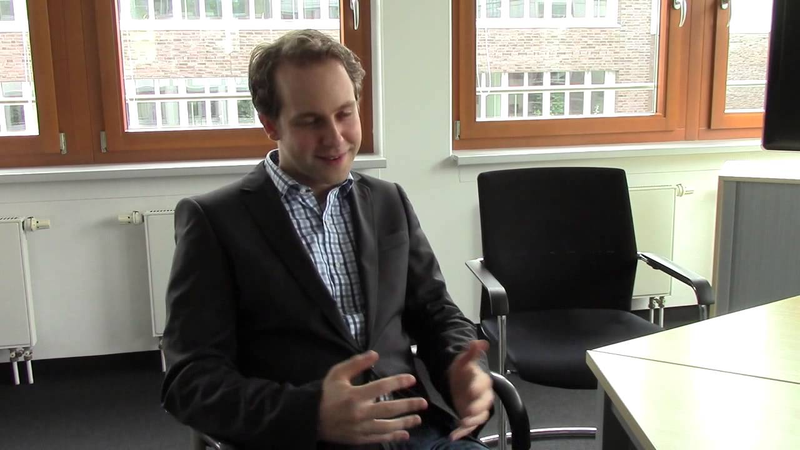
InnoGames CEO on growth, Asian markets and tax breaks
InnoGames maintains a strategy of sustainable, long-term growth by prioritizing high-quality talent acquisition and product iteration over rapid, speculative expansion.
- InnoGames prioritizes sustainable growth by ensuring revenue increases consistently outpace their annual headcount expansion of over 100 new employees.
- The company maintains a core focus on durable player-versus-player (PVP) strategy games, exemplified by the long-term performance of titles like Tribal Wars, which continues to see record results more than a decade after launch.
- InnoGames is actively diversifying its portfolio by incorporating role-playing and city-building mechanics into new titles to broaden its audience reach beyond traditional strategy games.

Indie devs' passion is inflection, reckons Ten Foiled Hats' Matt Munson
The mobile gaming industry faces a critical inflection point regarding monetization models, driven by the unsustainable nature of aggressive freemium practices.
- The mobile gaming industry is approaching a market bubble caused by unsustainable, aggressive freemium monetization that prioritizes short-term revenue over long-term user value.
- Consumer fatigue and the destructive nature of pay-to-win mechanics are driving a necessary industry shift back toward premium pricing models that offer full content access for a flat fee.
- Regulatory intervention is becoming inevitable as government bodies increasingly view the psychological patterns of microtransactions in titles like Candy Crush as comparable to gambling.

Fishlabs' Michael Schade talks about Galaxy on Fire: Alliances
Galaxy on Fire: Alliances represents a strategic expansion of the established space combat and trading franchise into the mobile real-time strategy (RTS) MMO genre.
- Fishlabs is expanding the Galaxy on Fire franchise into the mobile real-time strategy (RTS) MMO genre with a 2013 release.
- The game design prioritizes a deep social meta-game by integrating collaborative mechanics, such as resource and ship sharing, directly into the user interface.
- To replace external coordination tools like email or forums, the game includes built-in communication and coordination features to manage alliance activities.

GameGenetics' CEO Alexander Piutti talks user acquisition
GameGenetics operates as a specialized distribution marketplace for free-to-play games, connecting developers with targeted audiences across browser, client-based, and mobile platforms.
- GameGenetics operates a specialized distribution marketplace that delivers approximately 23 billion gaming-specific ad impressions per month across 174 countries.
- The company focuses exclusively on high-quality, non-incentivized traffic, utilizing closed-loop tracking to convert acquired users into active or paying players.
- The business model centers on building white-label game channels for major partners like Microsoft and Dell while purchasing traffic from large-scale platforms including Facebook and Google.

SlipShift's MD Philipp Willers talks about its mobile games
SlipShift, a Berlin-based developer traditionally focused on the hardcore browser gaming market, is actively diversifying its portfolio by expanding into the mobile sector.
- Berlin-based developer SlipShift is pivoting from its core hardcore browser gaming market to the mobile sector to diversify its portfolio and foster creative experimentation.
- The studio is currently using casual titles as a testing ground for mobile-specific design, including the released puzzle game Chocolate Raiders and the adventure prototype Eternal Well.
- SlipShift plans to evolve its mobile strategy by leveraging its technical background in browser-based development to create sophisticated, cross-platform experiences for iOS.

CEO of Aeria Games Europe Pascal Zuta explains why mobile is important
Aeria Games is strategically pivoting from its established foundation in client-based PC and browser gaming toward a robust expansion into the mobile market.
- Aeria Games is shifting its strategic focus from client-based PC and browser gaming to mobile expansion to overcome market saturation and stagnant revenue growth in the traditional PC sector.
- The company leverages a global workforce of over 600 employees across five international offices, supported by a merger with Japanese firm Gamepot to facilitate its mobile transition.
- Aeria Games maintains a competitive advantage by applying its expertise in localizing Asian-developed titles for Western markets, focusing on specific adjustments to artwork, in-game events, and item economies.
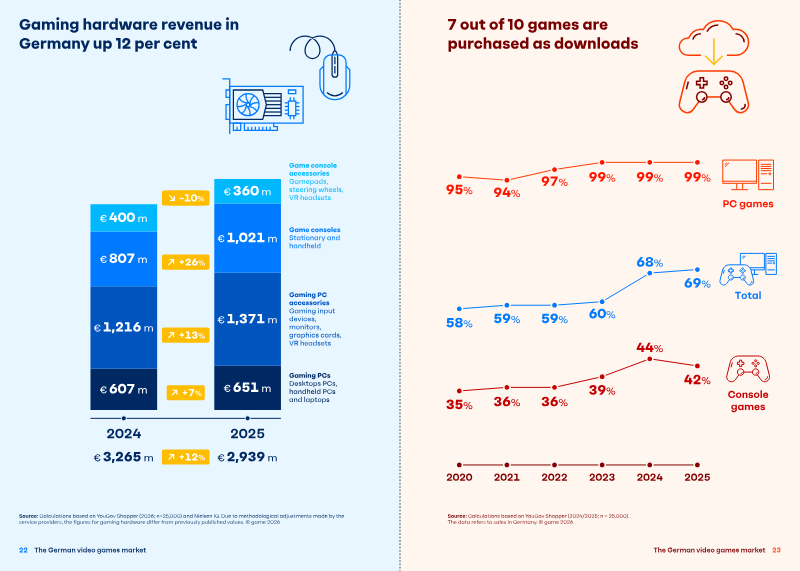
Report of the German Games Industry: 2026
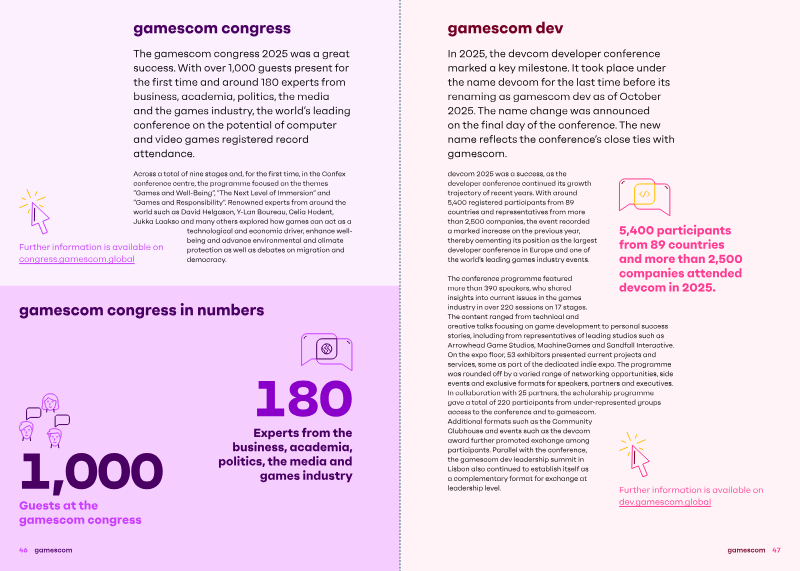
The German video games market solidified its status as Europe’s largest in 2025, achieving a total revenue of 9.4 billion euros.
- The German video games market reached 9.4 billion euros in 2025, a four percent increase driven by a 12 percent surge in hardware sales and over one billion euros in online gaming service revenue.
- Domestic production remains low, with local companies capturing only 5.50 euros of every 100 euros spent in the German market.
- Federal funding for the industry is set to reach 125 million euros annually by 2026, supplemented by proposed tax incentives and infrastructure projects like the House of Games Berlin to boost competitiveness.