Germany reports and market data
Documents


Annual Report of the German Games Industry 2022
The German games industry solidified its position as the largest market in Europe and the fifth-largest globally throughout 2021, achieving a total revenue of 9.8 billion euros.
- The German games market grew by 19% in 2021, reaching €5.448 billion, following strong growth in 2020. In-game and in-app purchases were major growth drivers, increasing by 30% to €4.239 billion.
- 59% of Germans play computer and video games, a 6% increase since 2019, with 48% of players being women and 52% men. This indicates sustained engagement even after the pandemic-related surge in 2020.
- The German games industry is experiencing an upward trend, with increases in both companies and employees in 2021 and 2022. This growth is partly attributed to increased games-related study programs at universities.


Key Insights Into German Gamers
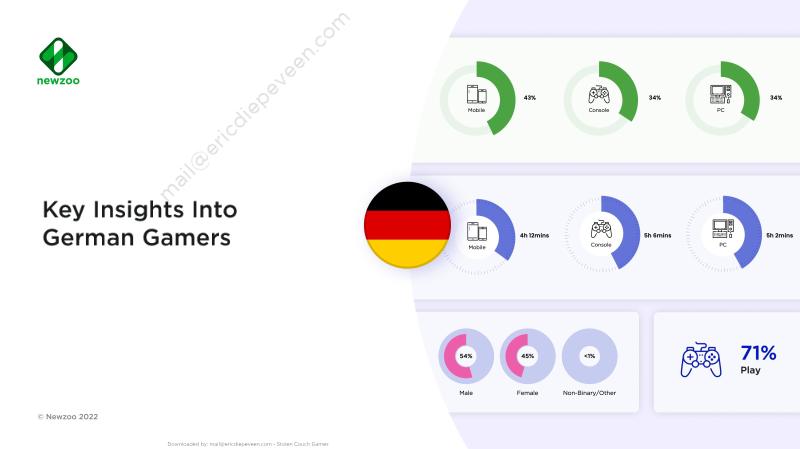
Germany represents a significant pillar of the global gaming industry, ranking as the largest games market in the European Union and the fifth largest worldwide by revenue.
- Germany is the largest gaming market in the EU and the fifth largest globally, with 71% of the online population aged 10 to 65 identifying as game enthusiasts as of 2022.
- Mobile gaming has the highest market reach at 43%, though PC and console players demonstrate higher engagement with average weekly play times exceeding five hours.
- The German gaming demographic is nearly gender-balanced at 52% male and 48% female, with the 21-35 age bracket serving as the largest segment at 31%.
State of Mobile: Germany 2022
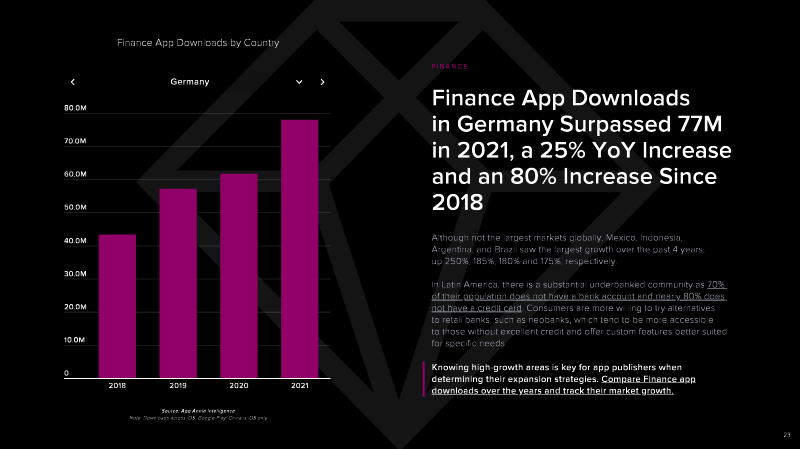
The German mobile market experienced a period of rapid acceleration in 2021, characterized by a 72% increase in consumer spending over two years to reach $4.0 billion.
- The German mobile market reached $4.0 billion in consumer spending in 2021, marking a 72% increase over two years.
- Gaming remains the primary economic driver, generating $2.8 billion in revenue and accounting for over 70% of total app spending, led by titles like Genshin Impact and Coin Master.
- Daily mobile engagement reached 3.4 hours per user, with social and video applications capturing 60% of that time.

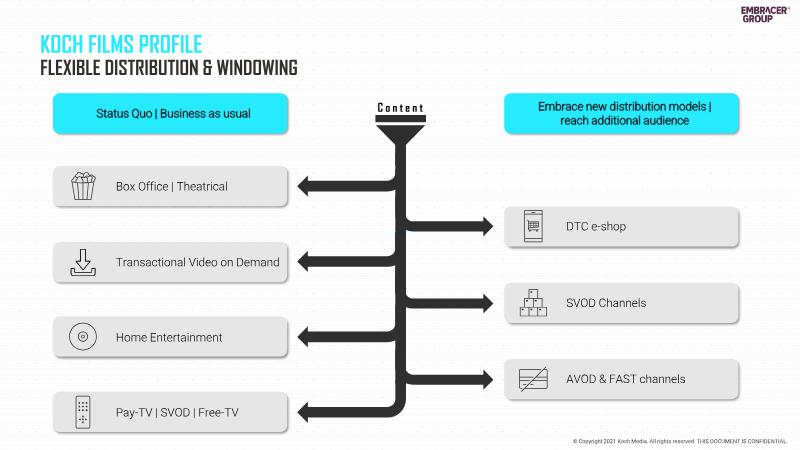
Embracer Group Acquires Spotfilm Networx
Embracer Group has expanded its media footprint through the acquisition of Spotfilm Networx, a Berlin-based leader in the German ad-supported video-on-demand (AVOD) market.
- Embracer Group has acquired Berlin-based AVOD leader Spotfilm Networx through its subsidiary Koch Films to expand its digital media footprint in German-speaking territories.
- The acquisition integrates Spotfilm’s streaming infrastructure and 22 branded channels—including the Netzkino service—with Koch Films’ library of over 3,000 titles.
- Spotfilm currently reports significant scale with 7 million unique users, 30 million monthly video views, and 40 million monthly ad impressions.
Annual Report of the German Games Industry 2021
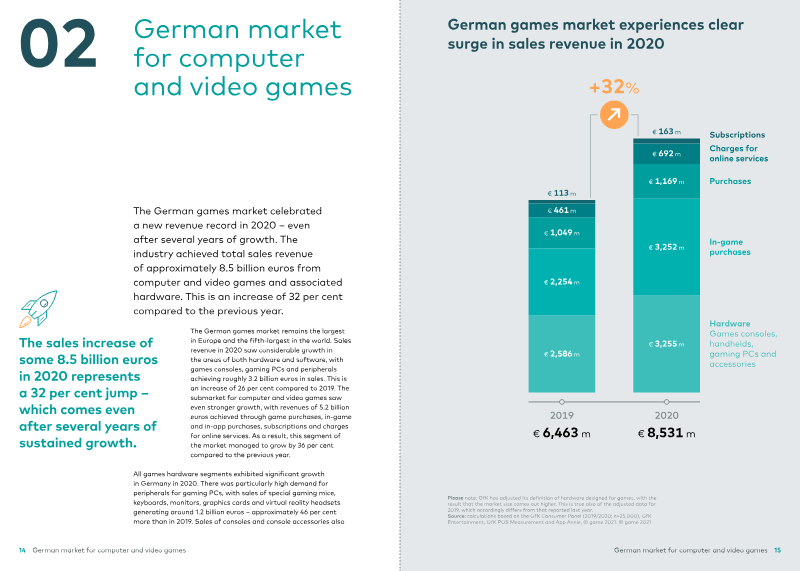
The German games industry achieved unprecedented expansion in 2020, recording a 32 percent revenue increase to approximately 8.5 billion euros.
- The German games market experienced significant growth in 2020, with overall sales revenue increasing by over 30% due to the COVID-19 pandemic. Hardware sales, including consoles and gaming PCs, reached a record high, and subscription services saw a 44% increase in sales revenue.
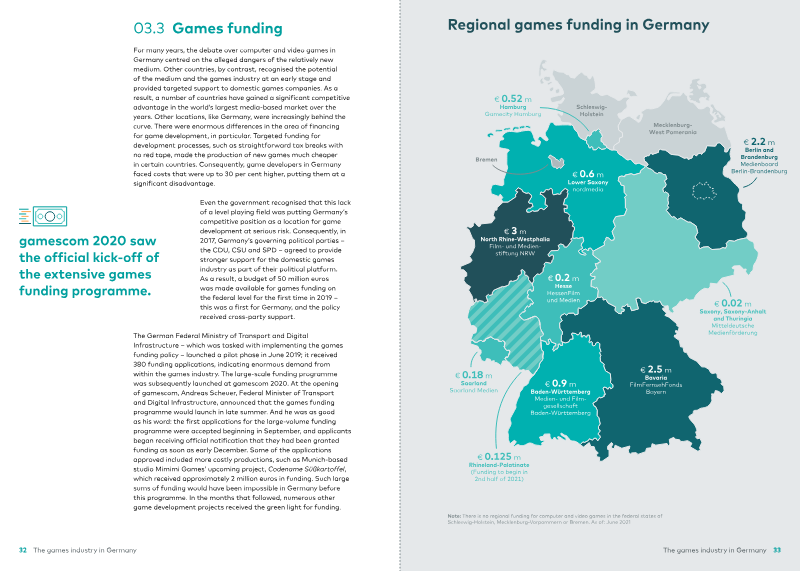
- Germany launched a major EU-notified games funding guideline in late 2020, with several studios receiving over one million euros in funding, marking a significant first for the country's games industry.
- The number of companies in the German games industry increased by 5% for development and publishing companies and 7% for publishing-focused companies in 2021. However, employment in the core market grew by only 8% to 10,906 people, indicating that most new companies are microenterprises.
Jahresreport der deutschen Games-Branche 2020
The German games market reached a record turnover of over 6.2 billion euros in 2019, representing a 6 percent growth rate despite the transitional phase between console generations.
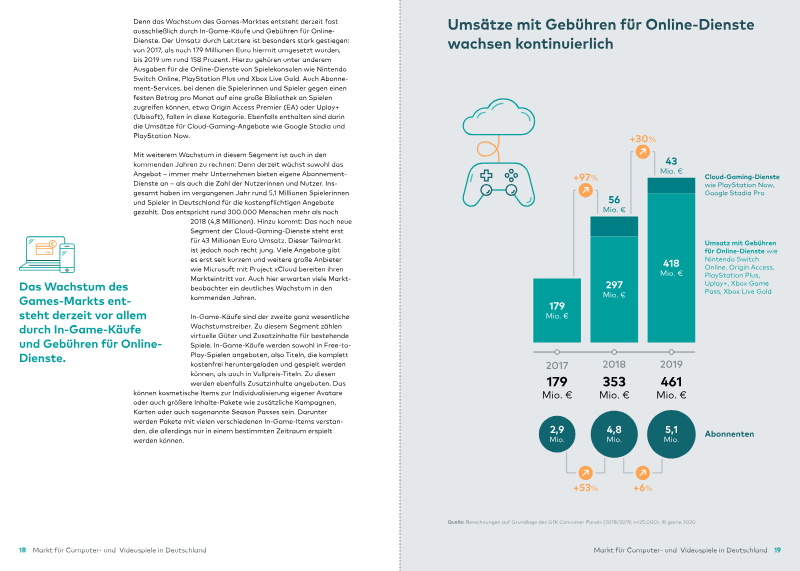
- The German games market reached a record turnover of 6.2 billion euros in 2019, marking a 6 percent growth rate driven primarily by in-game purchases and online service fees.
- Domestic production remains weak, with German-developed games accounting for less than 5 percent of the local market share.
- The industry faces a two-year decline in employment within development and publishing, attributed to higher production costs and international competitive disadvantages.
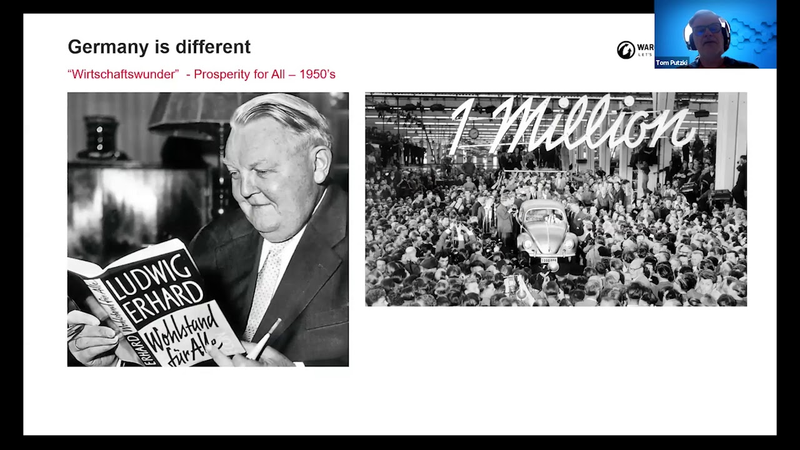
Knowing Ze Dschermans PG Connects Digital #2
The German video game market represents one of the top five global territories, generating approximately $6 billion in annual revenue.
- The German video game market is a top-five global territory generating approximately $6 billion in annual revenue.
- As of 2020, Germany had 34 million players with an average age of 37.5 years and a nearly even gender split of 52% male and 48% female.
- Historical socio-political headwinds, including strict regulations on violent content and Nazi imagery, have long hindered the industry's growth and institutional support.
The German Games Industry 2019
Germany stands as a premier global games market, characterized by a robust economic ecosystem and a strategic commitment to long-term growth.
- The German games market reached record revenues of 4.4 billion euros in 2019, driven by a domestic player base of 34 million people.
- Revenue growth is increasingly fueled by in-game purchases and subscription models, which have successfully offset declines in hardware sales.
- The federal government launched a 50-million-euro funding program to transition the country from a consumer-focused market into a hub for domestic game development.
Games Industry 2019/20
Germany stands as Europe’s largest video-game market and the world’s fifth-largest, a position reinforced by a robust developer community, flagship events and a policy framework that actively subsidises production.
- Germany is the largest video-game market in Europe and the fifth-largest globally, generating a record €4.4 billion in 2018 with a 9 percent year-on-year growth rate.
- The German government supports the industry with €50 million in annual non-repayable grants, which cover 25 to 50 percent of project costs for developers.
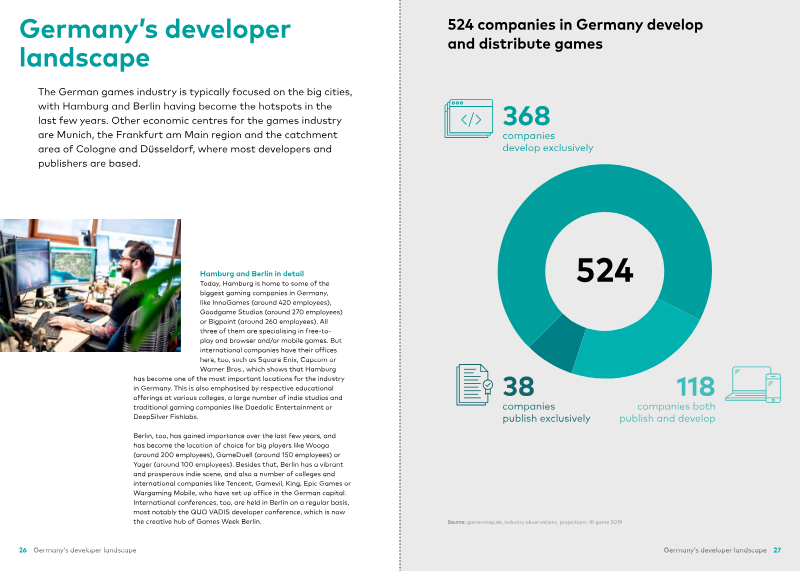
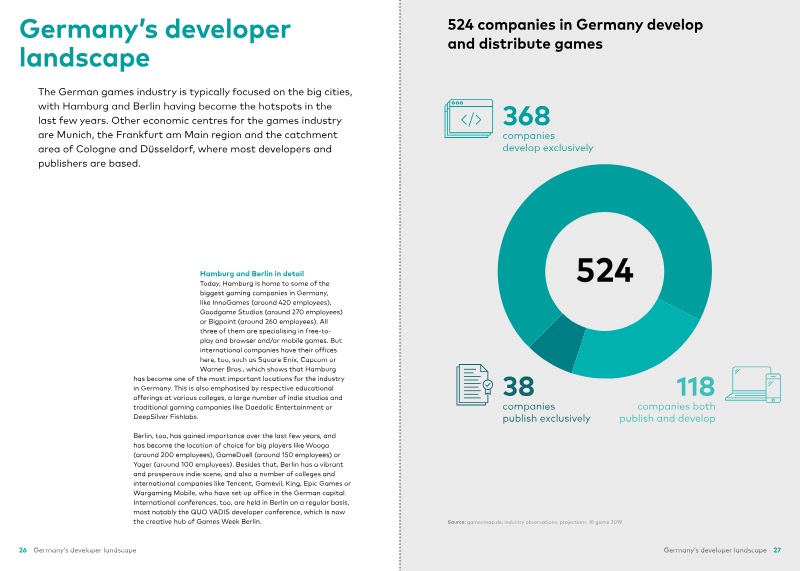
- The sector comprises approximately 524 game-related firms, including 368 development studios, employing 11,000 staff directly and nearly 28,000 when including ancillary roles.
How We Made ISLANDERS - (Indie Game)
The development of the indie game Islanders serves as a case study in the effectiveness of rapid prototyping and iterative design within small, focused teams.
- A three-person team developed Islanders in just four months as part of a bachelor program, proving that small, focused teams can produce polished titles through rapid iteration.
- The development process relied on short-term prototypes lasting only one to two days to test mechanics, allowing the team to discard complex features like real-time resource management and meteors.
- Transitioning from a real-time model to a turn-based system was a pivotal design choice that removed player pressure and prevented late-game economic inflation.
ISLANDERS - Surprise! We made a game.
Islanders is a strategy-based optimization game centered on the construction of aesthetic settlements across procedurally generated islands.
- Islanders is a strategy-based optimization game developed by a three-person team from the HTW Berlin game design program.
- The game is scheduled for a Steam release on April 4 with a target price point between five and ten dollars.
- The core gameplay loop focuses on earning points through the strategic placement of buildings within procedurally generated environments.
Jahresbericht der deutschen Games-Branche 2019
The German games industry reached a significant milestone in 2018, generating a record 4.4 billion euros in revenue and solidifying its status as the largest market in Europe.
- The German games market grew by 14% to 3.5 billion Euros in 2018, driven by a 97% increase in revenue from online service fees (to 305 million Euros) and a 57% increase in in-game purchases (to 297 million Euros).
- 34.3 million Germans play computer and video games, with 48% being female. The average age of gamers has risen to 36.4 years, with nearly 10 million players over 50 years old, representing 29% of all gamers.
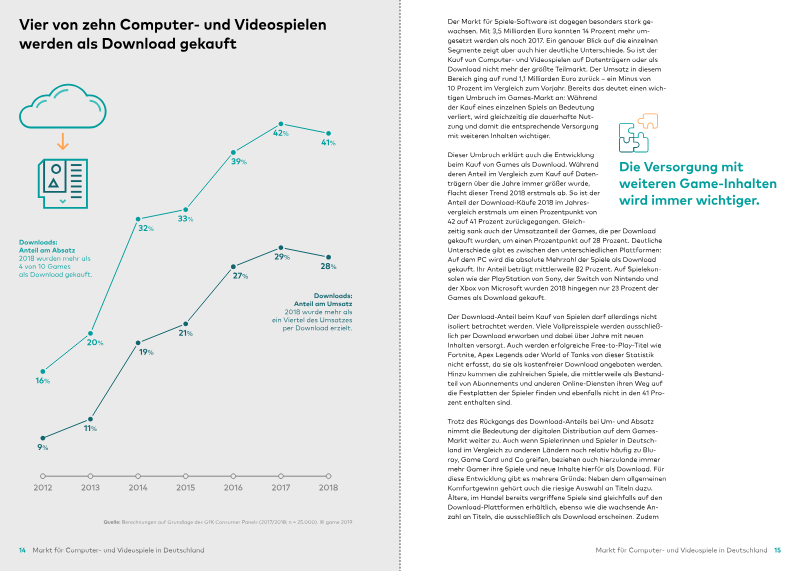
- The purchase of games as downloads or on physical media is no longer the largest market segment, declining by 10% to 1.1 billion Euros. Downloads accounted for 41% of sales and 28% of revenue in 2018, a slight decrease from 2017.