1 free read left. Create a free account for unlimited reading + AI research.
Create free account
How Oink can help F2P developers tap into the young adult market
Key insights
6 takeaways- 01The under-18 gaming demographic represents a massive market with an annual spending power of £3 billion in the UK and $200 billion in the US.
- 02Over 75 percent of minors are mobile internet users with high brand awareness, yet they remain largely excluded from digital commerce due to existing payment barriers.
- 03Free-to-play developers struggle to monetize minors due to regulatory compliance like COPPA, the lack of traditional payment methods for children, and high rates of 'friendly fraud' chargebacks.
- 04Oink functions as a secure intermediary by allowing parents to fund digital wallets with monthly allowances, removing the need for minors to store credit card data or personal information.
- 05Parental approval mechanisms integrated into digital wallet solutions effectively mitigate financial risk by preventing unauthorized transactions and subsequent chargebacks.
- 06Platforms like Habbo have demonstrated that implementing secure, parent-approved payment environments successfully increases engagement and drives repeat transactions among younger players.
Ask AI about this video
Transcript
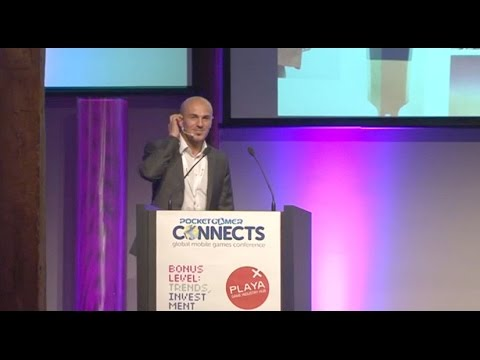
good good morning um thanks chris hi hi everyone um thanks for being here to this this morning i'm you uh you gotta try it on my first name chris uh i'm the country director for germany in france for oink oink is the product name and our company's name is called virtual piggy it's an la based company i'd like to take 10 minutes uh quite quick to give you some ideas about the about oink oink is a digital wallet for kids and we help gaming companies to to address engage the the under 18 players um i'll say some words about that so today we're going to talk about how you engage kids and how you can monetize them in a secure safe in a compliant way let me check just one question for the audience how many of you i know it's quite a really young audience compared to to me how many of you are dealing with kids either on a private side or with games good
so for those maybe fathers you may have experienced already that the kids are online on the whole day um yeah let me first give you some uh give you some some idea we make a lot of marked research within the company and this is your uk perspective uh it gives you one one um let's say one shot about um some marketing research within we've done in the in the uk to give you an idea about the the spending power for the kids uh i mean our research and things they went out and they asked a bunch of parents about the kids and we we ended up with quite interesting results there it's about three billion market in the un in the uk and uh well interestingly is the uh the fact that uh by the age of 16 75 percent of the kids they already have a smartphone which is uh i mean one of the key platforms today when it comes to play games and if you look at some numbers about pocket money they have
um we talk about a weekly income of 33 euros a week in um in the uk the top let's say five categories are from the 11th to 19th are closed dvds books computer games and music downloads so uh games are really in the top uh five uh in in the uk another perspective on the us us we talk about this 200 billion markets and it's quite a substantive market so how to address these kids something what is important with the these markets is the fact that this the kids our generation they did not experience a world without internet and no one uses mobile internet more than the kids i mean we all have a smartphone uh 74 percent is still here u.s some u.s numbers but i'm sure if we look at it from the eu perspective you will come up with the same result more than 75 of kids are using mobile internet today and
in terms of shopping online um almost 80 percent of them already shopping online um interesting also they know what they want they are really high brand awareness they are straightforward and so when it comes to buyer brand they know exactly which brand they want to have and they have time to play so they socialize they are hyper connected they are they are tech savvy and still have time to play sorry about the uh the title um however they can't get uh the product they want to buy either a physical goods or virtual goods a subscription why is it so difficult to monetize kids today and there are different reasons about that uh the first reason is there is a really low uh credit card um i mean many kids are not allowed to have a credit card in the routine um paypal uh i'm not sure if you're aware about that uh determined condition of paypal they don't allow you to uh to have an account if you're not 18. so which is quite uh
let's say uh tricky when it comes to use paypal and if you're 16 for instance and many of the solutions out there are not for under 18. some of them are costly some of them are do not provide any parental approval or parental consent and many of them do not provide any cost control i mean if you look at mobile i'm sure that some of the games here company that are using sms sms quite costly they usually take 10 to 30 commission and the um and this is what let's say the uh what they can't get it today and um i'm sure some of you aware about that also if you look oops sorry here um is there any button to well anyway if you look at some example and that's why you came up with some really uh um class action lawsuits last couple of years uh just to give an example some of you know smurf berries yeah so when you look at it was in 2012 i think the example is uh
uh an eight-year-old girl she racks up a huge bill on this murder she could she bought some wagons of smurf berries which was around 99 yeah uh that was at that time where an apple um when you when you download an app um you you had like this 15 minute window to play the game and you were not asked to give any password to buy the virtual goods um another other challenges so there is no solutions a lot of kids they arrive at the payment side and they had to just leave the payment side there is no solution for them to buy online chargebacks um when you look at it the uh chargeback it's uh it's about friendly fruit does any uh one of you knows what friendly fruit is yes no friendly fraud is the and it happened a lot i mean if i take my i've got three kids and my kids don't know exactly my credit card numbers yeah i don't know how they did it uh they used to look at my
um let's say my at my wallet and they always let's say no exact numbers 24 it comes when in different categories um but the the main one is when the kids just uh yes use the credit card of the parents without their approval um so sometimes you just give him let's say the uh the way to buy online you give there your numbers and he's using your credit card for other transactions and you were you didn't prove that transaction um other really let's say key aspect when it comes to deal with kids and if you want to monetize this age group is the uh they're each country has different lows and we there is quite a strict uh law in the us which is called copa coppa stands for children online privacy and protection acts just to give an idea about that in the us um if you want to your website or game company is not allowed to uh to to ask for any personal
information to identify the kids so on the one hand you want to address them you want to monetize but on the other hand you're not allowed to take any information and coppa is is quite strong in the u.s are there any u.s companies here yeah no well you know coppa yeah good so it's quite tricky many game companies they are facing some let's say a difficult time right now with that uh with that uh with that um protection act um other things when it comes to kids you deal with two different aspects is our kids and financial aspect with the key most important aspects as a parent as a father as a mother and this leads to a lot of friction uh friction means um they have an allowance they have pocket money but they can't spend it so if you look at the us friendly fraud is more than 12 billion uh let's say
uh reported as friendly fraud which is a huge chargebacks for gaming companies for instance it's the the old presentation but i will use this one based on this on these challenges we um we we decided to found oink our ink is it's a it's a family wallet it's a secure safe compliant solution just to address these kids it's available online mobile and in-store uh we reduce the transaction friction because we ask the parental approval uh we limit chargebacks and friendly fraud and we are compliant we are the only company compliant on the copa uh only only copper compliant uh dealing with the gaming companies um to give you an idea i just want to take the last two minutes um we have more than one million uh consumers i mean the idea is you have a wallet there is a funding source we use credit cards of the parents and the kids has enlarged on a monthly basis let's say
for instance 50 euros and he can spend that amount online mobile in-stores and there is a control of the plants and we don't ask any uh any kids information and we have more than 1.2 uh users worldwide we work with many gaming platform live live gamer we work with many payment platforms and we work already with top uh gaming companies like habbo gaia crytek uh wargaming and and and so on um just to give you a case study here is with habbo habbo do you know ahabo i'm sure yeah well that's quite uh obvious uh we worked with the hab won a campaign where it uh the main goal were to incentivize purchases and with the parental approval within a compliant manner and to drive awareness and we end up having a lot of repeat transaction let's say after after the campaign and he was selling virtual goods and we
were we even incentivized let's say purchase items by offering let's say like golden pink and so on yeah uh so i did it on time i think chris yeah ten minutes uh i didn't want to deep into details about the the these products but uh just wanted to give you that this is a challenge today for many gaming companies and but there are solutions out there uh and well if you have any questions feel free to uh to come and ask me um be i'll be here the whole two days thank you okay
Summary
The monetization of the under-18 gaming demographic presents significant challenges for free-to-play developers, primarily due to regulatory compliance, parental concerns regarding unauthorized spending, and the lack of accessible payment methods for minors. While children represent a substantial market—with research indicating a three-billion-pound annual spending power in the UK and a two-hundred-billion-dollar market in the US—they are often excluded from digital commerce because they lack credit cards and are ineligible for services like PayPal. Furthermore, developers face legal hurdles such as the Children's Online Privacy Protection Act (COPPA) in the US, which restricts the collection of personal data from minors, and the financial risk of friendly fraud, where parents initiate chargebacks for unauthorized transactions made by their children.
To address these friction points, digital wallet solutions like Oink provide a secure, compliant intermediary between young players and gaming platforms. By utilizing a model where parents fund a digital wallet with a set monthly allowance, developers can facilitate transactions without requiring the child to possess a credit card or store sensitive personal information. This approach incorporates parental approval mechanisms, which effectively mitigate the risk of chargebacks and ensure compliance with privacy regulations.
Industry data highlights that children are highly tech-savvy, with over 75 percent of minors using mobile internet and possessing high brand awareness. Despite this, many are unable to purchase virtual goods or subscriptions due to payment barriers. By implementing specialized family-oriented payment systems, gaming companies can tap into this demographic while maintaining ethical standards and cost control. Case studies involving platforms like Habbo demonstrate that providing a secure, parent-approved payment environment can successfully drive repeat transactions and increase engagement among younger audiences.

















Comments