Game Studies reports and market data
Documents
Deprogramming Indiana Jones: Anti-Colonialist DMing with Kids
Traditional tabletop role-playing games frequently perpetuate colonialist ideologies by relying on problematic tropes, such as the inherent villainy of specific races and the glorification of treasure-seeking violence.
- Dungeon Masters can mitigate colonialist tropes in tabletop RPGs by shifting from conquest-based gameplay to collaborative, morally complex storytelling.
- Educators should replace traditional hack-and-slash mechanics with non-violent problem-solving to encourage critical thinking and empathy in young players.
- The integration of safety tools like the X-card and established behavioral norms is essential for creating inclusive gaming environments.

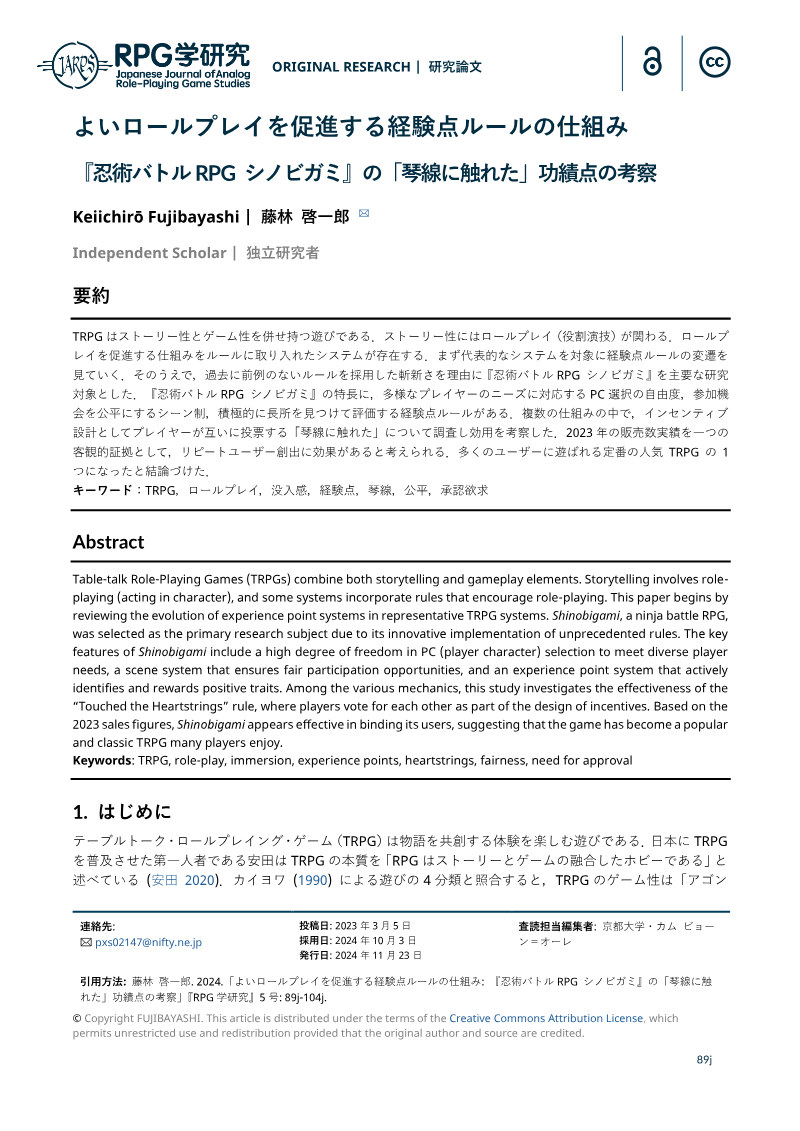
Mechanisms of Experience Point Rules to Promote Good Roleplay: A Study of 'Touched by the Heartstrings' in Shinobigami
This study examines the role of experience point mechanics in promoting positive roleplay within Japanese Table-talk Role-Playing Games (TRPGs), with a primary focus on the "Touched the Heartstrings" (Kinsen ni fureta) mechanic in the ninja battle RPG Shinobigami.
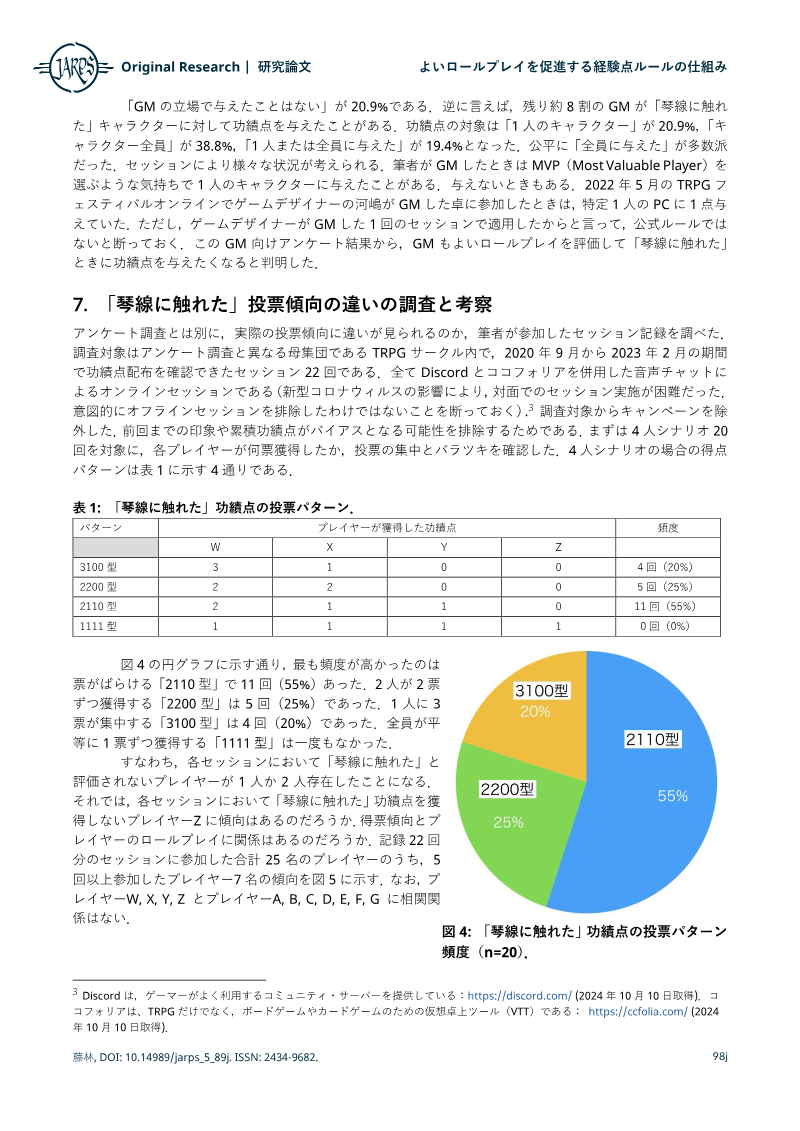
- The 'Touched the Heartstrings' mechanic in Shinobigami incentivizes high-quality roleplay by allowing players to award experience points to peers based on subjective emotional impact, regardless of whether character mission objectives are met.
- Peer-to-peer recognition systems like 'Touched the Heartstrings' function as essential retention tools that validate dramatic contributions and foster community engagement within TRPG systems.
- Analysis of 20 specific game sessions and survey data from 162 respondents confirms that emotional and dramatic engagement is a primary driver for player motivation in systems where victory conditions are ambiguous.
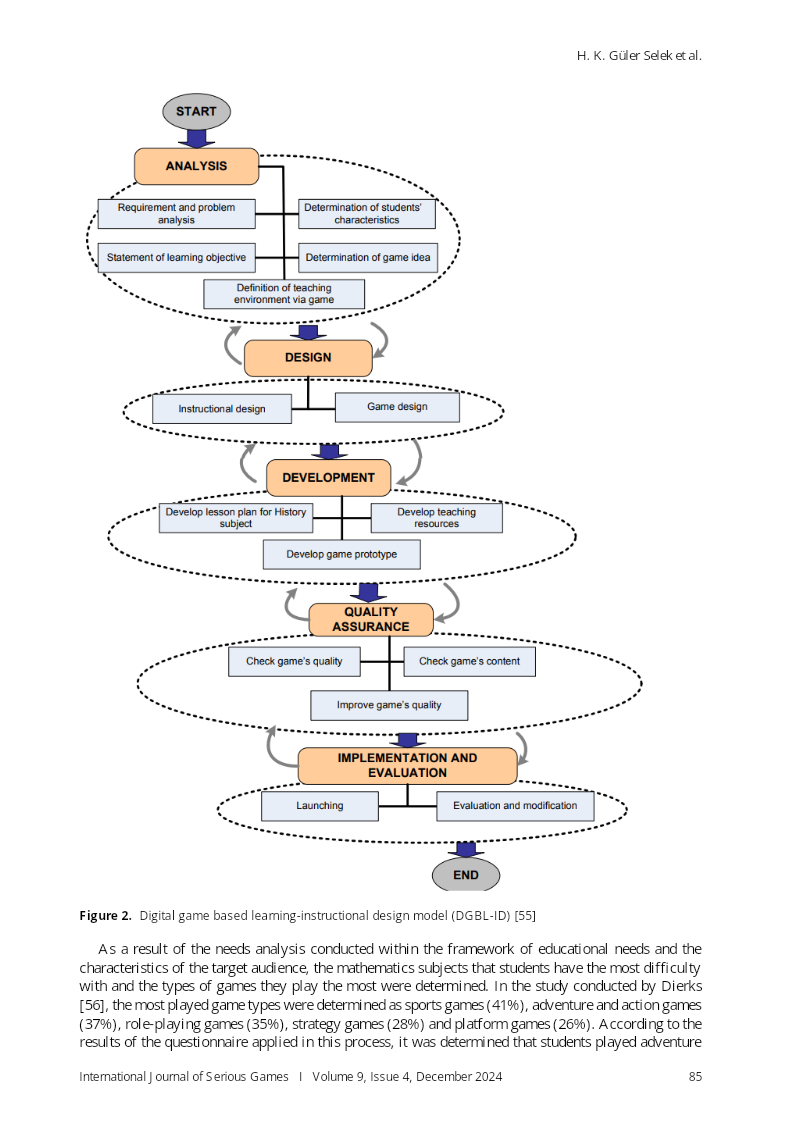
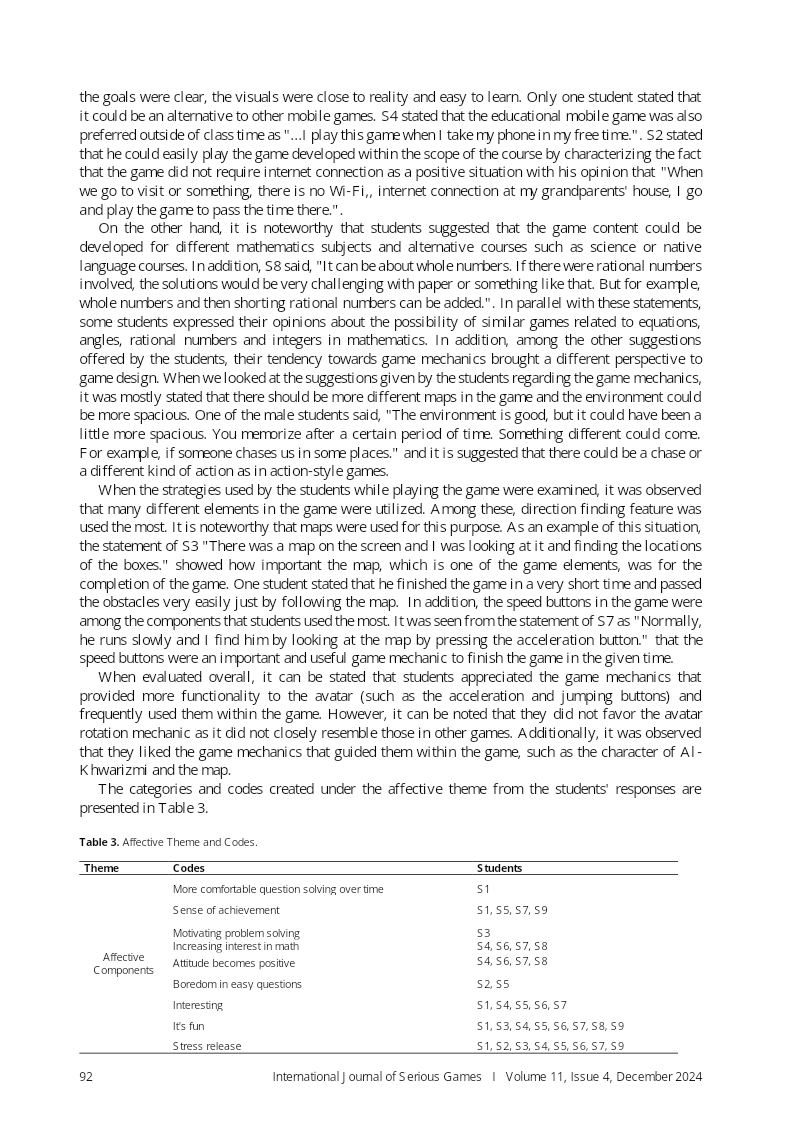
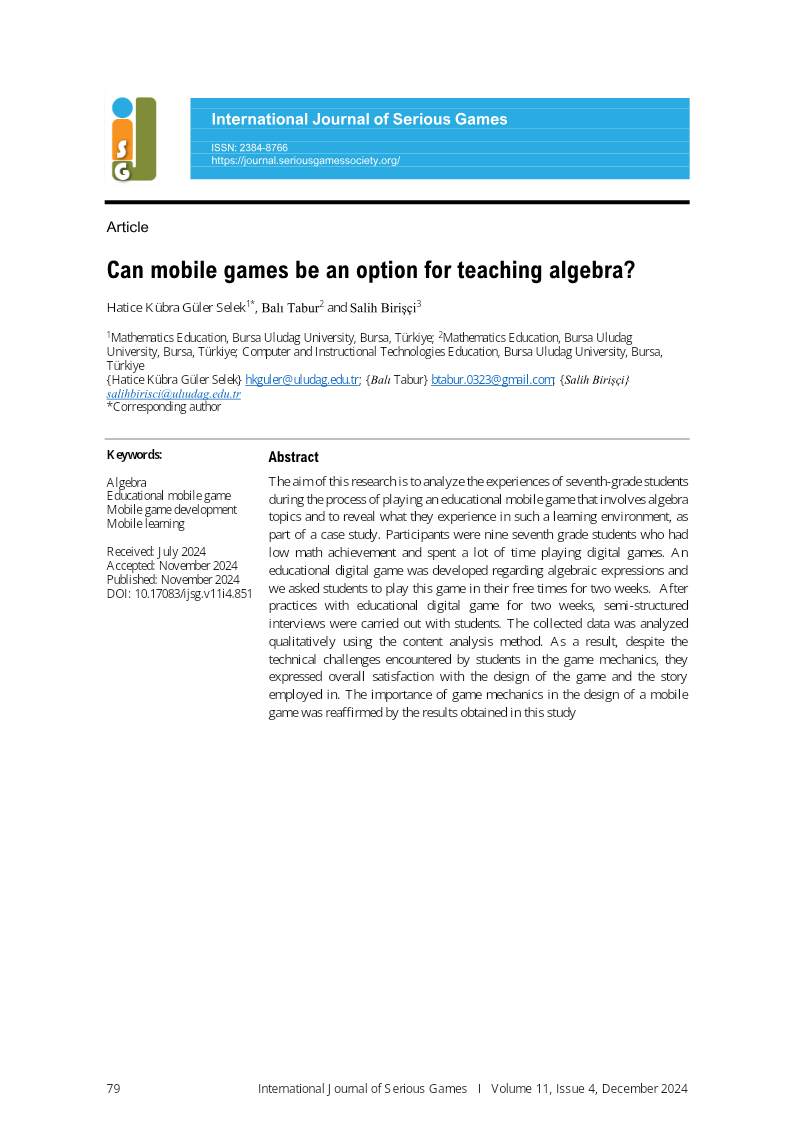
Can Mobile Games Be an Option for Teaching Algebra?
Mobile game-based learning serves as a viable pedagogical tool for teaching algebra to seventh-grade students, particularly those who struggle with traditional mathematics instruction but possess high digital gaming proficiency.
- Mobile games effectively increase student motivation and mental processing speeds in seventh-grade algebra, particularly for students who struggle with traditional instruction.
- While mobile platforms improve student attitudes toward mathematics, they do not inherently teach formal mathematical reasoning or replace the need for explicit instruction.
- Research indicates that students using mobile algebra games often rely on trial-and-error strategies rather than developing new cognitive approaches to problem-solving.
Analysis of the Impact of Serious Games on the Development of Writing Skills in Intermediate-Level Students Learning French as a Foreign Language
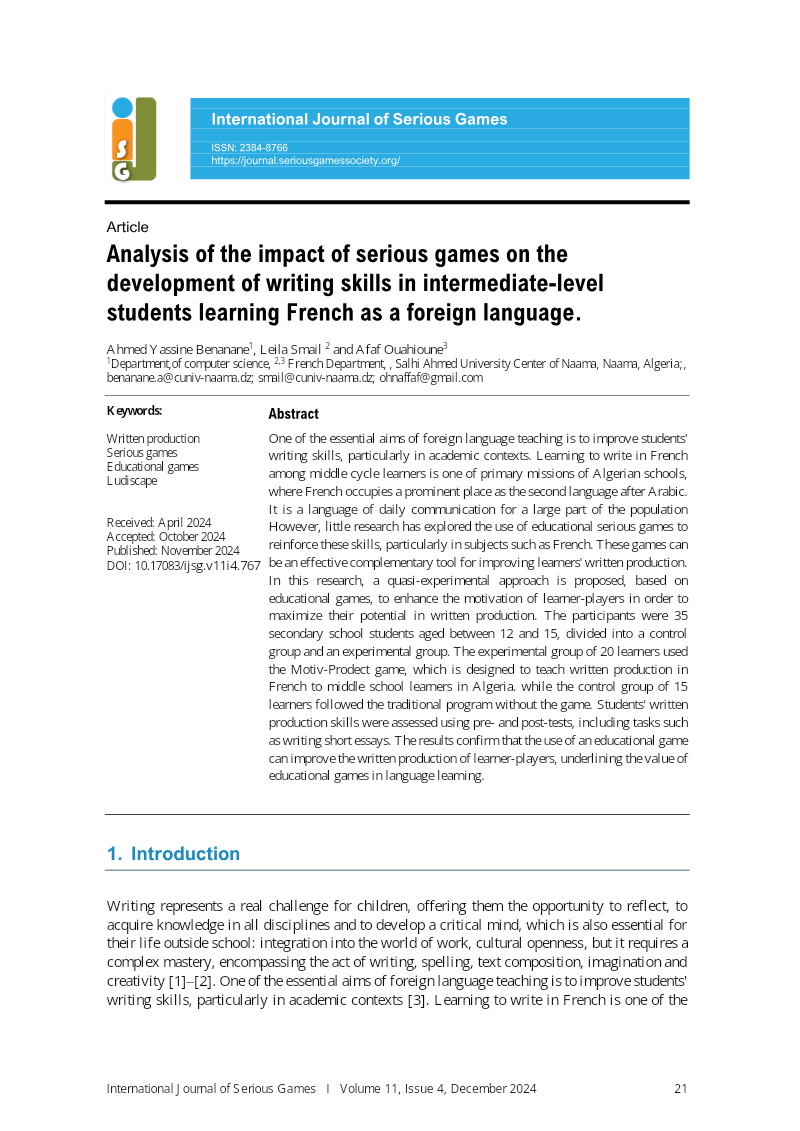
Serious games serve as a potent pedagogical intervention for improving written proficiency in foreign language acquisition.
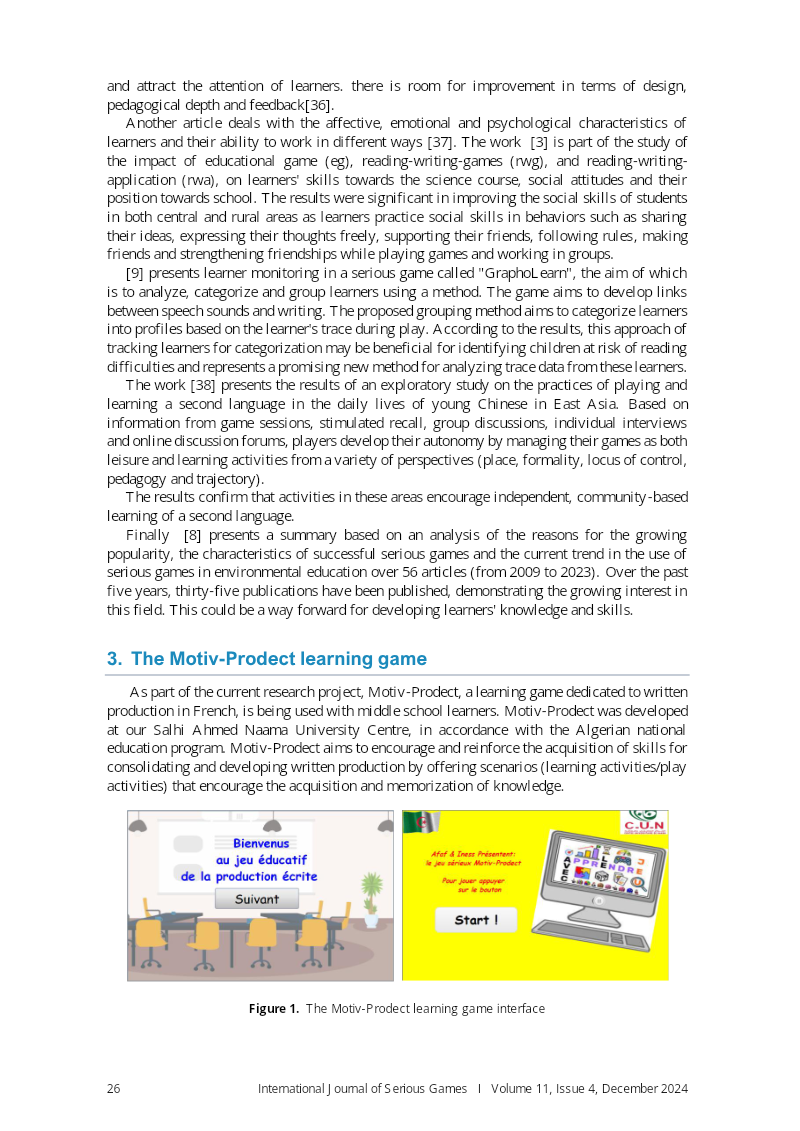
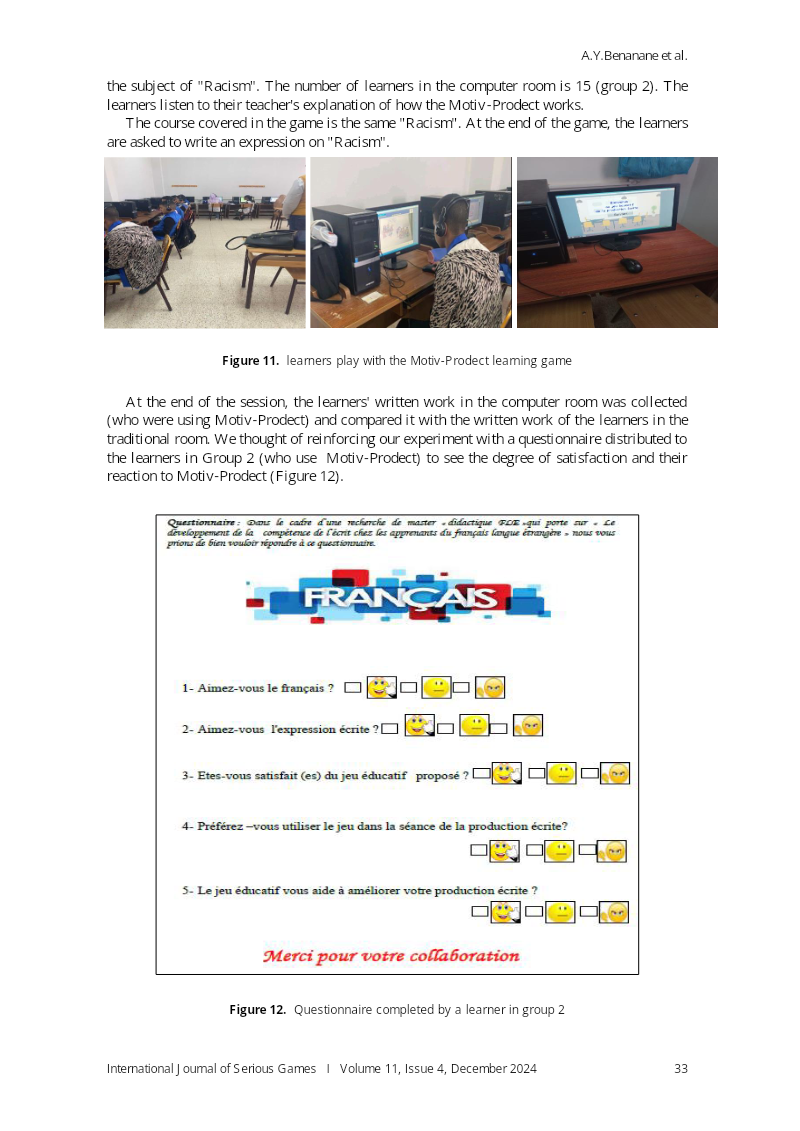
- Students using the Motiv-Prodect gamified platform consistently outperformed peers in traditional classrooms, achieving higher quiz scores and demonstrating superior textual coherence and situational appropriateness in written French.
- Gamified learning environments effectively reduce student anxiety related to writing tasks while fostering the intrinsic motivation required for autonomous skill development.
- A study of 35 Algerian middle school students confirms that integrating game mechanics directly correlates with enhanced critical thinking and linguistic output.
Serious Games in Science and Mathematics Education: A Scoping Umbrella Review
Serious games serve as a significant pedagogical tool for enhancing science and mathematics education, primarily by fostering student motivation, engagement, and cognitive development.
- Serious games significantly enhance science and mathematics education by boosting student motivation, engagement, and academic self-confidence, based on a synthesis of 16 systematic reviews and 535 primary studies.
- The effectiveness of serious games is highly variable, as poor design or implementation can trigger negative outcomes such as student anxiety, demotivation, and feelings of failure.
- Successful integration requires high teacher proficiency and game literacy to ensure educational objectives remain the priority over the gaming experience.
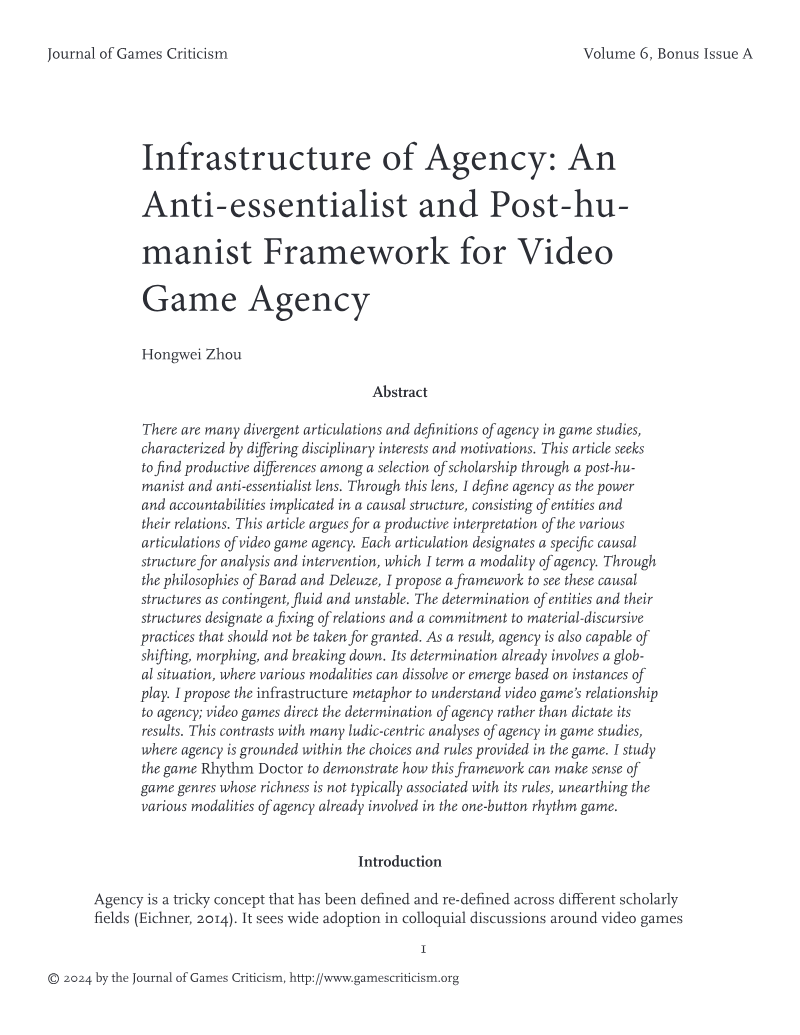
Infrastructure of Agency: An Anti-essentialist and Post-humanist Framework for Video Game Agency
Video game agency functions as a distributed, post-human phenomenon rather than a static property inherent to software mechanics or individual human intention.
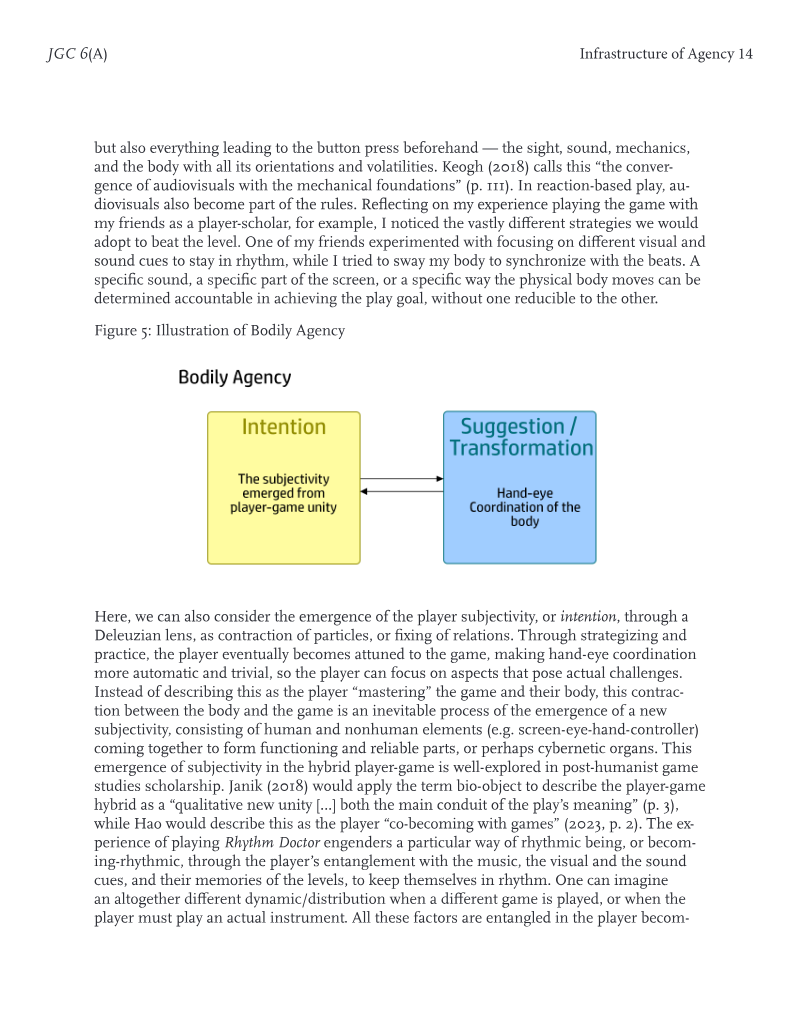
- Video game agency is not a fixed mechanical property, but a distributed phenomenon emerging from the entanglement of human players, hardware, code, and social discourse.
- Games function as infrastructure that directs rather than dictates action, meaning agency is a fluid, contingent process negotiated during play.
- The boundaries between player and game are perpetually destabilized, as human and non-human actors continuously transform one another through interaction.
Virtual Simulation Games in Entrepreneurship Education: Status Quo and Prospects
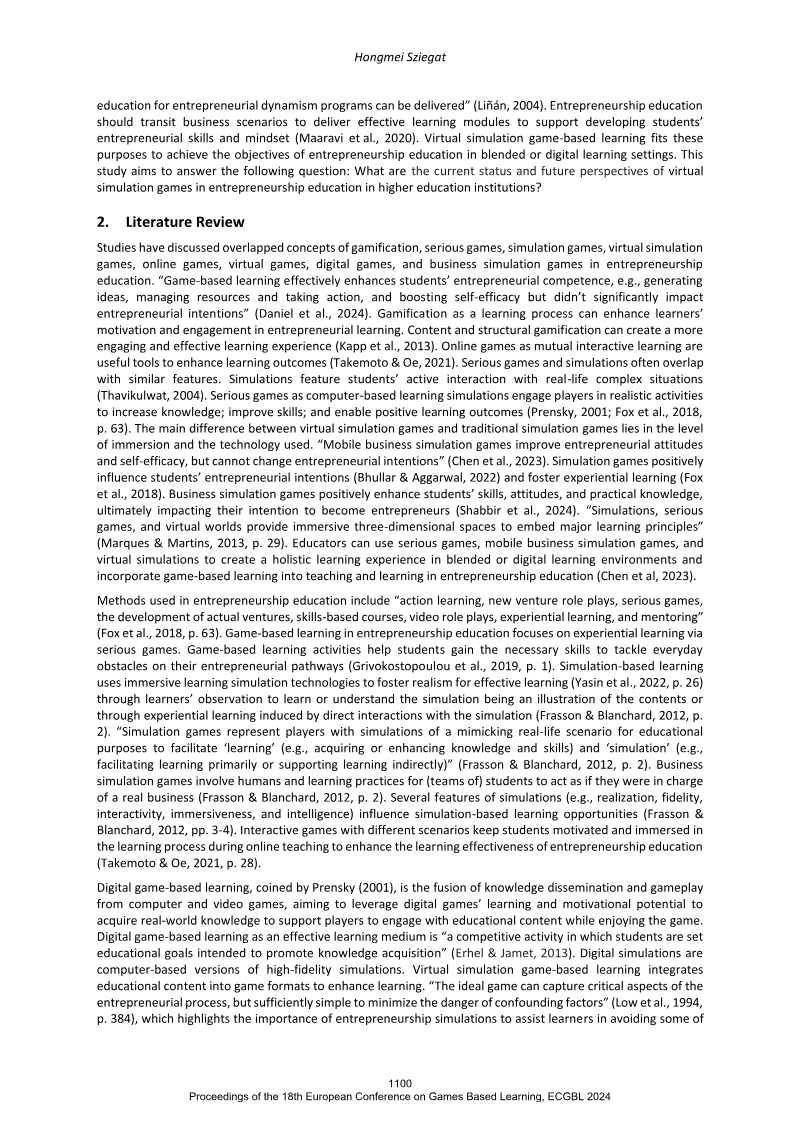
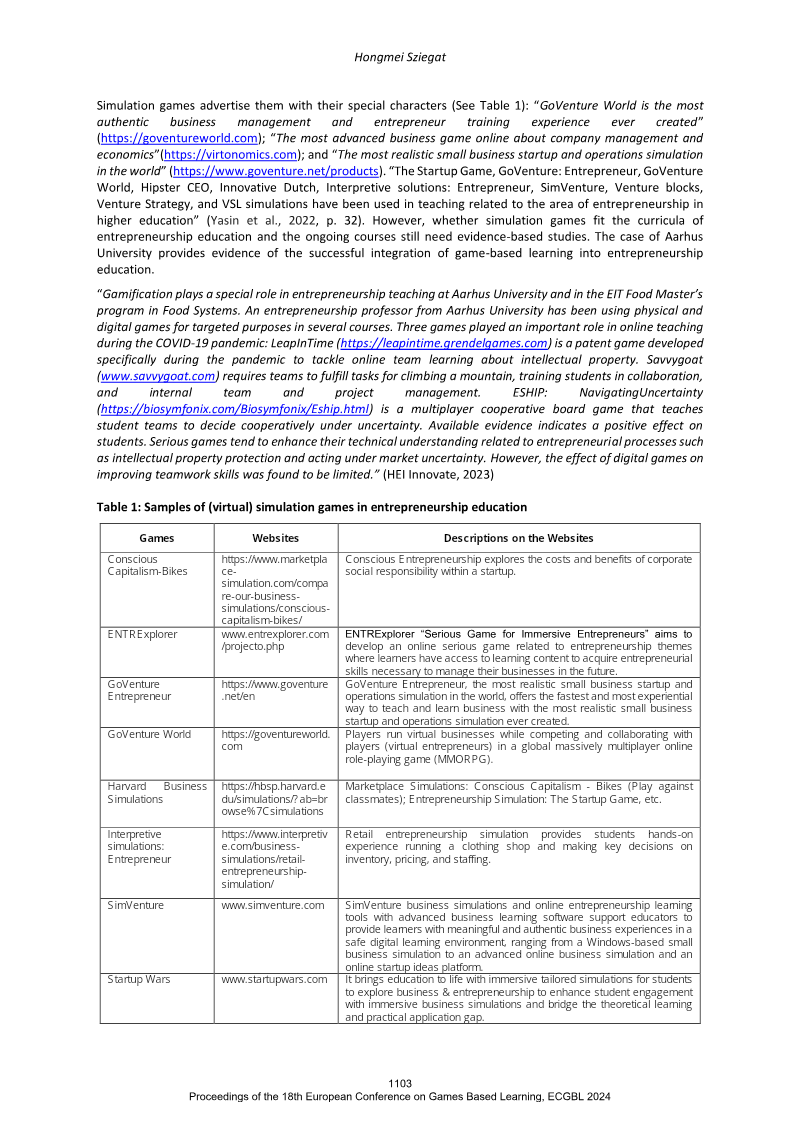
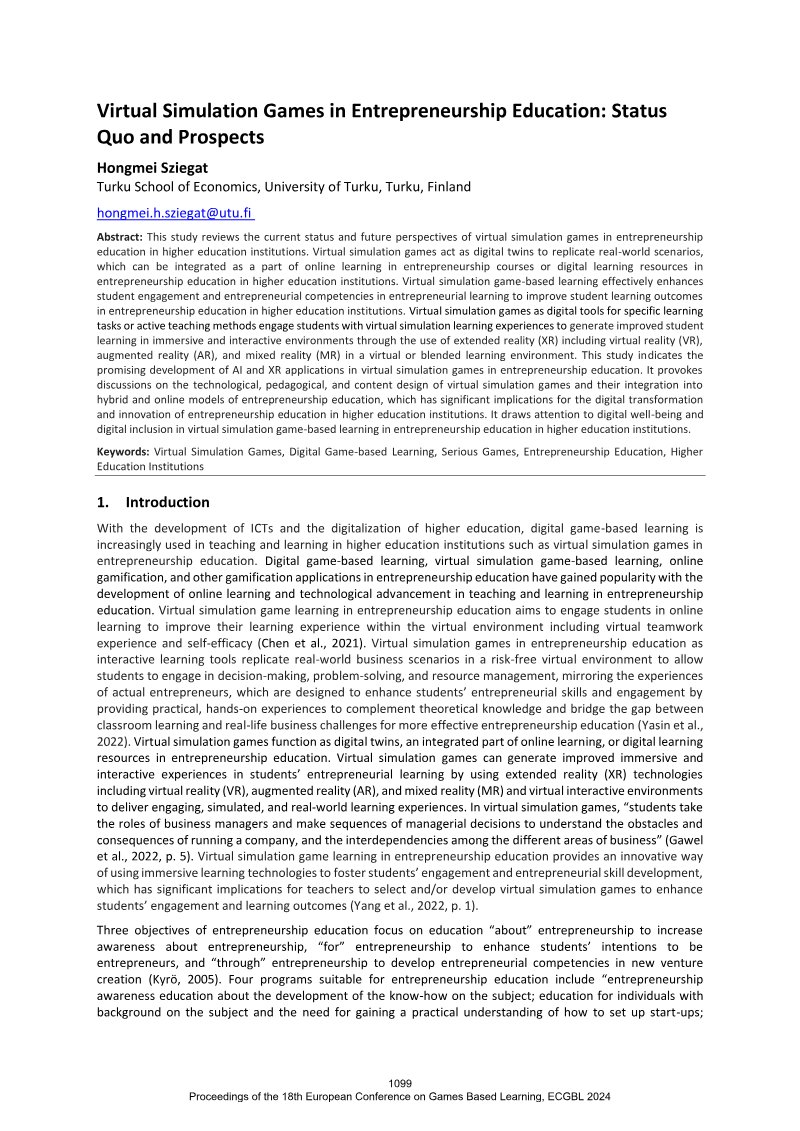
Virtual simulation games, which use extended reality technologies such as virtual, augmented, and mixed reality to recreate business scenarios in risk-free settings, are examined in this paper as tools for entrepreneurship education in higher education.
- Virtual simulation games use extended reality (VR, AR, mixed reality) to recreate business scenarios in risk-free settings, and the paper argues they complement classroom entrepreneurship instruction by building decision-making, teamwork, risk management, and self-efficacy.
- The evidence on effectiveness is mixed: several studies link simulation-based learning to better engagement, self-efficacy, and collaboration, but others find no significant effect on entrepreneurial intentions, and digital games show limited influence on teamwork skills.
- A mobile business simulation study found improved attitudes and self-efficacy without any change in entrepreneurial intentions, underscoring that skill-related gains do not automatically translate into stated career intent.
Serious Games for Education and Training in the Humanitarian Sector: State of the Art
This study by Mukherjee and Guardiola surveys the state of serious games for education and training in the humanitarian sector, a field where adoption has lagged despite the demonstrated value of game-based learning in other domains.
- Of 89 non-commercial serious games on humanitarian topics released between 1990 and 2023, 49 targeted awareness, 9 classroom education, and 31 professional training of humanitarian workers, policymakers, and stakeholders.
- Accessibility is a serious problem: 11 of the 31 professional training games are no longer available and 10 require direct contact with developers or a workshop to access, unlike commercial titles on related themes, which remained almost entirely accessible via archives, resellers, or abandonware sites.
- Analog, multiplayer games dominated professional training, while digital titles were mostly single-player and used largely for awareness and education.
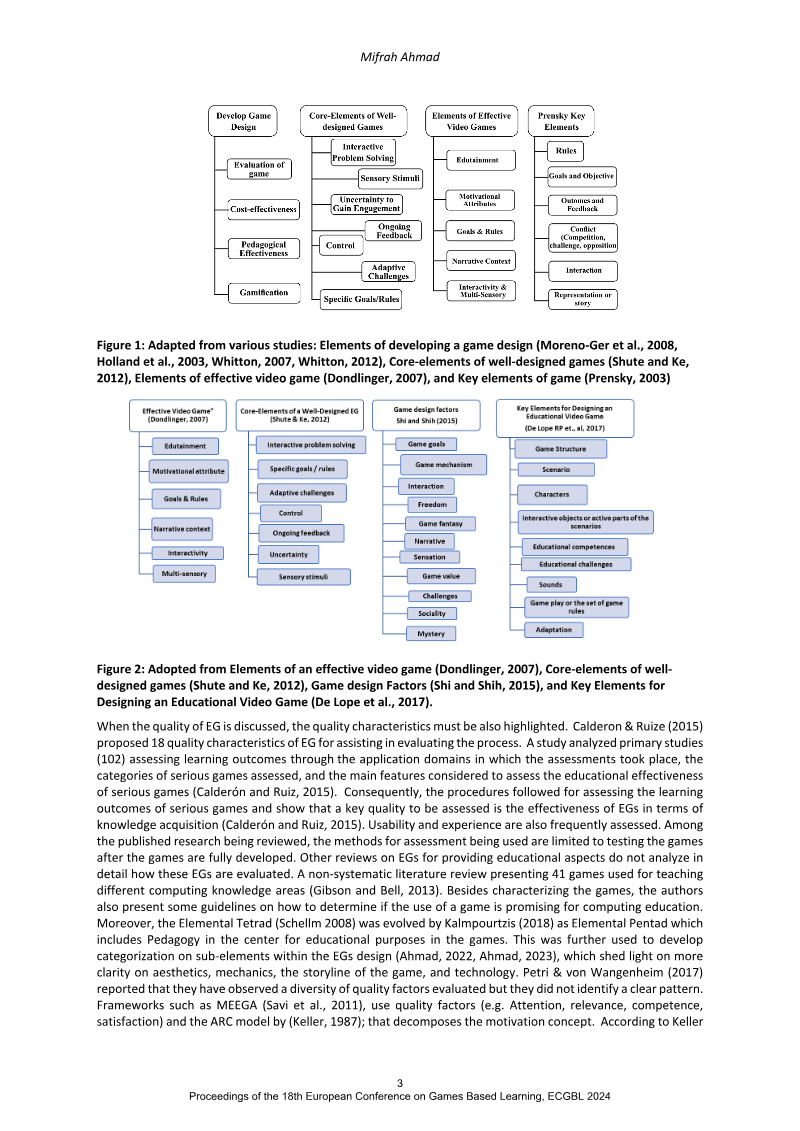
Game Designers’ Experiences with Educational Game Design Elements: From Practice to Conception
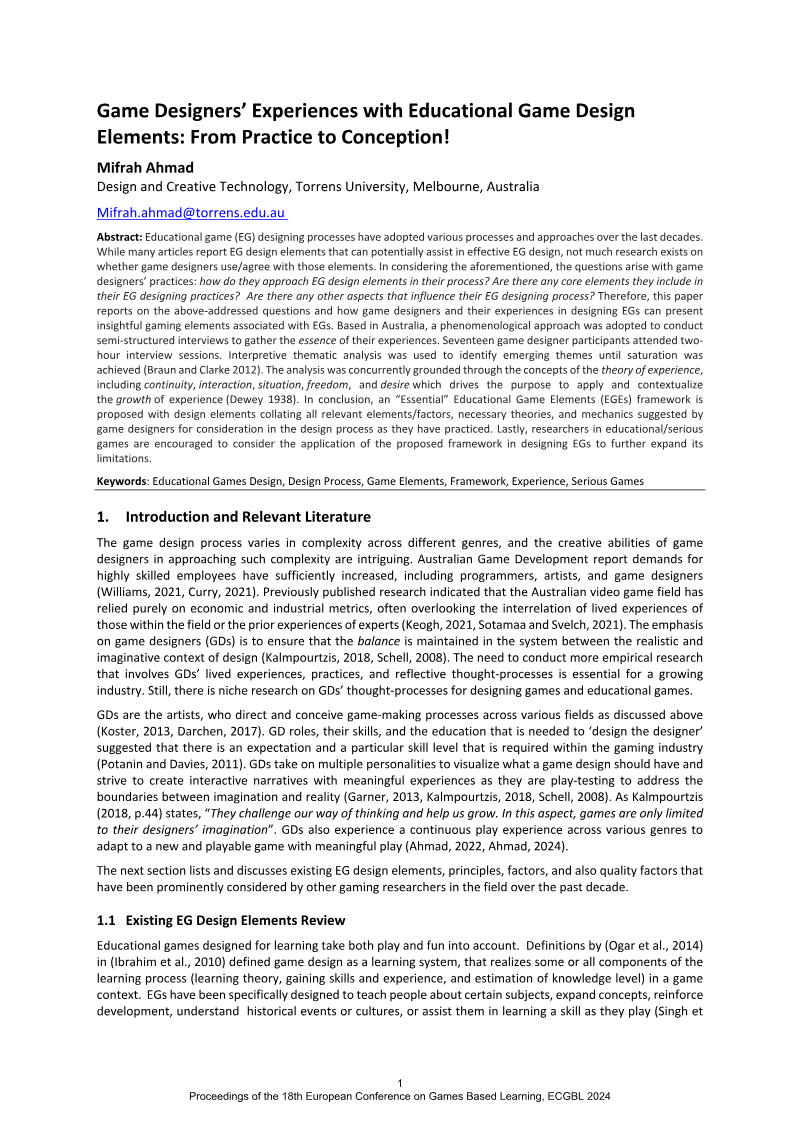
This study examines how game designers in Australia apply educational game design elements in actual practice, rather than relying solely on theoretical frameworks.
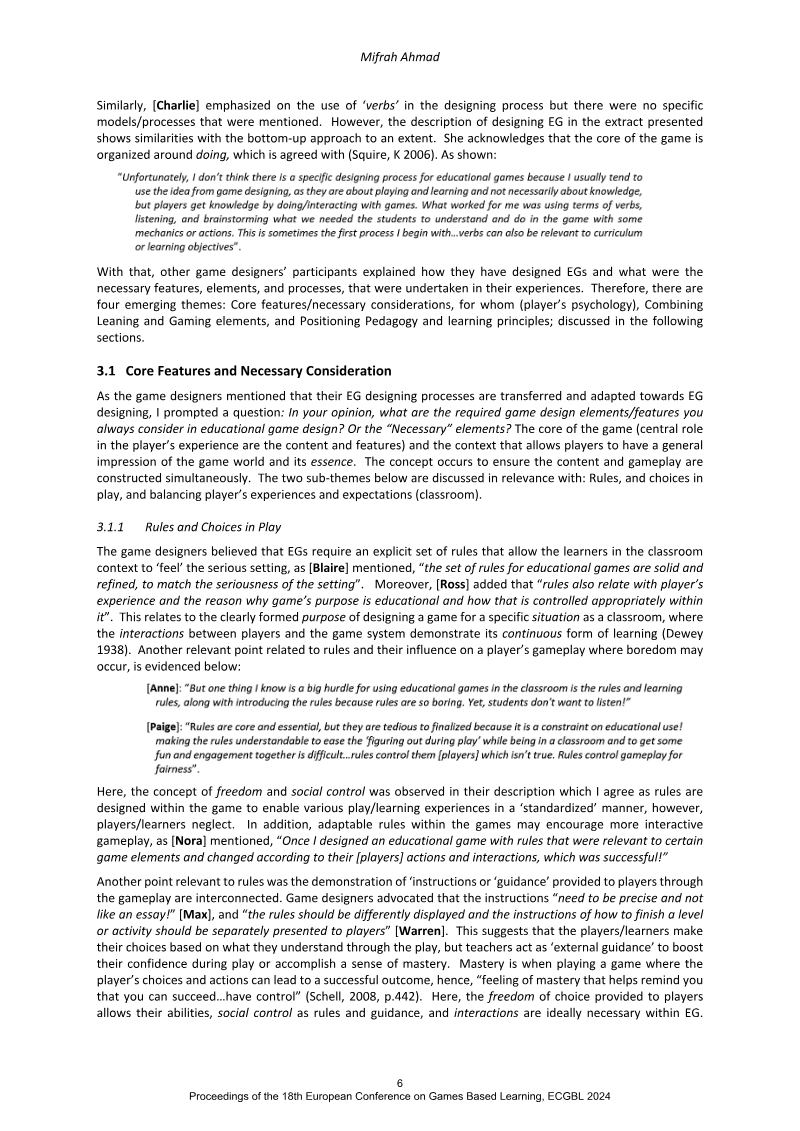
- Interviews with 17 Australian game designers (5–15 years' experience) found that most did not substantially change their processes when working on educational projects, with only a small number adapting their approach.
- Two designers stood out: one used a bottom-up design approach, and another structured gameplay around verbs drawn from the curriculum.
- Designers emphasised that educational games need explicit, carefully refined rules, a balance between seriousness and engagement, graduated difficulty, and memorable experiences that support learning.
Impact of LEGO® Based Therapy on Skills Development and Quality of Life in People with Neurodevelopmental Disorders
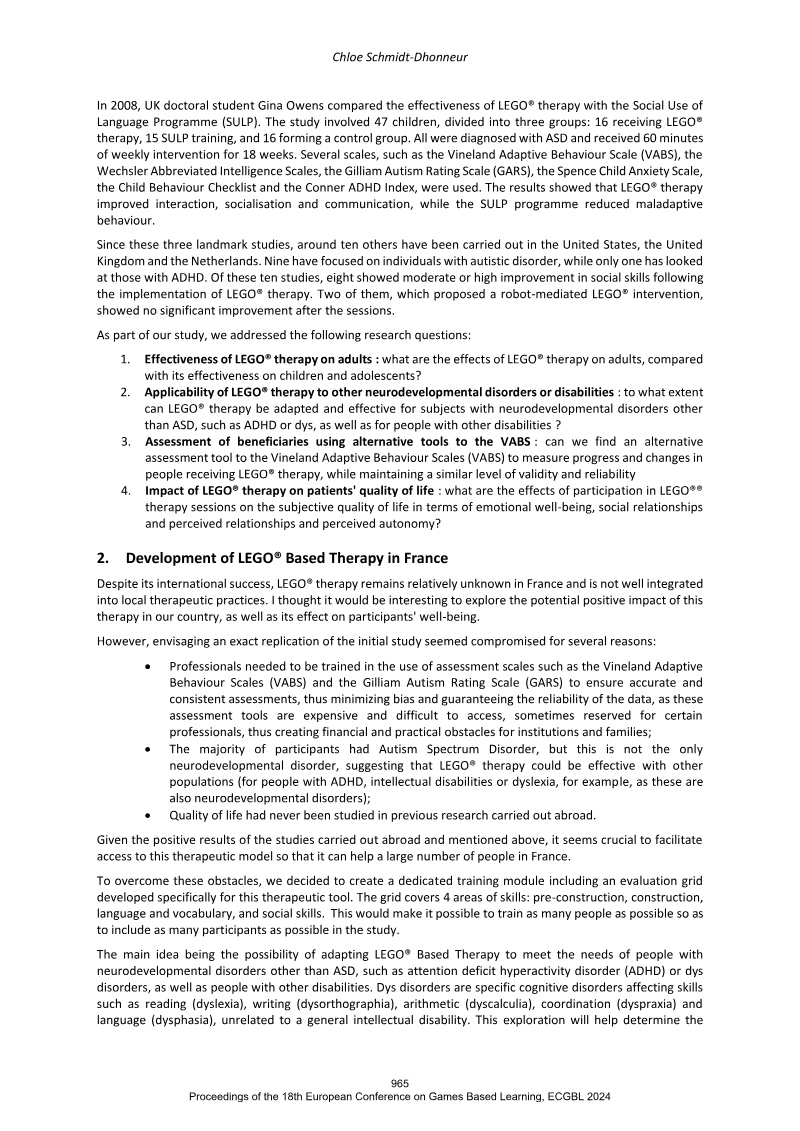
This thesis evaluates whether LEGO® Based Therapy, a structured social-skills intervention that uses collaborative LEGO® construction, can benefit people with neurodevelopmental disorders beyond autism, and whether it improves quality of life for beneficiaries and their families.
- LEGO® Based Therapy was evaluated in France on 108 analysed participants aged roughly 5 to 88 with diverse neurodevelopmental and other diagnoses, after 317 learners were trained to deliver it to 76 practitioners' service users between February 2022 and June 2024.
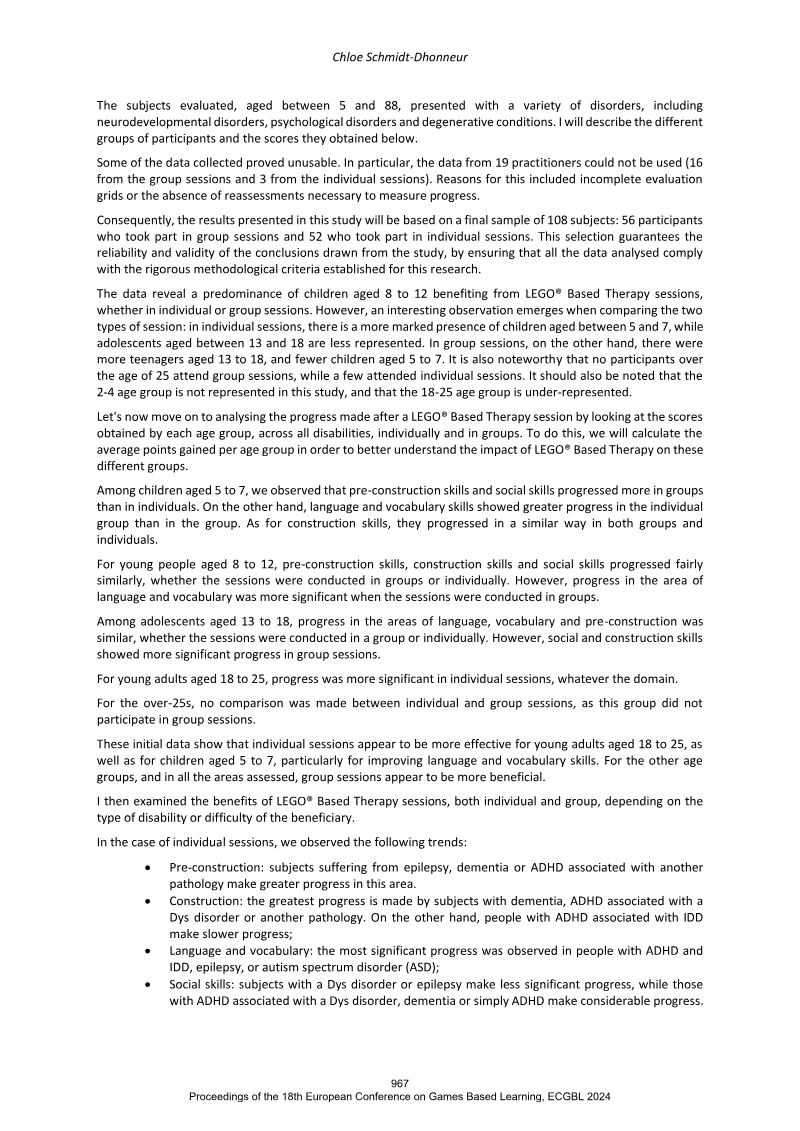
- Individual sessions appeared more effective for children aged 5 to 7 in language and vocabulary and for young adults aged 18 to 25, while group sessions seemed more beneficial for most other age groups.
- Participants with ADHD showed notable gains across several domains, whereas participants with schizophrenia showed the least change, likely because their baseline scores were already high, suggesting the evaluation grid may not suit that functioning level.
Exploring the Affordances of Vernacular Digital Games in Developing 21st-Century Skills
This paper argues that the boundary between formal and non-formal learning should be bridged rather than dismissed, and it proposes shifting the focus from gamification, which adds game elements to non-game contexts, toward adding an educational layer to entertainment games that were never designed for pedagogy.
- The paper argues for adding an educational layer to entertainment games not designed for pedagogy, rather than gamification, which adds game elements to non-game contexts.
- Vernacular digital games are presented as capable of cultivating 21st-century competencies such as critical thinking, collaboration, multimodal and information literacy, emotional competence, and technology literacy, but no single game or context can develop them alone, so a holistic combination of learning environments is needed.
- Design features shape outcomes: multimodality supports literacy but excessive or purposeless multimedia can impose cognitive load, while adaptivity sustains flow by balancing challenge and skill.

Games in Mathematics Education: Trends and Methodological Approaches in the CERME Review
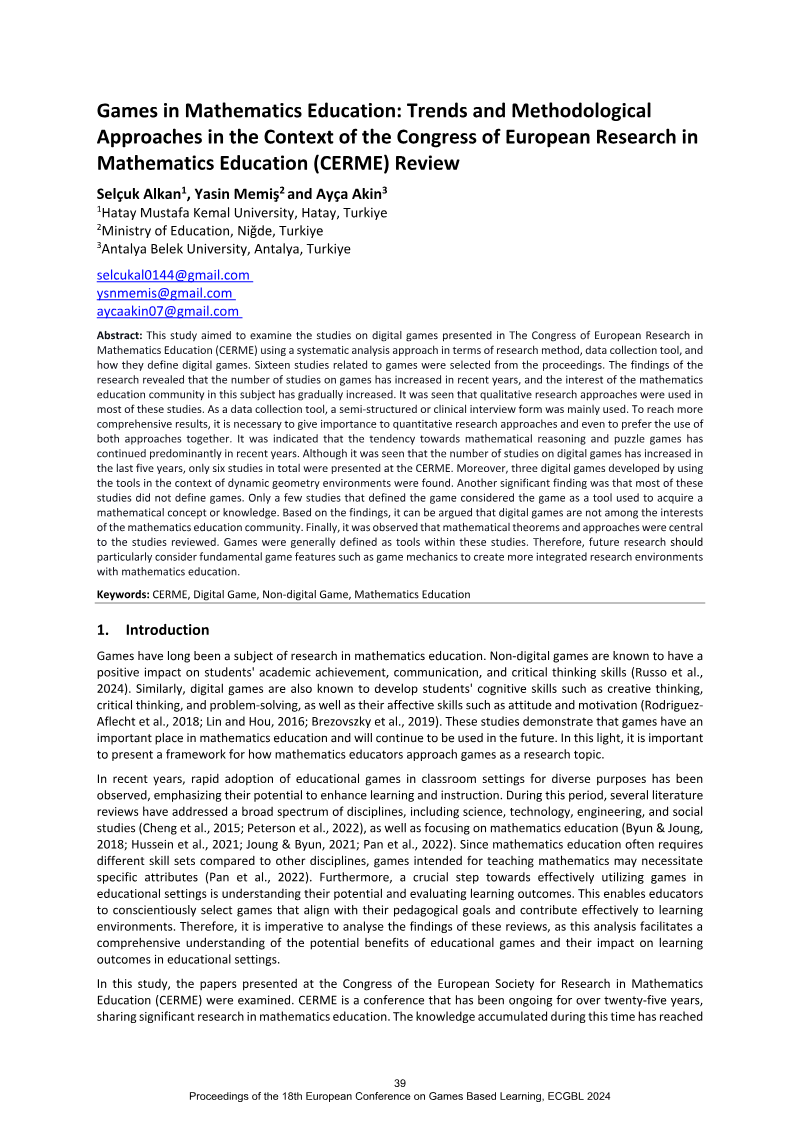
A systematic review of games in mathematics education examines sixteen studies drawn from twelve CERME conferences held since 1999, selected from an initial pool of thirty-two papers that contained "game" in their titles and were filtered against criteria covering full-text availability, research design, and centrality of the…
- Across 12 CERME conferences since 1999, a systematic review narrowed 32 candidate papers to 16 studies on games in mathematics education, and publication counts peaked in 2020, which the authors link to heightened interest in digital tools during COVID-19.
- The field has shifted from non-digital didactic games in the early 2000s toward digital puzzle games and dynamic geometry environments in recent years.
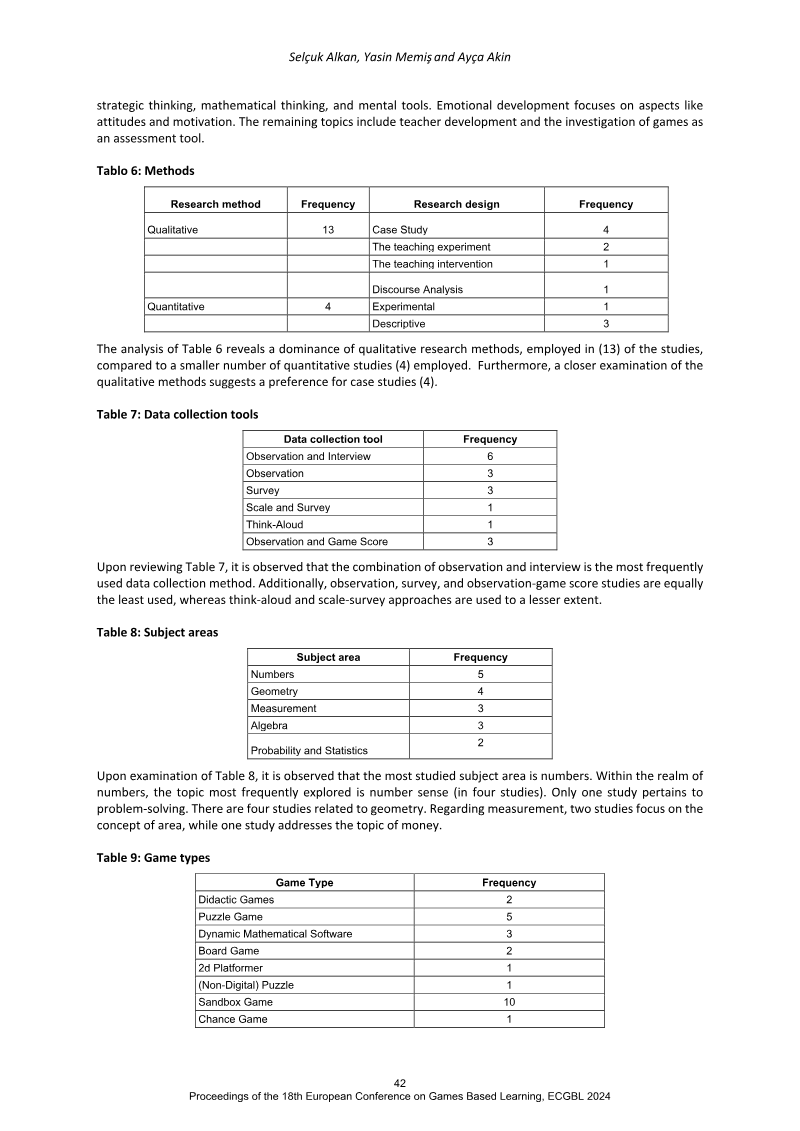
- Qualitative designs dominate, with 13 of 16 studies using them, most often case studies, and observation combined with interviews is the most common data collection pairing.