1 free read left. Create a free account for unlimited reading + AI research.
Create free account
5 things Next Games learned from The Walking Dead: No Man’s Land
Key insights
5 takeaways- 01Align game mechanics with the thematic essence of the franchise, such as using turn-based combat to reflect the tactical nature of The Walking Dead.
- 02Maintain an agile internal structure where development, marketing, and community teams work in physical proximity to ensure rapid, synchronized responses to narrative events.
- 03Conduct deep audience research to identify specific demographics, such as younger fans prone to FOMO, and tailor game mechanics to their behavioral tendencies.
- 04Synchronize game updates, marketing, and community management with the source material's broadcast schedule to maximize user acquisition and retention.
- 05Integrate IP owners as core partners rather than external entities to gain access to exclusive content and ensure authentic brand representation.
Ask AI about this video
Transcript
[Music] [Music] I'm the CMO at Knicks games the developer of the no walk in the no-man's land I've been with the company since very early on in 2014 I think we were about 10 when I joined so been very much a part of building the whole company from the ground up we're a mobile games developer and publisher sounds quite simple we have an exclusive focus on licensed games so we make games out of entertainment franchises for our partners for the IP owners were a one-stop shop which means that we develop we market and we run a lot of
games operations so we're very easy partner for them from that perspective as Chris mentioned we're a publicly traded company on NASDAQ Helsinki first north since March a big project for the company it was great we're so so happy to be there and also we were the face first games company IPO in Finland next games mission is to define the way entertainment franchises transform into engaging mobile games and so basically this means that we're creating games out of TV shows movies books basically anything that is a big global phenomenon our vision is to join forces with license holders to create top crossing games and really be the most sought after partner for the IP holders and this is something that we've we've put a lot of focus on but what I'm actually talking about is what we've learned from our first licensed game The
Walking Dead no man's land so far because it's still out there it's still up and running very much it was very difficult to pick five things because I think we've learned at least 500 things during the process or five million so many you know great and and not so great learnings there but where we start from with everything every project that we have is we want to understand the fans because we're working with brands who have very engaged passionate audiences so we have to understand who these people are so that we can create the games that resonate with them one thing that is quite mind-boggling about the Walking Dead is that it's the biggest TV show in the world it's bigger than Sunday football which is probably a good reference points for if there's any Americans here but it really is is huge and if you look at all
the other TV cable TV dramas in the u.s. it's twice as big as the next show and even the talking dead which is this after show talk show which talks about the Walking Dead even that is bigger than most of the talk shows in the u.s. it's a third biggest talk show so that that tells a lot the Walking Dead fans I think there's three key characteristics to them they're young and everywhere the show is broadcast in over 120 markets so it's it's truly a global show it's the show is very popular in the 18 to 49 demographic but but even more so in the 18 to 30 demo so it's very much a quite young audience they're their adrenalin junkies they have a heightened sense of FOMO which is fear of missing out so these are the kind of people who really want to tune into live events TV shows
you know be the first ones to discover new bands when it comes to social media digital media usage they very much want to kind of like display their own and sort of like build their own brand built their own sort of self self image through that the second thing that we obviously always think about is how do we create a true to the IP game experience these two sounds very simple but it's actually a rather complicated process now the walk in the no-man's land is is close to two years old turning 2 in October and what we set out to do in 2015 when we launched is we created this tactical turn-based combat game with RPG style character progression we we took a quite high risk in creating a turn-based
combat game it's very much a core game mechanic but we did and XCOM has been used as a reference you know when talking about the game mechanics in no-man's land it's very much a gamers game it requires a lot of dedication a lot of you know time that you put in when you play and and your your goalless game as a player in the game is to build your ultimate survivor team whether that's your own characters that you've created or or the show's cast or the big big guys in the show and where we started from is is throughout season 6 or starting starting in October two years ago Daryl Dixon was the only official character that we had in the game and he was very much your guide in the game showing you the ropes of of how to survive in the zombie apocalypse and
and and he was the face of all of our marketing creatives and that's basically where we started from we didn't have any of the other show characters in the game and then if you fast forward to like six months later to summer 2016 what we had learned by then is that we should have put more focus on live operations it's extremely important from our top growth perspective that - sounds pretty obvious I'm sure for for a lot of people here tapping into the TV show cycle is imperative in order for you to take the most out of the show buzz and the peaks there and then once you have the core game in place only once you have the key features the feature development has to support these two that is quite a bold statement I think now if we took if we take like
how we build live operations and how we looked at this we figured that there are many great examples out there and how it's done but I think every company needs to build their own way of of doing things and so with what we changed basically during this time is that we really change the team so that it can actually operate very in a very agile way so basically adjusting into everything that's happening what the TV show fans are talking about really like taking that you know if something happens now we can actually like reflect that in the game you know the same day even marketing and community develop engagement was integrated into the games teams into the lab ops teams which means that they physically sit together and that's that's one of the great changes that we made because you know these guys really need to work closer together and even if you're like you know two rooms apart it makes a difference and then we
we did a lot of tool develop development during the summer to support the lab operations you know made it just very easy for them to operate the game and then obviously analytics our analytics platform is something that we we built during this time previously we right relied on a third-party solution marketing-wise we we did have the big bits into taken into consideration but we started thinking on how we can actually like you know benefit more from the high high peaks and feature the development wise we introduce the show cost so all the all the official famous characters based on the learnings that we had from having Daryl Dixon on board both in the game but also in marketing a huge difference in conversion with marketing creatives for example and then really didn't edit with the work on first time user experience improvements you know making sure that you know what
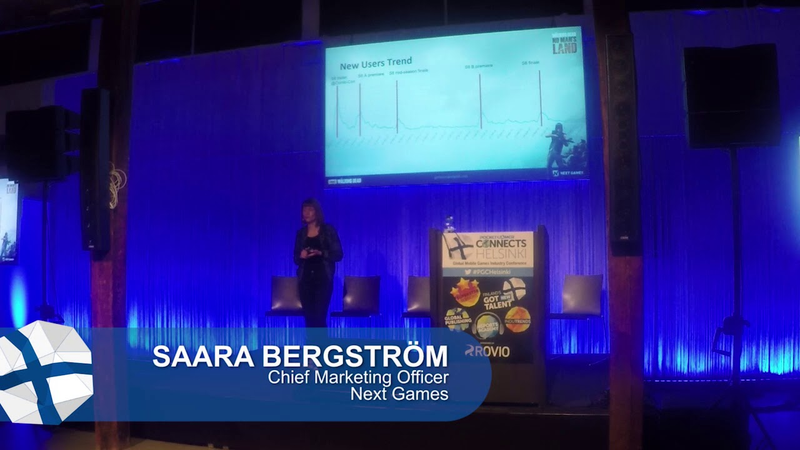
we do in marketing is reflected in the game and so these teams started working even closer together and then the games teams and the marketing team started figuring out what we're gonna do for Season seven so for fall of 2000 2016 and now this we of course look at data we knew that there's this buzz Peaks but we're really delve deeply into you know different ways of slicing and dicing it this is from Google Trends and what we could see is that there's clearly like five peaks on when people are the most excited about the walking dead we could see that in our new users Trends already even though we didn't have a perfect solution and we figured that this is these are the peaks and these are the big opportunities that we need to tap into and so after looking into the show cycle how people consume the show we really wanted to understand
how the show cycle can be taken into the game and really implemented in practice not just talk and not just marketing but also both the game and they and they and the marketing together and so we created a product strategy for Season seven which was a year ago basically timing all of our game updates all the feature release his content release it doesn't have to be an update necessarily because we had put a lot of effort in the live tools so we could bring content without operating the SKU and then obviously time the marketing efforts with that so this is basically just an illustration always what we saw on the Google Trends there so we create we really wanted to create something in the game that would allow the fans to relive the biggest moments of the TV show they have a very certain cycle on how they experience the
show so we we want to bring that into the game in different ways we created a way for the fans to consume bonus content because they're dying to get exclusive interviews with the with the show creators behind the scenes materials and we did first test already during season six but for season seven we actually created this bespoke way for fans to consume this content and this is also was a great retention mechanic for us because you know if you want to take a break from the game you don't have to leave the game you can you can spend your time looking at this exclusive material and you really get the sneak peaks of the next episodes and so forth and so we wanted to integrate the content that we had created based on the TV show so the way it worked is basically every Sunday when the show episode airs in the US on Monday mornings when people wake up they
can they can play the adaptation from there from last night's episode in the game so we would always have we would create this framework on how we would create this content we would have you know those key locations from the TV show episodes every week we would have a prominent character that would be in the forefront you know so if there was a big scene with Daryl Dixon and and Rick for example we would have those two guys in your exclusive our season seven team starting every Monday we would have special weapons you know cool things that you would you would have seen in the episodes unlocked in the game and obviously all of it everything that we would do in live operations every deal every every single detail in the game would even breathe the TV show and so we're very much focused we had a lot of calendar before but we very much focused on bringing everything together under one roof so we would have all these events all this
unlocks you know everything that happens in the game paired with marketing user acquisition social media everything so this is a very simple version of you know kind of like the happenings that that went on at the time but it's actually a pretty big spreadsheet that brings together the whole company around this operation from a marketing perspective we would we've always used this multi-channel strategy because we work with brands where I think we have a bit of bit more freedom in taking risks with brand marketing in quotation marks because oftentimes brand marketing is referred to activities that cannot really be measured I disagree with that you can very you can slice and dice TV advertising and and actually attribute users very accurately but we would have all of the marketing creative aligned with what's going on in the game we would have TV ads reflect what's happening every week so we would refresh
all of our creatives we would have influencers creating their own content throughout the season Sniper Wolf here presenting one of the episodes social media activity working very closely with AMC user acquisition strategy build around the weekly events very much and especially in retargeting reflecting those limited time offers that are valid for that week only worked very well for us the last point that I want to make is that and I think luster referred to this in his speech as well is that the game developer and the IP owner need to be one team and it and this doesn't mean only that approval processes are smooth and you know so forth you really need to you know the IP owner really needs to feel that you're that you're there with them because you know that way you get the best marketing support they bring their ideas to you which is great by the way I think oftentimes game developers tend
to feel that you know we don't want to have external influence on our game and I think that's we feel that that is not the right way to go about it because these people know they're their fans and their audience and they have access to the channel to where they are so investing in the into the relationship is very important and we go to linked in you know bringing these guys on board through the good times and the bad because there's both along the way here we are me and one of our game designers kicking AMC executives as in swamp soccer they lost by the way that's maybe the bad times I guess for them and then you know the other pictures is from from us together receiving the webby award this spring so we really want to take them on board into everything we do and we don't want to shut them out from from anything that's the only way you can you can get the best results so the five
things understand the fans pretty obvious but it's super super important Danny and we spend a lot of time you know getting that understanding before we even start the game development creating a compelling through to the IP game experience that also requires quite a bit of background work we'll have operations crucial that it works and it's crucial that it's marketing support game developers together and and that these teams don't work in isolation understanding the show cycle both in terms of game development and and also marketing and and really making these these people who work on this together to gel and then making sure that you're one team with the IPO IP owner and you know with all these learnings and you know the four hundred and you know forty five others were we're working on the Blade Runner game based on the Blade
Runner franchise and and upcoming movie with Alcon entertainment and then the walk into our world which is the location-based AR game we also have a third project we she's still unannounced thank you very excited I'm very excited by the Bladerunner lady game so um does anybody have a quick question come on one well there is one we're gonna get a question I knew I get one the morning Kirkman all right so so there's basically well yeah that's this copyright business is complicated but there's two licenses that are based on the work in it there's the comics and then there's the TV show and we work on the TV show side we do work with creatives we've been on the set we've you know we've been discussing things ranging from you know what happens like
how does the blood pressure work with Walker do they have blood pressure because you know our animators needed to know in order to animate you know the blood coming out of their heads when you kill them with Kirkman it is a very important detail but you know with a lot of the others for sure thank you very much this I'm a big round of pours please for Sara thank you [Music] [Music]
Summary
Next Games, a mobile developer specializing in licensed entertainment franchises, identifies five core strategic pillars for successfully translating global intellectual property into engaging mobile experiences, based on the development and operation of The Walking Dead: No Man’s Land. The company emphasizes that deep audience research is the foundational step, noting that fans of major franchises are often highly engaged, younger demographics who exhibit strong fear-of-missing-out (FOMO) tendencies. By aligning game mechanics with the specific characteristics of these fans—such as the tactical, turn-based combat chosen for The Walking Dead—developers can create a more authentic and resonant experience.
A critical finding involves the integration of live operations with the content cycle of the source material. The company discovered that aligning game updates, feature releases, and marketing efforts with the weekly broadcast schedule of a television show significantly boosts user acquisition and retention. This requires an agile internal structure where game development, marketing, and community management teams work in physical proximity to ensure that in-game events, social media, and advertising creatives remain synchronized with the show’s narrative peaks.
Finally, the relationship between the developer and the IP owner is identified as a primary driver of success. Rather than viewing intellectual property holders as external entities, developers should treat them as integrated partners. This collaboration facilitates better marketing support, provides access to exclusive content, and ensures that the game remains true to the source material. By fostering this unified team approach, developers can leverage the IP owner’s deep knowledge of their audience to refine game design and marketing strategies, ultimately creating a more cohesive and successful product.