1 free read left. Create a free account for unlimited reading + AI research.
Create free account
Meet the games investors and discover what they look for in developers
Key insights
6 takeaways- 01Funding strategies must be stage-appropriate, shifting from a focus on prototype strength and team experience at the seed stage to robust financial performance and monetization strategy for later-stage growth.
- 02Pitch decks must be grounded in verifiable performance metrics, specifically focusing on cost per install, lifetime value, and day-28 retention to prove long-term sustainability.
- 03Securing capital depends on providing granular, transparent data that demonstrates a proven track record of audience engagement and revenue generation.
- 04Investors prioritize developers who demonstrate a balanced capability to manage both creative game design and the commercial realities of the marketplace.
- 05Developers should avoid cloning saturated genres in favor of projects that offer genuine innovation and are optimized for specific platform interfaces, such as mobile touch.
- 06Scaling efforts require evidence-based user acquisition strategies, including targeted advertising and influencer partnerships supported by continuous market research.
Ask AI about this video
Transcript
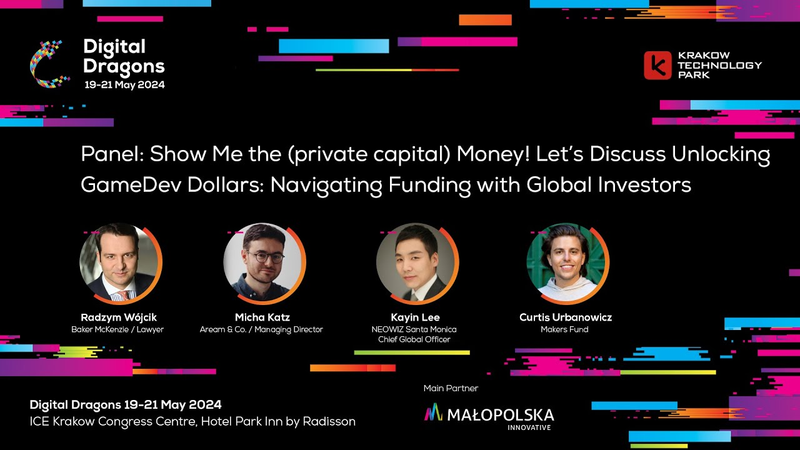
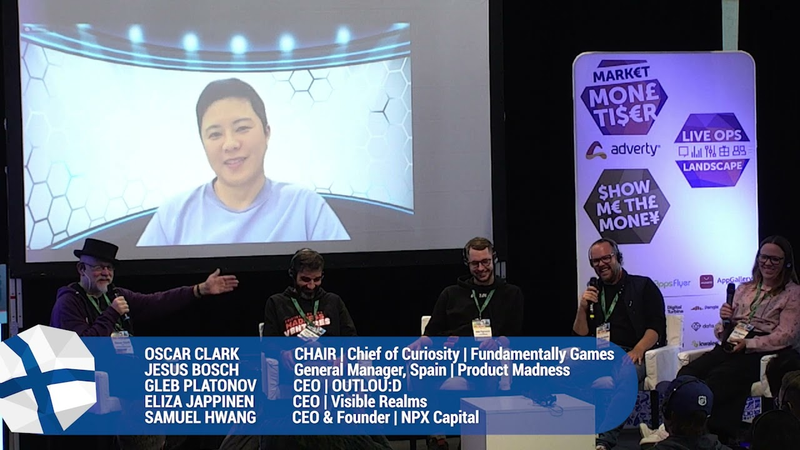
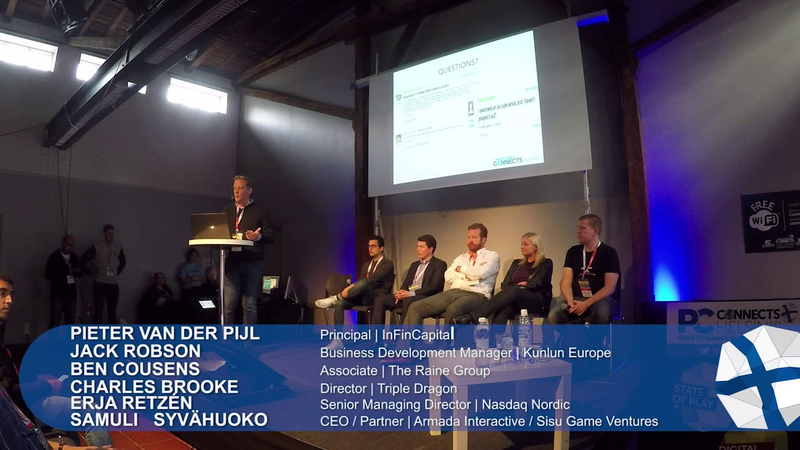
[Music] [Music] thanks guys Sun as you probably know the the session has caught meaty investors so we have a panel 5 investors here and I know it's Finland and asking questions is not sort of like on the top of the priority list but this is really the opportunity to fire off any questions that you may have for the investors here so we'll get to that in a minute how do I go from one slide to the other the okay I so five speakers so probably good idea to introduce all five to you let's do ladies first area is here from Nasdaq
we've got Jack Robson from Kunlun then cousins from rain Charlie Brook triple dragon and some hooli and a surname I'm not even go to world TV aku that's why I didn't try obviously of Sisu game ventures so five speakers are able to cover a fairly wide range of different kind of financing so pretty much any kind of financing you might be interested in at some point in your so like development cycle they're represented here so before we get to the panel members and asking them questions oh it wants to have like a brief words about pitching to investors and most of
all about expectations are setting realistic expectations I'm as investors you'll see loads and loads and loads of pitches and they all boil down to the same thing everyone is pitching to you is looking for money which is fine and they're all convinced that their game their company their project is the best thing since sliced bread again that's also fine but it's not always the case so the pitch is setting expectations whether it's a cosplay or something else it's also reality is often very very different from those expectations and to help yourselves in in sort of like getting funded like I said what has this got to do with this tool i if you sort of like set expectations realistically and be prepared for what the investors are
looking for you're going to be much more efficient in those talks understand what investors will want to see I go talk to them prepared be prepared for numbers that investors will ask for and go talk to them at the right time don't go too early just really be shooting yourself in the foot so how do you get investors excited what does grab the attention of investors well first of all if you're preparing it try to keep it crisp pitch your key competences why is your game or why is your technology so different why would this be a good investment when briefly but eloquently sort of like set out what is the USB I keep it short and sweet we're not interested in lengthy lengthy stories these are all seasoned
investors they're experienced they know the industry they know the sector so cut to the chase key metrics I showed them I if you've got them if you've got metrics put them out there that's what the investors will want to see I don't leave it to a point where okay someone is interested so what about your retention numbers what about the monetization I you should be prepared for that so just put it out there put it in your pitch last thing here is pitch to the right investor at the right time and some of the guys here will do early-stage if you're looking for seed funding go talk to them do not go to an investor who's only doing Series B ten million plus rounds if you're pitching a half a million seed round it's a waste of your time it's a waste if they invest this time but also it's very damaging for your relationship yes if you are
successful you've done your seed round you're doing well and at some point you're going for that series B that's when you want to go to talk to that investor and you don't want to have left that impression okay oh yes I know him I remember because that was like a conversation had only lasted like two minutes so you want to avoid that I'm so really this session is as I'm mention is intended to be interactive and so if you have questions don't be sort of shy to ask I feel sort of like doesn't really matter what kind of question you have we'll take care of it five experienced people it will deal with that but before we go questions I'm from the room I am I think it will probably be a good idea to so if like have each of the panel members briefly explain what kind of funding they provide and what kind of like stage they would invest in and you'll find out it's there's a fairly wide range so probably
good to kick off Jack maybe you can tell a little bit like the kind of funding and the kind of opportunities that Kunlun is interested in so just to let you know who we are we're a large Chinese developer and publisher of mobile and web games so we're coming at it as a strategic investor therefore we have slightly different intentions with our investments and typical VC fund words so we invest at a later stage suzay onwards right up to public completes and offerings so to give a bit of like flavor for the people in what kind of like tickets are you usually looking at minimum of it's flexible but the bottom end were probably out 15 to 20 million u.s. dollars everything so fairly large
ticket size so been at rain fully explained a little bit for those in the room who may not be familiar with rain although it's a well-established names in the games business and I've explained a bit about sort of like the kind of opportunities you would look at sure so rain is a is a merchant bank which means we invest and advise given this is focused on the investment side I will focus on that but on the advisory side we've represented well we've we worked with soft bank on the acquisition of supercell and in the subsequent sale to $0.10 we've advised on the giant plate eco transaction igt double down a lot in the social casino space we most recently just sold congregate to MTG so we we're very active in Indian and as an advisor but we also do invest and we have a VC arm and a growth equity arm the VC arm tends to write checks of half a million to 3 million u.s. dollars seed in series
a we tend to follow not lead but we will lead if we really like something and then the growth equity fund is really 50 million dollars plus very different profile than a games company that we're looking for but hopefully we're going to be able to announce something for this week in the social casino space Charlie if you can explain what triple dragon is financing and so we enter the the process a little earlier than these guys we offer user acquisition loans or loans for people to grow their users through through through ua campaigns and we learned twenty-five to fifty thousand dollars scaling up to two hundred and fifty thousand based on the metrics that that are received through the UI campaign okay an area yes I think exchange is seen as the last entry stop or the exit for certain investor types but I think it is
important to understand that we have to make markets the main market where the big guys go sorry for example Romeo is now in about to get listed on on main market in Helsinki but then on the other hand we have the first north the growth market and that is very we have very low entry levels there I mean the requirements the minimum is that you you have 100 share owners after the share issue so it's not a lot and then on the other hand you can you can guarantee that you will stay alive for the next 12 months and that's the minimum no nothing for you don't have to be profitable or you don't have to have certain amount of revenue all that but then of course the other side of the coin can you sell that story to the investors are they willing to buy so that's not in our hands yeah so the requirements are very low and very flexible but then on the other hand you have to have your investor stories trade and you have to show the future
and convince the investors that this is the right company to invest in ok it's yes so we add see so while our role is to basically help the best nordic startups in the games industry sort of level up and be ready for the next stage so we try to get in as early as possible even sometimes it's a sort of founding investor and it's not really the money that we bring it's it's the validation and the coaching and the mentoring I've seen many many teams where the people are very experienced in making games they've been doing that for maybe 20 years but they've never built a business they've never been entrepreneurs so those are the people we can help really well because I've been doing this you know I found it fight game studios myself so far and I will keep doing that
while I'm also investor at the same time so I know you know how this whole thing works from both sides of the table yeah so very hands-on in that respect so it's not just about money but it's also but like guidance and mentoring in in case of Sisu okay I so five investors five different kind of approaches I'd say also different kind of ticket sizes and but you'll probably see so if like loads and loads of pitches or like a daily or weekly basis I'm what is it for your particular kind of funding that you so if like would serve like you're most interested in when you see your pitch what part of the pitches immediately draw your attention and where do you hone in on this maybe simile you can't oh yeah I mean I see which is I
don't know almost every day a new pitch in the Nordics alone there's at least one or two games two girls being born every week there was a huge sort of spree of new startups that came maybe five years ago its toned down a little bit but it's picking up again so it's just I don't think it's the game that is never gonna start you know decreasing in size and shifting through all of these is basically what we are doing and what what catches my attention is if you have a game that has actual through innovation and that you have like a balance between business and art because I've seen so many indie developers who you know they are all about the art but they don't get the business side they don't know how to do the publishing or you know any of this stuff of monetization design or you know a/b testing or there's a lot of things which
they don't get you know basic marketing even so they might be the best programmers or artists but you know they've always been working at somebody else's company so we helpful help those guys especially yeah so that's also something that we see quite a lot I mean there's a lot of focus on like game development a lot of focus I mean you can you can ask game developers and they'll have a reasonable idea of how much time and how much money it's going to take to develop and build the game I when it comes to the marketing site it's it's sometime more like a guess rather than like a a reasonable estimate and particularly when it comes to metrics that's where we see sort of like fairly so if like varying ranges some developers are really good at keeping track of their numbers and their analytics and and other metrics and that will give
investors confidence and some of them not so stretched on on that respect and maybe been if you saw get a pitch from an investor and it's say relatively early stage they're so close metrics I mean what what are you mostly looking at when you're analyzing something for say a venture kind of style investment yeah I think we're looking at you know your day 30 retention is pretty important to us so we get frustrated when we meet companies that are coming to us in their seed stage but really they're you know they're asking for funding to just turn a PowerPoint into a game which is not really the level at which rain plays we did we do enough advisory to know where we think good games shakeout in the market so we tend to be very driven on on retention as I said conversion rates we like to see growth split out organically and in organically if possible and I mean this is perhaps only for us but we're not really interested
in anything you're doing on Android because it doesn't monetize okay that's quite interesting because I mean androids obviously still a big chunk of the market but yes in terms of monetization and there are differences in platforms and segments and also the big difference in like say user acquisition and I don't know Charlie do you have any kind of preferences or requirements of how game developers acquired a user so we are you relatively indifferent well we're fairly agnostic to the to the type of marketing campaigns although we like to be informed what they are one of the things that's very important to us is that you have an excellent analytics package so we can track the metrics that are returned to us and the really two critical metrics are your cost per install or your cost per acquisition and then the lifetime value of the users and those are the things that we're going to look at and then again day 28 retention
and these types of things are important too but the critical things we have to know is what is your cost per install and what is your lifetime value yeah so quite a few sort of like business orientated elements of running a games studio and some really where do you see things sort of like I could imagine you'll see pitches where you think well nice idea but this is where these guys are on the wrong track I mean do you have any insights of a few examples perhaps or how do you how do you help develop this when you see a nice idea but not really going to fly from like an execution point of view I I like to practice what I call tough love so I'm very direct even for a fin so if I think the graphics suck I just say that this game is you know it has some nice innovation but you know it's never I
would never invest in that yeah but I then I keep them a list of things that they have to fix and then they can compact back to me in three months when they fix them and then maybe I'm interested okay it's a process yeah so you keep the door open yes I never close it completely yeah I want to give them a reality check because mostly because it's this is a industry of passion so we all love our games right but there has to be someone who tells you that there's something really wrong with this little baby here so you have to change it somehow yeah okay so so you can get some very direct feedback but that feedback can be incredibly valuable because if you don't get that Toffler tough loss and you might be sort of like going on on the wrong track for another six months and burning your investors and share all this cash along the way I
so that feedback can be incredibly useful and incredibly helpful I'm talking about feedback as I said five experienced investors and so if there are any questions here this is sort of like the time to ask yeah okay right I guess there will be a number of potential turn-off but Jack what's for you - of like the biggest turnoff really for for me it would be if it's someone who's come to me in the game isn't even in development yet if it's just a PPT and will turn the PPT in to get into a game that's the only thing I can think of that really turns me off when it comes to pictures dang a lack of
financial data because being a later stage investor we like our financial metrics that's like level one to get to the level two you need to pass up a while at level one is the financial metrics that we need to see so if you don't come prepared with these then that's puts off slightly slightly as English port like put us off pretty much completely there's two things one is is any boat center around reluctance reluctance to show the game is is just like a showstopper I mean if you're coming to pitch me a game the first thing you should be doing is showing me the game because I'm you know sitting through a deck and then seeing a ship game at the end is very underwhelming the other thing is just reluctance to share data and this hits on Jack's point you really need you know I tend to think that we're quite transparent when we discuss things with companies who are asking us for money and they expect the same transparency reluctance to share
data and CPI's is one I'd forgotten that's vital you know we need to know that to assess the health of your business and if you need useful feedback you then you should be sharing that data with us because we can come back to you and say look what you're doing here is unsustainable unless you focus on X Y Z and maybe there's a way we can figure out a way to work together that leads to an investment just you need to be transparent and reluctance to share stuff is a real killer just to answer your question on okay cool who wants to tackle that one then once that you've passed on the only one that I can think of that we passed on that I really regret and it's not a game as unity and I just think that was born out of we take things to an
investment committee you know not everyone saw the division that some of us saw and at the end of the day if you're an if you are a professional investor you know the committee the committee exists for a reason but in in that case I felt we we missed a real opportunity there yeah and it's also it as an investor you the game or the concept or technology may be great but you're trying to assess it from like a risk reward profile and if you're a risk reward profile where your requirements are slightly different as someone else's it means you may be passing someone else might be jumping in and yeah it may turn out that that could be a really big hit and missed on that but it's you have to exercise some discipline and that's why their investment committees that's why they're sort of like internal profiles for that yeah okay yep
we didn't get one things it's more to it we'll look at an Android beta but we you need an iOS strategy if you're going to monetize yeah I don't I don't write it off I actually think Android becomes a bigger player in the longer term because you've got you know a huge chunk of the world coming online on $40 phones where that's their first experience of the internet the the issue is more that like if you look at and we see the market as a whole you know if you just look at where monetization is occurring generally and you're and you're an investor and you're trying to minimize your risk Android is a much bigger risk than iOS yeah so it's
about having a plan for how do you market on iOS in a key regions yes okay I thought it was one more question in the back okay our portfolio companies so we I mean we've worked with numerous developers and we're investors in companies like super evil Megacorp you know we just look at their data and iOS is always leagues ahead of Android it's it's a sad fact I'd love it to be 50/50 but it's just not the case okay I'm any more questions doing this is your chance you've got people here and so it's a CREP their chance
okay so you're talking about slightly earlier stage not that much of a track records and maybe smelly yeah we at this away typically in West way before there's any metrics and actually what I wanted to already say earlier if I meet a team that's very experienced in making games and and you know they cover all the basic core skills and they come to me and say that we've been you know working on this thing for a few weeks or maybe a month or something like that then what I really want to want to see as a sort of proof that these guys know what they're doing then they have to show me a prototype that's key it doesn't always have to be there if I know the guys already I know their track record right personally and I can trust them then I don't even have
to see anything and definitely I don't wanna see any stupid powerpoints so it's always the game and so that game is basically proof that the team knows what they're doing it's it's not the game itself you know I want to see like high production values and like a one-minute of gameplay that's enough just the main hook and the metric for me to see yeah so I think it's fair to say that for certain investors like somebody who would look at early stage they look at your prototype your T the team but you don't need to have like a lengthy track record with financials or metrics for other investors if you go talk with Jack or Ben and because the deal science that they would do it's a different ballgame and you would need to sort of like ideally have that track record half the Metra except the financial information to support that so that's why I said you need to know what's invested to pitch to
at what stage so if you look at early stage go talk to somebody go talk to Ben and Jack at a later point so please bear that in mind I am any further questions yeah that steam hole Jack is that one for you off the top of my head's I think Denmark in Sweden there's a lot of great teams out there it seems get over Lutz first you put the wrong place to be saying this they get overlooked by a lot of the Finnish companies by thinking of the Scandinavian countries there's a lot of strong teams where there's not enough investment but unfortunately it's too early stage for us to invest in jet great companies everywhere yeah I
recently met the South African game studio there's around five to ten studios in South Africa already I'm not opposed to investing there for example you know great games can come from the Antarctica or whatever you know it doesn't matter plays okay I don't think we care where it comes from I think what we are really looking for right now is innovation and in particularly in genre something where I've become quite frustrated is that there's a lot of it's changing this year which is giving us a lot of positive feelings but the last year there was a real phase of like everyone piling into all of these tried and tested game genres as if they were just you know I'll go into this and it's it's so risk-free for you as an investor you should just pile in - and they weren't realising the fact that all that was happening is you were just mixing yourself in with a pot of other undifferentiated games companies with very high cost per installs because everyone was competing for the same audience and really there was we were
crying out a train for someone to just innovate and we wanted to see you know if you've got this massive audience of casual gamers who've come from the candy crush era and they're still playing games on their mobile they get there looking you know your iPhone or your Android phone is you know is pretty much a ps4 in your pocket now you should be able to have a great experience on that and there's this casual audience wanting to have that immersive experience and it was always Polaroids but then I'm a I'm a hardcore gamer I love Counter Strike but it's like no one was hitting the middle ground where you could do like a pickup and play FPS or a pickup and play RTS and there's you know you've got 30 years of gaming history to draw all of these different games designs and games mechanics that are proven and work and all you've got to do is figure out the free-to-play monetization I say that as if that's simple but there was just a huge dearth of innovation and fortunately it looks like returning that corner I've seen some really exciting stuff here but I think you know as a
developer you should be asking yourself is the game I'm making really that differentiated what my kids want to play this versus the best one it's a good way to think of anything I think you should always design the game for the platform that is played on like if it's a touch screen game it should only use touchscreen inputs and not like virtual joysticks for example so when I see a pitch where you have you know virtual joysticks and you're having your thumbs blocking the view all the time I'm like okay I'm out of here this is yeah it happens too often and I think also that when it comes to public markets you don't have to have history or 15 years and 10 successful products or games in your hands I think what gaming and for example mining have in common it's really that the death valley is long plays expectations waiting in the end of the tunnel and then the investors they have either the
knowledge I mean on the sector or they are as takers they they want to make it as a lottery and then when they are investing to the future expectations and then also the team or what kind of skills the team has and have they prove I'm in the record I mean have their record or a whatever they have done so it is a similar I mean someone was laughing at of mining and gaming but I think it is the same yeah in the end of the day ok so it's yeah so final question guys I think we're running out of time Charlie for sure what will we lend money to companies so that they can invest in user acquisition well I mean that's just a standard slew of YouTube influencers
targeted Facebook advertising and it's very important to do market research and segmentation analysis into which of the different demographics whether it be 18 to 25 year olds or females or males and making sure that you target your spending on the right demographic but in YouTube influences ad network and Facebook it would be my suggestions it talked about that in the next guy yeah all right well thanks very much for your crazy talk afterwards free to grab any of these guys or girls afterwards all right thanks [Applause] [Music]
[Music]
Summary
Securing investment in the gaming industry requires a disciplined approach that balances creative vision with rigorous business acumen. Developers must move beyond speculative projections, instead grounding their pitches in verifiable data and a clear understanding of market viability. Success hinges on identifying the appropriate funding source—whether seed-stage mentors or growth-equity firms—and aligning the pitch with the specific stage of the studio’s development. Investors prioritize teams that demonstrate a balanced capability to manage both the artistic demands of game design and the commercial realities of the marketplace.
Evaluation criteria center heavily on performance metrics that prove a game’s long-term sustainability. Key indicators such as cost per install, lifetime value, and day-28 retention are essential for demonstrating product health. While early-stage ventures may rely on the strength of a prototype and the team’s collective experience, later-stage funding demands robust financial performance and a sophisticated monetization strategy. Investors explicitly caution against cloning saturated genres, favoring instead projects that offer genuine innovation and are optimized for specific platforms, such as mobile touch interfaces.
Growth strategies must be supported by evidence-based user acquisition and precise market segmentation. Effective scaling relies on targeted advertising campaigns and influencer partnerships, underpinned by continuous market research. By maintaining transparency and providing granular data, developers can better navigate the competitive landscape and secure the capital necessary for expansion. Ultimately, the most attractive opportunities are those that combine a proven track record with a data-driven approach to audience engagement and revenue generation.