Game Publishing reports and market data
Documents
The Paradox DLC Model: Planning for the Long Term
Paradox Interactive achieves long-term commercial success by prioritizing a marathon-oriented business model centered on niche, infinitely replayable strategy titles.
- Paradox Interactive utilizes a modular DLC framework instead of serial expansion cycles to maintain long-term game relevance and generate consistent, multi-year revenue streams.
- The company prioritizes deep, system-driven gameplay and community-driven modding over high-fidelity graphics to ensure high player retention in niche strategy titles.
- Paid content is designed to be atomic, standalone, and additive to enhance the player experience without fragmenting the community or disrupting existing mechanics.

Do You Own Your Games? - Retrogaming Responsibly - Extra Credits
The legal landscape surrounding video game ownership and the use of ROMs is complex, often leaving consumers with misconceptions regarding their rights.
- Purchasing a video game does not grant ownership of the software but rather a limited license to play the specific copy, leaving the rights holder with exclusive control over reproduction and distribution.
- Intellectual property rights for video games persist even after a development company becomes defunct, as these rights are typically sold or retained by other entities.
- The archival exception in U.S. law, which allows for backup copies of computer programs, is interpreted by rights holders like Nintendo as strictly for archival purposes rather than for active use on emulators.
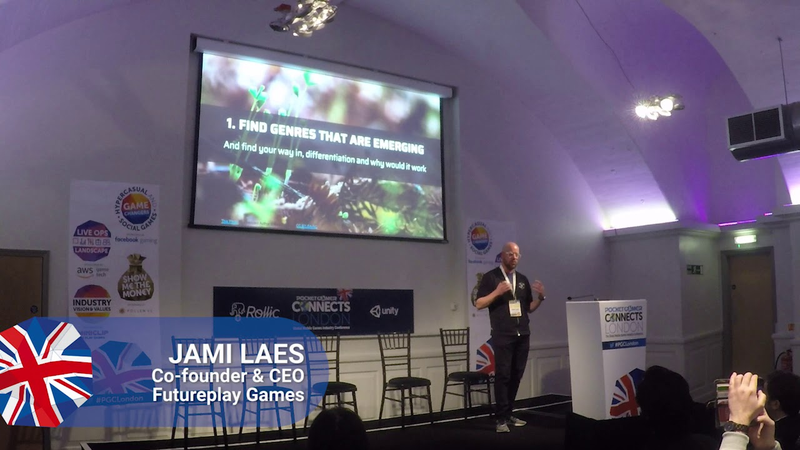
Next Steps for Futureplay - Where in the Market are we Going Next and Why?
Futureplay Games, a Finnish studio founded in 2015, utilizes a strategic, iterative approach to game development that prioritizes organizational agility and market-driven pivots.
- Futureplay Games utilizes a 'Minimum Awesome Product' strategy, which focuses on scoping projects to essential, high-impact features to rapidly test market viability rather than pursuing traditional, feature-heavy development cycles.
- The studio has generated $30 million in lifetime revenue since its founding in 2015, maintaining a lean team of approximately 35 employees.
- Futureplay manages risk and creative momentum by shifting genres every few years, successfully pivoting from idle games to the battle royale market with the 2018 launch of Battlelands Royale.
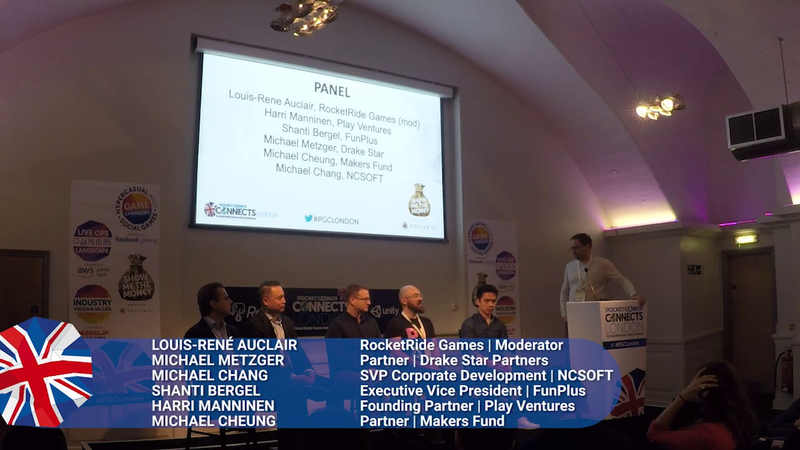
Panel: Pitch Perfect: How to Raise Funding from Investors
This panel discussion from the 2020 Pocket Gamer Connects London event features a group of venture capitalists, corporate investors, and investment bankers analyzing the current state of the gaming industry and the mechanics of successful fundraising.
- The gaming industry is currently in a 'golden age' defined by high capital availability, a massive global addressable market, and a commoditized technology stack that facilitates multi-platform development.
- Mobile game development and marketing now require significant capital, with competitive budgets often reaching $10 million to $15 million per title.
- Investors prioritize the 'Holy Trinity' of criteria: a management team capable of pivoting, a presence in a high-growth market segment, and a sustainable competitive advantage or barrier to entry.
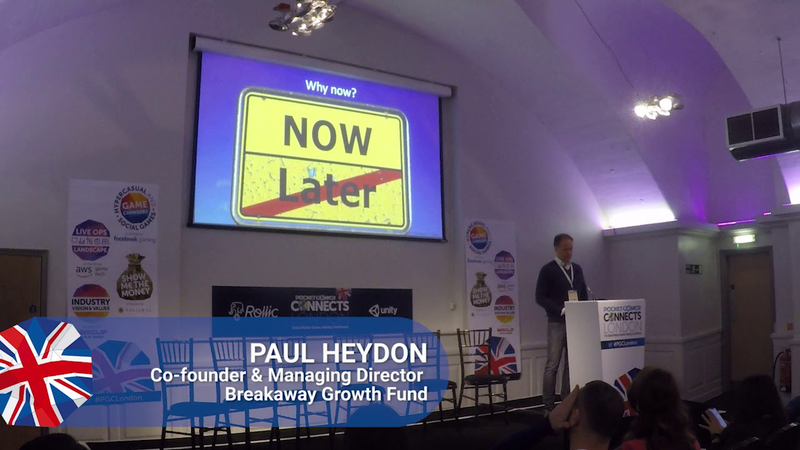
Fundraising 101
Fundraising for game industry startups requires a strategic, high-level approach that prioritizes narrative, vision, and relationship-building over mere technical presentation skills.
- Fundraising success depends on a founder's ability to articulate a compelling personal narrative and a vision that demonstrates how their business will materially change the game industry.
- Founders must prioritize building relationships with specific, high-value individual investors rather than utilizing broad, impersonal outreach strategies.
- Securing investment should be treated as a long-term, strategic game of chess rather than a transactional sprint, focusing on building rapport through unique industry insights and milestone updates.
What Makes a Game Hypercasual?
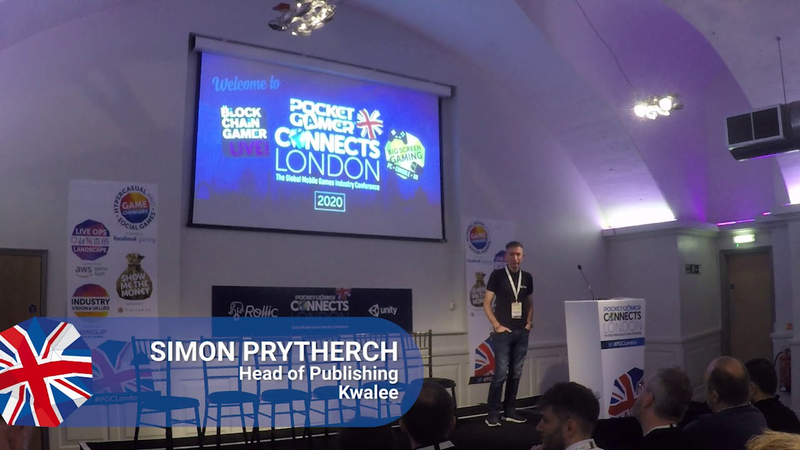
Hypercasual gaming success relies on a repeatable framework centered on three core principles: mass appeal, bite-sized gameplay, and short-term stickiness.
- Hypercasual success is defined by a 40 percent Day 1 retention benchmark, achieved through a satisfying core loop and clear progression systems.
- Mass appeal is measured by a target Cost Per Install (CPI) of approximately 50 cents in the US market.
- Effective hypercasual ads must communicate the core gameplay mechanic within the first three seconds to drive high-volume downloads.

We're in India
The primary objective of this international collaboration is to evaluate the viability of a long-term business partnership through intensive, hands-on cooperation.
- A six-week intensive residency in Pune, India, was utilized as a vetting mechanism to evaluate the viability of a long-term business partnership through hands-on collaboration.
- The team is testing organizational alignment and team dynamics by developing a mobile game prototype as a practical vehicle for assessing professional values and working styles.
- The core business thesis asserts that successful game studios are built on rigorous due diligence and a mutual commitment to both personal and organizational growth.
Fireside chat: Standing out as a New Mobile Publisher in a Crowded Marketplace
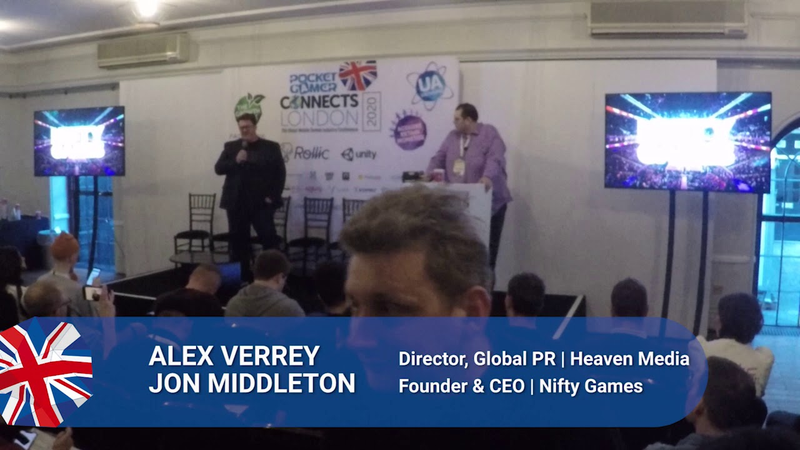
Nifty Games, a mobile-focused publisher, emphasizes a strategy of category-specific specialization to differentiate itself within the highly saturated mobile gaming market.
- Nifty Games differentiates itself in the crowded mobile market by focusing exclusively on quick-session, head-to-head sports games that leverage real-world sports events and communities for user acquisition.
- The company utilizes sports-based intellectual property to access pre-existing, passionate fan bases, which helps improve user acquisition rates, retention, and monetization compared to original, non-branded mobile IP.
- To mitigate risk and ensure a clear market position, the studio builds a slate of products around a consistent category focus rather than attempting to create disparate original IP titles.

The Publisher – Developer Relationship: The Square Enix Mobile Partnership Approach
The mobile publishing division of Square Enix West advocates for a collaborative, partnership-driven model to replace the traditional, often adversarial, publisher-developer relationship.
- Square Enix West’s mobile publishing model replaces the traditional adversarial publisher-developer dynamic with a unified, partnership-driven structure to ensure fully aligned incentives.
- The strategy prioritizes long-term, collaborative relationships over short-term deal-making to mitigate risks associated with the high complexity of the free-to-play mobile market.
- To prevent communication breakdowns and conflicting priorities, the model mandates radical transparency and joint decision-making rather than rigid, top-down contractual enforcement.

The Right Publishing Model for Ad Monetisation Games; Light Publishing
The publishing firm Avid.ly introduces a Light Publishing model designed to assist mobile game developers in navigating the complexities of global user acquisition and ad monetization.
- Avid.ly’s 'Light Publishing' model allows developers to retain full ownership of their brand and accounts while outsourcing technical infrastructure for user acquisition and ad monetization.
- By integrating user-level ad value data back into acquisition campaigns, partners can improve return on investment (ROI) by 10% to 40%.
- The model is built on the observation that a small percentage of users typically generate the majority of total ad revenue, necessitating granular optimization of ad logic and placement.
Panel: The Next Big Thing? Global Publishing & Business Trends
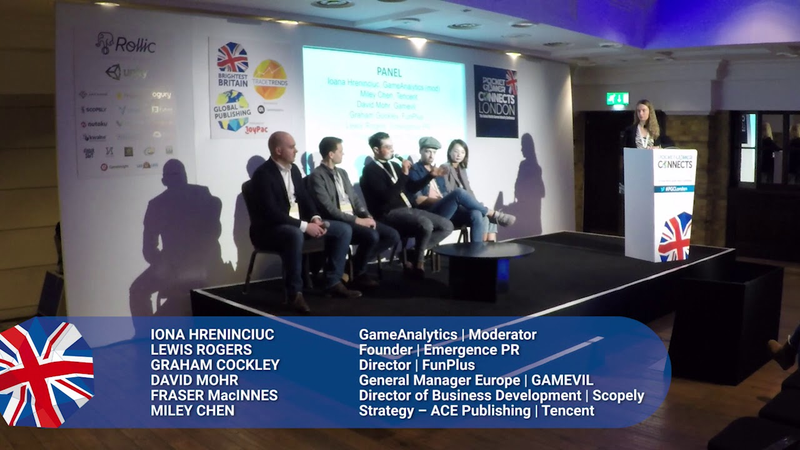
The mobile gaming industry is undergoing a strategic shift, moving away from aggressive, volume-based user acquisition toward a model defined by weapons-grade publishing infrastructure and long-term player retention.
- The mobile gaming industry is shifting from volume-based user acquisition to a model focused on long-term player retention and high-quality, sustainable franchises.
- Publishers and developers are increasingly blurring their traditional roles, necessitating closer collaboration to support fewer, higher-budget titles.
- India and Southeast Asia are identified as the primary growth regions for future billion-dollar titles due to increasing technological access and monetization maturity.
Panel: The Toxic Content Dilemma – Is In-game Game Chat a Lost Case or Can it be Saved?
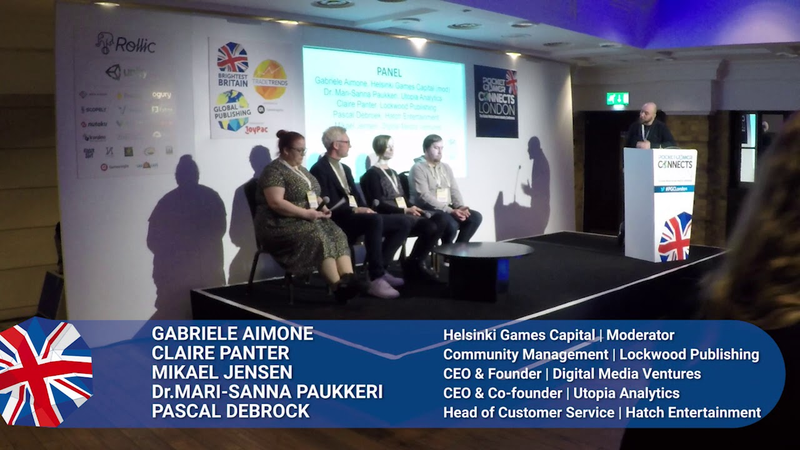
The integration of in-game chat serves as a critical component for fostering community, increasing player retention, and gathering valuable user feedback.
- In-game chat is a critical tool for community building and player retention, as it allows developers to capture valuable, free feedback on features and user sentiment.
- Relying solely on human moderation is insufficient for modern platforms, particularly when managing high volumes of content across multiple languages, time zones, and 24/7 operations.
- AI-driven moderation tools provide essential scalability by offering instant feedback to users, which serves as a learning mechanism to discourage bullying and toxic behavior before it is published.