Game Publishing reports and market data
Documents
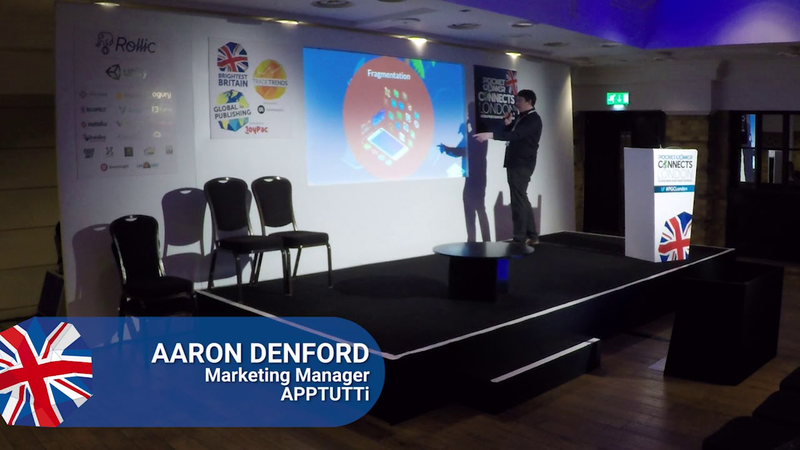
How to Enter the World's Largest Mobile Marketplace
The Chinese mobile gaming market represents the world’s largest sector, generating approximately $37.9 billion in annual revenue with over 691 million active mobile gamers.
- The Chinese mobile gaming market is the world's largest, generating $37.9 billion in annual revenue from a base of 691 million active players.
- Entering the market requires securing an ISBN license and an IP protection certificate for any game featuring in-app purchases, a process that takes six to nine months and requires significant capital.
- The absence of the Google Play Store has resulted in a highly fragmented ecosystem of hundreds of disparate Android app stores, necessitating the use of specialized publishing services for consolidated distribution.
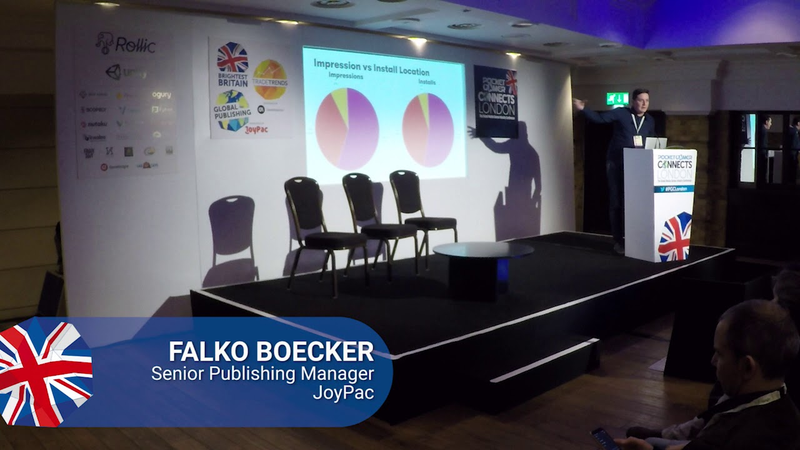
Superstar Session:Hitting Big Numbers:What Numbers Can & Cannot Tell You About Your Hypercasual Hits
Effective hypercasual game publishing relies on a disciplined approach to data analytics, moving beyond surface-level metrics to inform design and marketing decisions.
- Integrate tracking tools early in the development cycle to establish a robust historical dataset necessary for evaluating performance across diverse global regions.
- Use granular event tracking, such as tutorial drop-off rates, to identify specific friction points and refine game design rather than using data to justify pre-existing assumptions.
- Align monetization models with game structure by utilizing interstitial ads for level-based games and rewarded video integrations for endless titles with meta-game economies.
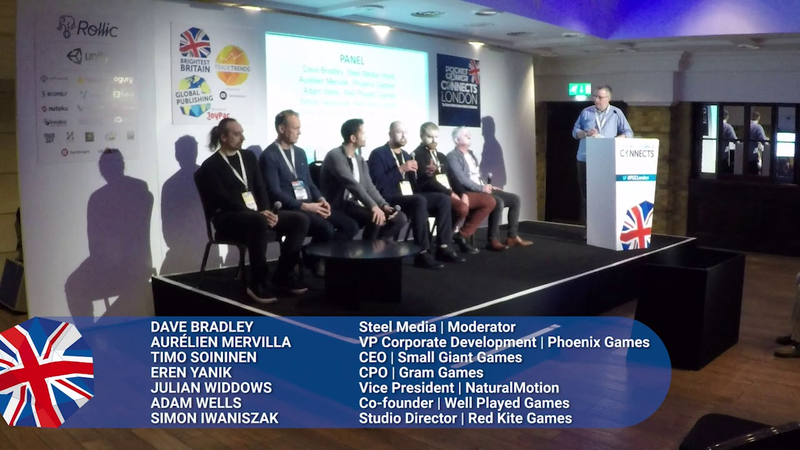
Panel: Integrating an Acquisition into Your Business
Successful business integration in the gaming industry hinges on a strategic balance between maintaining creative autonomy and leveraging the operational advantages of a larger parent organization.
- Successful acquisitions function best as a federation of independent studios that preserve creative autonomy while operating under a unified parent vision.
- Integration success relies on prioritizing long-term cultural alignment and growth over short-term financial exits.
- Acquirers provide critical value by supplying shared operational infrastructure and specialized expertise in data science and product management.
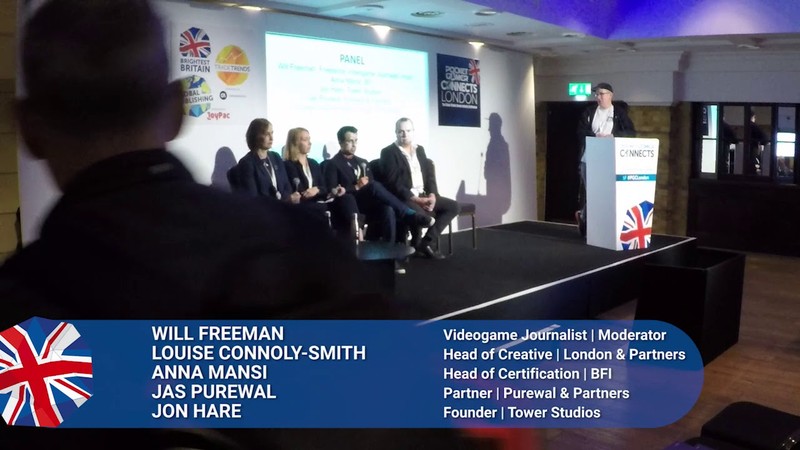
Britain After Brexit - The Challenges & Opportunities
The British video games industry maintains a resilient posture in the post-Brexit landscape, anchored by the continued stability of the Video Games Tax Relief.
- The UK games industry remains resilient due to the stability of the Video Games Tax Relief, which continues to anchor the sector despite post-Brexit regulatory and funding challenges.
- Operational friction has increased due to non-tariff barriers, VAT complications, and restricted talent mobility, forcing many studios to establish EU-based subsidiaries to maintain regional access.
- A shortage of domestic publishers has driven an increased reliance on capital from the US and China, leading to concerns regarding the potential assimilation of British studios into foreign conglomerates.
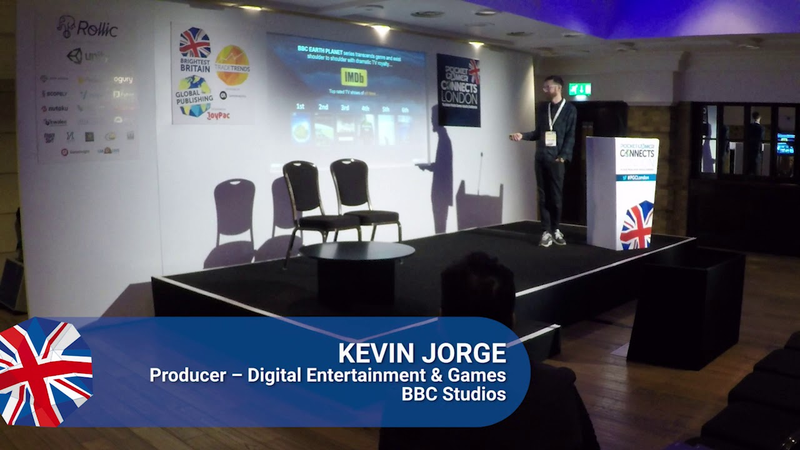
What has IP Ever Done for us? And How to Match Your Product to IP Holders
The primary objective of this presentation is to guide game developers and publishers on how to effectively identify, assess, and align their products with established intellectual property (IP) held by BBC Studios.
- Successful IP integration requires aligning game mechanics with the brand's core DNA, such as prioritizing ingenuity and teamwork for Doctor Who rather than combat-focused gameplay.
- BBC Studios is transitioning from a passive licensing model to a proactive strategy, actively seeking development partners to adapt their content into interactive media.
- BBC Studios manages a massive global portfolio, including the Doctor Who franchise which reaches audiences across 240 territories.
$0 to $1 Million: The Raw Numbers Behind Indie Success
Independent game development success relies on balancing creative vision with rigorous financial discipline, as there is no singular blueprint for studio longevity.
- Indie studios can adopt two distinct financial models: Kitfox Games utilizes a diversified portfolio approach with multiple concurrent projects to mitigate risk, while Clever Endeavour Games focuses on a single, long-term project (Ultimate Chicken Horse) to maximize depth and community engagement.
- Revenue streams for independent studios are heavily concentrated on PC platforms, with Kitfox Games reporting that approximately 91% of their total revenue is derived from Steam sales.
- Financial sustainability requires aggressive diversification of funding sources beyond initial game sales, including government grants, incubators like Execution Labs, Kickstarter campaigns, and work-for-hire contracts to cover lean periods.
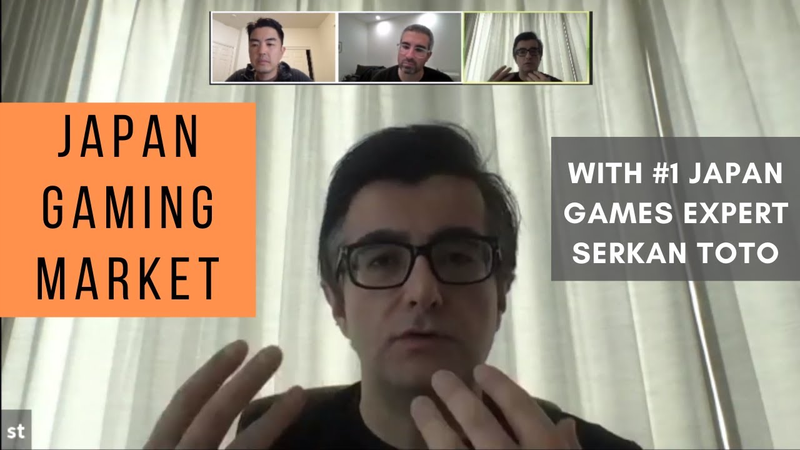
Japan Gaming Market with Serkan Toto
The Japanese gaming market, valued at approximately $13 to $15 billion, remains a distinct and highly lucrative ecosystem dominated by mobile platforms, which account for roughly 70% of total revenue.
- The Japanese gaming market is valued at $13–$15 billion, with mobile platforms accounting for approximately 70% of total revenue.
- High barriers to entry exist due to a top-heavy market structure dominated by legacy titles like Monster Strike and Puzzle & Dragons, alongside AAA mobile production costs that frequently exceed $10 million.
- International competitors from China and Korea, such as NetEase, are successfully capturing domestic market share by introducing innovative genres like Battle Royale that challenge the traditional dominance of gacha-based RPGs.

IP Licensing for Games with Jay Powell | GduX.me
Intellectual property licensing serves as a vital strategic tool for game developers seeking to overcome market saturation and enhance discoverability.
- Treat IP licensing as a strategic business partnership rather than a creative asset to ensure the licensor’s goals align with the studio’s development capabilities.
- Negotiate specific grant-of-license clauses to avoid overpaying for unnecessary rights, such as global territories or specific celebrity likenesses.
- Factor in a standard three-month lead time for approval processes, as licensed content requires more stringent oversight than traditional publishing.
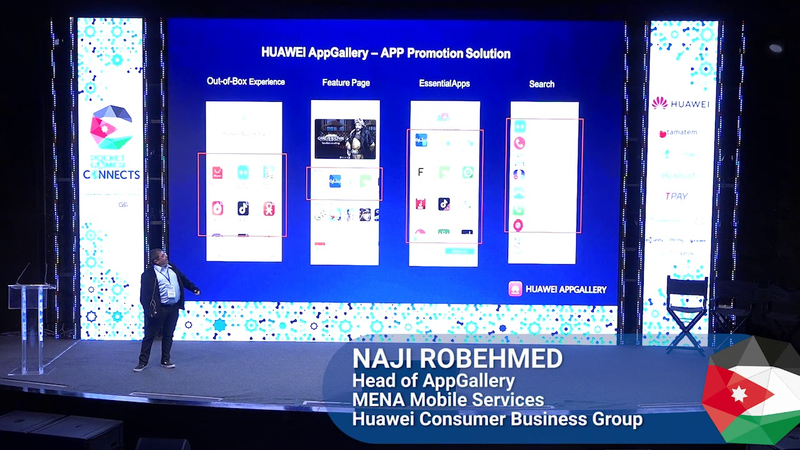
AppGalllery Storytelling Ecosystem
The AppGallery ecosystem functions as a comprehensive distribution and monetization platform for mobile game developers and publishers, integrated directly into Huawei devices.
- AppGallery supports a global developer base of 1 million, facilitating 350 billion total app distributions to over 390 million active users.
- The platform offers a competitive 85% revenue share model for developers, significantly higher than standard industry benchmarks.
- Operations span 170 countries with localized management, with the Middle East user base concentrated in the GCC (38%), North Africa (28%), and the Levant (22%).
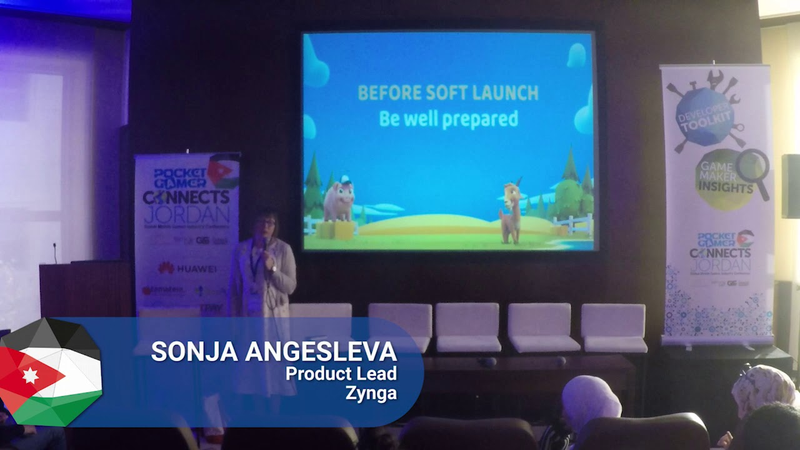
Soft Launch Planning and Risk Management
Soft launching serves as a vital risk mitigation strategy, allowing developers to refine technical stability, content depth, and user experience before committing to a global release.
- Soft launching acts as a primary risk mitigation strategy to validate core gameplay loops and technical stability before scaling to global markets.
- Development teams should prioritize core mechanics and technical performance over secondary features like monetization or social systems during the initial testing phase.
- Data analysis should be managed through a focused metrics framework, such as a single key performance indicator or a structured metrics pyramid, to prevent information overload.
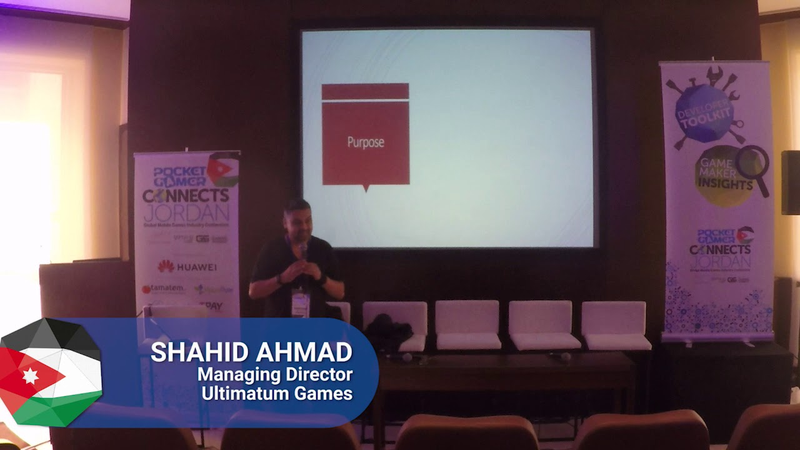
Business Strategies for Developers
Sustainable business success in the gaming industry relies on a rigorous distinction between foundational organizational concepts.
- Long-term business stability requires a clear, rigorous distinction between an organization’s purpose, mission, vision, and strategy to prevent operational fragmentation.
- Strategic success is driven by compounding, sustainable habits rather than reactive decision-making, requiring leaders to resist abandoning long-term plans during periods of short-term market volatility.
- Organizational culture is a direct reflection of leadership behavior, making the alignment of core values and actions essential for maintaining institutional integrity.
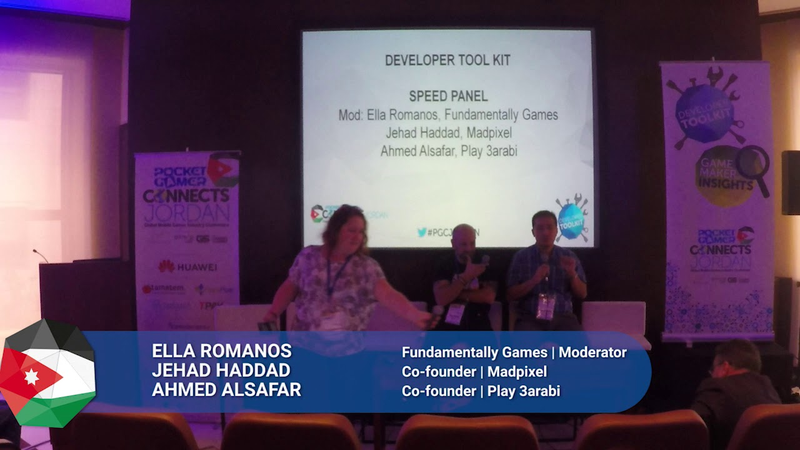
Panel: What does Business Development mean in Games
Business development in the gaming industry serves as a critical bridge between creative production and commercial viability.
- Business development functions as the essential link between creative production and commercial viability, focusing on securing resources and identifying market opportunities.
- Long-term professional relationships are prioritized over individual transactional wins, as reputation and trust are the primary drivers of future collaborative success.
- Effective outreach requires personalized communication based on research into the recipient's specific work, rather than generic or bulk messaging strategies.