1 free read left. Create a free account for unlimited reading + AI research.
Create free account
Fundraising 101
Key insights
7 takeaways- 01Fundraising success depends on a founder's ability to articulate a compelling personal narrative and a vision that demonstrates how their business will materially change the game industry.
- 02Securing investment should be treated as a long-term, strategic game of chess rather than a transactional sprint, focusing on building rapport through unique industry insights and milestone updates.
- 03Founders must prioritize building relationships with specific, high-value individual investors rather than utilizing broad, impersonal outreach strategies.
- 04Credibility is best established by leveraging introductions from other founders rather than cold outreach.
- 05Transparency regarding funding requirements is essential, and founders should frame the investment opportunity as a collaborative partnership.
- 06During negotiations, founders should prioritize aligning interests and securing the right strategic partners over chasing the highest possible valuation or check size.
- 07Alternative funding methods like crowdfunding are discouraged because they lack the strategic value-add provided by experienced venture investors.
Ask AI about this video
Transcript
This is just going to be sort of a really high-level view of how to think about fundraising and and the process from a just a really high-level view. I'm not going to give suggestions about you know, going into the nitty-gritty details of how to make a presentation and who do go pitch and all that stuff. But it's just just give you some thoughts about really high-level. There is some really important points that a lot of people just don't think about. The number one is what's your story? You as an individual. You know, what's your narrative? I mean, you walk in a room and you sit down and you you tell someone, you know, even if
it's it has nothing to do with pitching an investor, but more about pitching yourself. You know, whether you're you're meeting people new, you're out dating, or whatever it is. It's just like, what's your what's special about you? Why are people going to be interested and excited about you? And this is something that most founders really just don't do well at. Um, you know, whether it's in a presentation or even just talking about themselves. And you really have to think hard about, you know, what have you done you know, going back whenever that was just stands out, get gets people interested, gets their attention. You know, you have to get people's attention if you want to even start a conversation about trying to raise money. Cuz, you know, the number of people that go in and just pitching straight for 10 minutes and don't take a breather, you know, you've just lost that investor because they're like, "Okay, I need to sort of take this in about what this person is saying. And, you know, just think
You really need to sort of think about that and and get it right, you know, so in a concise manner. Um What's What's the vision of the business? Um This is important. So, it's it's What you know, what are you trying to do? I mean, are you trying to be you know You know, I used to hear a lot, "I want to be the We're going to build the next Supercell. You know, we're going to build the next Clash of Clans." And blah blah blah and all that stuff. And it's like Okay, well, that's that's interesting, but that's not really special. You know, copies and clones and that, you know, there's loads of people out there like that, but who cares? Um you know, if you want to do something different, you know, you think about what um the founders of Unity did, you know, when with their whole vision of the you know, they were going to democratize game development. You have no idea how many people just were like, "Yeah, right. That's never
going to happen." Um including a lot of investors. And guess what? They did it. They dominate that whole business now. And it's a very big business. And and you you So, you have to sort of think very big and but very concise. It's like, "What are you aiming to do um right here, right now?" And keep in mind this is how every business starts. It's not how every business ends up. So, yeah, there could be pivots along the way. So, why are you the person to lead the journey? So, you know, you can have a great background, great vision, but why why are you the person is going to make this happen, build this business, make it successful? Um and you have to have a strong argument to defend that because you're talking to people that you know, want to give you, I you know, X amount
of money. They want they need to be have confidence and conviction that you are the person to make it happen. You can make decisions. Um, you can move quickly. Um, and you know, demonstrate by example and so on. Um, you know, I I I I'll be honest I I I really get people to actually talk about that point. It may come across in how they present, but they they don't actually tend to talk about that point. So, how are you going to change the future? I mean, if you if you never did your business, and the future is going to end up being whatever in 10 years, that's one thing. But, with your business, how are you going to change it? Why is it going to make a difference? Why is it going to make a material difference to how the world is? Um, again, I'll go back to to you Unity. And, you know, they didn't you really know how they were going to change the future back then. They have changed the future because you know, it used to be
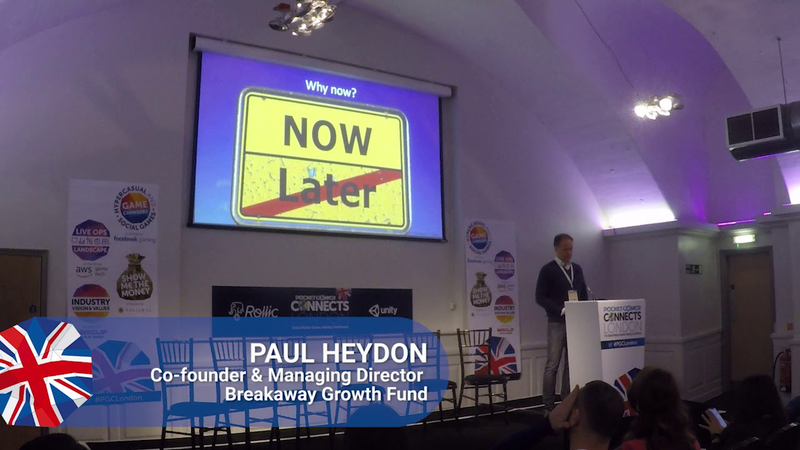
you know, you needed a million dollars to, you know, buy a license for a a game engine. And, you know, now you can I think it's what, $29, $39 a month you can get Unity. Or in fact, you can use it for free for your up to your first X amount of revenue. Um, they changed the whole game business. Um, you know, and and there's there's been lots of other examples. But, you have to sort of think about it. It's like, why are you why is your business going to make a difference? And think and and you know, keep in mind you what's happening in the business, this is all the trends and everything, and how you're going to impact that. So, why now? Um, I've seen lots of great people with great ideas, but it was a wrong timing. Um And you know, this can tend to run into sort of a bit of a conflict between investors and founders sometimes. And no one's going to be right all the time.
Um But if you really believe right now is the time, then you have to really think hard It's like how are you going to defend why right now is I mean You know, we think back to what 4 years ago people started pitching or even 5 years ago people started pitching VR stuff. Besides Oculus, it really hasn't worked out for most people. Uh it's been a bit of a disaster. Um it remains to be seen if it will be successful really successful for people. Um So, you know a lot of people were wrong. Both founders and investors. Um So, you have to think about that. Um So, what do you know that investors doesn't know? You know, is there something about that you've been doing in your business that you've learned, that your team has learned
about about what you're about the the milestones attraction that you've got or things that are happening in the category uh or new new thing new games popping up or whatever it is, you know do you know something that you're confident that the investor doesn't know that is going to be interesting? Share that. Cuz that you know smart investors like to learn. So, if you if you show them something or tell them something that they didn't know before you get their attention. Um It's like all right, maybe if I spend more time with this person, regardless of whether I invest or not, I may learn more. Um and that matters. Um, because, you know, there's lots of people who don't raise money from investors or a specific investor on their first uh, startup. But, because they build a relationship over time, they may the second time around. And you have to take a really long-term
view to be in a business. So, how do you get a meeting with the right investors? Um, there's two parts to this question. Number one is who right investors? And number two is how do you get a a meeting with them? And so, the first question is is who are the actual individuals? You know, be it individuals at a firm or angel investors or whatever that um, can really make a difference to the to to the growth of your company and to the potential success. You know, and and you you really have to for as much due diligence as an investor may do on you and your company and your vision and so on and so forth and calling around and talking to people, you should be doing the same. Cuz you need to connect the dots um, of you know, if someone has made a tremendous difference, you know, you know, with
like David at Supercell, um, or, you know, other people, you know, you know, learn about that and understand, you know, what did they do that that really made that difference? Um, because, you know, there's there's a number of people at at at some firms and I'm not going to name names that, you know, they don't have necessarily the experience that you may be looking for cuz you know what you want somebody who's found a company, built a relationship with a founder, led an investment in there, you know, helped them to be successful, whatever that was. Um, you want someone who's got that type of experience as an individual. You know, don't be glorified by, you know, big brand name of of an investor. Get excited about the individual because that's the person who's who will make the difference. Um, and then so you've identified a few investors that you want to get in front
of. Speak to other founders that have raised money. It's the number one best way to get in front of investors, particularly those that that founders that other founders that do not send like five to 10 founders to a week to other to their investors because, you know, investors are just going to wait a second, you know, you just sent me loads of crap here. Um, so you know, that's that's probably the best, you know, there's there's other ways, whether it's your own network, but don't please don't do what some people do and just, you know, make a list of 500 investors and just email blast all of them cuz it just gets nowhere. It's just like, really? Uh, I don't think so. Find common ground to connect. Um, it's so easy on the internet these days just to sort of, you know, learn a bit more about an investor whether they've spoken at something, they've
written something, there's something online that they're into marathon running or they're into sailing or this or that. Find something that you ideally you can share in common with them that you can sort of maybe start the conversation with or even end the conversation with. Cuz it it's you you're building relationships here and it's people skills. And that really makes a difference because, like I said before, you maybe you don't raise money from this person this time around, but you you build a relationship with him, and anything's possible in the future. Always ask for what you want. Honestly, most people don't ask. Whether it's in the first email they get or the the presentation they send or the the meeting that they have, they don't actually ask what they uh what they what they want. So, if you're raising money,
then say, "I'm raising money for this. I'm raising X amount, and I'm going to need to do this with it." And don't be afraid to ask. Um you know, we're you know, for investors, I mean, that's the main reason they're taking the meeting is they're looking to invest. Um And and you know, the the other part of it is is if you really believe that you are onto something really special, really has massive potential, then frame it as as, you know, "We have an opportunity here to change the world, to do blah blah blah." And you know, we think it's an opportunity for you. We're only talking And if you're honestly only talking to you like, I don't know, 10 investors, then frame it like that. Cuz it then people say, "All right. Well, this person's being thoughtful." And that matters. Optimize the deal for the right investors.
Um you know, lots of founders, not all of them, will go, "I I want the biggest valuation. I want the biggest check." It's like, that's the wrong way to approach this. Um you know, going back to what I was saying earlier about trying to find the right individuals is, you know, if you get if you get at that point where you you're having sort of deal discussions and potential term sheet discussions. Um try and understand what's really important. So, if someone sent you a term sheet, you've got some issues in there, then talk to them. Say, "All right, what's really important to you that you know you don't really want to change? Or you know, what are you open to negotiation on?" Um And you know, and then think about All right, so that's what my lead investor. Who are the other investors coming in? What's important to them? And then how do you optimize the deal for them? You know, I've Angel invested in in a number of companies and
a lot of VCs will send term sheets to people and founders will sign them that says, "All right, there's special rights just for what they call um major investors, people who are writing check for 250, 500 million or or more that you know, they get preemption rights, which is the right to invest in future rounds, or they get information rights and blah blah blah." Um That's a bad way to start if you trying to bring on a really smart Angel investor who's done a lot of investing before. It's like, why should they not have the same rights as all the other investors? Um you want to have alignment amongst everyone. That's the best way to start and close the deal. Um You know, a number of companies will go in um and just let me done. We'll get lots of interest, but they can't close it.
And you know, they're just they're calling everyone, they're pushing hard, they're being super aggressive, you know, we got to get this done, blah blah blah. It's like, that's not the way to close the deal. The way to close the deal is step back and say, "This is a game of chess. What are the moves I need to make to bring in the the right individual person to get them on board convinces other people to jump on board now. And if you're really thoughtful about that, you can get the deal done. But being super pushing aggressive doesn't get deal done. And then, you know, just once you've got a signed term sheet, then work towards your timetable, not anyone else's timetable, especially not your lawyers. It's It's all about, you know, if you want to get it done in 30 days, get it done in 30 days. That's it. Any questions? Questions, ladies and gentlemen?
Well, that was easy. I've got one then. So, from a games perspective then, obviously, um what could you tell us the benefits, differences between saying going for something like Kickstarter instead of an investor? So, you mean raising money from Kickstarter versus raising money from an investor? Yes. Um So, I'll be blunt. You know, if you really want smart people who are going to bring value add to the table to really help you grow grow your business, you're not going to find it in Kickstarter or any other crowdfunding website. You have to go out and and and target those people and you get in front of them. Um if you just want any money from anywhere anyhow, go for it in Kickstarter. It's not that difficult if you're smart. Um but it's not going to be really people who are going to help you make a difference with your business. Okay, thank you. Any more questions?
Yes, sir. Um thank you for this presentation, first. I'm coming from Turkey, representing an association which is which is around 200 members, Turkish companies, mostly small size, middle size and big size studios, also publishers. What is your What is your vision in terms of investing foreign countries in the game industry? Did you Did you do it before? And now? Well, I haven't invested in Turkey or Eastern Europe, but I've invested lots of other countries. Um I think that the way to think about it is is is you know if you are in a country where there's not as many investors which by the way used to be Europe versus the US. It's gotten better in Europe Western Europe anyways.
Is you have you just have to work that much harder to raise money. There's a you know you want to talk about Turkey specifically. There's a number of VCs in Western Europe who have invested in Turkey. So obviously that's your first protocol besides local investors. Um and you just have to be open-minded right? How am I going to get this done? You know for various Western European companies it used to be all right, well, I got to be prepared to move the company or at least the management team to the US Silicon Valley otherwise they won't even talk to me. So is that something that makes sense is possible for you to do to from Turkey to the UK or wherever in Western Europe. So you just you just have to be open-minded and you just have to find a way to connect, but it maybe it's something that you know you get various individuals or family offices to start with so you can build some traction then you can attract more attention from
VCs. Yeah, actually that that is the situation. Most of the current companies in Turkey are somehow they moved first their bases outside Turkey. Yeah. Uh especially to UK. Yeah. Thanks for that. Okay. Round of applause for the whole
Summary
Fundraising for game industry startups requires a strategic, high-level approach that prioritizes narrative, vision, and relationship-building over mere technical presentation skills. Founders must articulate a compelling personal story and a clear, ambitious vision that demonstrates how their business will materially change the industry. Success hinges on the founder’s ability to prove they are the right person to lead the venture, demonstrating both the capacity for quick decision-making and a deep understanding of market timing. Founders should identify specific, high-value individual investors rather than relying on broad, impersonal outreach, and they should leverage introductions from other founders to gain credibility.
The process of securing investment is framed as a long-term game of chess rather than a transactional sprint. When engaging with potential investors, founders are encouraged to share unique insights or milestones that demonstrate a superior understanding of their category, which helps build rapport even if an immediate investment does not materialize. Once a dialogue is established, transparency regarding funding needs is essential; founders should clearly state their requirements and frame the opportunity as a collaborative partnership. During deal negotiations, the focus should remain on aligning interests and securing the right partners rather than simply chasing the highest valuation or the largest check.
The scope of this guidance covers the global game development sector, with specific emphasis on navigating the challenges faced by studios in regions with fewer local venture capital resources. While alternative funding methods like crowdfunding exist, they are characterized as lacking the strategic value-add provided by experienced investors. Ultimately, the advice emphasizes that closing a deal requires a thoughtful, disciplined approach to managing the process, maintaining control over the timeline, and ensuring that all parties are aligned for long-term growth.


















Comments